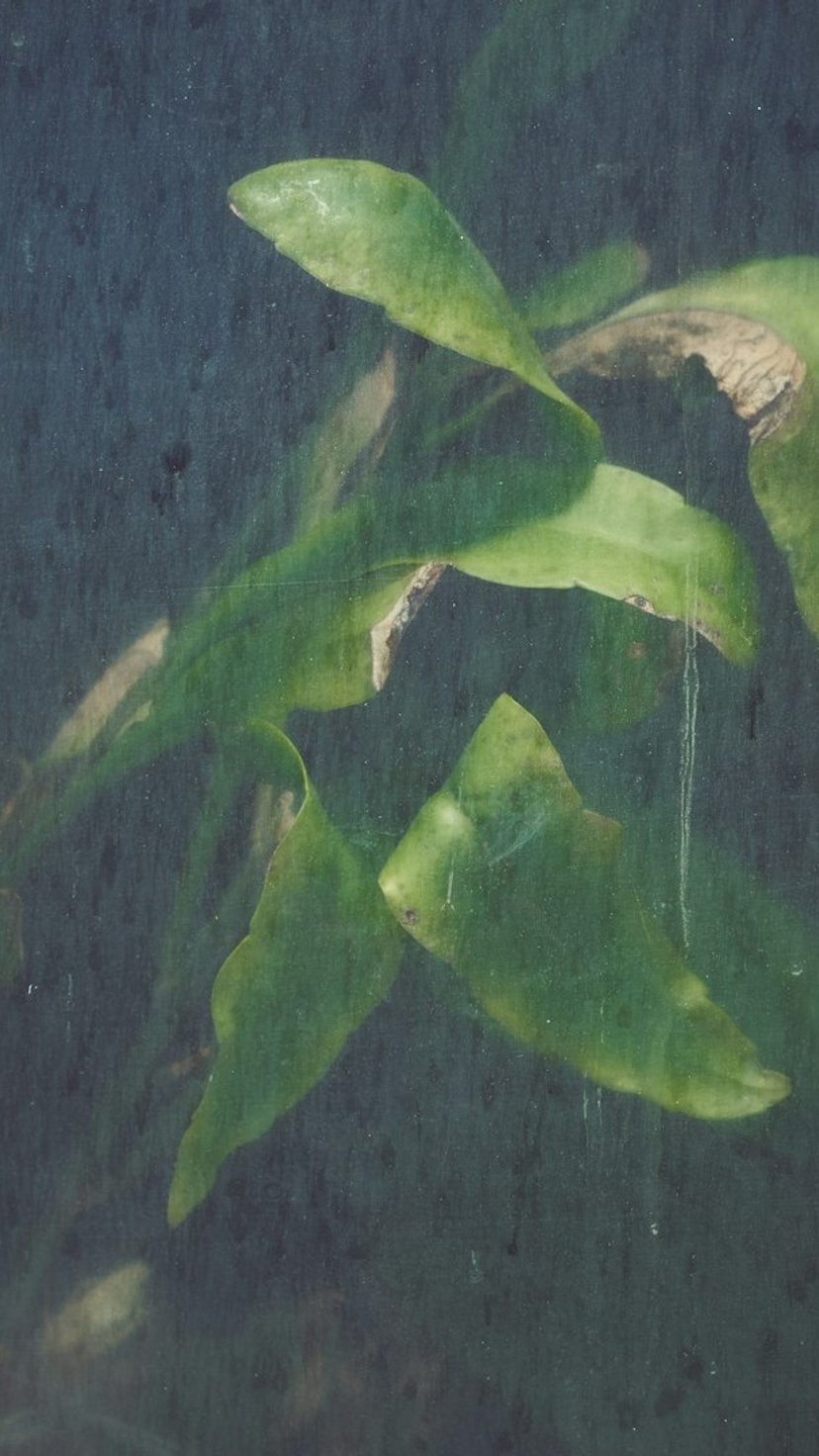
Overwatering vs Underwatering: Tell Difference
Master plant watering to keep your indoor garden thriving. Learn to spot signs of too much or too little water before it's too late.
Check Soil Moisture Before Watering
Insert your finger 2 inches into soil. Dry = water needed. Soggy = skip watering. In India's monsoon, reduce frequency during rainy seasons.
Yellowing Leaves Signal Overwatering
Yellow leaves starting from bottom indicate excess water. Roots rot in waterlogged soil. Let soil dry between waterings for 2-3 days.
Crispy Brown Leaves Mean Underwatering
Dry, brittle leaves with brown edges need more water. Check humidity in summer heat. Mist leaves daily in dry Indian climates.
Observe Wilting and Leaf Drooping
Overwatered plants wilt despite wet soil. Underwatered plants droop from dehydration. Feel the difference: soggy versus light, dry pot weight.
Examine Root Health Carefully
Gently remove plant from pot. Healthy roots are white/tan. Black, mushy roots = overwatering. Thin, dry roots = underwatering needs fixing.
Establish Watering Schedule Seasonally
Water more in summer, less in winter. In India, adjust during monsoon rains. Use room-temperature water; avoid cold tap water shock.
Improve Drainage for Better Results
Use pots with drainage holes. Mix perlite into soil. Avoid saucers that trap water. Good drainage prevents root rot completely.
Want the Full Guide?
Tap below for complete Overwatering vs Underwatering Plants: How to Tell the Difference care guide
Read Full Guide →