
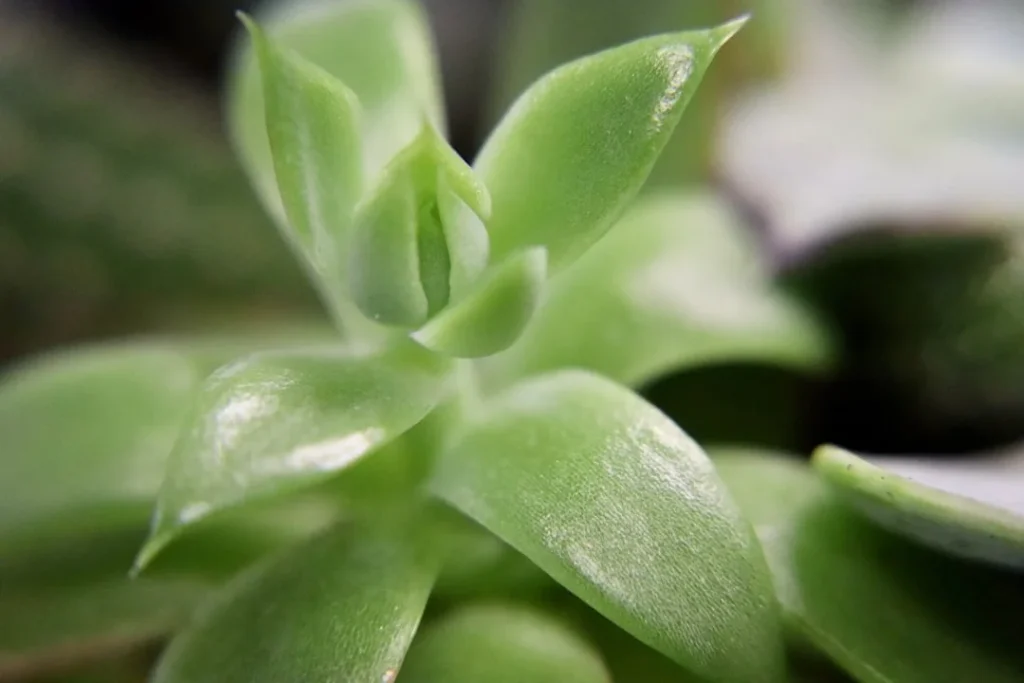
⏱ 29 min read
Table of Contents
- What Is Baby Toes Succulent?
- Baby Toes Succulent Characteristics at a Glance
- Baby Toes Succulent Problems Pests: The Complete Breakdown
- Watering Baby Toes Succulent: The Single Biggest Mistake
- Sunlight Requirements Across Different Climates
- Soil and Fertilizer for Fenestraria aurantiaca
- How to Grow and Propagate Baby Toes Succulent
- Seasonal Care Through the Year
- Traditional and Cultural Uses
A gardener in Singapore once messaged me in a panic — her Fenestraria aurantiaca had looked plump and perfect for months, then collapsed almost overnight. No drama, no warning. Just a cluster of soft, translucent little tubes slowly turning to mush. She’d done everything right — or so she thought. That story is more common than you’d expect, and it’s exactly why understanding baby toes succulent problems pests is so essential before trouble starts. Baby Toes Succulent (Fenestraria aurantiaca) is a fascinating, low-maintenance plant native to the coastal deserts of Namibia and South Africa. It’s beloved worldwide for its quirky appearance — clusters of stubby, windowed leaf-tips that actually let light filter underground. But despite its tough reputation, this plant has specific weak points. Baby toes succulent problems pests can appear deceptively late, often after serious damage has already begun. By the end of this guide, you’ll know exactly why your previous attempts may have failed — and what to do differently starting today. If you enjoy growing this plant, you might also find our guide on growing succulents in tropical climates very useful.
Quick Highlights
- Identify the most common baby toes succulent problems pests before they cause irreversible damage
- Learn the precise watering schedule that prevents root rot in every climate zone
- Discover how to propagate Fenestraria aurantiaca from seeds and offsets at home
- Understand seasonal care differences for tropical, temperate, arid, and Mediterranean climates
- Apply science-backed soil and fertilizer strategies that mimic natural desert conditions
- Recognise early pest and disease warning signs to act before your plant declines
Plant Characteristics at a Glance
| Common Name | Baby Toes Succulent, Window Plant, Baby Toes |
| Scientific Name | Fenestraria aurantiaca |
| Family | Aizoaceae (Ice Plant family) |
| Origin | Coastal Namibia and Namaqualand, South Africa |
| Habitat | Sandy quartz riverbeds, coastal desert; Succulent Karoo biome; near-zero rainfall with coastal fog |
| Plant Type | Succulent perennial; forms dense clumping rosettes; window plant (fenestrate leaf tips) |
| Indoor Plant | Yes — ideal as a windowsill or container plant; needs minimum 4 hours direct sunlight indoors |
| Outdoor Plant | Yes — suitable in USDA Zones 9b–11; RHS Hardiness H2; bring indoors before first frost in colder climates |
| Leaves | Cylindrical, club-shaped; 2–4 cm tall; fleshy, pale green to grey-green; flat transparent tip (fenestration); no petiole |
| Flowers | Daisy-like; bright yellow (F. aurantiaca) or white (subspecies rhopalophylla); 3–5 cm diameter; open only in full sun |
| Flowering Season | Late summer to autumn (August–October in Northern Hemisphere; February–April in Southern Hemisphere) |
| Fruit | Small, dry capsule containing fine seeds; splits open when wet (hygrochastic dispersal) |
| Seeds | Tiny; surface-sown; need light to germinate; viability drops significantly after 12 months; germination at 20–25°C (68–77°F) |
| Roots | Shallow, fibrous root system; highly susceptible to root rot in wet or compacted soil; taprooted in mature specimens |
| Height | 2–5 cm (0.8–2 inches) above soil; spreads laterally into clumps up to 30 cm (12 inches) wide over several years |
| Growth Rate | Slow; 2–3 years to reach mature clumping form from seed; faster from offsets |
| Light Requirements | Full sun to bright indirect light; 4–6 hours of direct sun daily; avoid scorching midday sun in hot climates |
| Soil Requirements | Extremely fast-draining; 50–70% inorganic grit (perlite, pumice, coarse sand); pH 6.0–7.0; never use peat-heavy mixes |
| Water Requirements | Soak-and-dry method; water deeply then allow complete dry-out; every 7–14 days in growing season; every 3–6 weeks in dormancy |
| Temperature Requirements | Optimal: 15–25°C (59–77°F); tolerates up to 38°C (100°F) with shade; minimum 5°C (41°F); frost-intolerant |
| Humidity Requirements | Low; prefers 20–40% relative humidity; high humidity (above 60%) increases risk of fungal disease and root rot |
| Propagation | Division of offsets (faster); seed (slower, 1–4 weeks germination); best done in autumn or early spring |
| Uses | Ornamental houseplant; rock gardens; succulent collections; terrariums (open, not closed); container gardening |
| Medicinal Properties | No documented medicinal use; not listed in Ayurveda, TCM, or Western herbalism; grown purely as ornamental |
| Toxicity | Generally considered non-toxic to humans, dogs, and cats; not confirmed by ASPCA; avoid ingestion; keep from pets and children as precaution |
| Cultural Significance | Recognised by indigenous Nama/Khoikhoi people of Namaqualand for drought adaptation; popular in global succulent collector communities |
| Common Pests | Mealybugs, root mealybugs, fungus gnats, spider mites, scale insects |
| Common Diseases | Root rot (Pythium, Phytophthora); crown rot; sooty mould (secondary to mealybug honeydew); fungal leaf spot |
| Special Care Tips | Never water during peak summer dormancy; repot only when severely root-bound; avoid overhead watering; always use pots with drainage holes |
| Cultural Practices | Top-dress with grit or gravel; plant slightly above soil level to protect crown; annual repotting in early autumn to refresh soil |
| Vastu Direction | East or South-East — associated with positive energy, clarity, and light; aligns with the plant's need for morning sunlight |
Baby toes succulent problems pests Names in Different Languages
| English | Baby Toes Succulent / Window Plant |
| Mandarin Chinese | 窗叶花 (Chuāng Yè Huā) |
| Spanish | Planta Ventana / Dedos de Bebé |
| Hindi | बेबी टोज़ सक्युलेंट (Baby Toes Succulent) |
| Gujarati | બેબી ટોઝ (Baby Toes) |
| Arabic | نبتة النوافذ (Nabtat Al-Nawafidh) |
| Bengali | বেবি টোজ সাকুলেন্ট (Baby Toes Sakulenta) |
| Portuguese | Planta Janela / Dedos de Bebê |
| Russian | Фенестрария (Fenestrariya) |
| Japanese | ウィンドウプランツ / フェネストラリア (Fenestoraria) |
| Punjabi | ਬੇਬੀ ਟੋਜ਼ (Baby Toes) |
| German | Fensterpflanze / Baby Toes Sukkulente |
| Javanese | Tanaman Jendela (Baby Toes) |
| Korean | 창문식물 / 베이비 토즈 (Beibi Tojeu) |
| French | Plante Fenêtre / Orteils de Bébé |
| Telugu | బేబీ టోస్ మొక్క (Bēbī Ṭōs Mokka) |
| Marathi | बेबी टोज रोप (Baby Toes Rop) |
| Tamil | பேபி டோஸ் செடி (Pēpi Ṭōs Ceṭi) |
| Urdu | بے بی ٹوز سکیولینٹ (Baby Toes Succulent) |
| Turkish | Bebek Parmağı Sulu Bitkisi |
| Vietnamese | Cây Ngón Chân Em Bé / Cây Cửa Sổ |
What Is Baby Toes Succulent?
Fenestraria aurantiaca is one of the most unusual succulents on the planet. Native to the quartz fields and sandy riverbeds of coastal Namibia and South Africa, this plant has evolved a clever survival trick — its leaf tips are partially transparent, acting like tiny windows. Underground, the plant uses this natural ‘fenestration’ (from the Latin fenestra, meaning window) to absorb sunlight even when buried by windblown sand. That’s where the name Fenestraria comes from. For more tips, check out our detailed article on growing succulents in tropical climates.
In the wild, Baby Toes Succulent grows almost completely below the soil surface. Only the flat, glassy tips peek above ground. It belongs to the Aizoaceae family — the same family as living stones (Lithops) and ice plants — and it shares their love for extreme drainage, minimal water, and intense sun. For more tips, check out our detailed article on Spider Plant Propagation in Water.
Here’s the thing most people don’t realise: Baby Toes Succulent is not a typical beginner plant. It looks approachable, but it demands very specific conditions. Get those right, and it thrives for decades. Get them wrong, and baby toes succulent problems pests will appear within weeks. According to Kew Gardens, Fenestraria aurantiaca is classified as a ‘window plant’ — a rare growth form found in fewer than 20 plant genera worldwide.
Where Does Baby Toes Succulent Come From?
Fenestraria aurantiaca originates from the Succulent Karoo biome, one of the world’s 25 biodiversity hotspots. Specifically, it grows along the Namaqualand coast of South Africa and into the Namibian coastal desert — regions that receive less than 150mm (6 inches) of rainfall per year, mostly as coastal fog rather than rain. This explains everything about how to care for it: minimal water, maximum drainage, and bright diffused light rather than searing direct noon sun. Understanding this origin is the foundation for preventing baby toes succulent problems pests before they start. Many gardeners who grow this plant also love to read about growing succulents in tropical climates.
What Does Baby Toes Succulent Look Like?
The plant forms dense clumping rosettes of cylindrical, club-shaped leaves, typically 2–4 cm (0.8–1.6 inches) tall. Each leaf is fleshy, pale green to grey-green, with a flattened, slightly translucent tip. In late summer to autumn, it produces cheerful daisy-like flowers — bright yellow in the species aurantiaca and white in the subspecies rhopalophylla. The flowers only open in full sunlight, closing at night — a behaviour called nyctinasty. It’s one of the more charming traits of an already remarkable plant.
Baby Toes Succulent Characteristics at a Glance
Before diving into care, it helps to have a clear reference. The table below covers everything from growth habit and soil preference to toxicity and cultural uses. Whether you’re growing this plant on a sunny windowsill in London, a terrace in Mumbai, a balcony in Sydney, or a desert garden in Arizona, these core characteristics will anchor your care decisions. Gardeners in tropical climates will need to adjust for humidity; those in temperate zones will manage light levels carefully through winter. That said, the fundamentals remain the same worldwide.
Baby Toes Succulent Problems Pests: The Complete Breakdown
This is the section most gardeners need most urgently — and yet it’s the one most care guides rush through. Baby toes succulent problems pests fall into two broad categories: cultural problems (caused by incorrect care) and biological problems (caused by insects or pathogens). Crucially, most pest infestations are secondary to cultural stress. A healthy, well-grown Fenestraria aurantiaca is genuinely resistant to most pests. The moment you overwater, under-light, or over-fertilise, you open the door to trouble. If you enjoy growing this plant, you might also find our guide on growing succulents in tropical climates very useful.
In my experience, about 80% of baby toes succulent problems pests cases I’ve seen begin with one mistake: watering during dormancy. This plant has two rest periods — a summer semi-dormancy in very hot climates and a true winter dormancy in temperate zones. Watering during these windows is the fastest route to root rot, and root rot invites fungus gnats, mealybugs, and bacterial collapse almost immediately.
Let’s go through each problem methodically.

Root Rot: The Silent Killer
Root rot, caused by Pythium and Phytophthora fungal species, is the number one problem in baby toes succulent problems pests lists worldwide. Symptoms appear late — by the time leaves turn mushy and translucent, the root system is already compromised. Prevention is everything. Use a soil mix with at least 50–70% inorganic grit (perlite, pumice, or coarse sand). Water only when the soil is completely dry. In tropical climates like Southeast Asia or coastal India, this might mean watering once every 2–3 weeks even in growing season. In temperate climates like the UK or Pacific Northwest USA, water even less in winter — sometimes not at all from November to February.
Mealybugs: White Fluff That Signals Big Trouble
Mealybugs (Pseudococcidae family) are the most common biological pest affecting Fenestraria. They hide at the base of leaves and in the soil, appearing as white cottony clumps. They suck cell sap, weakening the plant and excreting honeydew that encourages sooty mould. Treatment: isolate the plant immediately. Apply 70% isopropyl alcohol (rubbing alcohol) directly to infested areas using a cotton swab. For soil-dwelling mealybugs — often the harder-to-spot root mealybugs — drench the soil with a neem oil solution (5ml neem oil + 1ml dish soap per litre of water). Repeat every 7–10 days for 3 cycles.
Fungus Gnats and Soil Flies
Fungus gnats (Bradysia species) are tiny black flies whose larvae feed on roots in moist, organically rich soil. They’re a clear sign you’re overwatering or using soil with too much organic content. The fix is dual: let the soil dry out completely between waterings (this alone breaks the gnat lifecycle, since larvae die in dry soil), and top-dress with a 1–2cm layer of coarse sand or grit to prevent adult gnats from laying eggs. Yellow sticky traps catch adults effectively. Beneficial nematodes (Steinernema feltiae), available from garden centres globally, destroy larvae in the soil without any chemicals.
Spider Mites: A Hot, Dry Climate Problem
Ironically, while Baby Toes loves dry conditions, spider mites (Tetranychus urticae) thrive in hot, arid air with no air circulation. Look for fine webbing on leaf surfaces and a stippled, dusty appearance. Spider mites are especially common in indoor settings during winter when heating systems lower humidity dramatically. A gentle spray of water dislodges them — though be careful not to overdo moisture on the soil. Follow up with insecticidal soap spray (2ml per litre of water) every 5 days for 3 applications.
Overwatering, Underwatering, and Leaf Shrivelling
Not all baby toes succulent problems pests are biological. Overwatering causes leaves to become translucent, soft, and eventually collapse. Underwatering causes leaves to shrivel, wrinkle, and lose their plump, upright stance — though the plant recovers quickly with a single deep watering. Sunburn shows as white or brown, papery patches on leaf tips facing direct noon sun. Etiolation (stretching toward light) signals insufficient sunlight, causing the compact rosette to become leggy and lose its characteristic stubby shape.
Watering Baby Toes Succulent: The Single Biggest Mistake
Here’s a counterintuitive truth: the internet tells you succulents need very little water. For Baby Toes, that’s only half right. During active growth (typically autumn through spring in the Northern Hemisphere), Fenestraria actually appreciates a thorough, deep watering — followed by a complete dry-out before the next drink. It’s not about small amounts of water; it’s about the right timing and total drainage between sessions.
The ‘soak and dry’ method works best. Water deeply until it drains freely from the pot’s drainage hole, then wait until the soil is bone dry — not just surface-dry — before watering again. In temperate climates (UK, Northern USA, Canada), this cycle takes 10–14 days in summer and 3–6 weeks in winter. In tropical climates (India, Southeast Asia), high ambient humidity means the soil stays moist longer, so stretch intervals further.
Never let Baby Toes sit in a saucer of water. Even 30 minutes of standing water can begin root rot in this species. This is where most baby toes succulent problems pests originate.
Seasonal Watering Calendar
Spring (March–May, Northern Hemisphere): Begin watering as temperatures rise above 10°C (50°F). Start with small amounts every 10–14 days, increasing as the plant shows active leaf growth. Summer (June–August): Water every 7–14 days in moderate climates. In very hot climates above 38°C (100°F), reduce watering as the plant enters semi-dormancy. Autumn (September–November): This is peak growing and flowering season — water regularly, every 7–10 days. Winter (December–February in temperate zones): Reduce to once every 3–6 weeks or withhold entirely in climates below 5°C (41°F). In Southern Hemisphere locations (Australia, South Africa), simply reverse these seasons.
Sunlight Requirements Across Different Climates
Baby Toes Succulent is a sun-worshipper — but with an important nuance. In its native Namaqualand habitat, it’s often partially buried in sand, receiving bright but filtered light rather than direct, scorching midday sun. This detail matters enormously for growers in different climates.
In temperate climates like the UK, Ireland, Germany, or the US Pacific Northwest, place Fenestraria on a south-facing windowsill (or north-facing in the Southern Hemisphere) where it can receive 4–6 hours of direct sun daily. During the short winter days, a full-spectrum grow light placed 15–20 cm (6–8 inches) above the plant for 12–14 hours compensates well.
In tropical climates — India, Southeast Asia, the Caribbean — the intensity of midday sun can actually bleach or sunburn this plant. A position with 4–5 hours of morning sun (before 11am) and bright indirect light for the rest of the day is ideal. East-facing balconies work beautifully in Mumbai, Bangkok, or Singapore. In arid climates like the Middle East, Arizona, or parts of Australia, provide shade cloth (30–50% shade) during the hottest summer months. The USDA Plant Hardiness Zone map is a useful reference for US growers determining outdoor placement.
Growing Baby Toes Indoors vs Outdoors
Indoors, Baby Toes does well as long as it gets at least 4 hours of direct sunlight through a window. South-facing windows in the Northern Hemisphere are ideal. However, glass filters UV light, and many growers find their plants gradually etiolate (stretch) indoors without supplemental grow lighting — especially in winter. Outdoors, Baby Toes thrives in USDA Hardiness Zones 9b–11 (roughly -3°C/27°F minimum) and RHS Hardiness Rating H2. In cooler climates, grow it in a pot you can bring inside before the first frost. It absolutely cannot tolerate freezing temperatures and prolonged wet cold — this combination is perhaps the fastest trigger for baby toes succulent problems pests caused by root and crown rot.
Soil and Fertilizer for Fenestraria aurantiaca
Get the soil right, and you’ve solved at least half of all potential baby toes succulent problems pests before they begin. Fenestraria needs extremely fast-draining soil that mimics its native quartz-sand habitat. A standard succulent or cactus mix straight from the bag usually isn’t gritty enough. The ideal mix contains 50–70% inorganic material: coarse perlite, pumice, horticultural grit, or crushed granite. The remaining 30–50% can be quality cactus compost or well-aged, sterilised potting soil.
pH should sit between 6.0 and 7.0 — slightly acidic to neutral. Avoid peat-heavy mixes, which retain too much moisture and break down quickly, compacting the soil around delicate roots.
For pots, always choose terracotta over plastic where possible. Terracotta breathes, wicking away excess moisture through its porous walls. This single swap can significantly reduce overwatering risk, particularly for growers in humid tropical climates.
Fertilizer? Less is genuinely more. In its native habitat, Fenestraria grows in almost nutrient-free quartz sand. Over-fertilising causes rapid, soft, lush growth that’s highly susceptible to pests and disease. Apply a diluted, low-nitrogen cactus fertilizer (NPK ratio such as 2-7-7 or 5-10-10) at half the recommended strength, once in spring and once in early autumn. Never fertilise during dormancy.

DIY Soil Mix Recipe
Here’s a reliable recipe used by collectors worldwide. Combine: 40% commercial cactus/succulent mix + 40% coarse perlite or pumice + 20% coarse horticultural sand (not fine beach sand, which compacts). Mix thoroughly before use. For growers in tropical climates with high ambient humidity, increase the inorganic component to 60–70% to compensate for slower soil drying. In arid climates with very fast evaporation, you can reduce perlite to 30% to avoid the soil drying too rapidly during active growing seasons. Adding a thin top layer of fine gravel or grit after potting helps prevent moisture retention at the crown and deters fungus gnats.
How to Grow and Propagate Baby Toes Succulent
Growing Fenestraria aurantiaca successfully comes down to respecting its natural rhythm. It’s not a fast grower — expect slow, steady progress over months and years, with the reward of increasingly dense, attractive clumps and annual flowers. But propagation is genuinely satisfying once you understand the two main methods: division and seeds.
For our comprehensive overview of growing unusual indoor plants from scratch, check out our indoor plant care guide for foundational techniques that apply across species.
Seed propagation is slower but produces more plants and is rewarding for patient gardeners. Division — separating offsets from the mother clump — is faster and maintains the parent plant’s exact characteristics. Both methods work globally, though timing should align with the plant’s natural growing season (autumn to spring in the Northern Hemisphere).
Propagating by Division (Offsets)
Baby Toes naturally produces offsets — small daughter clumps that form at the base of mature plants. Wait until offsets have developed their own visible leaf clusters, typically 2–3cm wide. Gently unpot the entire plant. Use a clean, sharp knife or your fingers to separate offset clusters from the mother plant, ensuring each offset has some root attached. Allow cut surfaces to callous (dry) for 24–48 hours in a shaded, dry location. Then pot into the same well-draining mix described above. Hold off watering for the first 5–7 days to encourage the new roots to reach outward. Many gardeners find this method produces healthy new plants within 4–6 weeks.
Growing from Seed
Seeds are available from specialist succulent nurseries and online retailers worldwide. Sow on the surface of damp, gritty seed compost — do not bury them; they need light to germinate. Cover the tray with a clear lid or cling film to maintain humidity, placing it in bright, indirect light at 20–25°C (68–77°F). Germination takes 1–4 weeks. Once seedlings are visible, gradually remove the cover to acclimatise them. Seedlings are tiny and slow — expect to wait 2–3 years before they reach a mature, clumping form. The RHS advises using fresh seed for best germination rates, as Fenestraria seed viability drops significantly after 12 months.
Seasonal Care Through the Year
One of the most important — and most misunderstood — aspects of Baby Toes care is its unusual growth calendar. Unlike most houseplants that grow vigorously in summer and rest in winter, Fenestraria follows a Mediterranean-style pattern: active growth in cooler months, semi-dormancy or full rest in the hottest part of summer.
This catches many gardeners off guard. In July — the current month and peak monsoon season across South Asia, and midsummer across the Northern Hemisphere — Baby Toes may look slightly shrivelled or slow. This is normal. Resist the urge to increase watering. Doing so during summer semi-dormancy is one of the prime triggers for baby toes succulent problems pests, particularly root rot and subsequent fungal infections.
Meanwhile, gardeners in the Southern Hemisphere (Australia, New Zealand, South Africa) are experiencing their winter — a different kind of dormancy challenge involving cold, low light, and wet weather.
Monsoon Season Care (July Context)
If you’re growing Baby Toes in a tropical or subtropical climate during the monsoon season — July through September across India, Southeast Asia, and parts of West Africa — take extra precautions. Bring outdoor plants under cover. High humidity and monsoon rain are among the most hostile conditions for this desert native. Even a few days of wet soil during this period can initiate root rot. Indoors, run a fan for air circulation. Check the base of leaves for early mealybug signs. Reduce watering to once every 3–4 weeks or suspend it entirely. This is also the peak season for fungus gnat activity, so monitor soil carefully.
Winter Care in Cold Climates
In temperate regions — UK, Canada, Northern USA, Central Europe — winter presents a different challenge. Short days and low light cause Baby Toes to slow significantly. Temperatures below 5°C (41°F) stress the plant, and any frost will kill it. Keep it at a minimum of 10°C (50°F) indoors. Water no more than once every 4–6 weeks. If using central heating, the air will be very dry — which the plant tolerates well, but watch for spider mites, which thrive in hot, dry indoor air during winter months. A grow light on a timer (14 hours on, 10 off) keeps the plant healthy through the darkest months.
Traditional and Cultural Uses
Fenestraria aurantiaca doesn’t have a deep history in Ayurveda or Traditional Chinese Medicine — it’s a plant that remained largely unknown outside its narrow native range until European botanists documented it in the 19th century. However, it has cultural significance among the indigenous Nama and Khoikhoi people of Namaqualand, South Africa, who recognised its remarkable drought adaptations long before Western science did.
The plant has no widely documented medicinal use in major traditional systems. The WHO has not classified it as a medicinal plant, and there is no significant published research on pharmacological properties. This is worth noting clearly — some online sources attribute vague health benefits to ornamental succulents without evidence. Baby Toes is grown primarily as an ornamental, and that’s what it does magnificently.
However, within the broader Aizoaceae family, some related species like Mesembryanthemum (ice plant) have documented use in South African traditional medicine for skin conditions and digestion. Fenestraria itself is not used medicinally, and any internal use should be avoided.

Toxicity and Pet Safety
Here’s an important note for households with pets and children. Fenestraria aurantiaca is generally considered non-toxic to humans, dogs, and cats based on available data — unlike some other succulents in related families (for example, Euphorbia species, which are toxic). That said, the ASPCA has not specifically listed Fenestraria aurantiaca in its toxicity database, and ‘not listed’ doesn’t always mean ‘confirmed safe.’ As a precaution, keep it out of reach of pets and small children who might chew on the leaves. If ingestion occurs, consult a veterinarian or poison control centre. Ingesting large amounts of any ornamental succulent can cause mild gastrointestinal upset.
Frequently Asked Questions
What are the most common baby toes succulent problems pests I should watch for?
The most common baby toes succulent problems pests include root rot from overwatering, mealybugs at the leaf base, fungus gnats in wet soil, and spider mites in hot, dry indoor air. Root rot is by far the most frequent and dangerous issue. The good news is that all of these problems are largely preventable with correct watering, fast-draining soil, and adequate light. Most infestations are secondary to cultural stress — fix the growing conditions and pest resistance improves dramatically.
Can I grow Baby Toes Succulent indoors in a cold climate like the UK or Canada?
Absolutely — Fenestraria aurantiaca makes an excellent indoor plant in cold climates, provided you meet its light requirements. Place it on a south-facing windowsill where it receives at least 4 hours of direct sunlight daily. During short winter days in the UK, Scandinavia, or Canada, supplement with a full-spectrum LED grow light for 12–14 hours a day. Avoid placing it near cold draughts or frost-prone windows. Keep the room above 10°C (50°F) and water only every 4–6 weeks through winter. With these adjustments, Baby Toes thrives indoors year-round.
Is Baby Toes Succulent safe for pets and children?
Fenestraria aurantiaca is generally considered non-toxic to humans, cats, and dogs. However, the ASPCA has not formally evaluated this specific species, so confirmed 'safe' status is not guaranteed. As a precaution, keep it out of reach of curious pets and young children who might chew on the fleshy leaves. If ingestion occurs, monitor for gastrointestinal symptoms like vomiting or lethargy, and contact a veterinarian or poison control centre. Compared to genuinely toxic succulents like Euphorbia or Kalanchoe, Fenestraria poses a much lower risk.
Why are my Baby Toes Succulent leaves shrivelling and how do I fix it?
Shrivelling leaves usually signal one of two things: underwatering or normal summer semi-dormancy. First, check when you last watered. If it's been more than 3–4 weeks during the active growing season (autumn to spring), give the plant a deep, thorough soak and let excess water drain completely. The leaves should plump back up within a day or two. If shrivelling occurs in midsummer despite adequate watering, it's likely normal dormancy behaviour — reduce watering and let the plant rest. Avoid confusing this with overwatering collapse, where leaves turn translucent and mushy rather than dry and wrinkled.
How do I grow Baby Toes Succulent in containers in tropical climates?
In tropical climates — India, Southeast Asia, the Caribbean, or Central America — container growing is the best approach because it gives you full control over drainage and placement. Use a terracotta pot with at least one drainage hole. Fill it with a very gritty mix (60–70% perlite or pumice). Place in a spot with 4–5 hours of morning sun, shaded from harsh afternoon heat. During monsoon or rainy season, move pots under shelter entirely — even a brief session of waterlogged soil can cause root rot in these humid conditions. Baby toes succulent problems pests in tropical climates most often stem from rain exposure and poor drainage.
When and how should I repot my Baby Toes Succulent?
Repot Baby Toes every 2–3 years, or when offsets crowd the pot so severely that roots push through the drainage holes. The best time is early autumn in the Northern Hemisphere (September) — just before active growth resumes. Choose a pot only slightly larger than the current one; too large a pot holds excess moisture. Remove dead leaves from the base, inspect roots for rot, trim any brown or mushy roots with clean scissors, and let the plant sit bare-root in a dry, shaded spot for 24 hours before replanting in fresh, gritty mix.
How do I treat mealybugs on Baby Toes Succulent without damaging the plant?
Act quickly when you spot white fluffy patches at leaf bases — that's mealybugs. Isolate the plant immediately. Use a cotton swab dipped in 70% isopropyl rubbing alcohol and dab it directly onto each visible mealybug cluster. For soil-dwelling root mealybugs, drench the soil with a diluted neem oil solution: 5ml neem oil plus 1ml dish soap per litre of lukewarm water. Repeat every 7–10 days for three full treatment cycles. Baby toes succulent problems pests like mealybugs tend to recur if not fully eradicated, so patience and consistency are essential. Prevent recurrence by improving air circulation and avoiding overwatering.
Does Baby Toes Succulent flower, and how do I encourage blooming?
Yes — Fenestraria aurantiaca produces beautiful daisy-like flowers in late summer to autumn (August–October in the Northern Hemisphere). To encourage blooming, ensure the plant receives at least 4–6 hours of direct sunlight daily in the months before flowering. A short drought period in midsummer (mimicking natural dry season stress) often triggers more abundant flowering. Fertilise once in early autumn with a low-nitrogen, high-phosphorus cactus fertilizer. Flowers only open fully in bright sunlight — if yours are staying closed, the plant needs more light. Each flower lasts several days and self-closes at night, which is completely normal behaviour.
Final Thoughts
Baby Toes Succulent is one of the most rewarding plants you can grow — once you understand its unusual needs. The key insight? Almost every case of baby toes succulent problems pests traces back to one of three root causes: too much water, too little light, or soil that holds moisture too long. Fix those three fundamentals and this plant becomes nearly indestructible. Whether you’re growing it on a sunny balcony in Singapore, a south-facing windowsill in Manchester, a terrace in Mumbai during monsoon, or a desert patio in Phoenix — the same core principles apply. Use fast-draining gritty soil, water deeply but infrequently, give it as much sun as your climate allows, and respect its summer and winter rest periods. Act fast when you spot pests, and never let the soil stay wet for more than a day or two. Baby toes succulent problems pests are manageable — sometimes even preventable entirely — with the right knowledge and a little patience. Start with one healthy plant, watch it closely, and you’ll soon find yourself dividing offsets to share with fellow gardeners around the world.

