
Want a plant that survives Indian summers, brightens your balcony, and blooms almost every single day? Hibiscus does exactly that. Known lovingly as गुड़हल across Indian homes, the hibiscus (Hibiscus rosa-sinensis) has earned its place in our gardens, temples, and dadi ke nuskhe for centuries. Hardy, gorgeous, and surprisingly low-maintenance once you understand its rhythm — this plant is genuinely hard to beat. In this guide, you’ll discover the top 10 hibiscus varieties for Indian homes, plus hands-on tips covering sunlight, soil, watering, and pest control. Whether you’re gardening on a tiny Mumbai balcony, battling Delhi’s brutal summer heat, or enjoying Bangalore’s near-perfect growing weather — this post has you covered. Here’s the thing: mastering hibiscus plant care India isn’t complicated. A few small, consistent habits make all the difference. Even first-time gardeners can pull off massive blooms within a single season. So let’s dig in and turn your balcony into a flowering paradise.
Table of Contents
- Plant Characteristics at a Glance
- Why Hibiscus Is a Must-Have for Indian Gardens
- Top 10 Hibiscus Varieties for Indian Homes
- How to Choose the Right Hibiscus Plant
- Essential Hibiscus Plant Care Tips
- City-Wise Care: Mumbai, Delhi, Bangalore & More
- Common Pests and How to Tackle Them
- Ayurvedic and Traditional Uses of Hibiscus
- Where to Buy Hibiscus Plants in India
- Frequently Asked Questions
- Final Thoughts
Quick Highlights
- Discover the top 10 hibiscus varieties that thrive across Indian climates
- Learn watering, pruning, and fertilising routines for non-stop blooms
- Master pest control using neem oil and other desi remedies
- Compare prices from Ugaoo, NurseryLive, and Amazon Plants in INR
- Get city-specific care tips for Mumbai, Delhi, and Bangalore gardens
- Explore Ayurvedic benefits and traditional uses of गुड़हल flowers
Plant Characteristics at a Glance
| Scientific Name | Hibiscus rosa-sinensis |
| Family | Malvaceae |
| Origin | East Asia, widely naturalised in India |
| Height | 2-10 feet (varies by variety) |
| Sunlight | 5-6 hours direct sunlight daily |
| Water Needs | Moderate; daily in summer, less in monsoon |
| Soil Type | Well-drained loamy soil with compost |
| pH Range | 6.0 – 7.0 (slightly acidic to neutral) |
| Temperature Range | 15°C – 38°C ideal |
| Growth Rate | Fast |
| Lifespan | 10-15 years with proper care |
| USDA Zone | 9-11 |
| Bloom Time | Year-round in most Indian climates |
| Toxicity | Mildly toxic to cats and dogs if ingested in large amounts |
Hibiscus plant care Names in Different Languages
| English | Hibiscus / Chinese Rose |
| Hindi | गुड़हल (Gudhal) |
| Gujarati | જાસૂદ (Jasud) |
| Tamil | செம்பருத்தி (Semparuthi) |
| Telugu | మందార (Mandara) |
| Malayalam | ചെമ്പരത്തി (Chemparathi) |
| Bengali | জবা (Joba) |
| Marathi | जास्वंद (Jaswand) |
| Kannada | ದಾಸವಾಳ (Dasavala) |
| Sanskrit | जपा (Japa) |
Why Hibiscus Is a Must-Have for Gardens
Not just another flowering plant. A workhorse bloomer that handles our heat, humidity, and even mild winters with remarkable grace. Here’s the thing — गुड़हल also carries deep cultural weight that most ornamental plants simply don’t. Offered to Goddess Kali, used in countless dadi ke nuskhe for hair growth, this plant has been part of Indian life long before anyone called it decorative. The good news? Hibiscus plant care India is genuinely forgiving for beginners. You don’t need a sprawling garden or a rooftop setup. A sunny balcony with a single pot is enough to start. Surprisingly, many Indian gardeners actually find that hibiscus produces more flowers in pots than in open ground — slightly compact roots seem to trigger heavier blooming, almost like a little stress pushes it to perform. The plant also attracts butterflies and small birds, adding real life to your space. What’s more, the flowers are edible and brew into a lovely herbal tea. Once you get its basic needs right, fresh blooms show up almost daily. That’s a win any gardener will take.
Cultural and Ornamental Value
Woven into Indian life for centuries. The Charaka Samhita mentions hibiscus specifically for hair and scalp health — this isn’t recent wellness trend territory, it’s ancient documented practice. Temples across South India use the red variety in daily worship, and you’ll notice fresh गुड़हल flowers at almost every roadside shrine in Tamil Nadu and Kerala. The plant’s bold colours can brighten even the dullest corner of a Delhi balcony or a Chennai courtyard. Importantly, hibiscus suits Vastu principles when planted in the east or north direction — it’s believed to bring positive energy and prosperity into the home. Many older homes in Pune still have a गुड़हल bush right by the entrance, a tradition that’s quietly held its ground for generations. Beyond beauty, this plant carries spiritual significance that few others can match.
Top 10 Hibiscus Varieties for Homes
Choosing the right variety makes hibiscus plant care India much easier from the start. Some types love scorching heat, while others prefer the mild weather of the Deccan plateau. Here are the ten best varieties you can grow across India, each with its own charm and growing habit.
1. Red Single Hibiscus (Jaswand)
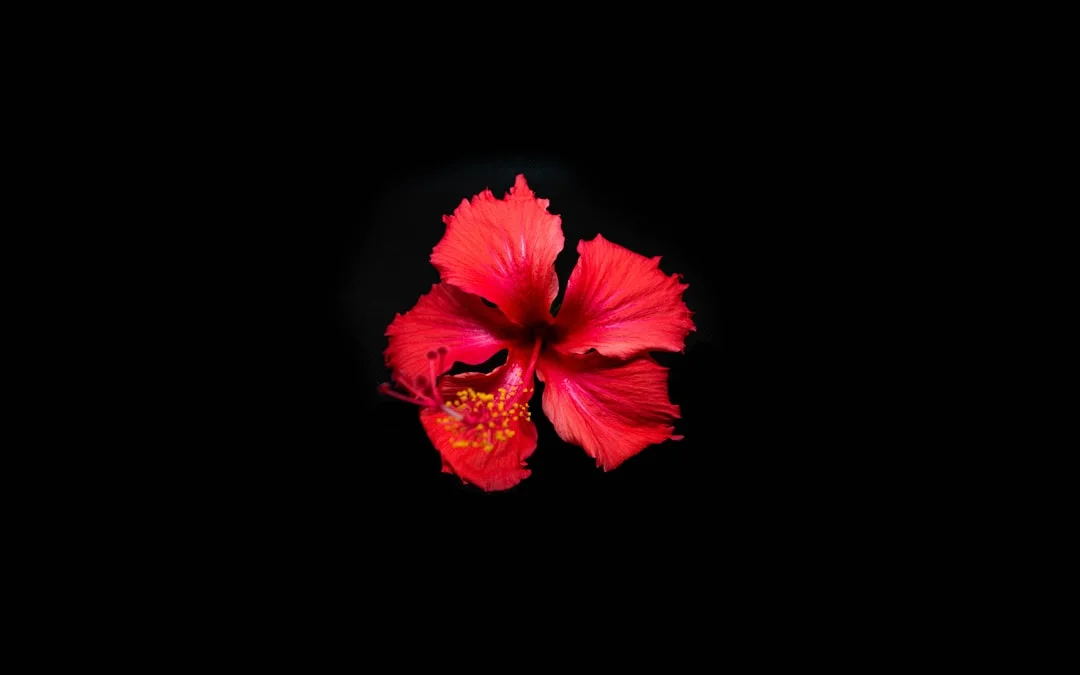
The classic temple flower. Toughest of them all. This variety handles Delhi summers and Mumbai monsoons without complaint — it genuinely doesn’t fuss. Blooms are bright red, about 4 inches wide, and last a single day. Here’s what makes it special, though: once the plant matures, it pushes out fresh flowers every single morning. Perfect for beginners because it bounces back even from inconsistent watering and neglect.
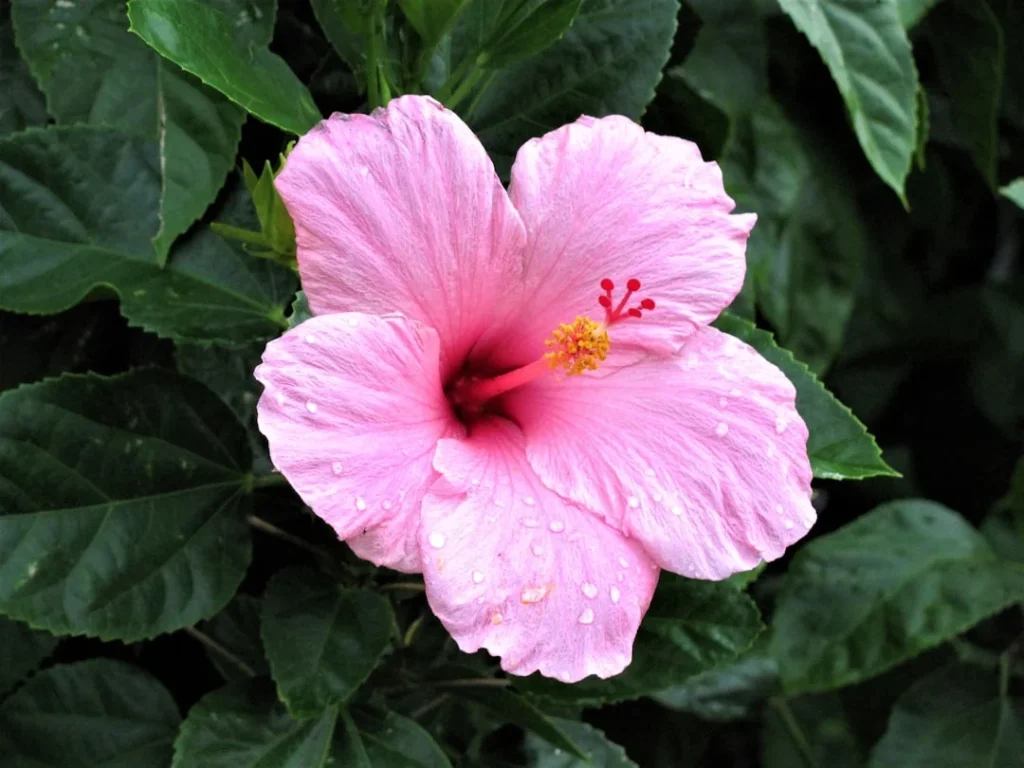
2. Pink Double Hibiscus
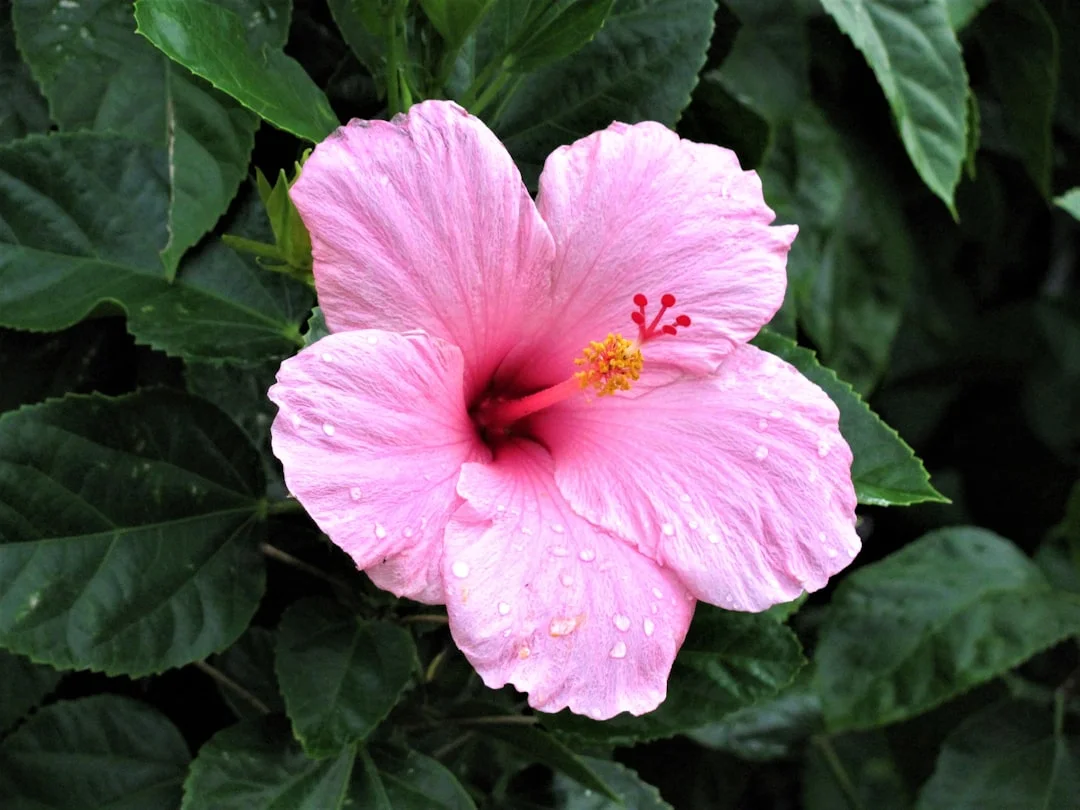
A frilly, ruffled bloom that looks almost like a rose. Pink doubles are a firm favourite in ornamental gardens all across India. They grow slightly slower than the red single but produce larger, longer-lasting flowers that genuinely draw attention. What’s more, they do beautifully in part-shade balconies in Bangalore and Pune — ideal if your space doesn’t get full sun throughout the day.
3. Yellow Hibiscus
Sunny, cheerful, and slightly more delicate than its desi cousins. In cities like Ahmedabad or Jaipur, where summer afternoons are punishing, yellow hibiscus needs protection from harsh direct sun. Give it morning light and well-drained soil, though, and you’ll be rewarded with massive 5-inch blooms that genuinely stop people in their tracks.
4. White Hibiscus
Elegant. Serene. A little understated — in the best way. White hibiscus is widely used in Ayurvedic hair oils for greying hair treatment, which makes it doubly useful to grow at home. It’s a moderate grower but rewards patience well. In my experience, white varieties need slightly more potassium in their feed to keep those petals looking crisp and bright rather than dull and washed out.
5. Orange Hibiscus
Bold, tropical, and a real showstopper on any balcony. Orange types thrive in coastal cities like Chennai, Mumbai, and Kochi because they genuinely love humidity — the wetter the air, the happier they seem. The flowers often carry a darker red throat, giving them a gorgeous sunset appearance that photographs beautifully in morning light.
6. Coral Hibiscus (Hibiscus schizopetalus)
Also called the spider hibiscus, this one has unique, lacy petals that dangle downward like little chandeliers. It’s an excellent choice for hanging baskets on balconies with good overhead height. Slightly less common in local nurseries, but you can find it reliably on Ugaoo and NurseryLive without much trouble.
7. Hawaiian Hybrid Hibiscus
The exotic ones. Multi-coloured, dramatic, and seriously eye-catching — with names like ‘Tahitian Sunset’ and ‘Black Dragon’. Don’t let anyone tell you these are low-effort plants; they need more attention than desi varieties. The payoff, though, is enormous blooms sometimes reaching 8 inches wide. A collector’s dream plant if you’re ready for the commitment.
8. Miniature Hibiscus
Compact. Balcony-friendly. Completely charming. Miniature varieties grow only 2-3 feet tall but flower heavily throughout the year. They’re the ideal pick for apartment gardeners working with limited space, smaller pots, and railing-side planters.
9. Variegated Leaf Hibiscus
Grown more for the foliage than the blooms. The leaves carry cream, pink, and green streaks that add real texture to your garden even during non-flowering spells. Quite hardy, surprisingly low-maintenance, and honestly one of the best conversation starters you can put on a balcony shelf.
10. Rose of Sharon (Hibiscus syriacus)
A cousin of the tropical hibiscus, this one tolerates cooler temperatures far better than the rest. It works beautifully in hill stations like Shimla, Ooty, and Darjeeling, where tropical varieties tend to sulk and drop their buds. Flowers are smaller but arrive in cheerful clusters that make up for it in sheer volume.
How to Choose the Right Hibiscus Plant
Picking a healthy plant at the nursery honestly saves you months of struggle later. Start with the leaves — they should be glossy, deep green, and completely free of yellow spots or brown edges. Crisp foliage is always a good sign. Next, check the stems. Avoid plants with woody, cracked, or hollow stems near the base. Then gently tip the pot and peek at the roots. Healthy roots are white or light tan. Black or mushy roots? Walk away immediately. Also look for at least one or two buds already forming — that tells you the plant is mature enough to bloom soon after it reaches your balcony. Finally, ask nursery staff about the exact variety. Many sellers label everything simply as ‘hibiscus’, but knowing the specific type helps you plan the right care routine. Quick tip: buy plants in the morning when they’re freshest. Don’t take home anything that’s been sitting under direct afternoon sun at the nursery all day — those plants are already stressed before they’ve even left the shop.
Essential Hibiscus Plant Care Tips
Good hibiscus plant care India really comes down to five basics: sunlight, water, soil, food, and pruning. Nail these, and you’ll have blooms showing up almost every day. Here’s how to get each one right.
Sunlight and Placement
Hibiscus loves sun. Full stop. Aim for at least 5-6 hours of direct light daily. In extreme summer cities like Delhi or Ahmedabad, though, afternoon shade genuinely prevents leaf scorch — don’t skip this step during peak May heat when temperatures can touch 45°C. South or east-facing balconies work best across most Indian cities, giving you strong morning light without the brutal western exposure.
Watering Schedule
Water deeply when the top inch of soil feels dry to the touch. In summer, that’s often once daily. During monsoon, cut back sharply — sometimes to just twice a week. Overwatering is honestly the number one killer in hibiscus plant care India. Soggy roots invite fungal rot faster than you’d expect, especially in Mumbai’s already humid conditions where the soil barely gets a chance to dry out naturally.
Soil and Fertilising
Use a mix of garden soil, coconut coir, and vermicompost in equal parts. This combination drains well and holds just enough moisture without staying waterlogged. Feed every 15 days with a potassium-rich fertiliser — Ugaoo’s flowering plant food works brilliantly for this purpose. You’ll also want to add a spoon of bone meal monthly for noticeably stronger, larger blooms.
Pruning for More Blooms
Prune lightly every 2-3 months. Cut back leggy branches by one-third. This forces the plant to push out more side shoots, which directly means more flowers — a simple trade-off that works every single time without fail. Do major pruning in February or right after the monsoon wraps up in October.
City-Wise Care: Mumbai, Delhi, Bangalore & More
India’s climate varies wildly from one city to the next, and hibiscus plant care India shifts accordingly. Understanding your local weather genuinely makes a huge difference to how your plant performs through the seasons.
Mumbai and Coastal Cities
In Mumbai’s humidity, hibiscus practically thrives on autopilot — but that same moisture brings fungal trouble during monsoon months. Space pots well so air flows freely between them. Move plants under a covered area during heavy rain spells to avoid waterlogging. The upside? Mumbai hibiscus often blooms year-round with minimal effort on your part.
Delhi and North
Delhi summers can be brutal, and the winters aren’t exactly gentle either — it’s a year-round challenge on both ends. Use shade nets during May and June afternoons to protect leaves from scorching. Come December and January, move pots to a sunny indoor corner or cover them with light cloth on cold nights. Mulch the soil surface with dry leaves to insulate and protect roots through the worst of the cold spell.
Bangalore and South
Honestly? This is hibiscus paradise. Bangalore’s mild temperatures and decent rainfall create far less stress on the plant overall — you’ll notice it just gets on with flowering without much drama. The main watch-out here is drainage. The city’s clay-heavy soil holds too much water for hibiscus roots. Add extra sand or perlite to your potting mix and you’re sorted.
Common Pests and How to Tackle Them
Even the toughest plants face pest trouble eventually. Hibiscus commonly attracts aphids, mealybugs, and whiteflies — and if you garden in Mumbai’s humidity or Chennai’s heat, you’ll likely encounter at least one of these. The good news? Most issues are easy to fix using natural, desi methods you probably already have sitting at home. Spray neem oil mixed with water (5ml per litre) every 10 days — this handles roughly 80% of common pest problems on its own. For mealybugs specifically, dab cotton soaked in diluted alcohol directly onto the white cottony patches. Aphids? A strong jet of water often knocks them clean off without any chemicals at all. Many gardeners across India find that planting tulsi or marigold nearby keeps pests at bay naturally, which is a lovely added bonus. Yellow sticky traps help catch whiteflies before they multiply into a real infestation. Here’s the habit that matters most, though: check the underside of leaves every single week. Pests hide there and multiply fast — you’ll be surprised how quickly a small colony explodes if left unchecked for even two weeks. Brands like Neemastra and Katyayani sell ready-to-use neem sprays, but homemade neem oil works just as well and costs significantly less.
Bud Drop and Yellow Leaves
Bud drop is almost always a stress signal. It happens because of inconsistent watering, sudden temperature swings, or moving the pot too frequently — hibiscus genuinely dislikes being shuffled around once it’s settled. Yellow leaves, on the other hand, usually point to overwatering or a nutrient deficiency. Check the soil first. If it’s soggy, hold off watering for a few days and let things dry out properly. If the soil feels dry but leaves are still yellowing, add a balanced liquid fertiliser and watch for improvement within a week or so.
Ayurvedic and Traditional Uses of Hibiscus
Hibiscus isn’t just pretty. It’s a genuine powerhouse in Ayurvedic medicine, and the evidence goes back centuries. Both the Charaka Samhita and Sushruta Samhita mention गुड़हल for hair, skin, and heart health — this isn’t modern wellness marketing, it’s old, documented practice that has stood the test of time. Traditionally, flowers and leaves are crushed and mixed with coconut oil to make a hair tonic. This blend is said to reduce hair fall and slow premature greying, and you’ll find versions of it sold commercially under many well-known Indian haircare brands. Hibiscus tea is also well-known for helping lower blood pressure and supporting digestion. The Ayush Ministry officially recognises it as a valuable medicinal plant. A word of caution, though: pregnant women should avoid hibiscus tea entirely since it may affect hormone levels. People on blood pressure medication should also check with their doctor before making it a regular daily habit. For healthy adults, one to two cups a day is the safe, sensible limit that most Ayurvedic practitioners recommend.
Where to Buy Hibiscus Plants
Buying a quality plant matters just as much as caring for it properly once it’s home. Several trusted online nurseries deliver healthy hibiscus plants right across India. Ugaoo offers desi and hybrid varieties starting at ₹199, with proper packaging and a replacement guarantee — a solid option for first-time buyers who want peace of mind. NurseryLive has a wider range, including rare Hawaiian hybrids, priced between ₹249 and ₹799. Amazon Plants and Plantsguru also stock hibiscus, often at lower prices around ₹149–₹399, though quality can vary more than you’d like. For exotic or uncommon types, check MyBageecha or local Facebook gardening groups — you’ll often find passionate sellers with genuinely healthy, well-cared-for stock. Local nurseries in your city usually offer the best prices, sometimes as low as ₹80 for a small desi red variety. When ordering online, look for sellers who pack with moist newspaper around the roots. Avoid buying during peak summer if shipping takes more than 3-4 days — plants really do stress out inside hot transit boxes.
What to Look for When Buying
Always check seller reviews before placing an order. Look for at least 4-star ratings and — importantly — recent customer photos showing actual plant condition on arrival, not just promotional stock images. Confirm the pot size too: 4-inch pots cost less but take longer to bloom. A 6-inch or 8-inch pot usually starts flowering within weeks of arriving home. Finally, check the return policy before you commit. Reputable sellers like Ugaoo offer a 7-day replacement if your plant arrives damaged, which gives you real peace of mind when ordering across cities.
Frequently Asked Questions
Yes, absolutely. Hibiscus thrives in balcony gardens across India as long as it gets 5-6 hours of direct sunlight. A 10-12 inch pot works perfectly for most varieties. South or east-facing balconies are ideal. Use a well-draining mix of soil, coconut coir, and vermicompost. Water when the topsoil feels dry. In my experience, balcony-grown hibiscus often blooms more than garden plants because the roots stay slightly compact. That triggers heavier flowering. Mastering hibiscus plant care India on a balcony is very doable, even for first-time gardeners.
Is hibiscus safe for pets like cats and dogs?
Hibiscus rosa-sinensis is generally considered low-toxicity but can cause mild stomach upset if pets eat large amounts of leaves or flowers. Symptoms include vomiting, diarrhoea, and loss of appetite. However, some varieties like Rose of Sharon are more toxic and should be kept away from curious pets. If you have cats or dogs, place pots out of reach or on higher shelves. If your pet eats hibiscus and shows symptoms lasting more than a day, consult a vet immediately.
How often should I water my hibiscus plant?
Water frequency depends on the season and your city. In summer, daily watering is often needed since pots dry out fast. During monsoon, cut back to twice a week or less. In winter, water every 3-4 days. Always check the topsoil first. If the top inch feels dry, water deeply until it drains from the bottom. Overwatering causes more deaths than underwatering. Proper watering is a key part of hibiscus plant care India and the easiest habit to get right with practice.
Why is my hibiscus not flowering?
Several reasons cause poor flowering. First, insufficient sunlight is the top culprit. Hibiscus needs at least 5 hours of direct sun. Next, too much nitrogen-heavy fertiliser pushes leaf growth instead of blooms. Switch to a potassium-rich feed. Also, irregular watering, root-bound pots, or lack of pruning can stop flowering. Try repotting if the plant has been in the same pot for over two years. Finally, check for pests under leaves. Aphids and mealybugs drain energy and reduce blooms.
Can I drink hibiscus tea daily?
Yes, but in moderation. One to two cups a day is the safe limit for healthy adults. Hibiscus tea may help lower blood pressure, support digestion, and provide antioxidants. However, pregnant women should avoid it completely because it may affect hormones. People on blood pressure medication should also consult a doctor first. Use dried hibiscus petals from organic sources. Brew 1 teaspoon in hot water for 5 minutes. Add honey for taste. Stop drinking if you feel dizzy or unusually tired.
What is the best fertiliser for hibiscus ?
A balanced potassium-rich fertiliser works best. Look for NPK ratios like 10-10-20 or 12-12-17 marked for flowering plants. Apply every 15 days during the growing season. Ugaoo flowering plant food and Katyayani potash are popular choices among Indian gardeners. Also, supplement with monthly doses of bone meal and vermicompost. Avoid high-nitrogen fertilisers because they cause leafy growth and fewer blooms. A regular feeding schedule is one of the most important parts of hibiscus plant care India for getting daily flowers.
When is the best time to prune hibiscus?
Prune your hibiscus in February or right after the monsoon ends in September-October. These are the natural growth-restart periods. Cut back leggy branches by one-third using clean, sharp pruners. Also, remove dead or crossing stems anytime during the year. Light pruning every 2-3 months encourages bushier growth and more blooms. Avoid heavy pruning in peak winter or during extreme summer heat, as the plant struggles to recover. Always sterilise your tools to prevent fungal infections.
How do I protect hibiscus during Delhi winters?
Delhi winters can drop below 5°C, which stresses tropical hibiscus. First, move pots to a sunny, sheltered spot like a south-facing balcony. Next, mulch the soil with dry leaves or coconut husk to insulate roots. Cover the plant with a light cotton sheet on cold nights, but remove it during the day. Reduce watering to once every 4-5 days. Stop fertilising from December to mid-February. Once temperatures rise in March, resume normal care. Most hibiscus plants survive Delhi winters fine with these small adjustments.
Final Thoughts
Growing hibiscus is one of the most satisfying gardening journeys you can take in India. Genuinely. The plant is generous, forgiving, and stunning through every season — whether it’s surviving Delhi’s scorching June or sailing through Mumbai’s monsoon. With the right pot, soil, sunlight, and a steady watering rhythm, you’ll enjoy fresh blooms almost daily. Sometimes more than one per plant per day, which never gets old. Remember the basics: 5-6 hours of sun, well-draining soil, potassium-rich feed every 15 days, and gentle pruning every couple of months. Watch for pests early and reach for neem oil at the first sign of trouble. Whether you start with the classic red जास्वंद or go straight for an exotic Hawaiian hybrid, mastering hibiscus plant care India opens the door to a genuinely joyful gardening habit. Start with one healthy plant from Ugaoo or your local nursery. You’ll soon find yourself hunting for more varieties — it happens to almost every गुड़हल gardener without fail. Got questions or your own success story to share? Drop it in the comments below. Happy gardening, and may your balcony bloom bright through every season ahead!

