
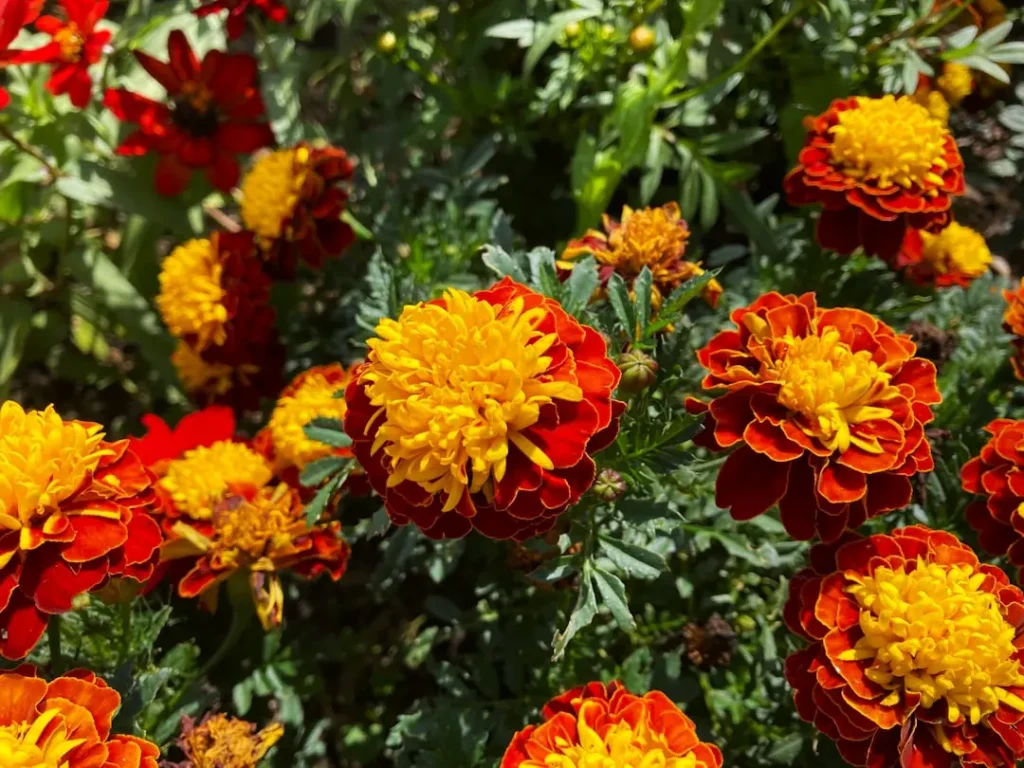
Winter is hands down the best time to marigold grow pot India, and if you’re reading this in May 2026, you’re already planning ahead for the perfect bloom season. Marigold (Tagetes erecta), known as गेंदा in Hindi, is one of the easiest flowering plants for Indian balconies and terraces. The plant loves the cool, dry winter months from October to February, when its bright orange and yellow blooms peak. Here’s the thing — to marigold grow pot India successfully, you don’t need fancy tools or imported seeds. You just need a sunny spot, well-draining soil, and a bit of patience. In my experience growing marigolds across Mumbai rooftops and Delhi balconies, the winter season delivers the most vibrant flowers with the least effort. This guide walks you through everything: from pot selection and soil mix to watering, fertilizing, pest control, and recovery tips for healthy, festival-ready blooms. If you enjoy growing this plant, you might also find our guide on Tulip Plant Care & Growing Guide very useful.
Table of Contents
- Plant Characteristics at a Glance
- Why Winter Matters for Marigold Grow Pot India Success
- Marigold Plant Characteristics at a Glance
- Marigold Names Across Indian Languages
- Choosing the Right Pot and Soil Mix
- Step-by-Step Planting Process
- Watering Changes During Winter
- Fertilizing Your Marigold for Maximum Blooms
- Pest Alert: Common Winter Threats
- Recovery Tips for Stressed Marigolds
- Pruning and Deadheading for Continuous Flowers
- Traditional and Ayurvedic Uses of Marigold
- Frequently Asked Questions
- Final Thoughts
Quick Highlights
- Discover why winter is the ideal season for marigold growth in Indian pots
- Learn the perfect soil mix using coconut coir and vermicompost
- Master watering changes for cool winter months across Indian cities
- Identify common pests like aphids early and treat with neem oil
- Follow a step-by-step planting process for festival-ready blooms
- Get safe, expert-backed care tips suited for balcony and terrace gardeners
Plant Characteristics at a Glance
| Scientific Name | Tagetes erecta |
| Family | Asteraceae |
| Origin | Mexico and Central America |
| Height | 30–90 cm |
| Sunlight | Full sun (6+ hours daily) |
| Water Needs | Moderate, 1–2 times per week in winter |
| Soil Type | Well-draining loamy soil |
| pH Range | 6.0–7.5 |
| Temperature Range | 10°C–30°C (ideal 18–25°C) |
| Growth Rate | Fast (45–55 days to bloom) |
| Lifespan | Annual (4–6 months) |
| USDA Zone | 9–11 |
| Bloom Time | October to February in India |
| Flower Colours | Yellow, orange, red, cream |
Marigold grow pot Names in Different Languages
| English | Marigold |
| Hindi | गेंदा (Genda) |
| Gujarati | ગલગોટા (Galgota) |
| Tamil | சாமந்தி (Samanthi) |
| Telugu | బంతిపువ్వు (Banthipuvvu) |
| Malayalam | ചെണ്ടുമല്ലി (Chendumalli) |
| Bengali | গাঁদা (Genda) |
| Marathi | झेंडू (Zhendu) |
| Kannada | ಚೆಂಡು ಹೂ (Chendu Hoo) |
| Punjabi | ਗੇਂਦਾ (Genda) |
Why Winter Matters for Marigold Grow Pot Success
Winter changes everything for marigolds in India. The cool, dry air between October and February gives marigolds the perfect conditions to root deeply and bloom heavily. Summer heat, especially in Delhi and Ahmedabad, often burns the buds before they open. However, winter slows down water loss and keeps the soil moist longer. As a result, the plant spends more energy on flowering rather than survival. For more tips, check out our detailed article on Butterfly Pea Flower Tea.
In Mumbai, the post-monsoon dryness from November onwards is ideal. Meanwhile, Bangalore’s mild winter temperatures of 15–25°C let marigolds bloom for almost four months straight. Many gardeners find that winter-grown marigolds produce twice the flowers compared to summer batches. The petals stay brighter and the stems grow sturdier. That said, you’ll need to adjust watering and feeding routines because the plant’s growth slows in cooler weather. Winter pests like aphids and whiteflies become more active too, so early prevention matters. If you enjoy growing this plant, you might also find our guide on Parijat Flower very useful.
Ideal Temperature Range for Marigold Grow Pot Blooms
Marigolds love temperatures between 18°C and 25°C during the day. Night temperatures down to 10°C are fine, but frost will damage the plant. In Delhi, where January nights can drop to 4°C, move pots closer to a south-facing wall or cover them lightly with a cotton cloth. On the other hand, coastal cities like Chennai rarely face frost, so outdoor pots stay safe through winter. The marigold grow pot India approach works best when you match the variety to your local climate — African marigolds love cooler zones, while French marigolds handle slight warmth better. If you enjoy growing this plant, you might also find our guide on Monsoon Indoor Plants very useful.
Why Festival Season is Perfect
Winter aligns beautifully with India’s festival calendar. Diwali, Bhai Dooj, and weddings all happen during peak marigold season. If you sow seeds in late August or early September, you’ll have full blooms by mid-October. Even now in May 2026, you can plan your seed order for the upcoming winter cycle. If you enjoy growing this plant, you might also find our guide on Jasmine Plant Care very useful.
Marigold Plant Characteristics at a Glance
Before you marigold grow pot India, it helps to know what you’re working with. Marigolds are fast-growing annuals that do well in poor to average soil, which makes them perfect for beginner gardeners. The plant rarely grows taller than 90 cm, so container life suits it well. Below is a quick-reference table covering the key details every Indian home gardener should know.
Marigold Names Across Languages
Marigold goes by many names across India, and knowing the regional terms helps when you shop at local nurseries or talk to your maali. In North India, it’s simply गेंदा. Down south, the names change with each state. Here’s a quick guide to help you ask for the right plant wherever you live.
Choosing the Right Pot and Soil Mix
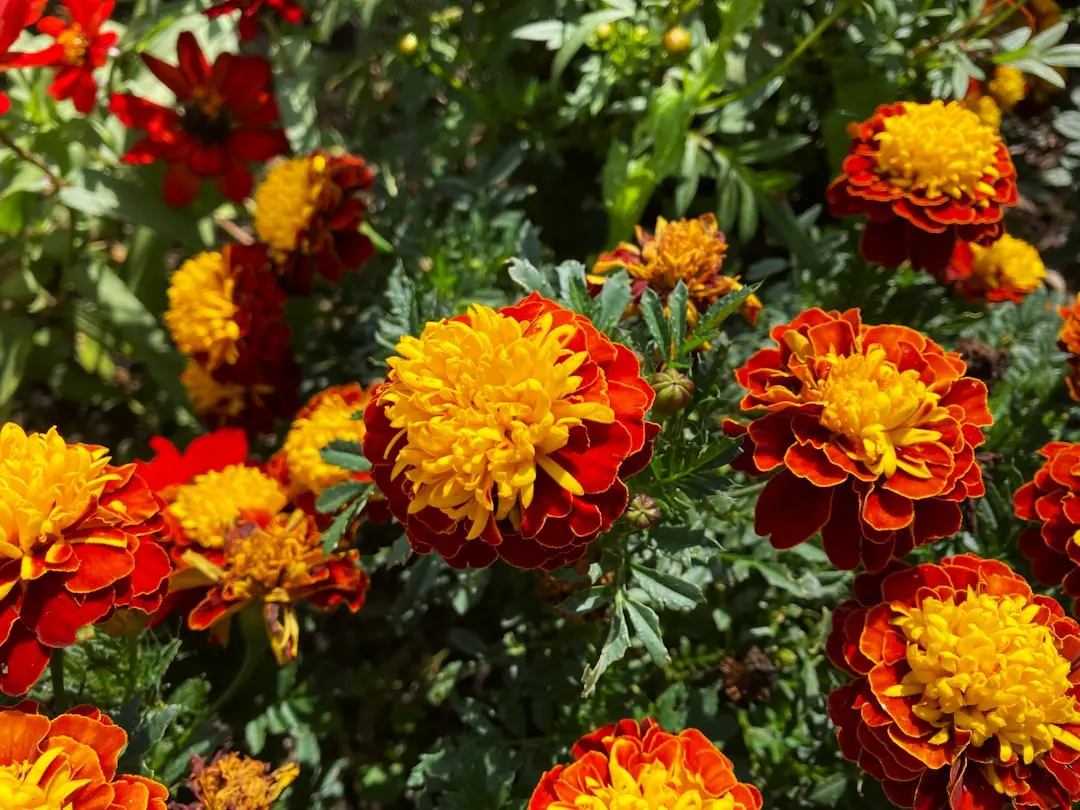
The pot you choose makes or breaks your marigold journey. Marigolds have shallow but spreading roots, so width matters more than depth. A 10–12 inch pot works perfectly for one African marigold plant, while French varieties fit happily in 8-inch pots. Terracotta pots are my top pick because they breathe well and prevent root rot. However, plastic pots work fine if you drill enough drainage holes. Avoid metal containers — they heat up fast and stress the roots.
For the soil mix, skip the heavy garden-soil-only approach. Instead, blend two parts garden soil, one part coconut coir, and one part vermicompost. Add a handful of neem cake for natural pest protection. This mix drains well, holds moisture just right, and feeds the plant for weeks. Gardeners who follow the proven marigold grow pot India method using this exact mix get fuller plants with deeper flower colour. Always add a layer of broken pottery or pebbles at the bottom. This simple step prevents waterlogging, which kills more marigolds than any pest ever will.
Best Pot Size by Variety
African marigolds (Tagetes erecta) need at least 12 inches of width because they grow tall and bushy. French marigolds (Tagetes patula) are smaller, so 8 inches works. Signet marigolds, the smallest type, do well in 6-inch pots or even window boxes. If you’re using rectangular planters, space plants 8 inches apart.
Soil pH and Drainage Tips
Marigolds prefer a soil pH between 6.0 and 7.5, which matches most Indian garden soils. If your soil feels sticky after rain, add more coconut coir. For acidic soils common in Kerala and parts of Karnataka, mix in a teaspoon of wood ash per pot to balance the pH naturally.
Step-by-Step Planting Process
Planting marigolds is genuinely simple, even for first-time gardeners. Follow these steps and you’ll see sprouts within a week. To marigold grow pot India the right way, timing and technique matter equally. Here’s the exact process I use on my Mumbai terrace every winter season.
Numbered Planting Guide
1. First, soak marigold seeds in warm water for 4–6 hours to speed up sprouting. 2. Next, fill your pot with the prepared soil mix, leaving 2 inches from the top. 3. Then, sow 3–4 seeds about half an inch deep, spacing them evenly. 4. After that, water gently using a spray bottle to avoid disturbing the seeds. 5. Place the pot in indirect sunlight for the first 5–7 days. 6. Once sprouts appear, move the pot to full sun. 7. Finally, thin out weaker seedlings after two weeks, keeping only the strongest 1–2 plants per pot. Within 45–55 days, you’ll see the first flower buds forming.
Watering Changes During Winter
Winter watering needs a different approach than summer. The cool air and lower water loss mean your marigold doesn’t drink as fast. Overwatering becomes the biggest threat during these months. Stick a finger one inch into the soil — if it feels dry, water deeply until you see drainage from the bottom. If it’s still moist, wait another day.
In Delhi and Pune, watering twice a week usually works in December and January. Mumbai’s slightly humid winter may need only one watering per week. Chennai’s warmer winter might still require watering every 2–3 days. Always water in the morning so leaves dry before evening, because wet foliage overnight invites fungal diseases. When you marigold grow pot India during winter, avoid wetting the flowers directly — water at the soil level instead. This keeps petals fresh and prevents rot. Reduce watering further when you spot the first frost in northern cities, as the plant needs less moisture during that rest period.
Signs of Overwatering vs Underwatering
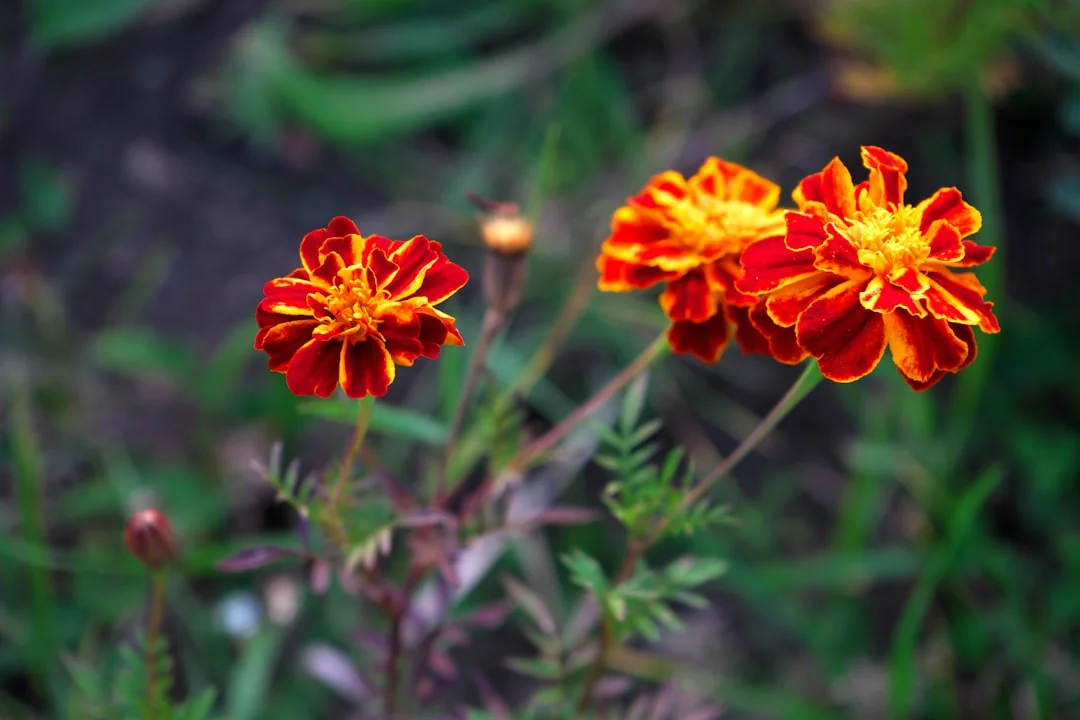
Yellow lower leaves and a soggy soil smell mean you’re watering too much. Drooping leaves with crispy edges signal thirst. The good news is marigolds recover quickly from underwatering but struggle to bounce back from root rot, so always lean towards less water when in doubt.
Fertilizing Your Marigold for Maximum Blooms
Marigolds aren’t heavy feeders, but smart fertilizing doubles your flower count. Start feeding 3 weeks after sprouting, never before. Use a balanced organic fertilizer like vermicompost tea every 15 days. Ugaoo’s organic flower booster works well, and so does homemade jeevamrut if you prefer the desi route. Once flower buds appear, switch to a phosphorus-rich feed because phosphorus drives bloom production.
Bone meal sprinkled around the base — about one tablespoon per pot — releases nutrients slowly through winter. Avoid high-nitrogen fertilizers at this stage because they push leafy growth at the cost of flowers. A quick tip: banana peel water, made by soaking peels in water for 3 days, gives a natural potassium boost. Many gardeners find this dadi ke nuskhe trick adds richness to petal colour. Stop fertilizing in late January if temperatures drop below 10°C consistently, as the plant won’t take in nutrients well in cold conditions.
Organic vs Chemical Options
Organic feeds like vermicompost, neem cake, and seaweed extract build long-term soil health. Chemical fertilizers like NPK 19:19:19 give faster results but can burn roots if overused. For balcony gardening, organic is safer and more sustainable, especially if children or pets use the space.
Pest Alert: Common Winter Threats
Winter brings its own pest problems, even though the cold reduces many summer bugs. Aphids are the number one winter threat to marigolds. These tiny green or black insects cluster under leaves and on flower buds, sucking sap and weakening the plant. Spider mites also appear in dry winter air, leaving fine webs on stems. Whiteflies show up when humidity rises briefly.
The good news is marigolds themselves repel many pests — that’s why farmers plant them around vegetable crops. However, when you follow the key marigold grow pot India method in dense balcony setups, pests still find a way in. Spray neem oil solution (5 ml per litre of water with a drop of dish soap) every 10 days as a preventive measure. Indian brands like Neem India and Katyayani sell good cold-pressed neem oil at reasonable prices. For severe attacks, a mix of garlic and chilli water sprayed on affected areas works well. Inspect plants every 3 days, especially the underside of leaves where pests hide first.
Natural Pest Control Recipes
Mix 10 garlic cloves and 5 green chillies blended with one litre of water, strain, and spray on leaves. Wood ash dusted around the base keeps slugs and snails away. Sticky yellow traps from any local nursery catch flying pests like whiteflies effectively.
Recovery Tips for Stressed Marigolds
Sometimes marigolds wilt, yellow, or stop flowering despite your best efforts. Don’t worry — recovery is usually quick if you act fast. First, identify the issue. Yellow leaves with soft stems mean root rot from overwatering. Trim the affected parts, let the soil dry completely, and repot in fresh mix if needed.
Brown crispy leaves point to underwatering or too much direct afternoon sun. Move the pot to partial shade for a few days and water deeply. If flowering has stopped, check for pest damage and nutrient deficiency. A dose of seaweed extract often revives tired plants within a week. In my experience, gardeners who follow the major marigold grow pot India steps through Delhi’s coldest weeks lose plants mainly to frost shock. Cover pots overnight with newspaper or move them indoors near a sunny window when temperatures dip below 5°C. Pinch off damaged leaves and let the plant regrow naturally. Marigolds are surprisingly tough — given basic care, they bounce back stronger.
Pruning and Deadheading for Continuous Flowers
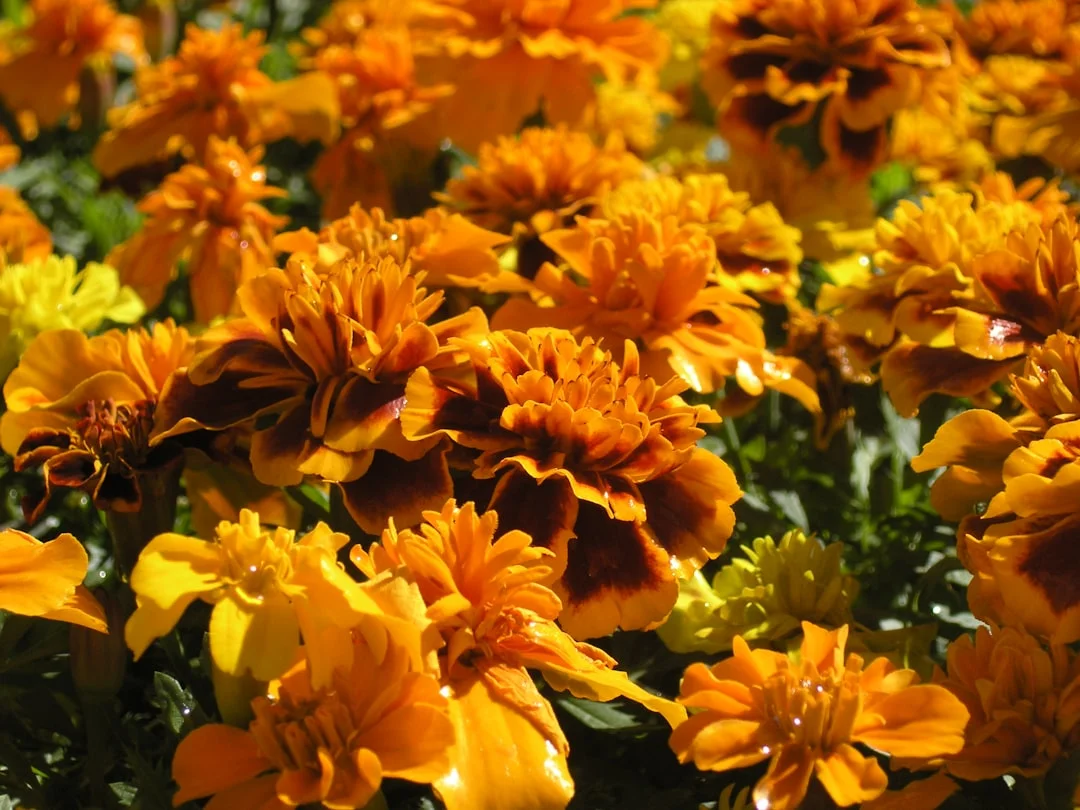
Pruning is the secret weapon most beginner gardeners miss. Pinching off the top set of leaves when the plant is 6 inches tall forces it to branch out, creating a bushier shape with more flower stems. Once flowers start appearing, deadhead regularly — that simply means removing faded blooms before they set seed. This trick keeps the plant producing new flowers for months instead of stopping after one round.
Use clean scissors and snip just above the next leaf node. Do this every 3–4 days during peak bloom. By February, your single marigold plant can produce 40–60 flowers if deadheaded properly. Save a few dried flower heads at the end of the season for next year’s seeds.
When to Pinch vs When to Prune
Pinching is for young plants under 8 inches tall to shape growth. Pruning is for mature plants to remove dead, diseased, or leggy stems. Always use clean tools to prevent disease spread between plants.
Traditional and Ayurvedic Uses of Marigold
Marigold isn’t just a pretty flower — it has a deep place in Indian culture and traditional medicine. The Charaka Samhita and folk Ayurvedic texts mention marigold petals for skin swelling, minor wounds, and digestive support. The flowers contain lutein and carotenoids, which have anti-swelling properties recognised by modern research too. In rural India, marigold paste is applied to insect bites and small cuts as a natural antiseptic.
Religious use is even more widespread — marigold garlands decorate temples, weddings, and Diwali doorways across the country. Importantly, while marigold is generally safe, pregnant women should avoid medicinal doses taken internally, and pets like cats and dogs may experience mild stomach upset if they chew large quantities. Always consult a qualified Ayurvedic practitioner before using any plant medicinally. For decorative and spiritual use, however, marigolds are completely safe and culturally significant.
Safety Notes
Tagetes species contain compounds that can cause mild skin irritation in sensitive individuals. Wear gloves while handling large quantities. Keep pots away from young children who might chew leaves. Results from traditional uses may vary, and these notes don’t replace medical advice.
Frequently Asked Questions
Yes, absolutely. Mumbai's winter climate from November to February is ideal for marigolds. Choose a balcony spot that gets at least 5–6 hours of direct sunlight daily. Use a 10-inch pot with well-draining soil mixed with coconut coir and vermicompost. Water once or twice a week depending on humidity. The marigold grow pot India approach works beautifully on Mumbai balconies because the post-monsoon air supports strong blooms. Avoid west-facing balconies in summer, but for winter, even partial-sun spots work fine.
How long does marigold take to bloom from seed?
Marigolds typically bloom 45 to 55 days after sowing seeds. If you start seeds in early September, expect flowers by mid-to-late October — perfect timing for Diwali. African varieties (Tagetes erecta) take slightly longer at 55–60 days, while French marigolds bloom in 45 days. Faster sprouting happens if you soak seeds in warm water for 4–6 hours before planting. Keep the soil consistently moist but never soggy during the sprouting phase.
Why are my marigold leaves turning yellow?
Yellow leaves usually mean one of three things: overwatering, nutrient deficiency, or pest damage. Check the soil first — if it feels soggy, reduce watering immediately and make sure the pot drains well. If the soil is fine, add a dose of vermicompost or seaweed extract for nutrients. Look under leaves for aphids or spider mites, which cause yellowing too. Spray neem oil if you spot pests. In my experience, overwatering is the most common cause when people marigold grow pot India during cooler months.
Is marigold safe for pets and children?
Marigold is generally considered low in toxicity but it's not completely safe. Cats and dogs may experience mild stomach upset, drooling, or skin irritation if they chew the leaves or flowers. Keep pots out of reach of curious pets. For children, the plant is safe to touch and smell, but eating large quantities should be avoided. The sap can cause mild skin irritation in sensitive people, so wear gloves while pruning. For decorative use in garlands and pooja, marigolds are perfectly safe.
How often should I water marigolds in Delhi winter?
Delhi winters need careful watering. From November to February, water your marigold pots once every 4–5 days, or whenever the top inch of soil feels dry. During cold spells in December and January, reduce to once a week. Always water in the morning so the soil isn't wet overnight, which invites fungal issues. If frost is forecast, water the day before to protect roots — moist soil holds heat better than dry soil. That's a key marigold grow pot India tip many Delhi gardeners swear by.
Which is the best fertilizer for marigold flowers?
A balanced organic fertilizer works best for marigolds. Use vermicompost every 15 days, or switch to a phosphorus-rich feed like bone meal once buds appear. Indian brands like Ugaoo and TrustBasket sell good organic flower boosters. Banana peel water adds natural potassium for brighter petals. Avoid high-nitrogen fertilizers because they grow leaves at the expense of flowers. When you marigold grow pot India, sticking to organic feeds keeps the soil healthy for repeat planting next season too.
Can marigold survive Bangalore weather year-round?
Bangalore's mild climate suits marigolds for most of the year, but they perform best from October to March. Summer months (April–May) get too warm and dry, causing buds to drop. Monsoon months bring too much humidity, which leads to fungal problems. Plant fresh seeds in September for the best winter display. Bangalore gardeners who follow the proven marigold grow pot India routine often get 4–5 months of continuous blooms with proper deadheading and fortnightly feeding.
Do marigolds really repel mosquitoes and pests?
Yes, partially. Marigolds release compounds like pyrethrum and limonene that repel mosquitoes, aphids, and some root worms. Many Indian farmers plant marigolds around vegetable crops as natural pest control. However, they won't eliminate mosquitoes entirely from your balcony. Combine marigolds with citronella, tulsi, and lemongrass for stronger results. Place marigold pots near doorways and windows for the best effect during winter evenings when mosquitoes are still active in southern cities.
Final Thoughts
Growing marigolds at home is one of the most rewarding gardening projects you can take on, and winter is undoubtedly the best season to start. From the rich soil mix and right pot size to careful watering, organic feeding, and pest prevention, every step adds up to bright, festival-ready blooms. The marigold grow pot India journey suits everyone — from first-time balcony gardeners in Mumbai to experienced terrace growers in Delhi and Bangalore. Remember to deadhead regularly, watch for aphids, and feed lightly through the cool months. Even now in May 2026, you can prepare by ordering quality seeds, gathering pots, and planning your soil mix for the September sowing window. Once your गेंदा starts blooming, you’ll understand why this humble flower has graced Indian homes, temples, and weddings for centuries. Start small, stay consistent, and enjoy the bright burst of colour your marigolds bring through the winter season.

