

how to take care of indoor plants, how to care for indoor plants at home, how to take care of indoor plants without sunlight, how to take care of indoor foliage plants, indoor plant watering system, how to care indoor plants
Introduction
Indoor plants are a fantastic way to enhance the beauty of your home and create a fresh, inviting atmosphere. With the right care and proper knowledge, these plants can keep your living space green, peaceful, and stress-free. In this blog, we will explore how to take care of indoor plants, how to care for indoor plants at home, and how to take care of indoor plants without sunlight.
Table of contents
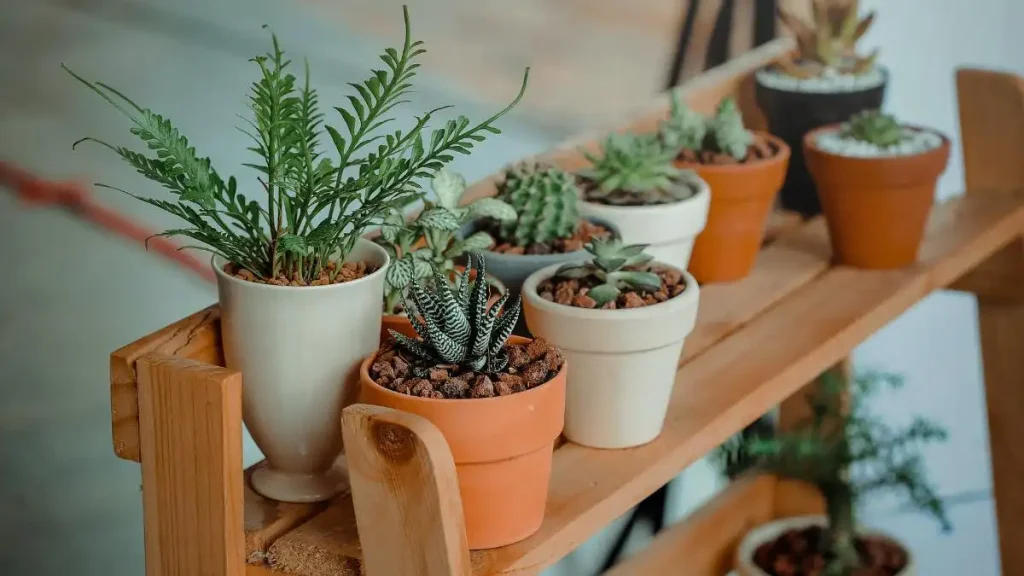
Choosing the Right Plants
When selecting indoor plants, consider the following:
Light Requirements
For how to take care of indoor plants without sunlight, choose plants that require low light, such as snake plants and pothos. These plants thrive easily indoors and are perfect for spaces with limited natural light.
Humidity
Some plants like bamboo and papyrus prefer high humidity, while cacti and succulents can survive in low humidity. Choose plants according to the humidity levels in your home for optimal growth.
Low-Maintenance Plants
Low-maintenance plants like money plants and aloe vera are excellent options for busy individuals. They require minimal care and still flourish beautifully.
How to Care for Indoor Plants at Home
Watering is the most critical aspect of how to care for indoor plants at home. Overwatering can rot the roots, while underwatering can dry out the plants.
Watering Schedule
Water the plants only when the top layer of the soil is dry. This ensures that you are not overwatering them, which is essential for their health.
Amount of Water
Determine the amount of water based on the size and type of the plant. Small plants generally need watering once a week, while larger plants may need it every 10-12 days.
How to Take Care of Indoor Plants Without Sunlight
All plants need light, but some can thrive with minimal sunlight.
Natural Light
Place plants near windows where they can get sufficient natural light. Be cautious of direct sunlight as it can burn the leaves.
Artificial Light
If you are wondering how to take care of indoor plants without sunlight, using LED grow lights is a great solution. These lights provide the necessary light spectrum that plants need for photosynthesis.
Soil and Fertilizer
Soil and fertilizer play a crucial role in the growth of indoor plants.
Soil
Use well-draining soil for indoor plants. Potting mixes available in the market are usually a good choice as they are specifically formulated for indoor gardening.
Fertilizer
Use organic or liquid fertilizer every 4-6 weeks to provide essential nutrients to the plants. This helps in their healthy growth and keeps them thriving.
Temperature and Humidity
Indoor plants generally require a temperature range of 18-24 degrees Celsius. Avoid sudden temperature changes to keep your plants healthy.
Humidity
Spray water on the leaves occasionally, especially in winter when the air is dry. This helps maintain the required humidity levels for the plants, which is crucial for their well-being.
Pest and Disease Management
Indoor plants can also be affected by pests and diseases.
Pests
Regularly check the underside of the leaves for pests. Clean the leaves with a soap water solution to keep them pest-free.
Diseases
If you notice spots, yellowing, or falling leaves, isolate the affected plant and treat it accordingly to prevent the spread of disease.
Conclusion
Caring for indoor plants is easy with a little knowledge and attention. With the right selection, proper watering, light, soil, temperature, and pest management, your plants will remain lush and healthy. Knowing how to take care of indoor plants, how to care for indoor plants at home, and how to take care of indoor plants without sunlight will help you keep your home green and fresh. Decorate your home with greenery and enjoy the freshness. Bringing greenery into your modern home not only beautifies it but also helps the environment.
FAQs about Indoor Plant Care
Water when the top layer of the soil is dry, usually once a week for small plants and every 10-12 days for larger plants.
Use well-draining soil or potting mix suitable for indoor plants.
Spray water on the leaves occasionally, especially during dry seasons.
Clean the leaves with a soap water solution and check regularly to prevent infestations.
Yes, LED grow lights are a good alternative if there is insufficient natural light.
External Links:
- Using LED Grow Lights – Learn how to choose and use LED grow lights for your indoor plants.
- Organic Fertilizers for Indoor Plants – Information on the best organic fertilizers to use for indoor plants.
Internal Links:
- Home Decor with Plants – Tips on how to use indoor plants to enhance home decor.

