

⏱ 34 min read
Table of Contents
- What Is Stonecrop Succulent? (Sedum Species Overview)
- Stonecrop Succulent Benefits and Uses
- Stonecrop Succulent Care: Soil and Fertilizer
- Watering Your Stonecrop the Right Way
- Sunlight and Temperature Requirements
- How to Grow Stonecrop Succulent Indoors and Outdoors
- Propagation: How to Multiply Your Sedum
- Common Problems and How to Fix Them
- Seasonal Care Guide for Stonecrop Succulents
- Medicinal and Traditional Uses of Sedum
Stonecrop succulent care is far simpler than most gardeners expect — yet one silent mistake kills more of these plants than drought, pests, or frost combined. That mistake? Overwatering a plant that was literally built to survive neglect. Sedum, the genus behind every stonecrop you’ve ever admired on a rocky ledge or a rooftop garden, contains over 600 species adapted to deserts, alpine cliffs, and temperate meadows across six continents. Whether you’re growing on a windowsill in Manchester, a balcony in Singapore, or a sun-baked patio in Phoenix, stonecrop succulent care follows a beautifully logical set of rules once you understand how this plant thinks. In this complete guide, you’ll discover exactly why your previous attempts may have failed, how to match care to your specific climate, and the one propagation trick that turns a single stem into dozens of plants in weeks. By the end, you’ll have everything you need to grow stonecrops that genuinely thrive — not just survive. Many gardeners who grow this plant also love to read about propagating succulents from cuttings.
Quick Highlights
- Discover the single most common mistake that kills stonecrop succulents even in ideal conditions
- Learn climate-specific care tips for tropical, temperate, arid, and cold growing zones worldwide
- Master the correct watering rhythm that mimics the plant's natural rocky habitat
- Propagate new plants from cuttings, leaves, or division using simple, proven steps
- Identify and fix the five most common stonecrop problems before they become fatal
- Understand seasonal care adjustments that keep your sedum thriving through every month of the year
Plant Characteristics at a Glance
| Common Name | Stonecrop Succulent, Sedum, Biting Stonecrop, Donkey's Tail, Jelly Bean Plant (varies by species) |
| Scientific Name | Sedum spp. (Family Crassulaceae); major species include S. acre, S. spectabile, S. morganianum, S. rubrotinctum |
| Family | Crassulaceae (Stonecrop family) |
| Origin | Primarily temperate Asia, Europe, and North America; some species native to Mexico and Central America |
| Habitat | Rocky outcrops, dry slopes, cliff faces, stony walls, thin alpine soils, and gravel plains |
| Plant Type | Perennial succulent; some species are annual or biennial; herbaceous to semi-woody depending on species |
| Indoor Plant | Yes — compact and rosette-forming species (e.g. S. rubrotinctum, S. morganianum) are excellent houseplants |
| Outdoor Plant | Yes — widely grown in rock gardens, borders, green roofs, slopes, and containers outdoors |
| Leaves | Thick, fleshy, succulent; shape varies from teardrop to cylindrical to flat; colour ranges green, blue-grey, red, purple, and yellow |
| Flowers | Small, star-shaped, 5-petalled; borne in flat-topped or rounded clusters (corymbs); colours include white, yellow, pink, and red |
| Flowering Season | Varies by species: S. acre flowers May–July; S. spectabile flowers August–October in Northern Hemisphere |
| Fruit | Small dry follicles (seed pods) that split to release tiny seeds when mature; not ornamentally significant |
| Seeds | Tiny, dust-like; viable but propagation by cuttings or division is far more reliable and commonly practised |
| Roots | Shallow, fibrous root system; roots store some water; highly susceptible to rot in waterlogged conditions |
| Height | 2 cm to 60 cm (1 inch to 24 inches) depending on species; creeping types stay under 15 cm, upright types reach 45–60 cm |
| Growth Rate | Moderate to fast in ideal conditions; creeping species spread 30–60 cm per season; slower in cold or low-light conditions |
| Light Requirements | Full sun (6+ hours daily) for most species; partial shade tolerated but reduces colour and compactness |
| Soil Requirements | Fast-draining, lean, gritty mix; pH 6.0–7.0; poor fertility acceptable and often preferred; never heavy clay |
| Water Requirements | Low to moderate; soak-and-dry method; water every 7–14 days in summer, once monthly in winter dormancy |
| Temperature Requirements | Most species: −20°C to 40°C (−4°F to 104°F); tropical species prefer above 10°C (50°F); cold-hardy species survive −30°C (−22°F) |
| Humidity Requirements | Low to moderate; prefers dry air; high humidity increases fungal disease risk; ensure good ventilation in humid climates |
| Propagation | Stem cuttings (most reliable), leaf cuttings (fleshy-leaved species), division (clump-forming types), seed (slow, uncommonly used) |
| Uses | Ornamental garden plant, ground cover, green roofs, rock gardens, container and indoor plant, wildlife gardening, minor culinary use (S. reflexum) |
| Medicinal Properties | S. sarmentosum: hepatoprotective (TCM); S. acre: historical wart and hypertension treatment (European folk medicine); alkaloids present — not for unsupervised internal use |
| Toxicity | Mildly toxic to cats and dogs (ASPCA); may cause skin irritation in sensitive individuals; some alkaloids in S. acre; consult ASPCA or vet if ingestion occurs |
| Cultural Significance | Symbol of resilience and endurance in European folk traditions; used in TCM for centuries; associated with longevity in Feng Shui contexts |
| Common Pests | Mealybugs (most common), aphids, vine weevils (larvae attack roots outdoors), spider mites in dry indoor conditions |
| Common Diseases | Root rot (Pythium/Phytophthora — overwatering), grey mould (Botrytis — high humidity), powdery mildew (poor air circulation) |
| Special Care Tips | Always let cuttings callous before planting; use terracotta pots indoors; leave dried flower heads for winter wildlife interest; stress-colour with reduced water and cooler nights |
| Cultural Practices | Used in traditional European herbal medicine; Sedum sarmentosum is a classic TCM herb; edible Sedum reflexum used in French and Belgian cuisine |
| Vastu Direction | East or south-facing placement recommended; succulents generally considered auspicious in Vastu as symbols of resilience and positive energy |
Stonecrop succulent care Names in Different Languages
| English | Stonecrop / Sedum |
| Mandarin Chinese | 垂盆草 (Chuí Pén Cǎo) / 景天 (Jǐng Tiān) |
| Spanish | Uva de gato / Siempreviva |
| Hindi | Stonecrop / पत्थरचट्टा (Patharchatta) |
| Gujarati | સ્ટોનક્રોપ (Stonecrop) |
| Arabic | نبات الصخر (Nabat Al-Sakhr) |
| Bengali | পাথরকুচি (Patharkuchi) |
| Portuguese | Sedo / Uva-da-serra |
| Russian | Очиток (Ochitok) |
| Japanese | マンネングサ (Mannengusa) |
| Punjabi | ਸਟੋਨਕ੍ਰੌਪ (Stonecrop) |
| German | Fetthenne / Mauerpfeffer |
| Javanese | Sedum / Tanaman batu |
| Korean | 돌나물 (Dolnamul) |
| French | Orpin / Joubarbe des murailles |
| Telugu | స్టోన్క్రాప్ (Stonecrop) |
| Marathi | स्टोनक्रॉप (Stonecrop) |
| Tamil | கல்பாசி (Kalpasi) |
| Urdu | پتھر کا پودا (Patthar Ka Poda) |
| Turkish | Damkoruğu / Tane boncuk |
| Vietnamese | Cây hoa đá / Sedum |
What Is Stonecrop Succulent? (Sedum Species Overview)
Here’s something most gardening guides skip entirely: the name ‘stonecrop’ comes from the plant’s legendary ability to grow on bare stone walls, rocky outcrops, and gravel paths where almost nothing else survives. Sedum (SEE-dum) is a massive genus in the family Crassulaceae, containing somewhere between 400 and 600 accepted species depending on which taxonomic authority you consult — Kew Gardens currently recognises around 470 species, though recent molecular studies have split and merged dozens of sub-genera.
Sedums range from tiny 2-centimetre alpine cushions to sprawling 60-centimetre border plants. You’ll find low-growing creeping types like Sedum acre (biting stonecrop) carpeting European meadows, taller upright varieties like Sedum spectabile (now reclassified as Hylotelephium spectabile) forming bold autumn clumps in British cottage gardens, and drought-adapted desert species thriving across the American Southwest. If you enjoy growing this plant, you might also find our guide on propagating succulents from cuttings very useful.
What unites every stonecrop is a shared superpower: Crassulacean Acid Metabolism, or CAM photosynthesis. Unlike most plants, sedums open their stomata at night to absorb CO₂, then seal shut during the day to prevent water loss. This clever trick is why they shrug off heatwaves that wilt everything around them. For more tips, check out our detailed article on propagating succulents from cuttings.
In my experience, first-time sedum growers are always surprised by the sheer variety within the genus — from jelly-bean-leaved Sedum rubrotinctum to the silvery rosettes of Sedum pachyphyllum. Understanding which species you’re growing is the first step toward getting stonecrop succulent care exactly right. Many gardeners who grow this plant also love to read about propagating succulents from cuttings.
Key Species You're Likely Growing
The most widely grown sedums worldwide fall into a few groups. Sedum morganianum (donkey’s tail or burro’s tail) is beloved as a hanging basket plant from California to Thailand. Sedum rubrotinctum (jelly bean plant) is a popular windowsill succulent across Europe and North America. Sedum acre and Sedum album dominate rock gardens in temperate climates from the UK to Canada. Sedum spectabile — often sold as ‘Autumn Joy’ or ‘Herbstfreude’ — is a classic herbaceous border plant hardy down to USDA Zone 3 (−40°C/−40°F). Knowing your species matters enormously because watering, light, and cold-hardiness requirements can differ significantly between them. For more tips, check out our detailed article on propagating succulents from cuttings.
Natural Habitat and What It Tells Us
Most stonecrops originate from rocky, well-drained slopes in temperate Asia, Europe, and North America, though some species are native to Mexico and Central America. Their natural habitat — thin, poor, gritty soil with excellent drainage and intense sun — is the single most important clue for stonecrop succulent care. When you mimic those conditions at home, the plant practically grows itself. When you give it rich soil, shade, and generous water, it slowly deteriorates even while appearing healthy on the surface.
Stonecrop Succulent Benefits and Uses
Stonecrops aren’t just survivors — they’re genuinely useful plants, and their benefits stretch well beyond the decorative. Gardeners across climate zones prize them for specific functional reasons that often surprise newcomers.
In the garden, low-growing sedums like Sedum acre are among the best ground covers available for poor, dry soils. They suppress weeds, prevent soil erosion on slopes, and require almost zero maintenance once established. Green roof installations across Europe and North America routinely use Sedum album, Sedum acre, and Sedum reflexum as primary cover plants because they tolerate shallow substrates, drought, and temperature extremes simultaneously. A 2018 study published in the journal Urban Forestry & Urban Greening found that sedum-based green roofs reduced stormwater runoff by up to 65% compared to conventional roofing.
For pollinators, the late-blooming Sedum spectabile is a critical nectar source. The RHS has long included it on its Plants for Pollinators list, noting that its flat-topped flower clusters attract butterflies and bees at a time — late summer into autumn — when other nectar sources are declining.
Indoors, compact sedum varieties add living texture to shelves, desks, and terrarium arrangements. They’re among the most forgiving houseplants for travellers and busy people, tolerating weeks without water without complaint.
There’s also a less-known culinary dimension: Sedum reflexum (also called Sedum rupestre or reflexed stonecrop) is eaten as a salad herb across parts of France, Belgium, and Germany, where it has a mild, slightly tangy flavour. That said, always confirm your specific species before eating any sedum — some have mild toxicity.
Ecological Value Across Climates
In Mediterranean climates like California, southern France, and coastal Australia, sedums fill the same ecological niche they occupy in their native European habitats — stabilising dry slopes and providing late-season nectar. In continental climates like the US Midwest and central Canada, cold-hardy species like Sedum spurium and Sedum kamtschaticum survive brutal winters and emerge reliably in spring, offering landscape stability that few other plants can match. Furthermore, in tropical and subtropical zones, heat-tolerant species like Sedum mexicanum provide year-round greenery with minimal irrigation, making them genuinely water-wise choices.
Stonecrop Succulent Care: Soil and Fertilizer
This is where most gardeners go wrong — not in the watering or sunlight, but in the soil. Stonecrop succulent care begins and ends with drainage. Give a sedum rich, water-retentive potting mix and you’ve created the conditions for root rot regardless of how carefully you water afterward.
The ideal mix is fast-draining and lean. A blend of 50% standard potting compost and 50% grit, perlite, or coarse sand works reliably across all climates. For containers, add a layer of gravel at the bottom — not for drainage (a common gardening myth that actually impedes flow), but to keep roots away from any water that briefly pools at the pot base. If you’re growing outdoors in heavy clay soil, amend generously with horticultural grit before planting, or build raised beds.
pH-wise, sedums prefer a slightly acidic to neutral range of 6.0–7.0. They are remarkably tolerant of poor nutrition — in fact, overly fertile soil encourages lush, weak growth that’s more susceptible to disease and less visually attractive than the compact, colourful growth produced by leaner conditions.
Fertilizing should be minimal. A single application of a balanced, low-nitrogen fertiliser (like a 5-10-10 formula) in early spring is usually sufficient for the entire growing season. In tropical climates where growth continues year-round, a half-strength liquid feed every 8–10 weeks is reasonable. However, resist the urge to feed more — more fertiliser does not mean more growth with stonecrops. It means more problems.
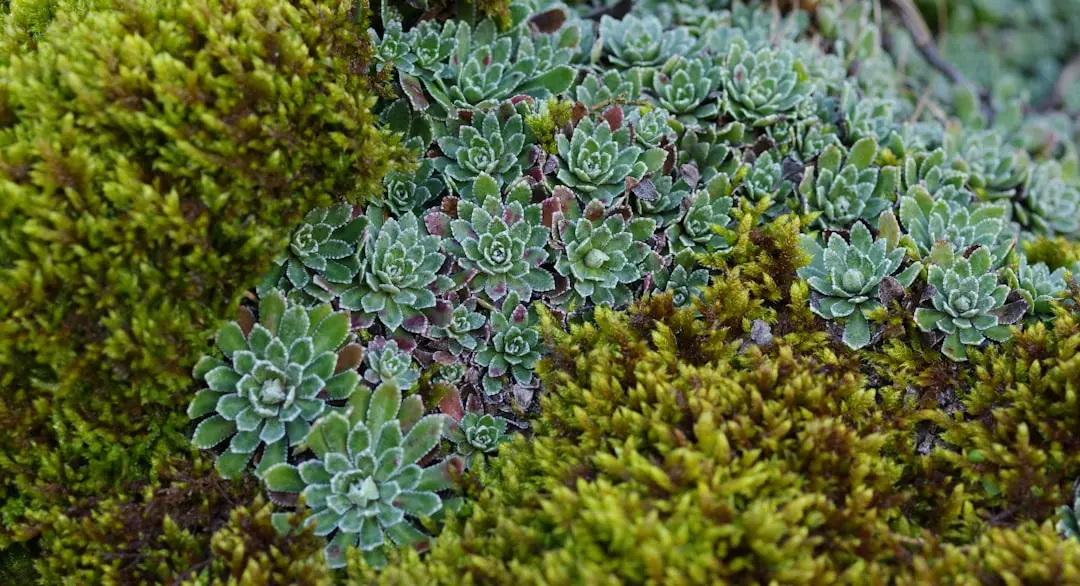
Container Soil vs. Garden Bed Soil
Container-grown sedums need a more free-draining mix than garden-bed plants, because pots hold moisture longer than open ground. Use a purpose-made cactus and succulent compost — widely available from garden centres in the UK, US, Australia, and online globally — or make your own by blending 2 parts loam-based compost with 1 part perlite and 1 part coarse horticultural grit. For garden beds, especially in wetter climates like the UK, Ireland, or Pacific Northwest, raised beds or rock garden arrangements with extra grit mixed through the soil are strongly recommended.
When and How to Fertilize Sedum
For most gardeners in temperate climates, one feed in spring as new growth emerges is enough. In arid climates like the Middle East or southern California where heat forces plants into semi-dormancy in midsummer, feed in spring and again in early autumn when temperatures cool. Avoid feeding after late summer in cold-climate zones — late feeding stimulates soft new growth that’s vulnerable to frost damage. Organic options like worm castings mixed into the soil at planting time provide gentle, slow nutrition that suits stonecrop succulent care perfectly.
Watering Your Stonecrop the Right Way
You might be surprised to learn that more stonecrops die from too much water than from drought. This isn’t just a guidebook cliché — it reflects the plant’s actual biology. Sedum roots store water in specialised cells, and when the surrounding soil stays persistently wet, those cells become anaerobic — starved of oxygen — and root rot sets in within days.
The correct approach is the ‘soak and dry’ method. Water deeply until the soil is thoroughly wet, then wait until the top 2–3 cm (about 1 inch) of soil has dried out completely before watering again. In practice, this means watering every 7–14 days in summer for most temperate climates, every 3–4 weeks in cooler autumn weather, and barely at all — once a month or less — during winter dormancy.
In tropical climates like Singapore, Mumbai, or coastal Queensland, where humidity is high and evaporation rates are unpredictable, check the soil physically before every watering rather than following a fixed schedule. A simple finger test works perfectly: push your finger 2 cm into the soil. If it feels even slightly damp, wait.
A quick tip here: always water at the base, not over the leaves. Wet foliage in humid conditions invites fungal issues, and some sedums develop unsightly marks when water sits in their rosettes. Morning watering — not evening — is ideal in any climate, as it gives the soil a chance to dry before nightfall.
Seasonal Watering Adjustments
In July in the Northern Hemisphere — currently the peak of summer — most outdoor sedums are in active growth and may need watering every 7–10 days depending on rainfall and temperature. Indoor sedums in air-conditioned environments may actually need slightly more frequent watering since AC reduces ambient humidity significantly. In the Southern Hemisphere, July is midwinter, and watering should be at its minimum — once every 3–4 weeks for most species. Always adjust for your specific climate: a gardener in humid Kuala Lumpur and a gardener in dry Denver will have completely different watering rhythms even on the same day of the year.
Signs of Overwatering vs. Underwatering
Overwatered stonecrops show mushy, translucent leaves, often at the base of the plant first. The stems may blacken at soil level — a clear sign of root rot that requires immediate action. Underwatered plants, by contrast, develop wrinkled, slightly shrivelled leaves that still retain their colour. The good news is that underwatering is far more recoverable — a thorough watering usually revives a thirsty sedum within 24–48 hours. If you see soft, mushy growth, remove the plant from its pot immediately, cut away any rotten roots, allow the roots to air-dry for a day, and repot in fresh, dry mix.
Sunlight and Temperature Requirements
Stonecrops are sun lovers. Full sun — at least 6 hours of direct sunlight per day — is the standard recommendation for most species, and it’s a guideline worth following closely. Plants grown in insufficient light become etiolated: they stretch and lean toward the light source, producing weak, spindly growth with faded colouring. The jewel-like colours that make sedums so striking — the deep burgundy of Sedum spurium ‘Dragon’s Blood’, the orange tips of Sedum rubrotinctum — intensify only with strong sun exposure.
That said, context matters. In regions with intense summer heat — the Middle East, central Australia, southern US — afternoon shade during the hottest months (roughly 1pm–4pm) protects plants from scorching without compromising their light needs. In these climates, east-facing positions that catch morning sun and avoid the brutal afternoon heat are ideal.
Temperature tolerance varies widely by species. Most creeping, low-growing sedums are remarkably cold-hardy — Sedum acre and Sedum album are rated RHS H7 (hardy to −20°C/−4°F), while Sedum spectabile and its cultivars survive down to −30°C/−22°F (USDA Zone 4). Tropical-origin species like Sedum morganianum prefer temperatures above 10°C (50°F) year-round and are best grown as houseplants in cold-climate regions.
According to USDA plant hardiness data, most sedum species suitable for garden planting fall in the USDA Zones 3–9 range, making them among the most climate-versatile succulents available to northern-hemisphere gardeners.
Indoor Light for Sedum
Growing sedum indoors is absolutely possible, but it demands a south-facing window (north-facing in the Southern Hemisphere) that delivers at least 4–6 hours of direct sun daily. East or west windows are acceptable but typically produce less compact, less colourful growth. In climates with dark winters — the UK, Scandinavia, Canada — a full-spectrum grow light positioned 15–20 cm (6–8 inches) above the plant for 12–14 hours daily compensates effectively for low natural light. Many indoor gardeners in northern latitudes keep their sedums under grow lights from October through March with excellent results.
Managing Heat and Cold Extremes
In climates that regularly exceed 40°C (104°F) in summer, such as parts of the Middle East, Rajasthan, and inland Australia, even the most drought-tolerant sedums benefit from light shade cloth (30–40% shade) during peak heat. For cold climates experiencing temperatures below −15°C (5°F), mulching around the base of outdoor sedums with a 5–8 cm layer of dry gravel or grit helps insulate roots without trapping moisture — the enemy of winter survival. Container-grown plants in cold climates should be moved to an unheated but frost-free shed or greenhouse when temperatures drop below −10°C (14°F).
How to Grow Stonecrop Succulent Indoors and Outdoors
Whether you’re planting a sedum carpet between paving stones in your Sydney courtyard or arranging compact rosette sedums in a terracotta pot on your London windowsill, the fundamentals of good stonecrop succulent care stay remarkably consistent. What changes is how you apply those fundamentals to your specific conditions.
Outdoors, sedums are ideal for rock gardens, green roofs, sunny borders, drought-tolerant landscaping, and slopes where erosion is a concern. They look exceptional spilling over retaining walls or planted in crevices between stone pavers. Space creeping varieties 20–30 cm apart; they’ll spread and knit together within one to two growing seasons. Taller border types like Sedum spectabile work well as middle-of-border plants, paired with grasses and coneflowers for a prairie-inspired scheme.
Indoors, the key to success is maximising light. Terracotta pots are strongly preferred over glazed or plastic containers because their porous walls allow the soil to breathe and excess moisture to evaporate — a significant advantage in stonecrop succulent care. Choose a pot only slightly larger than the root ball; sedums in oversized pots tend to sit in too much damp soil between waterings.
Many gardeners find that repotting every 2–3 years is sufficient for most sedum species. Spring is the best time to repot — roots are beginning to grow actively, so recovery from transplant stress is quick.
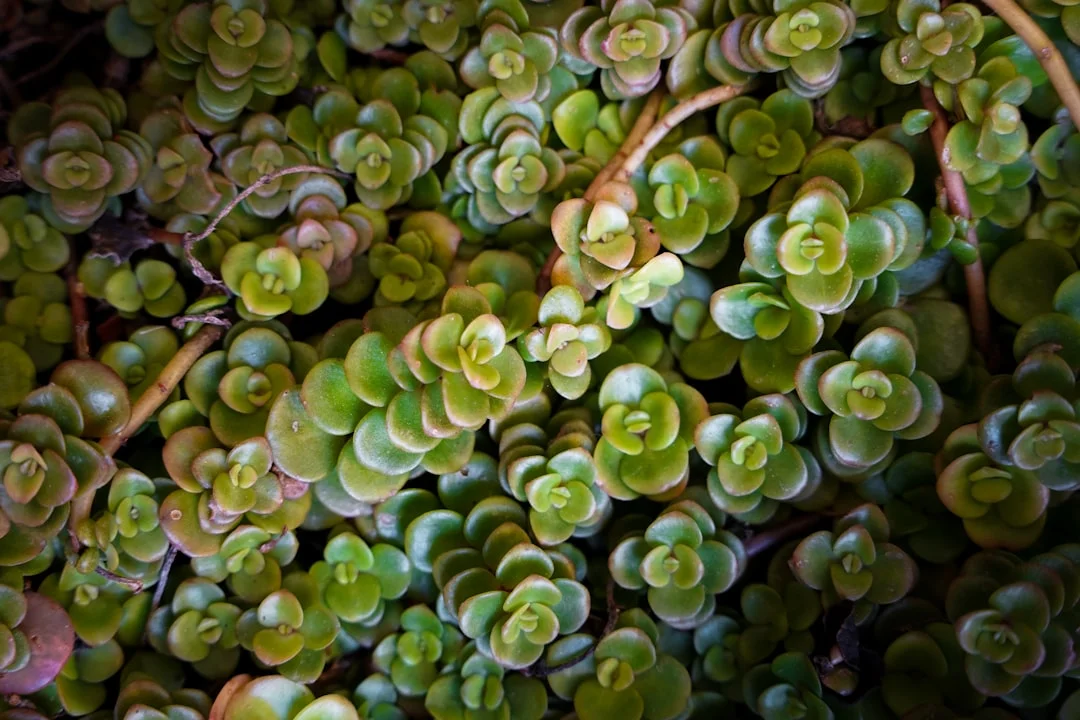
Container Growing Tips for All Climates
For balcony growers in high-rise apartments — a growing category in cities from Dubai to Hong Kong to New York — sedums are among the best choices available. They tolerate the wind exposure typical at height, handle the reflected heat from concrete and glass, and survive the irregular watering that apartment life often produces. Use heavy terracotta or ceramic pots to prevent tipping in wind, and ensure every container has at least one drainage hole. In particularly windy spots, low-growing species like Sedum hispanicum or Sedum dasyphyllum are more stable than tall, upright types.
Rock Garden and Ground Cover Planting
Rock gardens are the natural home of creeping stonecrops, and setting one up is straightforward. Choose a sunny, open spot with good air circulation. Mix plenty of horticultural grit into the existing soil — ideally to a depth of 30 cm. Arrange rocks to create planting pockets where the soil is slightly elevated and drains freely. Plant sedums in early spring or early autumn for the best establishment results. In temperate climates, established sedum ground covers need essentially no irrigation after their first growing season — rainfall alone is usually sufficient.
Propagation: How to Multiply Your Sedum
This is genuinely one of the most rewarding aspects of stonecrop succulent care — sedums propagate so easily that it borders on miraculous. A single fallen leaf can produce a new plant. A stem cutting will root in gritty soil within two to three weeks with no special treatment required. Division is equally simple and simultaneously rejuvenates older clumps.
There’s one propagation method that almost nobody talks about: allowing stem cuttings to callous before planting. When you cut a sedum stem and plant it directly into moist soil, the open wound is vulnerable to rot. But if you set the cutting on a dry surface — a paper towel, a windowsill, anywhere dry and bright — for 24–48 hours, the cut end seals over with a corky callous layer. After that, the cutting can be planted into barely moist gritty mix and will root reliably without rotting. This single adjustment dramatically improves propagation success rates.
Leaf propagation works best with plump, fleshy-leaved species like Sedum rubrotinctum or Sedum pachyphyllum. Simply twist individual leaves cleanly from the stem — a clean removal without tearing is essential — and lay them on the surface of barely moist succulent mix. Tiny rosettes will sprout from the leaf base within 3–6 weeks in warm conditions.
Division suits clump-forming species like Sedum spectabile perfectly. In early spring before new growth hardens, simply dig up the clump, pull apart sections with your hands or a garden fork, and replant immediately.
Step-by-Step Stem Cutting Propagation
First, select a healthy stem 5–10 cm long with at least 3 sets of leaves. Next, use clean, sharp scissors or a knife to make a straight cut just below a leaf node. Then remove the lower leaves, leaving only 2–3 at the top. After that, lay the cutting on a dry surface in bright indirect light for 24–48 hours until the cut end callouses. Finally, push the calloused end about 2 cm into a pot of barely moist cactus mix, place in bright light, and avoid watering for the first week. Roots typically appear within 2–3 weeks in warm conditions (above 18°C/65°F).
Propagation Timing Around the World
In the Northern Hemisphere, spring (March–May) and late summer (August–September) are the optimal propagation windows — warmth encourages quick rooting, and new plants have time to establish before winter. In the Southern Hemisphere, September–November and February–March are equivalent windows. In tropical climates where temperatures stay above 22°C (72°F) year-round, propagation succeeds in any month, though avoiding the very wettest monsoon months is wise since high humidity can cause rotting before roots develop.
Common Problems and How to Fix Them
Even resilient stonecrops have vulnerabilities — and knowing them in advance is what separates thriving plants from struggling ones. Stonecrop succulent care really shines when problems are caught early.
Root rot is by far the most common killer, almost always caused by overwatering or poorly draining soil. The fix: act fast. Remove the plant from its pot, trim away any soft, brown roots with sterile scissors, dust the cuts with powdered cinnamon (a natural antifungal) or horticultural fungicide, allow to dry for 24 hours, and repot in fresh, dry mix. Don’t water for a week.
Mealybugs are the most prevalent pest — white, cottony clusters typically found where leaves meet stems. In my experience, a cotton swab dipped in 70% isopropyl alcohol, applied directly to each cluster, is the most precise and effective treatment for small infestations. For larger ones, a spray of diluted neem oil (2ml per litre of water with a few drops of dish soap as an emulsifier) applied every 5–7 days for three applications works consistently across most climates.
Etiolation — the stretching and leaning toward light — isn’t a disease but a cry for more sun. It can’t be reversed in existing growth, but moving the plant to a brighter position will restore compact growth going forward. Cut back leggy stems and use them as cuttings.
Aphids occasionally attack soft new growth in spring, particularly on taller sedum species. A strong jet of water dislodges most colonies immediately — no chemicals needed.
Fungal Diseases in Humid Climates
Gardeners in high-humidity climates — Singapore, coastal Brazil, monsoon-season India, or the UK in wet summers — face a higher risk of fungal problems including grey mould (Botrytis) and powdery mildew on their sedums. Good air circulation is the primary prevention: space plants generously, avoid overcrowding, and never water in the evening. If grey mould appears — fuzzy grey patches on leaves and stems — remove affected parts immediately and improve airflow. A copper-based fungicide applied as a preventive spray during prolonged wet weather is effective and widely available globally.
Why Is My Sedum Losing Colour?
Colour loss in sedums is almost always a light issue. The vivid reds, purples, and oranges of many species are stress pigments — they intensify under strong sun, cool temperatures, and slight drought, and fade in shade, warmth, and overfeeding. If your sedum is going green when it should be red or purple, move it to a sunnier spot and hold back on fertiliser. The colour should return within 3–4 weeks of improved conditions. Additionally, temperature stress — cooler nights in particular — triggers the most dramatic colour development in autumn-colouring species like Sedum spectabile cultivars.
Seasonal Care Guide for Stonecrop Succulents
Stonecrop succulent care changes significantly with the seasons — and understanding this rhythm is what transforms a struggling plant into a thriving one. Currently in July, Northern Hemisphere gardeners are in peak summer growth, while Southern Hemisphere growers are managing midwinter conditions. This section covers the full annual cycle so you can apply the right care at the right time, wherever you are.
Spring (Northern Hemisphere: March–May; Southern Hemisphere: September–November) is the busiest and most rewarding season for sedum growers. Resume regular watering as temperatures climb above 10°C (50°F). Apply a single light feed of balanced fertiliser. Divide congested clumps. Take stem cuttings for propagation. Repot container plants that have outgrown their pots. Remove any winter-damaged foliage to allow clean new growth.
Summer (Northern Hemisphere: June–August) is when most sedums are at their most floriferous and colourful. Maintain the soak-and-dry watering cycle. Taller species may need light support in windy gardens. In extreme heat above 38°C (100°F), provide temporary afternoon shade. In tropical climates, this period coincides with monsoon rains — reduce supplementary irrigation accordingly and ensure drainage is working well.
Autumn (Northern Hemisphere: September–November) is arguably the most spectacular season for many sedum species. Sedum spectabile, Sedum telephium, and their cultivars produce their iconic flat-topped flower clusters, which turn deep mahogany brown as temperatures drop — providing structural interest well into winter. Reduce watering. Apply no further fertiliser. Leave the dried flower heads standing: they provide winter food for birds and protect the crown from frost.
Winter (Northern Hemisphere: December–February) is a rest period for cold-climate sedums. Hardy outdoor types need virtually no care — just ensure drainage remains good under any standing water or ice. Tender species overwintered indoors should be kept in a cool, bright spot with minimal watering — once a month is typically sufficient.

July-Specific Care Tips
In July specifically, Northern Hemisphere gardeners should be watching for signs of heat stress — brown leaf tips, unusually rapid soil drying, or wilting despite adequate watering. These signs suggest temporary afternoon shade or a mulch of light gravel around outdoor plants to buffer soil temperature. For Southern Hemisphere growers, July is midwinter — outdoor sedum growth is largely paused, and watering should be minimal. Container plants brought indoors should be in the brightest available spot to compensate for reduced winter sunlight. Both hemispheres: July is not ideal for repotting or propagation in most climates.
Medicinal and Traditional Uses of Sedum
Stonecrops have a longer medicinal history than most gardeners realise. Sedum acre — biting stonecrop — was used in European folk medicine for centuries to treat warts, corns, and high blood pressure, a use documented in Nicholas Culpeper’s 17th-century herbal writings. The plant’s common name ‘wall pepper’ reflects both its habitat and the sharp, acrid taste caused by alkaloids including sedamine and isopelletierine.
In traditional Chinese medicine (TCM), Sedum sarmentosum (known as chuí pén cǎo, 垂盆草) has a well-documented history as a hepatoprotective herb — used to support liver function and treat hepatitis. A 2019 clinical review published on PubMed/NIH examined multiple Chinese studies and found evidence for significant hepatoprotective activity attributed to flavonoids and alkaloids in S. sarmentosum extracts. However, clinical applications require medical supervision and standardised extracts — this is not a plant to self-medicate with.
In European botanical traditions, Sedum rosea (roseroot, also known as Rhodiola rosea, now sometimes classified separately) has become one of the most studied adaptogenic plants in Western herbal medicine, with evidence for stress resilience and cognitive support. Though Rhodiola is now often treated as a separate genus, it shares deep botanical roots with the sedum family.
Importantly, internal use of many sedum species is not considered safe without specialist guidance. Some species contain alkaloids that are mildly toxic in quantity. Always consult a qualified medical herbalist before using any sedum medicinally, and never assume edibility across species.
Vastu Shastra and Feng Shui traditions don’t assign specific properties to Sedum as prominently as they do to some other succulents, though succulent plants generally are considered positive additions to homes in both traditions — symbols of resilience and gentle prosperity.
Safety and Toxicity Note
Most Sedum species are considered mildly toxic to cats and dogs according to the ASPCA, primarily causing gastrointestinal upset — vomiting and diarrhoea — if ingested in significant quantities. They are not considered severely toxic, but pet owners should place sedums out of reach as a precaution. Sedum acre contains alkaloids that cause skin irritation in some individuals — wearing gloves when handling large quantities is a sensible precaution. Children should be supervised around all sedum plants and discouraged from eating leaves or stems. For detailed safety information, the ASPCA Animal Poison Control database provides species-specific toxicity data.
Frequently Asked Questions
How often should I water a stonecrop succulent?
Water stonecrop succulents using the soak-and-dry method: water deeply, then wait until the top 2–3 cm of soil is completely dry before watering again. In summer, this typically means watering every 7–14 days in temperate climates. In winter, most species need water only once every 3–4 weeks. In high-humidity tropical climates like Southeast Asia, always check the soil physically rather than following a fixed schedule — humidity slows evaporation significantly. Consistent overwatering is the leading cause of death in sedums worldwide.
Can I grow stonecrop succulent indoors in a cold climate?
Absolutely. Compact sedum species like Sedum rubrotinctum, Sedum morganianum (donkey's tail), and Sedum pachyphyllum make excellent indoor plants in cold-climate regions including the UK, Canada, and northern Europe. The key requirement is maximum light: place them in a south-facing window (north-facing in the Southern Hemisphere) that delivers 4–6 hours of direct sun daily. In dark winters, a full-spectrum LED grow light positioned 15–20 cm above the plant for 12–14 hours a day solves the light deficit effectively.
Is stonecrop succulent safe for pets and children?
Most Sedum species are considered mildly toxic to cats and dogs, according to the ASPCA. Ingestion typically causes mild gastrointestinal upset — vomiting or diarrhoea — rather than severe toxicity. Severe poisoning is uncommon. That said, keep sedums out of reach of pets and supervise children around all succulent plants. Sedum acre contains alkaloids that can cause skin irritation in sensitive individuals, so wearing gloves when handling large quantities is a reasonable precaution. Always contact your vet promptly if you suspect your pet has eaten any sedum.
Why is my stonecrop succulent losing its red or purple colour?
Colour loss in sedums is almost always caused by insufficient light or overfeeding. The vivid reds, purples, and oranges of many species are stress pigments that intensify under strong sun, slightly cooler temperatures, and lean growing conditions. They fade in shade and with excessive fertiliser. Move the plant to a sunnier position and stop feeding for at least 6–8 weeks. In most cases, colour returns within 3–4 weeks of improved light conditions. Autumn temperature drops also naturally intensify colour in many sedum species.
How do I grow stonecrop succulent in a container on a balcony?
Stonecrop succulents are ideal balcony plants. Choose a terracotta or ceramic container with at least one drainage hole and fill it with a 50:50 mix of standard compost and horticultural grit or perlite. Place in the sunniest available spot — south-facing or west-facing in the Northern Hemisphere. Water using the soak-and-dry method, adjusting frequency with season. In very windy positions, low-growing species like Sedum hispanicum or Sedum album are more stable than tall types. A single application of balanced fertiliser in spring is sufficient for the whole growing season.
What is the difference between creeping and upright stonecrop varieties?
Creeping stonecrops — like Sedum acre, Sedum album, and Sedum spurium — stay low (under 15 cm) and spread outward, making them excellent ground covers, rock garden plants, and green roof species. Upright sedums — like Sedum spectabile (Hylotelephium spectabile) and its cultivars — grow 30–60 cm tall in clump-forming mounds and are used as border perennials. Both types share the same basic stonecrop succulent care requirements — good drainage, full sun, minimal watering — but upright types are generally more cold-hardy and more tolerant of slightly richer soil.
When is the best time to propagate stonecrop succulents?
In Northern Hemisphere climates, spring (March–May) and late summer (August–September) are optimal for stonecrop propagation. Warm soil temperatures encourage fast rooting, and young plants have time to establish before winter. In the Southern Hemisphere, the equivalent windows are September–November and February–March. In tropical climates where temperatures stay above 22°C (72°F) year-round, propagation succeeds in most months — though avoiding peak monsoon humidity reduces rot risk. Always allow cuttings to callous for 24–48 hours before planting to significantly improve success rates.
Are stonecrops suitable for a low-maintenance garden?
Stonecrops are among the very best plants for low-maintenance gardens in nearly every climate zone. Once established in well-draining soil and full sun, most outdoor species require virtually no irrigation beyond natural rainfall in temperate climates, no fertilising after the first spring feed, and minimal pruning — just cut back taller types in early spring and deadhead if desired. In USDA Zones 3–9, cold-hardy species like Sedum spurium, Sedum acre, and Sedum spectabile survive winter without any protection. For beginners and busy gardeners worldwide, they represent near-perfect starter plants.
Final Thoughts
Stonecrop succulent care is ultimately about working with the plant’s nature rather than against it. Give sedum sharp drainage, strong sun, and the discipline to water less than you think it needs — and it will reward you with extraordinary resilience, vivid colour, and beauty across every season. Whether you’re cultivating a single jelly-bean-leaved pot on a Tokyo apartment windowsill, growing a carpet of Sedum album across a Bristol rock garden, or establishing drought-tolerant ground cover on a sun-baked slope in New Mexico, the same fundamental principles apply. The biggest shift most gardeners need to make is mental: accept that neglect, for a sedum, isn’t a failure of care — it’s often the kindest thing you can do. If you’re building a broader plant care routine alongside your sedums, our complete indoor plant care guide covers everything you need to know about keeping a wide range of plants thriving indoors year-round. Start with the basics of good stonecrop succulent care, apply them consistently, and you’ll have plants that genuinely thrive for years.

