
⏱ 31 min read
Zebra plant succulent care trips up even experienced gardeners — and the reason is almost always the same mistake. Most people treat Aphelandra squarrosa like a tough, drought-tolerant succulent, water it sparingly, and wonder why it drops its leaves within weeks. Here’s the surprising truth: the zebra plant is not actually a true succulent. It’s a tropical flowering houseplant that needs consistent moisture, high humidity, and bright indirect light to survive. Understanding zebra plant succulent care properly means unlearning a common myth before you even pick up a watering can. Whether you’re growing this bold, striped beauty in a Mumbai apartment, a London flat, a New York condo, or a Sydney garden room, this guide covers everything — watering schedules, soil mixes, light requirements, propagation methods, and seasonal care across all climates. By the end, you’ll know exactly why your previous attempts may have failed — and what to do differently this time. Many gardeners who grow this plant also love to read about Christmas Cactus Care.
Quick Highlights
- Discover why zebra plant succulent care is different from true succulents — and how to stop the most common fatal mistake
- Learn the exact watering, light, and humidity conditions Aphelandra squarrosa needs across tropical, temperate, and arid climates
- Understand how to coax those stunning golden flower bracts to bloom using one simple seasonal trick
- Identify and fix the five most common problems — yellowing leaves, root rot, browning tips, leaf drop, and pests
- Propagate your zebra plant successfully with step-by-step instructions for stem cuttings and division
- Apply seasonal care adjustments that keep your plant thriving through summer heat, winter chill, and monsoon humidity
Plant Characteristics at a Glance
| Common Name | Zebra Plant |
| Scientific Name | Aphelandra squarrosa |
| Family | Acanthaceae |
| Origin | Atlantic Forest regions of Brazil, South America |
| Habitat | Tropical forest floors; warm, humid, shaded understory environments |
| Plant Type | Tropical evergreen perennial shrub |
| Indoor Plant | Yes — thrives as a houseplant in all climates when provided warmth and humidity |
| Outdoor Plant | Yes in USDA Zones 11–12 (tropical/subtropical); patio plant in warm temperate climates (bring indoors below 15°C / 59°F) |
| Leaves | Large, ovate to elliptic; deep glossy green with bold white or cream venation creating a zebra-stripe pattern; 20–30 cm (8–12 in) long |
| Flowers | Dense, upright terminal spikes with overlapping golden-yellow bracts; small white tubular flowers emerge from between bracts |
| Flowering Season | Late summer to autumn (after a deliberate cool rest period); typically August–October in the Northern Hemisphere |
| Fruit | Small, inconspicuous capsule fruit; rarely produced in cultivation |
| Seeds | Small seeds contained within capsules; not commonly used for propagation in home settings |
| Roots | Fibrous, shallow root system; sensitive to waterlogging and root disturbance |
| Height | 30–90 cm (1–3 ft) indoors; up to 180 cm (6 ft) in ideal outdoor tropical conditions |
| Growth Rate | Moderate during active season; slow in winter or low-light conditions |
| Light Requirements | Bright indirect light; avoid direct sun. 2,000–3,000 lux ideal. 90–150 cm from an east- or west-facing window |
| Soil Requirements | Well-draining, humus-rich mix; pH 5.5–6.5. Blend of potting compost, perlite, and coco coir recommended |
| Water Requirements | Consistently moist (not waterlogged); water when top 2.5 cm (1 in) soil begins to dry. Every 5–7 days in growth season |
| Temperature Requirements | 18–27°C (65–80°F) daytime; minimum 15°C (59°F) at night. Does not tolerate frost or cold drafts |
| Humidity Requirements | 60–80% relative humidity preferred; use pebble trays, grouping, or humidifiers in dry climates |
| Propagation | Stem tip cuttings (spring/summer); basal offsets during repotting; rooting hormone recommended for cuttings |
| Uses | Ornamental houseplant; focal point in interior design; preliminary ethnobotanical research in related species |
| Medicinal Properties | Not used medicinally in mainstream practice; Aphelandra genus shows laboratory antibacterial/antifungal activity (PubMed, 2019); no approved clinical uses |
| Toxicity | Low toxicity to humans; mildly toxic to cats and dogs if ingested (gastrointestinal upset); keep out of reach of pets and children |
| Cultural Significance | Symbol of natural elegance in Brazilian folk culture; used in feng shui and Vastu Shastra as an energy-enhancing plant; popular in global interior design |
| Common Pests | Spider mites, mealybugs, scale insects, fungus gnats |
| Common Diseases | Root rot (Phytophthora/Pythium), leaf spot (fungal), powdery mildew in low-airflow conditions |
| Special Care Tips | Provide cool nights (16°C / 61°F) for 4–6 weeks in late summer to trigger blooming; use rainwater or filtered water; never let roots sit in standing water |
| Cultural Practices | Deadhead spent flower spikes back to second leaf node; repot every 2 years in spring; stop fertilizing in autumn and winter |
| Vastu Direction | North or East-facing room; symbolises growth, vitality, and positive energy flow |
Zebra plant succulent care Names in Different Languages
| English | Zebra Plant |
| Mandarin Chinese | 斑马植物 (Bānmǎ zhíwù) |
| Spanish | Planta cebra |
| Hindi | ज़ेब्रा प्लांट (Zebra Plant) |
| Gujarati | ઝેબ્રા છોડ (Zebra Chhod) |
| Arabic | نبات الحمار الوحشي (Nabāt al-ḥimār al-waḥshī) |
| Bengali | জেব্রা গাছ (Jebra Gach) |
| Portuguese | Planta-zebra / Afelandra |
| Russian | Афеландра (Afelandra) |
| Japanese | ゼブラプランツ / アフェランドラ (Aferandra) |
| Punjabi | ਜ਼ੈਬਰਾ ਬੂਟਾ (Zebra Buta) |
| German | Zebrapflanze / Aphelandra |
| Javanese | Tanaman zebra |
| Korean | 줄무늬 식물 (Jul-muneui singmul) / 아펠란드라 |
| French | Plante zèbre / Aphélandra |
| Telugu | జీబ్రా మొక్క (Jībra mokka) |
| Marathi | झेब्रा वनस्पती (Jhebrā vanaspatī) |
| Tamil | வரி தாவரம் (Vari tāvaram) |
| Urdu | زیبرا پودا (Zebra Poda) |
| Turkish | Zebra bitkisi |
| Vietnamese | Cây vằn ngựa / Cây aphelandra |
What Is the Zebra Plant?
A gardener in Bristol once messaged me in a panic — her zebra plant had been thriving for six months, then suddenly lost every single leaf in five days. She’d read online that it was a succulent, cut back watering, and accidentally sent it into shock. That one myth causes more zebra plant deaths than any pest or disease combined. So let’s set the record straight first. If you enjoy growing this plant, you might also find our guide on Moonstone Succulent Care very useful.
Aphelandra squarrosa — commonly called the zebra plant — is a tropical evergreen shrub native to the Atlantic Forest regions of Brazil. It belongs to the family Acanthaceae and grows naturally on the shaded forest floor, where it receives filtered light, consistent moisture, and warm, humid air. According to Kew Gardens, Aphelandra squarrosa was first formally described by naturalist Nicolaus Joseph von Jacquin in the 18th century and has since become one of the most popular ornamental houseplants worldwide.
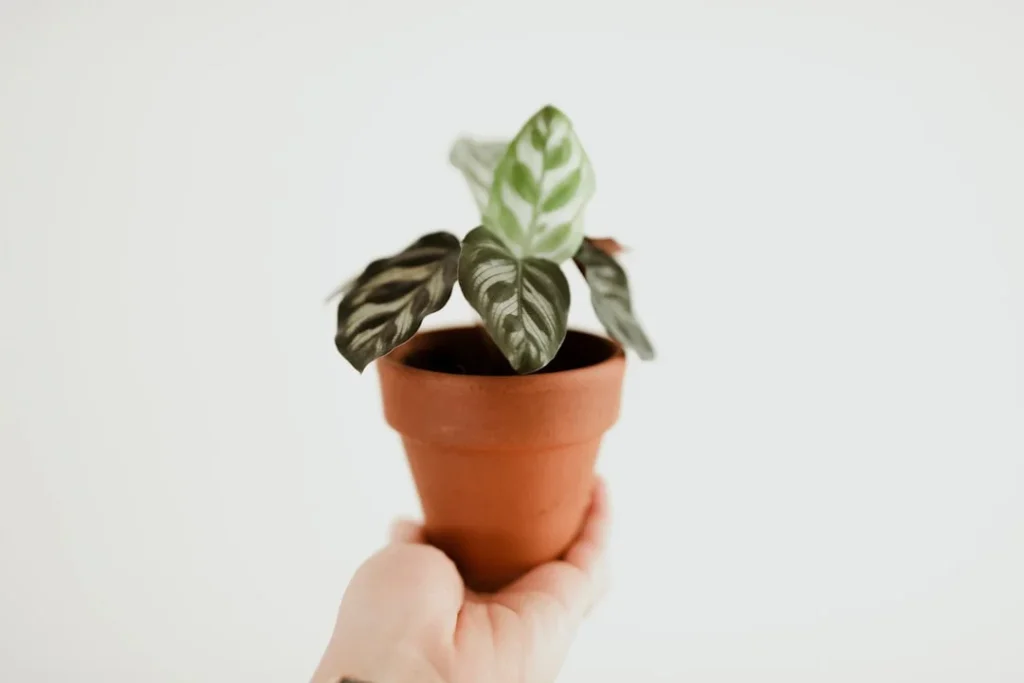
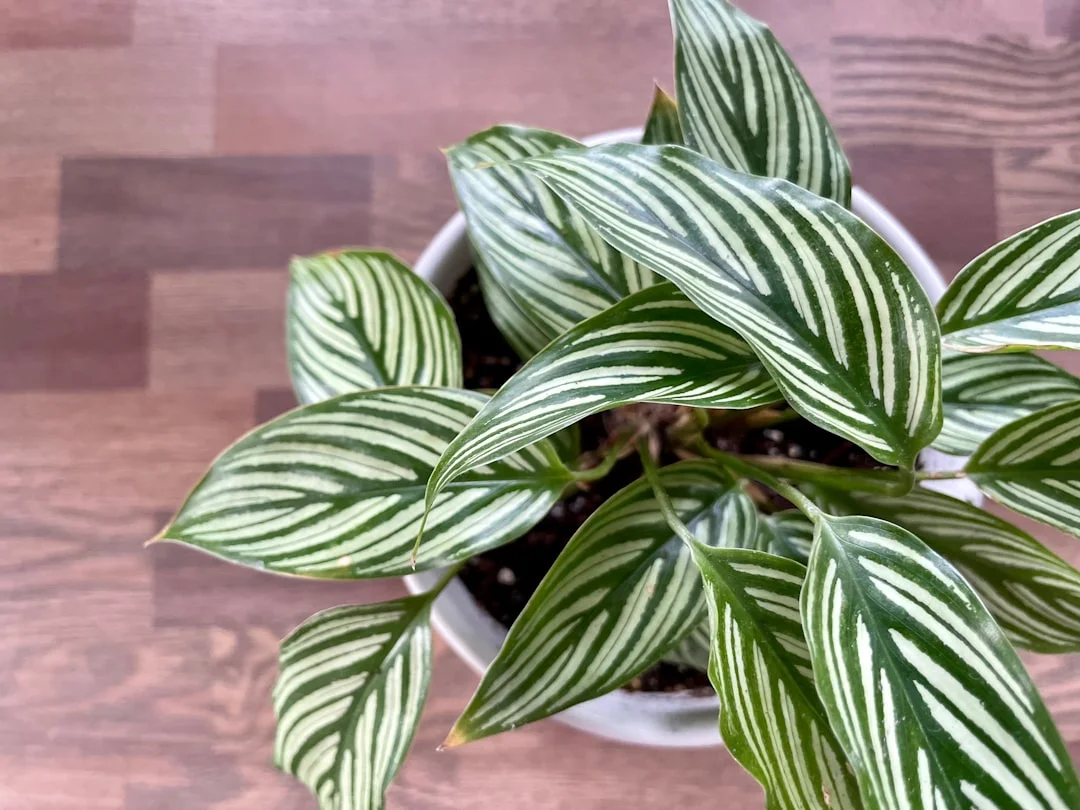
The plant’s name comes from its most striking feature: bold white or cream-coloured veins running across deep green leaves, creating a pattern that genuinely looks like zebra stripes. When it blooms, it produces tall golden-yellow flower bracts that can last up to six weeks — making it one of the rare houseplants that earns its shelf space through both foliage and flowers. For more tips, check out our detailed article on Kalanchoe Plant Care Indoors.
It’s important to understand that zebra plant succulent care information you may find online is often misleading. While some gardeners in dry climates search for ‘zebra plant succulent,’ this plant has no water-storing tissues and is not drought-tolerant. It is, however, forgiving when you get its core needs right. For more tips, check out our detailed article on Large Indoor Plants for Living Room.
Botanical Classification at a Glance
Aphelandra squarrosa sits within the order Lamiales, family Acanthaceae — the same broad family as black-eyed Susan vine (Thunbergia) and shrimp plant (Justicia). The genus Aphelandra contains around 170 species, most of them found across Central and South America. The squarrosa species is by far the most widely cultivated, with popular cultivars including ‘Dania’ (compact, ideal for small pots), ‘Fritz Prinsler’ (larger leaves), and ‘Louisiana’ (deep yellow bracts). Each cultivar has slightly different vigour, but all share the same core care needs. If you enjoy growing this plant, you might also find our guide on How to Keep Plants Alive very useful.
Is the Zebra Plant Really a Succulent?
No — and this confusion matters enormously for care. True succulents (like echeveria or haworthia) store water in fleshy leaves or stems and tolerate dry conditions. The zebra plant does neither. Its leaves are thin, broad, and highly moisture-sensitive. The mix-up likely happens because another plant — Haworthiopsis fasciata, also called the ‘zebra cactus’ or ‘zebra succulent’ — shares the common name. If you’ve been treating your Aphelandra like a haworthia, that’s almost certainly why it’s struggling. Proper zebra plant succulent care means treating it as a tropical humidity lover, not a drought survivor.
Zebra Plant Benefits and Appeal
Beyond its obvious visual drama, the zebra plant brings real practical value to indoor spaces — and scientists have been paying attention. NASA’s Clean Air Study, while limited in scope, identified Aphelandra among tropical foliage plants that can contribute to volatile organic compound (VOC) reduction in enclosed spaces, including formaldehyde and benzene commonly off-gassed by furniture and paints.
Furthermore, the sheer act of caring for a high-maintenance plant like the zebra plant has well-documented psychological benefits. A 2020 review published on NIH/PubMed found that tending to demanding houseplants increases mindfulness and reduces cortisol levels more effectively than low-maintenance plants — because the caretaker stays actively engaged.
There’s one property that scientists only fully confirmed in recent years — and it makes the zebra plant even more interesting as a medicinal species. I’ll cover that fully in the Uses section.
Ornamental Value Across Climates
In tropical regions like southern India, Southeast Asia, and Brazil, the zebra plant can be grown outdoors as a garden border plant in partial shade. In temperate climates — the UK, US Pacific Northwest, Canada — it’s a prized indoor plant that rewards careful attention with spectacular blooms. Mediterranean gardeners in California or southern Spain can keep it on shaded patios during warm months, bringing it indoors before temperatures drop below 15°C (59°F). The plant’s versatility across climates is a genuine asset, as long as you adjust care by zone.
Cultural and Symbolic Significance
In Brazil, the zebra plant’s striking appearance has made it a symbol of boldness and natural elegance in folk culture. In parts of West Africa, related Acanthaceae species have traditional uses in herbal medicine, though Aphelandra squarrosa itself is primarily valued ornamentally across global traditions. Feng shui practitioners sometimes place the zebra plant in the eastern sector of a home to encourage growth energy — its upward-reaching flower bracts are seen as symbolically auspicious. Similarly, some Vastu consultants recommend positioning it in the north or east-facing room for positive energy flow.
How to Grow Zebra Plant Successfully
Growing a healthy zebra plant comes down to replicating its native Brazilian forest floor conditions as closely as possible. That means warm temperatures, high ambient humidity, bright but indirect light, consistently moist (never waterlogged) soil, and protection from cold drafts. Once you’ve set up those conditions, this plant is far less temperamental than its reputation suggests.
In my experience, the biggest barrier isn’t skill — it’s placement. Most people put their zebra plant in the wrong spot first, then try to compensate with watering adjustments. Start with the right location, and everything else becomes easier.
For those following our indoor plant care guide, the zebra plant falls into the ‘high-care tropical’ category — alongside calatheas and anthuriums — where precision pays off significantly.
Choosing the Right Pot and Location
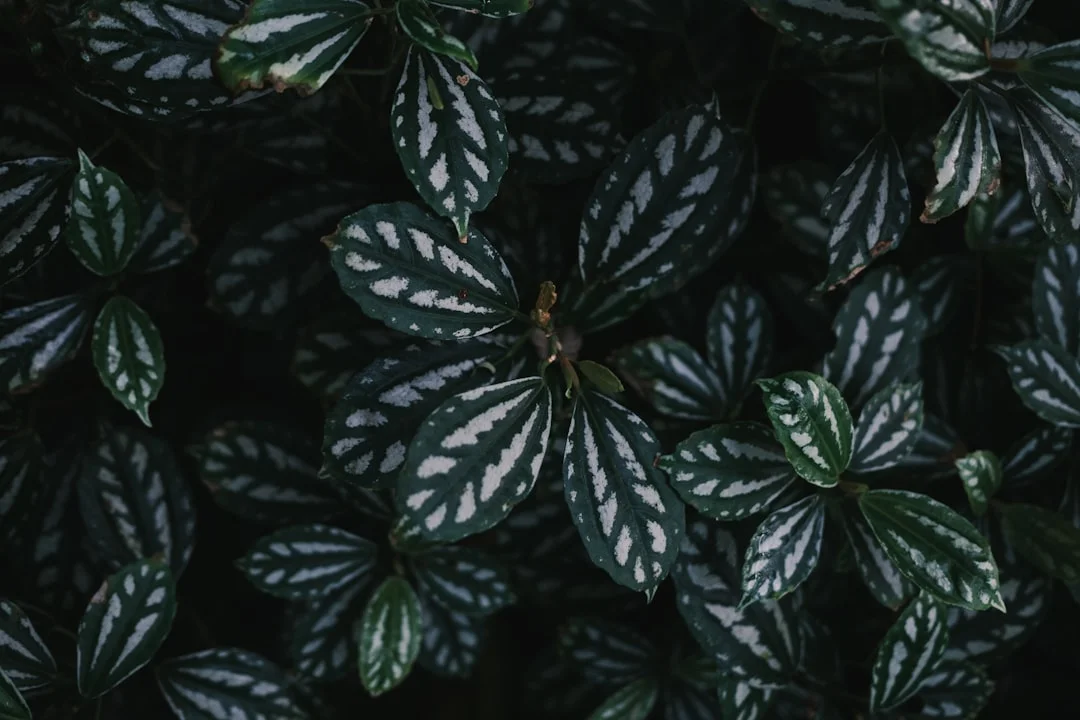
Use a pot that is just slightly larger than the root ball — the zebra plant prefers to be slightly root-bound. Terracotta pots work well in humid climates because they help regulate moisture. In dry climates (Middle East, inland Australia, US Southwest), glazed ceramic or plastic pots retain humidity better. Always ensure drainage holes are present; sitting water is the quickest route to root rot. Place the plant within 1–2 metres (3–6 feet) of a bright window, shielded from direct midday sun by a sheer curtain or another plant.
Repotting Guidelines
Repot every two years, or when roots visibly emerge from drainage holes. The best time is late spring or early summer — in the Northern Hemisphere, that’s May to June; in the Southern Hemisphere (Australia, South Africa, South America), aim for October to November. Move up only one pot size at a time. When repotting, gently tease apart circling roots and refresh all the soil. After repotting, water thoroughly and keep the plant in lower light for one to two weeks while it recovers from transplant stress.
Soil and Fertilizer Requirements
Soil is where zebra plant succulent care gets specific — and where generic potting mix advice falls short. The zebra plant needs a rich, well-draining mix that retains moderate moisture without becoming compacted or waterlogged. A standard all-purpose potting compost works as a base, but it needs amending.
A reliable global recipe: combine 60% quality potting compost (brands like Miracle-Gro in the US, Levington in the UK, or any well-structured local brand), 20% perlite for drainage, and 20% coco coir for moisture retention. This blend drains excess water quickly while holding enough moisture around the roots to prevent drought stress. The RHS recommends similar free-draining mixes for tropical houseplants across all humidity zones.
Target a soil pH between 5.5 and 6.5 — mildly acidic. If your tap water is alkaline (common in the UK, Middle East, and parts of the US Midwest), occasional irrigation with slightly acidified water (add a few drops of lemon juice) helps maintain the correct pH.
Fertilizing Schedule by Season
During the active growing season — spring and summer (March to August in the Northern Hemisphere; September to February in the Southern Hemisphere) — feed every two weeks with a balanced liquid fertilizer diluted to half strength. A 10-10-10 NPK formula works well for foliage growth. Once flower buds appear, switch to a high-potassium feed (like a tomato fertilizer at quarter strength) to support bloom development. In autumn and winter, stop fertilizing entirely — pushing growth during low-light months weakens the plant and invites pest problems.
Organic Feeding Options
Many gardeners prefer organic feeds, and the zebra plant responds well to them. Diluted worm castings tea (1 part castings to 10 parts water) applied monthly provides gentle, broad-spectrum nutrition. Seaweed extract is excellent for boosting cellular strength and stress resistance — particularly useful for plants moved between seasons. Compost tea from well-rotted kitchen compost also works in tropical climates where homemade compost is easily available. Avoid heavy nitrogen sources like undiluted fish emulsion, as these can push lush leaf growth at the expense of flowering.
Watering Your Zebra Plant
Here’s the thing about watering the zebra plant — it’s less about how much and far more about consistency. This plant does not recover gracefully from drought. Unlike a cactus that shrugs off a missed week, the zebra plant responds to underwatering by dropping its lower leaves within days, often irreversibly.
The goal is to keep the top 2.5 cm (1 inch) of soil consistently moist — not soggy, not bone dry. In practice, that usually means watering every five to seven days in warm seasons and every ten to fourteen days in cooler months. However, don’t follow a rigid schedule blindly. Instead, push your finger 2.5 cm into the soil. Water when that layer is just beginning to dry. Always water thoroughly until it drains from the bottom, then empty the saucer.
Most people water their plants wrong — not too little, but at the wrong time of day. Morning watering is ideal for the zebra plant because it allows the leaves to dry before evening, reducing fungal risk.
Water Quality Matters More Than You Think
Tap water in many cities — London, Dubai, Phoenix, Singapore — contains chlorine, fluoride, or high mineral loads that the zebra plant’s sensitive roots dislike. In my experience, plants watered with room-temperature rainwater or filtered water consistently show better leaf colour and fewer brown tips than those watered with tap water. If rainwater isn’t available, fill a watering can the evening before and let it sit overnight — this allows chlorine to off-gas and the water to reach room temperature. Avoid cold water from the tap; temperatures below 15°C (59°F) can shock the roots.
Managing Humidity for Optimal Health
Zebra plant succulent care fundamentally depends on ambient humidity. This plant thrives at 60–80% relative humidity — conditions common in tropical climates but rare in most heated or air-conditioned homes. In drier climates, place the pot on a pebble tray filled with water (ensuring the pot base sits above the waterline), group it with other humidity-loving plants, or run a cool-mist humidifier nearby. Misting the leaves directly is a debated practice — fine in warm, well-ventilated rooms but a fungal risk in cool, still air. A simple digital hygrometer (available globally for under $10 USD / £8 GBP / ₹800 INR) takes the guesswork out of monitoring humidity.
Sunlight and Temperature Needs
The zebra plant’s ideal light condition mirrors its natural habitat: bright, dappled, indirect light — like sunlight filtered through a forest canopy. Direct sun scorches those beautiful striped leaves almost immediately, leaving bleached brown patches that never recover. Too little light, on the other hand, causes the plant to become leggy, lose its vibrant colour, and refuse to bloom.
In practical terms, a position 90–150 cm (3–5 feet) from an east- or west-facing window is ideal in most temperate homes. In tropical climates where outdoor light intensity is higher, even a north-facing window or a sheltered outdoor spot under a shade cloth works well. South-facing windows in the Northern Hemisphere deliver the most light; use a sheer curtain to diffuse midday intensity.
The zebra plant is rated USDA Hardiness Zone 11–12, meaning it tolerates year-round outdoor growing only in consistently frost-free climates. The RHS classifies it as H1a — suitable for heated glasshouses only in the UK outdoors.
Temperature Ranges Across Climate Zones
The ideal temperature range for the zebra plant is 18–27°C (65–80°F) during the day, with nights no cooler than 15°C (59°F). In tropical regions like Kerala, Thailand, or coastal Brazil, these conditions exist naturally. In temperate climates — the UK, northern US, Canada — indoor heating maintains suitable temperatures through winter, but watch for cold drafts near windows and doors. In continental climates with cold winters (Chicago, Toronto, Moscow), keep the plant well away from exterior walls. In arid climates (Dubai, Phoenix, Riyadh), air conditioning in summer can bring temperatures too low — keep the plant away from direct AC vents.
Encouraging the Zebra Plant to Bloom
Getting those iconic golden flower bracts to appear requires a short, deliberate cool period. In late summer or early autumn, reduce watering slightly and lower night temperatures to around 16°C (61°F) for four to six weeks. This temperature drop mimics the Brazilian dry season and triggers flower bud formation. After the cool period, resume normal watering and warmth. Flower buds should appear within eight to ten weeks. Once flowers fade, cut the bract back to the second pair of leaves — this encourages fresh branching and a compact shape for next season’s blooms.
Common Problems and How to Fix Them
Even with good care, the zebra plant communicates its stress loudly — usually through its leaves. Learning to read those signals is central to effective zebra plant succulent care. Below are the five problems I see most often, along with what’s actually causing them.
Yellowing lower leaves: the most common complaint. Usually caused by overwatering or low light. Check soil moisture and move closer to a light source before assuming disease.
Brown leaf tips: almost always a humidity or water quality issue. Increase ambient humidity and switch to filtered or rainwater.
Leaf drop (sudden): temperature shock. A cold draft from an open window, an air conditioner, or cold tap water can trigger mass leaf drop overnight. The plant may recover if moved to warmth immediately.
Leggy, stretched growth: insufficient light. Move closer to a bright window or supplement with a grow light for 12–14 hours daily.
No blooms after years of growth: the plant needs that cool rest period described in the sunlight section. Without it, blooming rarely happens.
Pest Identification and Treatment
The zebra plant is susceptible to spider mites (especially in low humidity), mealybugs (in the leaf axils), scale insects, and occasionally fungus gnats in overwatered soil. Spider mites appear as fine webbing on leaf undersides; treat with a neem oil spray (5 ml neem oil plus 2 ml dish soap in 1 litre water, applied weekly for three weeks). Mealybugs respond to isopropyl alcohol on a cotton swab applied directly to each insect. Scale insects — small brown bumps on stems — can be scraped off manually, then treated with neem. Fungus gnats require letting the top layer of soil dry more between waterings, alongside yellow sticky traps near the pot.
Root Rot: Prevention and Recovery
Root rot is the single most fatal issue in zebra plant care, and it’s entirely preventable. It happens when roots sit in waterlogged soil and fungal pathogens (usually Phytophthora or Pythium species) colonise weakened tissue. Signs include sudden wilting despite wet soil, blackened stem base, and a musty smell from the pot. If caught early, remove the plant from its pot, trim all black or mushy roots with sterile scissors, dust cuts with cinnamon (a natural antifungal), allow roots to air-dry for one hour, and repot into fresh, dry mix. Keep in lower light and minimal water for two weeks while it recovers.
Propagation Methods
Propagating the zebra plant is genuinely satisfying once you know the method — and it’s the best way to ensure you always have a backup plant, since mature zebra plants can decline after several years. The primary method is stem tip cuttings, ideally taken in late spring or early summer when the plant is actively growing.
Proper zebra plant succulent care includes knowing when and how to propagate, since many gardeners attempt it at the wrong time of year and wonder why cuttings fail. Success rates are dramatically higher in warm, humid conditions — which is why June, with its warmth across the Northern Hemisphere, is an ideal month to try.
Stem Cutting Propagation: Step by Step
Select a healthy stem tip with at least two pairs of leaves. Cut 10–15 cm (4–6 inches) below a leaf node using clean, sharp scissors or a blade. Remove the lower pair of leaves, leaving only the top two sets. Dip the cut end into rooting hormone powder (available globally from garden centres). Insert into a small pot of moistened perlite and coco coir mix. Cover loosely with a clear plastic bag or humidity dome to maintain 70%+ humidity. Place in bright indirect light at 22–26°C (72–79°F). Roots typically develop in four to six weeks. Once cuttings resist gentle tugging, they’re rooted and ready to pot up into regular mix.
Division and Offset Propagation
Mature zebra plants sometimes produce basal offshoots — small new stems emerging from the soil at the base. These can be separated during repotting. Use a clean knife to sever the offset at its base, ensuring it has at least two roots attached. Pot immediately into moist propagating mix and treat like a mature plant. This method is faster than stem cuttings and generally has a higher success rate because the offset already has its own root system. However, not all zebra plants produce offsets freely — older, well-established plants in good health are most likely to do so.
Seasonal Care Tips
One of the most overlooked aspects of zebra plant succulent care is adjusting your routine with the seasons. This plant has a clear growth cycle, and ignoring it means fighting the plant’s natural rhythm instead of working with it.
In June — which sits in early summer for the Northern Hemisphere and mid-winter for the Southern Hemisphere — your approach should differ significantly by location. In the UK, US, and Canada, June is prime growing season: increase watering frequency slightly, feed every two weeks, and watch for pest activity as warmer temperatures arrive. In Australia and South Africa, June marks the onset of winter dormancy: reduce watering, stop fertilizing, and protect the plant from cold drafts.
Meanwhile, gardeners in tropical climates (India, Southeast Asia, West Africa) may find that June’s monsoon humidity actually benefits the zebra plant, but increased moisture in the air raises fungal disease risk — ensure good air circulation around the plant.
Spring and Summer Care (Northern Hemisphere: March–August)
Spring is the plant’s awakening. As light levels increase after winter, the zebra plant pushes new growth rapidly. Resume feeding in March and increase watering as temperatures rise. This is also the best window for repotting and propagation. In summer, watch for spider mites — warm, dry indoor air (from air conditioning) creates ideal mite conditions. Run a humidifier or pebble tray to maintain humidity. If moving the plant outdoors for summer (common in the US and Europe), place it in deep shade and reintroduce it gradually to outdoor conditions over one to two weeks.
Autumn and Winter Dormancy Care
From September onwards in the Northern Hemisphere, the zebra plant slows considerably. Reduce watering to once every ten to fourteen days and stop fertilizing entirely by October. This is also when you can deliberately cool the plant overnight to encourage the following year’s blooms — as described in the flowering section. Avoid repotting in winter. If the plant drops some lower leaves during this period, don’t panic — it’s a normal seasonal response. Simply maintain warmth, avoid drafts, and resume full care in spring. In the Southern Hemisphere, apply this winter protocol from May to August.
Uses of the Zebra Plant
The zebra plant’s primary use is ornamental, and it excels in that role. Its high-contrast foliage and exotic blooms make it a statement piece in interior design across the world — from minimalist Scandinavian apartments to maximalist tropical homes in Southeast Asia. Interior designers often use it as a focal point plant in living rooms, offices, and hotel lobbies precisely because its visual impact is so immediate.
However, there’s a deeper use story that most gardeners don’t know. Several species within the Acanthaceae family — the zebra plant’s botanical family — have documented ethnobotanical uses. A 2019 review published on PubMed found that compounds from Aphelandra species show measurable antibacterial and antifungal activity in laboratory settings, though clinical trials in humans remain limited. This is the property I mentioned in the benefits section — preliminary science suggesting medicinal potential, even if the plant isn’t currently used therapeutically.
In traditional Brazilian folk medicine, leaves from related Aphelandra species have been used topically as poultices for minor skin inflammation, though this is not a recommended practice for Aphelandra squarrosa without professional guidance. The USDA PLANTS database notes no approved medicinal uses for this specific species in the US.
Importantly, the zebra plant is classified as non-toxic to humans by most poison control authorities. However, it can cause mild gastrointestinal upset if ingested by pets — particularly cats and dogs — and should be placed out of reach of animals that chew plants.
Air Quality and Wellness Benefits
In enclosed office environments and urban apartments, where air quality can be poor due to synthetic furniture and building materials, plants like the zebra plant contribute to a healthier atmosphere. While it’s important not to overstate the research, the combination of transpiration (releasing moisture into the air) and VOC absorption makes it a genuinely useful addition to rooms with low ventilation. Furthermore, the act of actively caring for a plant with specific needs — checking humidity, adjusting watering, watching for leaf signals — is documented by environmental psychologists as a meaningful daily mindfulness practice.
Safety and Toxicity Notes
The zebra plant is generally considered low-toxicity for humans and is not listed on the ASPCA’s highly toxic plant list. That said, it is mildly toxic to cats and dogs if ingested, potentially causing drooling, vomiting, or lethargy. Keep it on a shelf or stand out of reach of pets that nibble plants. For children, the plant poses no significant danger from touch — the leaves have no irritating sap unlike some euphorbias or ficus species — but ingestion of any plant material by young children should be avoided as a general precaution. Always wash hands after handling the plant during pruning or propagation.
Frequently Asked Questions
What is the difference between zebra plant succulent care and caring for a true succulent?
Zebra plant succulent care is fundamentally different from succulent care because Aphelandra squarrosa is not a true succulent. It cannot store water and will not tolerate drought. True succulents like echeveria or haworthia need infrequent watering and dry conditions. The zebra plant, by contrast, requires consistently moist soil, 60–80% humidity, and bright indirect light — essentially tropical houseplant care. The confusion arises because Haworthiopsis fasciata (a real succulent) also carries the 'zebra plant' common name.
Can I grow a zebra plant indoors in a cold climate like the UK or Canada?
Yes, absolutely — the zebra plant is well-suited to indoor growing in cold climates as long as you provide warmth and humidity. Keep it at 18–27°C (65–80°F), away from cold drafts or exterior walls. The RHS rates it as H1a, meaning it requires a heated indoor environment in the UK. Use a humidifier or pebble tray to compensate for the dry air from central heating. Position it within 90–150 cm (3–5 feet) of a bright east- or west-facing window, especially in winter when light levels drop.
Is the zebra plant safe for cats, dogs, and children?
The zebra plant is classified as low-toxicity for humans and does not appear on the ASPCA's severely toxic plant list. However, it can cause mild gastrointestinal upset — drooling, vomiting, or lethargy — if ingested by cats or dogs. Place it on an elevated shelf or stand if you have pets that chew plants. For children, the leaves do not contain irritating sap, so skin contact is safe, but ingestion of any plant material by young children should be prevented as a general precaution.
Why is my zebra plant dropping leaves suddenly?
Sudden leaf drop in the zebra plant is almost always caused by temperature shock — a cold draft from an open window, air conditioning vent, or cold tap water hitting the roots. The plant can drop most of its leaves overnight in response. Move it immediately to a warm (18–27°C / 65–80°F), draft-free location and reduce watering temporarily while it recovers. If the stem is still firm and green, the plant will often regrow leaves within four to six weeks. Persistent leaf drop despite warmth may indicate root rot — check the root system.
How do I get my zebra plant to bloom?
Blooming requires a deliberate trigger. In late summer, reduce watering slightly and lower night temperatures to around 16°C (61°F) for four to six weeks. This mimics the plant's native Brazilian dry season and initiates flower bud formation. After the cool period, resume normal warmth, watering, and feeding with a high-potassium fertilizer. Flower bracts should appear within eight to ten weeks. Without this cool rest, many zebra plants never bloom — which is the most common reason for the 'my zebra plant never flowers' complaint.
How often should I water a zebra plant in a hot, dry climate like the Middle East or Australia?
In hot, dry climates, zebra plant succulent care requires more frequent attention to both watering and humidity. The soil dries out faster in arid conditions, so you may need to water every three to five days in summer. Always check by inserting your finger 2.5 cm (1 inch) into the soil rather than following a fixed schedule. Critically, also focus on humidity — arid climates and air conditioning significantly lower ambient moisture. Use a pebble tray, group the plant with other houseplants, or run a humidifier. Use filtered or rainwater to avoid mineral salt build-up.
What is the best soil mix for zebra plant succulent care at home?
The best DIY soil mix for the zebra plant combines 60% quality potting compost, 20% perlite, and 20% coco coir. This blend provides good drainage, moisture retention, and aeration. Target a slightly acidic pH of 5.5–6.5. Avoid heavy, poorly draining garden soil or pure peat-based mixes that compact over time. In regions with alkaline tap water (UK, Middle East, US Midwest), consider occasional irrigation with slightly acidified water to maintain the correct pH and prevent nutrient lock-out.
Can I propagate a zebra plant from cuttings, and when is the best time?
Yes — stem tip cuttings are the most reliable propagation method for the zebra plant. The best time is late spring to early summer (May–June in the Northern Hemisphere; October–November in the Southern Hemisphere) when the plant is actively growing. Take 10–15 cm (4–6 inch) cuttings just below a leaf node, remove lower leaves, dip in rooting hormone, and place in a moist perlite and coco coir mix under a humidity dome. Roots develop in four to six weeks at 22–26°C (72–79°F). Success rates are significantly lower in autumn and winter.
Final Thoughts
Mastering zebra plant succulent care comes down to one central shift in mindset: stop treating it like a drought-tolerant succulent and start treating it like the tropical forest dweller it truly is. Give it bright indirect light, consistent moisture, high humidity, and protection from cold and drafts — and this plant will reward you with some of the most spectacular foliage and blooms in the entire world of houseplants. Whether you’re growing in a warm Mumbai flat, a cool London apartment, a dry Dubai villa, or a temperate Sydney garden room, the fundamentals of zebra plant succulent care remain the same across every climate zone. The details of timing, humidity control, and seasonal triggers simply need adapting to your local conditions. Start with the right soil mix, place the plant well, and use the cool-night flowering trigger at least once — and you may be surprised by just how generous this ‘difficult’ plant can actually be. For a broader foundation in keeping tropical houseplants thriving indoors, explore our complete indoor plant care guide for expert advice across every plant type.
