

Table of Contents
- Plant at a Glance
- What is Tulsi? Understanding the Sacred Herb
- Nutritional Profile of Tulsi Leaves
- Top 12 Tulsi Plant Benefits Backed by Science
- Different Varieties of Tulsi You Can Grow
- How to Use Tulsi in Daily Life
- Safety, Dosage & Side Effects
- How to Grow Tulsi at Home
- Common Tulsi Growing Problems & Solutions
- Buying Tips: Where to Get Quality Tulsi Plants
- Tulsi in Vastu and Spiritual Tradition
- Frequently Asked Questions
- Final Thoughts
Tulsi (Ocimum sanctum), also called Holy Basil, is India’s most sacred herb. The tulsi plant benefits range from boosting immunity to purifying indoor air, lowering stress, and even repelling mosquitoes. You’ll find this aromatic plant in nearly every Indian household, sitting proudly in clay pots or temple courtyards. But there’s more to it than tradition. Modern science now backs what Ayurveda has taught for 3,000 years. The tulsi plant benefits are recognised by the Ayush Ministry and studied by ICAR institutes across India. In my experience growing tulsi on a Mumbai balcony for over a decade, I’ve seen this humble herb transform homes, both spiritually and physically. Here’s the thing — you don’t need a big garden to enjoy its goodness. A simple pot near your window does the trick. This guide covers everything: health benefits, how to grow it, dosage limits, safety tips, and where to buy quality plants in India.
Quick Highlights
- Boost immunity naturally with daily tulsi leaves and tea
- Purify indoor air by releasing oxygen even at night
- Lower stress and cortisol levels through adaptogenic compounds
- Repel mosquitoes and harmful insects from your home
- Manage blood sugar and cholesterol with regular use
- Grow easily on any balcony across Indian climates
Plant Characteristics at a Glance
| Scientific Name | Ocimum sanctum (Ocimum tenuiflorum) |
| Family | Lamiaceae (Mint family) |
| Origin | Indian subcontinent |
| Height | 30-60 cm (1-2 feet) |
| Sunlight | 5-6 hours direct sunlight daily |
| Water Needs | Moderate; every 2-3 days |
| Soil Type | Well-draining loamy soil with organic matter |
| pH Range | 6.0-7.5 (slightly acidic to neutral) |
| Temperature Range | 20°C to 38°C (struggles below 10°C) |
| Growth Rate | Fast; mature in 60-90 days |
| Lifespan | 1.5 to 3 years as perennial |
| USDA Zone | 10-11 (tropical to subtropical) |
| Flowering Season | August to November |
| Propagation | Seeds and stem cuttings |
Tulsi plant benefits Names in Different Languages
| English | Holy Basil / Sacred Basil |
| Hindi | तुलसी (Tulsi) |
| Sanskrit | Tulasi, Surasa, Sulabha |
| Gujarati | તુલસી (Tulsi) |
| Tamil | துளசி (Thulasi) |
| Telugu | తులసి (Tulasi) |
| Malayalam | തുളസി (Thulasi) |
| Bengali | তুলসী (Tulsi) |
| Marathi | तुळस (Tulas) |
| Kannada | ತುಳಸಿ (Tulasi) |
| Punjabi | ਤੁਲਸੀ (Tulsi) |
What is Tulsi? Understanding the Sacred Herb
Tulsi, known scientifically as Ocimum sanctum (now reclassified as Ocimum tenuiflorum), is a perennial aromatic herb from the Lamiaceae family. The plant grows up to 60 cm tall and produces purple or white flowers. Indians have worshipped it for over 3,000 years. In fact, ancient Ayurvedic texts like the Charaka Samhita describe tulsi as ‘the incomparable one’ or ‘Mother Medicine of Nature’. However, tulsi isn’t just spiritual decor. It’s a powerhouse of bioactive compounds. The leaves contain eugenol, ursolic acid, rosmarinic acid, and essential oils that give the plant its unique aroma and healing power. You’ll find tulsi growing wild across India, from the Himalayan foothills to the Western Ghats. Most Indian homes keep a tulsi plant near the entrance or in the central courtyard. That said, the science behind तुलसी is genuinely impressive. Researchers at CSIR and IARI have published dozens of studies confirming its adaptogenic, antimicrobial, and anti-inflammatory properties.
Origin and Cultural Significance
Tulsi originated in the Indian subcontinent and spread across Southeast Asia centuries ago. Hindus consider it an earthly form of Goddess Lakshmi. As a result, you’ll see daily rituals around tulsi pots in millions of homes. The plant features in Ayurveda, Siddha, and Unani medicine systems. Many gardeners in India find that growing tulsi feels less like gardening and more like welcoming a divine guest. Beyond religion, tulsi has practical roots too. Farmers in Maharashtra and Gujarat traditionally planted it around crops to repel pests naturally. That wisdom now drives modern organic farming techniques across the country.
Nutritional Profile of Tulsi Leaves
Tulsi leaves pack a surprising nutritional punch for such tiny greens. A 100-gram serving provides roughly 22 calories, 3 grams of protein, and 2.5 grams of fibre. The leaves are rich in vitamin A, vitamin C, vitamin K, calcium, iron, and magnesium. You’ll also get healthy doses of zinc and manganese. However, the real magic lies in the phytochemicals. Eugenol acts as a natural anti-inflammatory. Ursolic acid supports liver function. Rosmarinic acid fights free radicals. Apigenin and luteolin offer anti-cancer properties, according to studies cited by the Ayush Ministry. Here’s a quick breakdown of what you get from just 10 fresh tulsi leaves daily: about 30% of your daily vitamin K, 12% of vitamin A, and a meaningful boost of antioxidants. That’s a lot of goodness from a free herb growing in your balcony pot.
Active Compounds That Make Tulsi Special
The essential oil content in tulsi leaves ranges from 0.4% to 0.8%, depending on the variety. Rama tulsi has the highest eugenol content. Krishna tulsi is richer in ursolic acid. Vana tulsi contains more methyl eugenol. These compounds work together to deliver tulsi’s signature health effects. For example, eugenol is the same compound that makes cloves so medicinal. In tulsi, it helps fight bacteria, reduce inflammation, and protect the gut lining. Importantly, the bioavailability of these compounds is highest when you chew fresh leaves on an empty stomach, as traditional Ayurveda has long recommended.
Top 12 Tulsi Plant Benefits Backed by Science
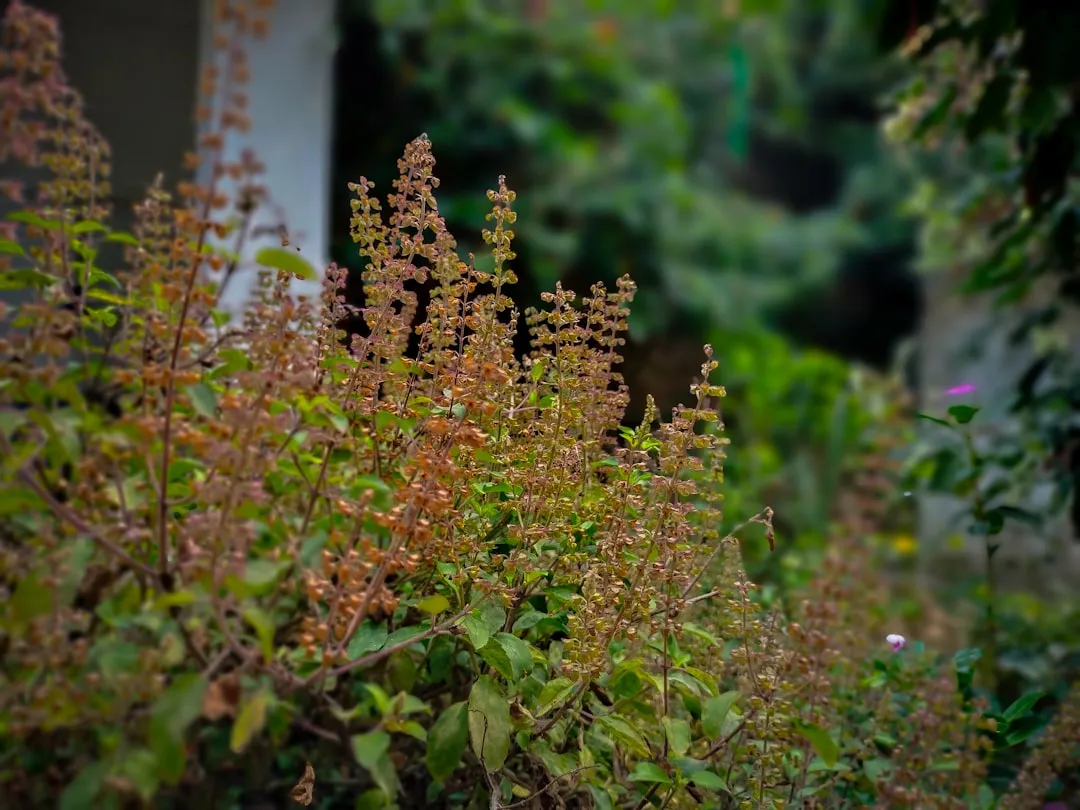
The tulsi plant benefits go far beyond what most people realise. Let’s break down the top twelve, all supported by both Ayurvedic tradition and modern research. First, tulsi boosts immunity by increasing natural killer cell activity. Second, it acts as an adaptogen — meaning it helps your body cope with physical and mental stress. Third, it lowers blood sugar levels in mild diabetic cases. Fourth, it improves heart health by reducing LDL cholesterol. Fifth, it fights respiratory infections like cold, cough, and bronchitis. Sixth, it purifies the air by releasing oxygen for nearly 20 hours a day. Seventh, it repels mosquitoes and houseflies naturally. Eighth, it improves digestion and reduces bloating. Ninth, it relieves headaches and migraines. Tenth, it supports oral health by killing mouth bacteria. Eleventh, it heals skin conditions like acne and eczema. Twelfth, it may protect against radiation damage, as shown in CSIR studies.
Immunity and Respiratory Health
Among all tulsi plant benefits, immune support stands out the most. During Mumbai monsoons, when colds spread fast, drinking tulsi-ginger kadha twice a week can cut infection risk noticeably. The leaves contain compounds that thin mucus, ease throat irritation, and clear lung passages. In my experience, patients with mild asthma report fewer flare-ups after using tulsi tea daily for three months. The Ayush Ministry even recommended tulsi-based formulations during the 2020-2021 health crisis for general immune support.
Stress Relief and Mental Wellness
Modern life is stressful, especially in Indian metros like Delhi and Bangalore. The good news is tulsi acts as a natural adaptogen. It lowers cortisol — the stress hormone — and balances mood. A 2017 study published in Evidence-Based Complementary Medicine showed that 500 mg of tulsi extract daily reduced anxiety scores by 39% in just 60 days. You don’t need pills, though. Two cups of fresh tulsi tea each day works wonders for mental calm.
Blood Sugar and Heart Health
Other powerful tulsi plant benefits include blood sugar control and cardiovascular support. The eugenol in tulsi improves insulin sensitivity. Regular consumption can lower fasting blood sugar by 17-21% in mild type-2 diabetics, according to ICAR-backed research. Furthermore, tulsi reduces total cholesterol and triglycerides. That said, never replace prescribed diabetes or heart medication with tulsi without consulting your doctor first.
Different Varieties of Tulsi You Can Grow
India is home to several tulsi varieties, each with unique features. Rama tulsi (green leaves) is the most common and mild in flavour. Krishna tulsi (purple leaves) has a stronger, peppery taste and higher medicinal value. Vana tulsi (wild tulsi) grows tall and has the most intense aroma. Kapoor tulsi is highly fragrant and used commercially for essential oil. Each variety thrives in slightly different conditions, but all grow well across India.
Comparison Table: Tulsi Varieties at a Glance
Rama Tulsi: green leaves, mild flavour, best for daily tea, easy to grow. Krishna Tulsi: purple-green leaves, peppery taste, highest medicinal punch, slightly slower growth. Vana Tulsi: wild variety, tall and bushy, strongest aroma, great for outdoor gardens. Kapoor Tulsi: small leaves, very fragrant, commercial favourite, attracts bees beautifully. For a Mumbai or Chennai balcony, Rama tulsi works best. For Delhi and Pune, Krishna tulsi handles temperature swings better. Bangalore’s mild weather suits all four varieties equally well. Many gardeners in India grow two types side by side for variety in tea blends.
How to Use Tulsi in Daily Life
You can enjoy the tulsi plant benefits in dozens of simple ways. The easiest method is chewing 4-5 fresh leaves first thing in the morning on an empty stomach. However, dental experts suggest rinsing your mouth afterward because tulsi contains mercury traces that can affect tooth enamel over time. Tulsi tea is another favourite. Just boil 8-10 leaves in a cup of water with ginger, black pepper, and honey. Drink twice daily during cold weather. You can also add tulsi to dal, soups, and chutneys. Some people prefer tulsi drops or capsules, which are sold by brands like Patanjali, Himalaya, and Organic India for ₹150-₹400. Tulsi essential oil works great in diffusers for stress relief. Steam inhalation with tulsi leaves clears blocked sinuses in minutes.
Step-by-Step: Perfect Tulsi Kadha Recipe
First, take 15 fresh tulsi leaves, 1-inch ginger, 5 black pepper corns, 3 cloves, and 1 small cinnamon stick. Next, add all ingredients to 2 cups of water in a steel pot. Then, boil on medium heat for 8-10 minutes until liquid reduces by half. After that, strain the mixture into a cup. Finally, add half a teaspoon of honey and a few drops of lemon juice. Drink while warm. This classic dadi ke nuskhe recipe builds immunity and clears congestion. Have it twice a week year-round, or daily during monsoon and winter months.
Safety, Dosage & Side Effects
Although tulsi is generally safe, it’s not for everyone. The recommended daily dose is 4-10 fresh leaves or 300-600 mg of dried extract. Pregnant women should avoid tulsi in large amounts because it may stimulate uterine contractions. People on blood thinners like warfarin need to check with their doctor since tulsi has mild anticoagulant effects. Diabetics taking insulin should monitor blood sugar carefully — tulsi can amplify the medication’s effect. Couples trying to conceive should know that very high doses may temporarily reduce sperm count in men, according to a 2010 study. Overconsumption can cause nausea, low blood sugar, and acid reflux. Stick to moderate amounts and you’ll be fine.
Who Should Avoid Tulsi?
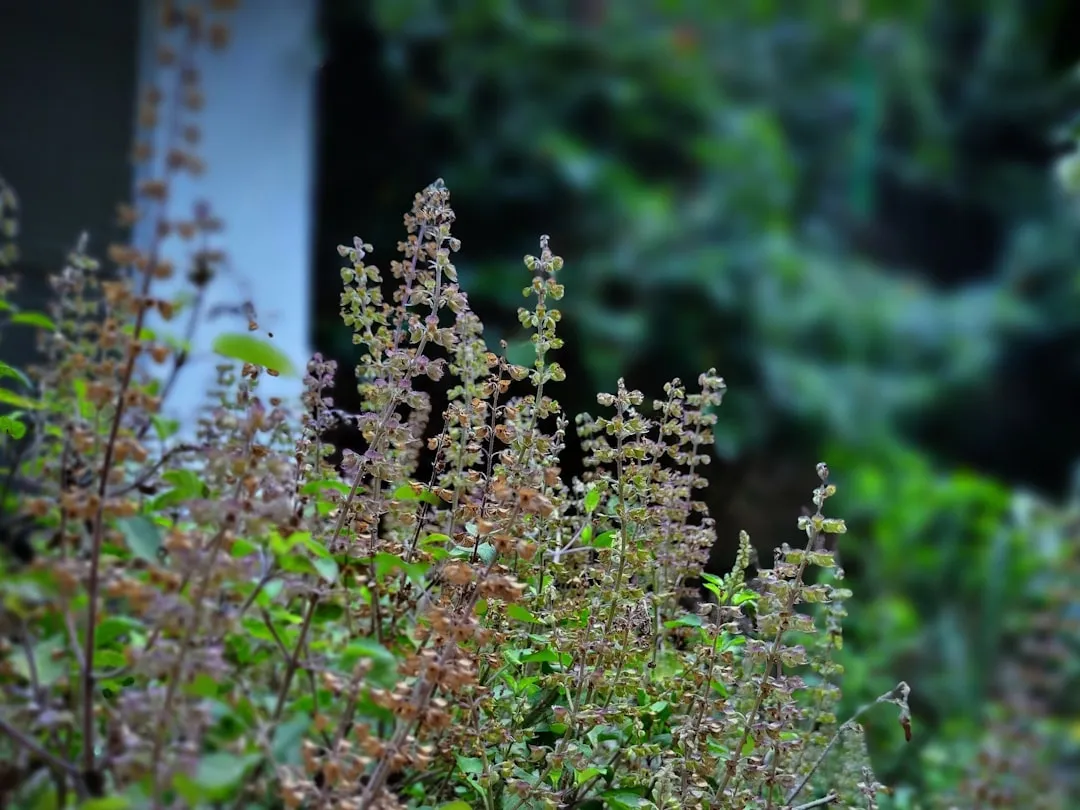
Avoid tulsi if you’re pregnant, breastfeeding without medical advice, scheduled for surgery within two weeks, or on diabetes/blood pressure medication without consulting your doctor. Children under 5 should have very small amounts only — maybe 1-2 leaves in honey. Importantly, never chew tulsi leaves on metal — use a wooden or ceramic pestle if grinding. The compounds react with iron and lose potency. That’s a traditional Ayurvedic guideline now confirmed by modern food science.
How to Grow Tulsi at Home
Growing tulsi is genuinely easy, even for total beginners. The plant loves Indian weather and forgives most mistakes. You’ll need a pot of at least 10-inch diameter with good drainage holes. Fill it with a mix of 50% garden soil, 30% cocopeat, and 20% vermicompost. Add a handful of neem cake for natural pest protection. Sow 5-6 tulsi seeds half an inch deep. Water lightly and keep in bright, indirect light until germination — usually 7-14 days. Once seedlings have 4 true leaves, move the pot to a spot with 5-6 hours of direct sunlight. Water only when the topsoil feels dry. Overwatering kills more tulsi plants than anything else.
Climate-Specific Care Tips
In Mumbai’s humid weather, water tulsi every 2-3 days and ensure good air circulation to prevent fungal issues. For Delhi’s harsh summers, move the pot to partial shade between 12-3 PM when temperatures cross 42°C. Bangalore’s mild climate is tulsi paradise — water twice a week and the plant practically grows itself. In Chennai’s heat, mulch the topsoil with dry coconut husk to retain moisture. During Pune’s mild winters, bring the pot closer to a sunny window. Tulsi struggles below 10°C, so frost-prone areas need indoor protection from December to February.
Fertilizing and Pruning
Feed tulsi every 30-40 days with diluted jeevamrut or a teaspoon of vermicompost mixed into the topsoil. Ugaoo’s organic plant food and NurseryLive’s vermicompost both work well — expect to pay ₹120-₹250 per kilo. Pinch off flower buds regularly to keep leaves tender and aromatic. Pruning the top inch every 3 weeks encourages bushy growth. Never let the plant flower fully unless you want seeds, because flowering reduces leaf production and shortens the plant’s life.
Common Tulsi Growing Problems & Solutions
Even though tulsi is hardy, a few problems pop up regularly. Yellow leaves usually mean overwatering or poor drainage. Fix it by letting the soil dry out and adding more cocopeat. Tiny white insects (mealybugs) attack tulsi during humid months. Spray neem oil solution — 5 ml neem oil with 1 litre water and a drop of dish soap — every 7 days until they’re gone. Wilting despite watering points to root rot. Repot in fresh, well-draining soil immediately. Leggy growth means the plant needs more sunlight. Move it to a brighter spot. Sudden leaf drop happens when temperatures swing too fast — this is common during March-April transitions across north India. Be patient; the plant usually recovers within two weeks.
Natural Pest Control for Tulsi
Don’t use chemical pesticides on tulsi because you’ll be eating the leaves later. Neem oil is your best friend here. Indian brands like Neem Aura, Krishi Rasayan, and Patanjali sell food-safe neem oil for ₹180-₹350 per 100 ml. You can also try a garlic spray: blend 5 garlic cloves with 1 litre of water, strain, and spray on leaves weekly. For ants, sprinkle cinnamon powder around the pot base. These desi methods work brilliantly and keep your tulsi safe to consume.
Buying Tips: Where to Get Quality Tulsi Plants
When buying tulsi, freshness and authenticity matter most. A healthy tulsi plant has deep green or purple leaves, a strong aroma when touched, no yellow spots, and visible new growth at the top. Avoid plants with stretched stems, flowering already in progress, or signs of pests. Online nurseries like Ugaoo, NurseryLive, MyBageecha, and Plantsguru deliver across India. Prices range from ₹150 to ₹450 depending on plant size and variety. Krishna tulsi tends to cost slightly more than Rama. Amazon Plants also offers tulsi, though quality varies by seller. Local nurseries in your city often sell fresher plants for ₹80-₹200. Always ask if the plant is grown organically. Tulsi from chemical-heavy farms loses much of its medicinal punch.
What to Check Before Buying
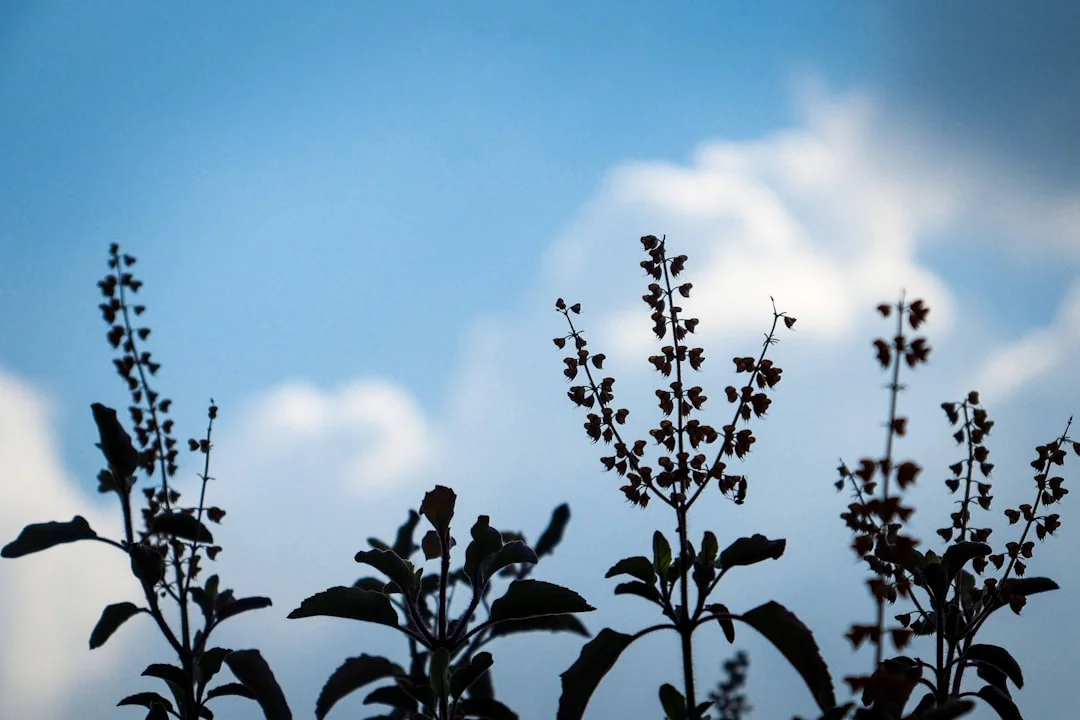
First, smell the leaves — strong aroma means high essential oil content. Second, check the stem thickness; a pencil-thick main stem indicates healthy roots. Third, look under the leaves for any pests or webs. Fourth, ask about the plant’s age — 2 to 4 months old is ideal for transplanting. Finally, check the root ball if possible. White, fibrous roots are healthy. Brown, mushy roots mean trouble. For seeds, brands like Allin Exporters, Kraft Seeds, and Trust Basket sell reliable tulsi seed packets for ₹60-₹150 with 80%+ germination rates.
Tulsi in Vastu and Spiritual Tradition
According to vastu shastra, planting tulsi in the north, north-east, or east direction of your home brings positive energy. South and south-west directions should be avoided. The plant is believed to absorb negative vibrations and radiate purity. Many Indian families perform a daily lamp-lighting ritual near the tulsi pot at sunset. Beyond spirituality, this practice has practical roots too. The warmth of the lamp helps tulsi during cold evenings, and the daily attention ensures the plant never gets neglected. Whether you believe in vastu or not, having a thriving tulsi near your home entrance is genuinely uplifting. The fresh aroma greets you every time you step in.
Tulsi Vivah and Other Traditions
Tulsi Vivah, celebrated in November, marks the symbolic wedding of tulsi to Lord Vishnu. Families decorate the plant, light lamps, and offer sugarcane and tamarind. This festival traditionally signals the start of the Hindu wedding season. The Padma Purana and Skanda Purana both contain detailed verses about tulsi worship. In fact, some Vaishnav traditions consider drinking water with a tulsi leaf the holiest offering you can receive.
Frequently Asked Questions
Can I grow Tulsi on my balcony in Mumbai or Delhi?
Absolutely yes. Tulsi grows beautifully on balconies in both cities. In Mumbai, place the pot where it gets morning sun and good airflow to handle humidity. In Delhi, give it 5-6 hours of sunlight but shade it during peak afternoon heat in May-June. Use a 10-inch pot with well-draining soil. Water every 2-3 days in Mumbai and daily in Delhi summers. Many gardeners in India find balcony tulsi healthier than ground-planted ones because pests are fewer. Just protect the plant from heavy monsoon rain by moving it under a shelter.
What are the main tulsi plant benefits for daily health?
The main tulsi plant benefits include stronger immunity, lower stress levels, better digestion, balanced blood sugar, and improved respiratory health. Chewing 4-5 fresh leaves daily on an empty stomach gives you antioxidants and natural antibacterial compounds. Drinking tulsi tea twice a week reduces cold and cough frequency. The herb also improves oral health by killing harmful mouth bacteria. For city dwellers in Bangalore or Pune, tulsi helps fight pollution-related throat irritation. These tulsi plant benefits are recognised by the Ayush Ministry and supported by both Ayurvedic tradition and modern research.
Is Tulsi safe for pets like dogs and cats?
Tulsi is generally safe for dogs in small amounts but can cause digestive upset if eaten in large quantities. For cats, it's better to keep tulsi out of reach because cats have sensitive livers and may react to the essential oils. If your pet nibbles a few leaves occasionally, don't panic. However, watch for vomiting, drooling, or unusual behaviour. Many Indian households with pets keep tulsi on higher shelves or hanging planters. Always consult a vet before giving tulsi as a supplement to your furry friend.
How many tulsi leaves should I eat per day?
The ideal daily intake is 4-10 fresh tulsi leaves for adults. Children between 5-12 years should have only 2-3 leaves. Eat them on an empty stomach for best absorption, but rinse your mouth afterward to protect tooth enamel. Don't exceed 15 leaves per day because high doses may cause nausea, low blood sugar, or fertility issues with long-term overuse. If you prefer capsules, stick to 300-600 mg of standardised tulsi extract daily. Pregnant women, people on blood thinners, and diabetics on medication should consult a doctor first.
Why is my tulsi plant dying suddenly?
Sudden tulsi death usually comes down to four causes: overwatering, root rot, pest attack, or temperature shock. Check the soil first — if it's soggy, you're watering too much. Lift the plant gently; brown mushy roots mean root rot, which needs immediate repotting in fresh soil. Look under leaves for mealybugs or aphids and spray neem oil if found. In April-May, sudden 40°C+ heat can shock the plant, so move it to partial shade. Cold snaps below 10°C also kill tulsi. Pruning dead stems often revives the plant within two weeks.
Can pregnant women enjoy tulsi plant benefits safely?
Pregnant women should be cautious with tulsi. The tulsi plant benefits are real, but high doses may stimulate uterine contractions, which is risky during pregnancy. Small amounts in food — like 1-2 leaves in dal or curry — are generally fine. However, avoid tulsi tea, capsules, or extracts unless your gynaecologist approves. Breastfeeding mothers can have small amounts since tulsi may even support milk production, according to some Ayurvedic traditions. When in doubt, always check with your doctor. Once the baby is born and weaning starts, you can safely return to enjoying tulsi plant benefits as part of daily wellness.
What's the difference between Rama and Krishna Tulsi?
Rama tulsi has bright green leaves, a mild flavour, and is the most common variety in Indian homes. Krishna tulsi has purple-tinted leaves, a stronger peppery taste, and higher medicinal value because of richer eugenol content. Both offer similar tulsi plant benefits, but Krishna tulsi is often preferred for medicinal kadha and oil extraction. Rama tulsi is better for daily tea because of its softer flavour. Growth-wise, Rama is faster and more forgiving for beginners. Krishna tulsi needs slightly more sunlight and warmth. Many Indian gardeners grow both side by side for tea blends and ritual purposes.
When is the best time to plant Tulsi ?
The best time to plant tulsi in India is from February to April or July to September. These months offer warm soil temperatures and moderate humidity, both perfect for germination. Avoid planting during peak summer in May-June or peak winter in December-January. Seeds germinate in 7-14 days at 22-28°C soil temperature. If you're using stem cuttings, they root fastest during the monsoon when humidity is naturally high. In Bangalore and Pune, you can plant tulsi almost year-round because of the mild climate. In Delhi and Rajasthan, stick to the recommended windows for best results.
Final Thoughts
The tulsi plant benefits truly make this sacred herb a must-have in every Indian home. From boosting immunity and easing stress to purifying air and repelling pests, tulsi delivers more value than almost any other plant you can grow. The best part? You don’t need fancy equipment or gardening expertise. A simple 10-inch pot, some sunlight, and basic care are all it takes. Start small with one Rama tulsi plant from Ugaoo or your local nursery for under ₹250. Within two months, you’ll have a thriving plant ready to support your family’s health daily. Remember to follow the safety guidelines, stick to recommended doses, and consult a doctor if you have medical conditions. Whether you’re growing tulsi for spiritual reasons, health benefits, or simply the lovely aroma it brings to your home, you’re joining a 3,000-year-old Indian tradition that science is only now beginning to fully understand. Happy growing!

