

The snake plant (Sansevieria trifasciata), known as नाग पौधा in Hindi, is one of the easiest indoor plants you can grow in India. The main snake plant benefits include air purification, oxygen release at night, low maintenance care, and stunning vertical foliage that fits any home style. Whether you live in a Mumbai high-rise or a Delhi bungalow, this hardy plant adapts beautifully to Indian conditions. In my experience growing snake plants across three cities, I’ve found they thrive with minimal fuss. They handle missed waterings, low light corners, and even our scorching summers. This complete care guide walks you through every snake plant benefits you can enjoy, plus practical tips on watering, soil mix, propagation, and fixing common problems. By the end, you’ll know exactly how to keep your नाग पौधा healthy year-round. Many gardeners who grow this plant also love to read about Broken Heart Plant Benefits, Care &.
Table of Contents
- Plant Characteristics at a Glance
- What is a Snake Plant?
- Top Snake Plant Benefits for Indian Homes
- How to Grow Snake Plant in India
- Best Soil and Fertilizer Mix
- Watering Your Snake Plant Correctly
- Sunlight and Placement Tips
- Common Problems and Solutions
- How to Propagate Snake Plant
- Seasonal Care Across Indian Climates
- Traditional Uses and Vastu Significance
- Safety and Toxicity Notes
- Frequently Asked Questions
- Final Thoughts
Quick Highlights
- Purifies indoor air by removing formaldehyde, benzene, and xylene naturally
- Releases oxygen at night, making it perfect for bedrooms
- Survives weeks without water, ideal for busy Indian households
- Thrives in low light, perfect for north-facing balconies
- Brings positive Vastu energy and prosperity to homes
- Propagates easily from leaf cuttings or root division
Plant Characteristics at a Glance
| Scientific Name | Sansevieria trifasciata (now Dracaena trifasciata) |
| Family | Asparagaceae |
| Origin | West Africa (Nigeria, Congo) |
| Height | 2 to 4 feet (60-120 cm) |
| Sunlight | Bright indirect light; tolerates low light |
| Water Needs | Low; every 10-21 days |
| Soil Type | Well-draining sandy or cactus mix |
| pH Range | 6.0 to 7.5 (slightly acidic to neutral) |
| Temperature Range | 15°C to 35°C ideal; tolerates up to 40°C |
| Growth Rate | Slow to moderate |
| Lifespan | 5 to 25 years with proper care |
| USDA Zone | 9 to 11 |
| Humidity | 40% to 60% preferred |
| Toxicity | Mildly toxic to pets and humans if ingested |
Snake plant benefits Names in Different Languages
| English | Snake Plant / Mother-in-Law’s Tongue |
| Hindi | नाग पौधा (Naag Paudha) |
| Gujarati | નાગ છોડ (Nag Chhod) |
| Tamil | பாம்பு செடி (Paambu Sedi) |
| Telugu | పాము మొక్క (Paamu Mokka) |
| Malayalam | പാമ്പ് ചെടി (Paambu Chedi) |
| Bengali | সাপের গাছ (Shaper Gachh) |
| Marathi | नाग वनस्पती (Naag Vanaspati) |
| Kannada | ಹಾವಿನ ಸಸ್ಯ (Haavina Sasya) |
| Punjabi | ਸੱਪ ਦਾ ਪੌਦਾ (Sapp Da Paudha) |
What is a Snake Plant?
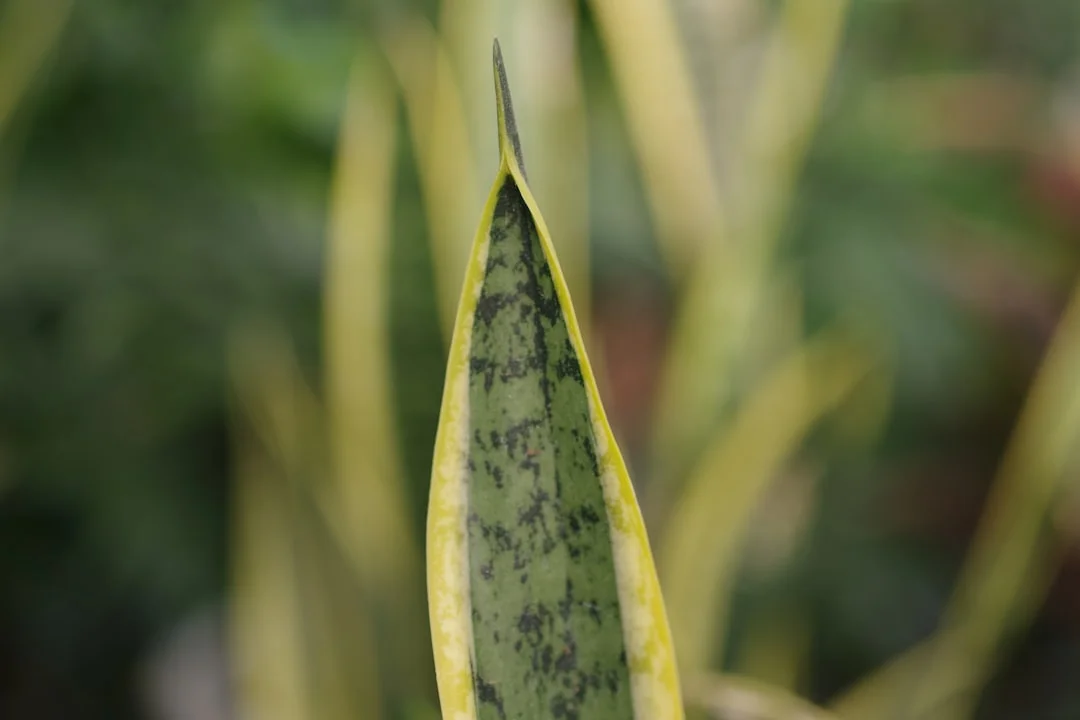
The snake plant is a hardy succulent native to West Africa. Its sword-shaped leaves grow straight up, often reaching two to four feet tall. The leaves show striking patterns of dark green with light green or yellow edges. Botanists recently moved it to the genus Dracaena, so you might see it labelled Dracaena trifasciata in newer nurseries. However, most Indian gardeners still know it as Sansevieria. This plant has earned funny nicknames over the years. People call it mother-in-law’s tongue because of the sharp, pointed leaves. In India, it’s also known as नाग पौधा, since the leaf patterns look like snake skin. The plant stores water in its thick leaves, which is why it survives drought so well. That’s also why it fits perfectly into our busy Indian lives. You don’t need a green thumb to grow it. Even complete beginners report success within weeks. Many gardeners who grow this plant also love to read about Marua (Marjoram) Benefits, Uses & Growing.
Origin and Botanical Background
Sansevieria trifasciata comes from the tropical regions of West Africa, mainly Nigeria and Congo. European explorers brought it to Asia in the 1800s, and it quickly spread across Indian homes. The plant belongs to the Asparagaceae family. Its rhizomatous root system means it grows from underground stems that spread sideways. This is why a single plant slowly fills up its pot with new shoots called pups. Most varieties grow slowly, adding just a few inches per year. As a result, you won’t need to repot often. If you enjoy growing this plant, you might also find our guide on Anthurium Plant very useful.
Popular Varieties
Several snake plant types are easy to find in Indian nurseries. The classic Sansevieria trifasciata Laurentii has yellow leaf edges. Moonshine snake plant shows silvery-green leaves and looks stunning indoors. Cylindrica grows round, spear-like leaves and suits modern decor. Black coral has darker, almost black foliage. Hahnii, or bird’s nest snake plant, stays small and fits perfectly on desks. Prices range from ₹150 for small pups to ₹1500 for mature plants at Ugaoo or NurseryLive. For more tips, check out our detailed article on Satin Pothos.
Top Snake Plant Benefits for Homes
The snake plant benefits go far beyond just looking pretty. NASA’s Clean Air Study found this plant removes harmful chemicals like formaldehyde, benzene, trichloroethylene, and xylene from indoor air. These toxins come from paint, furniture polish, and plastic. In cities like Delhi where air quality dips badly during winter, having a few snake plants at home can make a real difference. Many gardeners in India keep three to four plants per room for noticeable air improvement. Another major plus is night-time oxygen release. Most plants release oxygen only during the day. However, the snake plant uses a special process called CAM photosynthesis. This lets it absorb carbon dioxide at night and release oxygen while you sleep. That’s why bedrooms benefit so much from this plant. Beyond air quality, snake plant benefits include stress reduction, better focus, and improved humidity. Studies from ICAR and similar agricultural bodies show indoor plants reduce mental fatigue and boost productivity. If you enjoy growing this plant, you might also find our guide on Monstera Broken Heart Plant very useful.
Air Purification Power
Snake plant leaves act like natural filters. They pull toxins from the air through tiny pores called stomata. In return, they release clean oxygen. One study showed a mature plant can filter roughly 0.94 cubic metres of air per hour. For best results, place one plant per 100 square feet of room space. This works especially well in newly painted rooms or homes with new furniture, where chemical off-gassing is highest.
Night Oxygen for Better Sleep
Here’s something surprising. The snake plant is one of only a handful of plants that releases oxygen at night. As a result, keeping one near your bed may help you sleep better. Many people in humid cities like Chennai and Mumbai report fresher mornings after adding a snake plant to their bedroom. The plant also raises humidity slightly, which helps with dry throats during AC-heavy summer nights.
Low Maintenance Lifestyle Fit
The biggest of all snake plant benefits is honestly the low effort. You can travel for two weeks and come back to a healthy plant. It doesn’t need daily watering, expensive fertilizers, or perfect light. For working professionals, students living in hostels, or elderly people, this plant is a blessing. It forgives neglect better than it tolerates over-care.
How to Grow Snake Plant
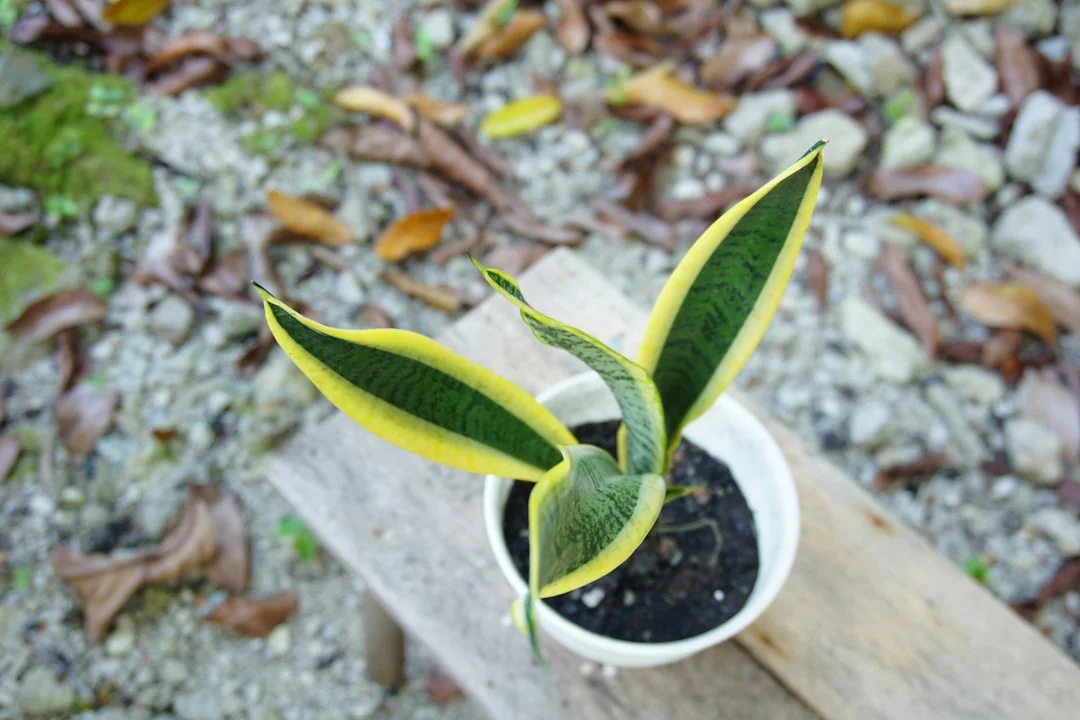
Growing a snake plant in India is straightforward, even for first-timers. Start with a healthy pup from a trusted nursery or take a cutting from a friend’s plant. Choose a pot that’s just slightly larger than the root ball. Snake plants actually prefer being a bit root-bound. A pot that’s too big holds excess water, which leads to rot. Terracotta pots work best because they let the soil breathe and dry out evenly. Plastic pots can work too, but you’ll need to water less often. Make sure every pot has drainage holes. This is non-negotiable. Once potted, place the plant in bright, indirect light for the first two weeks to help it settle. Don’t water immediately if the soil is already damp. Wait three to four days. After that, follow the watering rhythm based on your city’s climate. That’s really all there is to getting started.
Step-by-Step Planting Process
First, pick a pot with drainage holes that’s 2 inches wider than the root ball. Next, add a layer of small stones or broken terracotta at the bottom for drainage. Then, fill one-third of the pot with your prepared soil mix. After that, place the plant gently and spread the roots. Now, fill the sides with more soil and press lightly. Finally, water lightly and place the pot in a bright spot away from direct afternoon sun.
Choosing the Right Pot Size
Pot size matters more than people realise. A 6-inch pot suits small pups and young plants. Medium plants do well in 8 to 10-inch pots. Mature snake plants with multiple shoots need 12-inch pots or larger. Always go just one size up when repotting. Snake plants like snug homes, and a tight fit actually encourages flowering in rare cases.
Best Soil and Fertilizer Mix
Snake plants need fast-draining soil that doesn’t hold water for long. Regular garden soil from your backyard won’t work because it stays soggy. Instead, mix your own well-draining blend at home. A simple recipe that works across India combines two parts cocopeat or coconut coir, one part sand or perlite, and one part regular potting soil. Add a handful of vermicompost for nutrients. You can also use ready-made cactus and succulent mix from brands like Ugaoo or Trustbasket, priced around ₹200 to ₹400 per kg. For fertilizer, less is more. Snake plants are light feeders. Feed them once every two months during the growing season, which runs from March to October in most parts of India. Use a balanced liquid fertilizer diluted to half strength. Organic options like jeevamrut or seaweed extract work wonderfully too. Skip fertilizer completely during winter months, as the plant goes dormant.
DIY Soil Mix Recipe
Here’s my go-to mix used by many gardeners across Pune and Bangalore. Take 40% cocopeat, 30% river sand, 20% garden soil, and 10% vermicompost. Mix well and check the pH, which should fall between 6.0 and 7.5. Add a pinch of neem cake powder to prevent fungal growth. This mix drains within seconds when you pour water, which is exactly what you want.
Fertilizer Schedule
Apply fertilizer only during active growth months. Use a 20-20-20 NPK liquid fertilizer at half the recommended dose. For organic care, mix one tablespoon of vermicompost into the top soil every six weeks. Avoid feeding newly repotted plants for at least one month. Over-fertilizing causes brown leaf tips and weak growth, so when in doubt, skip a feeding.
Watering Your Snake Plant Correctly
Watering is where most people go wrong with snake plants. The number one killer of this plant is overwatering. Because the leaves store water, the plant only needs a drink when the soil is fully dry. Stick your finger two inches into the soil. If it feels dry, water deeply until it runs out the drainage holes. If it feels even slightly moist, wait another few days. In summer, this usually means watering once every 10 to 14 days. During monsoon, you might go three weeks between waterings. In winter, once a month is plenty. Always water at the base, not on the leaves, since water sitting in the leaf centre causes rot. Use room-temperature water, and avoid hard tap water if possible. Collected rainwater or filtered water works best for long-term plant health.
City-Specific Watering Tips
In dry Delhi summers, water roughly every 10 days as soil dries faster in the heat. Mumbai’s humidity means you’ll water less, maybe every 15 to 18 days. In Bangalore’s mild weather, every two weeks works well year-round. Chennai’s coastal humidity calls for stretched gaps of 18 to 21 days. Always check the soil first instead of following a fixed schedule blindly.
Signs of Over and Under Watering
Yellow, mushy leaves at the base signal overwatering. The leaves may also feel soft and floppy. On the other hand, underwatered plants show wrinkled, curling leaves with brown crispy tips. The good news is, both problems are fixable. For overwatering, stop watering and let soil dry completely. For underwatering, give a slow, deep soak and your plant will perk up within days.
Sunlight and Placement Tips
Snake plants are famous for tolerating low light, but they actually grow fastest in bright, indirect sunlight. Place yours near an east-facing window where it gets gentle morning sun. South-facing windows work too, as long as you use a sheer curtain to block harsh afternoon rays. Direct hot sunlight, especially during May and June in cities like Ahmedabad or Nagpur, can scorch the leaves and turn them pale yellow. That said, the plant survives in dim corners too. You can place it in bathrooms, hallways, or office cubicles with only artificial light. Growth will slow down, but the plant won’t die. For balcony gardeners in Mumbai and Pune, a shaded corner with bright reflected light is ideal. Rotate the pot every two weeks so all sides get equal light. This prevents the plant from leaning toward one side and keeps growth even.
Indoor Placement Ideas
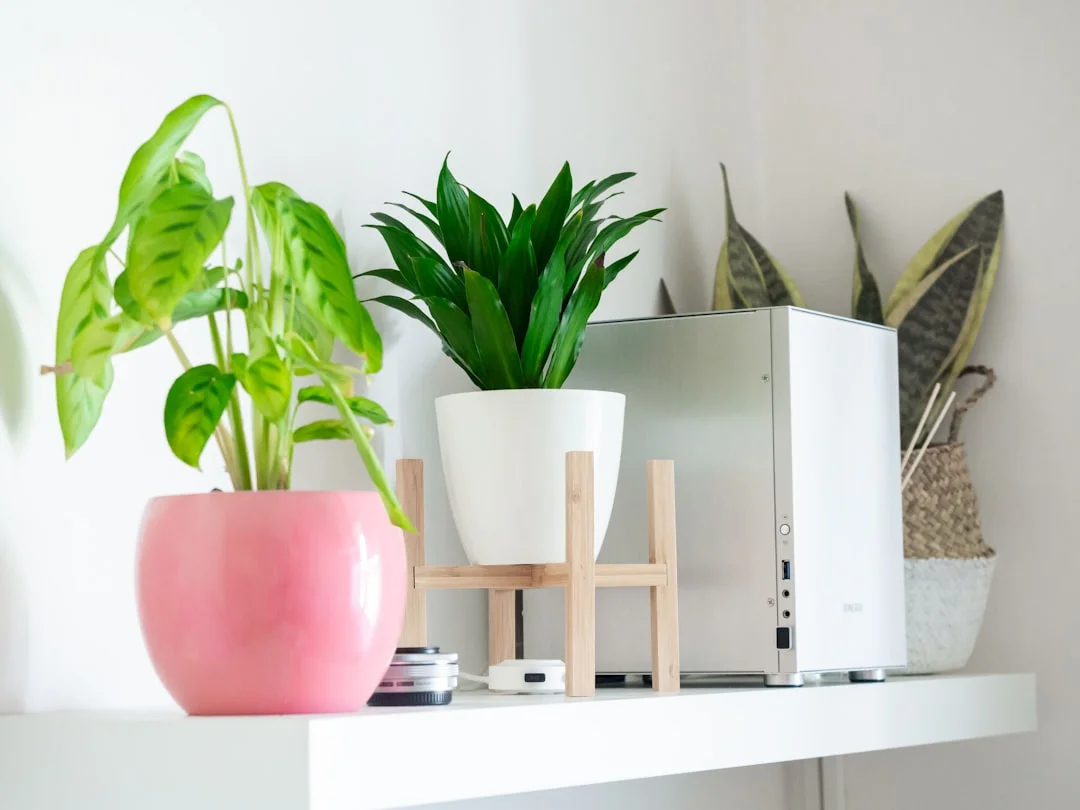
Living rooms, bedrooms, and study areas all suit this plant well. Avoid placing it directly above heaters or AC vents, since dry blowing air damages leaves. Bathrooms with small windows work surprisingly well because of the humidity. For Vastu lovers, the east and southeast corners are considered most auspicious for the नाग पौधा.
Outdoor and Balcony Care
On Indian balconies, place the plant where it gets a few hours of morning sun and shade for the rest of the day. Protect it from heavy monsoon rains, since waterlogging quickly kills the roots. During Delhi winters, bring the plant indoors if temperatures drop below 10°C. Frost damage shows up as soft, blackened leaves that can’t be saved.
Common Problems and Solutions
Even though snake plants are tough, they do face a few common issues. Root rot is the biggest enemy and usually comes from overwatering or poor drainage. If leaves turn yellow and mushy, take the plant out of its pot immediately. Cut away the rotted roots with a clean knife. Then, let the plant air-dry for two days before replanting in fresh, dry soil. Pest problems are rare but can happen. Mealybugs and spider mites sometimes attack stressed plants. Wipe leaves with a cotton ball dipped in neem oil solution. Patanjali neem oil or Dabur’s organic neem oil both work well, priced around ₹150 per bottle. Mix one teaspoon in a litre of water with a drop of dish soap. Spray every week until pests disappear. Brown leaf tips usually mean low humidity or fluoride in tap water. Switch to filtered water and mist occasionally to fix this.
Yellow Leaves Troubleshooting
Yellow leaves can mean many things. Old leaves at the base turning yellow is normal aging, so just snip them off. However, multiple yellow leaves with mushy bases scream overwatering. Pale yellow leaves with crispy edges point to too much direct sun. Match the symptom to the cause before changing your care routine. Quick action usually saves the plant.
Dealing with Pests Naturally
For pest control, skip chemical pesticides indoors. Instead, use a homemade neem spray. Combine 5 ml neem oil, 2 ml mild liquid soap, and 1 litre water. Spray on both sides of leaves once a week. For mealybugs, dab them with a cotton swab dipped in diluted alcohol. Most Indian nurseries also stock organic pest sprays under ₹300 if you prefer ready-made options.
How to Propagate Snake Plant
Propagating snake plants is incredibly satisfying. You’ll see new shoots appear within weeks, and one mother plant can give you dozens of free plants over time. There are three main methods: leaf cuttings, division, and rhizome cuttings. Each works well, and the choice depends on how much patience you have. Division is the fastest. Simply remove the plant from its pot, gently separate the root clumps with pups attached, and pot them individually. Leaf cuttings take longer but give you many new plants from a single leaf. Cut a healthy leaf into 3-inch sections, let the cut ends dry for two days, then plant them upright in moist soil. Rhizome cutting involves slicing a piece of the underground stem with at least one growing point. Spring and early summer are the best times to propagate in India, as warm temperatures speed up root growth.
Water Propagation Method
Water propagation is easy and looks pretty. Take a 3-inch leaf cutting and place it in a glass of clean water with the cut end down. Change water every 4 to 5 days. Roots appear within 4 to 6 weeks. Once roots reach 2 inches long, transfer to soil. Keep the soil slightly moist for the first two weeks until the plant settles in.
Soil Division Technique
First, water the plant lightly a day before division. Next, gently remove it from the pot and shake off loose soil. Then, identify natural separation points where pups have their own roots. Use a sharp, sterile knife to cut through the rhizome. After that, plant each section in its own pot with fresh soil mix. Finally, wait a week before watering to let cuts heal and prevent rot.
Seasonal Care Across Climates
India’s seasons each bring different challenges and joys for snake plant care. Summer, from March to June, is the active growth season. Water slightly more often, but always check soil dryness first. Move plants away from west-facing windows where afternoon sun is brutal. Monsoon, from July to September, calls for extreme caution with watering. The humidity in cities like Goa, Kochi, and Mumbai means soil dries slowly. Reduce watering by half and ensure pots aren’t sitting in saucers full of water. Winter, from November to February, brings dormancy. Growth slows down, so cut back watering to once a month or even less. Keep plants away from cold windows during Delhi and Chandigarh winters. Spring, around February to March, is the best time to repot, propagate, and start fresh fertilizing. Many gardeners in India find Navratri season the perfect time for a plant refresh.
Summer Care Tips
During hot summers, check leaves for dust buildup. Wipe them with a damp cloth once a month to keep pores clean. This helps photosynthesis and air purification work better. If indoor temperatures cross 38°C, mist around the plant lightly in the early morning. Never mist directly on leaves in strong sun.
Monsoon and Winter Adjustments
Monsoons bring fungal risks. Sprinkle a pinch of cinnamon powder on the soil surface as a natural antifungal. In winter, group plants together to create a small humid microclimate. Avoid repotting during cold months since stressed roots take longer to recover. Hold off on fertilizer completely from November through February.
Traditional Uses and Vastu Significance
Beyond modern science, snake plants hold cultural value in Indian homes. Vastu Shastra considers the नाग पौधा a strong protective plant. Placing it in the southeast corner is said to absorb negative energy and bring prosperity. Many families keep one near the main entrance to welcome positive vibes. Feng Shui experts share similar views, calling it a money plant in some traditions. While Sansevieria isn’t a classical Ayurvedic herb mentioned in the Charaka Samhita, traditional African and Caribbean medicine has used its sap for treating minor skin wounds and ear infections. However, modern Ayush Ministry guidelines don’t recommend internal use because the plant contains saponins. The leaves have also been used to make fibre and ropes in some cultures. In Indian homes, the plant’s symbolic meaning often matters as much as its practical snake plant benefits. Gifting one at housewarmings or weddings is becoming popular too.
Vastu Placement Guide
Place snake plants in the east, southeast, or south corners for best Vastu results. Avoid the north and northeast corners, which should ideally have water elements instead. The plant’s upward-growing leaves represent positive energy flow. Some Vastu practitioners also recommend keeping it near the study or office desk to boost focus and reduce work stress.
Safety and Toxicity Notes
Here’s an important safety reminder. Snake plants are mildly toxic to pets and small children if eaten. The leaves contain saponins, which cause nausea, vomiting, and mouth irritation when chewed. If you have cats, dogs, or curious toddlers at home, place the plant on high shelves or in rooms they can’t access. The sap can also cause skin irritation in sensitive people, so wear gloves when repotting or pruning. Wash hands thoroughly after handling. For pet owners worried about safety, swallowed small amounts usually cause only mild stomach upset that passes within a day. However, contact your vet immediately if symptoms seem severe. The plant is not safe for internal use as a home remedy, despite folk traditions in some regions. Always check with an Ayush practitioner before trying any traditional plant medicine. With basic care, snake plants pose no real risk to families.
Pet and Child Safety
Keep snake plants out of reach of cats and dogs. Cats especially love to chew long leaves. If your pet shows drooling, vomiting, or appetite loss after contact, call your vet. For homes with babies and toddlers, hanging planters or tall plant stands work well. The good news is that most pets dislike the bitter taste and rarely take a second bite.
Frequently Asked Questions
Yes, absolutely. Snake plants grow brilliantly on Indian balconies, as long as you place them in bright but indirect light. East or north-facing balconies work best. Protect the plant from direct afternoon sun, especially during May and June. During monsoon, move pots under a shade or cover to avoid waterlogging. Many gardeners in Mumbai, Pune, and Bangalore enjoy excellent snake plant benefits with balcony placement. Just remember to rotate the pot every couple of weeks for even growth.
Is Snake Plant safe for pets and children?
Snake plants are mildly toxic if chewed or eaten. They contain saponins that can cause vomiting, drooling, and mouth irritation in cats, dogs, and small kids. The good news is that the plant tastes bitter, so pets rarely eat large amounts. Place plants on high shelves or in rooms pets can't enter. If your child or pet accidentally chews a leaf, wipe their mouth and offer water. Contact your doctor or vet if symptoms continue beyond a few hours. Otherwise, the plant is perfectly safe to have around.
How often should I water my snake plant?
Water your snake plant only when the soil is fully dry, usually every 10 to 21 days depending on your climate. In Delhi summers, that's about every 10 days. In humid Mumbai or Chennai, stretch to 15 to 20 days. During winters, once a month is plenty. Stick your finger 2 inches into the soil to check before watering. If it feels even slightly damp, wait longer. Overwatering is the most common mistake and causes root rot, which kills the plant faster than any other problem.
What are the main snake plant benefits for bedrooms?
The biggest snake plant benefits for bedrooms include night-time oxygen release, air purification, and improved humidity. Unlike most plants, snake plants take in carbon dioxide and release oxygen at night through CAM photosynthesis. This may help you sleep better and breathe fresher air. The plant also filters toxins like formaldehyde from mattresses, furniture, and paints. Many people report waking up feeling more refreshed after adding one to their bedroom. Place it on a bedside table or corner shelf where it gets some indirect light during the day.
Why are my snake plant leaves turning yellow?
Yellow leaves usually mean overwatering, which is the top cause across Indian homes. Check if the base feels mushy or smells off. If yes, repot in dry, fresh soil after trimming rotted roots. Other reasons include direct harsh sunlight, which causes pale yellow patches, or natural aging of old leaves. A pot without drainage holes also leads to yellowing fast. Fix the underlying cause first, then trim damaged leaves cleanly with sterile scissors. The plant usually bounces back within a few weeks once the issue is corrected.
How do I propagate snake plant at home?
You can propagate snake plants three ways: leaf cuttings, division, or water rooting. Division is the fastest. Remove the plant from its pot, separate pups with roots attached, and plant them in fresh soil. For leaf cuttings, slice a healthy leaf into 3-inch pieces, let them dry for two days, and plant upright in moist soil. Water propagation involves placing a cut leaf in a glass of water until roots form in 4 to 6 weeks. Spring and early summer give the best results because warm temperatures speed root growth.
Does snake plant really purify air?
Yes, multiple studies including NASA's Clean Air Study confirm snake plant benefits for indoor air quality. The plant removes harmful chemicals like formaldehyde, benzene, xylene, and trichloroethylene. These toxins come from paint, furniture, plastic, and cleaning products. For real impact, place one plant per 100 square feet of room space. In polluted cities like Delhi and Kolkata, several plants together can noticeably improve air freshness. The plant also raises oxygen levels and slightly boosts humidity, which helps during dry AC-heavy summers and winter heating seasons.
What is the best fertilizer for snake plants ?
Snake plants are light feeders and don't need much fertilizer. Use a balanced 20-20-20 NPK liquid fertilizer diluted to half strength once every two months from March to October. For organic care, vermicompost mixed into top soil works wonderfully. Brands like Ugaoo, Trustbasket, and Patanjali sell good organic options under ₹300. Skip fertilizer completely during winter months when growth pauses. Over-fertilizing causes brown leaf tips and weak growth, so when unsure, feed less. Seaweed extract and diluted jeevamrut are excellent natural alternatives many Indian gardeners swear by.
Final Thoughts
Growing a snake plant is one of the easiest and most rewarding choices you can make for your Indian home. From cleaner air and better sleep to stunning vertical greenery and positive Vastu energy, the snake plant benefits truly cover every aspect of indoor wellness. Whether you’re a complete beginner or a seasoned plant parent, this hardy beauty fits effortlessly into any lifestyle. Remember the basics: well-draining soil, infrequent watering, bright indirect light, and minimal fertilizing. Avoid the temptation to overwater, which is the only real way to harm this plant. Pick a healthy pup from a trusted nursery or take a cutting from a friend, and start your journey today. With just a little care, your नाग पौधा will thrive for decades, giving you fresh oxygen, peace of mind, and beautiful greenery year after year. Happy gardening, and may your home flourish with leafy goodness!

