

Delhi summers can be brutal. Mumbai’s pace never really slows down. And somewhere between the deadlines, the heat, and the daily grind, most of us are running on empty. That’s exactly where ashwagandha walks in. The ashwagandha plant benefits range from calming a tired mind to boosting energy, sleep, and immunity — backed by both 3,000 years of Ayurvedic tradition and a growing stack of modern research. Known botanically as Withania somnifera, this small, fuzzy-leaved shrub earned its place in the Charaka Samhita as a ‘Rasayana’ — a herb that genuinely rejuvenates body and mind. What’s more, today’s science keeps confirming what our grandmothers already knew. From easing stress to improving stamina, these benefits are wide-ranging and well-studied. This guide covers everything — what it is, how to use it safely, how to grow it on your balcony, and where to buy a healthy plant across India. Whether you’re a beginner gardener or an Ayurveda enthusiast, you’ll find something useful here. आइए शुरू करते हैं।
Table of Contents
- Plant Characteristics at a Glance
- What is Ashwagandha?
- Nutritional and Medicinal Profile
- Top 12 Ashwagandha Plant Benefits
- How to Use Ashwagandha at Home
- Safety, Dosage, and Side Effects
- How to Grow Ashwagandha in India
- Common Growing Problems and Fixes
- Where and How to Buy Ashwagandha Plants in India
- Ashwagandha vs Other Adaptogens: Quick Comparison
- Frequently Asked Questions
- Final Thoughts
Quick Highlights
- Reduce stress and cortisol levels naturally with daily ashwagandha use
- Boost stamina, muscle strength, and post-workout recovery
- Improve sleep quality without grogginess the next morning
- Strengthen immunity using a herb backed by 3,000 years of Ayurveda
- Grow easily on Indian balconies with minimal water and care
- Buy authentic plants online for ₹150–₹400 from trusted nurseries
Plant Characteristics at a Glance
| Scientific Name | Withania somnifera |
| Family | Solanaceae (Nightshade family) |
| Origin | India, Middle East, North Africa |
| Height | 30–150 cm (1–5 feet) |
| Sunlight | Full sun, 6+ hours daily |
| Water Needs | Low; water every 4–8 days |
| Soil Type | Sandy-loamy, very well-draining |
| pH Range | 7.5–8.0 (slightly alkaline) |
| Temperature Range | 20°C–38°C (tolerates up to 40°C) |
| Growth Rate | Moderate; matures in 150–180 days |
| Lifespan | Annual to short-lived perennial (1–2 years) |
| USDA Zone | Zones 8–11 |
| Propagation | Seeds (most common) |
| Harvest Time | Roots after 5–6 months of growth |
Ashwagandha plant benefits Names in Different Languages
| English | Ashwagandha, Indian Ginseng, Winter Cherry |
| Hindi | अश्वगंधा (Ashwagandha), Asgandh |
| Sanskrit | Ashvagandha, Varahakarni, Balada |
| Gujarati | આસંધ (Aasandh), Ghoda Aakun |
| Tamil | அமுக்கரா (Amukkara), Amukkura Kizhangu |
| Telugu | అశ్వగంధ (Ashwagandha), Pennerugadda |
| Malayalam | അമുക്കുരം (Amukkuram) |
| Bengali | অশ্বগন্ধা (Ashwagandha) |
| Marathi | अश्वगंधा (Ashwagandha), Askandha |
| Kannada | ಅಶ್ವಗಂಧ (Ashwagandha), Hiremaddinagida |
What is Ashwagandha?
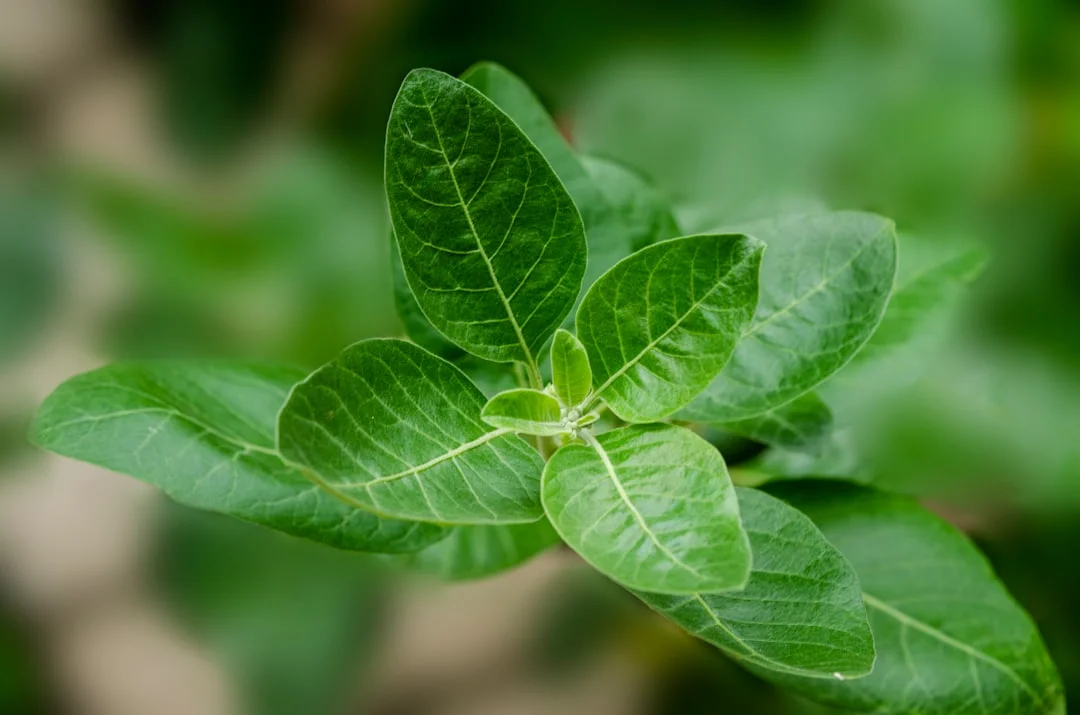
Ashwagandha (Withania somnifera) is a small evergreen shrub from the nightshade family, Solanaceae. The name literally means ‘smell of horse’ in Sanskrit — because fresh root has a distinct earthy, horse-like aroma. Traditional healers believed it could give a person the strength of a stallion. Poetic, but honestly not far off. It grows wild across India, especially in dry regions like Madhya Pradesh, Rajasthan, and Gujarat. Expect it to reach about 30 to 150 cm tall, with oval green leaves, small greenish-yellow flowers, and bright orange-red berries. Almost every part is useful, but the root is the most prized for medicine. Growing it on my Pune terrace taught me one thing quickly: ashwagandha is surprisingly low-maintenance once you respect its deep dislike of waterlogged soil. The Ayush Ministry officially lists it as a key Rasayana herb in classical Ayurvedic formulations — so it’s got serious institutional backing too.
Origin and Cultural Importance
Ashwagandha’s roots in Indian culture run deep — over 3,000 years deep. Ancient texts like the Charaka Samhita and Sushruta Samhita describe it as a tonic for the nervous system, muscles, and reproductive health. Modern science calls it an ‘adaptogen’ because it helps the body cope with stress. The Indian Council of Medical Research (ICMR) has funded multiple studies confirming its benefits for anxiety and sleep. Surprisingly, India is now the world’s largest producer of ashwagandha, with Madhya Pradesh leading commercial farming.
How to Identify the Plant
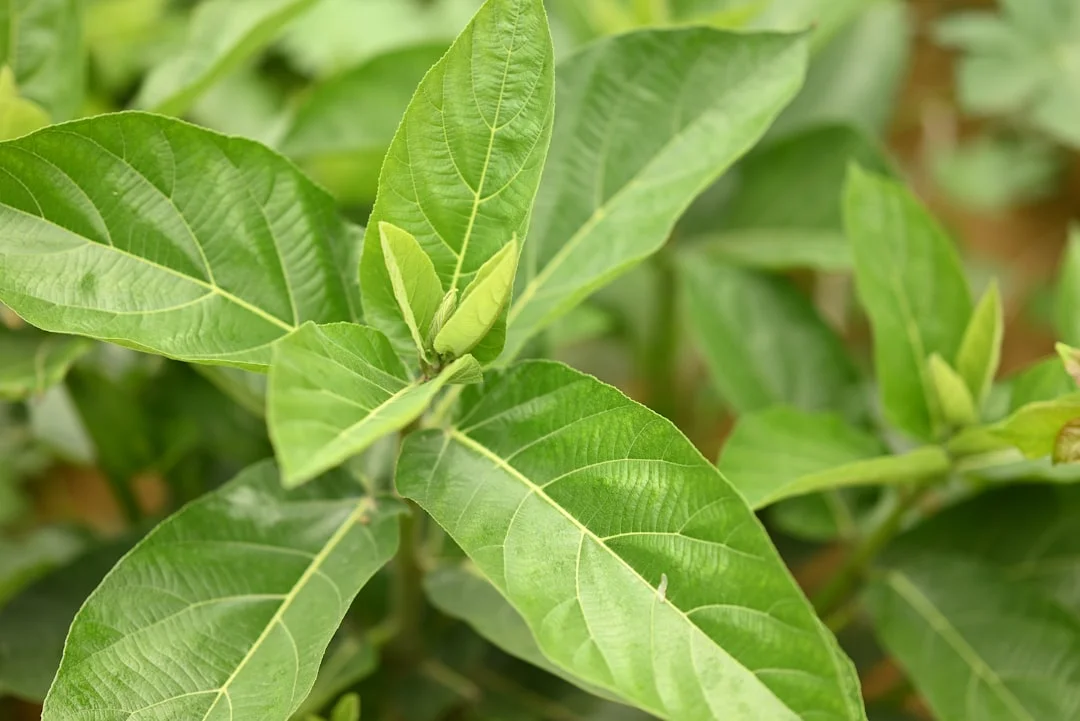
Identifying ashwagandha is fairly straightforward once you know what to look for. Fuzzy, dull-green oval leaves around 10 cm long. Stems slightly woody and branched. Small bell-shaped flowers appear in clusters, followed by red-orange berries wrapped in a papery husk — think tiny tomatillo. The root is the real giveaway: thick, tapered, off-white, and smelling unmistakably like a wet horse stable when crushed. You’ll know it immediately.
Nutritional and Medicinal Profile
What makes ashwagandha so powerful? It’s all in the chemistry. Roots and leaves contain withanolides — natural steroidal compounds that calm the nervous system and reduce inflammation. They also pack alkaloids, saponins, iron, amino acids, and antioxidants like flavonoids. Standardised root extracts usually contain 2.5% to 5% withanolides, which is the key marker of potency. Here’s the thing: ashwagandha is also a surprisingly good plant source of iron. That’s why traditional vaidyas often recommended it specifically for women with low energy. It’s not eaten as a vegetable, yet even small daily doses deliver a serious nutritional punch. That said, the herb’s strength depends heavily on soil quality, harvest time, and drying method — so source matters more than most people realise.
Key Active Compounds
The main bioactive compounds include withaferin A, withanolide D, sitoindosides VII and VIII, and somniferine. Withaferin A is the most studied — showing anti-cancer, anti-inflammatory, and immune-modulating effects in lab research. Sitoindosides help calm the brain and sharpen memory. Together, these compounds explain why ashwagandha works on so many body systems at once. You’ll only get the full benefit, though, from properly dried, organically grown roots. Quality really isn’t negotiable here.
Top 12 Ashwagandha Plant Benefits
Now for the part you actually came for. The ashwagandha plant benefits backed by both research and tradition are genuinely impressive. They’re grouped into mind, body, and skin categories so it’s easier to follow. Results vary from person to person. Consistent use over 4–8 weeks usually shows the best effects — don’t expect miracles overnight. This is a slow, steady tonic, not a quick fix like your morning coffee.
Benefits for Mind and Mood
Stress relief is ashwagandha’s most famous superpower. A 2019 study published in the Medicine journal showed it reduced cortisol — your stress hormone — by up to 27%. Many gardeners across India find that just crushing a fresh leaf and inhaling it brings a moment of calm. Beyond stress, it helps with anxiety, mild depression, and the kind of mental fog that settles in during Bangalore’s relentless work culture or exam season in Chennai. The species name ‘somnifera’ literally means ‘sleep-inducing’, and it delivers on that promise. Students and IT professionals swear by it for sharper focus when deadlines pile up.
Benefits for Body and Strength
Want a plant that actually supports your gym sessions? Ashwagandha does just that. Studies show 5–10% gains in muscle strength when it’s paired with regular workouts — which is why it’s become a staple in many Indian fitness communities. It supports thyroid function, helps balance blood sugar, and improves heart health by lowering cholesterol. For men, it’s known to boost testosterone and fertility. For women, it supports hormonal balance, especially around menopause. What’s more, it strengthens immunity by boosting white blood cell activity — a real advantage during India’s unpredictable flu seasons.
Benefits for Skin and Hair
Less talked about, but genuinely worth knowing. Ashwagandha plant benefits extend well into skin and hair health. The antioxidants fight free radicals that cause early ageing — a real concern for anyone living in Delhi’s polluted air or under Mumbai’s harsh UV. Applied as a paste, it can soothe acne and reduce dark spots. It also promotes DHEA and collagen production, keeping skin firmer for longer. For hair, it tackles cortisol-linked hair fall and improves scalp circulation. Unsurprisingly, many Indian Ayurvedic shampoo brands now list ashwagandha as a key ingredient.
How to Use Ashwagandha at Home
You don’t need an Ayurvedic degree to use this herb. Simplest method? Stir the powder (churna) into warm milk before bed — the classic ashwagandha doodh our dadis swore by. You’ll also find it as capsules, tablets, gummies, and liquid extracts. Grow your own and you can harvest roots after the plant matures (around 150–180 days), wash and sun-dry them, then grind into powder at home. Leaves work nicely brewed into a mild tea too. Here’s a quick traditional recipe worth trying: mix half a teaspoon of ashwagandha powder with one cup of warm milk, half a teaspoon of honey, and a pinch of cardamom. Drink it 30 minutes before sleep. Many people notice a real sense of calm within just 2–3 weeks of regular use.
Step-by-Step: Making Ashwagandha Powder at Home
1. Harvest mature roots after the leaves start yellowing (around 5–6 months). 2. Wash roots thoroughly under running water to remove all soil. 3. Chop into 1-inch pieces using a sharp knife. 4. Sun-dry on a clean cloth for 7–10 days until fully crisp. 5. Roast lightly on a tawa for 2 minutes to remove moisture. 6. Grind in a mixie until you get a fine, beige powder. 7. Store in an airtight glass jar away from sunlight. It stays fresh for up to 12 months.
Best Times to Take Ashwagandha
Timing matters more than most people realise. For stress and sleep, take it at night with warm milk. For energy and strength, mornings with breakfast work better. Athletes often split the dose — half before a workout, half after. One thing to avoid: taking it on a completely empty stomach. It can cause mild nausea in sensitive people, and that’s an easy problem to prevent.
Safety, Dosage, and Side Effects
Ashwagandha is generally safe — but it isn’t for everyone. The recommended daily dose is 300–600 mg of standardised root extract, or 1–2 teaspoons of plain powder. Start small and build up gradually. At higher doses, some people experience drowsiness, mild stomach upset, or loose motions. Pregnant and breastfeeding women should avoid it entirely, since it can stimulate uterine contractions. Anyone on thyroid medication, blood pressure pills, or immunosuppressants should check with their doctor first, as ashwagandha can interact with these. The Ayush Ministry confirms it’s safe for healthy adults within recommended limits. Children under 12 should only use it under professional guidance.
Who Should Avoid Ashwagandha
Skip ashwagandha if you’re pregnant, breastfeeding, scheduled for surgery within two weeks, or managing an autoimmune condition like lupus or rheumatoid arthritis. People with hyperthyroidism should be cautious too — the herb can further increase thyroid hormone levels. One safety point that doesn’t get mentioned enough: the berries and unripe fruits are mildly toxic and shouldn’t be eaten. Keep the plant well out of reach of curious children and pets, especially cats and dogs who might chew the leaves.
How to Grow Ashwagandha
Good news for lazy gardeners. Ashwagandha is genuinely one of the easiest medicinal plants to grow anywhere across India. It loves heat, hates wet feet, and asks for very little in return. Sow in summer (April–June) when warm soil helps seeds sprout faster. In Mumbai’s humidity, you’ll need extra drainage — don’t skip this step or you’ll regret it by July. Delhi’s dry summer heat is practically ideal for the plant. Bangalore’s mild climate lets it grow steadily year-round, though roots tend to be slightly smaller there. Full sun (6+ hours daily), sandy-loamy soil, and a pH between 7.5 and 8 are the basic requirements. Use a 12-inch deep pot because the taproot grows straight down. Overwatering is the number one mistake new gardeners make — and it’s completely avoidable.

Soil and Pot Preparation
Mix 50% garden soil, 30% sand, and 20% vermicompost or well-rotted cow dung. Add a handful of neem cake to keep fungal issues at bay. Use a terracotta pot with at least 3 drainage holes — terracotta breathes far better than plastic, which matters since roots rot quickly in stagnant moisture. A pot from Ugaoo or your local kumhar costs ₹100–₹250. Worth every rupee.
Sowing and Care Schedule
Soak seeds in warm water for 12 hours before sowing. Plant them 1 cm deep and cover lightly with soil. Germination takes 10–14 days. Water lightly every 4–5 days in summer, cutting back to every 8–10 days in winter. Apply diluted jeevamrut or vermicompost tea once a month for nutrition. Avoid chemical fertilisers — they genuinely reduce medicinal potency. Roots are ready to harvest in 150–180 days, usually right around Diwali if you sow in May.
Common Growing Problems and Fixes
Even hardy plants hit rough patches. Yellowing leaves are the most common complaint — and they almost always point to overwatering. Let the soil dry completely before watering again. Aphids and whiteflies sometimes attack new growth, especially in spring. A simple spray of 5 ml neem oil + 1 litre water + a few drops of dish soap, applied every 10 days, handles them well. Root rot is trickier. Mushy stems near the base mean you’ve overwatered — repot in fresh, dry soil immediately. In Mumbai’s humid monsoons, powdery mildew can show up uninvited. Mix 1 teaspoon baking soda in 1 litre water and spray weekly to keep it under control. Basic care, big results.
Pest Control the Natural Way
Stick to organic methods — you’re going to consume this plant, after all. Neem oil (Neemastra or Ugaoo neem oil, around ₹250 per bottle) handles most common pests effectively. For larger infestations, a garlic-chilli spray works surprisingly well. You’ll also notice fewer pests if you plant marigolds nearby, since they attract ladybugs. Synthetic pesticides leave residues in the roots that completely defeat the purpose of growing medicinal herbs at home. Don’t even go there.
Where and How to Buy Ashwagandha Plants
Growing from seed feels slow? Fair enough — buying a healthy sapling online or from a local nursery is a perfectly good shortcut. Reputable options include Ugaoo, NurseryLive, MyBageecha, and Amazon Plants. A young plant typically costs ₹150–₹400, while seeds run ₹50–₹120 per packet. Standardised root powder from brands like Patanjali, Himalaya, Organic India, and Kapiva ranges from ₹200–₹600 for 100 grams. When buying, check for organic certification (India Organic or USDA). Always read recent customer reviews before ordering plants online — quality genuinely varies by season. Live plants ship best between October and February when cooler weather reduces transit stress.
What to Look for in a Healthy Plant
Choose plants that are 4–6 inches tall with firm, upright stems. Leaves should be deep green — not yellow, not curled. Avoid anything showing white powdery patches (mildew) or sticky residue (pests). Gently check the base; the stem should feel firm, never mushy. Buying seeds? Look for batches dated within the last 6 months. Older seeds have notoriously poor germination rates.
Online vs Local Nursery: Which Is Better
Local nurseries let you inspect the plant in person and usually charge less. Online stores like NurseryLive, on the other hand, offer wider variety, organic options, and home delivery — which is a genuine lifesaver for apartment dwellers in metros. For ashwagandha specifically, buying seeds online and starting them yourself is my recommendation. It’s cheaper, and you’ll end up with stronger, more resilient plants.
Ashwagandha vs Other Adaptogens: Quick Comparison
How does ashwagandha compare to the other adaptogens crowding Indian wellness shelves? Here’s the honest breakdown. Ashwagandha is best for stress, sleep, and strength. Brahmi wins on memory and focus. Shatavari is the go-to for women’s hormonal health. Want a plant that survives Indian summers? Tulsi does just that — and it shines for immunity and respiratory health too. Giloy is your best ally during fevers and flu season. Each herb has its place, but ashwagandha stands out because it works across so many body systems simultaneously. Many Ayurvedic doctors recommend rotating these herbs seasonally for balanced wellness. For most people dealing with modern-day stress, ashwagandha is the smartest starting point.
Can You Combine Ashwagandha with Other Herbs
Yes — and it often works better in combination. Classic Ayurvedic pairings include ashwagandha + shatavari for women, ashwagandha + brahmi for students, and ashwagandha + safed musli for athletes. Don’t mix more than 2–3 herbs at once without expert advice, though. Too many adaptogens working together can actually overstimulate the body, which defeats the whole point.
Frequently Asked Questions
Absolutely yes. Ashwagandha grows beautifully on balconies as long as it gets 6+ hours of direct sunlight. In Mumbai, place it in the sunniest spot and use extra sand in the soil to handle humidity. In Delhi, the dry summer heat actually helps the plant thrive. Use a 12-inch deep terracotta pot for proper root development. Water sparingly — only when the top 2 inches of soil feel dry. One of the biggest ashwagandha plant benefits is how little fuss the plant demands once established.
How long does it take to see ashwagandha plant benefits after starting it?
Most people notice subtle changes within 2–3 weeks, such as better sleep and a calmer mood. Bigger benefits like improved energy, strength, and stress resistance usually show up after 6–8 weeks of daily use. Remember, ashwagandha works gradually because it rebuilds your body's stress response system. It's not a quick fix like caffeine or pain medicine. For best results, take it consistently for at least 3 months. Many full ashwagandha plant benefits become obvious only with this kind of patience.
Is ashwagandha safe for pets like dogs and cats?
No, ashwagandha is not safe for pets without veterinary guidance. The leaves and berries can be mildly toxic to dogs and cats, causing vomiting, drowsiness, or stomach upset. Keep potted plants out of reach if you have curious pets. However, some vets do prescribe small, controlled doses of ashwagandha extract for anxious dogs — but only under proper medical supervision. Never give your pet human-grade powder or capsules on your own.
Can I take ashwagandha every day for years?
Yes, ashwagandha is safe for daily long-term use in moderate doses (300–600 mg of extract or 1–2 teaspoons of powder). Ayurveda has used it for thousands of years as a daily Rasayana tonic. However, many practitioners recommend taking a 1-week break every 3 months to keep your body sensitive to its effects. Also, get a thyroid test once a year if you're on long-term use, since it can slightly affect thyroid hormone levels.
Why is my ashwagandha plant turning yellow?
Yellowing leaves almost always mean overwatering. Ashwagandha hates wet soil and prefers to stay slightly dry. First, check if the pot has good drainage. Next, let the soil dry completely before watering again. If the lower leaves are yellow but new growth looks fine, it could be natural ageing. If most leaves are yellow with mushy stems, it's likely root rot — repot immediately in fresh sandy soil. Adding neem cake powder also helps fight soil fungus.
What's the difference between ashwagandha root and leaf powder?
Root powder is the traditional and more potent form. It contains higher levels of withanolides and is what most Ayurvedic texts refer to. Leaf powder has different compounds and is used more for skin issues and topical applications. For internal use — stress, sleep, immunity — always choose root powder. When buying, look for products that specify 'root extract' and mention the withanolide percentage (2.5%–5% is good).
Can students take ashwagandha for exam stress?
Yes, ashwagandha is excellent for students aged 16 and above. It reduces exam anxiety, improves memory, and helps with sleep during stressful times. Take 300 mg of standardised extract once daily, ideally with warm milk at night. Pair it with brahmi for even better memory benefits. However, students under 16 should consult a doctor first. Avoid taking it right before exams without trying it earlier, as some people initially feel slightly drowsy.
When is the best season to plant ashwagandha ?
Late summer to early monsoon (April to July) is the ideal sowing season across most of India. Warm soil temperatures of 25°C–30°C help seeds sprout quickly within 10–14 days. In southern states like Tamil Nadu and Kerala, you can also sow in September–October. Avoid sowing in peak winter (December–January) because cold soil slows germination and weakens young seedlings.
Final Thoughts
The ashwagandha plant benefits truly live up to their 3,000-year-old reputation. Calmer minds. Better sleep. Stronger immunity. This humble shrub delivers on all of it — and it’s genuinely built for modern Indian life. Here’s the thing: you don’t need a big garden or fancy equipment to make it work. A sunny balcony, a deep terracotta pot, and a packet of seeds from Ugaoo or NurseryLive are all you need to get started. Sow a few seeds this summer. Harvest roots by Diwali, brew your first cup of homemade ashwagandha doodh, and see what the fuss is actually about. Follow safe dosage guidelines and check with a doctor if you’re on medication or pregnant — that part isn’t optional. Whether you grow it yourself, buy powder, or take capsules, consistency is the real secret ingredient. Give it 8–12 weeks. You’ll understand why our ancestors trusted this herb above almost any other — and why increasingly, modern science is agreeing with them. Here’s to a calmer, stronger, healthier you.

