
Table of Contents
- Plant at a Glance
- What is a Money Plant?
- Benefits of Growing Money Plant in Water
- How to Start Money Plant Care in Water
- Best Containers and Water Type
- Sunlight and Placement Needs
- Nutrients and Fertilizer for Water-Grown Money Plant
- Common Problems and Quick Fixes
- Propagation Steps for Water Growth
- Seasonal Care Across Indian Cities
- Uses and Vastu Significance
- Safety and Toxicity Notes
- Frequently Asked Questions
- Final Thoughts
If you’ve ever wondered why your friend’s water-grown money plant looks so lush while yours turns yellow, you’re in the right place. Money plant care in water is one of the easiest ways to grow a thriving indoor vine, even if you’ve never gardened before. In fact, the money plant (Epipremnum aureum), known as मनी प्लांट in Hindi, is famous across India for growing happily in just a glass bottle of water. Here’s the good news: with the right container, clean water, and a bit of indirect light, your plant can live for years. In my experience, most Indian homes already have the perfect spot for it, whether you’re in a Mumbai flat or a Delhi balcony. This guide covers everything you need to know about money plant care in water, including water changes, light needs, common problems, and propagation. Let’s get your vine growing strong. If you enjoy growing this plant, you might also find our guide on Broken Heart Plant Benefits, Care & very useful.
Quick Highlights
- Discover the simplest method for money plant care in water at home
- Learn how often to change water for healthy, root-rot-free vines
- Master propagation from cuttings in just 10-14 days
- Spot yellow leaves early and fix them with easy steps
- Boost growth with safe liquid nutrients made in India
- Find the best spots in Indian homes for year-round growth
Plant Characteristics at a Glance
| Scientific Name | Epipremnum aureum |
| Family | Araceae |
| Origin | Solomon Islands, French Polynesia |
| Height | 3-6 feet indoors, up to 20m in nature |
| Sunlight | Bright indirect light; avoid direct sun |
| Water Needs | Roots fully submerged; change water every 5-7 days |
| Soil Type | Not needed in water; loamy if grown in soil |
| pH Range | 6.0 – 7.5 |
| Temperature Range | 15°C – 32°C ideal |
| Growth Rate | Fast in warm months, slow in winter |
| Lifespan | 10+ years with proper care |
| USDA Zone | 10-12 |
| Humidity | 50-70% preferred |
| Toxicity | Toxic to pets and humans if ingested |
Money plant care in water Names in Different Languages
| English | Money Plant / Golden Pothos / Devil's Ivy |
| Hindi | मनी प्लांट (Money Plant) |
| Gujarati | મની પ્લાન્ટ (Money Plant) |
| Tamil | பணம் தாவரம் (Panam Thavaram) |
| Telugu | మనీ ప్లాంట్ (Money Plant) |
| Malayalam | മണി പ്ലാന്റ് (Money Plant) |
| Bengali | মানি প্ল্যান্ট (Money Plant) |
| Marathi | मनी प्लांट (Money Plant) |
| Kannada | ಮನಿ ಪ್ಲಾಂಟ್ (Money Plant) |
| Punjabi | ਮਨੀ ਪਲਾਂਟ (Money Plant) |
What is a Money Plant?
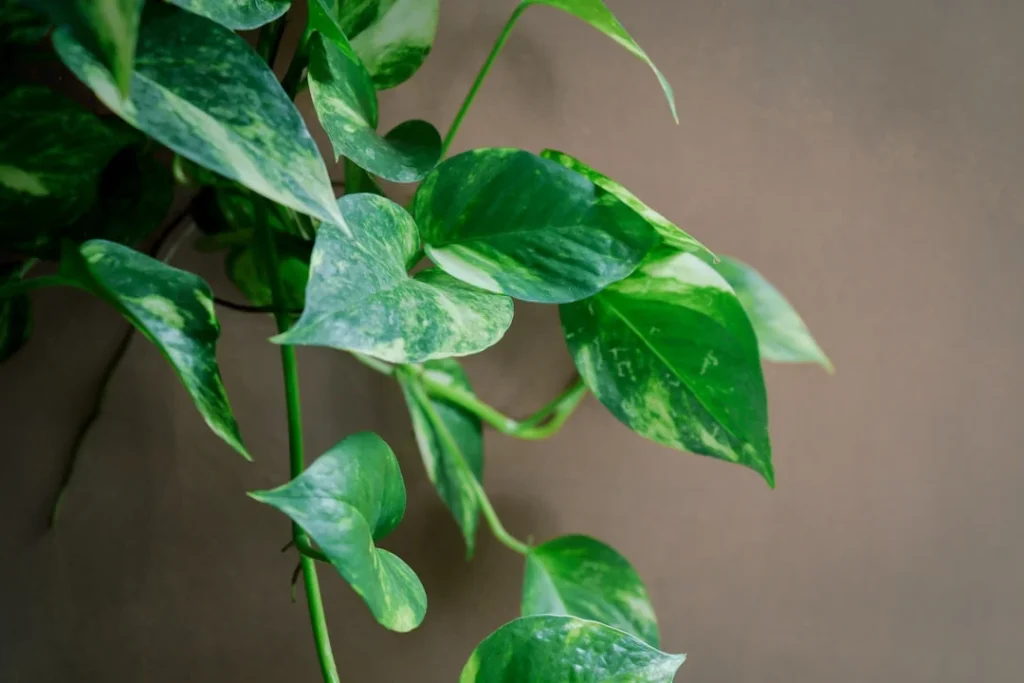
The money plant, or Epipremnum aureum, is a trailing vine native to the Solomon Islands. However, it has made itself completely at home in Indian living rooms, kitchens, and balconies. You’ll spot its heart-shaped green leaves cascading from shelves, bottles, and hanging pots across the country. The plant belongs to the Araceae family, the same group as peace lilies and philodendrons. Many gardeners in India love it because it grows in soil or water with equal ease. That’s a rare quality. Interestingly, the name ‘money plant’ is purely Indian folklore. Locals believe it brings wealth and luck, which is why you’ll often find it near entrances. Botanically, it’s also called Devil’s Ivy because it’s nearly impossible to kill. In water, the plant develops thicker, whiter roots compared to soil-grown ones. The leaves stay slightly smaller, but the vine grows faster in warm Indian weather. That’s exactly what makes money plant care in water so rewarding for beginners. If you enjoy growing this plant, you might also find our guide on Marua (Marjoram) Benefits, Uses & Growing very useful.
Origin and Botanical Family
Epipremnum aureum belongs to the Araceae family. Although it’s tropical by origin, it adapts brilliantly to Indian climates, from humid Chennai to dry Jaipur. The plant was once classified under Scindapsus and Pothos, which is why you’ll still hear the name ‘pothos’ used at nurseries. In its native rainforests, the vine climbs trees up to 20 metres tall. At home, though, it stays a manageable 3-6 feet when grown in a bottle. The ICAR-Indian Institute of Horticultural Research lists it among the top air-purifying houseplants suited for Indian homes. For more tips, check out our detailed article on Anthurium Plant.
Popular Varieties You'll Find
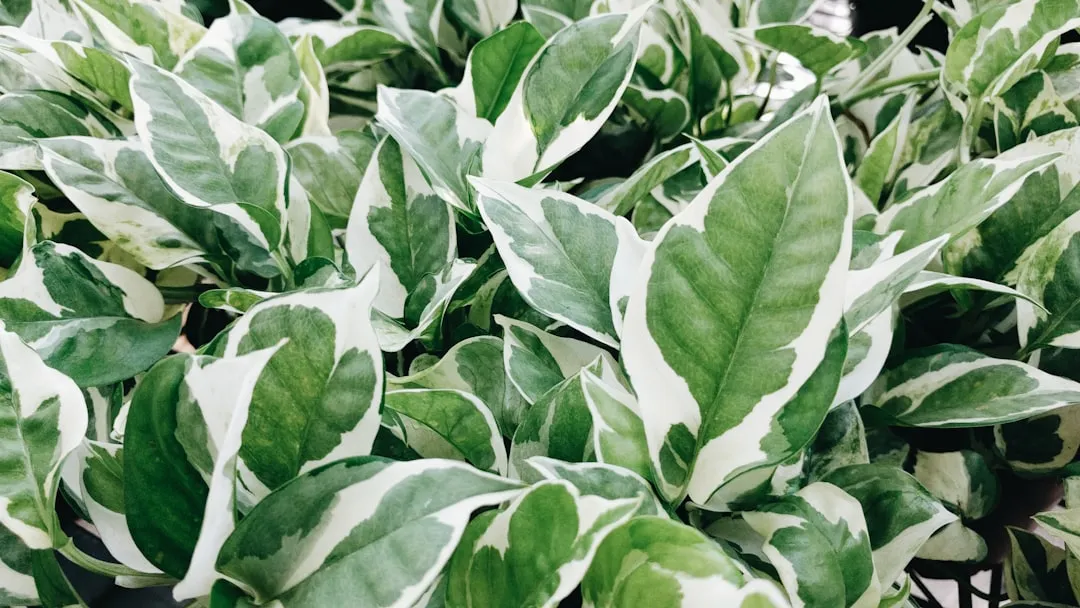
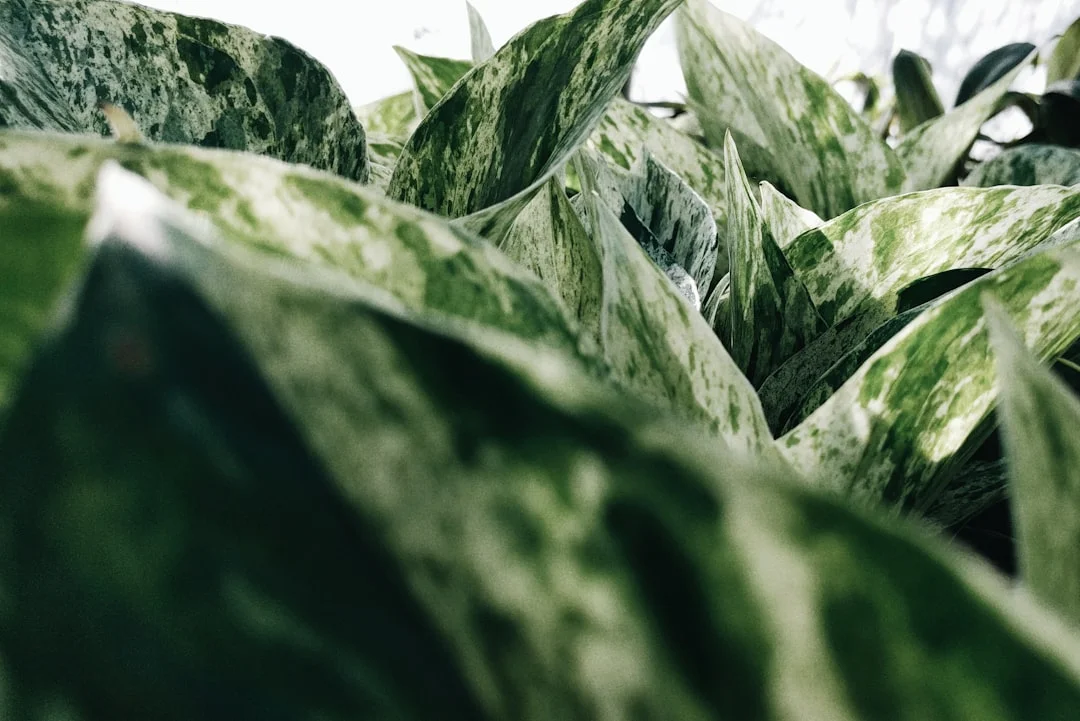
The Golden Pothos is the classic yellow-green variety sold at most Indian nurseries for ₹50-150. Marble Queen has creamy white variegation and looks stunning in clear glass bottles. Neon Pothos shows bright lime-green leaves that brighten dark corners. N’Joy and Pearls and Jade are smaller, more compact types, perfect for office desks. All these varieties respond well to water growing, although Marble Queen needs slightly more light to keep its white patterns. For more tips, check out our detailed article on Satin Pothos.
Benefits of Growing Money Plant in Water
Growing a money plant in water isn’t just easy, it actually comes with real perks. First, you skip the mess of soil completely. No spills, no fungus gnats, no fertiliser smell in your kitchen. That’s a huge win for apartment dwellers. Second, the plant cleans your indoor air. A famous NASA Clean Air Study found that Epipremnum aureum removes formaldehyde, benzene, and xylene from indoor spaces. While the study used soil plants, water-grown ones still filter air through their leaves. Third, water-grown money plants need less maintenance overall. You don’t worry about overwatering because the roots are already in water. You just top up and change it weekly. Furthermore, watching roots grow through a glass bottle is genuinely calming. Many Indian families place these vines near study desks or pooja rooms for both vastu and visual peace. The cost is minimal too. A cutting from a friend plus an old glass bottle, and you’re done. No nursery trip needed. For more tips, check out our detailed article on Monstera Broken Heart Plant.
Air Purifying and Health Benefits
Money plants release oxygen during the day and absorb common indoor pollutants. They’re especially useful in Indian cities like Delhi and Kolkata, where indoor air quality often suffers. The leaves also raise humidity slightly, which helps during dry winter months when many Indians struggle with dry skin and throat irritation. While the plant has no major Ayurvedic use, its calming green presence aligns with ancient texts that recommend keeping greenery indoors for mental peace. That said, the plant is toxic if eaten, so it offers no edible benefit.
How to Start Money Plant Care in Water
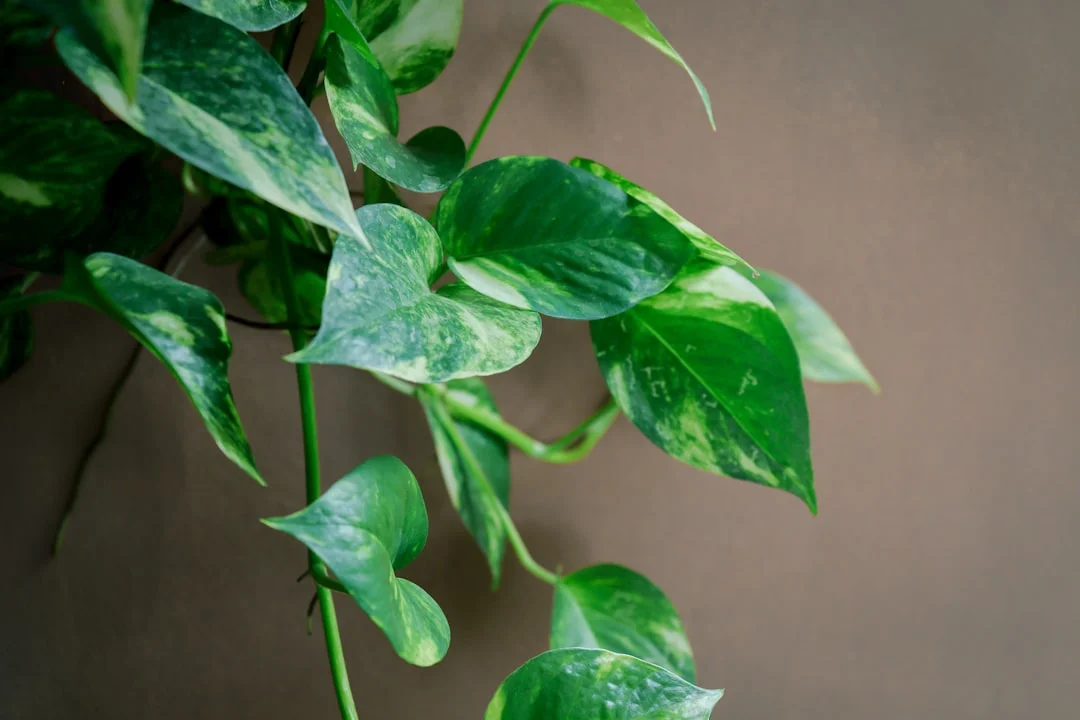
Starting money plant care in water is genuinely simple. You need just three things: a healthy cutting, a clean glass container, and clean water. First, take a 6-8 inch cutting from a mature vine, making sure it has at least 2-3 nodes. The node is that small bump on the stem where leaves emerge. Roots grow from these nodes, so they must stay submerged. Next, remove the lower leaves so only the top 2-3 leaves remain. This stops the leaves from rotting in water. Then, fill your container with room-temperature water and place the cutting inside. That’s literally it. Within 7-14 days, you’ll see tiny white roots forming. After that, the plant grows steadily on its own. In my experience, cuttings taken in spring or early monsoon root the fastest because the warm, humid air boosts growth. However, you can start money plant care in water in any season, even Indian winters, as long as the room stays above 15°C.
Step-by-Step Starter Guide
1. Pick a healthy mother vine with green, glossy leaves. 2. Cut a 6-8 inch piece just below a node using clean scissors. 3. Strip lower leaves; keep only top 2-3. 4. Rinse the cutting under tap water to remove dust. 5. Fill a glass bottle with filtered or rested tap water. 6. Place the cutting so at least 2 nodes are submerged. 7. Set the bottle near indirect light, never harsh sun. 8. Change water every 5-7 days. 9. Wait 10-14 days for first roots. 10. Once roots reach 3-4 inches, your plant is established.
Choosing the Right Cutting
Always choose a stem with at least 2 nodes and avoid woody or yellowing parts. The cutting should feel firm, not limp. If you’re getting a cutting from a friend’s plant, ask for a vine tip rather than a middle section. Tip cuttings have growth hormones that root faster. Don’t take cuttings from a stressed parent plant either, since weak vines produce weak roots.
Best Containers and Water Type
The container you choose matters more than people think. Clear glass bottles look beautiful and let you watch root growth, but they also encourage algae if placed in bright light. Coloured glass or opaque ceramic pots prevent algae but hide the roots. Old whiskey bottles, jam jars, and Bisleri bottles all work brilliantly. A wide-mouthed container is easier to clean than a narrow one. About water quality: tap water in most Indian cities is fine, but it often contains chlorine. Simply leave it in an open bucket overnight before use. The chlorine evaporates, and the water becomes plant-friendly. If you live in Chennai or Hyderabad where water is hard, mixing in some RO water once a month helps prevent mineral buildup on roots. Avoid distilled water as the only source because it lacks minerals plants need. Boiled and cooled water works too, especially during monsoons when tap water can carry extra microbes.
Container Comparison Table
Glass bottle: Best for visibility, may grow algae, cost ₹0-200. Ceramic vase: Stylish, blocks light to roots, cost ₹300-800. Plastic container: Light and cheap but degrades over time, cost ₹50-150. Copper pot: Adds trace minerals, traditional vastu choice, cost ₹500-1500. Self-watering glass globe: Modern look, less frequent top-ups, cost ₹400-900. In my experience, a simple recycled glass bottle works just as well as fancy ones. Don’t overspend on the container, spend your attention on water changes instead.
Sunlight and Placement Needs
Money plants love bright, indirect light. They don’t want direct sun, especially harsh Indian afternoon rays. A north or east-facing window is perfect. The plant also tolerates low light, which is why it survives in office cubicles and dim hallways. However, low light means slower growth and smaller leaves. If your vine looks leggy with big gaps between leaves, it’s begging for more light. Move it closer to a window but behind a sheer curtain. Importantly, never place a water-grown money plant in direct sun. The water heats up quickly, cooks the roots, and the plant dies within days. I’ve seen this happen on Ahmedabad balconies during May when temperatures cross 42°C. Indoors with filtered light is the safest bet across all Indian cities. Rotating the bottle once a week keeps growth even on all sides. Otherwise, the vine leans heavily toward the light source and looks uneven.
Best Indoor Spots in Homes
Living room shelves near windows work beautifully. Kitchen sills are great if they don’t get direct sun. Bathroom counters suit money plants well because of the natural humidity, as long as there’s some light. Avoid placing your vine right under a ceiling fan running at high speed, since constant strong air dries out the leaves. Also keep it away from AC vents in summer because the cold dry blast browns the leaf edges within a week.
Nutrients and Fertilizer for Water-Grown Money Plant
Here’s where many people go wrong with money plant care in water. They forget that water has almost no nutrients. While the plant survives on plain water for months, it grows much better with a little feeding. Once a month, add 2-3 drops of liquid fertiliser to the water. Indian brands like Ugaoo Liquid Plant Food and TrustBasket Hydroponic Nutrients work well and cost ₹200-400 a bottle. A bottle lasts almost a year for a small plant. You can also use a pinch of NPK 20-20-20 dissolved in water, but go very light. Over-fertilising burns the roots faster than you can imagine. Banana peel water is a popular dadi ke nuskhe trick. Soak a small banana peel in 1 litre of water for 24 hours, then use that water for your plant. It adds potassium naturally. Avoid milk, tea leaves, or rice water directly in the bottle as they rot quickly and stink up your room.
Natural Nutrient Boosters
Diluted seaweed extract, available at NurseryLive for around ₹250, adds trace minerals and seems to boost leaf shine. Aquarium water from a clean fish tank also works because it carries gentle nitrogen. Just dilute it 1:3 with fresh water. Many gardeners in India also drop a clean copper coin into the bottle. While the science is mixed, copper does have mild antimicrobial properties that may slow algae growth.
Feeding Schedule
Feed once every 4 weeks during summer and monsoon, when growth is active. Reduce to once every 6-8 weeks in winter. Always feed right after a water change so nutrients are fresh. Skip fertilising if your plant looks stressed, yellowing, or has new cuttings without strong roots yet. Weak plants can’t absorb extra nutrients, and the excess just rots the roots.
Common Problems and Quick Fixes
Even though money plants are forgiving, problems do pop up. Yellow leaves are the most common complaint. Usually, it means the water is too old or the spot is too dark. Change the water and move the plant to brighter indirect light. Brown leaf tips often point to dry indoor air or chlorinated water. Mist the leaves once a week and switch to rested water. Mushy black roots mean root rot, often from stagnant water or a dirty container. Trim the rotten parts with clean scissors and start fresh in a clean bottle. Algae on the bottle walls happens when light hits the water directly. Wrap the bottle in brown paper for two weeks, and the algae dies off. Tiny flies or mosquitoes breeding in the water? Add a drop of neem oil to the water surface. Indian brands like Neem Pure and Organic by Krishna Neem are widely available for ₹150-300.
Yellow Leaves Troubleshooting
One yellow leaf is normal, since older leaves drop naturally. Multiple yellow leaves at once means trouble. Check three things first: water freshness, light level, and nutrient status. If the water smells slightly off, change it immediately. If the plant sits in a dim corner, move it closer to a window. If you haven’t fed it in 3 months, add a few drops of liquid fertiliser. Most yellow-leaf issues fix themselves within 2 weeks once conditions improve.
Root Rot Recovery
Root rot looks scary but is fixable. Pull the plant out gently. Snip away every black, mushy root using sterilised scissors. Healthy roots stay white or cream and feel firm. Rinse the remaining roots under running water. Then place the plant in a clean bottle with fresh water. Keep it in bright indirect light and skip fertiliser for 4 weeks while it recovers. New roots usually appear within 10-15 days.
Propagation Steps for Water Growth
Propagating money plants is genuinely satisfying. One healthy mother vine can give you 10-15 new plants in a single afternoon. The success rate in water is over 90%, which is why money plant care in water is the first technique most Indian gardeners learn. First, identify a long, healthy vine on your mother plant. Look for sections with multiple nodes and aerial roots already forming. These root-fastest in water. Next, cut just below a node at a 45-degree angle. The angled cut exposes more tissue for water absorption. Then, prepare separate small bottles, one cutting per bottle, or several in a wide jar. Submerge at least 2 nodes per cutting. Place the bottles in bright indirect light at room temperature. After that, just wait. White root tips appear in 5-10 days during summer and 10-14 days in winter. Once roots reach 3 inches, your new plant is ready to gift or rehome.
Best Time to Propagate
March to October is the prime window across most Indian cities. Warm temperatures between 20-32°C speed up root formation dramatically. Monsoon months are especially good because high humidity helps cuttings stay turgid. December and January propagation works in southern India and coastal areas like Mumbai and Goa, but slows down in Delhi, Punjab, and hilly regions. Wait for spring there.
Seasonal Care Across Cities
Money plant care in water shifts slightly with the seasons and your city. Mumbai’s high humidity means roots stay happy year-round, but algae grows fast. Change water more often during the rains, around every 4 days. Delhi summers are brutal, often crossing 45°C. Move plants away from west-facing windows and check water daily, since it evaporates quickly. Winter in Delhi can drop below 10°C, which slows the plant down. Keep it indoors away from cold draughts. Bangalore enjoys mild weather almost all year, making it ideal for money plants. Just refresh water weekly. Chennai and Hyderabad’s hot, dry summers call for daily water top-ups and weekly leaf misting. Kolkata’s humid weather mirrors Mumbai’s, so apply the same algae-watch routine. Hill stations like Shimla and Darjeeling need indoor placement during winter as temperatures dip too low for tropical growth.
Summer Care Tips
Top up water every 2-3 days because evaporation speeds up. Keep plants away from direct hot windows. Increase misting to twice a week. If your room temperature regularly crosses 35°C, move the plant deeper into the room. Avoid fertilising during a heatwave, since stressed plants can’t absorb nutrients well.
Winter Care Tips
Reduce water changes to once every 10-12 days because growth slows. Skip fertiliser entirely from December to mid-February in North India. Keep the bottle away from cold window glass at night. Room temperature water only, never icy tap water straight from the bucket. In my experience, a Delhi winter can stall growth completely, and that’s perfectly normal. Growth picks up again by March.
Uses and Vastu Significance
The money plant has earned its place in Indian homes partly because of vastu beliefs. Traditional vastu shastra suggests placing money plants in the southeast corner, the direction ruled by the planet Venus and associated with prosperity. The vine should grow upward or trail freely, never droop sadly to the ground. Many families also avoid placing it in the northeast, which is reserved for pooja and lighter energies. Beyond vastu, the plant works as living décor. It softens harsh office cubicles, fills empty corners, and looks great in macrame holders. Some Indian families gift money plant cuttings at housewarmings as a symbol of growing wealth. Functionally, the plant cleans indoor air and adds gentle humidity, both useful in Indian cities battling pollution. While ancient Ayurvedic texts like Charaka Samhita don’t mention this specific plant, modern Ayurvedic practitioners often recommend indoor greenery for vata-pitta balance and mental calm.
Decor Ideas with Water-Grown Money Plants
Group three different bottle shapes on a single shelf for a designer look. Train vines along a wall using small adhesive hooks for a green wall effect. Place a tall cutting in a clear glass on your work desk for daily motivation. Use coloured glass bottles to match your room palette. Try copper pots near the entrance for a traditional Indian vibe that also doubles as vastu-approved placement.
Safety and Toxicity Notes
Here’s something every Indian household with pets or toddlers must know. Money plants are toxic if eaten. The leaves contain insoluble calcium oxalate crystals, which cause mouth burning, drooling, swelling, and stomach upset in cats, dogs, and small children. The reaction is rarely fatal but extremely uncomfortable. Always place water bottles out of reach of curious toddlers and pets. If chewing happens, rinse the mouth with cool water and milk, then contact your doctor or vet. Skin contact with sap can also cause mild irritation in sensitive people. Wear gloves while taking cuttings if you have sensitive skin. The plant is safe to handle for normal touching and isn’t airborne toxic in any way. So you can keep it in bedrooms, kitchens, and living rooms without worry. Just don’t let anyone snack on the leaves. That’s the only real safety rule with this otherwise wonderfully easy houseplant.
Pet-Safe Alternatives
If you have curious cats or dogs, consider safer green choices like Spider Plant (Chlorophytum comosum), Areca Palm, or Boston Fern. All three grow well in Indian homes and pose no toxicity risk. You can still enjoy money plants by placing them on high shelves, hanging baskets, or in rooms your pets don’t access.
Frequently Asked Questions
How often should I change water for my money plant?
Change the water every 5-7 days in summer and monsoon, and every 10-12 days in winter. If the water looks cloudy, smells off, or has visible debris, change it sooner. Proper money plant care in water depends heavily on clean, fresh water. Always rinse the container before refilling to prevent algae and bacterial buildup. Use room-temperature water, ideally tap water rested overnight to remove chlorine.
Can I grow money plant on my balcony ?
Yes, but only on a shaded or covered balcony. Direct Indian sunlight will scorch the leaves and overheat the water within hours, especially in Delhi, Ahmedabad, or Chennai summers. A north-facing or east-facing balcony with morning sun works best. Use an opaque or wrapped container to keep water cool. Bring the plant indoors during heatwaves above 38°C and during winter nights below 10°C.
Why are my money plant leaves turning yellow in water?
Yellow leaves usually point to one of four issues: old stagnant water, too little light, nutrient deficiency, or root rot. First, change the water and clean the bottle. Then move the plant to brighter indirect light. If you haven't fed it in months, add 2-3 drops of liquid fertiliser. Check the roots, since black mushy roots need trimming. Successful money plant care in water requires regular monitoring of all these factors together.
Is money plant safe for pets and children?
No, money plants are toxic to cats, dogs, and small children if chewed or eaten. The leaves contain calcium oxalate crystals that cause mouth burning, drooling, and stomach upset. Reactions are rarely fatal but very uncomfortable. Keep bottles on high shelves, in hanging holders, or in rooms pets cannot access. If ingestion happens, rinse the mouth with cool water and contact your vet or doctor immediately. The plant is safe to touch and keep indoors otherwise.
Do I need fertiliser for water-grown money plant?
Plain water keeps the plant alive but slows growth significantly. For a lush, fast-growing vine, add 2-3 drops of liquid fertiliser like Ugaoo Plant Food or TrustBasket Hydroponic Nutrients once a month. You can also use banana peel water as a natural option. Skip fertilising during winter when growth pauses. Never over-feed, since excess nutrients burn roots faster than no nutrients at all.
How long does it take for money plant cuttings to root in water?
Cuttings typically root in 7-14 days in warm Indian weather between 22-30°C. Winter rooting takes longer, sometimes up to 21 days. Take a 6-8 inch cutting with 2-3 nodes, remove lower leaves, and submerge nodes in clean water. Place in bright indirect light. You'll see tiny white root tips first, growing to 3-4 inches within a month. Once roots reach this size, the plant is fully established.
Can I transfer my water-grown money plant to soil later?
Yes, but do it gradually. Water-grown roots are thinner and softer than soil roots, so direct transfer causes shock. First, plant it in a 50:50 mix of cocopeat and regular soil, keeping it very moist for the first two weeks. Then slowly reduce watering frequency over a month. Many gardeners in India just keep their plants in water permanently because it's simpler and equally successful long-term.
Where should I place a money plant for good vastu?
According to vastu shastra, place your money plant in the southeast corner of your home or office, the direction associated with prosperity and Venus. Make sure the vine grows upward or trails outward, never drooping to the floor. Avoid the northeast corner, which is reserved for pooja. The plant should receive bright indirect light from this spot, since vastu placement still needs to match the plant's actual care needs to thrive.
Final Thoughts
Money plant care in water is genuinely one of the most rewarding ways to start your indoor gardening journey. With just a glass bottle, clean water, and a sunny corner away from direct rays, you can grow a lush green vine that lasts for years. Remember the basics: change water every 5-7 days, feed lightly once a month, watch for yellow leaves, and keep the plant out of reach of pets and toddlers. Whether you’re in a Mumbai high-rise, a Delhi flat, or a Bangalore villa, this hardy vine adapts beautifully to Indian homes across all seasons. Don’t worry if your first cutting takes a little longer to root or if you lose a leaf or two along the way. That’s part of learning. Start with a single cutting from a friend’s plant this week. Within a month, you’ll have your own thriving water-grown money plant and the confidence to propagate many more. Happy growing!

