
⏱ 20 min read
Table of Contents
- Why the Banyan Tree Matters in Every Season
- Banyan Tree Vastu Benefits Explained
- Correct Vastu Placement and Direction
- Preparing Your Space and Soil
- Watering Changes Through the Seasons
- Fertilizing the Banyan Tree Year-Round
- Pest Alert: Spotting and Solving Problems
- Recovery, Pruning, and Bonsai Care
- Medicinal and Ayurvedic Uses
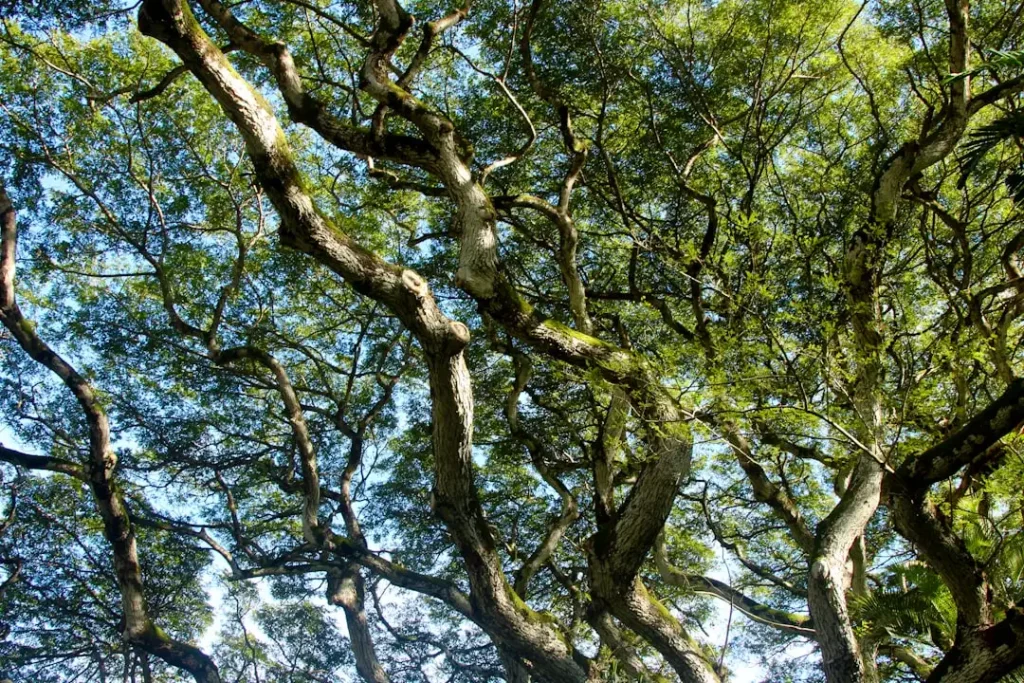
The banyan tree (Ficus benghalensis), known as बरगद in Hindi, is one of the most sacred trees in the world. For thousands of years, it’s been worshipped, studied, and planted near temples, homes, and village squares. The banyan tree vastu benefits are deeply rooted in Indian tradition, yet its appeal stretches across continents — from tropical Asia to subtropical Florida and northern Australia. So, what makes this giant so special? In short, it’s believed to bring prosperity, stability, long life, and spiritual peace when placed correctly. Many gardeners find that even a small bonsai version of this tree shifts the mood of a room. In this guide, we’ll explore the banyan tree vastu benefits, its global growing needs, Ayurvedic uses, and practical care tips for every climate. Whether you live in Mumbai, Miami, or Melbourne, you’ll find something useful here. Let’s begin with why this tree matters so much. For more tips, check out our detailed article on Mango Tree Grow Pot Home.
Quick Highlights
- Discover the spiritual and prosperity-boosting banyan tree vastu benefits for home and garden
- Learn correct vastu placement directions to attract positive energy
- Explore Ayurvedic and traditional medicinal uses backed by global research
- Master year-round care across tropical, temperate, and arid climates
- Grow a banyan bonsai indoors even in cold regions like the UK or Canada
- Avoid common mistakes that block the tree's full vastu power
Plant Characteristics at a Glance
| Common Name | Banyan Tree, Indian Banyan, Bengal Fig |
| Scientific Name | Ficus benghalensis |
| Family | Moraceae (Mulberry family) |
| Origin | Indian subcontinent and tropical Asia |
| Habitat | Tropical and subtropical forests, village commons, temple grounds |
| Plant Type | Evergreen tree, hemi-epiphyte |
| Indoor Plant | Yes (as bonsai or young sapling) |
| Outdoor Plant | Yes (in USDA zones 10-12, frost-free regions) |
| Leaves | Large, oval, leathery, dark green, 10-20 cm long |
| Flowers | Tiny, hidden inside the fig (syconium) |
| Flowering Season | Spring to early summer (March-June in N. Hemisphere) |
| Fruit | Small red figs, 1.5-2 cm, eaten by birds and bats |
| Seeds | Very tiny, dispersed by birds; bird gut activates germination |
| Roots | Massive prop roots and aerial roots that form new trunks |
| Height | 20-30 m (65-100 ft); canopy can spread over 200 m wide |
| Growth Rate | Moderate to fast in tropics; slow as bonsai |
| Light Requirements | Full sun outdoors; bright indirect light indoors |
| Soil Requirements | Well-draining loamy soil, pH 6.0-7.5 |
| Water Requirements | Moderate; allow top inch to dry between watering |
| Temperature Requirements | 20-35°C (68-95°F); cannot tolerate frost below 5°C (41°F) |
| Humidity Requirements | 50-70% ideal; tolerates lower with misting |
| Propagation | Cuttings, air layering, seeds, aerial root division |
| Uses | Shade, spiritual, medicinal, bonsai, vastu, soil conservation |
| Medicinal Properties | Anti-diabetic, anti-inflammatory, antimicrobial, astringent |
| Toxicity | Latex mildly toxic; irritates skin and is unsafe for pets if ingested |
| Cultural Significance | National tree of India; sacred in Hinduism, Buddhism, and Jainism |
| Common Pests | Mealybugs, scale, spider mites, thrips, aphids |
| Common Diseases | Leaf spot, root rot, sooty mould, anthracnose |
| Special Care Tips | Prune in late spring; mist bonsai daily; avoid cold drafts |
| Cultural Practices | Worshipped on Vat Savitri and Vat Purnima; circumambulated for blessings |
| Vastu Direction | East or North-East of property; never South or South-West |
Banyan tree vastu benefits Names in Different Languages
| English | Banyan Tree / Indian Banyan |
| Mandarin Chinese | 孟加拉榕 (Mèngjiālā Róng) |
| Spanish | Higuera de Bengala |
| Hindi | बरगद (Bargad) |
| Gujarati | વડ (Vad) |
| Arabic | شجرة البانيان (Shajarat al-Banyan) |
| Bengali | বট গাছ (Bot Gachh) |
| Portuguese | Figueira-de-bengala |
| Russian | Баньян (Banyan) |
| Japanese | ベンガルボダイジュ (Bengaru Bodaiju) |
| Punjabi | ਬੋਹੜ (Bohar) |
| German | Bengalische Feige |
| Javanese | Wringin / Beringin |
| Korean | 벵골보리수 (Benggolboriso) |
| French | Figuier des banians |
| Telugu | మర్రి చెట్టు (Marri Chettu) |
| Marathi | वड (Vad) |
| Tamil | ஆலமரம் (Aalamaram) |
| Urdu | برگد (Bargad) |
| Turkish | Bengal İnciri |
| Vietnamese | Cây Đa |
Why the Banyan Tree Matters in Every Season
The banyan tree isn’t just another shade tree. It’s a living symbol of patience, growth, and connection. In India, villages have grown around single banyans for centuries. Meanwhile, in Sri Lanka, Thailand, and parts of Africa, similar Ficus species mark sacred ground. According to Kew Gardens, Ficus benghalensis can spread across more than 2 hectares through its aerial roots — making it one of the largest tree canopies on Earth. Here’s the thing: this tree teaches us something different in every season. Spring brings fresh leaf flushes. Summer offers deep shade. Monsoon triggers aerial root growth. Winter slows everything down for rest. That’s why care must shift with the calendar. Whether you’re nurturing a full-grown specimen in a tropical garden or a tiny bonsai on a London windowsill, understanding the rhythm matters. In my experience, gardeners who match their care to seasons get healthier plants and stronger spiritual energy.
A Sacred Tree Across Cultures
The banyan holds meaning far beyond India. In Hindu tradition, it represents Lord Vishnu and eternal life. Buddhists revere it as a meditation tree. Meanwhile, in ancient Persian and Arab folklore, large fig trees symbolised divine shelter. Even in Hawaii, banyans planted in the 1800s now anchor town squares. So, when people search for banyan tree vastu benefits, they’re tapping into a global respect for this species. The tree’s ability to live for centuries — some are over 2,500 years old — gives it a unique status. That’s why placing one near your home, even symbolically, is believed to invite long-term stability.
Banyan Tree Vastu Benefits Explained
Vastu Shastra is the ancient Indian science of architecture and spatial energy. According to vastu, every direction, plant, and object carries vibration. So, what are the main banyan tree vastu benefits? First, the tree is believed to bring longevity and good health to family members. Second, it attracts prosperity and removes financial blockages. Third, it offers protection against negative energy and evil eye (nazar). Fourth, it supports marital harmony and emotional stability. Furthermore, vastu experts say a banyan absorbs harmful electromagnetic energy and replaces it with calming vibrations. That’s why many temples and ashrams still plant one at the entrance. However, there’s a catch. The banyan tree vastu benefits only work when the tree is placed correctly. A wrongly placed banyan can actually create problems — blocking sunlight, attracting pests, or causing root damage to buildings. So planning matters.
Top 7 Banyan Tree Vastu Benefits for Home
Here’s a quick breakdown of the key banyan tree vastu benefits gardeners and homeowners chase: 1) Long life and good health for the family. 2) Increased wealth and steady income flow. 3) Spiritual growth and meditation support. 4) Protection from negative energies. 5) Mental peace and reduced anxiety. 6) Stronger family bonds. 7) Career stability and reputation growth. Importantly, even a banyan bonsai or a small Ficus benghalensis sapling on your balcony can deliver some of these effects. You don’t need a 100-foot tree to feel the shift. That’s the good news for apartment dwellers in cities like Singapore, Dubai, or New York.
Correct Vastu Placement and Direction
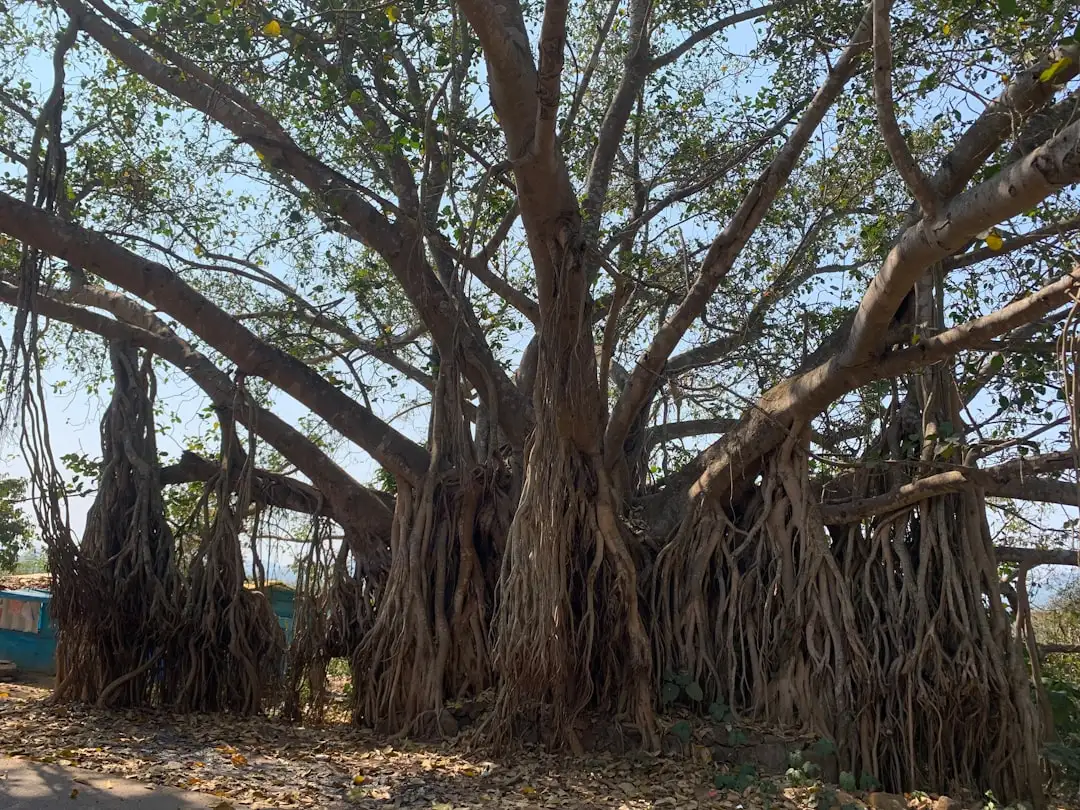
Placement is everything in vastu. Get it right, and you’ll unlock the full banyan tree vastu benefits. Get it wrong, and you might invite trouble. The best direction to plant a banyan is the east or north-east of your property. These directions catch the rising sun, which carries positive prana (life energy). On the other hand, never plant a banyan directly in front of the main door or in the south-west corner. These spots can block energy flow and cause obstacles. For bonsai owners, place the pot in the east-facing window or the north-east corner of a living room. Avoid bedrooms and bathrooms. Keep the tree away from the centre of the home, which is called the brahmasthan and should stay empty.
Vastu Do's and Don'ts
Do plant or place the banyan in the east, north, or north-east. Do keep the area around it clean and well-lit. Do offer water and a small prayer once a week if you follow tradition. Don’t plant it in the south, south-west, or directly south of your home. Don’t let dead leaves or branches accumulate — they trap negative energy. Don’t place a banyan in a cramped, dark corner. Furthermore, never cut a mature banyan without proper rituals — many traditions consider this very inauspicious.
Apartment and Bonsai Placement
Living in a flat? No problem. A banyan bonsai delivers similar banyan tree vastu benefits when placed thoughtfully. Choose a shallow ceramic pot in earthy colours like brown or terracotta. Place it on a wooden table in the east or north-east. Make sure it gets at least 4 hours of bright light. Keep the soil slightly moist but never soggy. In my experience, even a 12-inch bonsai changes the energy of a room within weeks. Many gardeners find their sleep improves and their workspace feels calmer.
Preparing Your Space and Soil
Good preparation sets the stage for a healthy tree. First, check your climate zone. The banyan thrives in USDA zones 10-12 and RHS H1c-H2 ratings. That means warm regions like southern Florida, coastal Australia, southern Spain, and most of India suit it outdoors. However, gardeners in the UK, Canada, or northern US can still grow it as a houseplant or bonsai. Next, choose the right soil. Ficus benghalensis prefers well-draining loamy soil with a pH between 6.0 and 7.5. Mix 40% garden soil, 30% compost, 20% coco coir or peat moss, and 10% perlite or coarse sand. This blend works whether you’re in Chennai or Chicago.
Container Size and Drainage
For outdoor planting, give the tree at least 20 feet of clear space in every direction. Roots spread wide and aerial roots can damage walls and pipes. For bonsai or potted growing, start with a 10-12 inch pot with multiple drainage holes. Add a layer of gravel at the bottom. Then layer your soil mix on top. Re-pot every 2-3 years to refresh nutrients and trim roots. A quick tip here: terracotta pots breathe better than plastic, which helps prevent root rot in humid climates like Mumbai or Miami.
Watering Changes Through the Seasons
Watering the banyan is more art than science. The tree hates two things: bone-dry soil and waterlogged roots. So, you’ll need to adjust through the year. In spring (March-May in the Northern Hemisphere, September-November in Australia), water 2-3 times a week as new growth begins. Summer demands more — water every 2 days in hot regions like Rajasthan, Arizona, or the UAE. Monsoon and rainy seasons need less manual watering; let nature do the work. Winter is the rest period, so cut back to once a week or less. For bonsai owners, check the top inch of soil daily. Water only when it feels dry to the touch. The RHS recommends rainwater or filtered water for tropical houseplants, since hard tap water can build up salts.
Signs of Over and Under Watering
Yellow leaves dropping suddenly? That’s usually overwatering. Crispy brown leaf edges? Likely underwatering or low humidity. Wilting despite wet soil means root rot has started — repot immediately with fresh dry soil. Meanwhile, leaves that curl inward signal heat stress. In arid climates like Dubai or southern California, mist the leaves twice a week to boost humidity. Aim for 50-70% humidity around the plant. A simple pebble tray with water under the pot does the job in dry homes.
Fertilizing the Banyan Tree Year-Round
Feeding the banyan well boosts both its growth and its vastu energy. A healthy tree carries stronger vibrations, according to traditional belief. During the growing season (spring and summer), feed every 4-6 weeks with a balanced NPK fertilizer (10-10-10 or 14-14-14). Organic options work brilliantly too. Use well-rotted cow manure, vermicompost, or neem cake. These are widely available in India, while gardeners in the US, UK, and Australia can find equivalent organic blends at any garden centre. In autumn, switch to a low-nitrogen feed to prepare for dormancy. Stop fertilizing completely in winter. Bonsai trees need diluted liquid feed at half strength — too much fertilizer burns the fine roots.
Natural Boosters That Work
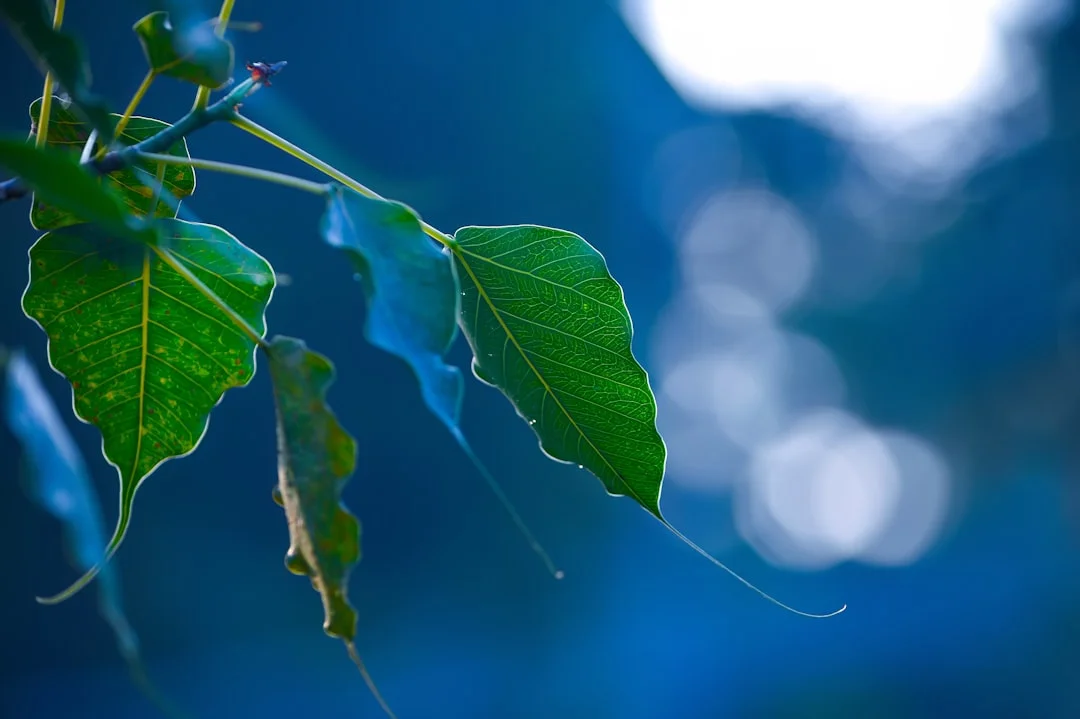
Many gardeners find that simple kitchen additions work wonders. Banana peel water adds potassium. Crushed eggshells boost calcium. Used coffee grounds (in small amounts) lower soil pH slightly. Furthermore, a monthly drench of diluted seaweed extract supports trace minerals. In Indian tradition, offering raw milk and water to a banyan on Saturdays is both spiritual and practical — the milk feeds soil microbes. That’s a lovely overlap between faith and science.
Pest Alert: Spotting and Solving Problems
Even sacred trees get pests. The most common ones include mealybugs, scale insects, spider mites, and thrips. Mealybugs look like tiny cotton balls on leaf joints. Scale insects appear as brown bumps on stems. Spider mites cause speckled, dusty-looking leaves. So, what do you do? First, isolate the affected plant if it’s a bonsai. Then wipe leaves with a damp cloth. Next, spray with neem oil solution (1 teaspoon neem oil + 1 litre water + a few drops of dish soap). Repeat every 7 days for three weeks. Importantly, neem is safe for kids, pets, and the environment — which is why both Ayurvedic and Western organic gardeners trust it.
Disease Watch
Banyans can suffer from leaf spot fungus, root rot, and sooty mould. Leaf spot shows as brown or black circles on leaves. Root rot starts in soggy soil. Sooty mould grows on the honeydew left by sap-sucking insects. The fix? Improve airflow, reduce watering, and treat underlying pests. For fungal issues, a copper-based fungicide or a baking soda spray (1 teaspoon per litre of water) usually clears things up within two weeks.
Recovery, Pruning, and Bonsai Care
Pruning shapes the tree and keeps it healthy. The best time to prune a banyan is late spring or early summer, when growth is active. Use sharp, sterilised tools. Cut just above a leaf node at a 45-degree angle. For bonsai, pinch new shoots back to the first two leaves to keep the shape tight. Don’t worry if your tree drops leaves after a move or repot — that’s normal stress behaviour. It usually recovers within 4-6 weeks. Meanwhile, support recovery with a weak seaweed solution and steady humidity.
Banyan Bonsai for Cold Climates
Live in London, Toronto, or Berlin? You can still enjoy the banyan tree vastu benefits through bonsai. Keep the plant indoors year-round in a bright spot. South or east-facing windows work best. In winter, move it away from cold glass and heaters. Use a grow light if natural light drops below 6 hours a day. Mist regularly. Many gardeners in temperate zones find their banyan bonsai actually thrives better than tropical houseplants because it tolerates lower humidity once established.
Medicinal and Ayurvedic Uses
The banyan isn’t just spiritually powerful — it’s medically valuable too. Ayurveda has used Ficus benghalensis for over 3,000 years. The Charaka Samhita mentions banyan bark, latex, and aerial roots for various conditions. According to studies indexed on PubMed, extracts from the tree show anti-diabetic, anti-inflammatory, and antimicrobial activity. Traditional uses include treating diarrhoea, skin conditions, gum problems, and joint pain. The latex is applied topically for cracked heels and rheumatism. Bark powder is brewed as a tea for digestive support. However, never self-medicate. The latex can cause skin irritation in sensitive people. Pregnant women, children, and those on blood-sugar medications should consult a qualified Ayurvedic doctor or healthcare professional first.
Safety and Toxicity
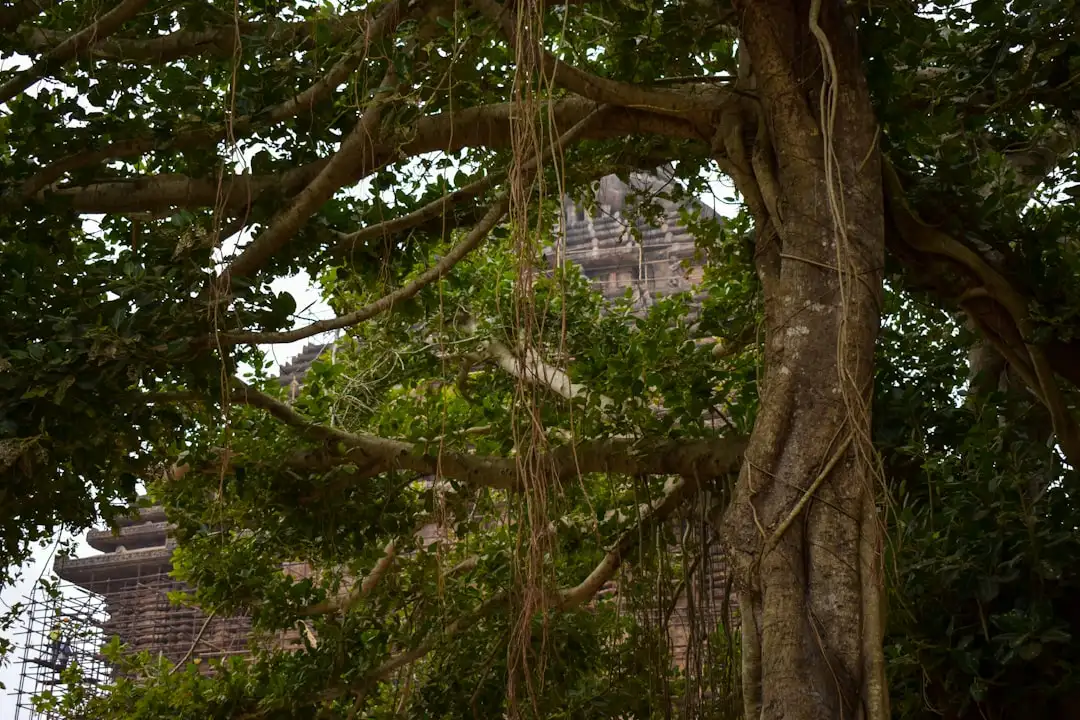
The white sap (latex) of the banyan contains compounds that can irritate skin and eyes. Keep it away from young children and pets. According to the ASPCA, Ficus species are mildly toxic to cats and dogs if chewed — causing drooling and vomiting. So if you have curious pets, place your bonsai out of reach. The bark and roots used in Ayurveda are processed and dosed carefully. Don’t try to chew raw bark from your garden tree.
Frequently Asked Questions
What are the main banyan tree vastu benefits for home?
The main banyan tree vastu benefits include long life, prosperity, spiritual peace, protection from negative energy, and family harmony. When placed in the east or north-east of your property, the tree is believed to attract positive prana and steady wealth. Even a small bonsai version can deliver these effects in apartments. However, the tree must be cared for properly — neglect blocks the energy flow. Many gardeners report better sleep and a calmer home mood within weeks of adding a banyan plant.
Can I grow a banyan tree indoors in a cold climate like the UK or Canada?
Yes, absolutely. Grow it as a bonsai or small potted plant indoors. Place it in a south or east-facing window where it gets at least 6 hours of bright light. Use a grow light in winter if natural light is low. Keep room temperature above 15°C (59°F) and away from cold drafts. Mist twice a week to boost humidity. Water only when the top inch of soil feels dry. With this routine, you can still enjoy the banyan tree vastu benefits even in London, Toronto, or Stockholm.
Is the banyan tree safe for pets and children?
The banyan's white latex is mildly toxic. If chewed, it can cause drooling, vomiting, or skin irritation in cats, dogs, and small children. The ASPCA lists Ficus species as mildly toxic to pets. So, place bonsai out of reach of curious paws and little hands. Wash your hands after pruning. That said, the tree is safe to be around — only ingestion or sap contact causes problems. Many families across India live near huge banyans without any issue for generations.
How often should I water a banyan bonsai?
Check the soil daily, but water only when the top inch feels dry. In summer, that often means every 2-3 days. In winter, once a week may be enough. Never let the pot sit in standing water. Use room-temperature filtered water or rainwater. The [RHS](https://www.rhs.org.uk/) recommends avoiding hard tap water for tropical bonsai because salt build-up damages fine roots. A quick finger test beats any schedule — touch the soil before reaching for the watering can.
Where should I plant a banyan tree according to vastu?
Plant it in the east or north-east direction of your property to unlock the full banyan tree vastu benefits. These directions catch the morning sun and bring positive energy. Avoid planting in the south, south-west, or directly in front of the main door. For bonsai, place the pot in the north-east corner of your living room or near an east-facing window. Keep the area clean and well-lit. Never let dead leaves pile up around the trunk.
How long does a banyan tree live?
Banyan trees are among the longest-living trees on Earth. Many live for several centuries. The Great Banyan in Kolkata's Acharya Jagadish Chandra Bose Indian Botanic Garden is over 250 years old and covers more than 1.5 hectares. Some banyans in temple complexes are believed to be 1,000-2,500 years old. Even a well-cared-for bonsai can live for 50-100 years and pass through generations. That's why the tree symbolises immortality across so many cultures.
Can I prune a banyan tree without bad luck?
Yes, light pruning for shape and health is fine and recommended. However, traditional belief warns against cutting major branches or felling a mature banyan without proper rituals. If you must prune heavily, do it in late spring or early summer when the tree is strong. Many Indian families offer a small prayer or sprinkle water before pruning as a sign of respect. Use clean, sharp tools. Cut at 45 degrees just above a leaf node for the cleanest healing.
What are the medicinal uses of the banyan tree?
Ayurveda uses banyan bark, leaves, latex, and aerial roots for many conditions. Traditional uses include treating diarrhoea, diabetes, joint pain, skin issues, and gum problems. Modern research indexed on PubMed shows anti-diabetic, anti-inflammatory, and antimicrobial activity in Ficus benghalensis extracts. The [Ayush Ministry](https://www.ayush.gov.in/) recognises it as a key medicinal plant. However, never self-medicate. Consult a qualified Ayurvedic doctor before using any banyan preparation, especially during pregnancy or if you take blood-sugar medications.
Final Thoughts
The banyan tree is so much more than a giant shade-giver. It’s a bridge between earth and spirit, science and tradition, India and the world. The banyan tree vastu benefits — longevity, prosperity, peace, and protection — have inspired generations across continents. Whether you’re planting a sapling in a tropical garden in Kerala, nurturing a bonsai in a London flat, or shading a courtyard in southern California, this tree rewards patience and care. Place it in the east or north-east. Water it thoughtfully. Feed it through the growing seasons. Watch for pests early. And above all, treat it with respect — that’s what every tradition agrees on. In my experience, gardeners who connect emotionally with their banyan see the best results. Start small if you must, but start. The tree will grow alongside you, season after season, year after year, generation after generation. That’s the gift of the banyan.

