
⏱ 21 min read
Table of Contents
- What Is a Container Mango Tree?
- Benefits of Growing a Mango Tree in a Pot at Home
- Best Mango Varieties for Container Growing
- How to Grow a Mango Tree in a Pot Step by Step
- Soil and Fertiliser Requirements
- Watering Your Potted Mango Tree
- Sunlight and Temperature Needs
- Common Problems and Solutions
- Propagation Methods
- Seasonal Care Calendar
- Uses and Health Benefits of Mango
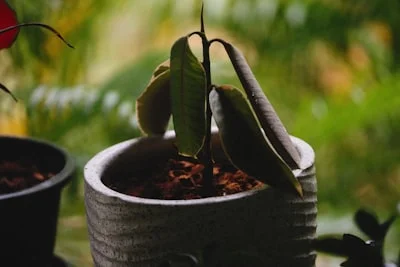
Can you really mango tree grow pot home, even if you live in a London flat or a Toronto townhouse? The short answer is yes. With the right dwarf variety, a deep container, and a sunny spot, you can raise a fruiting mango tree almost anywhere on Earth. I’ve helped gardeners from Mumbai rooftops to Sydney balconies do exactly this. In fact, the trick isn’t magic — it’s matching the tree’s tropical roots to your local conditions. This guide walks you through every step of the mango tree grow pot home journey, from picking the right cultivar to harvesting your first golden fruit. We’ll cover soil mixes, watering rhythms, light needs, and the common mistakes that trip up beginners. Furthermore, whether you’re in zone 10 Florida or zone 6 Germany with a heated greenhouse, you’ll find practical tips here. Let’s get your container mango thriving.
Quick Highlights
- Choose dwarf varieties like 'Nam Doc Mai' or 'Amrapali' for compact container growth
- Plant in a 15-20 gallon pot with well-draining, slightly acidic soil mix
- Provide 6-8 hours of direct sunlight daily for healthy fruiting
- Water deeply but allow topsoil to dry between sessions to prevent root rot
- Feed monthly during growing season with balanced NPK fertiliser
- Prune annually to maintain 6-8 foot height suitable for home spaces
Plant Characteristics at a Glance
| Common Name | Mango Tree |
| Scientific Name | Mangifera indica |
| Family | Anacardiaceae |
| Origin | Indo-Burma region (South Asia) |
| Habitat | Tropical and subtropical lowlands |
| Plant Type | Evergreen fruit tree |
| Indoor Plant | Yes, with adequate sunlight or grow lights |
| Outdoor Plant | Yes, in USDA zones 10-11 and RHS H1c |
| Leaves | Long, glossy, lance-shaped, 15-35 cm, reddish when young |
| Flowers | Small, fragrant, yellowish-white, in large panicles |
| Flowering Season | Late winter to early spring (Dec-March in NH) |
| Fruit | Fleshy drupe, yellow-orange when ripe, 200-2000g |
| Seeds | Large flat stone with fibrous coating; mono- or polyembryonic |
| Roots | Deep taproot with extensive lateral roots |
| Height | Dwarf varieties: 2-3 m (6-10 ft); standard: up to 30 m |
| Growth Rate | Moderate; 30-60 cm per year in containers |
| Light Requirements | Full sun, 6-8 hours daily minimum |
| Soil Requirements | Well-draining, slightly acidic (pH 5.5-7.5), rich in organic matter |
| Water Requirements | Moderate; deep watering, allow topsoil to dry between sessions |
| Temperature Requirements | 21-32°C (70-90°F) ideal; tolerates brief dips to 10°C (50°F) |
| Humidity Requirements | 50-70% relative humidity |
| Propagation | Seed, grafting, air layering |
| Uses | Fresh fruit, juices, chutneys, dried snacks, medicinal preparations |
| Medicinal Properties | Antioxidant, anti-inflammatory, digestive aid, blood-sugar modulating |
| Toxicity | Sap contains urushiol; may cause skin/oral reactions in cashew-allergic individuals; pets should not eat the seed |
| Cultural Significance | National fruit of India, Pakistan, Philippines; sacred in Hindu rituals |
| Common Pests | Mango hoppers, mealybugs, scale, spider mites, fruit flies |
| Common Diseases | Anthracnose, powdery mildew, root rot, bacterial black spot |
| Special Care Tips | Provide cool dry period to trigger flowering; protect fruit from birds with netting |
| Cultural Practices | Annual pruning after harvest; mulching; periodic micronutrient sprays |
| Vastu Direction | North or northeast for prosperity and positive energy |
Mango tree grow pot home Names in Different Languages
| English | Mango |
| Mandarin Chinese | 芒果 (Mángguǒ) |
| Spanish | Mango |
| Hindi | आम (Aam) |
| Gujarati | કેરી (Keri) |
| Arabic | مانجو (Manga) |
| Bengali | আম (Aam) |
| Portuguese | Manga |
| Russian | Манго (Mango) |
| Japanese | マンゴー (Mangō) |
| Punjabi | ਅੰਬ (Amb) |
| German | Mango |
| Javanese | Pelem |
| Korean | 망고 (Mang-go) |
| French | Mangue |
| Telugu | మామిడి (Mamidi) |
| Marathi | आंबा (Amba) |
| Tamil | மாம்பழம் (Maambazham) |
| Urdu | آم (Aam) |
| Turkish | Mango |
| Vietnamese | Xoài |
What Is a Container Mango Tree?
A container mango tree is simply a mango grown in a pot rather than in the ground. While wild mangoes can soar to 30 metres (100 feet), dwarf and semi-dwarf cultivars stay under 2.5 metres (8 feet). This makes them perfect for patios, balconies, and indoor sunrooms. The species belongs to the Anacardiaceae family — the same group as cashews and pistachios. According to Kew Gardens, mangoes originated in the Indo-Burma region over 4,000 years ago and now grow across tropical and subtropical zones worldwide. Today, gardeners from Florida to Spain to the Philippines successfully raise potted mangoes. In fact, the key mango tree grow pot home principle is choosing the right cultivar and giving it tropical-style care.
Why Mango Tree Grow Pot Home Works So Well
Potted mangoes offer real control. You decide the soil quality, the watering schedule, and even the location during cold snaps. In temperate climates like the UK or Canada, you can wheel your tree indoors when frost threatens. Meanwhile, gardeners in dry regions such as Dubai or Arizona can move pots to shaded spots during brutal afternoon heat. That said, container growth does limit ultimate size and fruit yield. However, with proper care, a 5-year-old potted mango can produce 10-20 fruits per season — plenty for a family.
Benefits of Growing a Mango Tree in a Pot at Home
Growing fruit at home isn’t just rewarding — it’s smart. A mango tree grow pot home setup gives you fresh, chemical-free fruit, beautiful evergreen foliage, and that unmistakable tropical fragrance when it blooms. Many gardeners find the experience deeply satisfying. Beyond the fruit, mango leaves carry cultural and medicinal importance in Ayurveda, where they’re mentioned in ancient texts for digestive health. Furthermore, the tree purifies indoor air, releasing oxygen during daylight hours.
From a financial angle, one healthy potted mango can save you $50-100 (₹4,000-8,000) annually in store-bought fruit. In addition, container growing means you don’t need a large garden at all. As a result, even flat-dwellers can enjoy the proven mango tree grow pot home experience without compromise.
Cultural and Symbolic Value
Mangoes hold sacred status in many traditions. In India, mango leaves are hung at doorways during weddings and festivals for good luck. Similarly, in the Philippines, the mango is the national fruit. Mexican folk medicine uses mango leaf tea for blood sugar support. Even in Western herbalism, mango seed powder appears in traditional gut-health remedies. Growing one at home connects you to thousands of years of gardening heritage across continents.
Environmental Perks
Each mature mango tree absorbs roughly 22 kg (48 lbs) of CO2 yearly. Even a potted version contributes meaningfully. Furthermore, the dense canopy also cools surrounding air through water release, making it a natural air conditioner for hot balconies. Pollinators love mango blossoms too — expect bees and butterflies during flowering season.
Best Mango Varieties for Container Growing
Not every mango works in a pot. You need dwarf or semi-dwarf cultivars bred for compact growth. Here’s the thing — picking the wrong variety guarantees disappointment. For example, a standard ‘Alphonso’ or ‘Tommy Atkins’ will outgrow any pot within years. Instead, focus on proven container performers. The USDA lists several cultivars suited to zones 9-11, and many adapt to container life in colder zones with winter protection.
Top Dwarf Varieties Worldwide
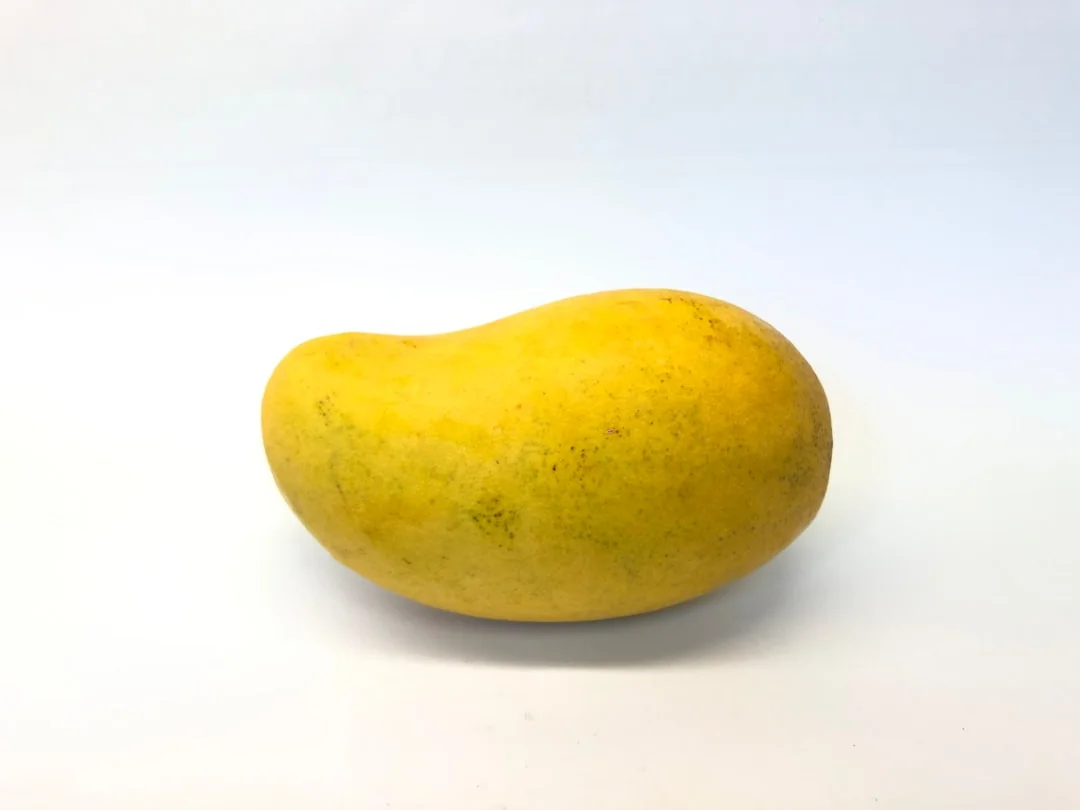
Nam Doc Mai (Thailand) — stays 6-8 feet, sweet and fibre-free, popular in Southeast Asia and Australia. Amrapali (India) — a research-developed dwarf, heavy bearer, perfect for Indian balconies. Cogshall (Florida) — compact, disease-resistant, ideal for the US and Caribbean. Irwin (Taiwan/Japan) — beautiful red skin, grown widely in Japanese greenhouses. Carrie (Florida) — rich flavour, naturally small. King Thai — true dwarf, perfect for indoor growing. Each of these tops out around 2-3 metres (6-10 feet) with regular pruning.
How to Grow a Mango Tree in a Pot Step by Step
Getting started with mango tree grow pot home is easier than most people think. You don’t need a degree in horticulture — just patience and consistency. Below is the exact process I’ve used and taught for over a decade. First, gather your materials, then follow the steps in order. Because of this structured approach, you’ll have a thriving tree within 12 months.
Materials You'll Need
Gather a 15-20 gallon (55-75 litre) pot with drainage holes, a grafted dwarf mango sapling from a reputable nursery, well-draining potting mix, perlite or coco coir for aeration, slow-release fertiliser, and a sturdy stake. Importantly, avoid seed-grown trees unless you’re patient — they take 6-8 years to fruit, while grafted ones fruit in 2-3 years. Expect to spend $40-80 (₹3,000-6,000) on a quality grafted sapling. That’s a small investment for years of fresh fruit.
Soil and Fertiliser Requirements
Mango trees love rich, well-draining, slightly acidic soil with a pH between 5.5 and 7.5. Heavy clay or waterlogged soil spells doom. Create your own mix using 50% quality potting soil, 25% compost, 20% perlite or coarse sand, and 5% coco coir. This blend copies the well-drained soils of mango’s native habitat. According to the Royal Horticultural Society, tropical fruit trees in containers need richer growing material than ground-planted ones because nutrients wash out faster.
Feeding Schedule by Season
Feed monthly from spring through early autumn using a balanced NPK 6-6-6 or 8-8-8 fertiliser. During flowering and fruiting, switch to a high-potassium formula like 3-6-9 to boost fruit quality. In addition, add micronutrients — especially zinc, iron, and magnesium — every 8-10 weeks. Organic options work brilliantly too: composted cow manure, neem cake, banana peel tea, and Epsom salt (1 tablespoon per gallon monthly) are gardener favourites worldwide. Finally, stop feeding 6 weeks before your dormant season.
Repotting and Root Care
Repot every 2-3 years into a slightly larger container. The best time is early spring, just before active growth resumes. Gently trim circling roots and refresh the top 5 cm (2 inches) of soil yearly. Because of this regular attention, nutrients keep flowing and you prevent root binding — a common killer of potted fruit trees.
Watering Your Potted Mango Tree
Watering is where most people go wrong. Mango trees hate soggy roots but also dislike total drought. The golden rule: water deeply, then let the top 5 cm (2 inches) of soil dry before the next session. In summer, this might mean every 2-3 days. During winter rest, once every 10-14 days is plenty. However, always check soil moisture with your finger — don’t rely on a schedule alone. That said, this simple habit is the key mango tree grow pot home watering skill you need to master.
Climate-Specific Watering Tips
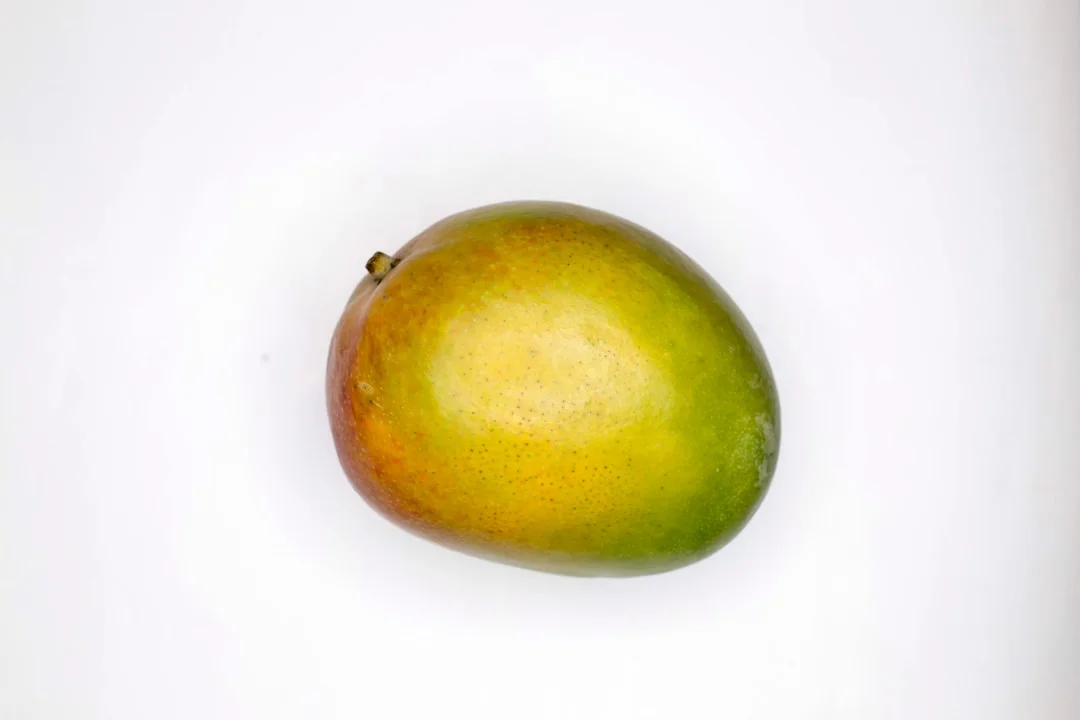
Tropical gardeners in India, Thailand, or the Philippines should water every 2 days during dry months and reduce during monsoons. On the other hand, temperate growers in the UK or US Pacific Northwest need to monitor carefully — overwatering is the top killer in cool, damp climates. Similarly, dry-zone gardeners in Australia or the Middle East may water daily during 40°C+ heatwaves, ideally early morning. Always use room-temperature water, because cold tap water can shock tropical roots.
Sunlight and Temperature Needs
Mangoes are sun lovers. They need 6-8 hours of direct sunlight daily to flower and fruit properly. Less light means lots of leaves but no mangoes. Place your pot in the sunniest spot available — a south-facing balcony in the Northern Hemisphere or north-facing in the Southern. Indoor growers should invest in a full-spectrum LED grow light during shorter winter days.
The ideal temperature range sits between 21-32°C (70-90°F). Brief dips to 10°C (50°F) are tolerated, but anything below 4°C (40°F) causes serious damage. As a result, knowing your local climate is essential before you commit to a major mango tree grow pot home setup.
Hardiness Zones and Cold Protection
Mangoes thrive in USDA zones 10-11 and RHS hardiness rating H1c. Gardeners in zones 8-9 can grow them with winter protection. Furthermore, anyone in zones 7 and below must bring trees indoors before frost. A bright sunroom, heated greenhouse, or south-facing window with grow lights works well. In my experience, the mango tree grow pot home approach gives cold-climate gardeners a real chance at fresh mangoes — something impossible with ground planting.
Humidity and Air Flow
Aim for 50-60% humidity. Indoor growers in dry homes should mist leaves or use a humidifier. Importantly, avoid placing pots near heating vents or AC units, which dry foliage fast. Good airflow prevents fungal issues, so don’t crowd your mango against walls.
Common Problems and Solutions
Even healthy mango tree grow pot home setups face occasional hiccups. The good news is most problems have simple fixes. Catching issues early makes all the difference. Here are the most common troubles gardeners report across climates and how to handle each.
Pest Issues
Mango hoppers, mealybugs, scale insects, and spider mites are the usual suspects. First, spray neem oil (5 ml per litre of water) every 10-14 days as a natural deterrent. For heavy infestations, use insecticidal soap. Aphids cluster on new growth — blast them off with water or introduce ladybirds if you’re growing in a greenhouse.
Disease Watch
Anthracnose (black spots on leaves and fruit) and powdery mildew are common in humid climates. Improve airflow, avoid overhead watering, and apply copper-based fungicide before flowering begins. Root rot from overwatering shows as yellowing leaves and soft stems — however, always check drainage first before assuming disease.
No Flowers or Fruit?
If your mango won’t bloom after 3-4 years, check three things. First, light — it needs full sun. Next, age — grafted trees fruit faster than seed-grown ones. Finally, stress — a brief cool, dry period of 4-6 weeks often triggers flowering. In addition, avoid excess nitrogen, which produces leaves at the expense of flowers.
Propagation Methods
You can grow mangoes from seed or by grafting. Seed-grown trees are easy and fun but take 6-8 years to fruit and may not match the parent’s quality. Grafting, on the other hand, produces true-to-type fruit in 2-3 years and is how all commercial varieties are reproduced. Most home gardeners buy grafted saplings, but growing from seed is a wonderful project for kids and curious adults.
Growing from Seed
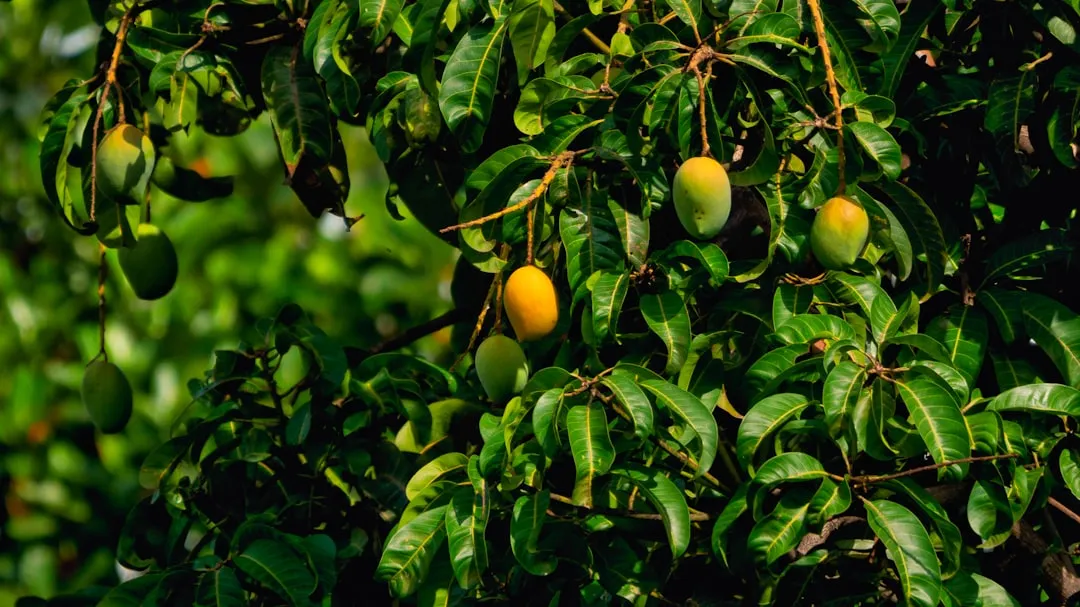
Take a fresh mango seed, remove the outer shell carefully, and plant the inner seed 2-3 cm deep in moist potting mix. Keep warm (25-30°C / 77-86°F) and humid. Germination takes 2-4 weeks. Once seedlings reach 30 cm (12 inches), transplant to a larger pot. Furthermore, varieties like Kensington Pride, Manila, and Nam Doc Mai produce copies of the parent plant — perfect for reliable results.
Seasonal Care Calendar
Your mango tree’s needs shift through the year. Following a seasonal rhythm keeps it productive and healthy. This calendar works for Northern Hemisphere gardeners — Southern Hemisphere readers should shift months by six. Whether you’re in Mumbai’s monsoon belt or Melbourne’s Mediterranean climate, adjust to your local rainfall and frost patterns. Because of this flexibility, the proven mango tree grow pot home method works across many different climates.
Spring and Summer (Growth Season)
March-August is peak growing time. First, repot if needed and prune for shape. Next, feed monthly and water deeply. Then watch for flowers in spring and protect emerging fruit from birds with netting. In tropical zones like India, this overlaps with summer fruiting — June 2026 is harvest season for Alphonso and Kesar lovers.
Autumn and Winter (Rest Period)
September-February is recovery time. Reduce watering, stop feeding 6 weeks before cold sets in, and move pots indoors if temperatures drop below 10°C (50°F). Light pruning of dead wood is fine, but avoid major cuts. Importantly, this rest period actually helps trigger next season’s flowering — so don’t skip it.
Uses and Health Benefits of Mango
Beyond the obvious joy of eating fresh fruit, every part of the mango tree has uses. The fruit is rich in vitamins A, C, and E, plus antioxidants like mangiferin. Research published via NIH PubMed shows mangiferin has anti-inflammatory and blood-sugar-lowering effects. Ayurveda uses ripe mango to balance body energies, while unripe mango is used for digestion. Similarly, Traditional Chinese Medicine values mango for cooling the body and easing thirst.
Culinary and Practical Uses
Eat fresh, blend into smoothies, dry into chips, or cook into chutneys, salsas, and curries. Mango leaves brew into a tea used in folk medicine across India, Mexico, and Nigeria for blood sugar support. The wood is used for furniture, and the seed is ground into traditional medicines. However, a note of caution: people with cashew or pistachio allergies may react to mango sap, so always handle pruning with gloves.
Frequently Asked Questions
Can I mango tree grow pot home indoors in a cold climate like the UK or Canada?
Yes, you can absolutely mango tree grow pot home indoors in cold climates, but you'll need extra care. First, choose a true dwarf variety like 'King Thai' or 'Cogshall'. Next, place it near a south-facing window and supplement with full-spectrum LED grow lights for 10-12 hours daily during winter. Keep room temperature between 18-25°C (65-77°F) and humidity around 50-60%. Furthermore, move the pot outdoors during summer for natural pollination and stronger growth. Fruiting indoors is possible but typically yields less than outdoor or greenhouse setups. However, it's still a deeply rewarding way to enjoy the mango tree grow pot home experience year-round.
How long does a potted mango tree take to bear fruit?
Grafted dwarf mango saplings usually fruit within 2-3 years of planting. Seed-grown trees take much longer — 6-8 years on average — and may produce variable fruit quality. As a result, always buy a named grafted cultivar from a reputable nursery for faster results. Once mature, expect 10-30 fruits per season in good years. Importantly, healthy potted mangoes can produce for 20-40 years with proper care.
Is the mango tree safe for pets and children?
Ripe mango fruit flesh is safe and even healthy for humans and most pets in small amounts. However, the sap, leaves, and seed contain urushiol — the same compound found in poison ivy — and can cause skin rashes or mouth irritation. Dogs that chew on leaves or seeds may experience vomiting. Because of this, keep fallen leaves cleaned up. Children with cashew or pistachio allergies should avoid handling mango sap. Always wear gloves when pruning.
What size pot do I need for a mango tree?
Start with a 10-gallon (40 litre) pot for a young sapling, then upgrade to a 15-20 gallon (55-75 litre) container as it grows. Mature dwarf mangoes need at least 20-25 gallons (75-95 litres) for healthy fruiting. Choose a pot with multiple drainage holes — terracotta works brilliantly in humid climates, while plastic or fibreglass suits dry zones better. Importantly, depth matters more than width because mangoes have deep taproots.
How do I get my potted mango to flower?
To trigger flowering when you mango tree grow pot home, give your tree a cool, dry rest period of 4-6 weeks before its natural bloom time. First, reduce watering significantly during this phase. Next, ensure full sun exposure and avoid excess nitrogen fertiliser, which encourages leaves over flowers. A potassium-rich feed (NPK 3-6-9) in late winter helps. Finally, be patient — grafted trees need 2-3 years to mature enough to bloom.
Can I grow a mango tree from a store-bought mango seed?
Absolutely. Take a fresh seed from a ripe mango, carefully cut open the fibrous outer shell, and remove the inner seed. Plant it 2-3 cm deep in moist, well-draining soil with the curved side facing down. Keep warm (25-30°C / 77-86°F) and lightly moist. Germination takes 2-4 weeks. However, remember that seed-grown trees take 6-8 years to fruit and may not match the parent variety unless it's a type like Kensington Pride or Manila. That said, it's a wonderful way to explore the mango tree grow pot home journey from the very beginning.
Why are my mango tree leaves turning yellow?
Yellow leaves usually point to one of three issues: overwatering (most common), nutrient deficiency, or poor drainage. First, check soil moisture — if it's soggy, reduce watering immediately and ensure drainage holes aren't blocked. Furthermore, yellowing between green veins suggests iron or magnesium deficiency; treat with chelated iron or Epsom salt foliar spray. Older leaves naturally yellow before falling, which is normal. On the other hand, cold damage also causes yellowing in winter.
Do I need two mango trees for pollination?
No, mango trees are self-pollinating, so a single tree can produce fruit on its own. However, having two or more trees nearby improves pollination rates and yields. Bees, flies, and wind handle most pollination work. If you're growing indoors or in an enclosed greenhouse with few insects, hand-pollinate by gently brushing flowers with a soft paintbrush during peak bloom for better fruit set. In fact, this simple technique is one of the most effective proven mango tree grow pot home tips for indoor growers.
Final Thoughts
Learning to mango tree grow pot home opens up a world of tropical gardening possibilities, no matter where you live. From sunny Sydney balconies to chilly Toronto sunrooms, the right dwarf variety paired with thoughtful care delivers real results. Remember the essentials: a deep, well-draining pot, slightly acidic soil, 6-8 hours of sun, deep but infrequent watering, and seasonal feeding. Furthermore, be patient through the first few years — grafted trees reward you with fruit by year three, and yields grow each season. Don’t be discouraged by yellow leaves or a missed bloom; every gardener faces these hurdles. In fact, the mango tree grow pot home journey is as much about the process as the harvest. Start with one healthy sapling this season, follow the steps in this guide, and within a few years you’ll be picking sun-warmed mangoes from your own balcony. Happy growing, and may your tree bear sweet, golden fruit for decades to come.

