
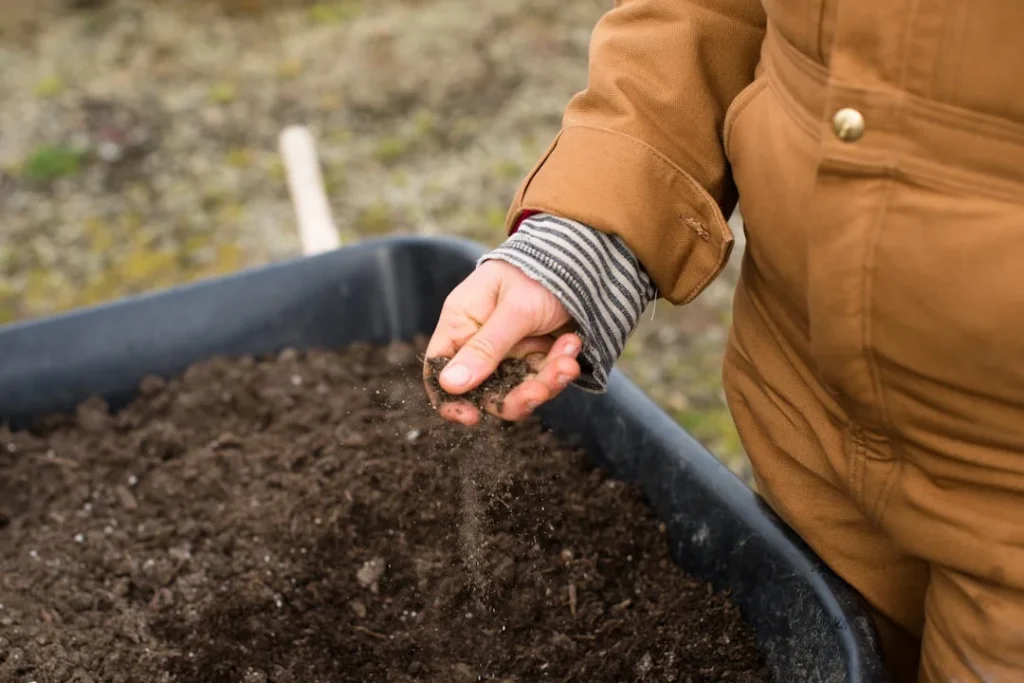
⏱ 24 min read
Table of Contents
- Why Soil Is the Root Cause of Most Indoor Plant Bugs
- What You Need: Ingredients for Bug-Free Indoor Soil
- Step-by-Step Guide to Mixing Pest-Resistant Potting Soil
- Soil and Pot Selection: The Perfect Pairing
- Watering Schedule That Keeps Bugs Away
- Fertilizing Without Attracting Pests
- Common Mistakes That Invite Bugs Into Your Soil
- Seasonal Soil Care: Keeping Bugs Out Year-Round
Here’s something most plant guides never tell you: the soil you choose is your first — and most powerful — line of defence against indoor plant pests. Finding the best soil for indoor plants no bugs isn’t just about drainage or nutrients. It’s about cutting off the conditions that fungus gnats, root mealybugs, and soil mites need to survive. In my experience, more than half of indoor pest problems start not with the plant, but with the potting mix it’s sitting in. The wrong soil holds too much moisture, compacts over time, and becomes a breeding ground for trouble. The good news is that choosing the best soil for indoor plants no bugs is entirely within your control — and this guide walks you through every step. Whether you garden in a humid Mumbai flat, a cool London apartment, or a dry Arizona home, by the end of this guide you’ll know exactly why your previous potting mix failed and what to use instead. For more tips, check out our detailed article on Houseplant Pests Identification & Treatment.
Quick Highlights
- Discover why soil choice is the root cause of most indoor pest infestations
- Learn the exact ingredients that make the best soil for indoor plants no bugs
- Follow a step-by-step guide to mixing or choosing a pest-resistant potting medium
- Understand which amendments — perlite, coco coir, neem — actively deter bugs
- Avoid the five most common soil mistakes that invite pests into your home
- Apply climate-specific tips whether you live in a tropical, temperate, or arid region
Plant Characteristics at a Glance
| Common Name | Indoor Plants (houseplants) |
| Scientific Name | Varies by species (e.g., Epipremnum aureum, Spathiphyllum wallisii, Monstera deliciosa) |
| Family | Multiple families — Araceae, Asparagaceae, Cactaceae, and others |
| Origin | Tropical, subtropical, and temperate regions worldwide |
| Habitat | Naturally found in forest floors, tropical canopies, desert edges, and subtropical highlands |
| Plant Type | Foliage plants, flowering plants, succulents, ferns, cacti, climbers |
| Indoor Plant | Yes — grown primarily in containers indoors |
| Outdoor Plant | Many can be moved outdoors seasonally in suitable climates |
| Leaves | Varies widely — from large tropical leaves to small rosette forms and needle-like succulent leaves |
| Flowers | Species-dependent — many popular houseplants (pothos, ZZ plant) rarely flower indoors |
| Flowering Season | Varies; most tropical houseplants do not reliably flower indoors |
| Fruit | Rarely produced indoors due to lack of pollination |
| Seeds | Seldom viable from indoor plants; most propagated vegetatively |
| Roots | Fibrous root systems common; susceptible to root rot in poorly draining soil |
| Height | 10 cm to over 2 m (4 in to 6+ ft) depending on species |
| Growth Rate | Slow to fast depending on species, light, and nutrition |
| Light Requirements | Low to bright indirect light; most houseplants avoid direct harsh sun indoors |
| Soil Requirements | Well-draining, aerated mix — ideally coco coir, perlite, worm castings blend for pest resistance |
| Water Requirements | Moderate; allow top 2–3 cm to dry between waterings to prevent pest infestations |
| Temperature Requirements | Most houseplants: 15–27°C (59–80°F); avoid cold drafts below 10°C (50°F) |
| Humidity Requirements | 40–60% relative humidity ideal; tropical species prefer 60–80% |
| Propagation | Stem cuttings, leaf cuttings, division, offsets, air layering |
| Uses | Aesthetic decor, air quality improvement, stress reduction, Ayurvedic and traditional medicinal use (select species) |
| Medicinal Properties | Species-specific — aloe vera (wound healing), tulsi (antimicrobial), lavender (calming) |
| Toxicity | Many common houseplants are toxic to cats and dogs (pothos, philodendron, peace lily) — check ASPCA database |
| Cultural Significance | Integral to Vastu Shastra, Feng Shui, Victorian parlour culture, and modern biophilic design |
| Common Pests | Fungus gnats, root mealybugs, soil mites, springtails, shore flies |
| Common Diseases | Root rot (Pythium, Fusarium), powdery mildew, leaf spot fungal infections |
| Special Care Tips | Use pest-resistant soil mix, ensure drainage holes, avoid overwatering, remove dead leaves promptly |
| Cultural Practices | Top-dress with sand or diatomaceous earth, use neem cake in soil, rotate pots for even light |
| Vastu Direction | North or east-facing windows recommended; avoid dead or wilting plants indoors per Vastu principles |
Best soil for indoor plants no bugs Names in Different Languages
| English | Indoor Plants / Houseplants |
| Mandarin Chinese | 室内植物 (Shìnèi Zhíwù) |
| Spanish | Plantas de interior |
| Hindi | घर के पौधे (Ghar ke Paudhe) |
| Gujarati | ઘરના છોડ (Gharanā Chhoḍ) |
| Arabic | نباتات داخلية (Nabātāt Dākhiliyya) |
| Bengali | ঘরের গাছপালা (Gharer Gachpala) |
| Portuguese | Plantas de interior |
| Russian | Комнатные растения (Komnatnyye Rasteniya) |
| Japanese | 観葉植物 (Kanyō Shokubutsu) |
| Punjabi | ਘਰ ਦੇ ਬੂਟੇ (Ghar de Boote) |
| German | Zimmerpflanzen |
| Javanese | Taneman jero omah |
| Korean | 실내 식물 (Sillae Sikmul) |
| French | Plantes d'intérieur |
| Telugu | ఇంటి మొక్కలు (Inti Mokkalu) |
| Marathi | घरातील झाडे (Gharātīl Jhāḍe) |
| Tamil | வீட்டு செடிகள் (Vīṭṭu Seṭikaḷ) |
| Urdu | گھر کے پودے (Ghar ke Pauday) |
| Turkish | Ev bitkileri |
| Vietnamese | Cây trồng trong nhà |
Why Soil Is the Root Cause of Most Indoor Plant Bugs
A gardener in Bristol messaged me last winter — her pothos looked perfect on the surface, but tiny flies swarmed every time she watered. Sound familiar? The culprit wasn’t her plant. It was her soil. Most commercial potting mixes are loaded with peat moss or bark, which stay wet for a long time. That persistent moisture creates exactly the humid, organic-rich environment that fungus gnats, shore flies, and root mealybugs need to lay eggs and thrive. In fact, a single fungus gnat can lay up to 300 eggs in moist soil, according to data published by the University of California Integrated Pest Management Program. Understanding the best soil for indoor plants no bugs starts with understanding what bugs need: moisture, organic matter to eat, and darkness. Remove one of those three, and their life cycle collapses. That’s the whole strategy — and it begins the moment you choose your potting mix.
Which Bugs Live in Indoor Plant Soil?
Fungus gnats are the most common offenders worldwide — their larvae feed on organic matter and young roots in soggy soil. Soil mites are tiny white or brown specks that explode in population when soil never fully dries. Root mealybugs hide deep in the root zone and are notoriously hard to spot until the plant starts wilting. Springtails, while largely harmless, signal that your soil is consistently too wet. Furthermore, fungus gnat larvae can damage roots severely enough to stunt growth in seedlings and young plants. Knowing your enemy helps you choose the right defence — which is exactly what the next section covers. If you enjoy growing this plant, you might also find our guide on Hoya Plant Care Indoors very useful.
How Soil Chemistry Affects Pest Populations
Soil pH, aeration, and organic content all influence whether pests take hold. A waterlogged, highly organic mix with a pH below 5.5 creates anaerobic zones — areas without oxygen — where beneficial microbes die off and harmful fungal populations explode. However, a well-aerated mix with a near-neutral pH (6.0–7.0) supports the beneficial bacteria and predatory microorganisms that naturally suppress pest populations. The RHS notes that good drainage is one of the most important factors in keeping container plants healthy — a principle that applies equally to pest prevention.
What You Need: Ingredients for Bug-Free Indoor Soil
The best soil for indoor plants no bugs isn’t one product off a shelf. It’s a combination of ingredients that balance moisture retention, aeration, and biological activity. Here’s what actually works — and why each ingredient earns its place in the mix. For more tips, check out our detailed article on Best Soil for Succulents.
Core Ingredients That Deter Pests
Perlite is white volcanic glass that creates air pockets, allowing soil to dry faster between waterings. It’s cheap, globally available, and physically hostile to insects trying to lay eggs. Coarse horticultural sand achieves a similar effect and is easy to source anywhere from Auckland to Toronto. Coco coir — the fibrous husk of coconuts — is a brilliant peat substitute that retains some moisture but dries much more evenly than peat, making it far less hospitable to fungus gnat larvae. In addition, coco coir has a natural antifungal property that helps suppress mould at the soil surface. Worm castings add nutrients without the heavy organic load of compost, and beneficial nematodes naturally present in quality castings prey on pest larvae. Finally, neem cake (the by-product of cold-pressed neem oil) is a centuries-old pest deterrent used in South Asian agriculture. Mixed into soil at roughly 1 teaspoon per litre of mix, it releases azadirachtin — a compound that disrupts the hormonal development of insects — without harming earthworms or humans. For more tips, check out our detailed article on Indoor Plant Light Requirements.
Ingredients to Avoid or Minimise
Heavy peat-based mixes hold water for days or even weeks in cool, low-light indoor conditions — that’s a pest paradise. Similarly, fresh bark chips and uncomposted wood fibre decompose slowly, providing a food source for fungus gnat larvae. Rich garden soil brought indoors carries fungal spores, weed seeds, and existing pest populations. While it might seem economical, it almost always creates problems within weeks. Many gardeners also over-rely on moisture-retaining crystals (hydrogels) in indoor mixes. These are designed for outdoor containers in full sun — indoors, they keep roots wet for dangerously long periods. If you enjoy growing this plant, you might also find our guide on Overwatering vs Underwatering Plants very useful.
Recommended Ingredient Ratios
For most tropical houseplants — pothos, peace lily, philodendron — a balanced mix works well: 40% coco coir, 30% perlite, 20% worm castings, 10% coarse sand, plus 1 tsp neem cake per litre. For cacti and succulents, increase perlite and coarse sand to 60% combined, and reduce coco coir to 20%. For moisture-loving ferns or calathea, reduce perlite slightly to 20% and increase coco coir to 50%. These ratios are starting points — adjust based on your home’s humidity and light levels, because a dark apartment in Edinburgh needs a drier mix than a bright, breezy balcony in Singapore.
Step-by-Step Guide to Mixing Pest-Resistant Potting Soil
Mixing your own potting soil takes about 15 minutes and costs far less than repeated pest treatments. More importantly, you control exactly what goes into it. Follow these steps carefully and you'll have the best soil for indoor plants no bugs every single time.
- Preparing and Sterilising Your Ingredients
First, source your ingredients from reputable suppliers. Perlite, coco coir bricks, and worm castings are available at garden centres worldwide and through major online retailers. Next, consider pasteurising any organic components. To do this, spread coco coir or castings on a baking tray, moisten lightly, and heat in an oven at 82°C (180°F) for 30 minutes. This kills any existing eggs, larvae, or fungal spores without destroying the soil structure. Then, allow all components to cool completely before mixing — combining warm materials traps steam, increasing moisture content. After that, measure your ratios by volume using a cup or bucket. Precision matters more than you'd think: a mix that's 10% too rich in organic matter can tip the balance toward pest vulnerability.
Soil and Pot Selection: The Perfect Pairing
Even the best soil for indoor plants no bugs will fail if you pair it with the wrong pot. Soil and pot work as a system — and that system either supports your plant or undermines it. This is where many gardeners make their biggest mistake.
Why Pot Material Matters for Pest Prevention
Terracotta pots are excellent for pest prevention because they’re porous — moisture evaporates through the walls, helping soil dry faster between waterings. In humid climates like coastal Southeast Asia or the US Gulf Coast, terracotta can make a dramatic difference. However, in very dry climates like the UAE or parts of inland Australia, terracotta dries soil too quickly for some plants. Glazed ceramic or plastic pots retain moisture longer — useful in arid conditions, but they require extra restraint in watering. Whichever material you choose, drainage holes are non-negotiable. A pot without drainage is a swamp waiting to happen.
Pot Size and Its Hidden Role in Pest Control
Oversized pots are a surprisingly common source of pest problems. When a small plant sits in a large pot, only the roots near the surface drink water — the rest of the soil stays wet for weeks. That stagnant, moist zone at the bottom is ideal for fungus gnat egg-laying. As a rule, choose a pot only 2–5 cm (1–2 inches) wider than the plant’s current root ball. Repot incrementally as the plant grows. Furthermore, always add a thin layer of coarse sand or fine gravel to the top of your pot after planting — this surface layer dries out quickly and acts as a physical barrier against adult fungus gnats looking to lay eggs.
Watering Schedule That Keeps Bugs Away
Here’s the thing — most indoor plant pests don’t appear because of bad soil alone. They persist because of overwatering. The best soil for indoor plants no bugs must be matched with disciplined watering habits. Even the most perfectly blended mix will become a pest magnet if you water on a rigid daily schedule.
The Finger-Dip Test vs. Moisture Meters
The simplest and most reliable method: push your finger 2–3 cm (about an inch) into the soil. If it feels damp, wait. Water only when the top 2–3 cm feel dry. This simple rule prevents the persistent surface moisture that female fungus gnats need to lay eggs. Moisture meters are a great backup tool, particularly useful for new gardeners or for plants in opaque pots. Look for a reading of 2–3 (on most standard meters) before watering. However, don’t rely on meters alone — they can give false readings in very compact or very salty soils.
Climate-Specific Watering Adjustments
In tropical climates (India, Thailand, Brazil, West Africa), indoor humidity is often 60–80%. Soil dries more slowly than in temperate climates, so water less frequently — perhaps every 7–10 days for most tropical houseplants during June monsoon conditions. In temperate zones (UK, Germany, Pacific Northwest US, southern Australia in winter), central heating drops indoor humidity dramatically in winter. Counterintuitively, heated indoor air can dry soil faster than summer conditions. Check soil every 4–5 days. In arid climates (UAE, Arizona, parts of Spain), bright sunny indoor spots can dry even moisture-retentive soil in 3–4 days. Water more frequently, but always verify before watering — never on a fixed schedule.
Fertilizing Without Attracting Pests
Fertilizers are an underappreciated source of pest problems. Rich, nitrogen-heavy liquid feeds left sitting on the soil surface feed the same microorganisms that fungus gnats and soil mites thrive on. Smart fertilizing is part of the best soil for indoor plants no bugs strategy — not an afterthought.
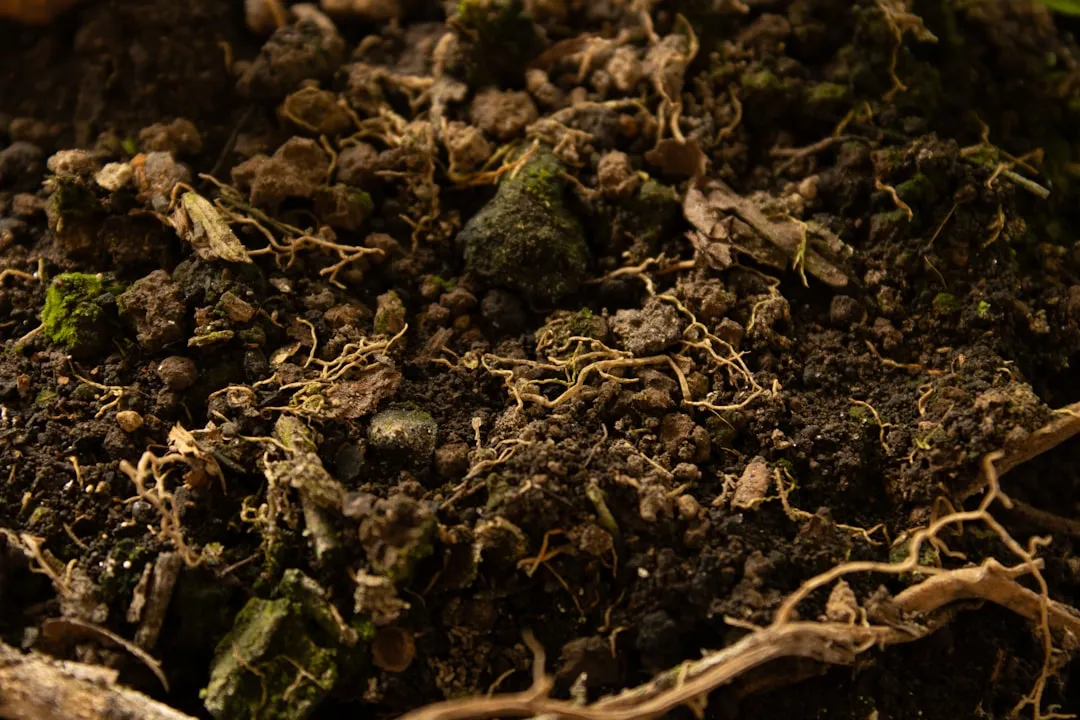
Organic vs. Synthetic Fertilizers for Pest Control
Organic fertilizers — fish emulsion, seaweed extract, bone meal — are nutritionally excellent but can attract or sustain pest populations if over-applied. Fish emulsion in particular has a strong smell that draws fungus gnats. If you use organic feeds, apply them diluted (half the recommended dose) and water them in thoroughly so no residue sits on the surface. Synthetic slow-release granules (like osmocote) are a better choice for pest-sensitive environments because they release nutrients slowly with each watering rather than flooding the soil with organic compounds. According to the USDA, balanced slow-release fertilizers with an NPK ratio near 14-14-14 suit most common houseplants without over-enriching the soil.
Seasonal Fertilizing Calendar
In the Northern Hemisphere, June marks the beginning of peak growing season — this is when plants need feeding most. Apply a diluted balanced fertilizer every 3–4 weeks from June through August. In the Southern Hemisphere, June is mid-winter, and most houseplants are in a slow-growth phase — reduce or stop feeding entirely to avoid nutrient build-up in cold, poorly draining soil. Year-round, avoid fertilizing immediately after repotting into fresh soil — most quality mixes provide sufficient nutrients for 6–8 weeks.
Common Mistakes That Invite Bugs Into Your Soil
Many gardeners find themselves in a frustrating cycle: treat the pests, they come back, treat again. The reason is almost always a soil or watering mistake that nobody talks about. Here are the five most common errors — and how to fix each one.
Mistake 1: Using Garden Soil or Old Potting Mix Indoors
Garden soil is designed for outdoor ecosystems where weather, predators, and UV light keep pest populations in check. Indoors, there are no such controls. Fungal spores, nematode eggs, and soil mites introduced on garden soil can establish themselves within days. Similarly, reusing old potting mix from a previous plant — especially one that had pests — is one of the most common ways to transfer infestations. Always start fresh with sterilised or pasteurised components.
Mistake 2: No Drainage Layer or Blocked Holes
Placing a layer of gravel at the bottom of a pot to ‘improve drainage’ is a myth that has persisted for decades. It actually creates a perched water table — water sits just above the gravel layer, keeping roots waterlogged. Instead, ensure your drainage holes are open and unobstructed. Place a small piece of mesh or a coffee filter over the holes to prevent soil loss without blocking water flow. Then choose a soil mix that drains well throughout its entire depth.
Mistake 3: Leaving Decomposing Leaves on the Soil Surface
Fallen leaves, dead flowers, and spent plant material left sitting on the soil surface decompose and create an organic food source right where fungus gnat larvae feed. Remove debris promptly — this one habit alone can dramatically reduce infestations. Furthermore, trimming off dead plant material also improves airflow around the soil surface, helping it dry faster between waterings.
Seasonal Soil Care: Keeping Bugs Out Year-Round
Pest pressure changes with the seasons — even indoors. Central heating in winter raises temperatures and lowers humidity, creating different conditions than the warm, humid days of summer. The best soil for indoor plants no bugs works differently across seasons, and small adjustments keep your protection consistent year-round. For a complete picture of how seasonal care fits into your broader plant routine, explore our indoor plant care guide — it covers everything from light management to seasonal repotting.
Spring and Summer: Peak Pest Season
Warm months bring higher humidity, faster plant growth — and faster pest reproduction. Fungus gnat populations can double every two weeks in warm conditions. During spring and summer (March–August in the Northern Hemisphere; September–February in Australia and New Zealand), check soil moisture more frequently, refresh the top layer of soil with fresh mix if you spot early signs of gnats, and consider adding a thin top-dressing of sand or diatomaceous earth. Diatomaceous earth — the fossilised shells of tiny aquatic organisms — scratches through insects’ exoskeletons when they crawl across it. It’s non-toxic to humans and pets, and it’s available globally.
Autumn and Winter: Cold-Climate Precautions
In temperate and continental climates (UK, northern Europe, Canada, northern US), winter means reduced light and cooler temperatures. Plants grow more slowly, using less water and nutrients — but central heating keeps indoor temperatures high enough for pests to remain active. Reduce watering frequency significantly in winter. Switch to a drier, more perlite-heavy mix if you’re repotting during colder months. In tropical climates like those across South and Southeast Asia, June marks the monsoon season — indoor humidity spikes dramatically. Increase ventilation around your plants, space pots further apart to improve air circulation, and avoid any fertilizing during the wettest weeks.
Frequently Asked Questions
What is the best soil for indoor plants no bugs?
The best soil for indoor plants no bugs is a well-draining, low-peat mix that dries quickly between waterings. A blend of 40% coco coir, 30% perlite, 20% worm castings, and 10% coarse sand — with 1 teaspoon of neem cake per litre — resists common pests like fungus gnats and soil mites. This mix works across climates, from humid tropical apartments to dry, heated homes in temperate regions.
Why do my indoor plants keep getting bugs even after repotting?
This usually happens because the new potting mix still contains peat, uncomposted bark, or other heavy organic matter that stays wet too long. Even after repotting, if you overwater or use a pot without drainage holes, you recreate the same soggy conditions that pests need. The fix is to switch to a coco coir and perlite-heavy mix, let soil dry between waterings, and add a sand top-dressing to discourage egg-laying on the surface.
Is diatomaceous earth safe to use in indoor plant soil?
Yes. Food-grade diatomaceous earth is safe for humans, pets, and children when used as a soil top-dressing. It works mechanically — tiny fossilised particles scratch through insects' exoskeletons, causing dehydration. It does not harm earthworms or beneficial soil microbes when used in thin surface layers. Avoid inhaling the dust when applying. It's widely available in garden centres across the US, UK, Australia, and online globally.
Can I grow indoor plants in a cold climate and still prevent soil bugs?
Absolutely. In cold climates like Canada, northern Europe, or highland regions, central heating actually creates warm, dry indoor air — which can accelerate soil drying and reduce some pest pressure. However, overwatering in winter is a bigger risk because plants grow slowly and use less water. Use a perlite-heavy mix, water only when the top 2–3 cm of soil is dry, and reduce fertilizing through the cold months to avoid nutrient build-up in slow-draining soil.
Are indoor plants with pest-resistant soil safe for cats and dogs?
The soil mix itself — coco coir, perlite, worm castings, neem cake — is generally non-toxic to pets. However, many common houseplants (pothos, peace lily, philodendron, dracaena) are toxic to cats and dogs regardless of the soil they grow in. Always check the ASPCA Animal Poison Control database for plant-specific toxicity before bringing a new plant into a home with pets. Neem cake has a mild bitter taste that most pets naturally avoid.
How often should I change indoor plant soil to prevent bugs?
Most houseplants benefit from fresh potting mix every 1–2 years. Over time, soil compacts, organic matter breaks down into fine particles that hold more water, and beneficial microbe populations decline. Refreshing the mix gives you a chance to inspect roots for pests, remove any infested material, and start fresh with a clean, pest-resistant blend. Repot in spring (Northern Hemisphere: March–May) when plants have peak energy to recover quickly.
Does neem cake in soil really prevent fungus gnats?
Yes — and it's backed by both traditional practice and modern research. Neem cake contains azadirachtin, a compound that acts as an insect growth regulator, disrupting the larval development of fungus gnats. A 2018 study in the journal Pest Management Science found azadirachtin-based treatments significantly reduced fungus gnat larvae populations in container growing media. Mix at 1 teaspoon per litre of soil at potting time for ongoing protection. It's widely available across South Asia, Southeast Asia, and online globally.
Can I use homemade compost in indoor plant soil without attracting bugs?
You can, but only if the compost is fully mature and properly hot-composted, which kills most pest eggs and pathogens. Fresh or partially composted material is a major pest risk indoors. Limit compost to no more than 10–15% of your total indoor mix, and always pair it with a generous portion of perlite. Worm castings are a safer alternative to compost for indoor use — they provide similar nutrients with a lower pest risk.
Final Thoughts
The path to the best soil for indoor plants no bugs is simpler than it might seem. Start with the right ingredients — coco coir, perlite, worm castings, and neem cake. Match that mix to the right pot with reliable drainage. Water only when the soil actually needs it, not on a fixed schedule. Remove fallen leaves promptly, fertilize sparingly, and refresh your mix every one to two years. These aren’t complicated steps. They’re consistent habits. In my experience, gardeners who make these changes see pest problems drop dramatically within a single growing season — not because they fought the bugs harder, but because they stopped creating the conditions that invite them in the first place. Whether you’re tending a balcony full of monsoon-season tropicals in Singapore, a heated flat in Stockholm, or a sunny windowsill in Cape Town, the principles are the same. Good soil is your best defence. Start there, and everything else gets easier.

