
⏱ 25 min read
Table of Contents
- What Is the Best Soil for Succulents — And Why Does It Matter?
- Key Ingredients in a Perfect Succulent Soil Mix
- What You Need Before You Start
- Step-by-Step Guide: How to Make Your Own Succulent Soil Mix
- Pot and Container Selection
- Watering Schedule for Succulents in the Right Soil
- Fertilizing Succulents Without Overdoing It
- Adapting Your Mix for Different Climates
- Common Mistakes to Avoid
The best soil for succulents isn’t just any potting mix you grab off the shelf — and getting this wrong is the single most common reason these hardy plants die in otherwise careful hands. Succulents can survive drought, neglect, and scorching heat. But put them in the wrong soil, and they’ll rot within weeks. Here’s the counterintuitive truth: succulents don’t die from too little water nearly as often as they die from too much moisture trapped in poor-draining soil. The best soil for succulents drains fast, stays loose, and never stays soggy. Whether you’re growing on a sunny windowsill in Manchester, a rooftop garden in Mumbai, or a sunlit patio in Los Angeles, the soil rules are remarkably consistent. By the end of this guide, you’ll understand exactly what goes into a perfect succulent mix, how to make it yourself, and why your previous attempts may have failed — starting with one ingredient most gardeners overlook completely. If you enjoy growing this plant, you might also find our guide on Indoor Plant Light Requirements very useful.
Quick Highlights
- Discover why fast drainage is the single most critical factor in the best soil for succulents
- Learn the exact ingredient ratios used by professional horticulturists worldwide
- Mix your own succulent soil at home using globally available materials for under $5
- Understand how to adapt your mix for tropical, temperate, arid, and cold climates
- Identify the 5 most common soil mistakes that silently kill succulents
- Follow a step-by-step guide to repotting succulents into the perfect growing medium
Plant Characteristics at a Glance
| Common Name | Succulent Soil Mix |
| Scientific Name | Mix designed for Cactaceae and Crassulaceae family plants |
| Family | Cactaceae / Crassulaceae (primary plant families served by this mix) |
| Origin | Formulated to replicate arid and semi-arid native succulent habitats worldwide |
| Habitat | Rocky hillsides, desert floors, coastal cliffs, dry plateaus |
| Plant Type | Soil medium for perennial succulents and cacti |
| Indoor Plant | Yes — with added perlite (60% inorganic recommended indoors) |
| Outdoor Plant | Yes — standard 50/50 mix for most climates; 70% inorganic in humid regions |
| Leaves | N/A (soil product); suited for fleshy, water-storing succulent leaves |
| Flowers | N/A (soil product); correct mix promotes healthy flowering in succulents |
| Flowering Season | Varies by species; spring–summer for most succulents in optimal soil |
| Fruit | N/A |
| Seeds | Mix suitable for seed germination with extra perlite (70% inorganic) for drainage |
| Roots | Promotes shallow, wide root development typical of succulent root systems |
| Height | N/A (soil medium) |
| Growth Rate | Correct mix supports slow, compact, healthy succulent growth |
| Light Requirements | Indirect bright light to full sun (6+ hours); depends on succulent species |
| Soil Requirements | pH 6.0–7.0; 50–70% inorganic (perlite, coarse sand, pumice); fast-draining |
| Water Requirements | Soak and dry method; every 7–14 days in summer, every 3–6 weeks in winter |
| Temperature Requirements | Most succulents: 10–35°C (50–95°F); avoid frost below 0°C (32°F) for tender species |
| Humidity Requirements | Low to moderate; 10–40% relative humidity ideal; reduce watering in high humidity |
| Propagation | Leaf cuttings, stem cuttings, offsets; use same gritty mix with extra perlite |
| Uses | Potting succulents, cacti, haworthias, aloes, echeverias, sedums, and agaves |
| Medicinal Properties | N/A for soil; many succulents grown in this mix (e.g. Aloe vera) have documented medicinal use |
| Toxicity | Soil mix itself is non-toxic; perlite dust — use a mask when mixing; some succulents may be toxic to pets |
| Cultural Significance | Succulent cultivation is part of Ayurvedic, traditional Chinese, and global folk gardening traditions |
| Common Pests | Soil-dwelling: fungus gnats (indicator of overly wet soil); root mealybugs |
| Common Diseases | Root rot (Pythium, Phytophthora) caused by excess moisture in poorly draining soil |
| Special Care Tips | Never use fine beach sand; avoid gravel bottom layers; refresh mix every 2 years |
| Cultural Practices | Top-dressing with fine gravel or coarse sand is traditional in Japanese succulent cultivation |
| Vastu Direction | East or south-facing windowsill recommended for succulent placement indoors |
Best soil for succulents Names in Different Languages
| English | Succulent Potting Mix / Cactus Soil |
| Mandarin Chinese | 多肉植物土 (Duōròu zhíwù tǔ) |
| Spanish | Sustrato para suculentas |
| Hindi | सक्यूलेंट मिट्टी (Succulent Mitti) |
| Gujarati | સક્યુલન્ટ માટી (Succulent Māṭī) |
| Arabic | تربة النباتات العصارية (Turbat al-Nabātāt al-ʿUṣāriyya) |
| Bengali | সাকুলেন্ট মাটি (Succulent Māṭi) |
| Portuguese | Substrato para suculentas |
| Russian | Грунт для суккулентов (Grunt dlya sukkulentov) |
| Japanese | 多肉植物用土 (Taniku shokubutsu yōdo) |
| Punjabi | ਸੁਕੂਲੈਂਟ ਮਿੱਟੀ (Succulent Miṭṭī) |
| German | Sukkulentenerde |
| Javanese | Lemah kanggo tanaman sukulen |
| Korean | 다육식물 흙 (Dayuk singmul heuk) |
| French | Terreau pour succulentes |
| Telugu | సక్యులెంట్ మట్టి (Succulent Maṭṭi) |
| Marathi | सक्युलंट माती (Succulent Māti) |
| Tamil | சதைப்பற்றுள்ள தாவர மண் (Cataipaṟṟuḷḷa Tāvara Maṇ) |
| Urdu | سکیولنٹ مٹی (Succulent Mitti) |
| Turkish | Sukulent toprağı |
| Vietnamese | Đất trồng cây mọng nước |
What Is the Best Soil for Succulents — And Why Does It Matter?
Succulents evolved in some of the world’s harshest environments — rocky hillsides in South Africa, sandy desert floors in Mexico, and coastal cliffs in the Canary Islands. In all these places, one thing was constant: the soil drains almost instantly after rain. It never holds moisture for long. So when we grow succulents at home, we need to replicate that environment as closely as possible. The best soil for succulents is one that allows water to flow through quickly, holds very little moisture between watering sessions, and stays loose enough to let roots breathe. Standard potting compost — even premium brands — holds far too much water for succulents. It’s designed for thirsty plants like tomatoes or ferns. Put a succulent in it, and root rot sets in within a few weeks, often invisibly until it’s too late. According to Kew Gardens, succulents and cacti require a substrate with at least 50% inorganic material to ensure adequate aeration and drainage. That’s your starting benchmark. Think of good succulent soil as ‘barely soil at all’ — more grit than dirt, more mineral than organic. Once you understand that, everything else clicks into place.
What Makes Soil 'Well-Draining'?
Well-draining soil simply means water moves through it quickly — ideally within 1 to 2 seconds per inch of depth — rather than sitting in the root zone. You can test this yourself. Fill a pot with your mix, water it thoroughly, and watch what happens. If water pools on the surface for more than 5 seconds before soaking in, the soil is too dense. The key is particle size. Large, irregular particles create air pockets between them. Water flows through these gaps instead of being held in place. Fine, silty, or clay-heavy soils have tiny particles that pack tightly, trapping water. That’s exactly what succulents can’t tolerate. If you enjoy growing this plant, you might also find our guide on Overwatering vs Underwatering Plants very useful.
Does pH Matter for Succulent Soil?
Yes — though it’s often overlooked. Succulents prefer a slightly acidic to neutral pH, ideally between 6.0 and 7.0. Most well-made succulent mixes naturally fall in this range. However, if you’re using local materials like beach sand or certain composts, it’s worth testing. The USDA recommends using a simple soil pH meter, available at most garden centres globally for around $10–$15 (£8–£12, ₹800–₹1,200). Soil that’s too alkaline — above 7.5 — can lock out nutrients like iron and manganese, causing yellowing even in well-watered plants.
Key Ingredients in a Perfect Succulent Soil Mix
There are two broad categories of ingredients in a great succulent mix: organic material and inorganic (mineral) material. Organic material provides a small amount of nutrients and helps the mix hold just enough moisture for roots to absorb. Inorganic material provides drainage, aeration, and structure. The golden ratio most professional horticulturists recommend is roughly 50% inorganic to 50% organic — though in hot, humid climates, many experienced growers push this to 70% inorganic to prevent fungal issues during wet seasons. In my experience, erring on the side of more grit almost always produces healthier succulents than going heavier on compost. For more tips, check out our detailed article on Lithops Care Indoor Humidity.
Best Organic Ingredients
Coco coir is currently the most popular organic base material worldwide — it’s sustainable, pH-neutral, and widely available in compressed bricks for around $3–$6 (£2–£5, ₹250–₹500). It breaks down more slowly than peat moss and doesn’t compact as severely. Peat moss works too, though it’s less eco-friendly and can become hydrophobic when it dries out completely. Coarse potting compost is another option — just make sure it doesn’t contain added moisture-retaining gels or water crystals, which are marketing tools designed for exactly the opposite of what succulents need. For more tips, check out our detailed article on Monstera Plant Indoor Care Mistakes.
Best Inorganic Ingredients
Perlite is the gold standard. Those small white balls you see in commercial mixes are volcanic glass, heated until they puff up like popcorn. They’re incredibly lightweight, don’t decompose, and create excellent air pockets. Coarse horticultural grit or coarse sand — not fine beach sand — is equally important. Fine sand actually makes drainage worse by filling in the gaps between organic particles. Pumice is another excellent option, especially popular among succulent enthusiasts in California and Australia. It’s heavier than perlite but retains its structure longer. Turface or calcined clay (sold under brand names like Akadama in Japan) is beloved by bonsai and cactus growers for its ability to absorb and release moisture in a controlled way.
What You Need Before You Start
Before you mix anything, it helps to gather all your materials in one place. This process is genuinely simple — it takes about 15 minutes once you have everything ready. You don’t need specialist equipment. Most of what follows is available at any garden centre, home improvement store, or online retailer worldwide.
Ingredients Checklist
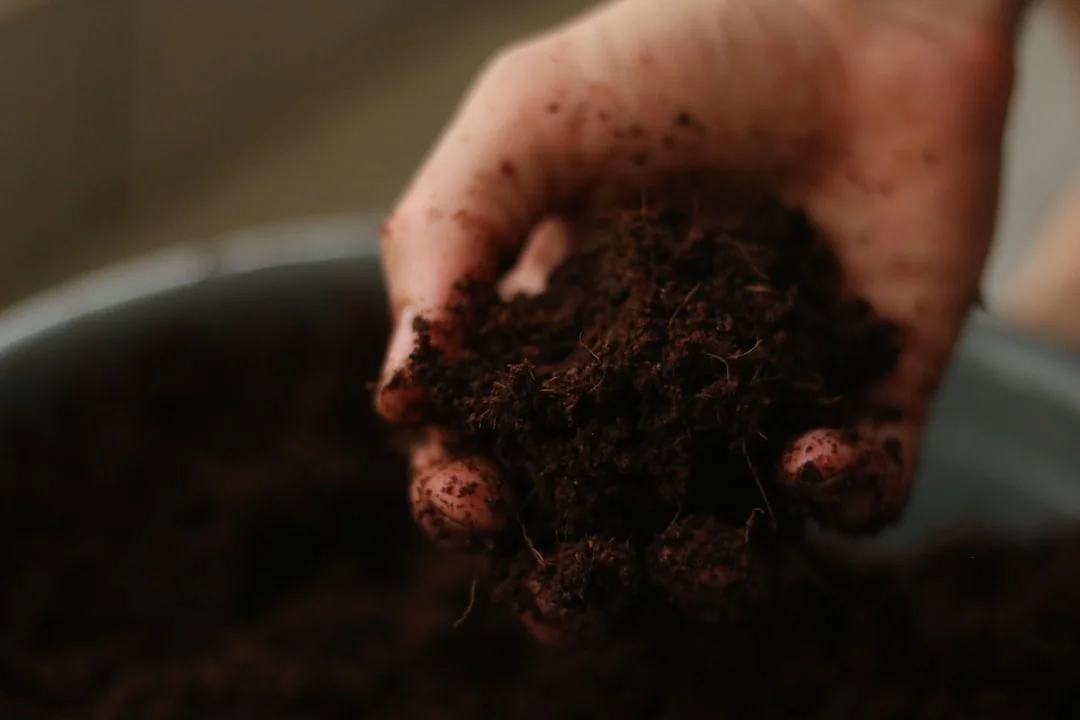
You’ll need: coarse potting compost or coco coir (the organic base), perlite (primary drainage agent), coarse horticultural sand or fine gravel (secondary drainage and weight), and optionally pumice or turface for improved aeration. For a basic 1-litre batch — enough for 3 to 4 small succulents — you need roughly 400ml of organic base, 300ml of perlite, and 300ml of coarse sand. Scale this up linearly for larger batches. For more tips, check out our detailed article on how to water succulents correctly.
Tools and Equipment
You’ll need a mixing container (a large plastic bowl or bucket works perfectly), a trowel or large spoon, a sieve or mesh (optional, but useful for removing overly fine particles from sand), and clean pots with drainage holes. Never skip the drainage holes — even the best soil mix in the world can’t compensate for a sealed pot with no way for water to escape. According to the RHS, pots without drainage holes are the leading cause of houseplant death globally, not just for succulents.
Step-by-Step Guide: How to Make Your Own Succulent Soil Mix
Making your own mix gives you complete control over drainage, pH, and texture. It's also significantly cheaper than buying pre-made succulent soil, especially if you're potting up a large collection. Many gardeners find that once they've made their own mix, they never go back to commercial blends. Here's exactly how to do it, step by step.
- Adjusting Ratios for Climate
If you live in a high-humidity tropical climate — like Singapore, coastal Kerala, or Queensland, Australia — push your inorganic content up to 60–70%. The ambient moisture in the air means your soil stays damp longer even if you water sparingly. In dry continental climates like the US Midwest or central Europe, the standard 50/50 split works well. In arid climates like the UAE or parts of California during summer, you can be slightly more generous with organic material since the heat pulls moisture out of the soil very quickly.
Pot and Container Selection
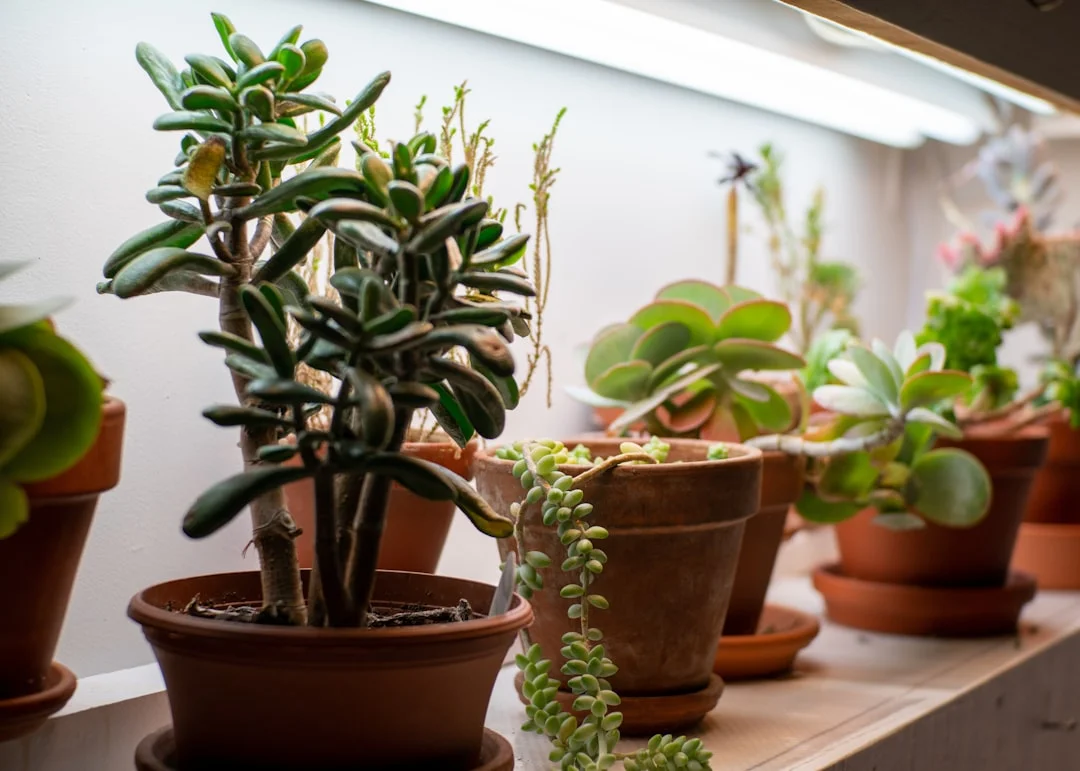
Even the best soil for succulents can’t perform well in the wrong pot. Pot material makes a genuine difference to how quickly soil dries out — and therefore how often you need to water. Terracotta pots are the classic choice, and for good reason. They’re porous, which means moisture evaporates through the walls as well as from the surface. This significantly reduces the risk of overwatering. Many growers in humid climates — from Mumbai to Florida — swear by terracotta for exactly this reason. Plastic pots retain moisture longer, which can be useful in very dry or arid climates where soil dries out almost immediately. However, in humid or temperate environments, plastic dramatically increases the risk of root rot. Glazed ceramic pots fall somewhere in between — they’re less porous than unglazed terracotta but more breathable than plastic. Whatever pot you choose, drainage holes are non-negotiable. If you love the look of a decorative pot without holes, use it as a cachepot — place the succulent in a smaller terracotta pot inside the decorative one, and remove it for watering.
Pot Size Matters More Than You Think
Many gardeners instinctively reach for larger pots, thinking more space means more room to grow. With succulents, the opposite is true. Oversized pots hold more soil, which holds more water, which stays wet longer. A pot that’s just 1–2cm (about ½–1 inch) larger than the root ball is ideal. This gives roots room to expand without leaving large volumes of constantly wet soil around them. For most small succulents, a 7–10cm (3–4 inch) pot is appropriate.
Watering Schedule for Succulents in the Right Soil
Here’s the thing — once you have the best soil for succulents in place, watering becomes much easier and more forgiving. Good-draining soil doesn’t allow mistakes to linger. A correct watering schedule for succulents follows a simple principle: water deeply and infrequently. Drench the soil thoroughly until water runs out of the drainage holes, then wait until the soil is completely dry before watering again. In summer — whether that’s June in London or December in Sydney — this typically means watering every 7 to 14 days. In winter, many succulents go semi-dormant and need water only once every 3 to 6 weeks. The ‘soak and dry’ method is widely regarded as best practice. Avoid light, frequent sips of water — these encourage shallow roots and keep the top layer of soil perpetually damp, which is exactly the wrong environment. Many gardeners find the finger test reliable: push your finger 2cm (about 1 inch) into the soil. If it feels even slightly damp, wait. Water only when it’s completely dry at that depth.
Seasonal Watering Adjustments
June marks the beginning of summer in the Northern Hemisphere — a period of active growth for most succulents. During this time, watering every 7–10 days is appropriate for most species in a well-draining mix. However, gardeners in monsoon-affected regions like western India, Bangladesh, or Southeast Asia should reduce watering significantly during June–September, since ambient humidity and rainfall will do much of the work. In the Southern Hemisphere, June is early winter — succulents in Melbourne or Cape Town should receive water only once every 3–4 weeks at this time of year.
Fertilizing Succulents Without Overdoing It
Succulents are light feeders. In their native habitats, they grow in nutrient-poor, rocky soils and have adapted to thrive with very little fertilizer input. Overfeeding is a genuine problem — it causes rapid, weak, etiolated growth that looks lush but collapses easily and becomes susceptible to pests. The best approach is to fertilize sparingly during the active growing season only. A balanced liquid fertilizer diluted to half the recommended strength, applied once a month during spring and summer, is more than sufficient. Look for fertilizers with an NPK ratio close to 5-10-10 or 2-7-7 — lower nitrogen, higher phosphorus and potassium. High-nitrogen fertilizers push leafy growth, which succulents don’t need and can’t handle well. Furthermore, avoid fertilizing during autumn and winter when most succulents slow down. Feeding a dormant plant only leads to nutrient buildup in the soil, which can damage roots. Many gardeners find that succulents grown in a well-made mix with fresh organic material don’t need fertilizing at all during their first year.
Organic Fertilizer Options
If you prefer organic feeding, worm castings are an excellent gentle option. Mix a small amount — no more than 10% by volume — into your soil at the time of potting. They release nutrients slowly and won’t burn roots. Diluted liquid seaweed extract is another globally popular choice, particularly in the UK and Australia, where it’s widely available. It provides trace minerals without overloading nitrogen. Fish emulsion works similarly but has a strong odour that makes it less suitable for indoor use.
Adapting Your Mix for Different Climates
One of the most important — and least discussed — aspects of the best soil for succulents is how to adapt it for your specific climate. A mix that works brilliantly in a dry Arizona garden may cause root rot in a humid Singapore apartment. Climate adaptation is where experienced succulent growers really separate themselves from beginners. In tropical and subtropical climates (India, Southeast Asia, Central America, coastal Australia), humidity is consistently high. Soil stays damp for longer even with good drainage. In these regions, increase your inorganic content to 60–70%, choose terracotta pots, and keep succulents in areas with excellent airflow. Avoid enclosed glass terrariums entirely. In temperate climates (UK, Pacific Northwest USA, New Zealand, central Europe), summers are mild and winters are cold and damp. Succulents grown outdoors in these regions need sharply draining soil with even more grit — up to 70% inorganic in winter. Raise pots off the ground to prevent waterlogging. In Mediterranean and arid climates (California, southern Spain, the UAE, western Australia), heat pulls moisture from soil rapidly. A 50/50 mix works well, and you may even add a thin layer of fine gravel as a top dressing to reduce surface evaporation. In cold continental climates (Canada, northern Europe, northern China), most succulents need to come indoors for winter. Indoors, soil dries more slowly due to lower light and cooler temperatures — reduce watering significantly and consider switching to an even grittier mix for the indoor season.
Indoor Succulent Soil Considerations
Indoor succulents face a particular challenge: less light means slower photosynthesis, which means the plant uses water more slowly. Soil that drains correctly outdoors may still stay too damp indoors. As a general rule, add an extra 10% perlite to any mix you plan to use for indoor succulents. Place them in the brightest spot available — ideally within 30cm (12 inches) of a south-facing window in the Northern Hemisphere. If natural light is limited, a grow light set to 12–14 hours per day makes a significant difference, especially through winter months in northern latitudes.
Common Mistakes to Avoid
Even experienced gardeners make mistakes with succulent soil. Knowing what to watch for can save a plant before it’s too late. The most widespread error is using standard potting compost straight from the bag. It seems logical — it’s labelled ‘all-purpose’ after all — but most commercial composts are designed to retain moisture, which is the exact opposite of what succulents need. Always amend it with at least 50% inorganic material before use. The second big mistake is using fine sand. It seems gritty and drainage-friendly, but fine sand particles are too small. They fill in the gaps between larger particles, effectively making the mix denser and more water-retentive than plain compost alone. Always use coarse horticultural sand or fine gravel. A quick tip here: rub a pinch of your sand between your fingers. If it feels silky-smooth, it’s too fine. It should feel scratchy and irregular. The third mistake — and this one surprises many people — is adding a gravel layer at the bottom of the pot. This is a common piece of folk gardening wisdom that the science simply doesn’t support. A gravel layer actually creates a ‘perched water table’ effect: water pools just above the gravel, staying in the root zone longer than it would without the layer. For the best soil for succulents, use consistent mix from bottom to top of the pot.
Signs Your Soil Mix Is Wrong
Watch your plants carefully after repotting. If leaves become soft, translucent, or mushy — especially at the base — the soil is retaining too much moisture and root rot may be developing. If the soil surface stays visibly wet for more than 2 days after watering, your mix needs more inorganic material. On the other hand, if leaves shrivel and wrinkle despite regular watering, the mix may be too gritty and water is flowing through before roots can absorb it. In this case, add a small amount more organic material to increase moisture retention slightly. According to NIH research on plant stress responses, early intervention — repotting into corrected soil — is effective in reversing root rot damage if caught within the first 2 weeks.
Frequently Asked Questions
What is the best soil for succulents indoors?
The best soil for succulents indoors is a fast-draining mix of roughly 50–60% inorganic material (perlite, coarse sand, or pumice) and 40–50% organic base (coco coir or potting compost). Indoors, light levels are lower and soil dries more slowly, so lean toward the grittier end of the ratio. Add an extra 10% perlite compared to an outdoor mix, and always use pots with drainage holes. Avoid commercial 'moisture-retaining' mixes entirely — they're designed for plants that are very different from succulents.
Can I use regular potting soil for succulents?
You can use regular potting soil, but only if you amend it heavily. Standard potting compost retains far too much moisture on its own and will cause root rot in succulents within weeks. Mix it 50/50 with perlite and coarse horticultural sand before use. Even then, a purpose-made mix or a DIY blend from scratch is a better long-term choice. Many commercial 'cactus mixes' sold globally are also too moisture-retentive — check the label and add perlite if needed.
How often should I replace succulent soil?
Refresh your succulent soil every 2 years. Over time, organic material in the mix breaks down and compacts, reducing drainage. Mineral salts from tap water and fertilizer also build up, which can damage roots. Repotting into fresh mix every 2 years (or when the plant becomes root-bound) keeps your succulents in optimal condition. Signs you need to repot sooner include water that pools and drains slowly, or roots visibly growing out of the drainage holes.
Is succulent soil safe for pets?
The soil mix itself — perlite, sand, coco coir, compost — is generally non-toxic to pets. However, inhaling dry perlite dust can irritate airways, so keep pets away during mixing. The bigger concern is the succulents planted in the soil. Some common succulents are toxic to cats and dogs — notably Euphorbia species and Kalanchoe. Always check the specific plant's toxicity. The ASPCA's plant toxicity database is a reliable global reference for pet owners.
What sand is best for a succulent soil mix?
Always use coarse horticultural sand or coarse builder's sand — never fine beach sand or play sand. Fine sand has tiny, smooth particles that pack tightly and actually reduce drainage rather than improving it. Coarse sand has irregular, angular particles that create air gaps in the mix. You can test your sand by rubbing it between your fingers — it should feel scratchy, not silky. Horticultural grit (2–4mm particle size) is an excellent alternative where coarse sand isn't available.
Can I make succulent soil mix in a cold climate like Canada or the UK?
Absolutely. The best soil for succulents is the same fundamental formula regardless of climate — fast-draining, gritty, and inorganic-heavy. In cold climates, the key adaptation is bringing succulents indoors for winter and reducing watering significantly since soil dries more slowly in lower temperatures and light. Indoors during a UK or Canadian winter, you may only need to water once every 4–6 weeks. The soil mix itself doesn't change — your watering frequency does.
Does the type of succulent affect what soil I should use?
Slightly. Most succulents and cacti thrive in the same basic fast-draining mix. However, jungle cacti — like Christmas cactus (Schlumbergera) or orchid cacti (Epiphyllum) — are exceptions. These originate from humid forest environments and need more organic material: a 60% organic, 40% inorganic mix suits them better. For desert cacti and most rosette-forming succulents (echeveria, sedum, haworthia), stick with the standard 50/50 or grittier formula.
Why does my succulent soil stay wet for days even with a drainage hole?
If your soil stays wet for more than 2 days after watering, the mix has too much organic material or the particles are too fine. This is the most common cause of root rot in home-grown succulents. The fix is simple: repot into a grittier mix with more perlite or coarse sand. Also check that the drainage hole isn't blocked by compacted soil or a mesh that's too fine. For succulents grown in humid climates, increase inorganic content to 60–70% to compensate for slower evaporation.
Final Thoughts
Getting the best soil for succulents right is genuinely transformative. These plants are remarkably forgiving of neglect, irregular watering, and even occasional cold snaps — but they can’t survive the slow suffocation of waterlogged roots in dense, moisture-retaining soil. The good news is that making or choosing the right mix is simple once you know the principles: fast drainage, plenty of inorganic material, the right pot, and a watering schedule that respects the plant’s natural rhythm. Whether you’re in a humid tropical city, a cool northern apartment, or a sun-baked Mediterranean garden, the core formula stays the same — only the ratios shift. Start with a 50/50 blend of coco coir and perlite, adjust based on your climate, and watch how differently your succulents behave. For broader care guidance across all your indoor plants, the complete indoor plant care guide at Leafy Care is an excellent next step. Your succulents are tougher than you think — give them the right soil, and they’ll prove it.

