
⏱ 24 min read
Table of Contents
- What Is Baby Toes Succulent? A Quick Overview
- Baby Toes Succulent at a Glance: Characteristics Table
- What You Need Before You Start Propagating
- Baby Toes Succulent Propagation: Step-by-Step Guide
- Soil and Pot Selection for Successful Propagation
- Watering Schedule After Propagation
- Fertilizing Your New Baby Toes Plants
- Common Mistakes That Kill Baby Toes Propagations
- Frequently Asked Questions
Baby toes succulent propagation is easier than most people think — but only if you understand one critical detail most guides skip entirely. Fenestraria aurantiaca, the plant nicknamed ‘baby toes’ for its tiny, finger-like translucent leaves, propagates best through offsets, not leaf cuttings. That surprises nearly every new grower who tries the standard succulent method and wonders why nothing works. This guide covers every proven baby toes succulent propagation method — offsets, seeds, and division — with step-by-step instructions that work whether you’re growing in a sunny windowsill in London, a hot balcony in Dubai, or a garden bed in California. By the end, you’ll know exactly why your previous attempts may have failed, which propagation timing gives the highest success rate, and one soil secret that makes all the difference. Let’s start from the very beginning. If you enjoy growing this plant, you might also find our guide on How to Care for Monstera Plant very useful.
Quick Highlights
- Discover why offset division is the most reliable baby toes succulent propagation method for beginners worldwide
- Learn the exact soil mix ratio that prevents root rot in humid tropical and temperate climates
- Follow a clear 8-step propagation process with timing tips for every season and climate zone
- Understand the common watering mistakes that kill new propagations before they ever root
- Identify the best light conditions for rooting baby toes offsets indoors and outdoors globally
- Avoid the top 5 propagation errors that even experienced succulent growers make repeatedly
Plant Characteristics at a Glance
| Common Name | Baby Toes Succulent, Window Plant |
| Scientific Name | Fenestraria aurantiaca |
| Family | Aizoaceae (Ice Plant family) |
| Origin | Coastal Namaqualand, Namibia and South Africa |
| Habitat | Coastal desert quartz fields; hot, arid, low-rainfall environments with sandy-gritty substrate |
| Plant Type | Dwarf clustering succulent (mesemb); perennial |
| Indoor Plant | Yes — excellent on sunny windowsills; widely grown as a houseplant globally |
| Outdoor Plant | Yes in USDA zones 10–11 (RHS H1c); frost-free climates only; best in sheltered rockeries or raised beds |
| Leaves | Cylindrical, club-shaped, translucent-tipped 'windows'; grey-green; 2–4 cm long; grow in tight clusters |
| Flowers | Daisy-like, golden-yellow to orange (F. aurantiaca) or white (F. rhopalophylla); 3–4 cm diameter |
| Flowering Season | Late summer to autumn (August–October Northern Hemisphere; February–April Southern Hemisphere) |
| Fruit | Small, multi-chambered seed capsule; opens when wet (hygrochastic mechanism) |
| Seeds | Tiny, brown; require surface sowing on gritty mix; germinate at 18–24°C (64–75°F) |
| Roots | Fine, fibrous shallow roots; highly sensitive to overwatering and compacted or rich soil |
| Height | 3–8 cm (1–3 inches); spreading clump to 15–20 cm (6–8 inches) wide over time |
| Growth Rate | Slow; expect 2–3 years from seed to flowering; offsets establish in 6–12 weeks |
| Light Requirements | Full sun to bright indirect light; minimum 4–6 hours of direct sun daily for best health |
| Soil Requirements | Extremely well-draining gritty mix; pH 6.5–7.5; very low organic matter; avoid moisture-retentive composts |
| Water Requirements | Very low; water deeply then allow to dry completely; reduce significantly in summer dormancy |
| Temperature Requirements | Ideal: 18–28°C (64–82°F); tolerates up to 40°C (104°F) in dry conditions; cold minimum: 5°C (41°F); not frost-hardy |
| Humidity Requirements | Low; prefers dry air; in humid tropical climates, extra drainage and airflow are essential |
| Propagation | Offset division (best); seed propagation; occasional leaf cutting (low success rate) |
| Uses | Ornamental houseplant and rockery specimen; collector's plant; educational use demonstrating fenestration adaptation |
| Medicinal Properties | No established medicinal use in Ayurveda, TCM, or Western herbalism; not used therapeutically |
| Toxicity | Generally considered non-toxic to humans; mildly toxic to cats and dogs if ingested in large quantities — keep away from pets as a precaution |
| Cultural Significance | Popular in Japanese succulent collections (taniku shokubutsu culture); widely shown in European cactus society exhibitions; native range protected in Namibia |
| Common Pests | Mealybugs, fungus gnats (in overly moist soil), spider mites in hot dry indoor environments |
| Common Diseases | Root rot (most common; caused by overwatering); fungal crown rot in high humidity; very disease-resistant when conditions are correct |
| Special Care Tips | Never bury leaves; allow soil to dry completely between waterings; repot only when severely rootbound; reduce water in summer |
| Cultural Practices | Remove spent flowers to encourage repeat blooming; divide congested clumps every 3–4 years; top-dress with grit to mimic natural habitat |
| Vastu Direction | East or south-facing windowsill recommended for maximum light; symbolically associated with patience and slow growth in some collector traditions |
Baby toes succulent propagation Names in Different Languages
| English | Baby Toes Succulent / Window Plant |
| Mandarin Chinese | 婴儿脚趾 (Yīng'ér jiǎozhǐ) |
| Spanish | Dedos de bebé / Planta ventana |
| Hindi | बेबी टोज़ सक्युलेंट (Baby Toes Succulent) |
| Gujarati | બેબી ટોઝ સક્યુલન્ટ (Baby Toes Sukulent) |
| Arabic | نبات أصابع الطفل (Nabāt aṣābi' al-ṭifl) |
| Bengali | বেবি টোস সাকুলেন্ট (Baby Toes Sakulenta) |
| Portuguese | Dedos de bebê / Planta janela |
| Russian | Фенестрария (Fenestraria) / «Пальчики» |
| Japanese | フェネストラリア / 天窓草 (Tenmadesō) |
| Punjabi | ਬੇਬੀ ਟੋਜ਼ ਸਕੁਲੈਂਟ (Baby Toes Sukulent) |
| German | Fensterpflanze / Babyzehen-Sukkulente |
| Javanese | Tanduran Driji Bayi (Baby Toes Plant) |
| Korean | 아기 발가락 다육이 (Agi balgarak da-yugi) |
| French | Plante fenêtre / Doigts de bébé |
| Telugu | బేబీ టోస్ సక్యులెంట్ (Baby Toes Sakyulent) |
| Marathi | बेबी टोज सक्युलेंट (Baby Toes Sakyulent) |
| Tamil | பேபி டோஸ் சதைப்பற்றுள்ள தாவரம் (Pēpi Ṭōs Catai) |
| Urdu | بیبی ٹوز پلانٹ (Baby Toes Plant) |
| Turkish | Bebek Parmağı Sukülenti |
| Vietnamese | Cây ngón chân em bé |
What Is Baby Toes Succulent? A Quick Overview
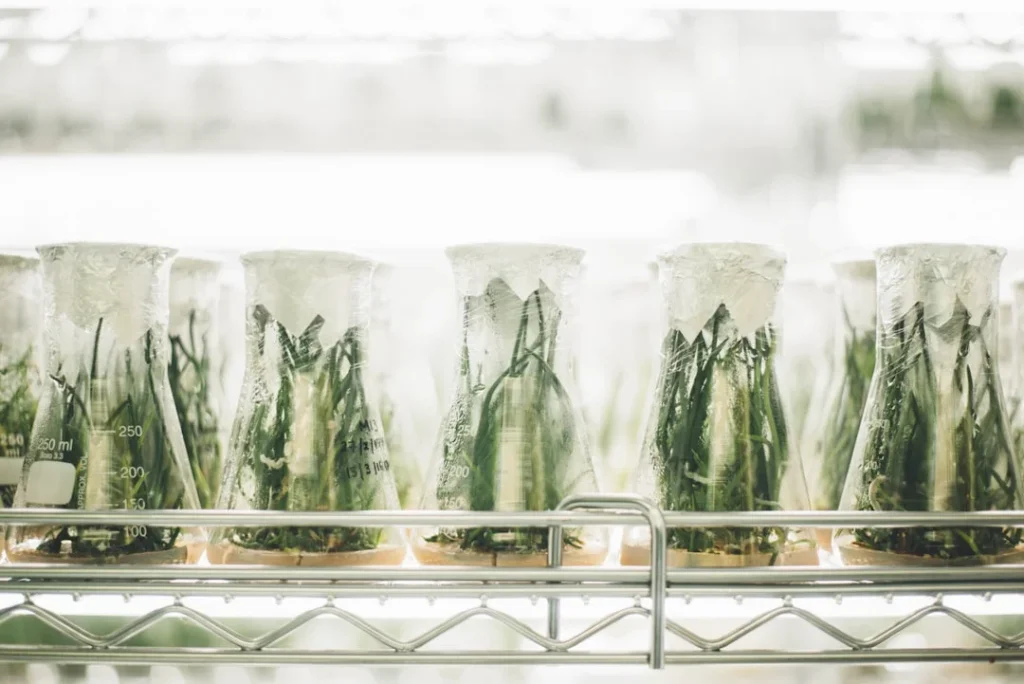
Fenestraria aurantiaca is a small, clustering succulent native to the coastal desert regions of Namibia and South Africa — one of the most arid environments on earth. It belongs to the Aizoaceae family, closely related to lithops and other ‘living stones.’ Its common name comes from those stubby, cylindrical leaves that genuinely do resemble a row of tiny toes poking out of the sand. Each leaf tip is translucent, forming a natural ‘window’ that channels light down into the leaf interior for photosynthesis — a feature botanists call fenestration, and the reason the genus name Fenestraria literally means ‘window plant.’ According to Kew Gardens, this adaptation evolved specifically for plants that grow almost entirely buried in sand, with only the leaf tips exposed to sunlight. That buried-in-sand habit is also the reason why baby toes succulent propagation behaves differently from most other succulents. Understanding this origin story isn’t just interesting — it directly affects how you pot, water, and propagate this plant successfully. Get that context wrong, and even a healthy offset will rot within two weeks.
Where Does It Grow Naturally — and Why Does That Matter?
In its native Namibian habitat, Fenestraria aurantiaca grows in quartz gravel and coarse sand with almost zero organic matter. Rainfall is rare, humidity is low, and temperatures swing dramatically between day and night. This extreme background explains everything: it needs gritty, fast-draining soil; deep but infrequent watering; and very bright light. In cultivation across the world — from greenhouse collections in the UK to sunny balconies in Southeast Asia — the plants that fail are almost always in soil that’s too rich or pots that hold too much moisture. That single mismatch kills more baby toes than any other cause. If you enjoy growing this plant, you might also find our guide on how to treat root rot in succulents very useful.
Is It the Same as Fenestraria rhopalophylla?
You’ll sometimes see baby toes sold under the name Fenestraria rhopalophylla, which produces white flowers rather than the orange-yellow blooms of F. aurantiaca. Both species propagate identically, so every technique in this guide applies to both. The USDA PLANTS Database recognises both as separate species within the same genus. For the purposes of baby toes succulent propagation, treat them as interchangeable.
Baby Toes Succulent at a Glance: Characteristics Table
Before diving into the how-to, it helps to have all the key facts in one place. The table below gives you a complete reference snapshot — from hardiness zones to toxicity — so you can check at a glance whether your growing conditions are suitable. Gardeners in temperate climates like the UK and northern US will notice the cold-sensitivity rating immediately: this plant won’t survive outdoor frost. That matters a lot when you’re planning where to root your new propagations. If you enjoy growing this plant, you might also find our guide on how to treat root rot in succulents very useful.
What You Need Before You Start Propagating
Good baby toes succulent propagation starts before you even touch the plant. Having the right tools and materials ready means less stress on the cuttings and a much higher success rate. In my experience, the biggest reason propagation fails isn’t technique — it’s using the wrong soil or potting into containers that hold moisture far too long. Here’s exactly what to gather before you begin. Many gardeners who grow this plant also love to read about Peperomia Plant Indoor Care.
Tools and Materials Checklist
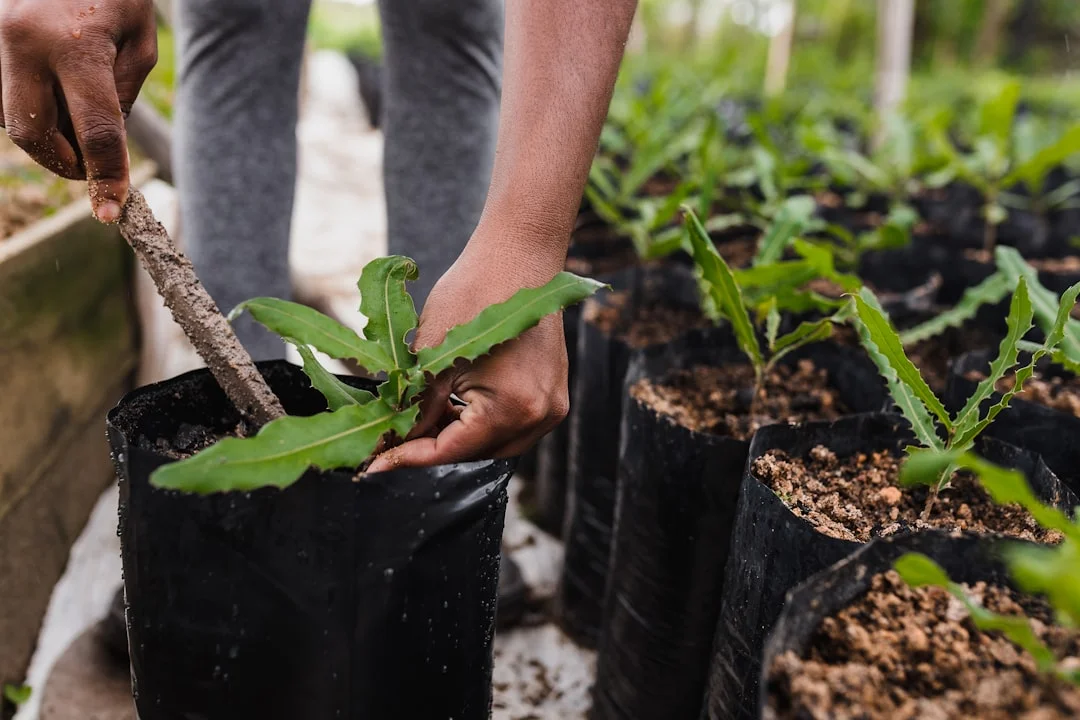
You’ll need: a clean, sharp knife or pair of fine scissors (sterilised with rubbing alcohol); small terracotta pots or shallow trays with drainage holes; a very gritty succulent or cactus mix (ideally 50% inorganic grit); coarse sand or perlite to amend the mix further; a spray bottle for misting; and a dry, warm spot with bright indirect light. Terracotta is strongly preferred over plastic because it wicks away excess moisture — critical for a desert plant whose roots have no tolerance for sitting wet. Globally, brands like Miracle-Gro Cactus Mix (US/UK/Australia) or any mix labelled ‘cactus and succulent’ work well as a base, but always add extra perlite at a 1:1 ratio. Many gardeners who grow this plant also love to read about how to treat root rot in succulents.
Timing: When Is the Best Season to Propagate?
Technically, baby toes succulent propagation can happen year-round if you’re growing indoors with stable temperatures. However, the highest success rate comes in late spring or early summer — March to June in the Northern Hemisphere, September to November in Australia and southern Africa. In June specifically (the current month), growers in the Northern Hemisphere are in a perfect window: temperatures are warm, light levels are high, and the plant is in active growth. Gardeners in tropical climates like Singapore, Mumbai, or Lagos can propagate almost any time, although avoiding the wettest monsoon months reduces the risk of fungal rot on new roots.
Baby Toes Succulent Propagation: Step-by-Step Guide
There are three methods of baby toes succulent propagation: offset division (the most reliable), seed propagation (slow but rewarding), and — technically possible but rarely successful — individual leaf cuttings. We'll cover all three, starting with the method that works best for almost every grower. A quick note before you begin: unlike most succulents, baby toes does NOT propagate easily from individual leaves. The leaf structure doesn't store enough reserve energy to generate new roots. Offset division is where you should focus your efforts first. According to the [RHS](https://www.rhs.org.uk/), dividing clustered succulents during active growth periods yields the best results — and that applies perfectly here.
- Method 1 — Offset Division (Recommended)
Offset division is the gold standard for baby toes succulent propagation. As the plant matures, it naturally forms dense clumps of multiple rosettes or 'pups.' These offsets share the parent root system until you separate them. The key is to remove them cleanly, allow the wound to callous for 2–3 days, then pot into dry gritty mix and wait before watering. This callous step is non-negotiable — skipping it almost guarantees rot. Full step-by-step instructions are in the How-To section below.
- Method 2 — Seed Propagation
Seed propagation is slower — expect 2 to 3 years before plants reach a display-worthy size — but it's a genuinely satisfying process and the only way to produce large numbers of plants at once. Baby toes seeds are tiny and need surface-sowing on a moist, fine grit mix. Maintain temperatures between 18–24°C (64–75°F) and keep the surface just barely moist under a clear propagator lid or cling film until germination, which typically takes 2–4 weeks. Many gardeners find this method meditative, and it's particularly popular in the Netherlands, Japan, and South Korea where succulent cultivation is a serious hobby.
- Method 3 — Leaf Cuttings (Low Success Rate)
Honestly, leaf cuttings are worth attempting only if you're curious rather than committed to results. Unlike echeverias or sedums, Fenestraria leaves don't callous and root reliably. However, if you do try: remove a healthy leaf as close to the base as possible, let it dry for 3 days, lay it on dry gritty mix, and mist lightly every few days. In a warm, bright spot, a small percentage may produce a tiny offset at the base over 6–10 weeks. Don't count on it — but it's a low-cost experiment while you wait for your offset divisions to root.
Soil and Pot Selection for Successful Propagation
This is where most baby toes succulent propagation attempts quietly fail. The plant is genuinely intolerant of moisture-retaining soil. Standard potting compost — even labelled ‘succulent mix’ — is often too rich and water-retentive for this species. A reliable mix for global use: 50% coarse horticultural grit or poultry grit, 30% perlite, and 20% good-quality cactus compost. This creates a fast-draining, low-nutrient medium that closely mimics Namibian quartz soil. Furthermore, pot size matters enormously. New offsets should go into very small pots — a 5–7cm (2–3 inch) diameter terracotta pot per cluster is ideal. Oversized pots hold too much moisture around immature roots.
Pot Material Comparison
Terracotta is the clear winner for newly propagated baby toes. It breathes, wicks moisture, and dries out between waterings the way this plant’s root zone needs. Plastic pots retain moisture far longer — acceptable for established plants in very arid climates like Phoenix, Arizona, or Riyadh, but risky for new propagations anywhere. Glazed ceramic sits in the middle: decorative but slower to dry than unglazed terracotta. In humid tropical climates (Bangkok, Chennai, Singapore), terracotta is non-negotiable for new propagations.
Should You Add a Top Dressing?
Yes — and it’s more than cosmetic. A thin layer of coarse sand or fine gravel on top of the soil surface helps regulate moisture at the base of the leaves, prevents mud splash during watering, and reduces fungal risk. In humid climates, this top dressing makes a measurable difference to the health of newly rooted offsets. Use grit that closely matches the natural quartz pebble surface of the plant’s native Namibian habitat. A 1–2cm (0.5 inch) layer is enough.
Watering Schedule After Propagation
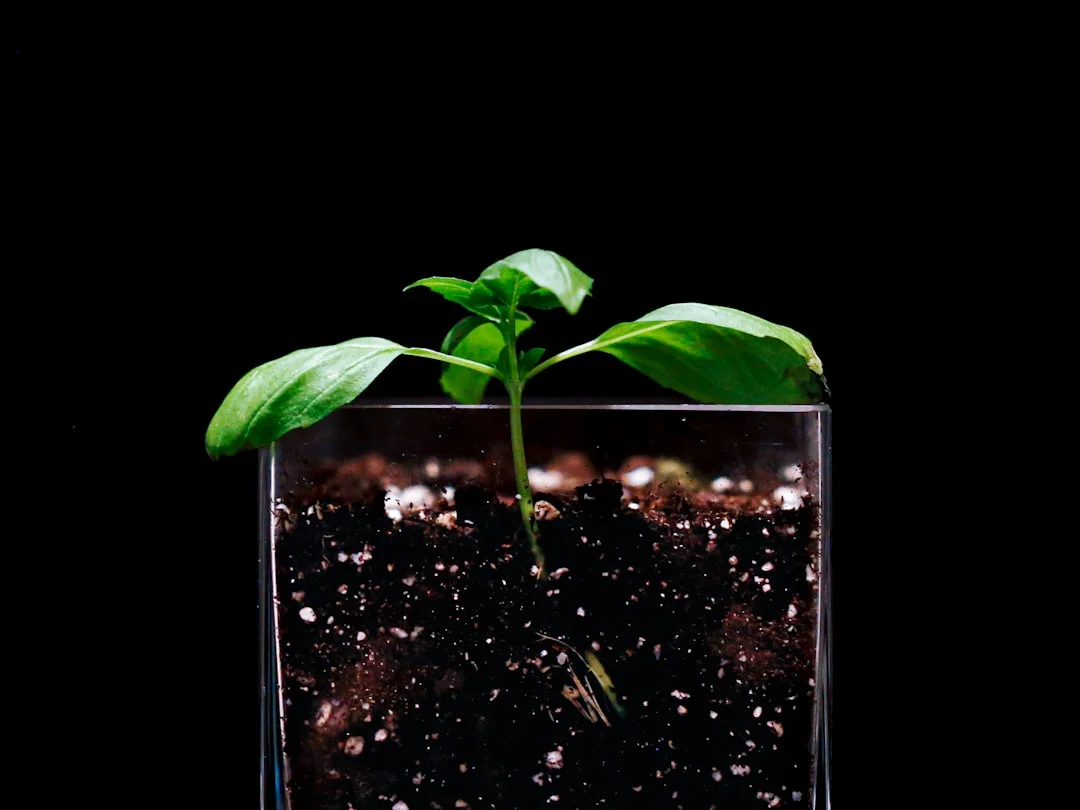
Here’s the rule that surprises almost every new grower: don’t water at all for the first 7–10 days after potting a new offset. The roots need to search for moisture, which stimulates root growth. Watering immediately provides no incentive to root outward. After that initial dry period, water sparingly — a thorough soak, then allow the soil to dry completely before watering again. In temperate climates like the UK and Germany, this might mean watering every 3–4 weeks in summer. In tropical climates like Malaysia or coastal Brazil, every 2–3 weeks. In arid regions like the UAE or inland Australia, potentially every 4–5 weeks in the cooler months.
Seasonal Watering Adjustments
Baby toes has a growth cycle that differs from most succulents — it grows actively in autumn and winter, and goes semi-dormant in summer heat. This means reduce watering significantly during the hottest months (July–August in the Northern Hemisphere; January–February in the Southern Hemisphere). Many gardeners accidentally overwater during summer dormancy because the plant looks the same whether it’s growing or resting. In fact, summer overwatering is one of the top killers of newly propagated baby toes worldwide.
Fertilizing Your New Baby Toes Plants
Newly propagated baby toes need very little fertiliser. In fact, feeding too early — before roots are established — can burn the tender new root tips and set back growth by weeks. Wait at least 6–8 weeks after successful propagation before applying any feed. Once established, use a low-nitrogen, high-potassium fertiliser (sometimes labelled ‘tomato feed’ or ‘cactus feed’) diluted to half-strength. Apply once in early autumn as the plant enters its active growing phase. That’s typically September–October in the Northern Hemisphere and March–April in Australia and southern Africa. A 2019 study on succulent nutrition published in the Journal of Arid Environments confirmed that high-nitrogen feeds consistently reduce drought tolerance in desert succulents — so less is genuinely more here.
What to Feed — and What to Avoid
Use a balanced cactus and succulent liquid feed (e.g., Miracle-Gro Succulent Plant Food, Westland Cacti & Succulent Feed in the UK, or Schultz Cactus Plus in the US) diluted to half the recommended dose. Avoid any all-purpose fertiliser with NPK ratios above 5-5-5, and absolutely avoid slow-release granular feeds buried in the soil mix — they release nutrients inconsistently and can sit wet against roots. Furthermore, organic feeds like fish emulsion are too nutrient-dense and moisture-retentive for this desert specialist.
Common Mistakes That Kill Baby Toes Propagations
Even experienced succulent growers make errors with Fenestraria because it behaves differently from the echeverias and haworthias they’re used to. Understanding these five mistakes will save you months of frustration. For a broader view of caring for unusual indoor succulents like this one, our indoor plant care guide covers the principles that apply across every climate and growing setup.
Mistake 1 — Using Standard Potting Compost
Standard compost — even peat-free multipurpose mixes — retains far too much moisture for baby toes roots. The result is root rot, often invisible until the plant suddenly collapses. Always use a specialist gritty mix or build your own as described in the soil section above. This is the single most common failure point in baby toes succulent propagation globally.
Mistake 2 — Overwatering During Summer
Because baby toes is semi-dormant in summer heat, watering as frequently as you would a cactus in peak growth will slowly drown the root zone. The leaves may look fine for weeks before root rot advances to a point of no return. Similarly, keeping newly propagated offsets in a tray of water ‘to encourage rooting’ — a technique that works for some tropical plants — is catastrophic for this species.
Mistake 3 — Insufficient Light After Potting
New offsets need bright light to drive the energy for root development. However, direct harsh midday sun immediately after potting can stress the unrooted cutting. The ideal position: bright, indirect light or gentle morning sun (east-facing windowsill) for the first 3–4 weeks, then gradually move to full sun. In the Northern Hemisphere in June, even a south-facing windowsill with net curtain filtering works well during the rooting phase.
Mistakes 4 and 5 — Burying Leaves and Skipping the Callous Step
Baby toes leaves should never be buried. In nature, only the leaf tips are exposed above the sand surface — not because they’re buried deeply, but because the leaves are very short. In pots, plant so the soil surface is at the very base of the leaves, not covering them. And always — always — allow the cut surface of any offset to dry and callous for 2–3 days before potting. A fresh cut placed directly into moist soil is an open invitation for bacterial rot.
Frequently Asked Questions
The questions below cover the most common concerns from growers across different climates, experience levels, and growing setups. Whether you’re on your first succulent or your hundredth, at least one of these will be relevant to your situation right now.
Frequently Asked Questions
What is the best method for baby toes succulent propagation?
Offset division is the best method for baby toes succulent propagation. As the plant matures, it forms dense clumps of multiple rosettes. Gently separate these offsets, allow the cut base to callous for 2–3 days, then pot into a very gritty, well-draining mix. This method works reliably for growers worldwide, whether you're in a sunny apartment in Tokyo or a temperate greenhouse in the UK. Seed propagation also works but takes 2–3 years to reach maturity.
Can I grow baby toes succulent indoors in a cold climate?
Yes, absolutely. Baby toes succulent propagation and cultivation works beautifully indoors in cold climates like the UK, Canada, and northern Europe, as long as you provide a very bright, sunny windowsill. South or west-facing windows work best. The plant cannot survive outdoor frost (minimum temperature 5°C / 41°F), so in climates with cold winters it must be grown as a permanent houseplant or moved indoors from autumn through spring.
How long does it take for baby toes offsets to root after propagation?
Most baby toes offsets develop visible roots within 3–6 weeks of potting, though the plant may not show visible growth above the soil surface for 8–12 weeks. Don't be alarmed by the slow progress — this is normal for a desert plant that invests energy in root development first. Resist the urge to tug the plant or water it to 'help' — patience and dry conditions give the best outcome.
Is baby toes succulent safe for pets?
Baby toes succulent (Fenestraria aurantiaca) is generally considered non-toxic to humans. However, it may cause mild gastrointestinal upset in cats and dogs if ingested in significant quantities, as with many succulents in the Aizoaceae family. As a precaution, keep it out of reach of pets, particularly curious cats who may chew on the unusual leaf tips. If a pet ingests a large amount, contact your local veterinarian or an animal poison helpline immediately.
Why are my baby toes succulent leaves shrivelling after propagation?
Mild shrivelling in the first 1–2 weeks after baby toes succulent propagation is normal — the offset is adjusting to life without the parent plant's root system. However, if shrivelling continues beyond 3 weeks, it usually means either too little light or the roots have been damaged by rot. Check the base of the offset: if it's mushy or brown, you have rot. Remove damaged tissue, re-callous, and repot into fresh dry mix. Firm, dry shrivelling usually resolves once roots establish.
Can I propagate baby toes succulent from a single leaf?
Technically yes, but the success rate is very low — usually below 20%. Unlike echeverias or sedums, Fenestraria leaves don't store enough energy to consistently generate new offsets. Offset division is far more reliable. If you do want to experiment with leaf propagation, lay the detached leaf on dry gritty mix in a warm, bright spot and mist lightly every few days. Some growers in Japan and the Netherlands report occasional success, but most get better results focusing on offset or seed propagation instead.
How do I grow baby toes succulent in a container on a hot balcony?
Container growing on a hot balcony in cities like Dubai, Singapore, or Los Angeles works well for baby toes, with one critical adjustment: protect the pot from extreme afternoon heat above 40°C (104°F), which can cook roots in a small terracotta pot. Use a slightly larger pot (10–12cm) to buffer temperature swings, position in morning sun with afternoon shade, and reduce watering frequency in peak summer. A white or light-coloured pot also helps reflect heat from the root zone.
How often should I repot after baby toes succulent propagation?
Baby toes is slow-growing and actually thrives slightly root-bound — don't rush to repot. After initial baby toes succulent propagation, leave the plant undisturbed for at least 18–24 months. Repot only when roots are visibly escaping the drainage holes or the clump has outgrown the pot entirely. When you do repot, move up just one pot size (2–3 cm larger diameter) and refresh the gritty soil mix. Spring — or early autumn in the Southern Hemisphere — is the best time to repot.
Final Thoughts
Baby toes succulent propagation is genuinely one of the most rewarding projects in the world of succulent gardening — once you understand this plant’s desert origins and work with them rather than against them. The key takeaways are simple: divide offsets cleanly, let them callous before potting, use an ultra-gritty mix, and resist the urge to water too soon or too often. Whether you’re growing on a bright windowsill in Manchester, a sun-drenched balcony in Cape Town, or a climate-controlled apartment in Seoul, these fundamentals stay the same. The biggest shift most growers need is mental: stop treating this plant like a regular houseplant that needs regular watering and feeding. Treat it like the extraordinary desert specialist it is. Get those conditions right, and your baby toes succulent propagation project will reward you with clusters of those charming, translucent-tipped fingers — and eventually, golden blooms that are genuinely worth the wait.

