
⏱ 22 min read
Table of Contents
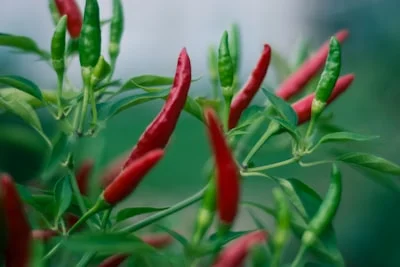
Thinking about how to chilli grow pot at home? You’re in the right place. Whether you’re in tropical Mumbai, breezy London, sunny Sydney, or snowy Toronto, growing chillies in pots is one of the most rewarding gardening projects you can start today. The good news is that chillies adapt beautifully to container life, and a single healthy plant can give you 50–100 pods per season. In this buying guide, I’ll walk you through the best varieties, realistic price ranges, trusted nurseries, and what to look for before you spend a rupee, dollar, or pound. To chilli grow pot at home successfully, you need the right seedling, the right pot, and a little patience. Let’s dig in — by the end, you’ll know exactly what to buy and how to keep your plant fruiting for months. According to Kew Gardens, Capsicum annuum is one of the most widely grown species worldwide, thriving in over 100 countries.
Quick Highlights
- Discover 8+ top chilli varieties suited for container growing across climates
- Compare realistic prices from Ugaoo, NurseryLive, Amazon, and global nurseries
- Learn what to inspect before buying — leaves, roots, and pest signs
- Get climate-specific care tips for tropical, temperate, and arid zones
- Understand pot size, soil mix, and feeding schedules for maximum yield
- Avoid common buyer mistakes that cost you a full growing season
Plant Characteristics at a Glance
| Common Name | Chilli (Chili Pepper, Hot Pepper) |
| Scientific Name | Capsicum annuum |
| Family | Solanaceae (Nightshade family) |
| Origin | Central and South America (Mexico, Bolivia) |
| Habitat | Warm, sunny, well-drained soils; cultivated worldwide |
| Plant Type | Tender perennial (often grown as annual) |
| Indoor Plant | Yes, with 6+ hours sunlight or grow lights |
| Outdoor Plant | Yes, in USDA zones 9–11 year-round; seasonal elsewhere |
| Leaves | Smooth, oval, deep green, 5–10 cm long |
| Flowers | Small, white or pale violet, star-shaped |
| Flowering Season | Spring to autumn; year-round in tropics |
| Fruit | Berry (botanically); varies in size, shape, colour, and heat |
| Seeds | Flat, cream-coloured, 3–5 mm, located in the placenta |
| Roots | Fibrous, shallow to medium depth (20–40 cm) |
| Height | 30–120 cm (1–4 ft) depending on variety |
| Growth Rate | Moderate; 70–90 days from transplant to first harvest |
| Light Requirements | Full sun, 6–8 hours daily |
| Soil Requirements | Well-draining loam, pH 6.0–6.8, rich in organic matter |
| Water Requirements | Moderate; water when top 2.5 cm of soil is dry |
| Temperature Requirements | 21–30°C (70–86°F); avoid below 15°C / 59°F |
| Humidity Requirements | 50–70%; tolerates higher in tropics |
| Propagation | Seeds (most common); stem cuttings possible |
| Uses | Culinary, medicinal, ornamental, pest repellent |
| Medicinal Properties | Pain relief (capsaicin), digestion aid, metabolism booster |
| Toxicity | Mildly toxic to cats, dogs, and horses if ingested in quantity |
| Cultural Significance | Sacred in Mexican folk medicine; staple across Indian, Thai, Korean cuisines |
| Common Pests | Aphids, whiteflies, spider mites, thrips, fruit borer |
| Common Diseases | Powdery mildew, anthracnose, bacterial leaf spot, root rot |
| Special Care Tips | Pinch first flowers; stake tall varieties; mulch to retain moisture |
| Cultural Practices | Companion plant with basil and marigold; avoid planting near fennel |
| Vastu Direction | Southeast or East for prosperity; avoid North |
Chilli grow pot at home Names in Different Languages
| English | Chilli / Chili Pepper |
| Mandarin Chinese | 辣椒 (Làjiāo) |
| Spanish | Chile / Ají |
| Hindi | मिर्च (Mirch) |
| Gujarati | મરચું (Marchu) |
| Arabic | فلفل حار (Filfil Haar) |
| Bengali | লঙ্কা / মরিচ (Lonka / Morich) |
| Portuguese | Pimenta / Pimentão picante |
| Russian | Перец чили (Perets Chili) |
| Japanese | 唐辛子 (Tōgarashi) |
| Punjabi | ਮਿਰਚ (Mirch) |
| German | Chili / Peperoni |
| Javanese | Lombok / Cabai |
| Korean | 고추 (Gochu) |
| French | Piment |
| Telugu | మిరపకాయ (Mirapakaya) |
| Marathi | मिरची (Mirchi) |
| Tamil | மிளகாய் (Milagai) |
| Urdu | مرچ (Mirch) |
| Turkish | Acı biber |
| Vietnamese | Ớt |
Overview: Why Grow Chillies in Pots
Chillies are perhaps the most beginner-friendly hot crop on the planet. They’re compact, productive, and forgiving. The key chilli grow pot at home advantage is total control over soil, water, and sunlight — something you simply don’t get with raised beds. A 10-inch container is enough for most varieties, and one mature plant can produce pods for 6–9 months in warm climates. In fact, many gardeners find that potted chillies outperform ground-grown ones because the soil warms up faster and drainage is better. You can move pots indoors during winter or harsh monsoons, which extends the harvest dramatically. For more tips, check out our detailed article on tomato growing in pots.
Chillies originated in Central and South America but spread globally after the 15th century, becoming a staple in Indian, Thai, Mexican, and Mediterranean cuisines. Today, they’re grown on every inhabited continent. The plant itself is a tender perennial, though most gardeners treat it as an annual. With the right buying decisions, you’ll have crunchy, fiery pods within 70–90 days of transplant.
Benefits of Container Growing for Your Chilli Grow Pot at Home
Container growing solves three big problems at once: poor garden soil, limited space, and unpredictable weather. You don’t need a backyard — a sunny balcony, kitchen window, or rooftop works perfectly. Pots also reduce pest pressure because slugs and soil-borne fungi struggle to reach elevated plants. You can rotate pots to chase the sun, which is a huge advantage in temperate zones like the UK or Pacific Northwest, where sunlight shifts seasonally. Here’s the thing — chillies actually prefer being slightly root-bound, so pots suit their nature. The RHS recommends container growing for chillies in cooler British climates, since warmth retention is critical for fruit set.
Best Chilli Varieties to Buy
Choosing the right variety is the single most important buying decision. Some chillies stay small and produce thumb-sized fruits perfect for windowsills, while others grow waist-high and yield massive harvests. Mild varieties suit families with kids, while super-hots are for thrill-seekers. Below are the top varieties to consider, based on heat level, container suitability, and global availability. Most are sold as seeds or 4-inch starter plants, and many gardeners find that buying a 3-month-old seedling saves at least 8 weeks compared to starting from seed. In my experience, mixing one mild and one hot variety in your container collection gives the best kitchen flexibility.
Top Picks for Beginners
For first-time growers, stick with proven, easy varieties. Bird’s Eye Chilli (Thai chilli) is compact, prolific, and handles heat and humidity brilliantly — perfect for India and Southeast Asia. Jalapeño is the global favourite, with thick walls and mild-to-medium heat (2,500–8,000 SHU). Cayenne grows slim red pods that dry beautifully for powder. Hungarian Wax suits cooler climates like the UK and Canada because it sets fruit at lower temperatures. For ornamental value, try Numex Twilight, which shifts from purple to yellow to red on the same plant. All five do well in 10–12 inch pots.
Specialty and Hot Varieties
If you want serious heat, Habanero (100,000–350,000 SHU) and Ghost Pepper / Bhut Jolokia (over 1 million SHU) are container-friendly but slow growers. Bhut Jolokia, native to Assam and Nagaland, holds Guinness recognition and needs at least 8 hours of direct sun. For Indian cooking, Guntur Sannam and Kashmiri Mirch are favourites — the latter gives colour without overwhelming heat. Padron peppers from Spain are eaten young and mild, while Shishito from Japan is a tapas favourite. These specialty types cost more but produce 40–80 pods per plant.
Price Range: What to Expect
Prices vary widely based on variety, plant age, and seller. Seeds are the cheapest entry point, while mature flowering plants cost the most. Knowing the going rate protects you from overpaying — and trust me, online marketplaces have huge price swings. Below is a realistic 2026 comparison for the most common purchase types. Generally, expect to pay 2–3× more for rare or super-hot varieties compared to standard Jalapeño or Bird’s Eye. Shipping fees can sometimes exceed the plant cost itself, so buying in bundles makes financial sense.
Seed vs Seedling vs Mature Plant Pricing
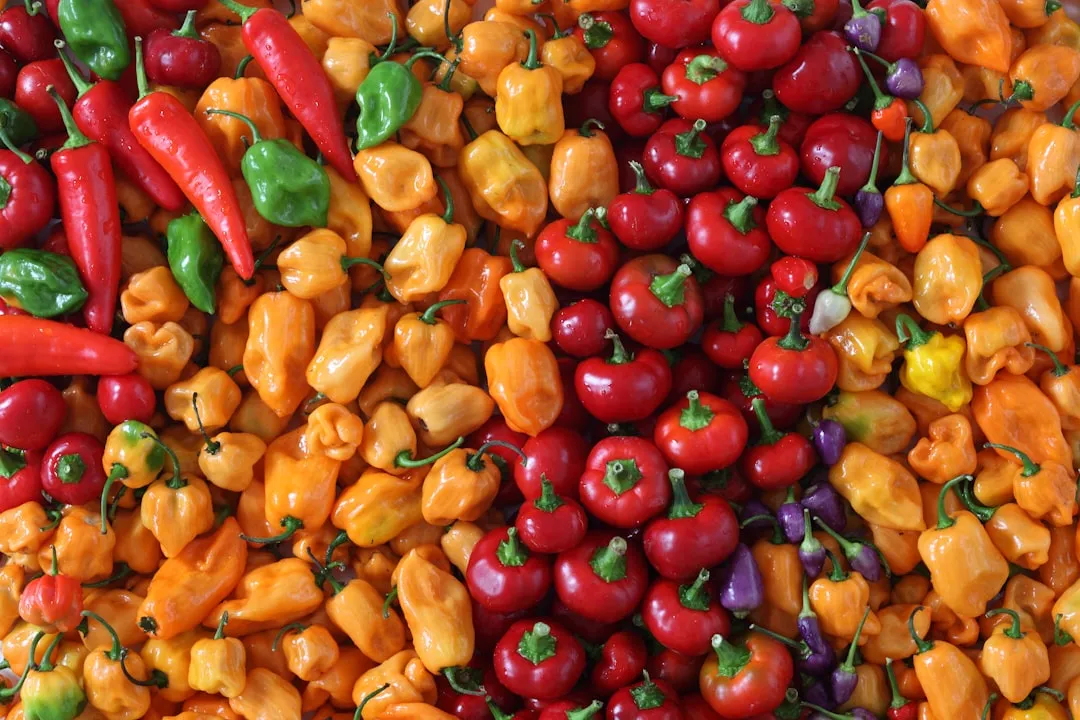
Seeds typically cost $1–4 (₹40–₹250 / £1–£3) per packet of 20–50 seeds. Starter seedlings (4–6 weeks old) range from $4–10 (₹150–₹400 / £4–£8). Mature flowering plants in 6-inch pots fetch $12–25 (₹450–₹1,200 / £10–£20). Rare varieties like Carolina Reaper or Aji Charapita seedlings can hit $15–30 each. On Ugaoo and NurseryLive (India), expect ₹199–₹499 for healthy chilli saplings with pots included. Amazon and Etsy sellers worldwide list heirloom seeds at premium prices, but bulk seed packs from reputable growers offer the best value per plant.
Where to Buy Chilli Plants and Seeds
Where you buy matters as much as what you buy. A reputable nursery sends healthy, pest-free, properly hardened plants. A sketchy seller ships wilted, root-bound stock that dies within a week. The proven chilli grow pot at home approach always starts with trusted sources. In India, the top three online nurseries are Ugaoo (ugaoo.com), NurseryLive (nurserylive.com), and Amazon India Plants — all three offer pan-India delivery with packaging designed for live plants. Internationally, gardeners in the US rely on Burpee, Bonnie Plants, and Johnny’s Selected Seeds. UK buyers trust Suttons, Thompson & Morgan, and the RHS Plants shop. Australians use Diggers Club and The Lost Seed, while Canadian growers favour West Coast Seeds and Veseys.
Online vs Local Nurseries
Local nurseries let you inspect plants in person — a huge advantage. You can check for spider mites, aphids, and root health before paying. However, local stock is limited to common varieties. Online nurseries offer 50+ chilli varieties but you’re taking a chance on shipping condition. My tip: buy common varieties locally and rare ones online from sellers with 4.5+ star ratings and clear photos of actual stock. Always check return policies — Ugaoo, for example, offers a 7-day replacement guarantee for damaged plants, which is gold-standard in the industry.
Seed Banks and Specialty Sellers
For rare varieties, dedicated seed banks beat general retailers. Seed Savers Exchange (US) and Real Seeds (UK) sell open-pollinated chilli seeds you can save year after year. In India, Kraft Seeds and All That Grows specialise in organic, non-GMO seeds. For super-hots, Pepper Joe’s (US-based but ships globally) is the gold standard. Always verify seed freshness — chilli seeds lose 30% viability after 2 years, so check the packed date before buying.
What to Look For Before Buying
Buying a chilli plant isn’t like buying a phone — there’s no warranty if it dies in week two. So inspection matters. Whether you’re shopping online or in person, look for these good signs: deep green leaves with no yellowing, sturdy upright stems, visible flower buds or small green pods, and white healthy roots peeking from drainage holes. Avoid plants with curled leaves, sticky residue (aphid honeydew), tiny webs (spider mites), or soggy soil that smells sour.
In my experience, the saddest gardening mistake is buying the biggest, flashiest plant in the nursery — it’s often root-bound and stressed. A medium-sized, vigorous young plant outperforms a tired mature one every single time. The major chilli grow pot at home error beginners make is choosing looks over health.
Red Flags to Avoid
Walk away if you see: black spots on leaves (fungal disease), wilting despite moist soil (root rot), white powdery coating (powdery mildew), or plants stored in dark indoor sections of big-box stores (they’re light-starved). Online, avoid sellers who don’t show actual product photos or who use stock images. Also skip plants priced suspiciously low — quality chilli seedlings cost money to grow, and bargain-basement pricing usually means poor genetics or pest problems.
Pot, Soil, and Setup Essentials
The chilli grow pot at home setup is half the battle. Use a pot that’s at least 10 inches (25 cm) wide and 12 inches deep for standard varieties, or 14 inches for habaneros and ghost peppers. Terracotta pots breathe well and prevent waterlogging — ideal for humid climates. Plastic and glazed ceramic retain moisture better, which suits dry zones like Dubai, Phoenix, or inland Australia. Drainage holes are non-negotiable. Use a well-draining mix: 40% quality potting soil, 30% compost or vermicompost, 20% cocopeat (or peat moss), and 10% perlite or coarse sand. Aim for pH 6.0–6.8. Add a tablespoon of bone meal at planting for slow-release phosphorus, which boosts fruiting.
Pot Material Comparison
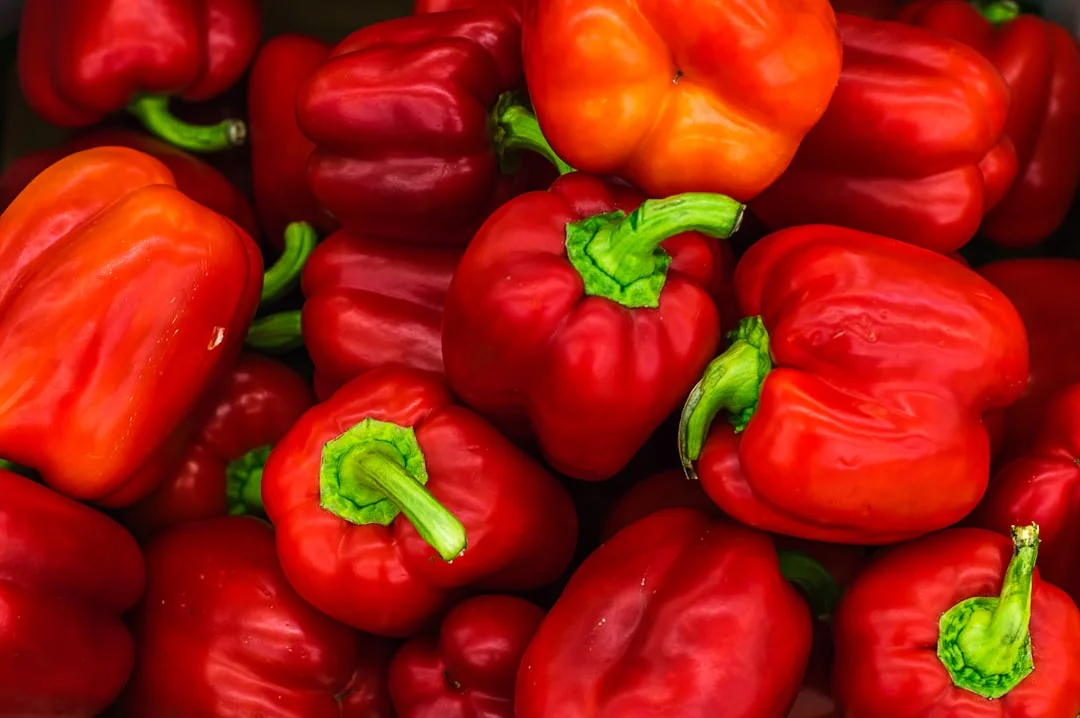
Terracotta is breathable but dries out fast — water daily in summer. Plastic is lightweight and retains moisture but can overheat in direct sun. Fabric grow bags (5–7 gallons) are my personal favourite because they air-prune roots, producing denser, healthier root systems. Glazed ceramic looks beautiful but is heavy and expensive. Self-watering containers work brilliantly for busy gardeners, especially in hot dry climates where soil dries within hours. Whichever you pick, raise pots slightly off the ground using pot feet or bricks to improve drainage and airflow.
Care After Buying Your Chilli Plant
Bringing your new plant home is just the start. The first 14 days are critical — this is when most newly-bought plants die from shock. Don’t repot immediately. Let the plant settle for a week in its nursery container, placed in bright indirect light. Then transplant into your prepared pot using the same depth as the original. Water deeply but only when the top inch of soil feels dry. Chillies hate soggy roots. Feed every 2 weeks with a balanced liquid fertiliser (NPK 10-10-10) until flowering, then switch to a high-potassium feed (like tomato fertiliser, NPK 5-10-10) to boost fruit production. To chilli grow pot at home year-round, prune dead leaves regularly and pinch off the first few flowers to encourage bushier growth.
Watering and Feeding Schedule
Water in the morning so leaves dry before nightfall — this prevents fungal disease. In peak summer, potted chillies may need water twice daily. In cooler months, once every 3–4 days is plenty. Use rainwater or filtered water if your tap water is heavily chlorinated. For feeding, alternate between fish emulsion (gentle nitrogen) and seaweed extract (trace nutrients). Many gardeners find that a monthly dose of Epsom salt (1 tsp per litre) prevents magnesium deficiency, which shows up as yellow leaves with green veins.
Sunlight and Temperature Needs
Chillies need 6–8 hours of direct sun daily. Less than that, and you’ll get leaves but no pods. The ideal temperature range is 21–30°C (70–86°F). Fruit set drops sharply below 15°C (59°F) or above 35°C (95°F). In hot climates, provide afternoon shade using a 30% shade cloth. In cooler zones (USDA zones 3–6, RHS H4–H5), grow indoors near a south-facing window or under a 20W LED grow light for 12–14 hours daily during winter.
Climate-Specific Growing Tips
One size doesn’t fit all when it comes to chillies. Tropical gardeners in India, the Philippines, and Brazil can grow chillies year-round outdoors, with peak production in the cooler dry months. Mediterranean climates (California, southern Spain, parts of Australia) get two strong harvests — spring and autumn. Temperate climates (UK, Germany, northern US) need greenhouse or indoor setups for at least half the year. Arid zones (Dubai, Phoenix, inland Australia) need afternoon shade and mulching to prevent soil baking. According to the USDA, Capsicum annuum is hardy in zones 9–11 outdoors but can be grown as a houseplant anywhere with adequate light.
Tropical and Subtropical Regions
In India, Southeast Asia, and tropical Africa, plant year-round but avoid peak monsoon transplanting — waterlogged roots are fatal. Use raised pot stands during heavy rain. Mulch with dried coconut husk or sugarcane fibre to keep soil cool. Watch for whiteflies and thrips — they explode in tropical humidity. Neem oil spray every 10 days handles most pests naturally.
Temperate and Cold Climates
In the UK, Canada, and northern US, start seeds indoors in February under grow lights. Transplant outdoors only after the last frost (typically late May). Use black pots to absorb heat, and consider a mini greenhouse or cold frame. Move pots indoors when night temperatures drop below 12°C (54°F). With care, you can overwinter chilli plants indoors and get a second-year harvest with much faster fruit production.
Common Problems and How to Avoid Them
Even experienced gardeners hit snags. The most common issues are blossom drop (flowers fall before fruiting), yellowing leaves (overwatering or nutrient deficiency), curled leaves (aphids or heat stress), and stunted growth (pot too small or cold soil). Blossom drop usually means temperatures are too high or too low, or humidity is off. Gently shake plants daily during flowering to help pollination, especially indoors where there’s no wind or bees. For pest control, a homemade spray of 1 tsp neem oil + 1 tsp mild soap per litre of water works wonders. Apply every 7–10 days in the evening — never spray in direct sunlight or you’ll scorch the leaves.
Safety and Toxicity Notes
Chilli foliage is mildly toxic to cats and dogs if eaten in large amounts — the capsaicin in fruits and leaves can cause vomiting and oral irritation. Keep pots out of pet reach. Always wash hands after handling hot chilli plants, especially before touching your eyes. In Ayurveda, chilli is classed as heating and is used sparingly to support digestion. The NIH has published research on capsaicin’s pain-relief and metabolic benefits, but high doses can irritate sensitive stomachs. Pregnant women and people with acid reflux should consume chillies in moderation.
Frequently Asked Questions
Can I grow chilli indoors in a cold climate like the UK or Canada?
Yes, absolutely. To chilli grow pot at home in cold climates, place pots near a south-facing window for 6+ hours of sun, or use a 20W LED grow light for 12–14 hours daily. Keep room temperature between 18–25°C (65–77°F). Start seeds in February indoors, transplant after the last frost (May–June), and bring pots back inside when nights drop below 12°C. Hungarian Wax, Jalapeño, and Apache varieties handle indoor conditions especially well. Pollinate flowers by hand with a soft brush, since indoor plants lack wind and bees.
Is chilli safe for pets like cats and dogs?
Chilli plants are mildly toxic to cats, dogs, and horses. The capsaicin in fruits and the solanine in leaves can cause vomiting, drooling, oral irritation, and stomach upset if eaten. Most pets avoid chillies after one curious nibble because of the burning sensation, but kittens and puppies may not learn that quickly. Keep pots on elevated shelves or in hanging baskets. If your pet eats chilli, offer milk or yoghurt and contact a vet if symptoms persist beyond a few hours.
How do I grow chilli in containers successfully?
The proven chilli grow pot at home method is simple: use a 10–12 inch pot with drainage holes, a well-draining mix of potting soil, compost, cocopeat, and perlite. Place in full sun (6–8 hours), water when the top inch dries, and feed every 2 weeks with balanced liquid fertiliser. Switch to high-potassium feed at flowering. Pinch the first few flowers to encourage bushy growth. Most varieties produce within 70–90 days of transplant and continue fruiting for 6–9 months in warm climates.
How often should I water my potted chilli plant?
Watering depends on climate, pot size, and material. In hot dry weather, potted chillies may need water daily or even twice daily. In cooler or humid conditions, every 3–4 days is enough. Always check by sticking your finger 2.5 cm into the soil — water only when it feels dry. Overwatering causes root rot and yellow leaves, while underwatering leads to flower drop. Terracotta pots dry faster than plastic, so adjust accordingly.
Why are the flowers falling off my chilli plant without producing fruit?
Blossom drop has four common causes: temperature stress (above 35°C or below 15°C), inconsistent watering, lack of pollination, or too much nitrogen fertiliser. Move pots to a shadier spot during heatwaves and indoors during cold snaps. Maintain steady soil moisture. For indoor plants, hand-pollinate by gently shaking the plant or brushing flowers with a soft paintbrush. Switch to a low-nitrogen, high-phosphorus feed (like tomato fertiliser) to encourage fruit set instead of leaf growth.
What's the best month to buy chilli plants in 2026?
In Northern Hemisphere temperate zones, buy starter plants in April–May after the last frost. In tropical regions like India and Southeast Asia, you can buy year-round, though October–February (cooler months) gives the strongest growth. Southern Hemisphere gardeners in Australia and South Africa should buy in September–November (spring). For indoor growing, any month works as long as you provide adequate light and warmth. Many online nurseries offer 10–20% off seed packs during off-season months. The chilli grow pot at home journey can truly start any time of year with the right setup.
How long does a chilli plant live in a pot?
Chillies are naturally perennial and can live 3–5 years in a pot with good care. Most home gardeners treat them as annuals because winter kills them in cold climates. In tropical zones or with indoor overwintering, you can keep the same plant producing for multiple seasons. Year-two plants often fruit faster and more abundantly than year-one ones. Prune back hard in late winter, repot with fresh soil, and feed lightly to revive.
Are organic or hybrid chilli seeds better for home growing?
Both work well, but they suit different goals. Hybrid (F1) seeds offer higher yields, better disease resistance, and uniform fruits — ideal for first-time growers wanting reliable harvests. Organic heirloom seeds let you save seeds year after year and often have richer flavours, but they may be less disease-resistant. For a chilli grow pot at home setup, I recommend starting with one hybrid (like Jalapeño F1) and one heirloom (like Bird's Eye) to compare performance in your specific climate.
Final Thoughts
To chilli grow pot at home is one of the most rewarding gardening journeys you can start — and now you have everything needed to buy smartly and grow successfully. Whether you’re picking up a Jalapeño seedling from a local US nursery, ordering Bhut Jolokia from Ugaoo in India, or starting Hungarian Wax seeds in a London kitchen, the principles stay the same: choose healthy plants from reputable sellers, use proper pot sizes, give plenty of sun, and feed consistently. Don’t be tempted by bargain plants or oversized mature specimens — medium-sized vigorous seedlings always outperform. Remember the climate-specific tips: shade in arid zones, indoor overwintering in cold regions, and monsoon-proofing in tropics. Within 70–90 days, you’ll be harvesting your first crunchy, fiery pods straight into your cooking. Start small with one or two varieties, learn what works in your space, then expand. Happy growing — and may your chilli pots overflow with colour and heat for many seasons to come!

