
⏱ 21 min read
Table of Contents
- Allamanda Overview: Meet the Golden Trumpet Vine
- What You'll Need Before You Start
- Step-by-Step Guide to Planting Allamanda
- Soil and Pot Selection for Healthy Roots
- Watering Schedule Across Climates
- Fertilizing for Abundant Yellow Blooms
- Pruning and Training Your Allamanda Vine
- Common Mistakes in Allamanda Yellow Flower Care
- Pests, Diseases, and Toxicity Warnings
- Harvesting Flowers and Propagation Tips
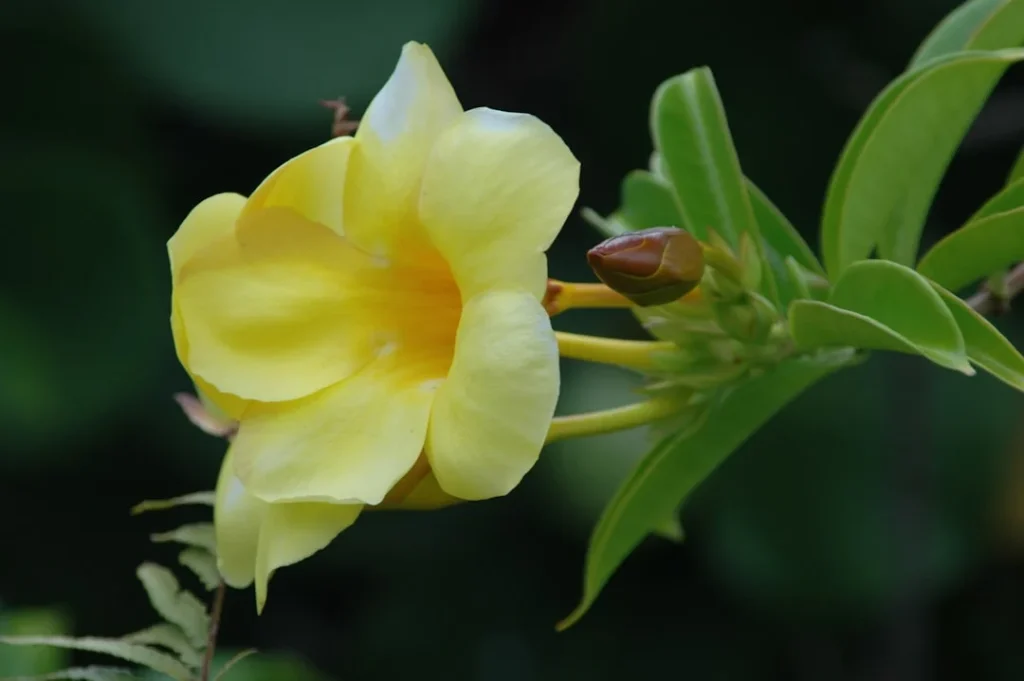
If you’ve ever spotted those bright trumpet-shaped golden blooms cascading over a tropical fence, you’ve met the Allamanda. Mastering allamanda yellow flower care is easier than most gardeners think, even if you live far from the tropics. This stunning vine, known botanically as Allamanda cathartica, produces buttery yellow flowers almost year-round in warm climates and during summer in cooler regions. Whether you’re growing in Mumbai’s monsoon heat, Miami’s humidity, a Sydney courtyard, or a sunny conservatory in Manchester, allamanda yellow flower care follows the same core principles: plenty of light, warm temperatures, and steady moisture. In this guide, I’ll walk you through everything I’ve learned over 15 years of growing this beauty — from choosing the right pot to handling pests, plus the toxicity facts every pet owner needs to know. Let’s get your allamanda blooming. For more tips, check out our detailed article on Hibiscus Plant Care India.
Quick Highlights
- Discover the exact light, soil, and water needs for non-stop golden blooms
- Learn climate-specific tips for tropical, temperate, and arid gardens worldwide
- Master step-by-step pruning to double your flower count each season
- Avoid the top 7 mistakes that cause yellowing leaves and bloom drop
- Protect pets and children with essential toxicity safety knowledge
- Grow Allamanda indoors successfully even in cold-winter regions
Plant Characteristics at a Glance
| Common Name | Allamanda, Golden Trumpet, Yellow Bell |
| Scientific Name | Allamanda cathartica |
| Family | Apocynaceae |
| Origin | Brazil and tropical South America |
| Habitat | Riverbanks, forest edges, tropical scrublands |
| Plant Type | Evergreen flowering vine / scrambling shrub |
| Indoor Plant | Yes, in bright sunrooms or conservatories |
| Outdoor Plant | Yes, ideal in tropical and subtropical gardens |
| Leaves | Glossy, lance-shaped, whorled, 10–15 cm long |
| Flowers | Bright yellow trumpet-shaped, 5–10 cm wide |
| Flowering Season | Year-round in tropics; summer to autumn elsewhere |
| Fruit | Spiny round capsules (rarely produced in cultivation) |
| Seeds | Flat, winged, inside spiny pods |
| Roots | Fibrous, moderately deep, fast-spreading |
| Height | 3–6 metres (10–20 feet) as a vine |
| Growth Rate | Fast — 60–90 cm per growing season |
| Light Requirements | Full sun, minimum 6 hours direct light daily |
| Soil Requirements | Well-draining, slightly acidic to neutral, pH 6.0–6.8 |
| Water Requirements | Moderate; keep soil evenly moist, avoid waterlogging |
| Temperature Requirements | 21–32°C (70–90°F); minimum 10°C (50°F) |
| Humidity Requirements | Moderate to high, 50–80% |
| Propagation | Softwood cuttings, layering, seeds |
| Uses | Ornamental hedging, trellis vine, container display |
| Medicinal Properties | Traditionally used as a purgative; not for home use |
| Toxicity | Highly toxic to humans, dogs, cats, livestock if ingested |
| Cultural Significance | Symbol of tropical beauty; used in landscape design globally |
| Common Pests | Aphids, mealybugs, spider mites, whiteflies, scale |
| Common Diseases | Root rot, leaf spot, powdery mildew |
| Special Care Tips | Wear gloves when pruning; sap causes skin irritation |
| Cultural Practices | Prune in late winter; pinch tips for bushier growth |
| Vastu Direction | East or southeast for positive energy and prosperity |
Allamanda yellow flower care Names in Different Languages
| English | Allamanda, Golden Trumpet |
| Mandarin Chinese | 黄蝉 (Huáng chán) |
| Spanish | Copa de oro, Alamanda |
| Hindi | अल्लामंडा (Allamanda) |
| Gujarati | પીળી ઘંટડી (Pili Ghantadi) |
| Arabic | ألاماندا (Alamanda) |
| Bengali | হলুদ ঘণ্টা ফুল (Holud Ghonta Phool) |
| Portuguese | Alamanda, Dedal-de-dama |
| Russian | Алламанда (Allamanda) |
| Japanese | アラマンダ (Aramanda) |
| Punjabi | ਅਲਾਮੰਡਾ (Allamanda) |
| German | Goldtrompete, Allamanda |
| Javanese | Alamanda kuning |
| Korean | 알라만다 (Allamanda) |
| French | Allamanda, Liane à lait |
| Telugu | అల్లమండ (Allamanda) |
| Marathi | अल्लामंडा (Allamanda) |
| Tamil | அல்லமாண்டா (Allamanda) |
| Urdu | اللامنڈا (Allamanda) |
| Turkish | Allamanda, Sarı borazan çiçeği |
| Vietnamese | Huỳnh anh, Dây huỳnh |
Allamanda Overview: Meet the Golden Trumpet Vine
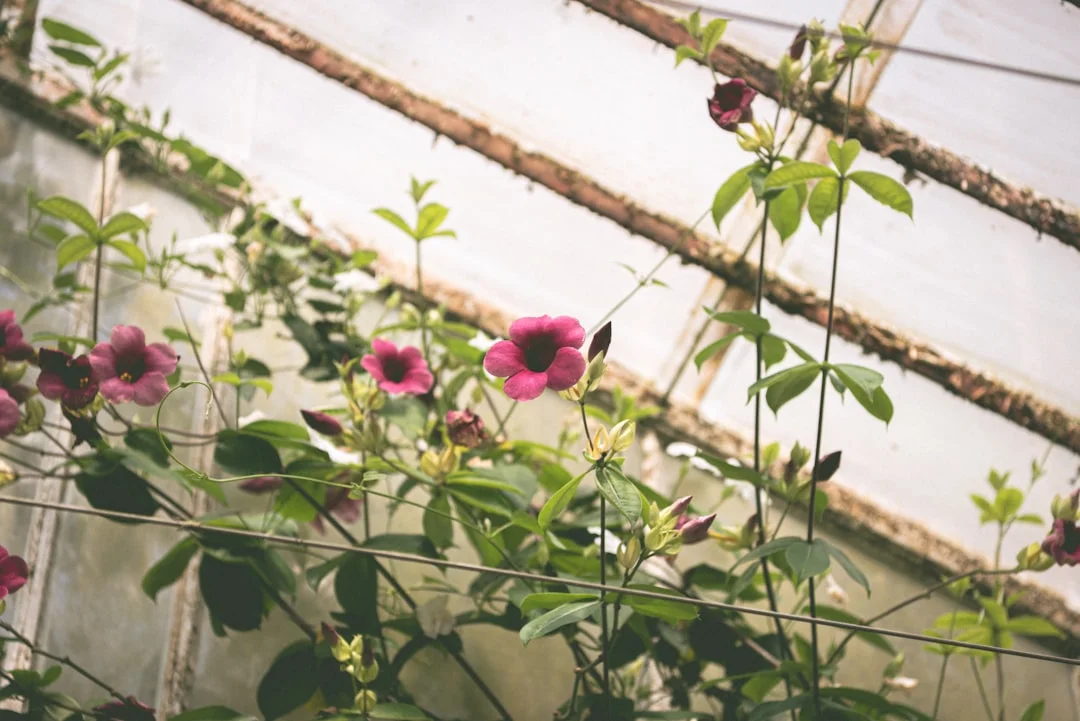
Allamanda cathartica, often called the golden trumpet or yellow allamanda, is a tropical evergreen vine native to Brazil. It belongs to the Apocynaceae family — the same family as oleander and frangipani. The plant produces glossy whorled leaves and showy 5–10 cm trumpet flowers in vivid yellow, though some cultivars bloom in pink, purple, or apricot. For more tips, check out our detailed article on Marigold Grow Pot India.
In its native range, it sprawls across riverbanks and forest edges. However, gardeners worldwide now grow it as an ornamental vine, hedge, or container plant. According to Kew Gardens, Allamanda thrives in USDA zones 10–11 outdoors, though it adapts well to greenhouse cultivation in cooler regions. That’s why you’ll see it cascading over walls in Goa, climbing trellises in Florida, and brightening conservatories in the UK.
The genus was named after Swiss botanist Frédéric-Louis Allamand. In India, it’s called अल्लामंडा and has been part of Ayurvedic emetic preparations — though only under strict supervision, since the plant is genuinely toxic if eaten.
Why Gardeners Love It
Here’s the thing — few vines bloom this generously. A single mature Allamanda can produce hundreds of flowers in one season. The blooms last 3–5 days each, and the plant just keeps pushing new buds. Furthermore, it’s relatively pest-resistant, drought-tolerant once established, and grows fast — often 60–90 cm in a single warm season. Many gardeners find it the perfect choice for screening unsightly walls or adding a tropical splash to patios. If you enjoy growing this plant, you might also find our guide on Tulip Plant Care & Growing Guide very useful.
What You'll Need Before You Start
Before diving into allamanda yellow flower care, gather your supplies. You don’t need fancy equipment, but the right basics make a huge difference. Most items cost under $30 (₹2,500 / £25 / AU$45) at any garden centre. If you enjoy growing this plant, you might also find our guide on Butterfly Pea Flower को हिंदी में very useful.
Here’s your essential kit:
• A healthy Allamanda plant or 15–20 cm stem cutting • A pot or planting hole — minimum 30 cm wide with drainage holes • Well-draining potting mix (or garden soil amended with sand and compost) • A trellis, obelisk, or support structure (Allamanda is a scrambling vine) • Sharp, clean pruning shears • Balanced fertiliser (NPK 10-10-10) or a bloom booster (NPK 5-10-10) • Gardening gloves — this is non-negotiable because the sap is irritating • Mulch (bark chips, coco coir, or straw) • A watering can with a fine rose head For more tips, check out our detailed article on Parijat Flower.
A quick tip here: buy gloves with extended cuffs. The milky white sap of Allamanda can cause skin rashes, and you’ll be pruning often.
Choosing the Right Plant at the Nursery
Look for compact, bushy plants with dark green glossy leaves. Avoid any with yellowing foliage, sticky residue (sign of scale), or wilted tips. A 1-gallon nursery plant typically costs $12–$20 (₹400–₹800 / £10–£15). In my experience, slightly root-bound plants actually establish faster than fresh transplants — they’re hungry to grow.
Step-by-Step Guide to Planting Allamanda
Planting Allamanda the right way sets you up for years of blooms. Whether you're growing in the ground or in containers, the process is similar. Spring (March–May in the Northern Hemisphere, September–November in Australia) is the ideal planting time, though tropical gardeners can plant almost year-round.The goal is simple: give the roots room to spread, protect them from sudden temperature swings, and place the plant where it gets at least 6 hours of direct sun daily. Allamanda is a sun-lover at heart — skimp on light and you'll get leaves but few flowers.Follow the numbered steps below. Each takes just a few minutes, but doing them properly cuts your troubleshooting time later.
- Site Selection Across Climates
In the tropics (India, Southeast Asia, northern Australia, Caribbean), plant Allamanda where it gets morning sun and dappled afternoon shade if summer temps exceed 38°C (100°F). In temperate zones (UK, US Midwest, southern Canada), grow it in a sunny conservatory or move outdoor pots inside before temperatures drop below 10°C (50°F). Mediterranean and arid climates (California, Spain, parts of Australia) suit it well, but consistent watering becomes critical.
- Spacing and Support
Space plants 1.5–2 metres apart if creating a hedge or screen. Install your trellis or support before planting — driving stakes later damages roots. Allamanda doesn't twine like a true climber; instead, it scrambles. So you'll need to loosely tie stems to the support with soft garden twine every few weeks.
Soil and Pot Selection for Healthy Roots
Good allamanda yellow flower care starts below the soil line. This plant hates two things: soggy roots and compacted clay. Get the foundation right, and the rest falls into place easily.
Aim for a slightly acidic to neutral soil with a pH between 6.0 and 6.8. The mix should drain freely but still hold some moisture. A reliable recipe is 50% quality potting soil, 30% coarse sand or perlite, and 20% organic compost or well-rotted manure. If you’re using coco coir (popular across India, Sri Lanka, and increasingly the West), it works beautifully as a peat alternative.
For container growing, choose pots at least 30 cm wide and equally deep. Terracotta breathes better in humid climates, while glazed ceramic or plastic retains moisture in arid regions. Whatever you pick, drainage holes are non-negotiable. The RHS emphasises that root rot is the leading cause of Allamanda failure in cooler climates — and it almost always traces back to poor drainage.
Repotting Schedule
Repot every 2 years in early spring, moving up one pot size each time. Mature plants in large containers can be top-dressed instead — scrape off the top 5 cm of old soil and replace with fresh compost. This refreshes nutrients without disturbing established roots.
Watering Schedule Across Climates
Watering is where most beginners stumble. Allamanda likes consistent moisture during the growing season but absolutely refuses to sit in water. The trick is checking the top 2–3 cm of soil with your finger before each watering. If it’s dry, water deeply. If it’s still moist, wait a day.
Here’s a rough guide by climate:
• Tropical (India, Southeast Asia, Caribbean): Water every 2–3 days in summer, weekly during cooler months. Reduce dramatically during heavy monsoon weeks. • Temperate (UK, northern US, Canada): Water once or twice weekly indoors during active growth, every 10–14 days in winter dormancy. • Mediterranean (California, southern Europe, parts of Australia): Water deeply once or twice weekly in summer, less in winter. • Arid (Middle East, Arizona, inland Australia): Water 2–3 times weekly with deep soakings; mulch heavily to retain moisture.
Meanwhile, container plants always need more frequent watering than those in the ground — sometimes daily in peak summer.
Signs of Watering Problems
Yellow lower leaves with mushy stems? You’re overwatering. Crispy leaf edges and bud drop? Underwatering. Allamanda communicates clearly if you watch. Importantly, water early in the morning so foliage dries before evening — this prevents fungal issues, especially in humid regions.
Fertilizing for Abundant Yellow Blooms
Allamanda is a heavy feeder during its growing season. Skimp on nutrients and you’ll get plenty of leaves but few of those signature golden trumpets. Proper allamanda yellow flower care includes a steady feeding rhythm tuned to your climate.
From spring through autumn, feed every 2 weeks with a balanced liquid fertiliser (NPK 10-10-10) diluted to half strength. Once buds start forming, switch to a bloom-boosting formula higher in phosphorus and potassium (NPK 5-10-10 or 4-12-8). In tropical climates where the plant grows nearly year-round, continue feeding monthly even in winter, but at quarter strength.
Organic options work brilliantly too. A monthly drench of compost tea, diluted seaweed extract, or banana peel water provides slow-release nutrients without burning roots. Many Indian gardeners swear by neem cake mixed into the topsoil — it feeds the plant and deters root pests at the same time.
Signs of Nutrient Issues
Pale yellow leaves with green veins suggest iron deficiency — common in alkaline soils. Apply chelated iron or acidify the soil with diluted vinegar (1 tablespoon per gallon). Conversely, dark green leaves with no flowers mean too much nitrogen. Cut back nitrogen-heavy feeds and switch to bloom booster immediately.
Pruning and Training Your Allamanda Vine
Pruning is the secret weapon of successful allamanda yellow flower care. This plant blooms on new wood, so regular trimming actually increases flowers rather than reducing them. Without pruning, Allamanda becomes a tangled mess that flowers only at the tips.
Do your main hard prune in late winter or very early spring, before new growth starts. Cut stems back by one-third to one-half, removing any weak, crossing, or dead branches. Throughout the growing season, pinch tips every few weeks to encourage branching. Each pinch creates two new shoots, and each shoot produces flowers.
Always wear gloves and long sleeves when pruning. The white sap is mildly toxic and can irritate skin. Disinfect your shears between cuts with diluted bleach or rubbing alcohol to prevent disease spread.
Training on Supports
Tie young stems loosely to your trellis with soft ties — old t-shirt strips or garden twine work well. Train horizontally where possible, because horizontal branches produce more flowering side shoots than vertical ones. This trick alone can double your bloom count.
Common Mistakes in Allamanda Yellow Flower Care
Even experienced gardeners trip up on a few predictable issues. This is where most people go wrong — and the fixes are usually simple once you know what to look for.
The most frequent mistakes I see in allamanda yellow flower care include:
1. Planting in too little light. Less than 6 hours of direct sun equals few flowers. Move the plant or thin overhead branches. 2. Overwatering in winter. The plant slows down dramatically below 15°C (59°F). Cut watering to once every 2–3 weeks. 3. Skipping winter protection in temperate zones. Allamanda dies below 5°C (41°F). Move pots indoors well before the first frost. 4. Forgetting to prune. Without regular pruning, blooms diminish year over year. 5. Using cold tap water. Chlorinated, ice-cold water shocks the roots. Let water sit overnight, or use rainwater. 6. Ignoring the toxic sap. Bare-handed pruning leads to rashes. Always glove up. 7. Planting near pets or toddlers. All parts are toxic if ingested. Choose locations carefully.
Troubleshooting Bloom Drop
If buds form but drop before opening, the culprit is usually sudden environmental change — a draft, temperature swing, or relocating the pot. Allamanda hates being moved during budding. Furthermore, dry air below 40% humidity causes the same problem. Mist daily or place a humidity tray underneath.
Pests, Diseases, and Toxicity Warnings
Allamanda is fairly tough, but a few troublemakers do show up. Spider mites, aphids, mealybugs, and whiteflies are the usual suspects. They thrive in dry indoor air, so misting and occasional leaf wipes go a long way. For active infestations, spray with insecticidal soap or neem oil every 7 days until clear.
Fungal issues like leaf spot and root rot stem almost entirely from overwatering or poor air circulation. Space plants well, water at the base, and remove fallen debris promptly.
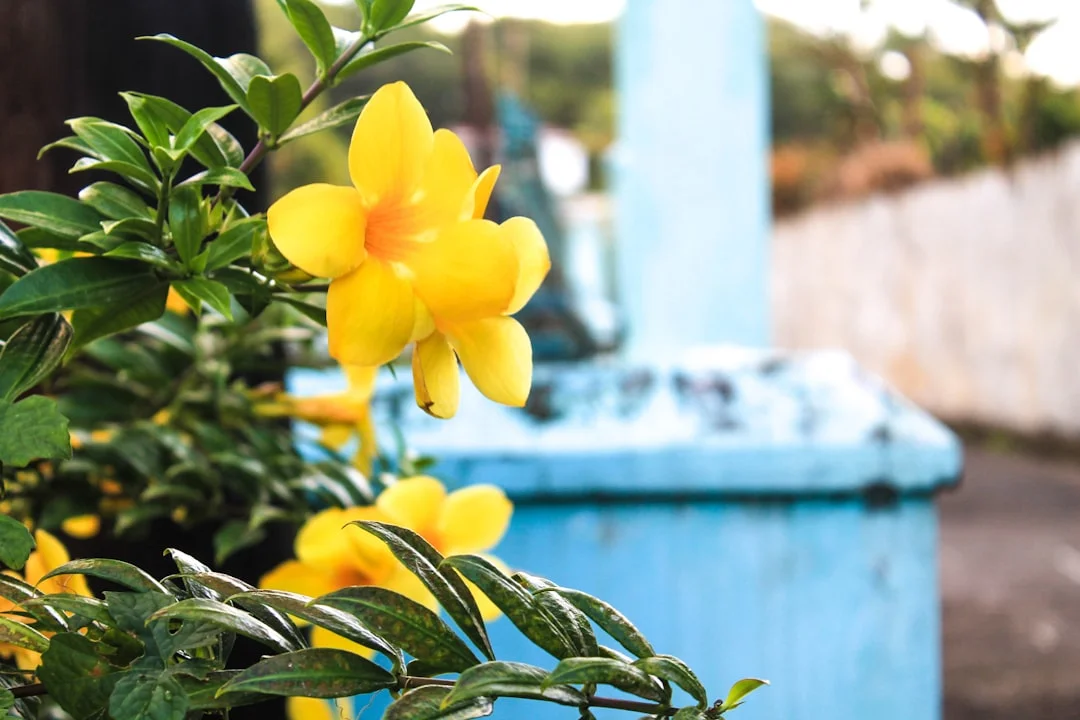
Now, the safety bit — and this matters. According to information catalogued on Wikipedia and confirmed by multiple toxicology resources, all parts of Allamanda cathartica are toxic. The species name ‘cathartica’ literally refers to its strong purgative effect. Ingestion causes severe vomiting, diarrhoea, and abdominal pain in humans and pets. The milky sap can cause contact dermatitis.
Keeping Pets and Children Safe
Place Allamanda where dogs, cats, and small children can’t reach it. If you have curious pets, consider hanging baskets or fenced garden beds. Wash hands after handling. If ingestion occurs, contact poison control or a vet immediately — don’t wait for symptoms.
Harvesting Flowers and Propagation Tips
Although Allamanda flowers are sometimes used in floral arrangements, they’re delicate and short-lived once cut — usually wilting within a day. If you want to display them, harvest in early morning and place stems immediately in cool water. Sear the cut end briefly with a flame to seal the latex, which otherwise blocks water uptake.
Propagation, on the other hand, is wonderfully easy. The best method is softwood cuttings taken in late spring or early summer. Take 15 cm cuttings just below a leaf node, remove the lower leaves, dip in rooting hormone, and plant in a moist mix of sand and coco coir. Cover loosely with a plastic bag to maintain humidity. Roots typically develop in 4–6 weeks at temperatures around 24–27°C (75–80°F).
Layering also works well in the ground — pin a low branch to the soil, and it’ll often root on its own within a couple of months.
Growing from Seed
Seeds are less common but viable. Soak overnight in warm water, then sow in seedling mix. Germination takes 3–6 weeks. Seed-grown plants take longer to flower (sometimes 2–3 years) compared to cuttings, which bloom within their first season.
Frequently Asked Questions
Can I grow Allamanda indoors in a cold climate?
Yes, you can. In cold-winter regions like the UK, Canada, or the northern US, grow Allamanda in a large container near a south-facing window or in a heated conservatory. Maintain temperatures above 15°C (59°F) and provide 6+ hours of bright light daily. Use a grow light if natural sun is limited. Move pots outdoors only after the last frost passes. Indoor allamanda yellow flower care also means lower humidity — so mist regularly or place the pot on a pebble tray with water.
Is Allamanda safe for pets and children?
No, Allamanda is toxic to dogs, cats, livestock, and humans if any part is ingested. The sap, leaves, flowers, and seeds all contain irritant compounds. Symptoms include vomiting, diarrhoea, and skin rash on contact. Always plant Allamanda where pets and small children can't reach it. If accidental ingestion happens, contact your veterinarian or local poison control immediately. Wear gloves whenever pruning or handling cuttings to avoid the milky sap that causes contact dermatitis.
How often should I water my Allamanda?
Watering depends on your climate and whether it's potted or in-ground. In tropical regions, water every 2–3 days during dry spells. In temperate zones, water once or twice weekly during growing season and every 10–14 days in winter. Always check the top 2–3 cm of soil first — water only when it feels dry. Container plants dry out faster than ground-planted ones, so adjust accordingly. Good drainage matters more than frequency.
Why isn't my Allamanda flowering?
The top reasons are insufficient light, too much nitrogen, or lack of pruning. Allamanda needs at least 6 hours of direct sunlight to bloom well. Switch from balanced fertiliser to a bloom booster (NPK 5-10-10) once buds should appear. Also, prune in late winter to encourage new flowering wood. Proper allamanda yellow flower care includes pinching tips throughout the growing season — each pinch creates new branches that produce more flowers.
How do I grow Allamanda in containers?
Choose a pot at least 30 cm wide with drainage holes. Use a well-draining mix of potting soil, perlite, and compost in a 5:3:2 ratio. Place in full sun, water when the top soil feels dry, and feed every 2 weeks during the growing season. Install a small trellis for support since Allamanda is a scrambling vine. Repot every 2 years in spring. Container plants generally need more frequent watering and feeding than those grown in the ground.
When is the best time to prune Allamanda?
The main pruning happens in late winter or very early spring before new growth begins. Cut back stems by one-third to one-half, removing weak, dead, or crossing branches. Throughout the growing season, pinch tips lightly to encourage bushier growth. Always wear gloves — the white sap irritates skin. Disinfect your shears between cuts. Regular pruning is essential because Allamanda blooms on new wood, so cutting back actually increases flower production.
Can Allamanda survive winter outdoors?
Only in USDA zones 10–11 or equivalent warm climates like coastal India, Singapore, northern Australia, or southern Florida. Below 10°C (50°F), the plant suffers; below 5°C (41°F), it usually dies. In cooler regions, grow Allamanda in containers and move them indoors before autumn frost. Reduce watering and feeding during winter dormancy. Place the plant in a bright, draft-free spot. Resume normal care in spring when temperatures climb back above 18°C (65°F).
Does Allamanda have any medicinal uses?
Traditional systems including Ayurveda and South American folk medicine have used Allamanda cathartica as a strong purgative — hence the species name. However, modern research strongly advises against home use because the toxic dose is dangerously close to the medicinal dose. The [Ayush Ministry](https://www.ayush.gov.in/) and global health authorities don't recommend self-medication with Allamanda. Treat it purely as an ornamental plant. If you're interested in safer medicinal herbs, consider tulsi, ashwagandha, or aloe vera instead.
Final Thoughts
Mastering allamanda yellow flower care really comes down to four essentials: full sun, well-drained soil, steady warmth, and regular pruning. Get those right and this tropical beauty will reward you with cascades of golden trumpets for years — whether you’re gardening on a Mumbai balcony, a Florida patio, or a London conservatory. Remember to always wear gloves when handling, keep the plant safely away from pets and children, and feed it generously during the growing season. Start with a healthy cutting or nursery plant this spring, give it a sunny spot and good support, and you’ll soon be cutting back excess growth rather than coaxing flowers. The good news is that Allamanda is remarkably forgiving once established. So grab those gloves, set up that trellis, and get planting — your future self will thank you when those first buttery yellow blooms open.

