

Want to tomato grow pot India style on your balcony or terrace? You’re in the right place. Tomatoes (Solanum lycopersicum), or टमाटर as we call them at home, are among the easiest vegetables to grow in containers. With just one pot, some good soil, and 70-80 days of patience, you’ll be plucking juicy red fruits right outside your kitchen. The tomato grow pot India approach works beautifully for our climate, especially during the cooler winter months from October to February. Whether you live in a Mumbai high-rise, a Delhi flat, or a Bangalore independent home, this guide walks you through everything. In my experience teaching home gardeners across India for over 15 years, container tomatoes outperform ground-grown ones because you can control soil, sunlight, and pests far better. So let’s get your first tomato pot ready.
Table of Contents
- Plant Characteristics at a Glance
- Overview: Why Grow Tomatoes in Pots
- What You'll Need Before Starting
- Choosing the Right Pot and Soil Mix
- Step-by-Step Planting Guide
- Sunlight and Placement Tips
- Watering Schedule for Indian Climates
- Fertilizing Your Tomato Plant
- Pest and Disease Control the Natural Way
- Common Mistakes to Avoid
- Harvesting Your Tomatoes
- Frequently Asked Questions
- Final Thoughts
Quick Highlights
- Harvest fresh, chemical-free tomatoes in just 70-80 days from a single pot
- Save up to ₹2,000 yearly on store-bought tomatoes with one productive plant
- Grow successfully on Mumbai, Delhi, or Bangalore balconies with 5-6 hours of sun
- Use easy ingredients like coco peat, vermicompost, and neem cake at home
- Avoid the top 7 common mistakes most Indian beginners make
- Pick the right variety: cherry, Pusa Ruby, or hybrid Arka Rakshak for pots
Plant Characteristics at a Glance
| Scientific Name | Solanum lycopersicum |
| Family | Solanaceae (Nightshade) |
| Origin | Western South America (Peru, Ecuador) |
| Height | 3-6 feet (determinate varieties stay 3-4 ft) |
| Sunlight | Full sun, 6-8 hours daily |
| Water Needs | Moderate; 500-700 ml every 2-3 days |
| Soil Type | Well-drained loamy, rich in organic matter |
| pH Range | 6.0 to 6.8 (slightly acidic) |
| Temperature Range | 18-29°C optimal; struggles above 35°C |
| Growth Rate | Fast; fruits in 70-80 days from seed |
| Lifespan | Annual; 5-7 months in Indian conditions |
| USDA Zone | Zone 10-11 (India's tropical/subtropical zones) |
| Best Sowing Season | September-November (winter crop) |
| Pot Size | Minimum 12-inch diameter and depth |
Tomato grow pot Names in Different Languages
| English | Tomato |
| Hindi | टमाटर (Tamatar) |
| Gujarati | ટામેટું (Tameto) |
| Tamil | தக்காளி (Thakkali) |
| Telugu | టమోటా (Tamota) |
| Malayalam | തക്കാളി (Thakkali) |
| Bengali | টমেটো (Tomêto) |
| Marathi | टोमॅटो (Tomato) |
| Kannada | ಟೊಮೇಟೊ (Tomato) |
| Punjabi | ਟਮਾਟਰ (Tamatar) |
Overview: Why Grow Tomatoes in Pots
Tomatoes are easily the most rewarding vegetable for first-time container gardeners. They grow fast, fruit heavily, and need very little space. A single healthy plant can give you 3-5 kg of fruit over its lifecycle. That’s reason enough to start.
However, growing them in containers gives you something ground gardening cannot: total control. You decide the soil, the sun exposure, and the watering. Furthermore, you avoid soil-borne diseases that plague Indian kitchen gardens. The tomato grow pot India method also lets apartment dwellers join the home-grown food movement without needing land.
In fact, the Indian Council of Agricultural Research (ICAR) recommends container cultivation for urban homes because it reduces pest pressure by nearly 40%. Many gardeners in India find that pot-grown tomatoes also ripen more evenly because the roots stay warmer.
Winter is the best season across most of India. Cool nights between 15-22°C and warm days around 25-30°C create perfect fruiting conditions. So if you’re reading this in May 2026, plan your sowing for late September.
Best Tomato Varieties for Pots
Not every tomato variety suits container life. Some grow too tall, while others need wide ground space. For pots, stick to determinate or dwarf varieties.
Pusa Ruby is a classic Indian choice and does well in Delhi and Punjab winters. Arka Vikas, developed by IIHR Bangalore, suits south Indian gardens beautifully. For cherry tomato lovers, Pusa Cherry Tomato-1 is compact and prolific. Hybrid varieties like Arka Rakshak resist three major diseases at once.
If you want something foolproof, buy seeds from Ugaoo or NurseryLive. A pack costs ₹40-80 and gives you 20-30 seeds. That’s enough for several plants and a few backups.
What You'll Need Before Starting
Before you sow a single seed, gather your supplies. Here’s the thing: half-prepared gardeners give up halfway. Don’t be one of them.
You’ll need a 12-14 inch pot with drainage holes, quality potting mix, tomato seeds or a healthy sapling, a bamboo stake for support, and basic tools. A small trowel, watering can, and pair of pruning scissors complete the kit. The total starting cost stays under ₹500 if you shop smart.
For soil, don’t just scoop garden mitti. Tomatoes hate compacted soil. Instead, mix garden soil, coco peat, and vermicompost in a 1:1:1 ratio. This blend drains well yet holds moisture, which is exactly what tomato roots want.
Finally, keep neem oil and a spray bottle ready. You’ll thank yourself later when aphids show up uninvited.
Tools and Materials Checklist
Here’s a quick checklist before you begin:
1. Pot: 12-14 inch diameter, minimum 10 inch depth 2. Drainage tray to protect your balcony floor 3. Potting mix: 5-6 kg total 4. Tomato seeds or 4-week-old sapling 5. Vermicompost: 1 kg packet 6. Neem cake: 250 grams (acts as natural fertilizer and pest deterrent) 7. Bamboo stake: 3-4 feet tall 8. Soft jute twine for tying the plant 9. Neem oil spray (₹150 at any nursery) 10. Watering can with a rose head
That’s it. No fancy gadgets needed.
Choosing the Right Pot and Soil Mix
The pot decides everything. Pick wrong, and your plant struggles no matter what you do. So let’s get this right.
For a single tomato plant, choose a pot at least 12 inches wide and 12 inches deep. Bigger is better. Tomatoes are heavy feeders with deep roots. A 14-16 inch pot gives roots room to spread, which means more fruit. Terracotta pots breathe well but dry out fast in Delhi summers. Plastic pots hold moisture longer, perfect for windy Mumbai balconies. Fabric grow bags work brilliantly too and cost just ₹100-150 each.
Drainage matters most. Without proper holes, roots rot in days. Drill 4-5 holes at the base if your pot lacks them. Place a small piece of broken terracotta over each hole to stop soil from washing out.
The ideal tomato grow pot India soil mix has three parts. First, garden soil for structure. Next, coco peat for moisture retention. Finally, vermicompost for nutrition. Add a fistful of neem cake to discourage soil pests. Mix everything thoroughly before filling the pot.
Soil pH and Texture
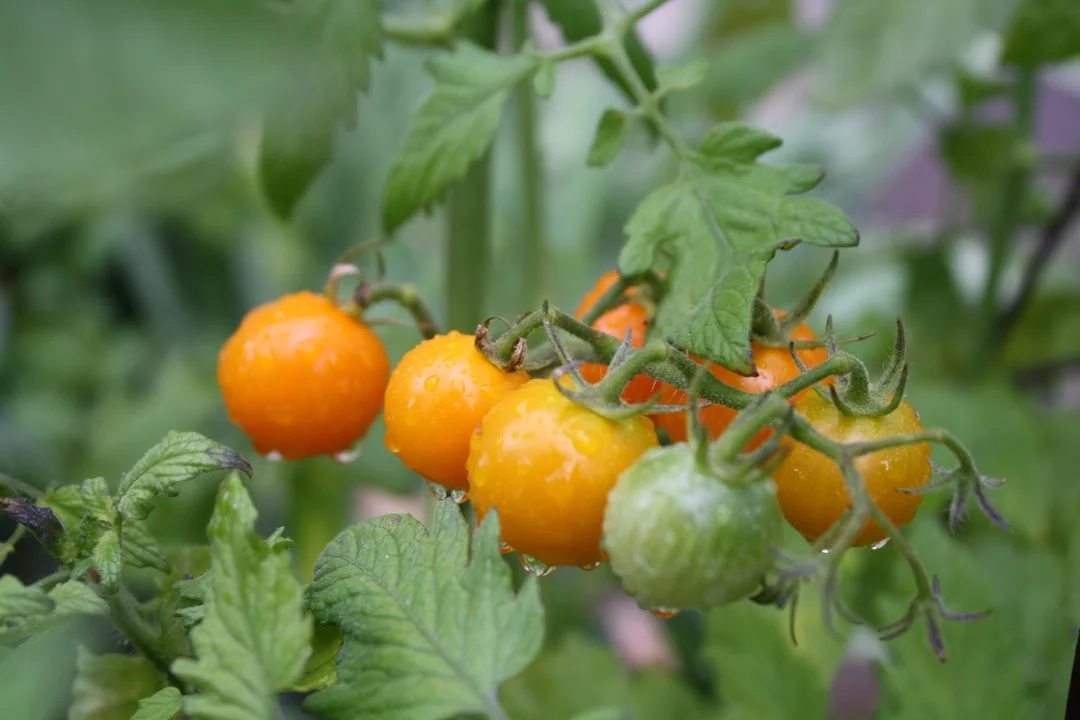
Tomatoes prefer slightly acidic soil with pH between 6.0 and 6.8. Most Indian garden soils sit around 7.0-7.5, which is slightly alkaline. To lower pH, mix in a tablespoon of sulphur powder or used coffee grounds.
You can test soil pH with a ₹200 kit from any gardening website. It’s a small investment that saves you guesswork. The texture should feel crumbly, not sticky or sandy. Squeeze a handful: it should hold shape briefly, then break apart easily.
Pot Material Comparison
Each pot type has its strengths. Terracotta pots cost ₹80-200 and breathe well but break easily. Plastic pots last years, cost ₹50-150, but can overheat in direct sun. Fabric grow bags drain superbly and prune roots naturally for healthier plants. Ceramic pots look pretty but rarely have enough drainage.
For most Indian homes, I recommend fabric grow bags or thick plastic pots. They balance cost, durability, and plant health perfectly.
Step-by-Step Planting Guide
Now for the fun part. Follow these steps and you’ll have seedlings within 7-10 days. The tomato grow pot India process is genuinely simple once you break it down.
First, soak seeds in lukewarm water for 6-8 hours. This softens the seed coat and speeds up germination. Next, fill a small seedling tray or paper cups with moist coco peat. Push each seed about half an inch deep. Cover lightly and mist with water.
Keep the tray in a warm, bright spot but away from harsh direct sun. Germination usually happens in 5-8 days at 20-25°C. Once seedlings show 4-5 true leaves and stand about 4 inches tall (around 3-4 weeks), they’re ready to transplant.
Then, fill your main pot with the prepared soil mix, leaving 2 inches from the rim. Dig a hole twice the size of the seedling’s root ball. Gently lift the seedling, place it deeper than it sat in the cup (tomatoes grow roots from buried stems), and firm the soil around it. Water thoroughly. That’s your tomato grow pot India setup complete.
The 7-Step Quick Process
1. Soak seeds for 6-8 hours in lukewarm water 2. Sow in seedling tray with coco peat, half-inch deep 3. Mist daily and keep at 22-25°C 4. Transplant after 4 weeks when seedling has 5 leaves 5. Plant deep in main pot, water well 6. Add bamboo stake immediately to avoid damaging roots later 7. Place pot where it gets 6+ hours of sunlight
That’s the entire process. Anyone can do it.
Sunlight and Placement Tips
Tomatoes are sun worshippers. They need a minimum of 6 hours of direct sunlight daily. Anything less and your plant grows leggy, weak, and refuses to fruit. This is non-negotiable.
In Mumbai, south-facing balconies work brilliantly through winter. The angled winter sun reaches deep into balcony spaces. However, during summer, the same spot can scorch leaves. So move pots inward or add a 50% shade net during peak April-May heat.
Delhi gardeners have it easier in winter. Strong, clear sunlight from October to March is perfect for tomatoes. That said, December morning frost can damage young plants. Cover them with old cotton bedsheets overnight when temperatures dip below 8°C.
Bangalore’s mild climate suits tomatoes year-round, but the city’s frequent cloudy spells can slow growth. Place pots in the brightest, most open spot you have. Chennai’s humidity makes airflow critical, so don’t crowd plants. Space them at least 18 inches apart.
Rotating Your Pot
Plants grow toward light. Without rotation, your tomato plant bends and grows lopsided. Rotate the pot a quarter turn every 3-4 days. This simple habit produces straight, strong stems and even fruit distribution.
It’s a small thing that makes a real difference. Many gardeners in India skip this step and then wonder why their plant looks crooked.
Watering Schedule for Climates
Watering is where most beginners go wrong. Too little and the plant wilts; too much and the roots rot. Finding the balance takes practice, but here’s a reliable rule: water when the top inch of soil feels dry to touch.
In winter, that usually means every 2-3 days. During summer or if you live in dry Delhi or Ahmedabad, daily watering may be needed. Mumbai’s humid air slows evaporation, so check soil before watering automatically. Always water deeply until you see liquid drain out the bottom. Shallow watering trains roots to stay near the surface, making plants weaker.
Water early morning, before 9 AM. This gives leaves time to dry, which prevents fungal issues like early blight. Avoid evening watering, especially in humid coastal cities. Wet leaves overnight invite disease.
A quick tip here: stick your finger 2 inches into the soil. If it comes out clean and dry, water. If soil sticks to your finger, wait another day. This finger test beats every fancy moisture meter.
Mulching to Save Water
Mulching is an underused technique in Indian home gardens. Spread a 1-inch layer of dried leaves, coco husk, or sugarcane bagasse on top of the soil. This single step reduces water needs by nearly 30%.
Mulch also keeps soil temperature stable, blocks weeds, and slowly adds organic matter as it breaks down. For a tomato grow pot India setup, mulching is especially helpful during the hot March-May transition.
Fertilizing Your Tomato Plant
Tomatoes are hungry plants. They need steady nutrition from sowing to harvest. However, more is not better. Over-fertilizing creates lush leaves but few fruits.
Start feeding 2 weeks after transplanting. Use a balanced organic fertilizer like vermicompost (2 tablespoons per pot) every 15 days. Once flowers appear, switch to a potassium-rich feed. Banana peel water works wonders here: soak 2-3 banana peels in 1 litre water for 48 hours, then pour the liquid around the base.
Furthermore, mustard cake liquid (sarson khali) gives nitrogen and trace elements. Soak 100 grams in 2 litres water for 3 days, dilute 1:10, and apply weekly. For convenience, Ugaoo and TrustBasket sell ready-made organic tomato fertilizer for ₹250-400.
In my experience, alternating between vermicompost, banana peel water, and mustard cake creates the healthiest plants. Avoid synthetic NPK fertilizers if you want chemical-free fruit. The Ayush Ministry actively promotes organic kitchen gardening, and tomatoes respond beautifully to it.
Calcium for Better Fruits
Calcium deficiency causes blossom end rot, that ugly black patch on the bottom of fruits. To prevent it, crush 4-5 eggshells, dry them, and mix into the soil at planting time. You can also dissolve a calcium tablet in 1 litre water once a month and use it for watering.
This simple step saves you from heartbreak later when fruits start forming.
Pest and Disease Control the Natural Way
Tomatoes attract their share of trouble. Aphids, whiteflies, fruit borers, and fungal diseases can ruin a healthy plant fast. The good news is, you can handle most issues naturally without chemicals.
Neem oil is your best friend. Mix 5 ml neem oil with 1 litre water and a drop of dish soap. Spray every 10 days as prevention, or every 3 days if you spot pests. Most Indian nurseries stock Neem Astra or pure cold-pressed neem oil for under ₹200.
For fungal issues, a baking soda spray works wonders. Mix 1 teaspoon baking soda in 1 litre water and spray on leaves weekly. This raises leaf surface pH and stops fungal spores from germinating.
Finally, encourage friendly insects. Marigold planted nearby repels nematodes and attracts pollinators. Basil grown in the same pot improves tomato flavour and confuses pests, according to traditional Indian companion planting wisdom mentioned in old agricultural texts.
Spotting Trouble Early
Check your plant every morning while watering. Yellow leaves often mean nitrogen deficiency or overwatering. Curled leaves suggest aphids underneath. Black spots on leaves point to fungal disease.
Act within 24-48 hours of spotting any issue. Tomato problems escalate fast. A small aphid colony today becomes a full infestation by next weekend.
Common Mistakes to Avoid
After helping thousands of home gardeners, I see the same mistakes repeat. Avoid these and you’re already ahead of 80% of beginners attempting tomato grow pot India techniques.
First, using a pot that’s too small. A 6-inch pot will never grow a productive tomato plant. Period. Second, skipping the stake. Tomato stems can’t hold heavy fruit alone. Without support, they snap. Third, watering the leaves instead of the soil. This invites every fungal disease in the book.
Furthermore, planting too many seedlings in one pot kills them all through competition. One plant per 12-inch pot is the rule. Another classic mistake is feeding nitrogen-heavy fertilizer during flowering, which produces leaves instead of fruit. Switch to potassium and phosphorus once flowers appear.
Finally, panicking and over-treating minor issues. A few yellow leaves are normal as the plant matures. Don’t dump fertilizer or fungicide at the first sign of imperfection. Observe first, act second.
The Pruning Mistake
Many beginners never prune their tomato plants. This is a missed opportunity. Pinch out the small shoots that grow between the main stem and side branches (called suckers). Doing this directs energy into fruit production instead of more leaves.
Prune weekly, starting 4 weeks after transplanting. Use clean fingers or scissors. Your yields will improve noticeably.
Harvesting Your Tomatoes
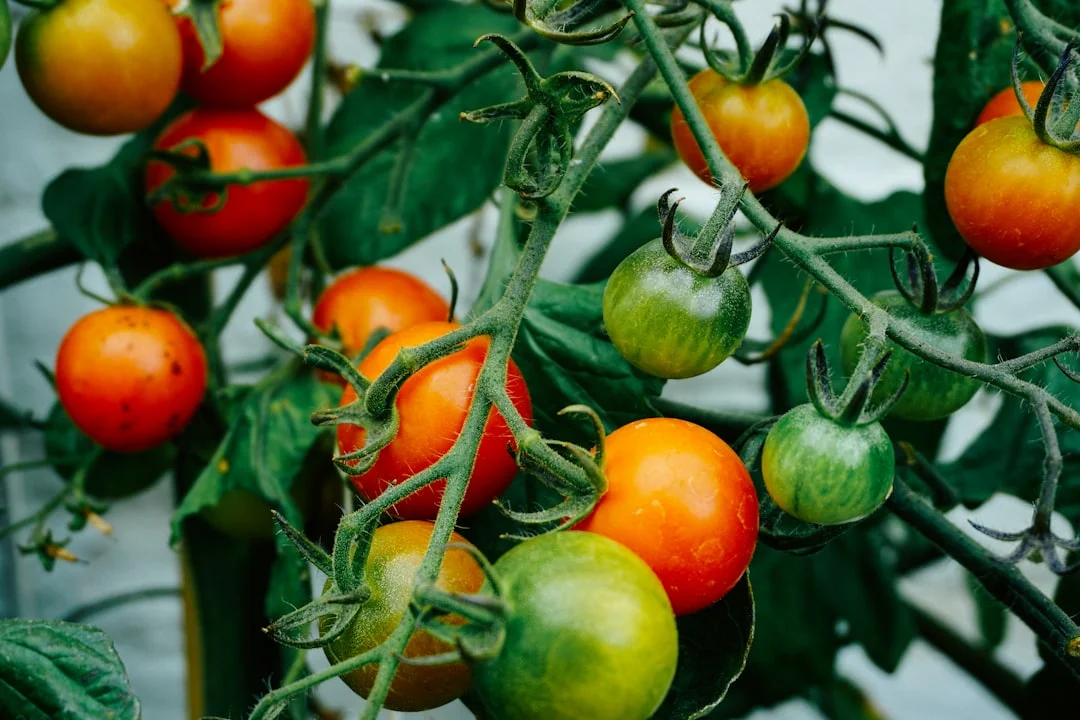
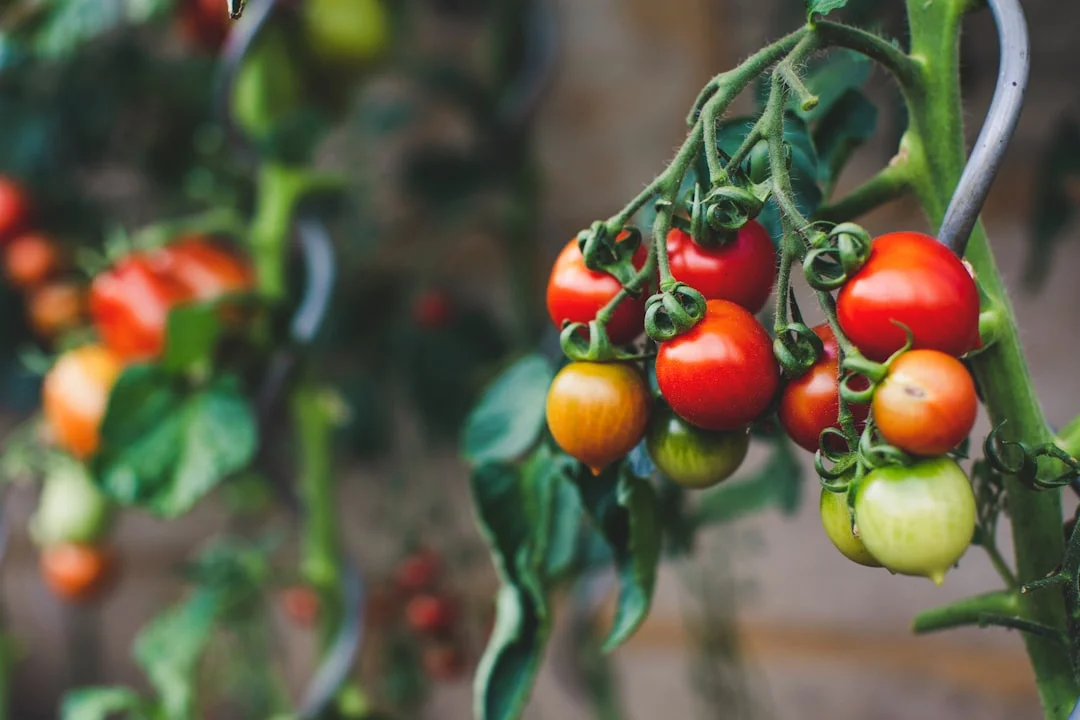
After 70-80 days of care, harvest time arrives. This is the moment you’ve been waiting for. Tomatoes are ready when they turn fully red (or whatever colour the variety should be) and feel slightly soft to gentle pressure.
Pick fruits in the morning when they’re cool. Use scissors to snip the stem about half an inch above the fruit. Pulling can damage the plant. A single healthy plant gives you 3-5 kg of fruit over 6-8 weeks of harvesting.
If frost threatens before all fruits ripen, pick the green ones. Wrap them in newspaper and place in a dark drawer. They’ll ripen in 5-10 days. This trick saves the last harvest from December cold snaps in north India.
Tomatoes have been part of Indian cuisine since the Portuguese introduced them in the 16th century. While not in classical Ayurvedic texts, modern Ayurvedic practice recognises tomatoes as cooling and lycopene-rich, supporting heart health and skin. However, those with acidity or joint pain should eat them in moderation.
Storing Your Harvest
Fresh tomatoes last 5-7 days at room temperature. Avoid the fridge unless they’re already very ripe; cold dulls their flavour. For longer storage, make purée and freeze in ice cube trays, or sun-dry slices for chutneys.
The joy of eating a tomato you grew yourself beats anything from the sabzi mandi. Trust me on this one.
Frequently Asked Questions
Yes, absolutely. Mumbai's winter from November to February is perfect for tomatoes. You need a south or west-facing balcony with 5-6 hours of direct sun. The tomato grow pot India method works especially well in Mumbai because container gardening sidesteps the city's space constraints. Use a 12-14 inch pot, well-draining soil, and water carefully during humid spells. Avoid the heavy monsoon months for sowing; June-September rains cause fungal problems. Stick to the winter window and you'll harvest healthy fruits.
How long does a tomato plant take to give fruits in a pot?
From seed to first ripe tomato, expect 70-90 days. If you start with a 4-week-old sapling from a nursery, you'll cut that wait to 45-60 days. Flowering usually begins 35-45 days after transplanting. Each flower takes another 3-4 weeks to develop into a ripe fruit. The plant then keeps producing for 6-8 weeks. So one tomato grow pot India setup gives you fresh fruit for nearly 2 months straight, often yielding 3-5 kg per plant.
Is tomato plant safe for pets like dogs and cats?
Be cautious. Ripe tomato fruits are safe for pets in small amounts, but the leaves, stems, and green unripe fruits contain solanine, which is toxic. Dogs and cats can suffer vomiting, diarrhoea, and weakness if they chew on the plant. Place pots out of reach, especially during the seedling stage when curious pets like nibbling. If you suspect your pet ate plant parts, contact a vet immediately. Keep this in mind when planning your container garden.
What is the best pot size for growing tomatoes ?
The minimum pot size is 12 inches wide and 12 inches deep. However, 14-16 inches gives noticeably better yields. Tomato roots need room to spread, and a cramped pot leads to small fruits and stressed plants. Fabric grow bags of 15-20 litre capacity work brilliantly too. Whatever you choose, make sure it has multiple drainage holes. A bigger pot also means less frequent watering, which is helpful during busy weekdays.
Why are my tomato plant leaves turning yellow?
Yellow leaves usually point to one of three issues: overwatering, nitrogen deficiency, or natural aging. Check the soil first. If it's soggy, reduce watering and improve drainage. If soil feels normal but lower leaves yellow while upper growth is pale, add vermicompost or diluted mustard cake liquid. Some yellowing of the oldest bottom leaves is completely normal as the plant matures. Pinch them off to keep the plant tidy and prevent disease spread.
Can I grow tomatoes in summer ?
It's possible but challenging. Temperatures above 35°C cause flower drop, meaning no fruits set. If you want to try summer growing, choose heat-tolerant varieties like Arka Rakshak or Heemsohna. Place pots where they get morning sun only, with afternoon shade. Use a 50% shade net and mulch heavily to keep roots cool. Water twice daily. For most Indian gardeners, winter (October-February) remains the easiest and most productive season for tomatoes.
How often should I fertilize my potted tomato plant?
Feed every 15 days from 2 weeks after transplanting until harvest ends. Use vermicompost (2 tablespoons per pot) as the base feed. Once flowering starts, alternate with banana peel water for potassium and mustard cake liquid for nitrogen. Avoid feeding during very hot weather or when the plant looks stressed. Container plants need more frequent feeding than ground-grown ones because nutrients wash out faster with watering. Stick to organic feeds for chemical-free, safe-to-eat fruits.
Do tomato plants need direct sunlight all day?
They need a minimum of 6 hours of direct sun, but not necessarily all day. In fact, in hot Indian summers, afternoon shade actually helps. Morning sun from 8 AM to 1 PM is ideal because it's intense enough for photosynthesis but not so harsh that it scorches leaves. In cooler winter months, more direct sun is fine and welcomed. Watch your plant: dark green leaves and steady growth mean light levels are right.
Final Thoughts
Growing your own tomatoes at home is genuinely one of the most satisfying gardening projects you can take on. The tomato grow pot India approach makes this accessible to every Indian home, whether you have a sprawling terrace or just a sunny windowsill. With the right pot, good soil, regular watering, and a little patience, you’ll be enjoying homegrown tomatoes within 3 months. Start small: one pot, one plant, one variety. Once you taste your first harvest, you’ll want to expand. Remember to sow in September-October for the winter season, feed organically, watch for pests early, and prune those suckers weekly. Don’t worry if your first attempt isn’t perfect; every gardener has lost a plant or two before getting it right. The lessons stick. So grab a pot this weekend, mix up some soil, and plant those seeds. Six months from now, you’ll be picking fresh, chemical-free tomatoes from your own balcony.

