
⏱ 19 min read
Table of Contents
- Curry Leaves at a Glance
- Why Curry Leaves Grow Pot Fast (When You Buy Right)
- Best Curry Leaf Varieties to Buy in 2026
- Current Price Range Across Regions
- Where to Buy Curry Leaf Plants Online
- What to Look For in a Healthy Plant
- Choosing the Right Pot and Soil Before Delivery
- Care After Buying: The First 30 Days
- Climate Tips for Global Gardeners
- Safety, Toxicity and Medicinal Notes
Want to know how curry leaves grow pot fast at home? You’re in the right place. Curry leaves (Murraya koenigii), known as कड़ी पत्ता in Hindi, are one of the most rewarding kitchen plants you can buy. They smell amazing, cook beautifully, and once you learn the trick, they grow surprisingly quickly in a pot. This buying guide walks you through every step, whether you’re shopping in Mumbai, London, Sydney, or Toronto. We’ll cover the best varieties, current prices in USD and INR, trusted online nurseries, and what a healthy plant should look like before you click ‘buy’. You’ll also learn how curry leaves grow pot fast when you pick the right size container, soil mix, and starter plant. In my experience helping home gardeners across three continents, the choice you make at purchase decides 80% of your success. So let’s get you the right plant, the first time. Many gardeners who grow this plant also love to read about Capsicum Grow Pot India.
Quick Highlights
- Compare top curry leaf varieties (Regular, Gamthi, Dwarf) before buying
- Check current 2026 prices from Ugaoo, NurseryLive, Amazon and global nurseries
- Spot a healthy plant using 5 simple visual checks
- Learn pot size, soil, and light tricks for fast growth
- Grow curry leaves indoors in cold climates with confidence
- Avoid the 3 most common buying mistakes that kill new plants
Plant Characteristics at a Glance
| Common Name | Curry Leaves, Curry Tree, Sweet Neem |
| Scientific Name | Murraya koenigii |
| Family | Rutaceae (Citrus family) |
| Origin | Indian subcontinent and Sri Lanka |
| Habitat | Tropical and subtropical forests, cultivated gardens |
| Plant Type | Evergreen aromatic shrub or small tree |
| Indoor Plant | Yes, with bright light or grow light |
| Outdoor Plant | Yes, in USDA zones 9–12 and RHS H1c–H2 |
| Leaves | Pinnate, glossy green, strongly aromatic |
| Flowers | Small white fragrant clusters |
| Flowering Season | Spring to early summer (March–May) |
| Fruit | Small black berries (not for eating) |
| Seeds | Single seed per berry; toxic if consumed raw |
| Roots | Shallow, fibrous, sensitive to waterlogging |
| Height | 60–120 cm in pots; 4–6 m outdoors |
| Growth Rate | Moderate to fast in warm conditions |
| Light Requirements | 5–6 hours direct sunlight or full-spectrum grow light |
| Soil Requirements | Well-draining, slightly acidic (pH 6.0–6.5) |
| Water Requirements | Moderate; water when top 2 cm of soil is dry |
| Temperature Requirements | 20–35°C (68–95°F); minimum 10°C (50°F) |
| Humidity Requirements | 50–70% ideal; tolerates lower indoor humidity |
| Propagation | Seeds, stem cuttings, root suckers |
| Uses | Culinary, medicinal, ornamental, hair care |
| Medicinal Properties | Antioxidant, antimicrobial, digestive support, hair growth |
| Toxicity | Non-toxic to humans, cats, and dogs (leaves) |
| Cultural Significance | Sacred in Ayurveda; daily kitchen herb in South Asia |
| Common Pests | Citrus psyllids, aphids, scale insects, mealybugs |
| Common Diseases | Root rot, leaf spot, powdery mildew |
| Special Care Tips | Pinch tips monthly to encourage bushy growth |
| Cultural Practices | Buttermilk feeding monthly; light pruning in spring |
| Vastu Direction | North or northeast for prosperity and health |
Curry leaves grow pot fast Names in Different Languages
| English | Curry Leaves / Curry Tree |
| Mandarin Chinese | 咖喱叶 (Gālí yè) |
| Spanish | Hoja de curry |
| Hindi | कड़ी पत्ता (Kadi Patta) |
| Gujarati | મીઠો લીમડો (Mitho Limdo) |
| Arabic | أوراق الكاري (Awraq al-kari) |
| Bengali | কারি পাতা (Kari Pata) |
| Portuguese | Folha de caril |
| Russian | Листья карри (List'ya karri) |
| Japanese | カレーリーフ (Karē rīfu) |
| Punjabi | ਕੜੀ ਪੱਤਾ (Kadi Patta) |
| German | Curryblätter |
| Javanese | Daun kari |
| Korean | 카레잎 (Karen-ip) |
| French | Feuilles de curry / Caloupilé |
| Telugu | కరివేపాకు (Karivepaku) |
| Marathi | कढीपत्ता (Kadhipatta) |
| Tamil | கறிவேப்பிலை (Kariveppilai) |
| Urdu | کڑی پتہ (Kadi Patta) |
| Turkish | Köri yaprağı |
| Vietnamese | Lá cà ri |
Curry Leaves at a Glance
Curry leaves come from a small tropical tree native to the Indian subcontinent. The plant belongs to the Rutaceae family, which also includes citrus. That’s why fresh leaves smell slightly lemony when crushed. In warm zones, the tree can reach 4–6 metres outdoors. In a pot, however, it stays a friendly 60–120 cm tall, which is perfect for balconies and kitchens. Many gardeners who grow this plant also love to read about Chilli Grow Pot at Home.
According to Kew Gardens, Murraya koenigii thrives in USDA zones 9–12 and RHS hardiness rating H1c–H2. Gardeners in cooler regions can still grow it happily indoors with a sunny window. Furthermore, the leaves are used daily in South Indian, Sri Lankan, and Malaysian cooking, and they hold a respected place in Ayurveda for digestion and hair health.
Here’s the thing many first-time buyers miss: this is a slow plant by nature. But with the right pot, soil, and starter, you can speed things up dramatically.
Why Curry Leaves Grow Pot Fast (When You Buy Right)
Most people think curry leaves are stubborn growers. Honestly, they’re not — they’re just picky at the start. The secret to making curry leaves grow pot fast lies in three things: a healthy 1–2 year old plant, the correct variety, and warm root conditions from day one. Many gardeners who grow this plant also love to read about Tomato Grow Pot India.
In fact, a well-rooted Gamthi or Regular variety can push out 4–6 new leaf sets per month during warm weather. That’s quick for any aromatic herb. Meanwhile, a stressed or undersized plant may sit dormant for months, which is where most disappointment comes from.
The Buyer's Advantage
When you buy a 12–18 month old plant instead of a seedling, you skip the slow nursery phase entirely. That’s why curry leaves grow pot fast for buyers who choose established plants. A mature root system means the plant can use water and nutrients efficiently from week one. Furthermore, established plants handle transplant shock far better than tiny seedlings, especially in cooler climates like the UK, Germany, or the Pacific Northwest.
What Slows Them Down
Cold roots, soggy soil, and tiny pots are the three biggest growth killers. Even the healthiest plant won’t grow fast if its roots stay below 18°C (64°F). Similarly, heavy garden soil suffocates the fine feeder roots. So before you buy, make sure you’ve got a 10-inch terracotta pot, a free-draining mix, and a sunny spot ready to go.
Best Curry Leaf Varieties to Buy in 2026
Not all curry leaves are equal. There are three main varieties on the market, and choosing the right one decides how quickly and how strongly your plant performs. Many gardeners find this surprising, but the variety matters more than fertiliser, in my experience.
Here’s a quick comparison to help you pick before you shop.
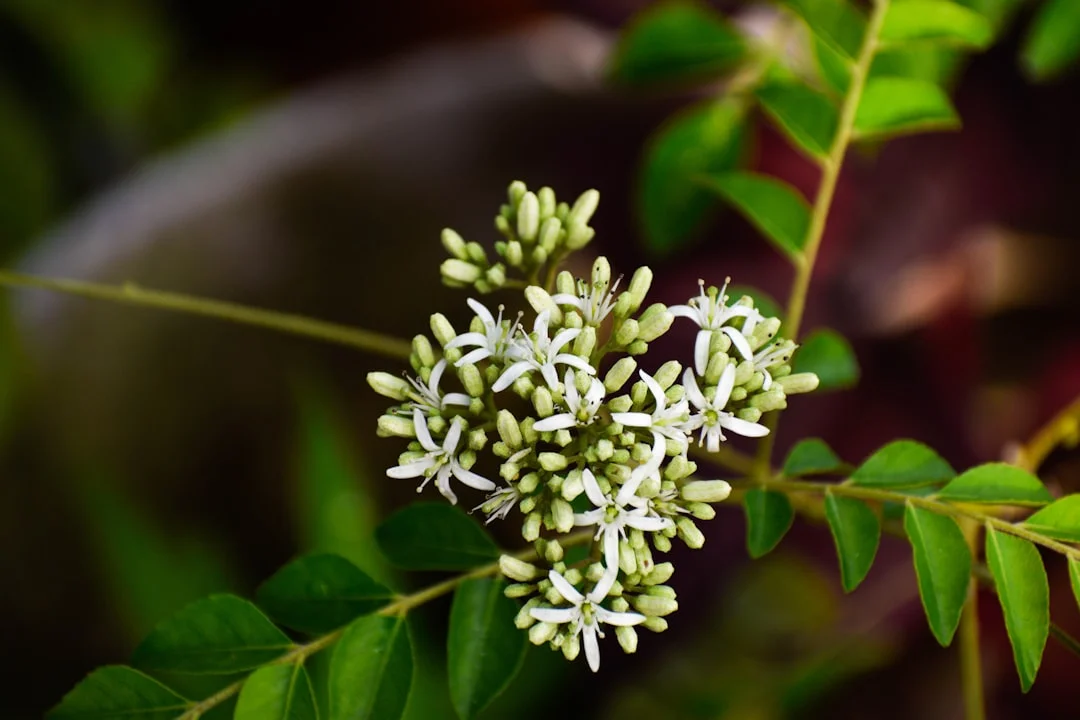
Regular (Suvasini) Variety
This is the most common variety sold online. It grows tall and upright, with medium-green leaves and the classic strong aroma. It’s also the fastest grower of the three. If your main goal is to learn how curry leaves grow pot fast, Regular is your safest bet. Expect new shoots every 3–4 weeks in warm weather.
Gamthi Variety
Gamthi has the strongest flavour and darkest leaves. It grows more slowly but produces the most aromatic oil, which is why chefs love it. The plant stays compact, making it ideal for small balconies in cities like Singapore, Dubai, or London. However, expect to pay 20–30% more than the Regular type.
Dwarf (Mini) Variety
Dwarf curry leaf is perfect for indoor gardeners in cold regions. It rarely crosses 60 cm and fits on a sunny kitchen windowsill. The leaves are smaller but just as flavourful. While it grows slowly, it’s the best pick for apartments in Toronto, New York, or Berlin where space and sunlight are limited.
Current Price Range Across Regions
Prices in June 2026 have stabilised after the post-pandemic gardening boom. That said, where you buy matters as much as what you buy. Below are typical price ranges based on plant size and region.
A healthy 6–9 inch starter plant costs roughly $8–$15 (₹300–₹500, £6–£12, AUD $12–$20). A more mature 12–18 inch plant costs $18–$35 (₹700–₹1,500, £14–£28, AUD $25–$50). Specialty varieties like Gamthi can go up to $45 (₹2,000) for a well-rooted plant.
Shipping often doubles the final cost in countries like the US, UK, and Australia, since live plants need careful packing. In India, however, shipping is usually free above ₹500.
What Affects the Price
Three things drive curry leaf pricing: plant age, variety, and pot type. A 2-year-old Gamthi in a clay pot will always cost more than a 6-month Regular in a plastic nursery bag. Furthermore, certified organic plants from growers like Ugaoo command a 15–20% premium. For most home cooks, a mid-range Regular variety gives the best value and helps curry leaves grow pot fast without breaking your budget.
Where to Buy Curry Leaf Plants Online
Online nurseries have transformed plant shopping. You can now get a healthy curry leaf delivered to your door in 3–7 days. However, not every seller ships live plants well. Here are the most trusted options across regions.
In India, Ugaoo is my top pick for quality and packaging. NurseryLive offers a wider catalogue at slightly lower prices. Amazon Plants India is convenient but quality can vary between sellers, so always check reviews. For US buyers, Logee’s Plants and Etsy specialty growers ship Murraya koenigii to most states. UK gardeners can try Crocus or specialty Asian plant nurseries on eBay. In Australia, Daleys Fruit Tree Nursery is a reliable option.
Red Flags to Avoid
Watch out for sellers who don’t show real photos of the actual plant you’ll receive. Generic stock images often mean small, weak plants. Also avoid listings with no return or replacement policy for damaged plants. Many gardeners find that paying $5–$10 extra for a reputable seller saves heartbreak later. A confident seller will always answer questions about the plant’s age, variety, and root health before you buy.
Best Time to Order
Order in spring or early summer in your region for the safest shipping. Avoid winter deliveries in cold zones — plants can freeze in transit. In tropical regions like India, Southeast Asia, or northern Australia, you can order any time of year. Furthermore, weekday orders ship faster than weekend ones, since fewer plants sit in warehouses over rest days.
What to Look For in a Healthy Plant
Once your plant arrives (or before you check out at the nursery), do these five checks. A healthy starter is the single biggest factor in how curry leaves grow pot fast in your home.
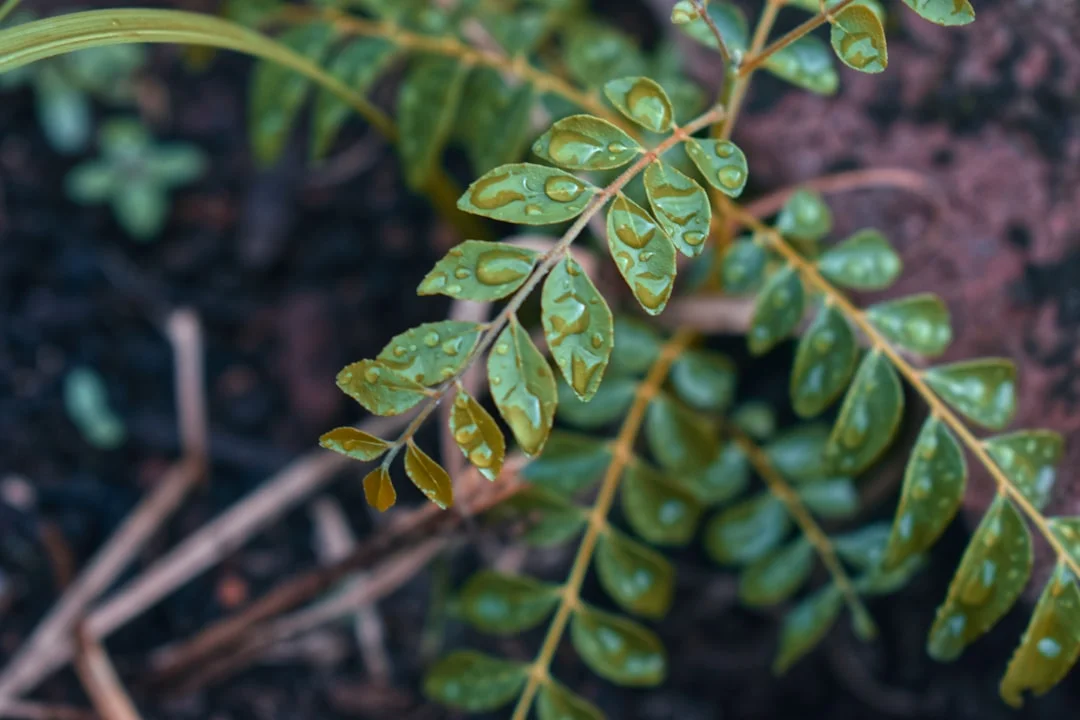
First, look at the leaf colour. Healthy leaves are bright to medium green with a slight gloss. Yellowing or brown edges signal stress. Next, check the stem — it should be firm and woody at the base, never soft or blackened. Then, look for new growth at the tips. Tiny reddish-bronze new leaves mean the plant is actively growing. After that, gently tip the pot to check the roots through drainage holes. White or cream roots are healthy; brown mushy roots mean root rot. Finally, smell a leaf. A strong citrus-curry aroma confirms the plant is well-nourished and ready to thrive.
Choosing the Right Pot and Soil Before Delivery
Have your pot and soil ready before the plant arrives. Transplanting within 48 hours of delivery prevents stress and helps curry leaves grow pot fast from week one.
Pick a terracotta pot 10–12 inches wide with at least 3 drainage holes. Terracotta breathes, which keeps roots warm and dry — exactly what this tropical plant loves. Plastic works too, but you’ll need to water less often. Avoid glazed ceramic in cool climates, since it traps moisture and chills the roots.
For soil, mix 50% good quality potting mix, 30% coarse sand or perlite, and 20% well-rotted compost. Add a handful of bone meal or rock phosphate for root development. The RHS recommends a slightly acidic pH between 6.0 and 6.5 for Rutaceae family plants like curry leaf.
Care After Buying: The First 30 Days
The first month decides everything. Get this right and your plant will reward you for years. This is where curry leaves grow pot fast really shows — or stalls. Follow these steps carefully.
Week 1: Settle In
Don’t repot immediately. Let the plant rest in its delivery pot for 2–3 days in bright indirect light. Water lightly only if the soil feels dry. Avoid fertiliser, direct hot sun, and cold drafts during this settling phase. The plant is recovering from shipping shock, and rushing now will set you back weeks.
Week 2: Transplant
Now move the plant into its new 10-inch pot with your prepared mix. Be gentle with the root ball — don’t break it apart. Water thoroughly after transplanting, then move to a sunny spot getting 5–6 hours of direct light. For indoor growers in cold climates, a south-facing window or a grow light works well.
Weeks 3–4: Feed and Watch
After two weeks in the new pot, start light feeding. Use a diluted balanced liquid fertiliser (NPK 10-10-10) every two weeks. Buttermilk diluted 1:10 with water once a month is a traditional Indian booster that genuinely works — many gardeners find it speeds up leaf production noticeably. Watch for new bronze-tipped shoots; that’s your sign of success.
Climate Tips for Global Gardeners
Curry leaves grow happily across many climates, but the approach changes by region. Here’s how to adapt based on where you live.

Tropical and Subtropical Zones
In India, Sri Lanka, Singapore, the Philippines, southern Florida, and northern Australia, your plant can live outdoors year-round. Keep it in morning sun and afternoon shade during peak summer above 38°C (100°F). Water deeply twice weekly. In these regions, curry leaves grow pot fast almost effortlessly with minimal fuss.
Temperate and Cold Zones
Gardeners in the UK, Germany, Canada, and the US Midwest must grow indoors for at least 6 months of the year. Bring the plant inside once temperatures drop below 10°C (50°F). Place near a south-facing window or under a full-spectrum LED grow light for 10–12 hours daily. Reduce watering to once every 10–14 days in winter, since the plant slows down naturally.
Mediterranean and Arid Zones
In California, southern Spain, Dubai, and parts of Australia, the dry heat suits curry leaves well. However, water more often — every 3–4 days in summer — and mulch the topsoil with coco coir to lock in moisture. Avoid the harsh afternoon sun in deserts; partial shade keeps leaves from scorching.
Safety, Toxicity and Medicinal Notes
Good news first: curry leaves are non-toxic to humans, cats, and dogs according to safety databases referenced by veterinary sources. They’ve been used safely for thousands of years in Indian kitchens. The Charaka Samhita mentions them for digestive and skin health, and modern studies on PubMed confirm their antioxidant and antimicrobial properties.
That said, moderation matters. Eating more than 10–15 leaves daily over long periods isn’t well-studied. Pregnant women should check with their doctor before using curry leaves medicinally, although culinary amounts are completely safe. The Ayush Ministry recognises curry leaf as a supportive herb for hair and digestion, but it’s not a replacement for medical treatment.
Frequently Asked Questions
Can I grow curry leaves indoors in a cold climate like the UK or Canada?
Yes, absolutely. Curry leaves grow well indoors in cold regions if you give them a south-facing window or a full-spectrum LED grow light for 10–12 hours daily. Keep the room above 15°C (59°F) and reduce watering in winter. Many UK and Canadian gardeners successfully grow curry leaves grow pot fast indoors year-round by using a small humidifier and turning the pot weekly for even light. Choose the Dwarf variety for the easiest indoor experience.
Are curry leaves safe for cats and dogs?
Yes, curry leaves (Murraya koenigii) are not listed as toxic to cats or dogs by major veterinary databases. The fresh leaves are safe if your pet chews on them. However, the small black berries should be kept away from pets, as the seeds inside contain compounds that can cause digestive upset. As always, if your pet eats any plant material in large amounts, watch for unusual symptoms and consult your vet to be safe.
How do I make curry leaves grow pot fast at home?
To help curry leaves grow pot fast, start with a healthy 1–2 year old plant from a trusted nursery. Use a 10-inch terracotta pot with well-draining soil mixed 50:30:20 with potting mix, sand, and compost. Give it 5–6 hours of direct sunlight, water when the top soil dries out, and feed with diluted buttermilk monthly. Pinch the growing tips to encourage branching. With these basics, you'll see new shoots every 3–4 weeks in warm weather.
How much do curry leaf plants cost in 2026?
In June 2026, a 6–9 inch starter plant costs $8–$15 (₹300–₹500, £6–£12). A more mature 12–18 inch plant runs $18–$35 (₹700–₹1,500). Specialty Gamthi variety can reach $45 (₹2,000). Indian nurseries like Ugaoo and NurseryLive offer the best value with free shipping above ₹500. International buyers should budget extra for shipping, since live plants need climate-controlled packaging that often adds 50–100% to the base price.
Where can I buy a quality curry leaf plant online?
In India, Ugaoo and NurseryLive are the most trusted online nurseries for quality and packaging. Amazon Plants India works too, but check seller reviews carefully. US buyers can try Logee's Plants and specialty Etsy growers. UK gardeners have luck with Crocus and Asian plant specialists on eBay. Australian buyers should look at Daleys Fruit Tree Nursery. Always pick sellers who show real photos of the actual plant and offer replacement guarantees for damaged deliveries.
Why is my new curry leaf plant not growing?
Three common reasons stop new plants from growing. First, root temperature below 18°C (64°F) puts the plant into dormancy — move it somewhere warmer. Second, overwatering causes root rot, which shows as yellowing leaves and slow growth. Let the soil dry between waterings. Third, low light starves the plant. Curry leaves grow pot fast only when they get 5–6 hours of direct sun or strong grow light. Also avoid fertilising in the first 2 weeks after delivery to prevent shock.
How long does a curry leaf plant take to mature?
A purchased 1-year-old plant reaches usable size for cooking within 3–6 months of good care. Full maturity, where you can harvest weekly without harming the plant, takes 18–24 months. Plants grown from seed take much longer — often 2–3 years before they're productive. That's why most home cooks skip seeds entirely and buy an established plant. With proper pot size, soil, and light, your plant can produce 50–100 fresh leaves per month once mature.
Should I prune my curry leaf plant?
Yes, regular pruning is essential. Pinch the top growing tips every 4–6 weeks to encourage branching and a bushier shape. Without pruning, the plant grows tall and leggy with fewer leaves overall. In spring, do a slightly harder prune to remove any weak or crossing branches. Always harvest leaves from the top down — this naturally prompts new growth. Furthermore, removing any flower buds that appear in the first 2 years redirects energy into leaf production instead of seeds.
Final Thoughts
Buying the right plant is 80% of the battle. Now you know exactly how curry leaves grow pot fast when you pick the right variety, check for healthy roots, and prepare the perfect pot before delivery. Whether you’re shopping on Ugaoo in Mumbai, Logee’s in the US, or Crocus in the UK, the principles stay the same: choose an established 1–2 year old plant, give it warmth, light, and free-draining soil, and feed it gently in the first month. In my experience, gardeners who follow this guide see fresh aromatic leaves on their kitchen counter within 3 months. So go ahead — invest in a quality plant, set it up properly, and enjoy years of fresh curry leaves in your cooking. Your future tadkas, sambars, and curries will thank you. Got questions about your new plant? Drop a comment below and I’ll help you troubleshoot.

