
⏱ 30 min read
Table of Contents
- What Is the Moonstone Succulent?
- Moonstone Succulent at a Glance: Characteristics Table
- Moonstone Succulent Names Around the World
- Benefits of Growing Moonstone Succulent
- Soil and Fertilizer: Getting the Foundation Right
- Watering Your Moonstone Succulent: Less Is More
- Sunlight Requirements: Bright but Not Brutal
- How to Grow Moonstone Succulent Step by Step
- Propagation: Growing More Plants for Free
- Common Problems, Pests, and Diseases
- Seasonal Care Throughout the Year
- Safety and Toxicity Information
Moonstone succulent care is surprisingly simple once you understand what this plant actually wants — and what it absolutely cannot tolerate. Pachyphytum oviferum, commonly known as the moonstone succulent, is one of the most visually striking plants you can grow indoors or outdoors. Its plump, pastel-colored leaves look almost too perfect to be real, like little smooth pebbles dusted with a silvery-white powder. Yet despite its delicate appearance, this plant is remarkably tough. Moonstone succulent care comes down to a few key principles: bright light, minimal water, fast-draining soil, and hands-off attention. Most people kill this plant not through neglect — but through too much love. Overwatering is the number one mistake, and we’ll cover exactly how to avoid it. Whether you’re growing in a sunny London flat, a humid Singapore apartment, a dry Arizona garden, or a rooftop terrace in Mumbai, this guide gives you everything you need. By the end, you’ll know precisely why your previous attempts may have failed — and exactly what to do differently this time. If you enjoy growing this plant, you might also find our guide on echeveria care guide very useful.
Quick Highlights
- Discover the exact watering schedule that prevents root rot in all climates
- Learn which soil mix gives your moonstone succulent the best chance of survival
- Understand how to protect the plant's signature powdery coating without damaging it
- Master propagation using single leaves — no special tools needed
- Identify common pests and diseases before they cause irreversible damage
- Adapt your care routine for tropical, temperate, arid, and cold climates
Plant Characteristics at a Glance
| Common Name | Moonstone Succulent, Sugar Almond Plant, Moonstones Plant |
| Scientific Name | Pachyphytum oviferum |
| Family | Crassulaceae |
| Origin | San Luis Potosí, Mexico |
| Habitat | Rocky hillsides and cliff faces, semi-arid highland regions at 500–1,500 m elevation |
| Plant Type | Succulent perennial; rosette-forming |
| Indoor Plant | Yes — excellent windowsill and desk plant; requires bright light |
| Outdoor Plant | Yes — USDA zones 9–11; bring indoors if frost is expected |
| Leaves | Plump, egg-shaped, blue-grey to lavender with white powdery farina coating; 2–4 cm long |
| Flowers | Small, bell-shaped; red, orange, or pink; borne on arching 15–20 cm stems |
| Flowering Season | Late winter to early spring (January–March in Northern Hemisphere) |
| Fruit | Small dry capsules; not ornamentally significant |
| Seeds | Tiny; viable but rarely used for propagation — leaf cuttings are far more practical |
| Roots | Shallow, fibrous root system; highly sensitive to waterlogging |
| Height | 10–15 cm (4–6 inches) tall; 10–20 cm (4–8 inches) wide |
| Growth Rate | Slow to moderate; most active in spring and autumn |
| Light Requirements | Bright indirect to direct morning light; 4–6 hours daily. Avoid intense midday summer sun through glass. |
| Soil Requirements | Fast-draining succulent/cactus mix; 50% inorganic grit (perlite or pumice) + 50% organic compost; pH 6.0–7.0 |
| Water Requirements | Soak and dry method; every 14–21 days in summer, every 30–45 days in winter. Never let roots sit in water. |
| Temperature Requirements | Ideal: 18–27°C (65–80°F). Tolerates down to 7°C (45°F). Not frost-hardy below 0°C (32°F). |
| Humidity Requirements | Low humidity preferred; 30–50% RH ideal. High humidity increases rot and fungal disease risk. |
| Propagation | Leaf cuttings (most common), stem cuttings, and offsets. All methods are easy and reliable. |
| Uses | Ornamental houseplant; container gardens; succulent arrangements and terrariums; gift plant |
| Medicinal Properties | None documented. No traditional medicinal use in Ayurveda, TCM, or Western herbalism. |
| Toxicity | Mildly toxic to cats and dogs (ASPCA); not toxic to humans. Keep away from pets that chew plants. |
| Cultural Significance | Popular globally as a low-maintenance aesthetic plant; featured widely in succulent collecting communities |
| Common Pests | Mealybugs (most common), scale insects, spider mites (in very dry indoor conditions) |
| Common Diseases | Root rot (overwatering), fungal stem rot, powdery mildew (high humidity) |
| Special Care Tips | Never touch leaves directly — farina will not regrow. Always water at the base, never overhead. |
| Cultural Practices | Part of the global succulent-collecting hobby; popular in minimalist interior design worldwide |
| Vastu Direction | East or south-facing placement recommended; associated with positive, calm energy in the home |
Moonstone succulent care Names in Different Languages
| English | Moonstone Succulent / Sugar Almond Plant |
| Mandarin Chinese | 星美人 (Xīng měirén) — 'Star Beauty' |
| Spanish | Planta almendra de azúcar / Piedra de luna |
| Hindi | मूनस्टोन सक्युलेंट (Moonstone Succulent) |
| Gujarati | મૂનસ્ટોન સક્યુલન્ટ (Moonstone Succulent) |
| Arabic | نبات حجر القمر (Nabāt hajar al-qamar) |
| Bengali | মুনস্টোন সাকুলেন্ট (Moonstone Succulent) |
| Portuguese | Planta pedra-da-lua / Suculenta moonstone |
| Russian | Пахифитум яйценосный (Pakhifitum yaytsenosny) |
| Japanese | 月美人 (Tsuki bijin) — 'Moon Beauty' |
| Punjabi | ਮੂਨਸਟੋਨ ਸੁਕੂਲੈਂਟ (Moonstone Sukulent) |
| German | Mondstein-Sukkulente / Zuckermandelpflanze |
| Javanese | Tanaman batu bulan |
| Korean | 월석 다육식물 (Wolseok dayuksikmul) |
| French | Plante pierre de lune / Pachyphytum ovifère |
| Telugu | మూన్స్టోన్ సక్యులెంట్ (Moonstone Succulent) |
| Marathi | मूनस्टोन सक्युलेंट (Moonstone Succulent) |
| Tamil | மூன்ஸ்டோன் சதைப்பற்றுள்ள தாவரம் |
| Urdu | چاند پتھر کا پودا (Chaand patthar ka poda) |
| Turkish | Ay taşı sukulent bitkisi |
| Vietnamese | Cây đá mặt trăng |
What Is the Moonstone Succulent?
The moonstone succulent (Pachyphytum oviferum) is a small, rosette-forming succulent native to the semi-arid highlands of San Luis Potosí, Mexico, where it grows on rocky cliffs and steep hillsides at elevations between 500 and 1,500 metres. The name Pachyphytum comes from the Greek words meaning ‘thick plant’ — a direct reference to its swollen, water-storing leaves. The species name oviferum means ‘egg-bearing’ in Latin, describing the rounded, egg-shaped leaves perfectly. Many gardeners who grow this plant also love to read about Large Indoor Plants for Living Room.
What makes this plant instantly recognisable is its farina — a naturally occurring powdery, waxy coating on the leaves that gives them a soft blue-grey or lavender hue. This farina acts as a natural sunscreen, reflecting harsh light and reducing water loss. Here’s the thing: once you wipe or rub this coating off, it doesn’t grow back. That’s why experienced growers always handle the plant from its base, never touching the leaves directly.
According to Kew Gardens, Pachyphytum oviferum belongs to the Crassulaceae family, which also includes jade plants, echeverias, and sedums. It’s a small plant, typically reaching just 10–15 cm (4–6 inches) tall, making it ideal for windowsills, desks, and small containers. In late winter to early spring, it produces delicate bell-shaped flowers in shades of red, orange, or pink on arching stems — a beautiful contrast to its cool-toned foliage.
Where Does It Come From?
Pachyphytum oviferum originates from the rocky, sun-baked hillsides of central Mexico. In its natural habitat, it receives intense sunlight, experiences significant temperature swings between day and night, and grows in extremely well-draining rocky or gravelly soil. Rainfall is seasonal and infrequent. Understanding this origin is the single most useful thing you can do for your plant — because it tells you everything about how to replicate its ideal conditions at home. It evolved to store water in its leaves and survive weeks without rain, which is why overwatering is so deadly to it.
Is Moonstone Succulent the Same as Moonstones Plant?
Yes — ‘moonstones plant’ and ‘moonstone succulent’ both refer to Pachyphytum oviferum. You may also see it called ‘sugar almond plant’ in some nurseries, particularly in the UK and Australia, because the leaves resemble sugared almonds. It is sometimes confused with Echeveria species due to its similar rosette shape, but Pachyphytum leaves are typically rounder, thicker, and more spaced apart. The two genera also hybridise — the cross between Pachyphytum and Echeveria is called ×Pachyveria. Make sure you’re getting the right plant when purchasing, as care requirements can differ slightly. If you enjoy growing this plant, you might also find our guide on succulent soil mix guide very useful.
Moonstone Succulent at a Glance: Characteristics Table
The table below gives you a fast, comprehensive reference for every key characteristic of Pachyphytum oviferum. Whether you’re a beginner checking basic care requirements or an experienced grower looking for specific temperature tolerances or soil pH values, this table covers it all. Bookmark this section — it’s the fastest way to diagnose a problem or confirm your care routine is on track. Many gardeners who grow this plant also love to read about echeveria care guide.
Moonstone Succulent Names Around the World
Across the globe, Pachyphytum oviferum is known by different common names. In most English-speaking countries, ‘moonstone succulent’ is the standard name, though ‘sugar almond plant’ is common in European nurseries. Below is a comprehensive reference table of names in 21 languages, useful for sourcing the plant locally or researching regional growing advice. Interestingly, many cultures name it after the visual quality of its leaves — references to eggs, moonstones, or sweets appear across multiple languages, reflecting how universally striking this plant’s appearance is. If you enjoy growing this plant, you might also find our guide on echeveria care guide very useful.
Benefits of Growing Moonstone Succulent
You might wonder: beyond its obvious beauty, why grow a moonstone succulent? The answers are more practical than you’d expect.
First, it’s genuinely low maintenance. Unlike most houseplants that demand daily attention, Pachyphytum oviferum thrives on near-neglect. For busy professionals, frequent travellers, or anyone who tends to forget their plants exist for weeks at a time, this succulent is ideal. In my experience, the plants I water least often look the healthiest.
Second, it’s an air-space plant. While it doesn’t dramatically purify air in the way sometimes claimed for other houseplants, having living greenery in your space has documented psychological benefits. A 2015 study published in the Journal of Physiological Anthropology found that interacting with indoor plants reduces physiological and psychological stress. Moonstone succulents, with their calming pastel colours, are particularly suited to bedroom and study environments.
Third, it’s a teaching plant. Its easy propagation from single leaves makes it perfect for introducing children or beginners to the joy of growing plants. A single rosette can produce dozens of new plants within a year — making it one of the most generous plants you can own.
Finally, it’s visually versatile. It looks equally at home in a minimalist Scandinavian pot, a terracotta arrangement in a Mediterranean garden, or a rustic wooden tray in a boho-style living room.
Is Moonstone Succulent Good for Beginners?
Absolutely. Moonstone succulent care is forgiving precisely because the plant has evolved to handle adversity. It tolerates missed waterings, lower light than ideal, and imperfect soil — as long as you avoid the two cardinal sins: overwatering and direct harsh midday sun. Many beginner gardeners report that their moonstone succulent was the first plant they ever kept alive for more than a season, which makes it a powerful confidence builder. Start with one plant on a bright windowsill, water it once every two weeks, and see what happens. You’ll likely be delighted.
Soil and Fertilizer: Getting the Foundation Right
Here’s where most moonstone succulent care goes wrong before it even begins. Standard potting mix holds far too much moisture for Pachyphytum oviferum. You need a gritty, fast-draining mix that mimics the rocky hillside soils of central Mexico.
The ideal soil mix is approximately 50% inorganic grit (coarse perlite, pumice, or coarse sand) and 50% organic material (cactus/succulent compost or a peat-free multipurpose mix). If you’re in the UK or Australia, look for a commercial cactus compost from brands like Westland or Yates and mix it 1:1 with horticultural grit. In North America, Black Gold or Hoffman cactus mixes work well, again with added perlite. In tropical regions like India or Southeast Asia, coarse river sand or crushed granite chips work as excellent grit substitutes.
Soil pH should sit between 6.0 and 7.0 — slightly acidic to neutral. The USDA Plant Guide recommends this range for most Crassulaceae family plants, as it allows optimal nutrient uptake without causing mineral lockout.
As for fertilizer — less is more. Feed only during the active growing season (spring through early autumn in the Northern Hemisphere). Use a diluted cactus or succulent fertilizer at half the recommended strength, once a month at most. A fertilizer with an NPK ratio favouring phosphorus and potassium over nitrogen (such as 5-10-10) encourages compact, healthy growth. Too much nitrogen causes soft, leggy growth that’s prone to rot. Do not fertilize in winter.
What Pot Should I Use?
Drainage is non-negotiable. Always use a pot with at least one drainage hole — no exceptions. Terracotta pots are ideal because they’re porous and wick away excess moisture from the soil. However, they dry out faster, which means more frequent watering checks in hot, dry climates. Glazed ceramic or plastic pots retain moisture longer, which can be risky in humid tropical regions but helpful in very dry or centrally heated environments. Whatever material you choose, ensure the pot is only slightly larger than the root ball — a pot that’s too large holds excess moisture around the roots, dramatically increasing rot risk.
How Often Should I Repot?
Repot your moonstone succulent every two to three years, or when roots start to emerge from the drainage holes. Spring is the best time to repot. Handle the plant gently, holding it by the base or using folded paper to avoid touching the leaves and disturbing the farina. Allow the plant to sit unpotted for 24 hours before replanting to let any minor root damage dry and callous over. Use fresh succulent mix each time — old soil loses its drainage properties as organic matter breaks down.
Watering Your Moonstone Succulent: Less Is More
If there’s one thing that defines moonstone succulent care, it’s this: when in doubt, don’t water. The plant stores water in its thick leaves and can survive weeks — even months — without irrigation. Overwatering is the fastest way to kill it.
The golden rule is the ‘soak and dry’ method. Water thoroughly until water drains freely from the bottom of the pot. Then wait until the soil is completely dry — not just the top layer, but the entire depth of the pot — before watering again. In temperate climates with average indoor temperatures, this typically means watering every 14–21 days in summer and every 30–45 days in winter.
In humid tropical climates like Singapore, Bangkok, or coastal India, you’ll need to water even less frequently. The ambient humidity means the soil dries more slowly. In contrast, growers in arid climates like Dubai, Phoenix, or central Australia may need to water every 10–14 days during peak summer heat, because the soil dries out rapidly.
One important tip: always water at the base of the plant, never from above. Water on the leaves can accelerate farina loss and, in humid conditions, encourage fungal rot between the tightly packed rosette leaves.
In winter, when the plant enters its rest period (roughly November to February in the Northern Hemisphere), reduce watering dramatically. One deep watering per month is usually sufficient during this period.
How Do I Know If I'm Overwatering?
Watch for these warning signs: mushy or translucent leaves, a soft and squishy stem base, yellowing lower leaves, or a foul smell from the soil. If you notice these, act immediately. Remove the plant from its pot, gently shake off the soil, and inspect the roots. Healthy roots are white or light tan. Rotten roots are brown, black, and mushy. Trim all rotten roots with clean scissors, dust the cuts with powdered cinnamon or sulphur as a natural antifungal, and repot in fresh dry succulent mix. Leave the plant unwatered for at least two weeks after repotting to let it recover.
Sunlight Requirements: Bright but Not Brutal
Pachyphytum oviferum loves light. This is a sun-worshipping plant. However, there’s an important distinction between the kind of light it needs and the kind that harms it — and understanding this is central to moonstone succulent care.
The plant thrives in bright, indirect to direct morning light. Ideally, it wants 4–6 hours of direct sunlight per day, followed by bright indirect light for the remainder. An east-facing or south-facing windowsill (in the Northern Hemisphere) is perfect. In the Southern Hemisphere — Australia, South Africa, New Zealand — a north-facing window is equivalent.
Here’s the crucial warning: intense midday or afternoon sun, especially through glass in summer, can cause sunscald. The leaves develop bleached white or brown patches that don’t recover. This is a particular risk in hot climates during summer months — in cities like Mumbai, Dubai, or Phoenix, shield your plant from direct sun between 11am and 3pm. A sheer curtain or moving the plant slightly back from the glass works well.
If you’re growing outdoors in a temperate or Mediterranean climate — southern France, California, southern Australia — a spot with morning sun and afternoon shade is close to perfect. According to the RHS, Pachyphytum species are rated H2 on the UK hardiness scale, meaning they’re frost-tender and should not be left outdoors below 5°C (41°F).
Insufficient light causes a phenomenon called etiolation — the plant stretches toward the light source, producing a long, pale, distorted stem. Once etiolated, the plant can’t be fully reversed, though you can propagate from healthy leaves and start fresh.
Can I Grow Moonstone Succulent Under Artificial Light?
Yes — and it works remarkably well. Full-spectrum LED grow lights are the best option. Position the light 15–30 cm (6–12 inches) above the plant and run it for 12–14 hours per day. This is particularly useful for growers in northern climates like Canada, Scandinavia, or the UK during winter months when natural light is limited. Many apartment dwellers in cities like Toronto, Oslo, or Chicago use grow lights successfully through the winter. A simple timer keeps the schedule consistent without any daily effort on your part.
How to Grow Moonstone Succulent Step by Step
Growing a healthy moonstone succulent from scratch is a rewarding process. Whether you’re starting from a nursery plant, a cutting, or a single propagated leaf, the steps below walk you through everything from container selection to ongoing maintenance. Follow this process and you’ll build a solid foundation for long-term moonstone succulent care.
For those following our broader indoor plant care guide, the moonstone succulent is an ideal beginner’s plant that reinforces core principles of drainage, light, and minimal intervention that apply across dozens of species.
The numbered how-to steps for this process are included below in their dedicated section — covering everything from choosing your container to the first watering after setup.
Choosing the Right Location Indoors
The single most important decision when growing moonstone succulent indoors is choosing the right spot. Bright light is non-negotiable. An east- or south-facing windowsill in the Northern Hemisphere gives the ideal combination of direct morning sun and bright afternoon light. If your only window faces north, a grow light becomes essential. Keep the plant away from cold draughts, air-conditioning vents, and radiators — sudden temperature changes stress the plant. The ideal indoor temperature range is 18–27°C (65–80°F). The plant tolerates cooler nights down to around 7°C (45°F) but should never experience frost.
Growing Moonstone Succulent Outdoors
Outdoors, this plant thrives in USDA hardiness zones 9–11 year-round. In cooler zones (zones 6–8), it can go outside during frost-free months but must be brought in before the first frost. In tropical and subtropical regions — coastal India, Southeast Asia, Florida, Hawaii — provide afternoon shade to prevent scorching. In Mediterranean climates like California, southern Spain, or coastal Australia, it can live outdoors permanently in a sheltered, well-drained spot. Always plant in raised beds or containers with excellent drainage to prevent waterlogging during rain.
Propagation: Growing More Plants for Free
One of the most rewarding aspects of moonstone succulent care is how easily this plant propagates. A single rosette can generate dozens of new plants — completely free — using nothing more than its own leaves.
Leaf propagation is the most popular method. Gently twist a healthy, plump leaf from the stem with a clean downward motion, ensuring the entire leaf base comes away cleanly — a partial leaf won’t root. Let the leaf sit in a warm, dry spot for 2–3 days until the cut end forms a callous. Then place it flat on top of dry succulent mix (don’t bury it) in bright indirect light. Within 2–4 weeks, tiny pink roots will emerge, followed by a miniature rosette. Don’t water until you see visible roots, then mist lightly every few days.
Stem cuttings work faster. Cut a healthy stem 5–8 cm (2–3 inches) long, let it callous for 3–5 days, then plant it in barely moist succulent mix. Keep it in bright indirect light and avoid watering for the first week. Roots typically establish within 3–4 weeks.
Offsets — small ‘pups’ that occasionally appear at the base of a mature plant — can be gently separated and potted individually once they’re about 2–3 cm in size.
What Is the Best Season to Propagate?
Spring and early summer are the ideal propagation seasons in the Northern Hemisphere — roughly March through June. During this period, longer days and rising temperatures trigger the plant’s active growth phase, meaning cuttings and leaves root faster and more reliably. In the Southern Hemisphere, this corresponds to September through December. In consistently warm tropical climates like Singapore, Thailand, or southern India, propagation is possible year-round, though the monsoon season adds humidity that can cause cuttings to rot if airflow is poor. Always use a fan or ensure good ventilation when propagating in humid conditions.
Common Problems, Pests, and Diseases
Even with attentive moonstone succulent care, problems can arise. Knowing what to look for — and catching issues early — is what separates thriving plants from struggling ones.
Root rot is the most common and most serious problem. It’s caused almost exclusively by overwatering or poor drainage. The symptoms start subtly: slightly mushy lower leaves, a wobbling stem. By the time the rot is obvious, it may have already reached the crown. The fix is immediate repotting with all rotten roots removed, as described in the watering section.
Mealybugs are the most common insect pest. These small, white, cottony insects cluster in leaf joints and at the base of rosettes. They’re tricky to spot early because they resemble the plant’s own farina. Use a cotton swab dipped in 70% isopropyl alcohol to dab individual bugs, or apply a diluted neem oil solution (2ml neem oil, 1ml dish soap, 1 litre water) as a preventive spray. Avoid spraying directly on the leaves — the alcohol and oil can damage farina.
Scale insects appear as small brown bumps on stems. They’re slow-moving and easy to miss. Treat with the same alcohol method.
Fungal issues, including powdery mildew and stem rot, are most common in humid climates or when water splashes onto the leaves. Improve airflow, reduce watering, and treat with a diluted copper fungicide if needed.
Why Are My Moonstone Succulent Leaves Falling Off?
Leaf drop has several causes. The most common is overwatering — waterlogged soil weakens the leaf attachment points. Another cause is physical disturbance: even gentle brushing against the plant can dislodge leaves, which is why high-traffic locations are not ideal. Underwatering, while less common, can also cause lower leaves to dry up and drop as the plant conserves moisture for its newest growth. A small amount of lower leaf drop is completely normal — the plant naturally sheds its oldest leaves as it grows upward. If multiple leaves are falling simultaneously, investigate watering and drainage immediately.
Why Is My Moonstone Succulent Turning Brown?
Brown, crispy leaf tips or patches typically indicate sunscald — too much intense direct sun, especially through glass. Brown, mushy patches at the leaf base suggest overwatering. Brown, shrivelled lower leaves that are otherwise dry usually indicate normal aging or mild underwatering. In each case, the response is different: for sunscald, move the plant to slightly less intense light; for rot, address drainage immediately; for dehydration, give a thorough watering and slightly increase frequency.
Seasonal Care Throughout the Year
Adjusting your approach across the seasons is a key part of effective moonstone succulent care. The plant follows a natural rhythm — active growth in spring and autumn, semi-dormancy in summer and winter — and working with this rhythm rather than against it makes a significant difference.
In June specifically (the current month for Northern Hemisphere readers), the plant may be entering a mild summer slowdown. This is the season to be most cautious with watering. High temperatures combined with intense light can stress the plant if it’s not shaded from afternoon sun. Ensure excellent airflow around indoor plants, as stagnant humid air increases fungal risk.
For readers in the Southern Hemisphere, June marks the beginning of winter — the plant’s cool dormancy period. Reduce watering to once per month, stop fertilizing entirely, and bring outdoor plants inside if temperatures drop below 5°C (41°F).
Spring Care (March–May, Northern Hemisphere)
Spring is the plant’s most active growing season. This is the time to repot if needed, restart fertilizing (once monthly at half strength), and begin propagating. Gradually increase watering frequency as temperatures rise and daylight extends. Watch for new growth emerging from the centre of the rosette — this is a healthy sign. If the plant has been indoors all winter, harden it off before moving outdoors by starting with 1–2 hours of outdoor morning sun daily, increasing over two weeks. In Australia and New Zealand, this guidance applies in September and October.
Winter Care (November–February, Northern Hemisphere)
Winter is the rest period. Water once per month at most. Stop all fertilizing. If growing under artificial light, maintain 12–14 hours daily to prevent etiolation. In cold climates — UK, Canada, northern US — keep the plant well away from cold windowpanes, as glass radiates cold that can damage leaves in contact with it. The ideal winter temperature is 10–15°C (50–59°F). If your plant is outdoors in zone 9 or 10, protect it with a frost cloth on cold nights. In tropical climates, winter care is minimal — simply reduce watering slightly.
Safety and Toxicity Information
This is an important section for households with pets or young children. According to the ASPCA, Pachyphytum species are considered mildly toxic to cats and dogs. Ingestion can cause gastrointestinal upset including vomiting, diarrhoea, and drooling. While rarely severe, it’s best to keep the plant out of reach of pets that tend to chew on plants.
For humans, the plant is not considered toxic. However, as with all ornamental plants, it’s not intended for consumption. The farina on the leaves is a natural wax and is harmless to touch. Some people with sensitive skin may experience mild irritation after handling succulent sap — wearing gloves during repotting or propagation is a sensible precaution.
Unlike some Crassulaceae family members, Pachyphytum oviferum has no documented traditional medicinal uses in Ayurveda, Traditional Chinese Medicine, or Western herbalism. It is purely an ornamental plant. There are no known interactions with medications, and it poses no risk to children through casual contact. That said, always keep any plant soil — which can harbour bacteria — away from young children who might put soil-covered hands in their mouths.
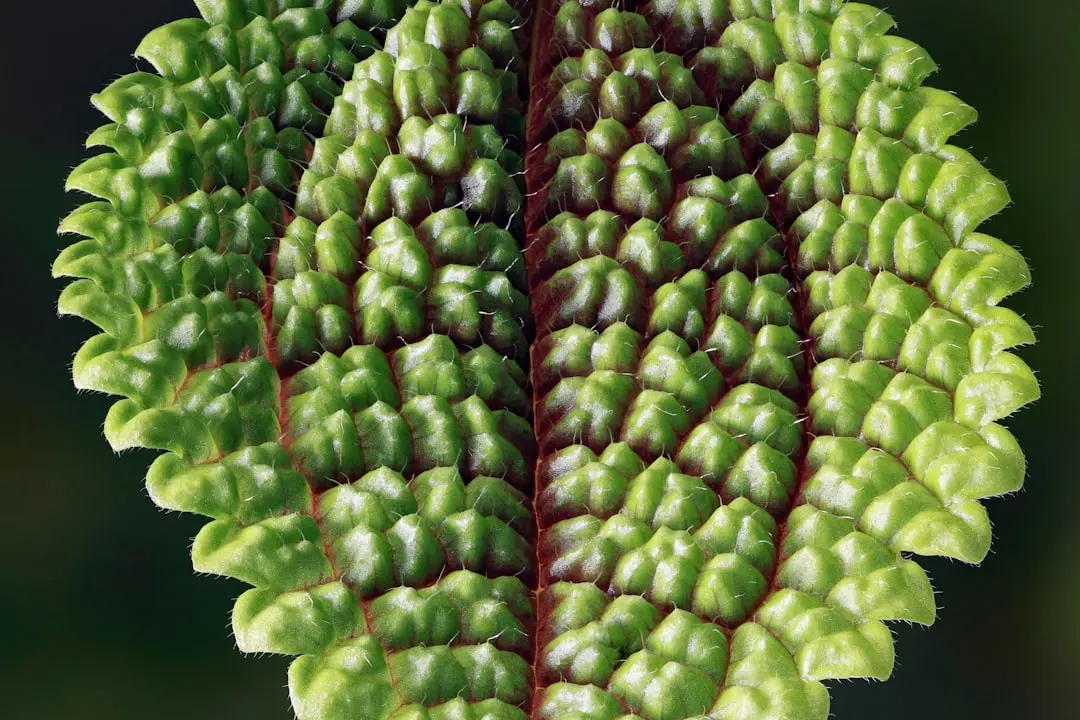
Is Moonstone Succulent Safe for Cats and Dogs?
Not entirely. The ASPCA lists Pachyphytum species as mildly toxic to cats and dogs. If you have pets that chew on plants, place your moonstone succulent on a high shelf, a hanging planter, or behind a closed door. Symptoms of ingestion typically resolve without veterinary treatment but call your vet if your pet shows prolonged vomiting or loss of appetite after eating any part of the plant. The plant is not considered toxic to birds or small mammals in the same way, but keeping it away from all pets is the safest approach.
Frequently Asked Questions
How often should I water my moonstone succulent?
Water using the soak-and-dry method — thoroughly drench the soil, then wait until it's completely dry before watering again. In most temperate climates, this means every 14–21 days in summer and every 30–45 days in winter. In humid tropical climates, water even less frequently. In hot, arid regions, you may need to water every 10–12 days in peak summer. Always check the soil depth, not just the surface, before watering.
Can I grow moonstone succulent indoors in a cold climate?
Absolutely. Moonstone succulents grow very well indoors in cold climates like the UK, Canada, northern Europe, or northern US states. The key is providing enough light — a south-facing windowsill or a full-spectrum LED grow light running 12–14 hours daily will compensate for low winter light levels. Keep the plant away from cold draughts and frost-prone windowpanes. Maintain indoor temperatures above 7°C (45°F), and reduce watering to once per month during winter months.
Is moonstone succulent safe for pets?
The ASPCA classifies Pachyphytum species as mildly toxic to cats and dogs. Ingestion can cause vomiting, diarrhoea, and drooling. While reactions are rarely severe, it's wise to place the plant out of reach of pets that chew on foliage. It is not considered toxic to humans. If your pet ingests a significant amount, contact your veterinarian. The plant is safe to handle with bare hands, though gloves are recommended during repotting to protect against soil bacteria.
Why is my moonstone succulent losing its white powdery coating?
The white powdery coating, called farina, is a natural waxy layer the plant produces as a natural sunscreen. Once removed — by touching the leaves, water splashing on them, or rubbing — it does not regenerate. Handle your plant only by the stem base and always water at soil level, never overhead. Farina loss doesn't harm the plant permanently, but it does make leaves more susceptible to sunscald and moisture stress. Going forward, avoid any direct contact with the leaf surfaces.
How do I grow moonstone succulent in containers on a balcony?
Container growing on a balcony works beautifully for moonstone succulents, provided a few conditions are met. Use a terracotta or ceramic pot with drainage holes, filled with a 50/50 succulent mix and perlite blend. Position the container where it receives morning sun but is shaded from intense afternoon sun — especially important in warm climates. Water only when the soil is fully dry. In frost-prone climates, bring the container indoors once temperatures drop below 5°C (41°F). Group with other succulents for a visually striking arrangement.
What is the difference between moonstone succulent and echeveria?
Both are rosette-forming succulents in the Crassulaceae family, but they belong to different genera. Pachyphytum oviferum (moonstone succulent) has rounder, thicker, more widely spaced leaves with a prominent powdery farina. Echeveria leaves are typically flatter, more pointed, and arranged in tighter rosettes. The two can hybridise — crosses are called ×Pachyveria. Care requirements are very similar, but moonstone succulents are generally slightly more drought-tolerant and more sensitive to leaf handling due to their farina.
Can moonstone succulent grow in full shade?
No — full shade will cause etiolation, where the plant stretches awkwardly toward any available light, producing a long, pale, distorted stem. Moonstone succulent care requires a minimum of 4–6 hours of bright light daily. If natural light is insufficient, a full-spectrum grow light is an effective solution. Even in low-light apartment situations, placing the plant as close to the brightest available window as possible will make a significant difference to its health and compact rosette shape.
When does moonstone succulent flower, and how do I encourage blooming?
Moonstone succulents typically flower in late winter to early spring — January through March in the Northern Hemisphere, July through September in the Southern Hemisphere. To encourage flowering, give the plant a cool, dry rest period in autumn and early winter. Reduce watering to once per month and keep temperatures around 10–15°C (50–59°F) during this rest. As days lengthen in late winter, resume normal care. The contrast between the cool dry rest and the warmer, longer days of late winter triggers flowering in most healthy, established plants.
Final Thoughts
Moonstone succulent care is one of the most rewarding plant care journeys you can take — precisely because the plant rewards restraint. Bright light, fast-draining soil, minimal water, and hands-off handling are the four pillars every successful grower returns to. Get those right, and this stunning little plant will thrive for years on a windowsill in London, a balcony in Singapore, a desert garden in Phoenix, or a bright kitchen in Toronto. The farina-coated leaves, the delicate winter blooms, the ease of propagation — this plant gives generously when you give it what it actually needs, not what you assume it needs. If you take one thing from this guide, let it be this: put down the watering can. The moonstone succulent care routine that works best is almost always less intervention, not more. Start there, observe carefully, and adjust. You’ll be surprised how quickly you go from one plant to a whole collection.

