
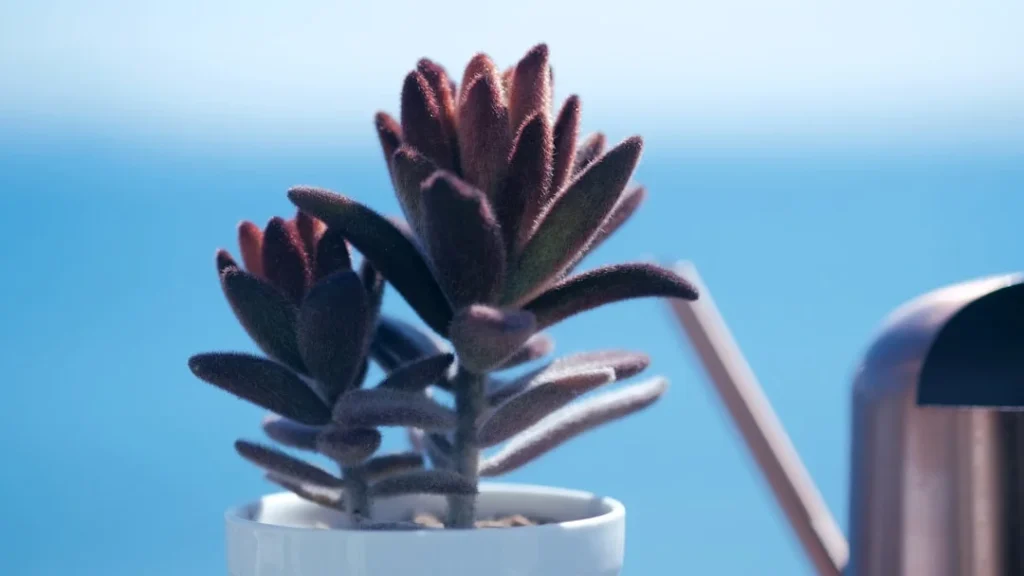
⏱ 31 min read
Table of Contents
- What Is Kalanchoe? A Quick Plant Profile
- Kalanchoe Plant Care Indoors: Core Principles at a Glance
- Light Requirements: How Much Sun Does Kalanchoe Need?
- Watering Kalanchoe Indoors the Right Way
- Soil and Fertiliser: Building the Perfect Growing Mix
- Temperature, Humidity, and Climate Considerations
- How to Rebloom Kalanchoe: The Dark Period Technique
- Common Problems, Pests, and Diseases
- Propagating Kalanchoe Indoors
- Seasonal Care Tips for Every Climate
- Medicinal Uses and Safety Notes
Kalanchoe plant care indoors is surprisingly simple — yet most gardeners accidentally kill this cheerful succulent within months of bringing it home. Here’s the counterintuitive part: it’s almost never underwatering that kills a kalanchoe. It’s overwatering, poor drainage, and too little direct light indoors. Kalanchoe blossfeldiana is one of the world’s best-selling flowering houseplants, beloved from Mumbai balconies to London windowsills and Sydney apartments. It produces fiery clusters of red, orange, yellow, pink, and white blooms that last for weeks — sometimes months — with almost no fuss. Understanding kalanchoe plant care indoors starts with one key insight: this plant evolved in the semi-arid highlands of Madagascar. It craves bright light, lean soil, and infrequent watering. Give it those three things, and it’ll reward you with colour all year round. By the end of this guide, you’ll know exactly why your previous kalanchoe attempts may have fallen short — and precisely what to do differently this time. If you enjoy growing this plant, you might also find our guide on Large Indoor Plants for Living Room very useful.
Quick Highlights
- Discover the single biggest mistake that kills kalanchoe indoors — and how to avoid it starting today
- Learn the exact watering schedule that works across tropical, temperate, and arid climates worldwide
- Follow a step-by-step soil and fertiliser guide to trigger repeat blooming season after season
- Identify the seven most common kalanchoe problems and fix each one with simple home remedies
- Propagate new plants for free using stem and leaf cuttings — no special tools needed
- Understand seasonal adjustments for every climate zone, from cold northern winters to hot tropical summers
Plant Characteristics at a Glance
| Common Name | Kalanchoe, Flaming Katy, Christmas Kalanchoe, Florist's Kalanchoe |
| Scientific Name | Kalanchoe blossfeldiana |
| Family | Crassulaceae (stonecrop family) |
| Origin | Madagascar (semi-arid highlands) |
| Habitat | Rocky outcrops, dry hillsides, scrubland in semi-arid tropical regions |
| Plant Type | Succulent perennial flowering plant |
| Indoor Plant | Yes — excellent houseplant worldwide |
| Outdoor Plant | Yes in frost-free climates (USDA zones 10–12); container plant outdoors in summer elsewhere |
| Leaves | Thick, waxy, dark green, scalloped edges; 5–10 cm long; succulent texture |
| Flowers | Small, 4-petalled, cup-shaped; held in dense terminal clusters (corymbs); colours include red, orange, yellow, pink, white, purple |
| Flowering Season | Naturally late winter to spring; can be triggered year-round indoors via dark period manipulation |
| Fruit | Small follicle capsules (rarely produced in cultivation) |
| Seeds | Tiny, dust-like; viable but rarely used for propagation; stem cuttings preferred |
| Roots | Fibrous, compact root system; moderately shallow; susceptible to root rot in waterlogged soil |
| Height | 20–45 cm (8–18 inches) indoors; up to 60 cm outdoors in ideal conditions |
| Growth Rate | Moderate; active growth in spring and summer, dormant in winter |
| Light Requirements | Bright indirect light minimum 6 hours/day; tolerates morning direct sun; avoid harsh midday sun through glass |
| Soil Requirements | Fast-draining, gritty mix; 50% compost + 50% perlite or cactus mix; pH 6.0–7.0 |
| Water Requirements | Low; water every 7–14 days; allow top 2–3 cm of soil to dry completely between waterings |
| Temperature Requirements | Ideal: 15–29°C (59–84°F); minimum: 10°C (50°F); frost-sensitive — avoid below 5°C (41°F) |
| Humidity Requirements | Low to moderate (40–60% RH); tolerates dry indoor air well; avoid high humidity with poor air circulation |
| Propagation | Stem cuttings (preferred), leaf cuttings, seeds (rarely) |
| Uses | Ornamental houseplant, gifting plant, balcony/patio container, desk plant; medicinal use in related species (Kalanchoe pinnata) |
| Medicinal Properties | Ornamental variety not for internal use; bufadienolide compounds in related species studied for anti-inflammatory and anticancer properties in laboratory settings |
| Toxicity | TOXIC to cats and dogs (ASPCA); cardiac glycosides present; keep away from pets and small children |
| Cultural Significance | Popular gifting plant in Europe (especially Christmas/New Year); symbol of endurance and new beginnings in some Asian traditions |
| Common Pests | Mealybugs, aphids, spider mites (less common); scale insects occasionally |
| Common Diseases | Root rot (Pythium spp.), powdery mildew, botrytis (grey mould) in high humidity |
| Special Care Tips | Never leave in standing water; use the dark period technique for reblooming; deadhead spent flowers promptly |
| Cultural Practices | Widely sold as a holiday gift plant in Europe and North America; popular on office desks for low-maintenance colour |
| Vastu Direction | East or north-east corner of the home; associated with positive energy and bright outcomes in Vastu Shastra |
Kalanchoe plant care indoors Names in Different Languages
| English | Kalanchoe / Flaming Katy / Christmas Kalanchoe |
| Mandarin Chinese | 长寿花 (Chángshòu huā — 'long life flower') |
| Spanish | Calancoe / Flor de la fortuna |
| Hindi | Kalanchoe (कलंचो) |
| Gujarati | Kalanchoe (કાલાન્ચો) |
| Arabic | كالانشو (Kālānshū) |
| Bengali | Kalanchoe (ক্যালানকো) |
| Portuguese | Calanchoê / Folha-da-fortuna |
| Russian | Каланхоэ (Kalankhoye) |
| Japanese | カランコエ (Karankoe) |
| Punjabi | Kalanchoe (ਕਲਾਂਚੋ) |
| German | Flammendes Kätchen / Kalanchoe |
| Javanese | Cocor bebek / Kalanchoe |
| Korean | 칼랑코에 (Kallangkoe) |
| French | Kalanchoé / Plante de la fortune |
| Telugu | Kalanchoe (కళంచో) |
| Marathi | Kalanchoe (कलांचो) |
| Tamil | Kalanchoe (கலன்சோ) |
| Urdu | Kalanchoe (کلانچو) |
| Turkish | Kalankoe / Şans çiçeği |
| Vietnamese | Hoa trường thọ / Kalanchoe |
What Is Kalanchoe? A Quick Plant Profile
Kalanchoe blossfeldiana is a succulent flowering plant native to Madagascar, belonging to the family Crassulaceae. It was introduced to European horticulture in the early 20th century by Danish plant collector Robert Blossfeld — hence the species name. Today, it ranks among the top three most commercially grown flowering potted plants globally, alongside poinsettia and orchids, according to Kew Gardens botanical records.
Here’s what makes kalanchoe genuinely fascinating. Unlike most flowering houseplants, it’s a short-day plant — meaning it needs extended periods of darkness to trigger bloom production. That one biological quirk explains almost every mystery around why some kalanchoes flower repeatedly while others never bloom again after you bring them home. Many gardeners who grow this plant also love to read about how to use grow lights indoors.
The plant grows in a compact, bushy form, typically reaching 20–45 cm (8–18 inches) indoors. Its thick, waxy, dark green leaves store water efficiently — a survival trait from its dry highland origins. Flower clusters sit above the foliage in shades of red, orange, yellow, cream, pink, purple, and bicolour varieties. Each tiny individual bloom is cup-shaped, and the clusters can contain dozens of flowers at once. If you enjoy growing this plant, you might also find our guide on how to use grow lights indoors very useful.
Furthermore, kalanchoe is one of the easiest houseplants to find at garden centres worldwide — from Nairobi to New York, from Tokyo to Toronto. That global availability, combined with its long bloom time, makes kalanchoe plant care indoors a topic worth understanding deeply. For more tips, check out our detailed article on how to use grow lights indoors.
Kalanchoe in Different Traditions and Cultures
Across Africa and parts of Asia, various Kalanchoe species have long histories in traditional medicine. In traditional Chinese medicine (TCM), Kalanchoe pinnata — a close relative — is used topically to reduce inflammation and treat minor wounds, as referenced in the Chinese Materia Medica. In Brazilian folk medicine, the same species is known as ‘coirama’ and is applied as a leaf poultice for burns and ulcers. Ayurvedic texts reference kalanchoe-type succulents under the name Patharchatta, used in preparations addressing kidney stones and urinary disorders. That said, Kalanchoe blossfeldiana — the common ornamental variety — is valued primarily as a decorative houseplant today rather than for medicinal use. For more tips, check out our detailed article on how to use grow lights indoors.
Why Kalanchoe Is Perfect for Modern Indoor Gardens
In my experience, kalanchoe is one of the most forgiving houseplants for beginners — but also one of the most rewarding for experienced growers who want to experiment with reblooming techniques. It tolerates occasional neglect, adapts to air-conditioned apartments and dry centrally heated homes, and doesn’t demand humidity the way tropical foliage plants do. Whether you’re growing in a small flat in London, a high-rise apartment in Singapore, or a sun-drenched home in California, the core rules of kalanchoe plant care indoors remain essentially the same.
Kalanchoe Plant Care Indoors: Core Principles at a Glance
Before diving into individual topics, it helps to understand the five pillars of kalanchoe plant care indoors. Think of them as a quick mental checklist every time you check on your plant.
First, light: kalanchoe needs bright, indirect light for most of the year — but direct morning sun actually benefits it. Second, water: less than you think, and always let the soil dry out between waterings. Third, soil: fast-draining, gritty mix — never standard potting compost alone. Fourth, temperature: it thrives between 15–29°C (59–84°F) and dislikes frost. Fifth, darkness: to trigger reblooming, it needs 14 hours of uninterrupted darkness daily for 4–6 weeks.
That last point is the one most gardeners miss entirely. Many people assume a kalanchoe that stops blooming is unhealthy. In reality, it just needs a managed dark period to reset its flowering cycle. However, we’ll cover that in full detail in a dedicated section below — because it deserves careful explanation.
A quick tip here: when you buy a kalanchoe in full bloom from a garden centre, the grower has already done the dark-period work for you. Your job is to keep it healthy, extend that first flowering as long as possible, then guide it into reblooming yourself.
Quick Care Summary Table
For busy gardeners who want a fast reference, the characteristics table in this article covers all the core growing parameters at a glance — including hardiness, soil pH, light intensity, and propagation methods. Refer to it alongside the detailed sections below for the full picture. For a broader framework on caring for houseplants across different environments, the indoor plant care guide at The Leafy Care is an excellent companion resource.
Light Requirements: How Much Sun Does Kalanchoe Need?
Light is where most indoor kalanchoe failures begin. Here’s the honest truth: a dark corner won’t do. Kalanchoe needs at least 6 hours of bright light daily to stay compact, produce dark green leaves, and generate flower buds. In low light, it stretches towards the nearest light source, becomes leggy, and eventually stops blooming altogether.
The ideal position indoors is a south-facing or east-facing windowsill in the Northern Hemisphere (north-facing or east-facing in Australia, New Zealand, and Southern Hemisphere countries). Direct morning sunlight is actually beneficial — it’s the harsh midday sun in summer that can scorch the waxy leaves. In temperate climates like the UK and Northern Europe, where natural light is limited from October through February, a grow light on a 12-hour timer makes a real difference.
In contrast, gardeners in tropical regions like Southeast Asia, South India, or coastal West Africa need to be careful about intense afternoon sun through glass, which can heat the pot dramatically and stress the roots. A thin sheer curtain filtering intense afternoon rays works perfectly in these climates.
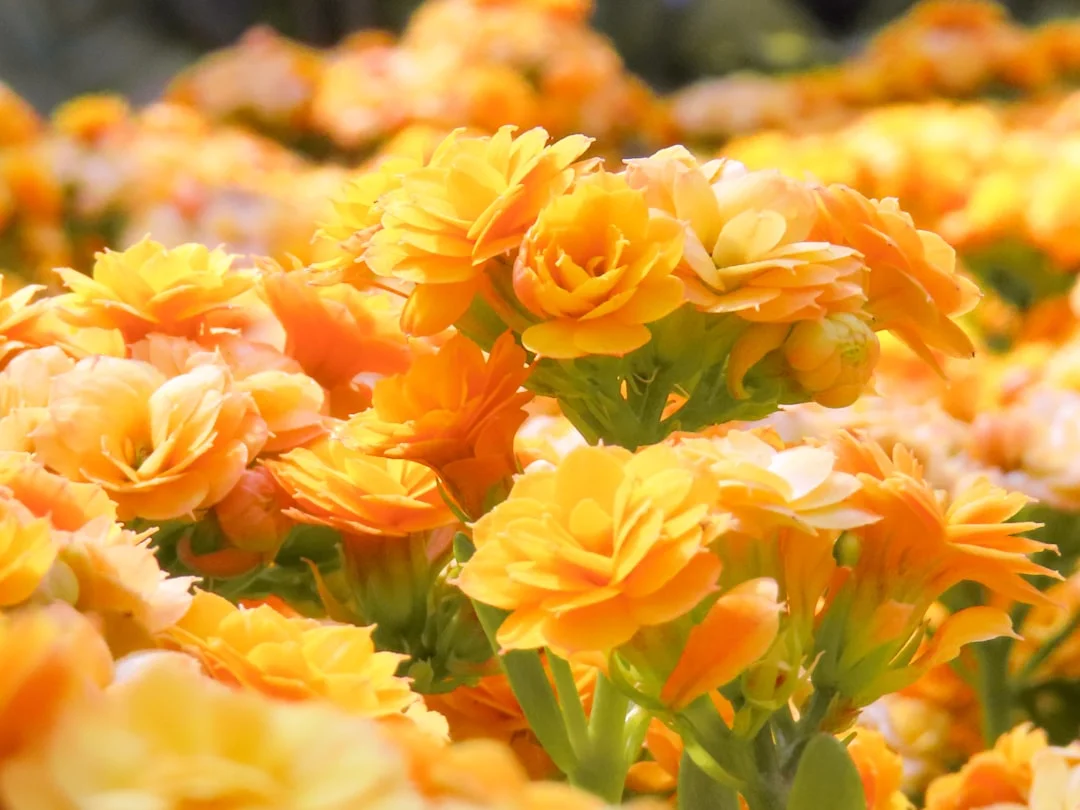
Signs Your Kalanchoe Isn't Getting Enough Light
Watch for these four signals. First, elongated, stretched stems reaching toward a window — this is etiolation, caused by insufficient light intensity. Second, pale or yellowing leaves, which indicate the plant can’t photosynthesize efficiently. Third, no new flower buds despite the plant appearing otherwise healthy. Fourth, soft, limp leaves that haven’t been overwatered — low light reduces the plant’s ability to maintain cellular pressure. If you notice any of these signs, move the plant closer to a brighter window or introduce a dedicated grow light rated at 2000–4000 lux for 12–14 hours daily.
Using Artificial Light for Kalanchoe Indoors
Grow lights have transformed indoor kalanchoe cultivation in apartments and offices without strong natural light. Full-spectrum LED grow lights — widely available online and in garden centres globally for $15–40 USD (£12–32 GBP / ₹1,200–3,200 INR) — work well. Position the light 15–30 cm (6–12 inches) above the plant canopy. Importantly, during the reblooming dark period described later in this guide, you’ll need to completely block all artificial light too — not just natural light. Even a small amount of ambient indoor light from streetlights or other rooms can interrupt the flowering trigger.
Watering Kalanchoe Indoors the Right Way
This is where most kalanchoes meet their end. Overwatering is the number one killer — bar none. Because kalanchoe stores water in its leaves and roots, it can go without water far longer than most houseplants. The golden rule is simple: water thoroughly, then wait until the top 2–3 cm (about 1 inch) of soil is completely dry before watering again.
In practice, this means watering roughly once every 10–14 days in winter, and every 7–10 days in summer for most temperate climates. In hot, dry environments like the UAE or inland Australia during summer, you might water every 5–7 days. In humid tropical climates like Malaysia, Bangkok, or coastal Brazil, where pots stay moist longer, extend intervals to every 14–21 days.
Always water at the base — avoid getting water on the leaves or flowers, as moisture sitting on the crown invites fungal rot. Even better, use the bottom-watering method: place the pot in a shallow tray of water for 20–30 minutes, allowing the roots to draw up moisture from below, then remove and let it drain fully.
Never leave kalanchoe sitting in a saucer of water. Root rot sets in within days. That soggy-bottom mistake is responsible for more kalanchoe deaths than any other single cause.
Seasonal Watering Adjustments
During winter dormancy in temperate climates — roughly November through February in the Northern Hemisphere — reduce watering significantly. The plant’s metabolic rate slows, it uses less water, and soil stays moist longer. Overwatering during this period is especially damaging. In contrast, during active growth in spring and summer, the plant uses water more rapidly, so check soil moisture more frequently. For gardeners in tropical climates without distinct cold seasons, use the soil-dryness test year-round as your only reliable watering guide rather than a fixed schedule.
Water Quality Tips
Kalanchoe is moderately sensitive to chlorine and fluoride in tap water, which can cause leaf tip browning over time. However, this is rarely severe enough to harm an otherwise healthy plant. If your tap water is heavily chlorinated, leave it in an open container overnight before using — the chlorine dissipates naturally. Alternatively, collected rainwater is ideal and costs nothing. Avoid softened water, which contains sodium that accumulates in soil. If you’re in a region with hard, alkaline water, consider using filtered or bottled water if leaf tip browning becomes persistent.
Soil and Fertiliser: Building the Perfect Growing Mix
Standard potting compost is too rich and retains too much moisture for kalanchoe. What you need is a fast-draining, low-nutrient mix that mimics the rocky, slightly lean soils of Madagascar’s highlands. The simplest approach: mix 50% standard potting compost with 50% perlite or coarse horticultural sand. This creates the drainage kalanchoe demands while still providing enough organic matter for steady growth.
Alternatively, a ready-made cactus and succulent mix — available at most garden centres worldwide — works perfectly straight from the bag. According to the RHS, kalanchoe performs best in a well-drained medium with a slightly acidic to neutral pH of 6.0–7.0.
For pot selection, terracotta pots are ideal because their porous walls allow soil to dry out faster, reducing overwatering risk. Always use a pot with at least one drainage hole — this is non-negotiable. A decorative cache pot without drainage will eventually cause root rot regardless of how carefully you water.
Fertiliser needs are modest. During the growing season (spring and summer), feed once every 4 weeks with a balanced liquid fertiliser diluted to half strength. A low-nitrogen, high-phosphorus formula supports flowering rather than excessive leafy growth. Avoid fertilising during the dark period when you’re triggering reblooming, and skip it entirely through winter dormancy.
Repotting Kalanchoe: When and How
Kalanchoe actually prefers being slightly root-bound — it tends to flower more freely when the roots fill the pot. Repot only when roots visibly emerge from the drainage holes or circle the base of the root ball. When you do repot, choose a container only 2–3 cm (about 1 inch) larger in diameter than the current one. Going too large encourages excess soil to stay wet between waterings, raising rot risk. The best time to repot is spring, just as new growth begins. After repotting, wait 2 weeks before fertilising to avoid stressing newly disturbed roots.
Temperature, Humidity, and Climate Considerations
One of the great strengths of kalanchoe plant care indoors is the plant’s adaptability to a wide range of indoor temperatures. It thrives between 15–29°C (59–84°F), which comfortably covers most heated and air-conditioned homes worldwide. It can tolerate brief temperature dips to around 10°C (50°F) but is frost-sensitive — even a single frosty night outdoors will damage or kill it.
Humidity is largely a non-issue. Unlike orchids or ferns, kalanchoe doesn’t need misting or humidity trays. In fact, high humidity combined with poor air circulation promotes fungal disease. Most homes, even in dry climates, provide adequate humidity. If you live in an extremely arid region — say, the Saharan Maghreb, inland Central Australia, or desert Southwest USA — occasional misting of the leaves (not the flowers) during summer can be beneficial, but it’s rarely necessary.
Keep kalanchoe away from cold draughts near poorly sealed windows in winter, and away from direct hot air from heating vents, which can dehydrate the leaves rapidly. Both extremes stress the plant in similar ways — sudden temperature fluctuation disrupts cellular water balance in the thick leaves.
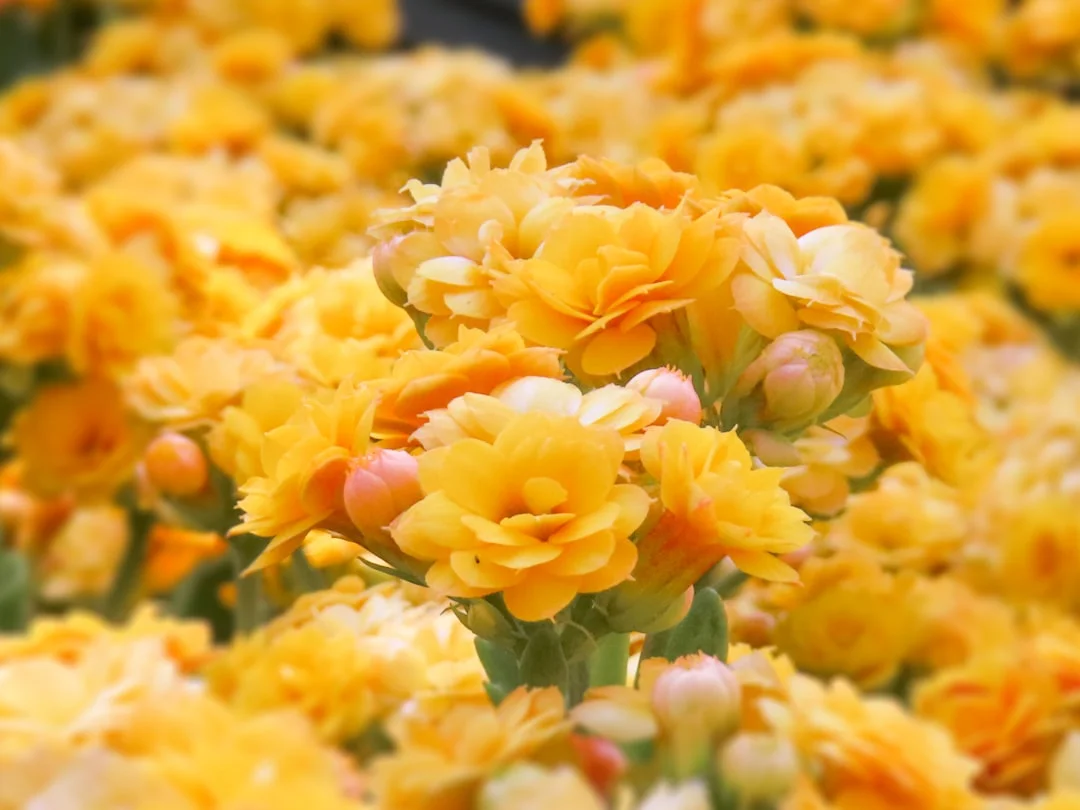
Growing Kalanchoe Across Different Climate Zones
In tropical climates (India, Southeast Asia, West Africa, Caribbean): kalanchoe grows vigorously year-round indoors but may need protection from intense afternoon heat and humidity-related fungal issues. Ensure excellent air circulation. In temperate climates (UK, Northern Europe, Pacific Northwest USA, southern Canada): kalanchoe performs well from March through October near a bright window; supplemental grow lights help in the darker winter months. In Mediterranean and arid climates (California, Spain, UAE, parts of Australia): kalanchoe loves the warm dry indoor conditions but needs more frequent watering and protection from intense direct sun through glass. USDA hardiness zones 10–12 allow outdoor growing in these regions, but kalanchoe is most commonly grown indoors everywhere outside the tropics.
How to Rebloom Kalanchoe: The Dark Period Technique
Here’s the secret that separates gardeners who enjoy endless kalanchoe blooms from those who end up with a leafy green plant that never flowers again. Kalanchoe is a short-day plant — technically a photoperiod-sensitive species. It needs at least 14 hours of complete, uninterrupted darkness each day for 4–6 consecutive weeks to trigger the hormonal changes that produce flower buds.
In commercial greenhouses, growers achieve this with blackout curtains covering entire sections of the greenhouse on a precise timer. At home, you can mimic this process with a simple cardboard box or a dark cupboard. The technique is straightforward once you know it.
After your kalanchoe finishes its first flowering, trim off the spent flower stalks just above the top pair of leaves. Continue normal watering and feeding for 4–6 weeks to allow the plant to recover. Then begin the dark period: every evening, place the plant in complete darkness for 14 hours, then return it to its bright spot for 10 hours of light each day. Repeat this for 4–6 weeks. After that, return to normal light conditions and watch for new bud development within 2–4 weeks.
Many gardeners find this process oddly satisfying — it’s one of the few cases where you directly control a plant’s flowering cycle through simple environmental manipulation.
Common Reblooming Mistakes to Avoid
The most common error is allowing even brief light exposure during the dark phase. Switching on a bedroom light, a phone screen, or even a streetlight through a thin curtain can reset the plant’s photoperiod clock. Use a truly lightproof box or a deep cupboard that seals completely. Another frequent mistake is starting the dark period while the plant is still stressed from its last bloom cycle — always allow a 4–6 week recovery window first. Finally, some gardeners forget to maintain normal watering during the process; the plant still needs moisture during both recovery and the dark period, though slightly reduced.
Common Problems, Pests, and Diseases
Even with excellent kalanchoe plant care indoors, problems can occasionally arise. The good news is that most kalanchoe issues are identifiable and fixable if you catch them early. Here are the seven most common problems, what causes them, and what to do.
First, root rot — caused by overwatering and poor drainage. Symptoms: yellowing lower leaves, mushy stem base, wilting despite moist soil. Fix: remove the plant from its pot, trim all brown mushy roots with sterile scissors, let the root ball air dry for 24 hours, then repot in fresh dry cactus mix.
Second, powdery mildew — a white powdery fungal coating on leaves, more common in humid conditions with poor air circulation. Fix: improve ventilation, apply a diluted neem oil spray (5 ml per litre of water) weekly for three weeks.
Third, leggy growth — caused by insufficient light. Fix: move to a brighter location and prune back leggy stems to encourage bushier regrowth.
Fourth, leaf drop — often caused by cold draughts, sudden temperature changes, or transplant shock. Fix: identify and remove the environmental stressor.
Fifth, no blooms after dark period treatment — may indicate the darkness wasn’t complete enough, or the treatment period was too short. Repeat the process more carefully.
Sixth, brown leaf tips — usually caused by fluoride in tap water or salt buildup from over-fertilising. Fix: flush the soil with clean water and switch to filtered water.
Seventh, pest infestations — mealybugs and aphids are the most common.
Dealing with Mealybugs and Aphids
Mealybugs appear as white cottony clusters in leaf axils and stem joints. Aphids cluster on new growth and flower buds. Both pests suck plant sap and weaken the plant over time. For mild infestations, wipe affected areas with a cotton swab dipped in 70% isopropyl alcohol — this kills the insects on contact without damaging the plant. For moderate infestations, spray the entire plant with neem oil solution (available at most garden centres worldwide) every 5–7 days for 3 weeks. Isolate affected plants immediately to prevent spread to other houseplants. According to the RHS pest guidance, consistent monitoring every time you water is the single most effective prevention strategy.
Propagating Kalanchoe Indoors
Propagating kalanchoe is one of the more satisfying aspects of growing this plant — and it’s genuinely easy. There are two reliable methods: stem cuttings and leaf cuttings. Both work well indoors without any specialist equipment.
For stem cuttings — the faster and more reliable method — select a healthy stem tip 8–10 cm (3–4 inches) long with at least two pairs of leaves. Remove the lower leaves to expose 3–4 cm of bare stem. This is where new roots will form. Allow the cutting to air dry on a clean surface for 24–48 hours — this step is critical. It allows the cut end to callous over, preventing rot when you insert it into soil.
Once calloused, insert the cutting into a small pot of barely moist cactus mix or 50/50 compost and perlite. Place in bright indirect light and mist lightly every 2–3 days. Avoid overwatering at this stage — the cutting has no roots yet and can’t absorb much moisture. Roots typically develop within 3–5 weeks. Once you feel firm resistance when you gently tug the cutting, it has rooted successfully.
For leaf cuttings, gently remove a healthy mature leaf at the base where it meets the stem. Allow it to callous for 24 hours, then lay it flat on moist cactus mix or prop it at an angle with the cut end barely touching the soil. New plantlets emerge from the base of the leaf within 4–8 weeks. This method is slower but produces multiple plants from a single leaf.
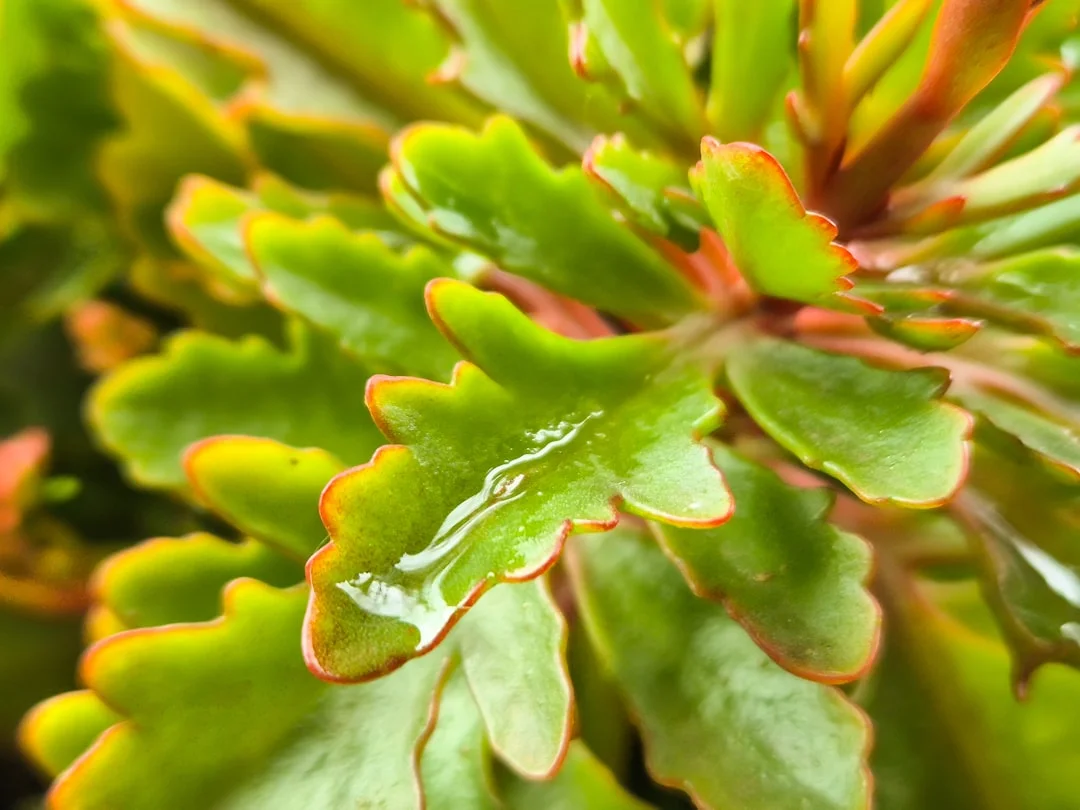
Step-by-Step Stem Cutting Propagation
Follow these steps for the highest success rate. One: select a healthy, non-flowering stem tip in spring or early summer. Two: use clean, sharp scissors or a knife — sterilise with alcohol first. Three: cut just below a leaf node at a 45-degree angle. Four: remove lower leaves, leaving only the top two pairs. Five: set the cutting on a dry surface in bright indirect light for 24–48 hours to callous. Six: insert into barely moist cactus mix, 3 cm deep. Seven: place in a warm location — 20–25°C (68–77°F) — with bright indirect light. Eight: water sparingly once a week until roots establish. Nine: after 4–5 weeks, begin normal care when rooting is confirmed.
Seasonal Care Tips for Every Climate
Kalanchoe’s needs shift subtly through the year — even indoors. Understanding those seasonal rhythms makes kalanchoe plant care indoors significantly more effective.
In June — as this guide is written — gardeners in the Northern Hemisphere are heading into peak summer. This is an active growth phase for kalanchoe: light is abundant, temperatures are warm, and the plant may be approaching the end of its spring flowering cycle. Now is the ideal time to trim spent flower stalks, apply a half-strength balanced fertiliser, and begin planning the dark period treatment if you want autumn blooms.
In the Southern Hemisphere, June marks the start of winter. Gardeners in Sydney, Cape Town, or Auckland should reduce watering frequency, stop fertilising, and move plants to the warmest, brightest indoor spot available to compensate for shorter days.
In tropical regions where seasons are defined by monsoon rather than temperature — much of South and Southeast Asia, sub-Saharan Africa, the Caribbean — the main seasonal consideration is humidity management during wet months and extra drainage vigilance during heavy rain if plants are partially outdoors.
Spring and Summer Care (March–August, Northern Hemisphere)
Spring is the best time to repot, propagate, and begin the fertilising cycle. Increase watering gradually as temperatures rise, but always let soil dry between waterings. Move plants to their brightest spot. If you place kalanchoe on a balcony or patio during summer — which it tolerates well — acclimate it gradually to outdoor light over two weeks to prevent sunscald. Bring it back indoors before night temperatures drop below 15°C (59°F) in temperate climates.
Autumn and Winter Care (September–February, Northern Hemisphere)
Autumn is prime time to initiate the dark-period reblooming treatment for winter or spring flowers. Meanwhile, reduce fertilising from September onwards and stop entirely by November. Cut back watering to every 10–14 days in temperate climates as the plant slows its growth. In centrally heated homes, position the plant away from direct radiator heat, which dries the air and the soil too quickly. In climates with very limited winter light — Scandinavia, Canada, northern Russia — a grow light on a 10-hour timer helps maintain healthy foliage through the darkest months.
Medicinal Uses and Safety Notes
Kalanchoe has a fascinating dual identity: beloved ornamental houseplant on one hand, subject of scientific medical research on the other. It’s important to distinguish clearly between the ornamental Kalanchoe blossfeldiana and the medicinal Kalanchoe pinnata (also known as Bryophyllum pinnatum, or ‘air plant’), which are related but different species.
Kalanchoe pinnata has been documented across multiple traditional medicine systems. In Brazil, it’s called ‘folha-da-fortuna’ and used as a topical anti-inflammatory. In West African traditional medicine, leaf poultices are applied to wounds and burns. According to research indexed on NIH PubMed, bufadienolide compounds isolated from Kalanchoe pinnata show in-vitro anticancer, antiviral, and anti-inflammatory properties — though human clinical trials remain limited as of current literature.
However — and this is critical — Kalanchoe blossfeldiana, the common houseplant, is NOT safe for consumption. All parts of the plant contain cardiac glycosides (bufadienolides) that are toxic if ingested by pets or humans in sufficient quantities. The ASPCA lists kalanchoe as toxic to both cats and dogs, capable of causing vomiting, diarrhoea, abnormal heart rhythm, and in rare severe cases, fatal cardiac effects in animals.
Keep kalanchoe out of reach of cats, dogs, and young children. If a pet ingests any part of the plant, contact a veterinarian immediately. This safety note is one of the most important aspects of kalanchoe plant care indoors for households with animals.
Toxicity Summary and Safe Handling
For human adults, casual skin contact with kalanchoe sap rarely causes issues beyond occasional mild irritation in very sensitive individuals. Wash hands after handling as a general precaution. Do not ingest any part of the plant. For households with free-roaming pets — particularly cats, who are drawn to indoor plants — consider placing kalanchoe on high shelves, hanging planters, or in rooms the pet doesn’t access. The ornamental value of kalanchoe is unmatched, but its toxicity profile means placement and awareness matter as much as watering and light for responsible indoor growing.
Frequently Asked Questions
How often should I water kalanchoe indoors?
Water kalanchoe indoors every 7–14 days, allowing the top 2–3 cm (about 1 inch) of soil to dry out completely between waterings. In hot, dry climates — such as the UAE or inland Australia in summer — you may water every 5–7 days. In cool, humid climates like northern Europe or the UK in winter, every 14–21 days is sufficient. Always check the soil before watering rather than following a fixed schedule, as conditions vary significantly by season and climate.
Can I grow kalanchoe indoors in a cold climate?
Yes, absolutely. Kalanchoe plant care indoors is perfectly suited to cold climates — the plant thrives in heated homes and apartments in Canada, northern Europe, Russia, and northern USA. Keep it above 10°C (50°F) consistently and position it near the brightest available window. In climates with very short winter days, a full-spectrum grow light on a 12-hour timer compensates for low natural light and keeps the plant healthy until spring.
Is kalanchoe safe for pets?
No — kalanchoe is toxic to cats and dogs. All parts of the plant contain cardiac glycosides (bufadienolides) that can cause vomiting, diarrhoea, lethargy, and in severe cases, abnormal heart rhythm in animals. The ASPCA lists kalanchoe as a toxic plant for both cats and dogs. Keep it on high shelves or in rooms pets cannot access. If a pet ingests any part of the plant, contact a veterinarian or animal poison control helpline immediately.
Why has my kalanchoe stopped blooming?
Kalanchoe stops blooming because it's a short-day plant — it needs 14 hours of complete darkness daily for 4–6 weeks to trigger new flower buds. After the first flowering cycle ends, the plant won't rebloom without this managed dark period. Begin by trimming spent flower stalks, allowing 4–6 weeks of recovery with normal care, then move the plant to a lightproof box or cupboard for 14 hours each night. After 4–6 weeks of this treatment, return it to normal light and expect new buds within 2–4 weeks.
What is the best soil mix for kalanchoe in a container?
The best soil for kalanchoe in a container is a fast-draining mix: either a ready-made cactus and succulent compost, or a 50/50 blend of standard potting compost and perlite or coarse horticultural sand. Both options are widely available in garden centres across the UK, USA, Australia, India, and Southeast Asia. The target pH is 6.0–7.0. Avoid standard potting compost alone — it retains too much moisture and dramatically increases root rot risk.
How do I make kalanchoe bloom again indoors?
To trigger reblooming, use the dark period technique. After the flowering cycle ends, trim spent stalks and allow 4–6 weeks of normal recovery care. Then, for 4–6 consecutive weeks, give your kalanchoe 14 hours of complete, uninterrupted darkness every night (using a lightproof box or cupboard) followed by 10 hours of bright light each day. Even a brief exposure to light during the dark phase can reset the process, so consistency is essential. After completing the dark period, return to normal light and expect new flower buds within 2–4 weeks.
Can kalanchoe be grown outdoors year-round?
Kalanchoe can be grown outdoors year-round only in frost-free climates — USDA hardiness zones 10–12, which include coastal Southern California, southern Florida, Hawaii, parts of coastal Australia, the Mediterranean coast, Southeast Asia, and tropical Africa. In all other climates, it's best grown as an indoor plant or moved outside only during frost-free summer months, then brought back indoors when temperatures approach 10°C (50°F). Even brief frost will damage or kill it.
How much light does kalanchoe need indoors?
Kalanchoe needs at least 6 hours of bright, indirect light daily to grow well and flower. It tolerates gentle morning direct sun, which actually enhances its growth. However, intense midday sun through glass can scorch the leaves, especially in summer. In temperate climates with limited winter sunlight — the UK, Canada, northern Europe — a full-spectrum grow light set to 12 hours daily provides sufficient light intensity during darker months. Signs of insufficient light include stretched, leggy stems and failure to produce flower buds despite otherwise healthy care.
Final Thoughts
Kalanchoe plant care indoors is one of the most rewarding skills a plant lover can develop — because once you understand the plant’s logic, everything falls into place naturally. It wants bright light, infrequent but thorough watering, fast-draining soil, and the occasional spell of darkness to refuel its flowering cycle. Give it those four things and it’ll reward you with weeks of vivid colour, year after year, whether you’re growing it on a windowsill in Manchester, a balcony in Mumbai, or a kitchen counter in Melbourne. The secret most gardeners never discover is the dark period technique — the single tool that transforms a one-season wonder into a perennial bloomer you propagate and share for years. Start with the basics: repot into cactus mix, move it to your brightest spot, and cut back the watering. Then, when those blooms fade, resist the urge to discard it. Reach back to the reblooming section of this guide and put the dark period technique to work. You’ll be surprised how simple — and how satisfying — it really is.
