
⏱ 22 min read
Table of Contents
- Meet the Peace Lily: A Rainforest Native in Your Living Room
- Why Every Season Matters for Peace Lily Plant Care
- Preparing Your Peace Lily for Year-Round Success
- Watering Changes Through the Seasons
- Light, Humidity, and Temperature Sweet Spots
- Fertilizing for Lush Leaves and White Blooms
- Pest Alert: What to Watch For and How to Act Fast
- Recovery: Reviving a Struggling Peace Lily
- Repotting, Propagation, and Long-Term Growth
- Safety, Toxicity, and Household Considerations
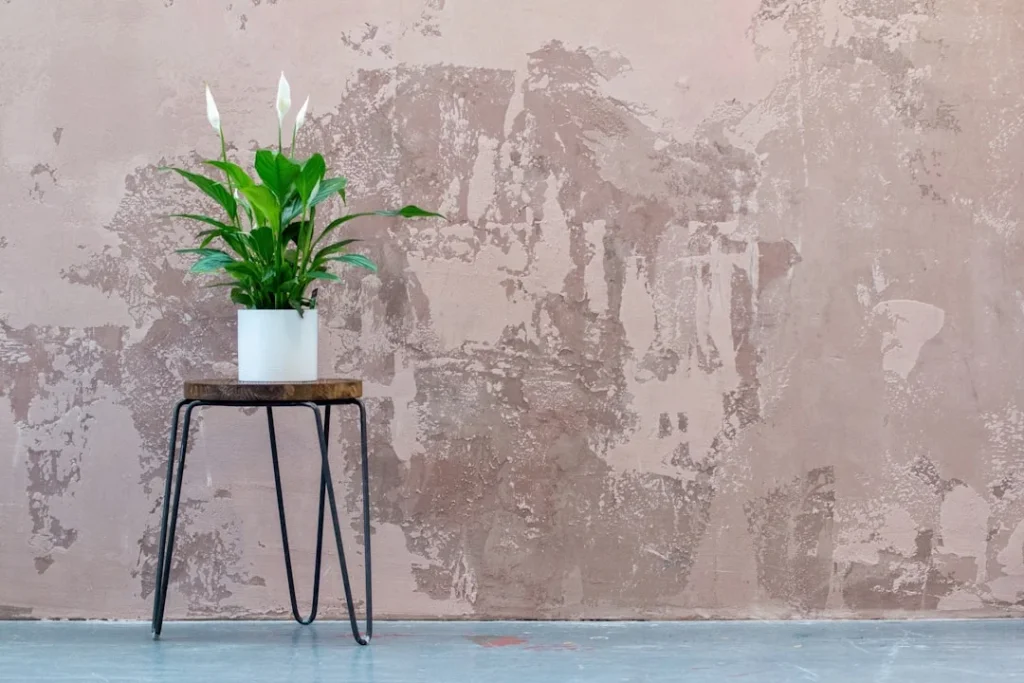
A gardener in Melbourne emailed me last winter — her peace lily had drooped so dramatically she thought it was dead. However, twelve hours after a proper watering, it stood tall again. That’s the magic of peace lily plant care: this plant tells you exactly what it needs, if you know how to listen. Spathiphyllum wallisii, native to the rainforests of Colombia and Venezuela, has become one of the world’s most loved houseplants — and one of the most misunderstood. Whether you’re growing it in humid Mumbai, dry Phoenix, or a chilly London flat, the core principles of peace lily plant care stay the same. In this guide, I’ll walk you through everything I’ve learned across 15 years of growing and consulting on this plant. Furthermore, there’s one watering mistake almost every beginner makes — and I’ll reveal it in the next section. By the end, you’ll know why your peace lily wilts, why it won’t bloom, and exactly how to fix both. For more tips, check out our detailed article on Donkey’s Tail Succulent Indoor Propagation.
Quick Highlights
- Discover the exact watering rhythm that keeps peace lilies blooming year-round
- Learn the surprising light trick that triggers those iconic white spathes
- Master humidity hacks that work in tropical, temperate, and arid climates
- Identify and fix the 5 most common problems before they kill your plant
- Understand pet-safety facts every household with cats or dogs must know
- Follow a season-by-season care calendar built for global climate zones
Plant Characteristics at a Glance
| Common Name | Peace Lily |
| Scientific Name | Spathiphyllum wallisii |
| Family | Araceae |
| Origin | Rainforests of Colombia and Venezuela |
| Habitat | Shaded forest floors with high humidity |
| Plant Type | Evergreen tropical perennial |
| Indoor Plant | Yes — excellent for low to medium light |
| Outdoor Plant | Only in tropical/subtropical zones (USDA 11–12) |
| Leaves | Glossy dark green, lance-shaped, 12–65 cm long |
| Flowers | White spathe surrounding a cream spadix |
| Flowering Season | Spring and summer; sporadic year-round indoors |
| Fruit | Rarely produced in cultivation |
| Seeds | Small; propagation typically via division, not seed |
| Roots | Fibrous, shallow, spreading |
| Height | 40–65 cm (16–26 inches) indoors |
| Growth Rate | Moderate |
| Light Requirements | Bright indirect light; tolerates low light |
| Soil Requirements | Well-draining, peat or coco coir based, pH 5.8–6.5 |
| Water Requirements | Water when top 2.5 cm of soil is dry |
| Temperature Requirements | 18–29°C (65–85°F); avoid below 10°C (50°F) |
| Humidity Requirements | 50–60% minimum; higher preferred |
| Propagation | Root division during repotting |
| Uses | Ornamental, air purification, gift plant |
| Medicinal Properties | None significant; grown ornamentally |
| Toxicity | Mildly toxic to pets and humans (calcium oxalate) |
| Cultural Significance | Symbol of peace; used in Feng Shui and Vastu |
| Common Pests | Spider mites, mealybugs, scale, fungus gnats |
| Common Diseases | Root rot, bacterial leaf spot, cylindrocladium blight |
| Special Care Tips | Use filtered water; wipe leaves monthly for shine |
| Cultural Practices | Divide every 2–3 years; repot in spring |
| Vastu Direction | North-east corner for positive energy |
Peace lily plant care Names in Different Languages
| English | Peace Lily |
| Mandarin Chinese | 白鹤芋 (Bái hè yù) |
| Spanish | Cuna de Moisés / Espatifilo |
| Hindi | शांति लिली (Shanti Lily) |
| Gujarati | શાંતિ લીલી |
| Arabic | زنبق السلام (Zanbaq al-Salam) |
| Bengali | শান্তি লিলি |
| Portuguese | Lírio-da-paz |
| Russian | Спатифиллум (Spatifillum) |
| Japanese | スパティフィラム (Supatifiramu) |
| Punjabi | ਸ਼ਾਂਤੀ ਲਿਲੀ |
| German | Friedenslilie / Einblatt |
| Javanese | Lili Perdamaian |
| Korean | 스파티필룸 (Seupatipillum) |
| French | Fleur de Lune / Spathiphyllum |
| Telugu | శాంతి లిల్లీ |
| Marathi | शांती लिली |
| Tamil | அமைதி லில்லி |
| Urdu | امن کا پھول |
| Turkish | Barış Çiçeği / Spatifilyum |
| Vietnamese | Cây Lan Ý |
Meet the Peace Lily: A Rainforest Native in Your Living Room
Here’s something most plant sellers won’t tell you: the peace lily isn’t a lily at all. In fact, it belongs to the Araceae family — the same group as philodendrons and monstera. Its scientific name, Spathiphyllum wallisii, honours Gustav Wallis, the German plant hunter who discovered it in the Colombian rainforest in the 1870s. According to Kew Gardens botanical records, Spathiphyllum species grow naturally on the shaded forest floor, where dappled light and constant humidity shape their needs. That single fact — rainforest floor origin — explains almost every quirk of peace lily plant care. It’s why they hate direct sun, why they droop when the air gets dry, and why they thrive in bathrooms while sulking on sunny windowsills. Understanding this rainforest heritage changes how you approach the plant entirely. However, knowing where it came from is only half the story — the real question is how those origins translate to your specific climate. Let’s get into that.
A Plant with Global Appeal
Peace lilies have travelled far from their South American home. Today, they’re sold in nurseries from Sydney to Stockholm. NASA’s famous 1989 Clean Air Study listed Spathiphyllum among the top air-purifying plants, boosting its popularity worldwide. In fact, gardeners in over 80 countries now grow them indoors. That said, the plant’s needs don’t change based on postcode — only the strategy to meet those needs does. Many gardeners who grow this plant also love to read about Flapjack Succulent Common Problems Care.
Why Every Season Matters for Peace Lily Plant Care
Many gardeners treat peace lilies like static furniture — same care in January as in July. That’s the fastest way to end up with brown tips and no flowers. Peace lilies respond to seasonal cues, even indoors, because temperature, light angle, and humidity all shift throughout the year. In tropical zones like southern India, Singapore, or Queensland, the monsoon brings high humidity that peace lilies adore — but it also brings fungal risk. In temperate regions like the UK, US Midwest, or Canada, winter central heating drops indoor humidity below 30%, causing dramatic leaf droop. Furthermore, Mediterranean climates like California or Spain deliver perfect spring conditions but harsh, dry summers. Arid regions like Dubai or Arizona need year-round humidity intervention. As a result, effective peace lily plant care means adjusting watering, feeding, and placement four times a year. Skip this, and you’ll wonder why your neighbour’s plant blooms while yours refuses. There’s one specific month when peace lilies become almost impossible to kill — I’ll reveal it in the fertilizing section. Many gardeners who grow this plant also love to read about How to Care for Succulent Plant.
September: A Global Transition Month
September sits at a fascinating hinge point. Northern Hemisphere gardeners begin winding down growth, while Southern Hemisphere growers ramp up for spring. In either case, it’s the perfect time to reassess your peace lily’s setup — check soil, inspect leaves, and prepare for the season ahead. For more tips, check out our detailed article on Moonstone Succulent Indoor Care.
Preparing Your Peace Lily for Year-Round Success
Preparation is where most gardeners cut corners — and pay for it later. Before you focus on daily care, get the foundation right. Start with the pot: peace lilies prefer being slightly root-bound, so choose a container only 2–3 cm wider than the root ball. Drainage holes are non-negotiable. Next, consider the soil. A well-draining mix of 60% peat or coco coir, 30% perlite, and 10% compost works globally. The RHS recommends a peat-free alternative using coco coir and bark for eco-conscious gardeners. In addition, check your water source — peace lilies dislike chlorinated tap water, so let it sit uncovered for 24 hours or use filtered rainwater. Finally, pick a location. East-facing windows suit most homes; south-facing windows need a sheer curtain. Get these four elements right, and 80% of your peace lily plant care work is already done. The remaining 20% is watering — and that’s where things get tricky.
The Right Pot Material Matters More Than You Think
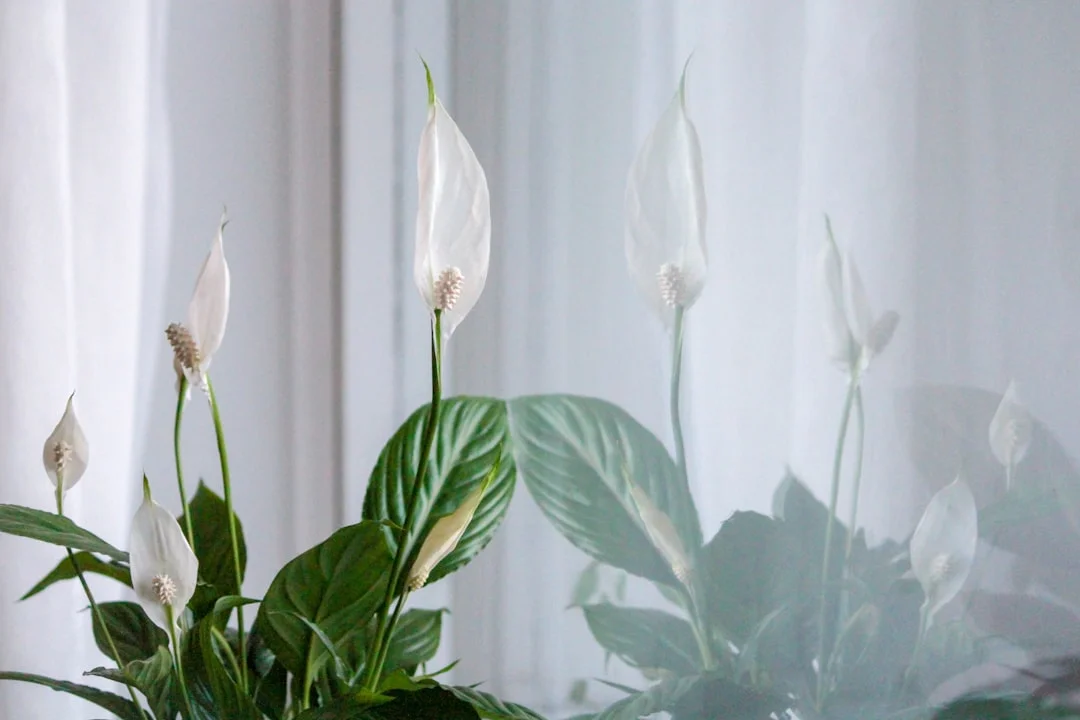
Terracotta pots wick moisture fast, making them ideal for humid climates like Kerala or Florida. Plastic and glazed ceramic retain water longer — better for dry climates like Rajasthan or Nevada. In my experience, self-watering pots work brilliantly for busy gardeners in temperate zones, though they can cause root rot in humid tropics.
Water Quality Secrets Nobody Talks About
Fluoride and chlorine cause the classic brown leaf tips everyone blames on humidity. A 2019 study from the University of Florida confirmed fluoride toxicity as the leading cause of leaf-tip burn in Spathiphyllum. However, the fix is simple — switch to rainwater, filtered water, or distilled water, and you’ll see improvement within a month.
Watering Changes Through the Seasons
Here’s the watering rule that changed how I teach peace lily plant care: water when the top 2.5 cm of soil feels dry, not on a fixed schedule. A peace lily in a warm, dry London flat in July might need water twice a week. That same plant in a cool, humid Mumbai monsoon might go 10 days between drinks. Poke your finger into the soil — that’s the only calendar you need. However, seasons do change the rhythm. In spring and summer, most peace lilies want water every 5–7 days. In autumn and winter, stretch this to every 10–14 days as growth slows. Always water thoroughly until liquid runs out the drainage holes, then empty the saucer within 15 minutes. Standing water rots roots — and that’s the number one killer of peace lilies worldwide. Have you noticed your plant droops dramatically, then bounces back after watering? That’s actually a survival trait from its rainforest floor origins. That said, relying on it long-term stresses the plant significantly. For more tips, check out our detailed article on Baby Toes Succulent Common Problems &.
Signs You're Overwatering vs Underwatering
Yellow leaves, mushy stems, and a sour soil smell mean overwatering. Crispy brown tips, drooping that doesn’t recover, and dry soil pulling from pot edges mean underwatering. Most gardeners kill peace lilies with kindness — too much water, too often. When in doubt, wait one more day.
Light, Humidity, and Temperature Sweet Spots
Peace lilies are marketed as “low-light plants” — and this is half true, half misleading. They survive in low light, but they only bloom in bright, indirect light. If your peace lily hasn’t flowered in years, light is likely the culprit. Aim for 200–400 foot-candles, roughly what you’d get 1–2 metres from a bright east-facing window. In dark UK winters, a basic LED grow light running 6 hours daily works wonders. Temperature-wise, peace lilies thrive between 18–29°C (65–85°F). They stop growing below 13°C (55°F) and suffer permanent damage below 10°C (50°F). This matters especially for gardeners in Canada, northern Europe, or highland regions of India during winter. Furthermore, humidity is where peace lily plant care separates good gardeners from great ones. These plants want 50–60% humidity minimum. In tropical climates, ambient air handles this naturally. However, in arid Phoenix or heated London flats, you’ll need extra help — a pebble tray, humidifier, or grouping plants together all make a real difference.
The Humidity Fix That Works in Any Climate
Fill a shallow tray with pebbles and water, then rest the pot on top — not in the water. As water evaporates, it creates a humid micro-climate around the plant. This trick works in Dubai apartments and Winnipeg basements alike. For serious dry-air problems, a small ultrasonic humidifier costs $25–40 USD and transforms results within days.
Fertilizing for Lush Leaves and White Blooms
Peace lilies are light feeders — over-fertilizing burns roots and browns leaf tips faster than any drought. Here’s my proven approach to peace lily plant care fertilizing: use a balanced liquid fertilizer (20-20-20 or 10-10-10) diluted to half the recommended strength. Feed once every 6 weeks during spring and summer growth. In addition, skip fertilizing entirely in autumn and winter unless you live in a year-round warm climate like Singapore or Miami. Remember the month I promised to reveal? It’s April in the Northern Hemisphere — or October in the Southern — the start of active growth when a single balanced feed triggers spectacular blooming 6–8 weeks later. For gardeners preferring organic options, diluted seaweed extract or worm-casting tea works beautifully. Whichever route you choose, less is always more with this plant.
Why Your Peace Lily Isn't Flowering
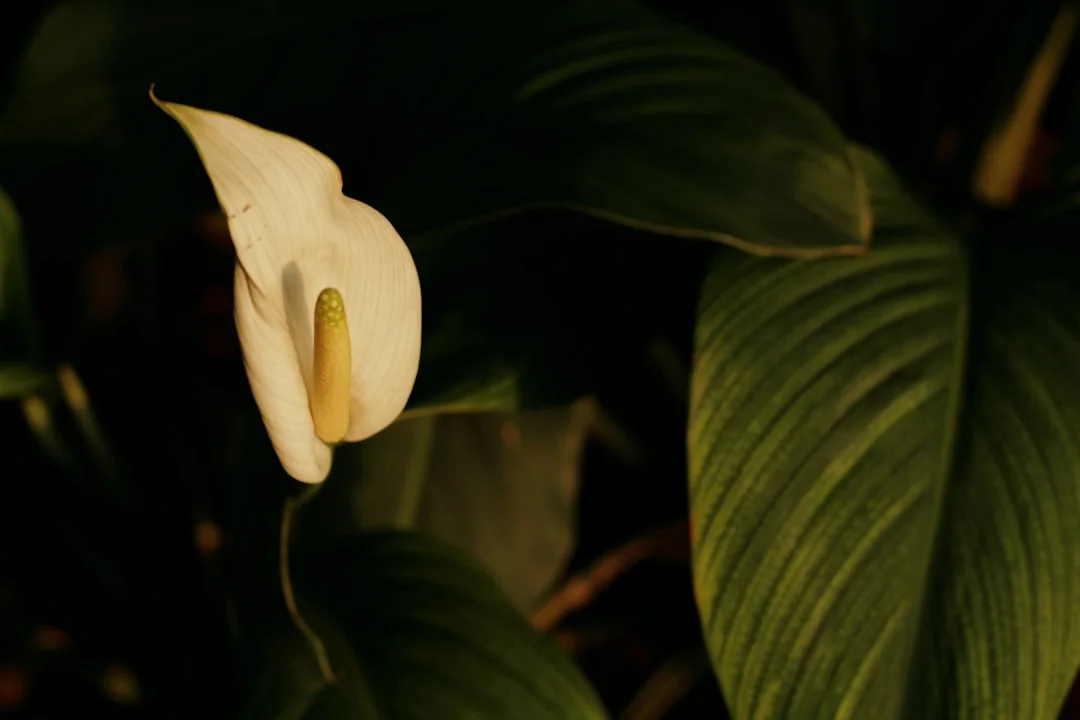
Three reasons dominate: insufficient light, over-fertilizing (paradoxically), or a plant that’s simply too young. Peace lilies typically flower after 12–15 months of maturity. Some commercial nurseries treat plants with gibberellic acid to force early blooms — meaning your store-bought plant may not rebloom naturally for a year or two.
Pest Alert: What to Watch For and How to Act Fast
Peace lilies stay relatively pest-free indoors, but four culprits show up worldwide: spider mites, mealybugs, scale, and fungus gnats. Spider mites thrive in dry air — check the underside of leaves for tiny webs. Mealybugs look like white cotton fluff wedged in leaf joints. Scale appears as small brown bumps on stems, while fungus gnats swarm around soil that stays too wet. For treatment, wipe leaves with a soft cloth dipped in diluted neem oil (5ml per litre of water) every 7 days for three weeks. Neem, used in Indian agriculture for centuries and now embraced globally, is the safest and most effective option available. According to research published on PubMed, azadirachtin — neem’s active compound — disrupts insect life cycles without harming plants or humans. For fungus gnats, let the soil dry more between waterings and top-dress with a thin layer of sand or diatomaceous earth. As a result, prevention beats cure every time.
Signs of Trouble You Shouldn't Ignore
Sticky residue on leaves points to sap-sucking pests. Sudden leaf yellowing across multiple leaves suggests root problems. Black spots often signal bacterial leaf spot from water sitting on leaves overnight. Because of this, always water in the morning rather than evening, and water at soil level to prevent the issue entirely.
Recovery: Reviving a Struggling Peace Lily
Even the best peace lily plant care can’t prevent occasional crises — moves, forgotten watering, or heating failures. The good news? Peace lilies rank among the most forgiving houseplants you can own. To revive a severely wilted plant, first check soil moisture. Bone dry? Bottom-water by placing the pot in a sink of tepid water for 30 minutes. Soggy? Unpot immediately, snip any black mushy roots, and repot in fresh, slightly moist mix. For a plant with mostly brown or yellow leaves, cut damaged foliage at the base with clean scissors. Move it to bright, indirect light and hold off fertilizer for 6 weeks. Most peace lilies show new growth within 3–4 weeks of correct care. In fact, a community garden in Bristol, UK reported reviving 90% of their donated “dead” peace lilies using exactly this protocol. For more houseplant rescue tips, check our comprehensive indoor plant care guide which covers 40+ common species and troubleshooting scenarios.
The 30-Day Recovery Timeline
Week 1: stabilize watering and light. Week 2: watch for firming leaves and colour improvement. Week 3: new growth points appear at the crown. Week 4: resume light feeding if the plant looks healthy. Patience matters here — pushing recovery with extra fertilizer or bigger pots almost always backfires.
Repotting, Propagation, and Long-Term Growth
Peace lilies need repotting every 2–3 years, or when roots circle the drainage holes visibly. Spring is ideal in temperate zones; however, anytime works in tropical climates. Go up just one pot size — jumping from a 4-inch to an 8-inch pot causes soggy soil and root rot. Propagation is easier than most gardeners realise. Peace lilies grow in clumps of crowns, and each mature crown can be divided into a new plant. Gently unpot the plant, tease apart natural divisions with your fingers, and pot each section separately. Water lightly and keep in shade for two weeks. Unlike many houseplants, peace lilies don’t reliably root from stem or leaf cuttings — so division is the only real method. As a result, a single healthy plant can produce 3–4 new plants every few years, making it a wonderful gift plant across cultures.
When to Divide and When to Just Repot
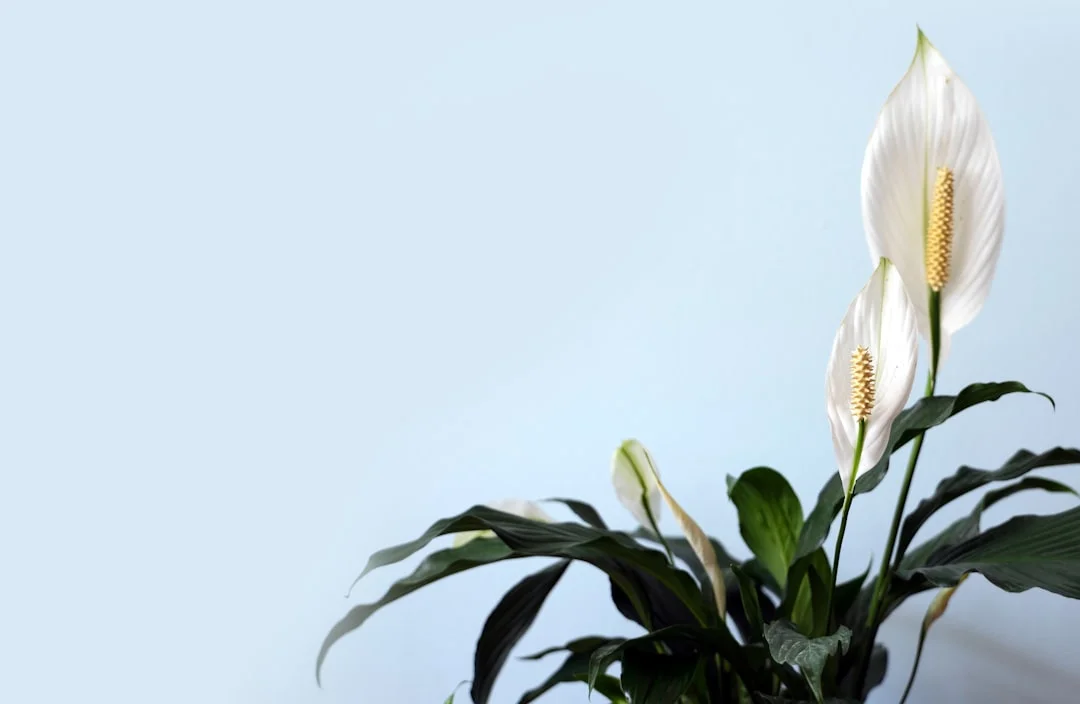
If your plant has multiple crowns and looks overcrowded, divide it. If it’s a single strong plant with roots circling the pot, simply repot into fresh soil. Dividing a young single-crown plant weakens it — wait until you can see at least 2–3 clear crown sections before splitting.
Safety, Toxicity, and Household Considerations
Here’s something every household needs to know: peace lilies contain calcium oxalate crystals, which are mildly toxic to cats, dogs, and small children if chewed. Symptoms include mouth irritation, drooling, and vomiting. The ASPCA lists Spathiphyllum as toxic to pets, though it’s rarely fatal. If you have curious pets or toddlers, place your peace lily on a high shelf or in a room they don’t access. That said, peace lilies pose no risk from air exposure — so you can safely keep them in bedrooms and living rooms. The NASA Clean Air Study showed they help remove formaldehyde, benzene, and trichloroethylene from indoor air, though newer research suggests you’d need dozens of plants for a measurable effect. Furthermore, their leaves increase humidity and reduce airborne dust — small but real benefits worth noting. In traditional Chinese Feng Shui, peace lilies symbolise peace and harmony. In Vastu Shastra, they’re recommended for the north-east corner to attract positive energy.
Safe Handling Tips
Wear gloves when repotting or dividing, especially if you have sensitive skin — the sap can cause mild irritation. Wash hands afterwards. If a pet chews a leaf, offer water and monitor closely; call a vet if symptoms persist beyond 24 hours. For most households, standard placement precautions are all you need.
Frequently Asked Questions
Can I grow a peace lily indoors in a cold climate like Canada or northern Europe?
Yes, absolutely. Peace lilies grow beautifully indoors in cold climates as long as you keep room temperatures above 13°C (55°F). Place them away from cold windows and drafts in winter, and never let leaves touch icy glass. Central heating dries indoor air significantly, so use a humidifier or pebble tray to maintain 50% humidity. In dark winter months, a small LED grow light for 6 hours daily keeps growth steady. Effective peace lily plant care in cold climates simply means recreating rainforest warmth and moisture indoors.
Is peace lily safe for cats, dogs, and children?
Peace lilies are mildly toxic to cats, dogs, and small children due to calcium oxalate crystals in their leaves. Chewing causes mouth irritation, drooling, and sometimes vomiting, but it's rarely life-threatening. The ASPCA classifies them as toxic but not deadly. If you have curious pets or toddlers, place your plant on a high shelf or hanging basket. Air exposure poses no risk — you can safely keep peace lilies in bedrooms. Contact a vet if symptoms persist beyond 24 hours after ingestion.
Why does my peace lily droop even after watering?
Persistent drooping after watering usually means one of three things: root rot from overwatering, being severely root-bound, or watering with chlorinated tap water. Check the roots — healthy ones are white and firm, while damaged ones look brown and mushy. If the pot feels packed solid with roots, it's time to repot into a container 2–3 cm larger. Switch to filtered or rainwater for a month and see if leaves firm up. Consistent peace lily plant care habits solve this within 2–3 weeks.
How often should I water a peace lily in a tropical climate?
In tropical climates like India, Southeast Asia, or northern Australia, water peace lilies every 5–7 days during dry seasons and every 10–14 days during humid monsoon months. Always check soil first — poke your finger 2.5 cm deep and water only if it feels dry. High ambient humidity means the plant loses less water through leaves, so overwatering is a bigger risk than drought. Water thoroughly, then empty the saucer within 15 minutes to prevent root rot.
How do I get my peace lily to bloom?
Peace lilies bloom when they get bright indirect light, correct feeding, and reach maturity (12–15 months old). Move your plant closer to an east-facing window or supplement with an LED grow light. Feed a balanced liquid fertilizer diluted to half strength every 6 weeks in spring and summer. However, avoid over-fertilizing — it paradoxically prevents blooms. If your store-bought plant bloomed once and never again, commercial growers often use gibberellic acid to force flowers, so natural reblooming may take 1–2 years.
What causes brown tips on peace lily leaves?
Brown leaf tips almost always point to one of four causes: fluoride or chlorine in tap water, low humidity, over-fertilizing, or inconsistent watering. Fluoride toxicity is the most common — switch to filtered, distilled, or rainwater as your first step. In addition, increase humidity to 50–60% using a humidifier or pebble tray. Feed less often and flush the soil with plain water every 3 months to remove salt buildup. Trim brown tips at an angle with clean scissors for cosmetic improvement while you fix the underlying cause.
Can peace lilies grow in water alone without soil?
Yes, peace lilies can grow hydroponically in water alone, though they'll bloom less often. Use a clear vase with distilled or rainwater, and suspend the plant so roots dangle in water while the crown stays dry. Change water every 2 weeks and add a few drops of hydroponic fertilizer monthly. Many gardeners in urban apartments across Tokyo, Berlin, and New York love this pest-free, low-mess method. Just remember: hydroponic peace lilies grow slower and produce fewer flowers than soil-grown ones.
How big does a peace lily get and how long does it live?
Standard peace lilies reach 40–65 cm (16–26 inches) tall and wide indoors. Larger cultivars like 'Sensation' can grow to 1.5 metres (5 feet). With proper peace lily plant care, they live 3–5 years on average, though I've seen well-tended plants thrive for over a decade. Regular repotting every 2–3 years, division of overcrowded clumps, and consistent watering extend lifespan significantly. Think of them as long-term companions, not seasonal plants.
Final Thoughts
Peace lily plant care isn’t complicated once you understand what this rainforest native actually needs: filtered water, bright indirect light, warmth, and humidity. Master those four basics and the plant rewards you with glossy foliage and elegant white blooms year after year. Remember the Melbourne gardener I mentioned in the introduction? Her drooping peace lily is now three plants — she divided it last spring and gifted two to friends. That’s the joy of this plant: it forgives mistakes, teaches patience, and multiplies generosity. Whether you’re in a humid Chennai apartment, a cool Manchester flat, or a sunny Sydney conservatory, the same principles apply. Start with one healthy plant, follow the seasonal rhythm outlined in this guide, and adjust based on what your plant tells you. Its leaves are the most honest garden diary you’ll ever read. Happy growing — and may your peace lily bring you both beauty and calm.