
⏱ 30 min read
Table of Contents
- What Is Peperomia? Meet This Remarkable Plant
- Peperomia Plant Indoor Care: Key Benefits for Home Growers
- Choosing the Right Peperomia Species for Your Space
- Soil and Fertiliser: The Foundation of Healthy Peperomia
- Watering Peperomia: The Most Important Rule
- Light Requirements: Finding the Sweet Spot
- Temperature, Humidity, and Climate Considerations
- Common Problems, Pests, and Diseases
- How to Propagate Peperomia at Home
- Seasonal Care: What to Do Every Month of the Year
- Uses and Benefits: More Than Just a Pretty Plant
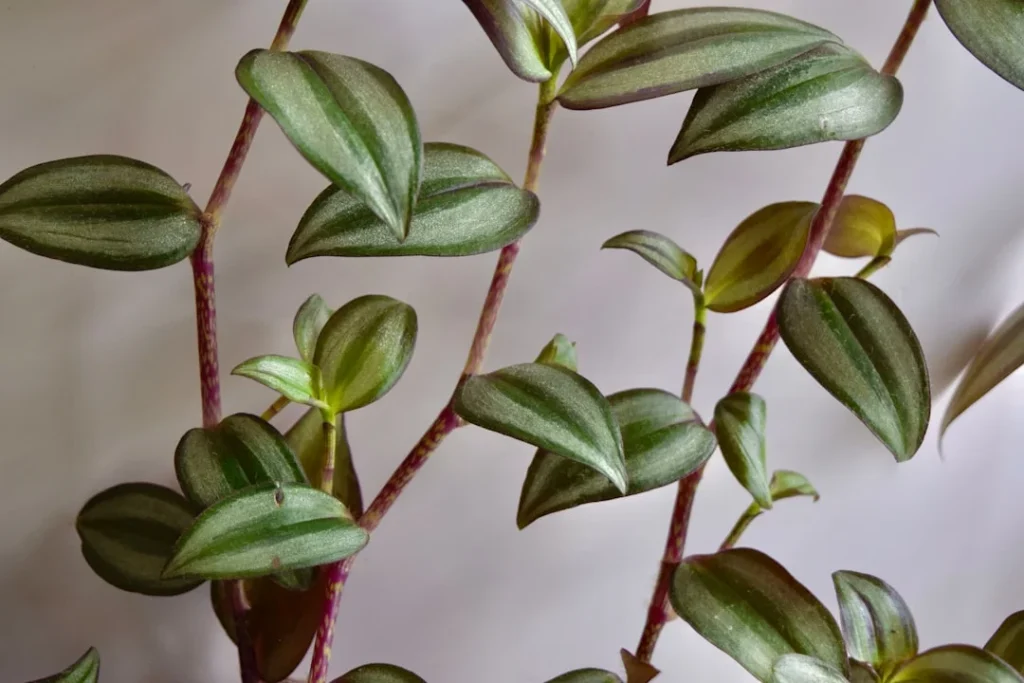
Peperomia plant indoor care is surprisingly forgiving — and that’s exactly what makes this plant one of the most underrated gems in the houseplant world. With over 1,000 known species, Peperomia is one of the largest genera in the plant kingdom, yet most people have never heard of it until they spot one thriving on a windowsill and wonder, ‘What IS that?’ Here’s the counterintuitive truth: peperomia plants actually prefer a little neglect. Overwatering is the number one killer — not underwatering. Understanding peperomia plant indoor care starts with flipping that assumption on its head. Whether you’re growing in a humid apartment in Singapore, a sun-filled flat in London, or a centrally heated home in Chicago, this guide covers everything. You’ll learn the right soil mix, watering rhythm, light conditions, propagation tricks, and how to troubleshoot problems before they turn fatal. By the end, you’ll know exactly why your previous attempts may have failed — and what to do completely differently this time. If you enjoy growing this plant, you might also find our guide on Hanging Succulent Plants Care very useful.
Quick Highlights
- Discover why peperomia thrives on minimal watering and how to nail the perfect schedule for your climate
- Learn which of the 1,000+ peperomia species suits your home environment best
- Master the ideal soil mix and fertiliser routine to keep foliage vibrant year-round
- Identify common pests and diseases early with a clear, actionable troubleshooting guide
- Propagate new plants from leaf or stem cuttings with a simple, step-by-step method
- Understand seasonal adjustments for tropical, temperate, arid, and cold climates
Plant Characteristics at a Glance
| Common Name | Peperomia, Radiator Plant, Baby Rubber Plant (varies by species) |
| Scientific Name | Peperomia spp. (over 1,500 species including P. obtusifolia, P. argyreia, P. caperata) |
| Family | Piperaceae (Pepper family) |
| Origin | Primarily Central and South America; some species native to Africa and South Asia |
| Habitat | Tropical and subtropical forest floors, rocky outcrops, tree bark, leaf litter |
| Plant Type | Herbaceous perennial; semi-succulent; tropical foliage plant |
| Indoor Plant | Yes — ideal; thrives in indoor conditions across all climates |
| Outdoor Plant | Yes, in USDA Zones 10–12 (frost-free regions); RHS H1b and above only |
| Leaves | Varied: glossy, textured, striped, or heart-shaped; thick and fleshy; 2–10 cm depending on species |
| Flowers | Inconspicuous; produced on slender spike-like racemes (rat-tail inflorescences); not ornamentally significant |
| Flowering Season | Year-round under ideal conditions; most frequently in spring and summer |
| Fruit | Tiny, single-seeded drupe; rarely produced in cultivation |
| Seeds | Very small; slow and difficult to germinate; vegetative propagation preferred |
| Roots | Shallow, fine fibrous roots; susceptible to rot in waterlogged soil |
| Height | 10–40 cm (4–16 inches) depending on species; trailing varieties can extend to 60 cm |
| Growth Rate | Slow to moderate; faster in bright indirect light and warm temperatures |
| Light Requirements | Bright indirect light preferred; tolerates low light; avoid direct midday sun |
| Soil Requirements | Light, well-draining mix; ideal pH 6.0–6.5; perlite + coir/peat-based compost blend |
| Water Requirements | Low to moderate; allow top 2–3 cm to dry completely between waterings; drought-tolerant |
| Temperature Requirements | Ideal: 18–26°C (65–80°F); minimum: 10°C (50°F); avoid frost entirely |
| Humidity Requirements | Moderate; 40–60% RH ideal; tolerates average household humidity; sensitive to below 30% |
| Propagation | Stem cuttings (most reliable), leaf-petiole cuttings, division; water or perlite medium |
| Uses | Indoor ornamental, office plant, air quality improvement, biophilic design, folk medicine (traditional) |
| Medicinal Properties | Traditional analgesic and anti-inflammatory use (P. pellucida); bioactive compounds under research |
| Toxicity | Non-toxic to cats and dogs (ASPCA listed); safe for households with pets and children |
| Cultural Significance | Used in folk medicine across Latin America and West Africa; auspicious in Vastu Shastra and Feng Shui |
| Common Pests | Fungus gnats, mealybugs, spider mites, scale insects |
| Common Diseases | Root rot (Pythium, Phytophthora), Cercospora leaf spot, Rhizoctonia stem rot |
| Special Care Tips | Never overwater; use terracotta pots for better drainage; rotate quarterly for even growth; avoid cold drafts |
| Cultural Practices | Considered a good luck plant in several Asian traditions; used in desktop biophilic office arrangements |
| Vastu Direction | East or North direction preferred; promotes clarity and positive energy according to Vastu Shastra |
Peperomia plant indoor care Names in Different Languages
| English | Peperomia / Radiator Plant / Baby Rubber Plant |
| Mandarin Chinese | 椒草 (Jiāo cǎo) |
| Spanish | Peperomia / Planta radiador |
| Hindi | पेपेरोमिया (Peperomia) |
| Gujarati | પેપેરોમિયા (Peperomia) |
| Arabic | بيبيروميا (Bībīrūmiyā) |
| Bengali | পেপেরোমিয়া (Peperomia) |
| Portuguese | Peperômia / Planta-radiador |
| Russian | Пеперомия (Peperomiya) |
| Japanese | ペペロミア (Peperomia) |
| Punjabi | ਪੇਪੇਰੋਮੀਆ (Peperomia) |
| German | Peperomie / Zwergpfeffer |
| Javanese | Peperomia / Suruhan hias |
| Korean | 페페로미아 (Pep-e-romia) |
| French | Péperomia / Plante radiateur |
| Telugu | పెపెరోమియా (Peperomiya) |
| Marathi | पेपेरोमिया (Peperomia) |
| Tamil | பெப்பெரோமியா (Pepperomiya) |
| Urdu | پیپیرومیا (Peperomia) |
| Turkish | Peperomya / Cüce biber bitkisi |
| Vietnamese | Cây pepperomia / Cây hồ tiêu cảnh |
What Is Peperomia? Meet This Remarkable Plant
A gardener in Bristol once brought me a small, thick-leaved plant she had rescued from a skip outside an office block. It had no pot, almost no soil, and had clearly been ignored for months. Six weeks later, it was producing new leaves. That plant was a Peperomia obtusifolia — and that story tells you almost everything you need to know about this genus. For more tips, check out our detailed article on Best Indoor Plants for Air Quality.
Peperomia (pronounced pep-er-OH-mee-uh) belongs to the family Piperaceae — the same family as black pepper. According to Kew Gardens, there are over 1,500 described species, making Peperomia one of the two largest genera in its family. Native primarily to tropical and subtropical regions of Central and South America, these plants have adapted to grow in leaf litter, on tree bark, and even on rocky outcrops — conditions that explain their legendary drought tolerance.
The name comes from Greek: ‘peperi’ meaning pepper, and ‘homoios’ meaning resembling. In other words, it literally means ‘pepper-like.’ Most species are compact, rarely exceeding 30–40 cm (12–16 inches) in height, which makes them ideal for shelves, desks, and windowsills.
Furthermore, peperomia plants are technically semi-succulent. Their thick, fleshy leaves store water — a survival mechanism from their native habitat. This is why peperomia plant indoor care revolves around one golden rule above all others: when in doubt, don’t water. Many gardeners who grow this plant also love to read about How Often to Water Indoor Plants.
How Many Types of Peperomia Are There?
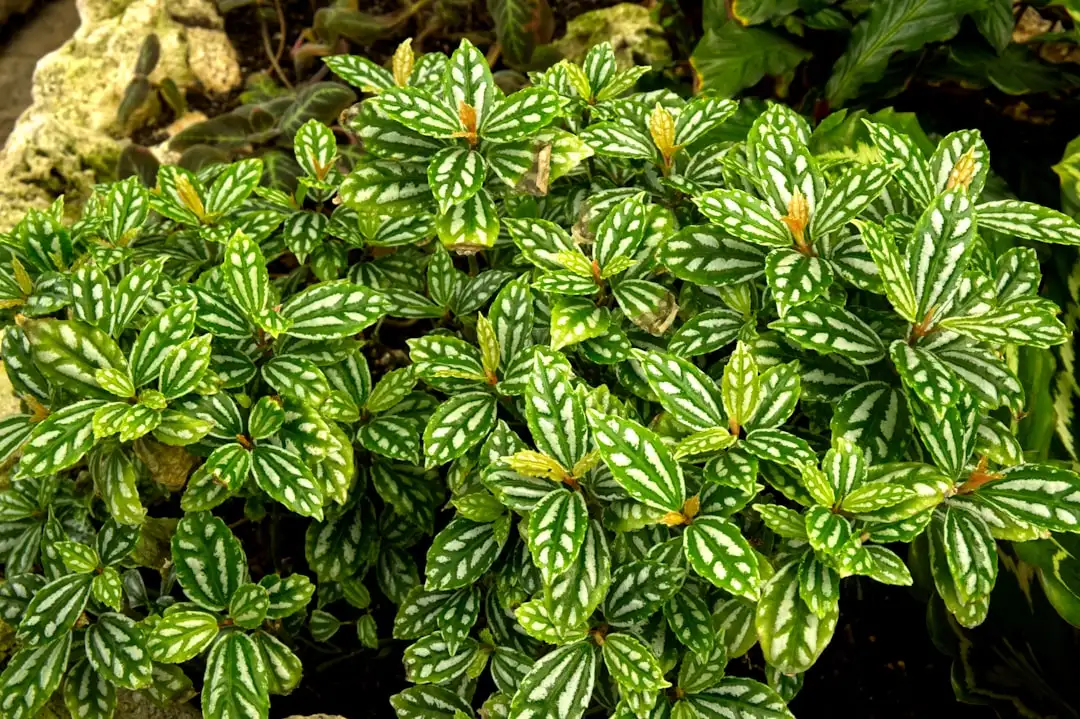
With over 1,500 species, choosing can feel overwhelming. However, a handful dominate the houseplant world for good reason. Peperomia obtusifolia (Baby Rubber Plant) has glossy, deep-green leaves and tolerates low light remarkably well. Peperomia caperata (Ripple Peperomia) produces deeply textured, heart-shaped leaves in dark green or burgundy. Peperomia argyreia (Watermelon Peperomia) is arguably the most photographed, with striped foliage that genuinely resembles a watermelon rind. Peperomia rotundifolia (Trailing Jade) cascades beautifully from hanging baskets. Each species has slightly different care needs, but the core principles of peperomia plant indoor care remain consistent across all of them. Many gardeners who grow this plant also love to read about Maintenance Indoor Plants for Busy Urban.
Peperomia vs. Succulents: What's the Difference?
Many newcomers confuse peperomia with true succulents like Echeveria or Aloe. While both store water in their leaves, peperomia is not a true succulent. It prefers indirect light rather than full sun, and it needs slightly more moisture than a cactus but far less than a tropical fern. Think of it as the middle ground — and that middle ground is precisely why it suits so many different homes and climates. If you enjoy growing this plant, you might also find our guide on Trailing Indoor Plants for Shelves very useful.
Peperomia Plant Indoor Care: Key Benefits for Home Growers
Here’s something most gardening articles don’t tell you: peperomia was studied by NASA. In their landmark 1989 Clean Air Study, plants from the Piperaceae family were noted for their ability to reduce airborne volatile organic compounds (VOCs) including formaldehyde — a chemical commonly off-gassed by furniture, flooring, and paint. While a single plant won’t transform your air quality overnight, a collection of peperomia on a bookshelf contributes meaningfully to a healthier indoor environment.
Beyond air quality, the benefits of prioritising peperomia plant indoor care are numerous. These plants are non-toxic to cats and dogs, according to the ASPCA, making them one of the safest choices for pet-owning households — a huge selling point compared to popular but toxic plants like Pothos or Peace Lily.
In addition, peperomia is one of the most low-maintenance houseplants available to global gardeners. It doesn’t demand daily attention, copes with occasional drought, and recovers from neglect faster than almost any other tropical plant. For busy professionals in New York, London, or Tokyo, that resilience is genuinely life-changing.
Is Peperomia Safe for Pets and Children?
Yes — and this matters more than most people realise. The ASPCA lists Peperomia species as non-toxic to both cats and dogs. Unlike many popular trailing houseplants, you don’t need to keep peperomia out of reach of curious pets or toddlers. That said, no plant should be eaten in large quantities, and individual animals may still have mild digestive reactions. As always, if a child or pet ingests a significant amount of any plant, consult a medical professional or veterinary service. But compared to the toxic risk of Dieffenbachia or Sago Palm, peperomia is an exceptionally safe indoor choice.
Choosing the Right Peperomia Species for Your Space
Not all peperomia plants behave the same way, and choosing the right species is the first real decision in successful peperomia plant indoor care. In my experience, the species most likely to thrive for a beginner is Peperomia obtusifolia — it tolerates low light, inconsistent watering, and dry indoor air better than most.
For bright, sunny windowsills in warm climates like those in Dubai, Chennai, or Los Angeles, Peperomia argyreia and Peperomia clusiifolia handle stronger indirect light well. For low-light apartments — common in northern European cities like Stockholm, Amsterdam, or Edinburgh — Peperomia caperata and Peperomia scandens (Cupid Peperomia) adapt surprisingly well.
Hanging varieties like Peperomia rotundifolia and Peperomia prostrata (String of Turtles) are perfect for macramé hangers or high shelves, where their trailing stems can cascade gracefully. Meanwhile, compact rosette types like Peperomia graveolens (Ruby Glow) work beautifully on windowsills where space is limited.
One thing to note: variegated varieties (those with white or cream-edged leaves) generally need slightly more light than their solid-green counterparts. This is because the white portions lack chlorophyll, meaning the plant relies on a smaller area of green tissue to photosynthesize.
Top 5 Peperomia Species for Beginners
First, Peperomia obtusifolia is the most forgiving of low light and irregular watering. Next, Peperomia argyreia (Watermelon Peperomia) is visually stunning and reasonably easy. Then, Peperomia caperata handles humidity fluctuations well, making it ideal for bathrooms. After that, Peperomia rotundifolia is perfect for hanging positions and rewards consistent light. Finally, Peperomia scandens tolerates drier indoor air — a common challenge in heated winter homes across Canada, Northern Europe, and high-altitude cities like Bogotá or Kathmandu.
Soil and Fertiliser: The Foundation of Healthy Peperomia
Most houseplant failures start below the surface. Peperomia roots are delicate and relatively shallow — they absolutely cannot tolerate waterlogged, compacted soil. The ideal growing medium for peperomia plant indoor care is light, airy, and fast-draining.
A reliable mix combines two parts perlite (or coarse river sand) with two parts standard peat-based or coir-based potting compost, and one part orchid bark for structure. This creates the kind of open, breathable root environment that mimics the leaf litter and rocky crevices peperomia naturally colonises in the wild.
For gardeners in the UK and Europe, the RHS recommends a free-draining compost blend for succulent-type houseplants — their guidance applies well to peperomia. In the US, USDA-approved perlite-heavy mixes sold for cacti and succulents work equally well. In tropical countries like India, Bangladesh, or the Philippines, cocopeat (coir) is an excellent and widely available substitute for peat.
Importantly, never use heavy garden soil or straight compost in a container. Both compact over time, cutting off oxygen to the roots and creating the wet conditions that cause root rot — the most common cause of death in peperomia.
How and When to Fertilise Peperomia
Peperomia is not a heavy feeder. In fact, over-fertilising causes more problems than under-fertilising — it can lead to salt buildup in the soil and brown leaf tips. During the active growing season (spring through summer in the Northern Hemisphere, roughly September through February in the Southern Hemisphere), feed once a month with a balanced liquid fertiliser diluted to half strength. A 20-20-20 NPK formula works well. During autumn and winter, or during dormancy in any climate, stop feeding entirely. Many gardeners find that a single slow-release granule fertiliser applied in spring is all their peperomia needs for the entire growing season.
Repotting: When and How to Do It
Peperomia actually prefers being slightly root-bound. Don’t rush to repot. In most cases, repotting every two to three years is sufficient. Choose a pot only one size larger than the current one — going too large dramatically increases the risk of overwatering and root rot. Always repot in spring, when the plant can recover quickly. Use terracotta pots where possible; their porous walls help excess moisture evaporate, which is a significant advantage for peperomia plant indoor care in humid climates.
Watering Peperomia: The Most Important Rule
The internet tells you to water your houseplants on a schedule. Experienced peperomia growers know that’s the fastest way to kill this plant.
Perepromia stores water in its fleshy leaves and stems. It needs to dry out — almost completely — between waterings. The correct approach is not ‘water every X days’ but rather ‘check the soil, and water only when the top 2–3 cm (about an inch) is completely dry.’ In some climates and seasons, this might mean watering every 10 days. In others, once every three weeks is plenty.
A practical test: push your finger into the soil to the second knuckle. If you feel any moisture at all, wait. Only when the soil feels completely dry at that depth should you water thoroughly until it drains from the bottom.
Have you ever noticed your peperomia looks fine in the morning but its leaves feel slightly less firm by afternoon? That’s the first sign it actually needs water — not a crisis, but a signal. Leaves that wrinkle or curl slightly indicate real thirst. Yellowing, mushy lower leaves almost always indicate overwatering.
Gardeners in humid tropical climates (Singapore, Mumbai, Manila) will water far less frequently than those in dry continental climates (Calgary, Riyadh, Phoenix). Adjust accordingly — climate, not calendar, is your guide.
Bottom Watering vs. Top Watering for Peperomia
Bottom watering — placing the pot in a tray of water for 15–20 minutes so the soil absorbs moisture from below — is an excellent method for peperomia. It encourages roots to grow downward and prevents water from splashing on the leaves, which can cause rot in rosette-forming varieties like Peperomia caperata. However, top watering works perfectly well if you ensure water drains fully and doesn’t pool around the base. Either way, never let peperomia sit in standing water for more than 30 minutes.
Light Requirements: Finding the Sweet Spot
Peperomia is one of those rare plants that genuinely tolerates a wide range of light conditions — but ‘tolerates’ and ‘thrives in’ are very different things.
The sweet spot for most peperomia species is bright, indirect light. Think a spot 1–2 metres (3–6 feet) back from a south- or east-facing window in the Northern Hemisphere, or a north-facing window in Australia and New Zealand. Direct midday sun, particularly in summer in Mediterranean climates (California, Spain, southern Australia) or tropical zones, will scorch the leaves and fade the beautiful variegation that makes many species so appealing.
In darker homes — common in northern latitudes during winter, in basement flats, or in deep-set apartments — peperomia will slow its growth but usually survive. For RHS Hardiness Zone H1b and below, a grow light positioned 20–30 cm (8–12 inches) above the plant for 12–14 hours daily during dark winter months makes a significant difference.
For gardeners in tropical countries near the equator, where light is intense year-round, keep peperomia away from direct afternoon sun. A north-facing windowsill or a position behind a sheer curtain is ideal. Furthermore, rotating the pot a quarter turn every two weeks ensures even growth on all sides.
Can Peperomia Grow Under Artificial Light?
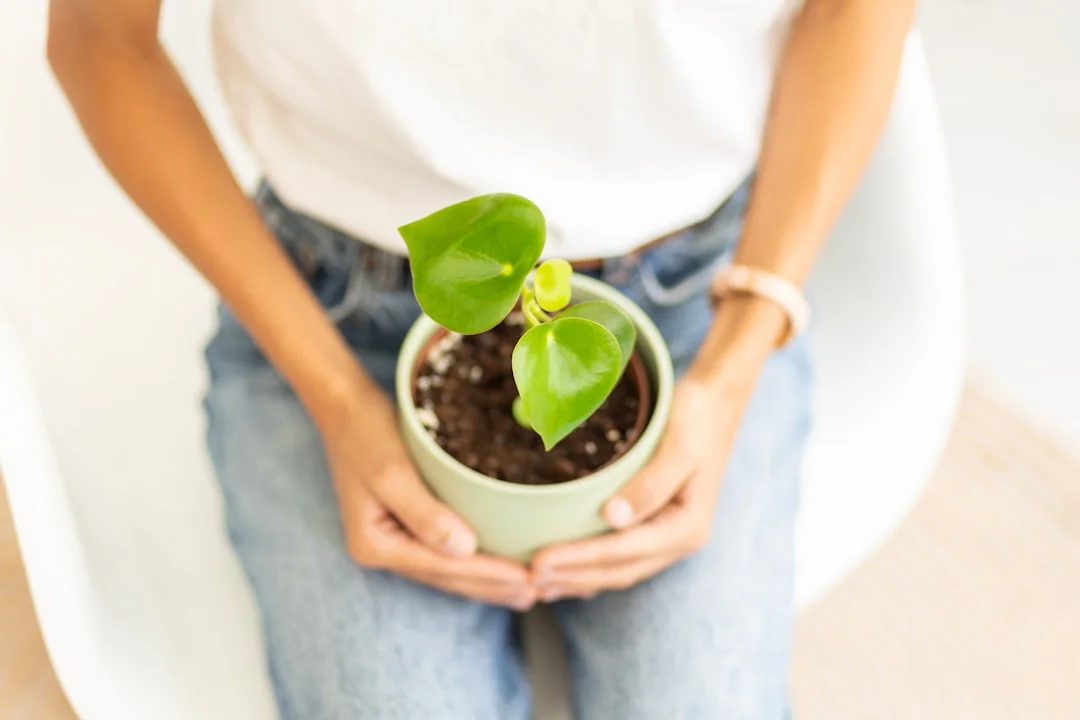
Absolutely — and this is one of its most valuable traits. Peperomia is one of the best office plants precisely because it thrives under standard LED and fluorescent office lighting. A 2019 study from the University of Guelph (Ontario, Canada) found that tropical foliage plants including Peperomia species maintained healthy photosynthetic rates under full-spectrum LED grow lights at intensities as low as 200 µmol/m²/s. This means peperomia is ideal for offices, windowless bathrooms, and north-facing rooms in any climate.
Temperature, Humidity, and Climate Considerations
Peperomia is a tropical plant at heart. It performs best between 18–26°C (65–80°F) — a range that coincidentally matches most comfortable indoor environments across the globe, from UK centrally heated homes to air-conditioned apartments in Dubai or Bangkok.
Temperatures below 10°C (50°F) cause stress. Below 5°C (41°F), cellular damage begins. This means peperomia should never be placed near drafty windows in winter in temperate or continental climates, or near air conditioning vents in tropical buildings (the cold, dry blast is equally damaging). According to the USDA Plant Hardiness Zone Map, Peperomia is suitable for outdoor growing only in Zones 10–12 — essentially frost-free regions like southern Florida, Hawaii, Coastal California, and parts of Southeast Asia.
Humidity is where peperomia surprises most growers. Despite its tropical origins, it handles average household humidity (40–60%) better than most tropical plants. It doesn’t demand misting or a pebble tray. However, in very dry climates — desert regions, winter-heated rooms in Canada or Scandinavia — humidity below 30% can cause brown leaf tips. A small humidifier nearby, or grouping plants together, solves this easily.
Growing Peperomia in Cold Climates
Gardeners in cold-climate cities like Toronto, Helsinki, or Denver often worry that peperomia won’t survive winter indoors. The good news is that as long as your home stays above 15°C (59°F), peperomia will be fine. Keep it well away from cold windowpanes (the glass surface can drop to near-freezing in harsh winters), and reduce watering frequency during the shorter, darker days of winter — the plant’s metabolism slows, and it needs far less water than in summer. Growth will slow or pause entirely, but the plant will resume vigorous growth when days lengthen again in spring.
Common Problems, Pests, and Diseases
There’s one growing condition almost nobody talks about that explains why some peperomia plants thrive while identical ones in the same room die: pot material. Clay terracotta allows roots to breathe and dries faster, while glazed ceramic or plastic retains moisture. The same watering routine in two different pots produces completely different results. Always match your watering schedule to your pot material.
Beyond that, the most common problems in peperomia plant indoor care are predictable and fixable.
Root rot (caused by overwatering) presents as yellowing lower leaves, a soft, mushy stem base, and a sour smell from the soil. Treatment: remove from pot, trim black or brown roots with sterile scissors, let air-dry for 24 hours, repot in fresh dry mix. Withhold water for a full week.
Leaf drop — sudden loss of leaves, often in autumn or after moving the plant — is usually caused by temperature shock or a drafty new location. It’s alarming but rarely fatal. Stabilise the environment and new growth will resume.
Brown leaf tips most commonly indicate low humidity or fluoride in tap water. Switch to filtered or rainwater if possible, and move the plant away from dry heat sources.
Identifying and Treating Peperomia Pests
Fungus gnats are the most frequent pest in peperomia plant indoor care, and they thrive in consistently moist soil — yet another reason to let the soil dry thoroughly between waterings. Allow the top inch to dry completely, and use sticky yellow traps to monitor adult populations. Mealybugs appear as white cottony clusters in leaf axils; treat with a cotton swab dipped in 70% isopropyl alcohol. Spider mites cause fine webbing and stippled leaves — they thrive in dry air, so increasing humidity and wiping leaves with a damp cloth is an effective first response. For persistent infestations, neem oil diluted in water (5 ml per litre) applied weekly for three weeks controls most soft-bodied pests.
Why Is My Peperomia Losing Leaves?
Sudden leaf drop in peperomia has three main causes. First, cold drafts — even brief exposure to temperatures below 10°C (50°F) can trigger stress-related leaf drop. Second, dramatic shifts in light when you move the plant to a new location; it needs two to three weeks to acclimatise. Third, overwatering followed by root damage — if the roots can’t deliver water efficiently, the plant sheds leaves to reduce its water demand. Address the root cause (literally, in the last case), and the plant will stabilise.
How to Propagate Peperomia at Home
Propagating peperomia is genuinely one of the most satisfying experiences in indoor gardening. Unlike many houseplants that require specialist equipment or rooting hormones, peperomia propagates easily from leaf or stem cuttings using nothing more than a glass of water or a small pot of moist perlite.
For most species, stem cuttings are the fastest and most reliable method. Select a healthy stem with two to three leaves, cut just below a leaf node with a clean, sharp blade, and remove the lowest leaf. Place the cutting in a small container of water (changing the water every three days) or insert it directly into moist perlite or a 50/50 mix of perlite and coir. Roots typically appear within two to four weeks at temperatures above 20°C (68°F).
Leaf propagation works beautifully for species like Peperomia caperata and Peperomia argyreia. Cut a healthy leaf with its stalk (petiole) intact, insert the petiole into moist propagation mix at a 45-degree angle, and cover loosely with a clear plastic bag to retain humidity. Keep in bright indirect light at 22–25°C (72–77°F). Tiny plantlets will emerge from the base of the petiole in four to eight weeks.
For our full indoor plant care guide, which covers propagation techniques for dozens of houseplants, check out our complete resource.
Water Propagation vs. Soil Propagation: Which Is Better?
Water propagation is more visually satisfying — you can watch the roots develop — but roots grown in water are structurally different from soil roots. When you eventually transplant a water-rooted cutting into soil, it experiences a brief transition shock. Soil or perlite propagation produces roots already adapted to their final medium, so transplant shock is minimal. In my experience, both methods work well for peperomia, but perlite propagation produces sturdier, faster-establishing plants. That said, water propagation is a wonderful method for beginners who want to observe the process — and for children learning about plant biology.
Seasonal Care: What to Do Every Month of the Year
Peperomia doesn’t hibernate dramatically like some houseplants, but it does slow down in response to lower light and temperature. Understanding these seasonal rhythms is central to effective peperomia plant indoor care across different hemispheres.
In the Northern Hemisphere, June (the current month) is peak growing season. This is the best time to propagate, repot, and fertilise. Plants are actively pushing new leaves, and any intervention recovers quickly. Move plants slightly closer to windows if your summer light is indirect, and increase watering frequency as the soil dries faster in warm weather.
In the Southern Hemisphere, June means early winter. Growth slows noticeably. Reduce watering significantly — perhaps once every two to three weeks instead of weekly. Stop fertilising. Move plants away from cold windowpanes and exterior walls. Do not repot; disturbing roots during dormancy slows recovery.
In tropical year-round climates (equatorial Southeast Asia, coastal East Africa, the Caribbean), seasonal variation is minimal. However, rainy-season humidity can invite fungal issues, so ensure good air circulation and avoid misting during monsoon months.
Summer Care Tips (Northern Hemisphere: June–August)
Summer is when peperomia earns its keep. Growth is rapid, colours are vivid, and the plant is resilient. However, watch for two summer-specific risks. First, air conditioning in hot climates creates a cold, dry microclimate that stresses tropical plants — keep peperomia away from direct AC vents. Second, outdoor sun through glass during summer is far more intense than in spring; south-facing windows in temperate climates can deliver enough direct sun to scorch leaves. A sheer curtain or moving the plant 60 cm (2 feet) back from the window solves both issues elegantly.
Winter Care Tips (Northern Hemisphere: December–February)
Winter is the danger zone for peperomia in temperate and cold climates. Reduce watering dramatically — the plant’s metabolic rate drops with lower light and temperature, so soil stays wet far longer than in summer. Never let the pot sit in cold water. If natural light falls below 2–3 hours of indirect brightness per day (common in Scottish winters or Canadian prairie provinces), supplement with a grow light on a 12-hour timer. Avoid placing plants near radiators or baseboard heaters; the dry heat is as damaging as cold drafts.
Uses and Benefits: More Than Just a Pretty Plant
Peperomia has been valued beyond ornament for centuries. In traditional folk medicine across Central and South America — the plant’s native range — various Peperomia species have been used topically for skin conditions and as mild analgesics. In Peru, Peperomia pelluida has been used in folk remedies for joint pain and fever, a use documented in ethnobotanical records from the Amazon basin.
In Nigeria, Peperomia pellucida (locally called ‘shiny bush’ or ‘pepper elder’) is used in traditional healing for headaches, hypertension, and as an anti-inflammatory. A 2012 study published in the Journal of Ethnopharmacology documented its analgesic properties in animal models. While these findings are preliminary and do not constitute medical advice, they point to genuine bioactive compounds in the Peperomia genus worth further research.
From a modern wellness perspective, the primary value of peperomia is its contribution to indoor air quality and its psychological benefits as a living, growing presence in urban environments. Research on biophilic design — the integration of nature into built spaces — consistently shows that indoor plants reduce perceived stress, improve concentration, and enhance mood. Peperomia, with its compact form and low maintenance demands, is an ideal ambassador for this effect in homes, offices, schools, and healthcare settings worldwide.
Peperomia in Vastu Shastra and Feng Shui
In Vastu Shastra, the ancient Indian science of spatial design, small-leafed, compact green plants placed in the east or north direction of a home are believed to promote positive energy and mental clarity. Peperomia, with its dense, rounded foliage and upright growth, is considered a suitable choice for these directions. Similarly, in Feng Shui principles widely observed across East and Southeast Asia, rounded leaves are associated with positive ‘chi’ energy flow. A healthy, thriving peperomia on a desk or study table is considered auspicious in both traditions — which, conveniently, also happens to be an excellent position for the plant’s light requirements.
Frequently Asked Questions
How often should I water my peperomia plant indoors?
Allow the top 2–3 cm (about 1 inch) of soil to dry completely before watering. In warm, bright conditions this might mean watering every 10–14 days. In cool, darker rooms or during winter, once every 3 weeks is often enough. Peperomia plant indoor care success hinges almost entirely on avoiding overwatering — when in doubt, wait another day or two before watering.
Can I grow peperomia indoors in a cold climate like Canada or Northern Europe?
Absolutely. Peperomia thrives as a houseplant in any climate as long as indoor temperatures stay above 15°C (59°F). Keep it away from cold windowpanes and drafts in winter. In very dark northern winters (fewer than 3 hours of natural light daily), supplement with a full-spectrum LED grow light on a 12-hour timer. Reduce watering significantly in winter as the plant's growth slows considerably.
Is peperomia safe for cats, dogs, and children?
Yes. The ASPCA lists Peperomia species as non-toxic to cats and dogs, making it one of the safest houseplants for pet households. It's also considered safe around children. That said, consuming large quantities of any plant is inadvisable, and individual animals may have mild digestive reactions. If you're concerned, consult your vet. For households looking for beautiful, low-risk plants, peperomia is an outstanding choice.
Why are my peperomia leaves turning yellow?
Yellowing leaves on peperomia almost always indicate overwatering or root rot. Check the soil — if it feels wet or soggy more than 2–3 days after watering, your plant is being watered too frequently or the drainage is inadequate. Remove the plant from its pot, inspect the roots, trim any black or mushy roots, and repot in fresh, well-draining mix. Allow the soil to dry more completely between future waterings.
How do I propagate peperomia at home without special equipment?
Take a healthy stem cutting with 2–3 leaves, cut just below a node, and place it in a glass of water or moist perlite. Change water every 3 days if using the water method. Keep in bright indirect light at 20–25°C (68–77°F). Roots typically appear in 2–4 weeks. For leaf propagation (species like P. caperata), insert a leaf with its petiole into moist propagation mix at 45 degrees. No rooting hormone is needed for most species.
What is the best light condition for peperomia plant indoor care?
Bright, indirect light is ideal — roughly 1–2 metres back from a south or east-facing window in the Northern Hemisphere. Direct afternoon sun scorches the leaves. In darker rooms or during winter, peperomia tolerates low light but grows more slowly. Under-lit plants often become leggy and lose their vibrant leaf colour. A standard LED grow light solves the problem effectively and makes peperomia a genuinely viable option for windowless offices and bathrooms.
How do I grow peperomia in a hot, arid climate like the Middle East or Australia?
In hot, dry climates, the key challenges are low humidity and intense light. Keep peperomia indoors in air-conditioned spaces, away from direct AC vents. Use a pebble tray with water beneath the pot (without letting the pot touch the water) to boost local humidity. Water slightly more often than you would in a temperate climate, but always check the soil first. Avoid south-facing sun exposure, especially in summer. Most peperomia species adapt well to air-conditioned interiors in Dubai, Riyadh, Perth, or Phoenix.
Does peperomia need to be repotted every year?
No — peperomia actually prefers being slightly root-bound. Most plants only need repotting every two to three years, or when roots visibly emerge from drainage holes. Choose a pot only one size larger than the current one. Oversized pots hold excess moisture that dramatically increases root rot risk. Always repot in spring when the plant is actively growing and can recover quickly from any root disturbance.
Final Thoughts
Peperomia plant indoor care is one of those topics that rewards patience and observation more than any rigid schedule or formula. The plants are remarkably adaptable — thriving in London flats, Mumbai apartments, Toronto condos, and Sydney offices alike. Get the watering right (less than you think), give it bright indirect light, use a well-draining soil mix, and leave it alone more than you’re tempted to. That’s genuinely most of the work. In June, whether you’re in the Northern Hemisphere’s peak growing season or an Australian winter, this is an excellent time to assess your peperomia’s position and make adjustments. If you’ve struggled before, the most likely culprits are overwatering and low light — both easily fixed. With over 1,500 species to explore, there’s a peperomia for every space, every style, and every level of gardening experience. Start with one, master the basics, and you’ll find yourself collecting more before long.

