
⏱ 30 min read
Table of Contents
- What Is the String of Buttons Succulent?
- String of Buttons Succulent Characteristics at a Glance
- String of Buttons Succulent Care: The Core Principles
- Soil and Fertiliser for Crassula perforata
- Watering Your String of Buttons Succulent
- Sunlight and Temperature Requirements
- Common Problems and How to Fix Them
- How to Propagate String of Buttons Succulent
- Seasonal Care Throughout the Year
- Uses, Benefits, and Cultural Significance
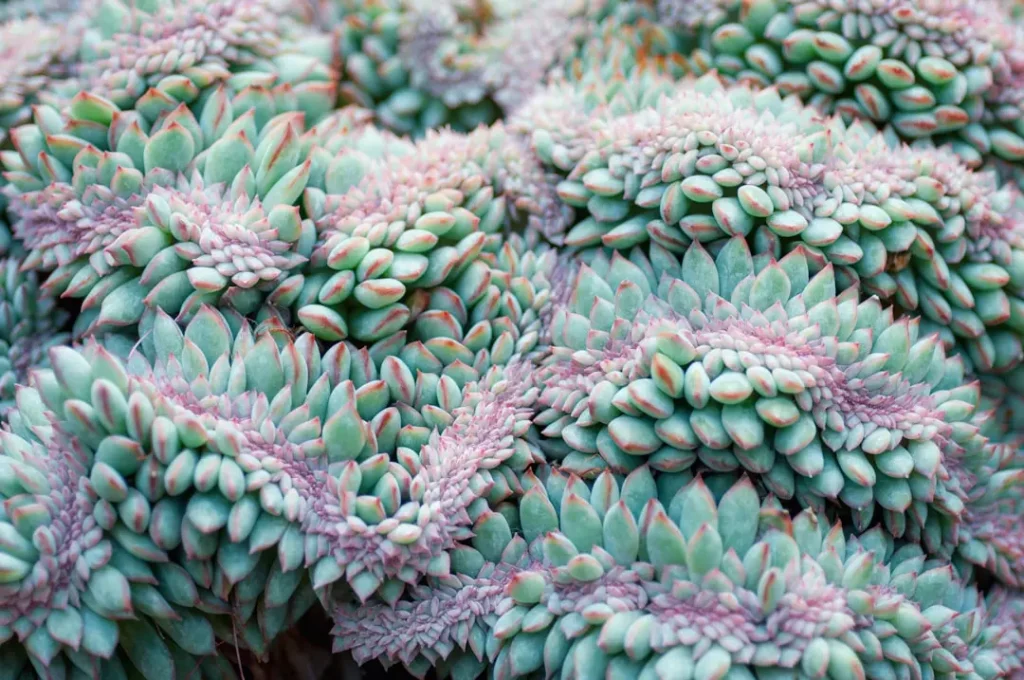
String of buttons succulent care is surprisingly forgiving — but get one thing wrong, and this quirky plant loses its iconic stacked-leaf charm almost overnight. Crassula perforata is a South African native that looks like nature threaded triangular grey-green leaves onto a spiral staircase. It’s architectural, low-maintenance, and wildly satisfying to grow. But here’s what surprises most new growers: this plant doesn’t die from neglect — it dies from too much love. Overwatering kills more string of buttons succulents than any pest or disease combined. Many gardeners who grow this plant also love to read about Jelly Bean Succulent Care.
In this complete guide to string of buttons succulent care, you’ll learn exactly how to water, feed, and position this plant whether you’re growing on a windowsill in London, a balcony in Mumbai, a patio in Sydney, or a sunny shelf in Toronto. By the end, you’ll also know the one propagation trick that makes multiplying this plant almost effortless — and why June is actually one of the best months to try it. If you enjoy growing this plant, you might also find our guide on Peperomia Plant Indoor Care very useful.
Quick Highlights
- Discover the exact watering frequency that keeps Crassula perforata thriving across tropical, temperate, and arid climates
- Learn the ideal soil mix ratio and globally available amendments that prevent root rot permanently
- Identify the 5 most common string of buttons succulent problems and fix them before they spread
- Master effortless propagation from stem cuttings in under 30 days
- Understand seasonal care adjustments for Northern Hemisphere winters and Southern Hemisphere summers
- Apply Vastu and feng shui placement tips to maximise both growth and positive energy in your space
Plant Characteristics at a Glance
| Common Name | String of Buttons, Necklace Vine, Pagoda Plant |
| Scientific Name | Crassula perforata |
| Family | Crassulaceae |
| Origin | Eastern Cape and KwaZulu-Natal, South Africa |
| Habitat | Rocky slopes, cliff faces, dry scrubland with well-drained, gritty soil |
| Plant Type | Succulent perennial shrub; CAM photosynthesis |
| Indoor Plant | Yes — excellent windowsill and shelf plant globally |
| Outdoor Plant | Yes — USDA zones 9b–11; RHS hardiness H2 (tolerates brief -1°C/30°F) |
| Leaves | Triangular, fleshy, grey-green with pinkish-red margins in bright light; 1–3 cm long; stacked in opposite pairs along stem |
| Flowers | Tiny star-shaped, white to pale pink, clustered at stem tips |
| Flowering Season | Late winter to spring (February–April Northern Hemisphere; August–October Southern Hemisphere) |
| Fruit | Small capsule-type fruit containing fine seeds; rarely significant ornamentally |
| Seeds | Very fine; seed propagation possible but slow — stem cuttings strongly preferred |
| Roots | Shallow, fibrous root system; highly susceptible to rot in waterlogged soil |
| Height | 15–30 cm (6–12 inches) indoors; up to 50–60 cm (20–24 inches) outdoors in ideal conditions |
| Growth Rate | Slow to moderate; 5–10 cm (2–4 inches) per year under ideal conditions |
| Light Requirements | Full sun to bright indirect light; minimum 4–6 hours daily; south-facing (Northern Hemisphere) or north-facing (Southern Hemisphere) windows ideal |
| Soil Requirements | Fast-draining gritty mix: 50% perlite/pumice + 50% cactus mix; pH 6.0–7.0 |
| Water Requirements | Deep watering when soil is fully dry; every 7–21 days depending on climate and season; never allow to sit in water |
| Temperature Requirements | Ideal: 15–30°C (59–86°F); tolerates 5–38°C (41–100°F); protect from sustained frost below -1°C (30°F) |
| Humidity Requirements | Low to moderate — 30–50% RH preferred; does not need misting; tolerates dry indoor air well |
| Propagation | Stem cuttings (primary method); leaf cuttings (less reliable); division at repotting |
| Uses | Ornamental houseplant; rock garden feature; ground cover (warm climates); mixed succulent arrangements; hanging planters |
| Medicinal Properties | Not a documented medicinal plant; some traditional topical use of related Crassula species in South African folk medicine; not recommended for internal use |
| Toxicity | Mildly toxic to cats and dogs if ingested (gastrointestinal upset); not significantly toxic to humans; keep away from pets |
| Cultural Significance | Associated with positive energy, prosperity, and calm in feng shui; similar symbolism to jade plant (Crassula ovata) across East Asian traditions |
| Common Pests | Mealybugs (most common), scale insects, spider mites (in dry indoor conditions), fungus gnats (overwatered soil) |
| Common Diseases | Root rot (Pythium, Phytophthora spp. — caused by overwatering); powdery mildew (rare; poor air circulation); leaf spot (fungal; excess moisture on foliage) |
| Special Care Tips | Always use pots with drainage holes; avoid misting leaves; allow soil to dry completely between waterings; provide maximum available light indoors |
| Cultural Practices | Wipe leaves gently with a dry cloth to remove dust; rotate pot quarterly for even growth; prune leggy stems in spring to encourage bushiness |
| Vastu Direction | East or North — aligns with growth, prosperity, and morning light energy according to Vastu Shastra principles |
String of buttons succulent care Names in Different Languages
| English | String of Buttons / Necklace Vine |
| Mandarin Chinese | 穿孔青锁龙 (Chuānkǒng Qīng Suǒ Lóng) |
| Spanish | Collar de botones / Crassula perforada |
| Hindi | बटन माला सकुलेंट (Button Mala Succulent) |
| Gujarati | બટન માળા સકુલેન્ટ (Button Mala Sakulant) |
| Arabic | نبات أزرار العقد (Nabat Azrar Al-Aqd) |
| Bengali | বোতামের মালা সাকুলেন্ট (Botamer Mala Sakulant) |
| Portuguese | Colar de botões / Crassula perfurada |
| Russian | Крассула продырявленная (Krassula prodyryanvlennaya) |
| Japanese | 糸ボタン (Ito Botan) / クラッスラ・ペルフォラータ |
| Punjabi | ਬਟਨ ਦੀ ਮਾਲਾ ਸੁਕੂਲੈਂਟ (Batan Di Mala Sukulant) |
| German | Knopfkette / Durchbohrte Crassula |
| Javanese | Tanaman Kancing Susun (Stacked Button Plant) |
| Korean | 실꿰기 다육식물 (Silkkwegi Dayuk Sikmul) |
| French | Collier de boutons / Crassule perforée |
| Telugu | బటన్ మాల సుకులెంట్ (Batan Mala Sukulant) |
| Marathi | बटण माळ सकुलेंट (Batan Mal Sakulant) |
| Tamil | பட்டன் மாலை சுகுலண்ட் (Pattan Malai Sukulant) |
| Urdu | بٹن کی مالا سکولنٹ (Button Ki Mala Succulent) |
| Turkish | Düğme Kolye Sukulent / Crassula perforata |
| Vietnamese | Cây nút chuỗi (String Button Plant) |
What Is the String of Buttons Succulent?
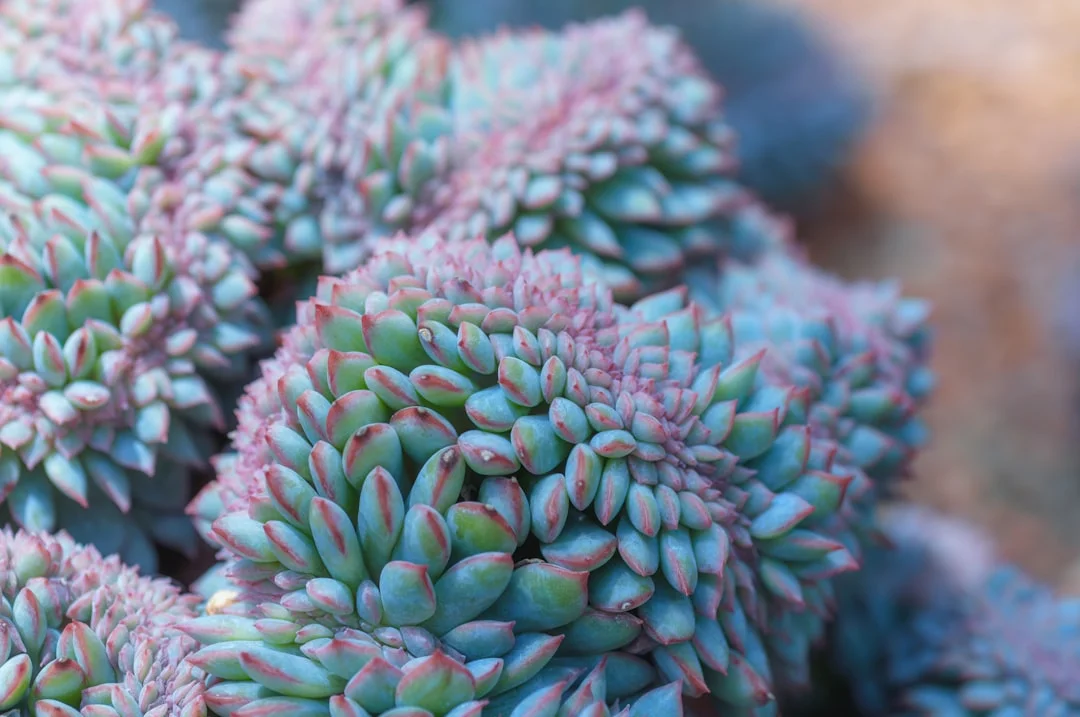
Picture a stem so neatly packed with triangular leaves that each pair appears to pierce straight through the next — like buttons strung along a spiralling thread. That’s Crassula perforata, and it genuinely looks designed rather than grown. Native to the Eastern Cape and KwaZulu-Natal provinces of South Africa, this plant belongs to the Crassulaceae family, a group famous for water-storing leaves and extraordinary drought tolerance. If you enjoy growing this plant, you might also find our guide on Hanging Succulent Plants Care very useful.
However, ‘string of buttons’ isn’t just one look. Mature plants branch freely, forming dense, shrubby mounds up to 50–60 cm (20–24 inches) tall in ideal outdoor conditions. Indoors, they stay more compact — usually 15–30 cm (6–12 inches) — and trail elegantly from shelves and hanging planters. In spring, tiny star-shaped white to pale pink flowers appear at the stem tips, attracting pollinators in outdoor gardens across the globe. Many gardeners who grow this plant also love to read about succulent soil mix guide.
According to Kew Gardens, Crassula perforata is one of approximately 200 species within the Crassula genus, many of which share the same remarkable CAM (Crassulacean Acid Metabolism) photosynthesis strategy. CAM allows the plant to open its stomata — the tiny pores on its leaves — at night rather than during the day. This cuts water loss dramatically, which is why string of buttons succulent care revolves so heavily around less watering, not more.
Many gardeners confuse Crassula perforata with Crassula muscosa (watch chain plant) because both have stacked leaves. In fact, they’re quite different in texture, leaf shape, and growth habit — a distinction worth knowing before you buy.
Natural Habitat and What It Tells Us About Care
Understanding where a plant comes from is the fastest shortcut to growing it well. In its native South African habitat, Crassula perforata grows on rocky slopes, cliff faces, and dry scrubland where rainfall is seasonal and drainage is near-perfect. The soil is gritty, mineral-rich, and almost never waterlogged.
This background explains everything about string of buttons succulent care: it needs bright light, fast-draining soil, and dry periods between watering. Temperatures in its native range swing from around 5°C (41°F) at night to 35°C (95°F) during the day — giving it surprising resilience to both mild frost and heat. That’s good news for gardeners across climates from Melbourne to Manchester. Many gardeners who grow this plant also love to read about How Often to Water Indoor Plants.
Is It the Same as 'Necklace Vine' or 'Pagoda Plant'?
Crassula perforata goes by several common names globally, and this causes real confusion in nurseries. ‘String of buttons’, ‘necklace vine’, and ‘pagoda plant’ all refer to the same species in most markets. However, ‘stacked crassula’ sometimes describes related species like Crassula rupestris or Crassula conjuncta.
The USDA PLANTS Database lists Crassula perforata as a recognised ornamental species in cultivation across USDA hardiness zones 9b–11 (suitable for outdoor year-round growing in frost-free climates). In colder zones (4–9), it thrives as an indoor or container plant brought inside before first frost.
String of Buttons Succulent Characteristics at a Glance
Before diving into detailed care, it helps to have all the key facts in one place. The characteristics table below covers everything from botanical family to toxicity — making it easy to cross-reference with your local growing conditions. Whether you’re gardening in a humid tropical climate or a cool temperate one, this snapshot tells you exactly what you’re working with.
One detail worth highlighting: Crassula perforata is listed as non-toxic to humans by most horticultural authorities, but like many succulents, it can cause mild gastrointestinal upset in cats and dogs if ingested. The ASPCA lists several Crassula species as potentially toxic to pets, so keep it out of reach of curious animals. More on toxicity in the FAQs below.
Also notable is the plant’s USDA zone range and RHS hardiness rating (H2 — tolerates down to -1°C/30°F briefly), which places it firmly in the ‘protect from hard frost’ category across the UK, Canada, and northern US states.
String of Buttons Succulent Care: The Core Principles
Good string of buttons succulent care comes down to four non-negotiable principles: bright light, fast drainage, minimal water, and occasional feeding during active growth. Get these right, and this plant practically takes care of itself. Get them wrong — especially the drainage — and you’ll spend weeks wondering why healthy leaves are suddenly mushy at the base.
Here’s the thing that surprises most beginners: this succulent is far more tolerant of being underwatered than overwatered. A plant that hasn’t been watered in three weeks will look slightly shrivelled but bounce back within 24 hours of a deep drink. A plant that’s been sitting in wet soil for three weeks will have rotting roots — and that damage is often irreversible.
In my experience, the biggest mistake indoor growers make isn’t watering frequency — it’s pot choice. A pot without drainage holes is almost a death sentence for Crassula perforata, no matter how carefully you water. Always use terracotta or unglazed ceramic pots with at least one drainage hole. These materials are breathable and help excess moisture escape through the pot walls, not just the base.
Indoor vs Outdoor Growing Conditions
Indoors, string of buttons succulent care centres on finding the brightest window available — ideally south-facing (Northern Hemisphere) or north-facing (Southern Hemisphere) for maximum light hours. East or west-facing windows work if there’s at least 4–6 hours of direct or strong indirect light daily.
Outdoors, this plant thrives in full sun to partial shade. In tropical climates like Singapore, Mumbai, or Lagos, afternoon shade is actually helpful — intense afternoon sun above 38°C (100°F) can scorch the leaf tips. In temperate regions like the UK or Pacific Northwest US, full sun exposure is almost always beneficial and rarely too intense.
Container Growing for Any Climate
Container growing is by far the most versatile approach for string of buttons succulent care globally. In cold climates (USDA zones 4–8, RHS H3 and below), containers allow you to bring the plant indoors before temperatures drop below 0°C (32°F). In hot, humid tropical climates, containers give you control over soil moisture that ground planting doesn’t.
Choose a container 2–3 cm (1 inch) larger than the root ball. Oversized pots hold too much moisture for too long, increasing rot risk. A 10–15 cm (4–6 inch) terracotta pot is ideal for most young plants. As the plant matures and branches, move up by just one pot size each time.
Soil and Fertiliser for Crassula perforata
Soil is where string of buttons succulent care either succeeds or fails at the root level — literally. Crassula perforata needs a gritty, fast-draining mix that replicates its native rocky South African soil. Standard potting mix, on its own, holds too much moisture and compacts over time. That’s a recipe for root rot.
The ideal mix combines 50% inorganic grit (perlite, pumice, or coarse horticultural sand) with 50% organic base (cactus/succulent mix, or standard potting mix). This ratio ensures water flows through quickly while still providing enough organic matter for nutrient retention. Perlite is widely available globally — from garden centres in the UK and US to hardware stores across Southeast Asia — making it the most practical amendment worldwide.
Fertiliser needs are modest. During the active growing season (spring and summer in temperate climates; year-round in tropical zones), feed once a month with a balanced, diluted liquid fertiliser at half the recommended strength. A 10-10-10 NPK ratio works well. Avoid high-nitrogen feeds — they cause rapid, floppy growth that loses the plant’s characteristic compact form. Furthermore, stop feeding entirely during dormancy (autumn and winter in temperate climates).
pH, Repotting, and Soil Amendments
Crassula perforata prefers a soil pH between 6.0 and 7.0 — slightly acidic to neutral. Most commercially available cactus and succulent mixes fall within this range. If you’re making your own mix, test the pH with an inexpensive kit (available online globally for under $5 / £4 / ₹400).
Repot every 2–3 years, or when roots begin emerging from the drainage holes. Spring is the best time to repot — the plant is entering its growth phase and recovers quickly. After repotting, wait 1–2 weeks before watering to allow any damaged roots to callous over and heal.
Organic and Natural Feeding Alternatives
Many gardeners prefer organic fertiliser options, and Crassula perforata responds well to them. Worm castings (vermicompost) mixed into the top layer of soil at repotting time provide a slow, gentle nutrient release without the risk of chemical burn. Diluted seaweed extract, applied monthly during the growing season, is another excellent option used widely by gardeners in the UK, Australia, and coastal regions of India.
In addition, a light top-dressing of coarse compost in spring can replace monthly liquid feeding if you prefer a hands-off approach. Just avoid any rich, moisture-retentive compost — keep the mix lean and gritty.
Watering Your String of Buttons Succulent
Watering is the single most debated aspect of string of buttons succulent care — and for good reason. Get it right, and your plant looks crisp, colourful, and architecturally perfect. Get it wrong consistently, and no amount of sunshine or fertiliser will save it.
The golden rule: water deeply, then wait until the soil is completely dry before watering again. ‘Completely dry’ means dry all the way through the pot — not just the top centimetre. Push a finger 3–4 cm (1–1.5 inches) into the soil. If it feels even slightly cool or damp, wait another few days.
In practice, watering frequency varies enormously by climate and season. During summer in a temperate climate (UK, northern US, Canada), watering every 10–14 days is typical. In hot, dry climates (Arizona, Rajasthan, Western Australia), every 7–10 days may be needed. In humid tropical climates (Singapore, coastal India, Florida), the soil dries more slowly despite heat — watering every 14–21 days is often enough, because ambient humidity slows evaporation.
Many people don’t know this: the season in which you’re reading this matters. In June — the current month — Northern Hemisphere growers are entering peak summer, meaning watering frequency increases slightly. Southern Hemisphere growers in Sydney or Cape Town are moving into winter, where watering should drop to once every 3–4 weeks.
Signs of Overwatering vs Underwatering
Overwatering signs: soft, mushy, or translucent leaves; brown or black stem base; leaves dropping when touched; unpleasant soil smell. These are urgent — act immediately by removing the plant from its pot, trimming any black roots, letting the root ball dry for 2–3 days, then repotting in fresh, dry succulent mix.
Underwatering signs: wrinkled or shrivelled leaves; dry, crispy leaf tips; soil pulling away from the pot edges. These are easy to fix — simply water deeply and the plant recovers within 24–48 hours. Underwatering is always the safer mistake to make with Crassula perforata.
Sunlight and Temperature Requirements
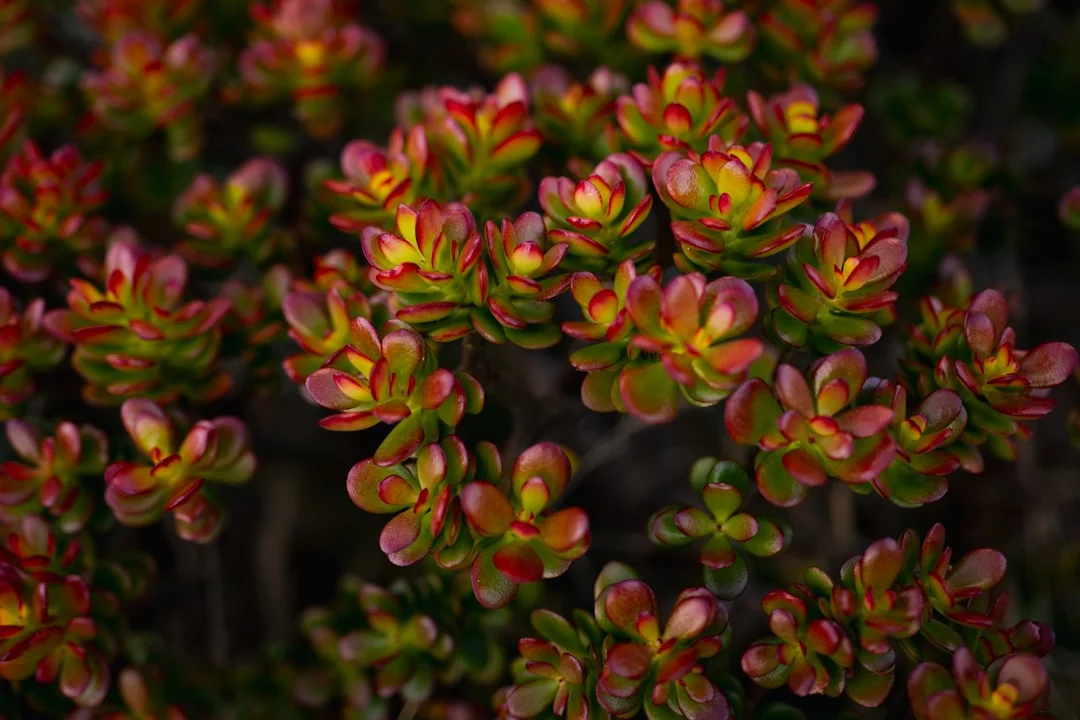
Light is where string of buttons succulent care gets genuinely exciting — because this plant shows you exactly how it feels through its colour. In bright, direct sunlight, the leaf margins develop a beautiful pinkish-red blush, a stress colouration that’s entirely harmless and actually prized by collectors. In lower light, the leaves stay uniformly grey-green and the stems can become etiolated — stretched and spindly as the plant reaches for light.
Outdoors, Crassula perforata thrives in full sun to partial shade: 4–6 hours of direct sunlight daily is ideal. Indoors, place it on the brightest windowsill you have. South-facing windows in the Northern Hemisphere (London, New York, Toronto) and north-facing windows in the Southern Hemisphere (Sydney, Cape Town, Melbourne) provide the most consistent light throughout the day.
For gardeners in rooms with limited natural light, a full-spectrum LED grow light set 15–20 cm (6–8 inches) above the plant for 12–14 hours daily is a reliable substitute. Modern grow lights are affordable — around $20–40 / £15–30 — and genuinely effective for succulents.
Temperature-wise, this plant handles 5°C to 38°C (41°F to 100°F) with ease. It tolerates brief dips to around -1°C (30°F) but sustained frost will damage or kill it. In USDA zones 9b–11 (California coast, Florida, South Africa, Mediterranean Europe, coastal Australia), it can live outdoors year-round. In colder zones, bring it indoors when night temperatures consistently drop below 5°C (41°F).
Humidity and Air Circulation
Unlike tropical houseplants, Crassula perforata prefers low to moderate humidity — around 30–50%. In very humid climates (Singapore, coastal Bangladesh, monsoon India), the main risk is fungal disease at the soil level. Ensure excellent air circulation around the plant and avoid misting the leaves — this succulent does not need or want its foliage wet.
In very dry indoor environments (centrally heated UK homes in winter, air-conditioned apartments in the Middle East), the plant actually benefits from the low humidity. No humidifier needed — this is one plant that’s happy in dry indoor air.
Common Problems and How to Fix Them
Even with the best string of buttons succulent care routine, problems occasionally appear. The good news is that most issues are diagnosable from visual symptoms alone — and most are fixable if caught early. Here are the five most common problems and exactly what to do about each one.
Root rot is the most serious and most common. Caused by overwatering and poor drainage, it starts silently underground. By the time you see mushy leaves or a blackened stem base, the damage is already advanced. Act immediately: unpot, trim all black or brown roots back to healthy white tissue, dust cuts with powdered cinnamon (a natural antifungal), allow to dry 2–3 days, then repot in fresh dry mix.
Mealybugs are the most common pest. These white, cottony insects cluster in leaf joints and stem crevices. Remove them with a cotton swab dipped in 70% isopropyl alcohol, then spray the whole plant with a diluted neem oil solution (2 ml neem oil + 1 ml dish soap per 1 litre water). Repeat weekly for three weeks. Neem oil is widely available globally and is the RHS-recommended organic control for soft-bodied pests.
Etiolation (stretching) happens when light is insufficient. The only real fix is more light — move the plant to a brighter spot immediately. You can trim stretched stems and propagate them, then restart with the new cuttings in better light conditions.
Leaf Drop, Discolouration, and Other Issues
Yellowing leaves combined with soft texture: overwatering. Yellowing with dry, crispy soil: underwatering or too much direct sun in extreme heat. Purple or pink colouration on healthy leaves: normal sun stress — actually a sign of good health. Brown, dry leaf tips only: low humidity or mild sunscorch — increase shade slightly and improve air circulation.
Scale insects occasionally appear as brown, shell-like bumps on stems. Scrape them off manually with a soft toothbrush, then treat with neem oil spray as described above. In my experience, catching scale early makes all the difference — a light infestation takes one treatment; a heavy one can take 6–8 weeks to fully clear.
Preventing Problems Before They Start
Prevention is always easier than treatment. Three simple habits eliminate most string of buttons succulent care problems: always use pots with drainage holes, never leave the plant sitting in a saucer of water, and inspect leaves and stems monthly for early signs of pests.
Furthermore, quarantine any new succulent purchases for 2–3 weeks before placing them near existing plants. Mealybugs and scale spread easily between pots in a collection, and a brief isolation period can save you weeks of treatment later.
How to Propagate String of Buttons Succulent
Propagation is one of the genuine joys of string of buttons succulent care — because this plant is extraordinarily easy to multiply. Stem cuttings root quickly, require no special equipment, and succeed at a very high rate even for complete beginners. June is an excellent time to propagate in the Northern Hemisphere, as the plant is in active growth and cuttings root fastest in warm temperatures.
Leaf propagation is technically possible with Crassula perforata but less reliable than with other succulents like Echeveria or Sedum. Stem cuttings are the recommended method — faster, more reliable, and they produce larger plants more quickly.
For a complete walkthrough, see the step-by-step propagation guide in the ‘How To Steps’ section below. The process takes 2–4 weeks from cutting to rooted plant, and success rates are high as long as cuttings are allowed to callous before planting. For more on caring for newly propagated succulents and other indoor plants, our indoor plant care guide covers propagation aftercare in detail.
Propagation by Division
Mature, multi-stemmed plants can also be propagated by division — separating the plant into two or more sections at repotting time. Use clean, sharp scissors or a sterilised knife. Each section needs at least 2–3 healthy stems and some roots attached. Let cut surfaces dry for a few hours, then pot up individually in fresh succulent mix.
Division is particularly useful when a plant has become very large and unwieldy in its pot, or when you want to share a well-established plant with another gardener. It’s faster than stem cuttings because the divided sections already have established root systems.
Seasonal Care Throughout the Year
String of buttons succulent care changes subtly with the seasons — and understanding these shifts prevents the two most common seasonal mistakes: overwatering in winter and underfeeding in summer.
Spring (March–May in Northern Hemisphere; September–November in Southern Hemisphere): This is the most active growth period. Increase watering frequency gradually as temperatures rise. Begin monthly fertilising. This is the best time to repot, propagate, and prune any leggy growth from winter.
Summer (June–August Northern; December–February Southern): Peak growth continues. Water more frequently but always check soil dryness first. In very hot climates above 38°C (100°F), provide afternoon shade. Continue monthly feeding. June specifically — the current month for many readers — marks the start of the most productive growing window for temperate-zone gardeners.
Autumn (September–November Northern; March–May Southern): Slow down watering. Stop fertilising by mid-autumn. Begin moving outdoor plants indoors as night temperatures approach 5°C (41°F). This is a good time to take final cuttings before winter dormancy.
Winter (December–February Northern; June–August Southern): Reduce watering to once every 3–4 weeks. No fertiliser. Keep the plant in the brightest available spot. Cold, dark, and wet is the most dangerous combination for Crassula perforata — good light and dry soil are the two things that protect it through winter.
Tropical and Year-Round Warm Climate Care
In tropical and subtropical climates — think Bangkok, Lagos, Bogotá, or coastal Queensland — Crassula perforata grows year-round without a true dormancy period. Similarly, watering remains relatively consistent throughout the year, though the monsoon season requires extra vigilance.
During heavy monsoon rains (June–September in South Asia, November–March in northern Australia), move outdoor plants under cover or into sheltered positions. Extended rain on poorly draining soil is the single biggest killer of succulents in tropical climates. In addition, increase air circulation during humid months to prevent fungal issues at the soil surface.
Uses, Benefits, and Cultural Significance
While Crassula perforata isn’t a medicinal plant in the traditional sense — unlike its distant relative Aloe vera — it offers genuine benefits as an ornamental, air-quality improver, and cultural symbol. String of buttons succulent care is rewarding not just horticulturally, but in terms of what the plant contributes to a living space.
As a NASA Clean Air Study plant genus, Crassulas are noted for modest air-purifying properties — absorbing CO2 and releasing oxygen, particularly at night through their CAM photosynthesis cycle. This makes them excellent bedroom plants, unlike most other houseplants that switch to CO2 production after dark.
In feng shui traditions practiced widely across East and Southeast Asia, compact, symmetrical succulents like Crassula perforata are associated with positive energy flow, prosperity, and calm — similar to the money plant (Crassula ovata). Placed near windows or in home offices, they’re believed to encourage focus and reduce stress. From a Vastu Shastra perspective, the eastern or northern direction is considered most auspicious for this plant, allowing it to receive gentle morning light while aligning with growth and prosperity energy.
Culturally, South African indigenous communities have historically used various Crassula species in traditional healing practices, primarily as topical applications for skin conditions. However, internal use is not documented or recommended for Crassula perforata specifically.
Ornamental and Landscape Uses
In warm-climate gardens (USDA zones 9b–11, Mediterranean Europe, coastal South Africa, Southern California, coastal Australia), Crassula perforata makes an excellent low-maintenance ground cover or rock garden feature. It pairs beautifully with other succulents like Echeveria, Sedum, and Agave for textural contrast.
Indoors, it works brilliantly in mixed succulent arrangements, hanging planters where its stems can trail, and on bookshelves or office desks where its sculptural form becomes a natural conversation piece. Furthermore, its slow growth rate means it doesn’t quickly outgrow small spaces — making it ideal for apartment gardening globally.
Frequently Asked Questions
How often should I water my string of buttons succulent?
Water your string of buttons succulent only when the soil is completely dry — all the way through the pot. In temperate climates (UK, Canada, northern US), this typically means every 10–14 days in summer and every 3–4 weeks in winter. In hot, arid climates (Arizona, Rajasthan, UAE), every 7–10 days in summer. In humid tropical climates (Singapore, coastal India, Florida), every 14–21 days even in summer, since ambient humidity slows soil drying. Always check soil moisture before watering, not the calendar.
Can I grow string of buttons succulent indoors in a cold climate?
Absolutely. String of buttons succulent care indoors in cold climates (USDA zones 4–8, northern Europe, Canada) is very manageable. Place the plant on your brightest windowsill — south-facing in the Northern Hemisphere. If natural light is limited during short winter days, supplement with a full-spectrum LED grow light for 12–14 hours daily. Keep the plant away from cold draughts and frost-prone windowpanes. Reduce watering significantly in winter. With adequate light, it thrives as a houseplant year-round in any cold climate.
Is string of buttons succulent toxic to cats and dogs?
Yes, Crassula perforata is considered mildly toxic to cats and dogs if ingested. Ingestion can cause gastrointestinal upset — vomiting, drooling, and lethargy. It's not typically life-threatening, but keep it out of reach of pets to be safe. The ASPCA lists several Crassula species as potentially harmful to domestic animals. If you suspect your pet has eaten a significant amount, contact your vet promptly. For humans, the plant is not considered significantly toxic, though it's not edible.
Why is my string of buttons turning purple or pink?
Pink or purple colouration on the leaf margins is normal and actually desirable — it's called 'sun stress' colouration. It occurs when the plant receives bright, direct sunlight, which triggers anthocyanin pigment production as a natural UV protection mechanism. This is a sign of a healthy, well-lit plant. If the entire leaf turns dark purple or the plant looks scorched and dry, that may indicate excessive heat above 38°C (100°F) — provide some afternoon shade in that case.
How do I propagate string of buttons succulent from stem cuttings?
Take a healthy stem cutting 5–10 cm (2–4 inches) long using clean, sharp scissors. Remove the lower 2–3 leaf pairs to expose bare stem. Allow the cut end to dry and callous for 2–5 days in a warm, dry spot — this prevents rot. Once calloused, place the cutting in barely moist succulent mix. Don't water for the first week. Roots form in 2–4 weeks. June (Northern Hemisphere summer) is an ideal time to propagate because warm temperatures accelerate rooting. Success rates are very high with this method.
What is the best soil mix for string of buttons succulent care?
The ideal soil for string of buttons succulent care is a fast-draining gritty mix: 50% perlite or pumice combined with 50% commercial cactus/succulent potting mix. This replicates the rocky, mineral-rich soil of its native South African habitat. Standard potting mix alone retains too much moisture and causes root rot. Perlite is available globally in garden centres and online. Aim for a soil pH between 6.0 and 7.0. Always plant in a pot with drainage holes — no exceptions.
How much sunlight does Crassula perforata need?
Crassula perforata needs at least 4–6 hours of direct or bright indirect sunlight daily. Outdoors, full sun to partial shade works well. Indoors, use the brightest available window — south-facing in the Northern Hemisphere (UK, US, Canada), north-facing in the Southern Hemisphere (Australia, South Africa). In low-light rooms, a full-spectrum LED grow light for 12–14 hours daily is effective. Insufficient light causes etiolation — the stems stretch out and become spindly, losing the plant's iconic stacked-leaf form.
When should I repot my string of buttons succulent?
Repot every 2–3 years, or when roots begin emerging from drainage holes. Spring is the best time — the plant is entering active growth and recovers quickly from root disturbance. Choose a new pot only 2–3 cm (1 inch) larger than the current one. Oversized pots hold excess moisture and increase root rot risk. After repotting, wait 1–2 weeks before watering to allow any cut or damaged roots to callous and heal. Use fresh, dry succulent mix — never reuse old soil.
Final Thoughts
String of buttons succulent care is one of those rare topics where the more you understand the plant’s natural origins, the easier everything becomes. Crassula perforata evolved on rocky South African hillsides where drainage was instant, light was intense, and rainfall was seasonal. Mirror those conditions — bright light, fast-draining soil, deep but infrequent watering — and this plant will thrive on your windowsill in Manchester, your balcony in Bangkok, or your garden bed in Cape Town.
The most important takeaway? Trust the soil, not the calendar. Water when it’s dry, not when it’s Tuesday. Start with the right pot and the right mix, and you’ve already solved 80% of potential problems before they begin.
Whether you’re a first-time succulent grower or expanding an established collection, this plant rewards patience and restraint with sculptural beauty and near-effortless resilience. Now that you have a complete string of buttons succulent care toolkit, it’s time to put it to work. Pick up a cutting, find your brightest window, and let this extraordinary little plant do what it does best.

