
⏱ 31 min read
Table of Contents
- What Is the Jelly Bean Succulent?
- Jelly Bean Succulent Characteristics at a Glance
- Jelly Bean Succulent Care: Light Requirements
- Soil and Fertilizer for Jelly Bean Succulents
- Watering Your Jelly Bean Succulent the Right Way
- Temperature, Humidity, and Climate Zones
- How to Propagate Jelly Bean Succulents
- Seasonal Care Throughout the Year
- Common Problems, Pests, and Diseases
- Uses and Ornamental Value
- Safety and Toxicity
Here’s something that surprises most first-time succulent growers: the jelly bean succulent (Sedum rubrotinctum) turns a deeper, more vivid red when it’s slightly stressed — and that stress is actually a sign you’re doing things right. This plump, glossy-leaved plant from Mexico has quietly become one of the world’s most beloved succulents, grown on windowsills in London, terrace gardens in Mumbai, and sunny patios in Sydney. Jelly bean succulent care is genuinely straightforward once you understand a few key principles — but it’s also surprisingly easy to get wrong in ways that aren’t obvious. Too much love (read: water) is the number one killer. In this guide, you’ll get the full picture: the right soil, the right light, seasonal adjustments for every climate zone, propagation tricks that actually work, and the one mistake that silently destroys most plants. By the end, you’ll know exactly why your previous attempts may have struggled — and precisely what to do differently this time. If you enjoy growing this plant, you might also find our guide on Peperomia Plant Indoor Care very useful.
Quick Highlights
- Discover why the jelly bean succulent thrives on neglect — and how to harness that to your advantage
- Learn climate-specific care for tropical, temperate, arid, and Mediterranean growing zones
- Understand the exact watering schedule that prevents root rot in every season
- Master leaf propagation to multiply your plant for free in just a few weeks
- Identify the five most common problems and fix them before they become fatal
- Explore the cultural significance and ornamental uses of this globally beloved succulent
Plant Characteristics at a Glance
| Common Name | Jelly Bean Succulent, Pork and Beans, Christmas Cheer |
| Scientific Name | Sedum rubrotinctum |
| Family | Crassulaceae |
| Origin | Mexico (central highlands) |
| Habitat | Rocky hillsides, dry scrubland, thin gritty soils at mid-altitude |
| Plant Type | Perennial succulent subshrub |
| Indoor Plant | Yes — excellent windowsill plant in all climates |
| Outdoor Plant | Yes — suitable outdoors in frost-free zones (USDA Zones 9–11, RHS H2) |
| Leaves | Bean-shaped, plump, glossy; green at base, red-orange at tips in bright light; 1–2 cm long |
| Flowers | Small, star-shaped, yellow; borne on upright stems above the foliage |
| Flowering Season | Late spring to early summer (Northern Hemisphere: May–June) |
| Fruit | Tiny follicles (dry seed capsules); rarely produced in cultivation |
| Seeds | Very small; viable but rarely used for propagation (leaf/stem propagation preferred) |
| Roots | Shallow, fibrous; extremely susceptible to root rot if waterlogged |
| Height | 20–30 cm (8–12 inches); low-spreading habit up to 60 cm (24 inches) wide |
| Growth Rate | Moderate; fastest in spring and summer with adequate light |
| Light Requirements | Full sun to partial shade; minimum 4–6 hours bright light daily; grow lights recommended indoors in low-light climates |
| Soil Requirements | Well-draining cactus/succulent mix; 50–60% grit or perlite; pH 6.0–7.0 |
| Water Requirements | Soak and dry method; every 10–14 days in summer, every 3–4 weeks in winter; reduce in high humidity |
| Temperature Requirements | Preferred: 15–30°C (59–86°F); tolerates 10–35°C (50–95°F); frost-sensitive below 5°C (41°F) |
| Humidity Requirements | Low to moderate (30–50%); avoid misting; ensure airflow in humid climates |
| Propagation | Leaf propagation (lay on soil surface), stem cuttings; spring is optimal; callous before planting |
| Uses | Ornamental houseplant, container gardens, rock gardens, succulent arrangements, green roofing in frost-free zones |
| Medicinal Properties | No significant documented medicinal use for this species; other Sedum species used historically in TCM and European folk herbalism |
| Toxicity | Mildly toxic to cats, dogs, and horses (ASPCA classification); sap may irritate sensitive skin; not for human consumption |
| Cultural Significance | Widely traded in international succulent communities; popular in green roof projects across European cities; globally recognised ornamental succulent |
| Common Pests | Mealybugs, aphids, scale insects; mealybugs most common — treat with isopropyl alcohol or neem oil |
| Common Diseases | Root rot (Pythium, Fusarium); fungal leaf spots in high humidity; etiolation from insufficient light |
| Special Care Tips | Handle gently to avoid leaf drop; transition slowly to direct outdoor sun; never mist; use terracotta pots for best drainage |
| Cultural Practices | Frequently traded at succulent swaps and plant fairs globally; used extensively in DIY terrarium and fairy garden designs |
| Vastu Direction | East or south-facing placement recommended for maximum light and positive energy flow in living spaces |
Jelly bean succulent care Names in Different Languages
| English | Jelly Bean Succulent / Pork and Beans |
| Mandarin Chinese | 玉米石 (Yùmǐ shí) |
| Spanish | Planta de judías / Sedum rojo |
| Hindi | जेली बीन सक्यूलेंट (Jelly Bean Succulent) |
| Gujarati | જેલી બીન સક્યૂલન્ટ (Jelly Bean Sukulent) |
| Arabic | نبتة الفول الهلامي (Nabtat al-fūl al-hilāmī) |
| Bengali | জেলি বিন সাকুলেন্ট (Jeli Bin Sakulenta) |
| Portuguese | Planta jujuba / Sedum rubrotinctum |
| Russian | Очиток красноокрашенный (Ochitok krasnoookrashenniy) |
| Japanese | グミの木 / ベンケイソウ属 (Benkeisō-zoku) |
| Punjabi | ਜੈਲੀ ਬੀਨ ਸੁੱਕੂਲੈਂਟ (Jelly Bean Sukkulant) |
| German | Jelly-Bean-Pflanze / Fetthenne |
| Javanese | Tanduran Jelly Bean |
| Korean | 젤리빈 다육식물 (Jelllibin dayuksangmul) |
| French | Plante bonbon / Orpin rouge |
| Telugu | జెల్లీ బీన్ మొక్క (Jelli Bīn Mokka) |
| Marathi | जेली बीन रोप (Jeli Bīn Ropa) |
| Tamil | ஜெல்லி பீன் செடி (Jelli Pīṉ Ceṭi) |
| Urdu | جیلی بین پودا (Jelly Bean Paudha) |
| Turkish | Jelly Bean Sukülenti / Yağlı Ot |
| Vietnamese | Cây hạt thạch / Sedum đỏ |
What Is the Jelly Bean Succulent?
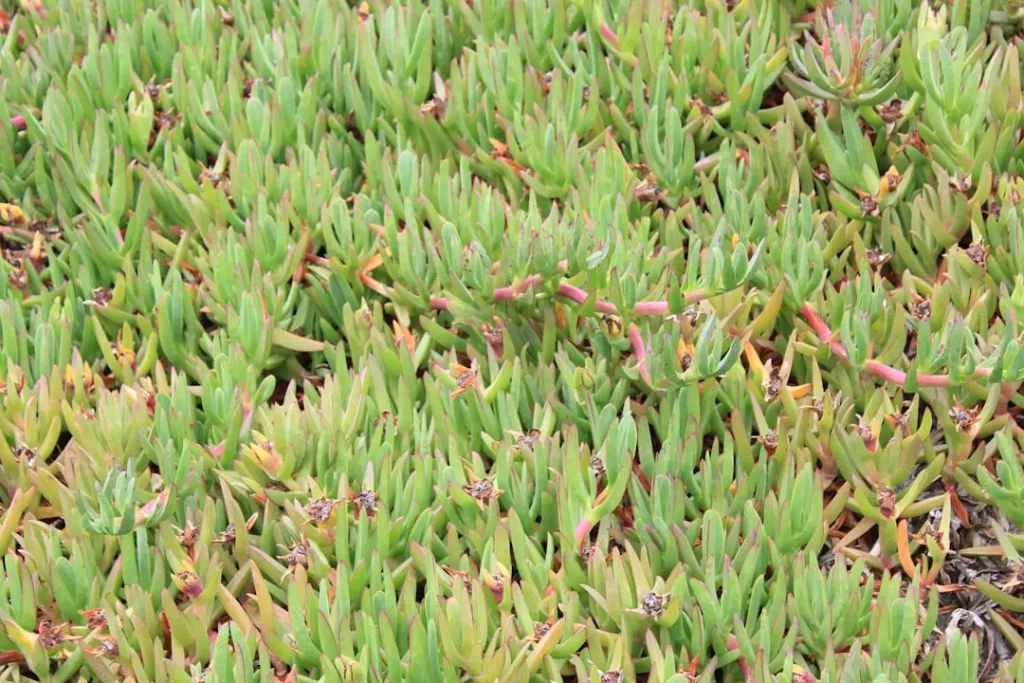
The jelly bean succulent (Sedum rubrotinctum) is a small, fleshy perennial native to Mexico, belonging to the Crassulaceae family. Its common name comes from the bean-shaped leaves — plump, shiny, and typically green at the base but flushing red or orange at the tips when exposed to bright light. That color shift isn’t just decorative. It’s the plant producing anthocyanin pigments in response to light stress, heat, or mild drought — a completely natural and healthy response. For more tips, check out our detailed article on Hanging Succulent Plants Care.
According to Kew Gardens, Sedum rubrotinctum is widely naturalised beyond its native Mexico and is now cultivated across every inhabited continent. It grows in USDA Hardiness Zones 9–11 (RHS H2), making it ideal for frost-free gardens year-round — but it also performs beautifully as an indoor plant in colder regions like the UK, Canada, and northern Europe.
In my experience, this is one of the most forgiving succulents for beginners — but also one of the most rewarding for experienced growers who learn to read its subtle signals. The plant stays compact, rarely exceeding 30 cm (12 inches) in height, making it perfect for containers, windowsills, and rock gardens alike. Many gardeners who grow this plant also love to read about terracotta vs plastic pots for succulents.
Here’s the thing most guides skip: Sedum rubrotinctum is not the same as Sedum × rubrotinctum — the latter is a naturally occurring hybrid between S. rubrotinctum and S. stahlii. Both are sold commercially under the same common name, though the hybrid tends to have slightly longer leaves.
Origin and Natural Habitat
In the wild, jelly bean succulents grow on rocky hillsides and dry scrubland in central Mexico, where rainfall is seasonal and soils are thin, gritty, and fast-draining. This origin story explains almost everything about how to care for the plant. It evolved to store water in those plump leaves, survive long dry spells, and thrive in soils with almost no organic matter. That’s why replicating those conditions — even partly — unlocks the plant’s best growth and most vivid coloring. If you enjoy growing this plant, you might also find our guide on How Often to Water Indoor Plants very useful.
Why Gardeners Around the World Love It
Gardeners from Singapore to California to Cape Town grow this plant for the same reasons: it’s compact, visually striking, nearly indestructible when cared for correctly, and extraordinarily easy to propagate. A single leaf can grow into a full plant. Community succulent swaps in cities like Bristol, Melbourne, and Toronto regularly feature Sedum rubrotinctum as one of the most traded cuttings — a testament to how enthusiastically it spreads from one garden to another. If you enjoy growing this plant, you might also find our guide on Maintenance Indoor Plants for Busy Urban very useful.
Jelly Bean Succulent Characteristics at a Glance
Before diving into jelly bean succulent care, it helps to understand the plant’s biology at a glance. The characteristics table below covers everything from growth habit to toxicity — useful whether you’re a first-time grower or an experienced horticulturist assessing the plant for a specific use case.
One characteristic worth highlighting upfront: the leaves detach very easily. This is a feature, not a flaw. Those fallen leaves will root themselves if left on the soil surface — which is how the plant naturally colonises new ground. However, it also means you should handle the plant gently and avoid brushing against it unnecessarily. Many gardeners find this ‘accidental propagation’ one of the most charming quirks of the species.
Key Botanical Identity
Taxonomically, Sedum rubrotinctum sits within the Crassulaceae family — the same family as jade plants (Crassula ovata), echeverias, and kalanchoes. This shared family explains the similar care requirements across these popular houseplants. The Crassulaceae use CAM (Crassulacean Acid Metabolism) photosynthesis — a water-saving mechanism where they absorb CO₂ at night and fix it during the day. This is why succulents transpire far less water than most plants and why they tolerate dry indoor air so well.
Jelly Bean Succulent Care: Light Requirements
Light is the single most important factor in jelly bean succulent care — and it’s where most indoor growers fall short. This plant needs bright light for at least 4–6 hours daily. Ideally, that means a south-facing windowsill (in the Northern Hemisphere) or a north-facing one (in Australia and New Zealand). In a garden setting, partial to full sun works beautifully in most climates.
However, there’s a nuance. In tropical climates like those in India, Southeast Asia, or parts of East Africa, the midday sun between 11am and 3pm can be intense enough to scorch the leaves — particularly in summer months. In these regions, filtered afternoon light is preferable. Outdoors in temperate zones like the UK or Pacific Northwest US, the plant can tolerate full sun almost all day because the intensity is lower.
Insufficient light causes the plant to ‘etiolate’ — a botanical term for abnormal stretching as the plant reaches toward a light source. You’ll notice the stems elongating and the leaves spacing out loosely instead of staying compact. That’s your cue to move it somewhere brighter.
The good news is that grow lights work extremely well for this species. A full-spectrum LED grow light placed 15–20 cm (6–8 inches) above the plant for 12–14 hours per day will replicate outdoor conditions almost perfectly — ideal for gardeners in Scandinavia, northern Canada, or anywhere with short winter days.
Achieving That Red Coloration
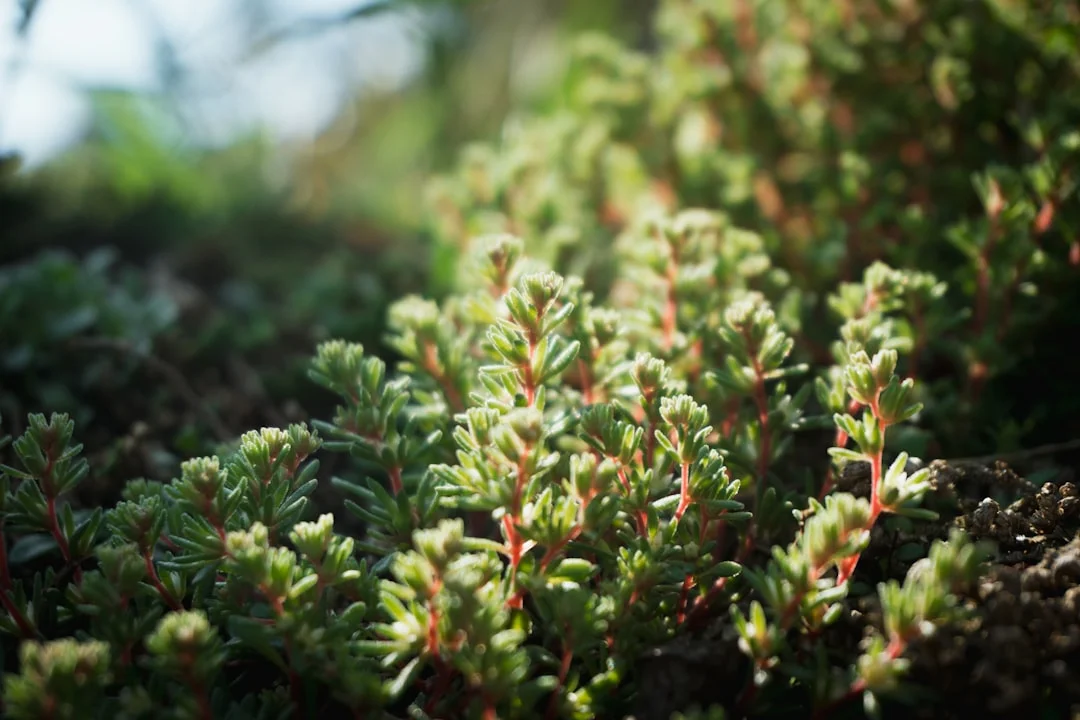
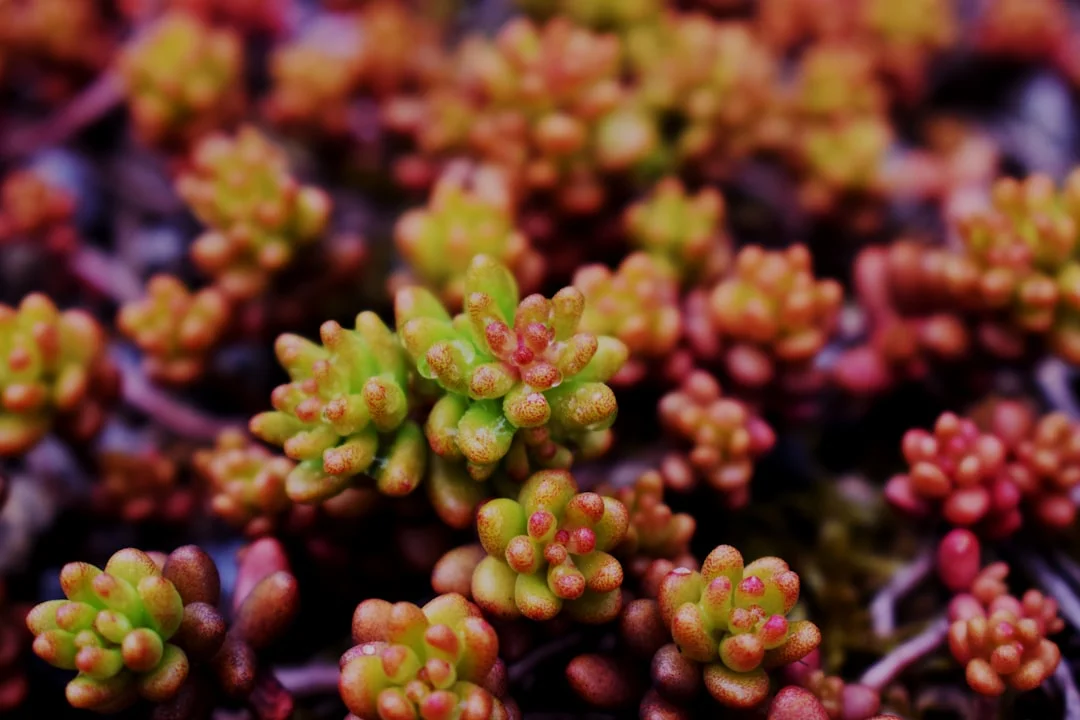
Many growers want to enhance the vivid red tipping that makes this plant so distinctive. The secret is a combination of bright light and mild stress — specifically, slightly reduced watering combined with higher light intensity. This triggers anthocyanin production. Interestingly, a 2019 study published in the journal Plant Cell & Environment confirmed that anthocyanin production in succulent species increases significantly under high-light, low-water conditions — supporting what experienced growers have observed for decades. Don’t overdo it, though. Genuine drought stress or sunburn will damage the plant rather than colour it.
Indoor Light Solutions Across Climates
For readers growing indoors — whether in a Moscow apartment or a Chicago condo — place the plant as close to the brightest window as possible. East-facing windows provide gentle morning sun, which is excellent. West-facing windows give afternoon light, which works well in most temperate climates. North-facing windows (in the Northern Hemisphere) rarely provide enough light for healthy growth without supplemental lighting. If your plant is looking pale, floppy, or the leaves are turning green rather than red, light is almost certainly the issue.
Soil and Fertilizer for Jelly Bean Succulents
Get the soil wrong, and no amount of careful watering will save your jelly bean succulent. This plant demands excellent drainage above all else. In its native Mexican habitat, it grows in gritty, mineral-rich soils with almost no water retention. Your goal is to replicate that as closely as possible.
The RHS recommends a dedicated cactus and succulent compost for this species, or a DIY mix of 50% standard potting compost and 50% horticultural grit or perlite. In practice, I lean toward even more grit — around 60% — especially in humid tropical climates where moisture lingers longer.
PH-wise, aim for 6.0–7.0 (slightly acidic to neutral). Most commercial succulent mixes fall within this range naturally. Avoid any soil containing water-retaining crystals or high levels of peat — both hold moisture far too long for this species.
Choosing the Right Pot
Pot choice matters almost as much as soil. Terracotta pots are ideal because they’re porous — they allow moisture to evaporate through the walls, reducing the risk of root rot significantly. Plastic pots retain moisture longer, which can work in very arid climates like the UAE or parts of Australia, but increases rot risk in humid regions. Always, always use a pot with drainage holes. No exceptions. Even the most carefully crafted succulent soil becomes a death trap if water has nowhere to drain.
Fertilizing: Less Is More
Fertilizer requirements for jelly bean succulents are minimal. During the active growing season (spring and early summer in the Northern Hemisphere), a diluted balanced liquid fertilizer — such as a 10-10-10 or 5-5-5 formula — applied at half strength once a month is sufficient. Avoid high-nitrogen fertilizers, which promote lush, soft leaf growth that’s actually more susceptible to pests and rot. In autumn and winter, stop fertilizing entirely. Over-fertilizing is a far more common mistake than under-fertilizing with this species — many experienced growers skip it altogether.
Watering Your Jelly Bean Succulent the Right Way
Here’s where most jelly bean succulent care goes wrong. The internet tells you to water succulents ‘sparingly.’ That’s true — but vague. The correct method is the ‘soak and dry’ technique: water thoroughly until it drains from the bottom of the pot, then wait until the soil is completely dry before watering again. Completely dry. Not slightly dry. Bone dry.
In practice, this means watering every 10–14 days in summer and every 3–4 weeks in winter for most temperate climates. In tropical, high-humidity regions like Kerala, Thailand, or coastal Brazil, extend the intervals further — moisture lingers longer in the air and soil. In arid climates like the Sonoran Desert or the UAE, you may need to water slightly more frequently, as evaporation is rapid.
A simple test: push your finger 2–3 cm (about 1 inch) into the soil. If any moisture is detectable, wait. If it’s dry all the way through, water deeply.
Signs of Overwatering vs. Underwatering
Overwatered jelly bean succulents show mushy, translucent leaves — often starting at the base of the plant. The leaves may fall off at the slightest touch. This is root rot in progress, and you need to act fast: unpot the plant, cut away any black or mushy roots, let them dry for 24 hours, then repot in fresh dry soil. Underwatered plants, by contrast, show wrinkled, shrivelled leaves that still feel firm rather than soft. That’s your cue to water. Wrinkled-but-firm means thirsty. Mushy-and-translucent means drowning.
Seasonal Watering Adjustments
Adjusting your watering frequency with the seasons is essential jelly bean succulent care practice. In June — the current month — plants in the Northern Hemisphere are in active growth and will use more water than in winter. Meanwhile, gardeners in the Southern Hemisphere (Australia, South Africa, Argentina) are heading into winter dormancy and should be reducing water significantly. The plant doesn’t need a strict schedule — it needs you to read it. Those plump leaves are water reservoirs. When they start to look just slightly less full, that’s the ideal moment to water.
Temperature, Humidity, and Climate Zones
The jelly bean succulent is comfortable in temperatures between 10°C and 35°C (50°F–95°F). It prefers warm, dry conditions and will struggle below 5°C (41°F). Frost will damage or kill it — so in USDA Hardiness Zones 8 and below, or RHS Zone H3 and colder, treat it as a container plant that spends winter indoors.
In tropical climates (India, Southeast Asia, sub-Saharan Africa), the plant grows year-round but may need some afternoon shade during peak summer to avoid leaf scorch. In Mediterranean climates (California, southern France, South Africa’s Western Cape), it’s nearly ideal — mild winters, warm dry summers, and low humidity align perfectly with the plant’s native conditions.
Humidity is often overlooked in jelly bean succulent care. This plant prefers low to moderate humidity — ideally 30–50%. In high-humidity environments (coastal Southeast Asia, tropical West Africa, monsoon India), ensure exceptional drainage and airflow to prevent fungal issues. Don’t mist this plant. Ever. Misting encourages rot and fungal leaf spots — both of which spread quickly on the densely packed leaves.
Growing in Cold Climates: UK, Canada, Northern Europe
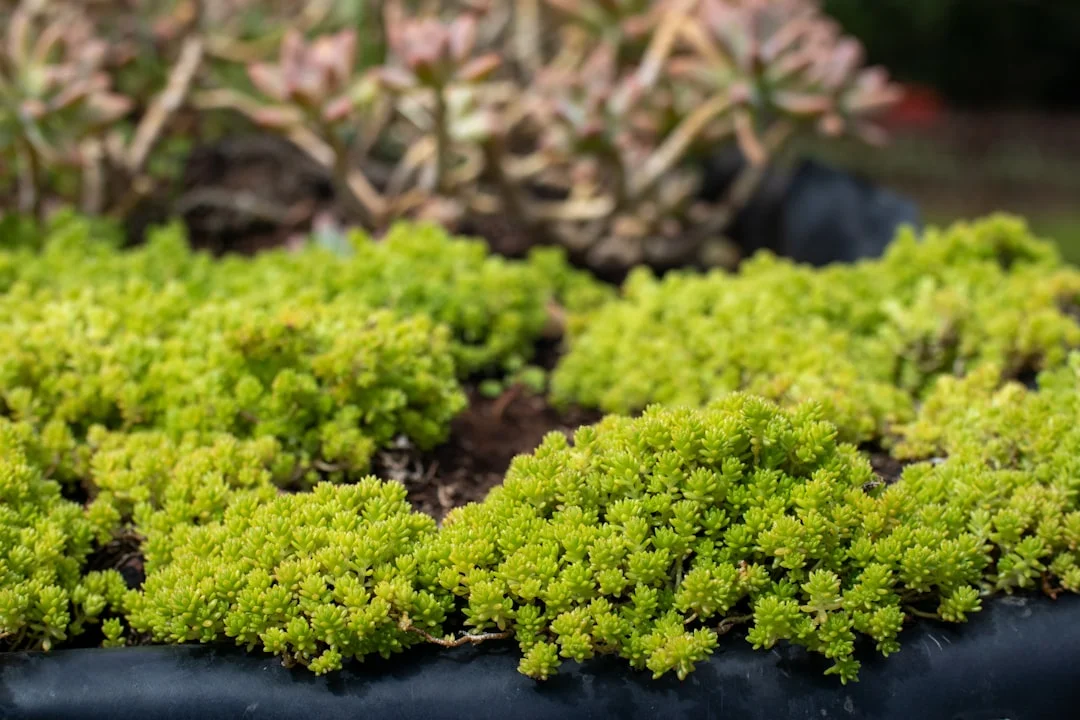
Gardeners in the UK, northern Europe, and Canada can grow jelly bean succulents successfully as indoor plants year-round. Keep them on the brightest windowsill available — ideally south-facing — and bring any outdoor specimens inside before the first frost (typically October in the UK and much of northern Europe). During winter, place them near a heat source if possible, but avoid cold draughts from windows. The USDA Plant Hardiness Zone Map is a useful reference for North American readers assessing outdoor viability.
Growing in Arid and Tropical Climates
In arid regions like the Middle East, parts of Australia, and the southwestern US, the jelly bean succulent thrives outdoors with minimal intervention — provided it gets some afternoon shade during the hottest months. Water slightly more frequently than in temperate climates because evaporation is intense. In tropical climates with heavy monsoon rainfall, growing in containers with excellent drainage is strongly recommended, as waterlogged garden soil during the rainy season is almost universally fatal for this species.
How to Propagate Jelly Bean Succulents
Propagation is one of the most satisfying aspects of jelly bean succulent care — and one of the easiest. This plant propagates readily from both leaves and stem cuttings, making it one of the most shareable plants in any gardener’s collection.
A community garden in Bristol, UK, reportedly grew an entire succulent wall feature using only fallen leaves from two parent Sedum rubrotinctum plants — a vivid demonstration of how prolific this species can be when conditions are right.
Leaf propagation works because each leaf contains meristematic tissue (cells capable of developing into a full plant) at its base. As long as the leaf is removed cleanly — with the base intact — it will develop roots and a tiny rosette within 2–6 weeks. This is the same biological mechanism that makes echeverias and other Crassulaceae so easy to propagate.
Step-by-Step Leaf Propagation
First, select a healthy, plump leaf from the middle or lower section of the plant. Gently twist it from side to side until it snaps cleanly from the stem — pulling it straight off often damages the base, which renders it non-viable. Next, let the leaf dry on a paper towel for 24–48 hours until the wound callouses over. Then, lay the leaves on the surface of dry, gritty succulent soil — don’t bury them. Place in bright, indirect light and mist lightly every few days. After 2–4 weeks, tiny pink roots will emerge, followed by a miniature rosette. Once the original leaf shrivels completely, the new plant is established and can be treated normally.
Stem Cutting Propagation
Stem cuttings are faster and more reliable than leaf propagation. Using clean, sharp scissors, cut a stem 5–10 cm (2–4 inches) long. Remove the lower leaves to expose a clean section of stem. Allow the cut end to callous for 2–3 days in a dry, shaded spot. Then, insert it into dry gritty soil and wait 1–2 weeks before watering — this encourages the plant to push roots outward in search of moisture. In my experience, stem cuttings root successfully in 3–5 weeks under bright indirect light. The spring and early summer months are the optimal time to propagate, as the plant’s active growth phase accelerates rooting.
Seasonal Care Throughout the Year
One of the joys of jelly bean succulent care is that it adapts well to different seasonal rhythms depending on where you live — but it does follow a broadly consistent pattern tied to light and temperature.
In the Northern Hemisphere, spring (March–May) is the prime growth season. This is when to repot, fertilize lightly, and take cuttings. Summer (June–August) brings active growth — maintain watering on the soak-and-dry cycle and watch for signs of heat stress if temperatures exceed 38°C (100°F). Autumn (September–November) is a transition period: reduce watering and stop fertilizing. Winter (December–February) is semi-dormancy — water sparingly, move indoor plants to the brightest spot available, and resist the urge to fertilize.
In the Southern Hemisphere (Australia, South Africa, South America), these seasons are reversed. June — the current month — falls in the middle of winter for Southern Hemisphere growers, meaning this is the time to reduce watering and protect plants from cold nights.
June-Specific Tips: Northern vs. Southern Hemisphere
For Northern Hemisphere gardeners in June, this is peak growing season. Your plant may be at its most vibrant — especially if it’s been getting strong outdoor sun. Water on the soak-and-dry schedule, apply a half-strength balanced fertilizer once this month, and watch for mealybugs which tend to emerge as temperatures rise. For Southern Hemisphere growers, June marks the start of winter dormancy. Move outdoor plants to a frost-free shelter, reduce watering to once every 3–4 weeks, and hold off on any fertilizing until September when growth resumes.
Repotting: When and How
Repot your jelly bean succulent every 1–2 years, or when you see roots emerging from the drainage holes. Spring is the ideal time. Choose a pot only 2–3 cm (1 inch) larger than the current one — too much extra space encourages the soil to retain moisture for longer, increasing rot risk. Gently tease out any circling roots, remove any dead or mushy roots, and let the plant sit in its new (dry) soil for 3–4 days before watering. This brief dry period allows any damaged root ends to callous and reduces infection risk.
Common Problems, Pests, and Diseases
Even with the best jelly bean succulent care, problems can arise. The encouraging news: most issues with this species are caused by one of three things — too much water, too little light, or the wrong soil. Fix those fundamentals, and you eliminate the vast majority of problems before they start.
That said, a few specific pests and diseases are worth knowing about. Many gardeners find that the dense, low-growing habit of Sedum rubrotinctum makes it a particularly attractive home for mealybugs — small, white, cottony insects that cluster at leaf joints and slowly drain the plant’s sap.
Mealybugs and How to Treat Them
Mealybugs are the most common pest in jelly bean succulent care. They appear as small white cotton-like clusters between leaves and stems. At first sight, isolate the plant to prevent spread. Dab individual bugs with a cotton swab soaked in 70% isopropyl alcohol (rubbing alcohol). For heavier infestations, spray the entire plant with a neem oil solution — 2 ml neem oil plus 1 ml dish soap in 1 litre of water — applied early morning or evening to avoid leaf scorch. Repeat every 7 days for 3 weeks. Neem oil is widely available globally, from garden centres in the UK to agricultural suppliers across South Asia and East Africa.
Root Rot: Identification and Recovery
Root rot — caused by Pythium or Fusarium species — is the most serious disease affecting this plant. It’s almost always triggered by overwatering or poorly draining soil. Early signs include soft, discoloured leaves at the base and a slightly unpleasant smell from the soil. To recover the plant: unpot it immediately, cut all black or mushy roots back to healthy white tissue, dust the cuts with powdered cinnamon (a natural antifungal), and leave the root ball exposed to air for 24–48 hours before repotting in fresh, dry gritty mix. In many cases, even severely rotted plants can be saved if the stem or upper growth is still firm.
Etiolation, Sunburn, and Leaf Drop
Etiolation (stretching toward light) signals insufficient light — move the plant to a brighter spot or supplement with a grow light. Sunburn appears as pale, papery patches on the upper leaf surface — usually from sudden exposure to intense direct sun after a period indoors. Acclimatise plants gradually over 1–2 weeks when moving them outdoors. Leaf drop is often normal — as noted earlier, leaves detach easily — but excessive drop combined with soft, mushy leaves indicates overwatering. Leaf drop combined with shrivelling indicates drought or root damage.
Uses and Ornamental Value
The jelly bean succulent is primarily grown as an ornamental plant, and its visual appeal is genuinely exceptional. The compact rosettes, the glossy bean-shaped leaves, and the seasonal colour shift from green to vivid red-orange make it one of the most photogenic succulents available. It’s a staple in succulent arrangements, fairy gardens, rock gardens, and container displays worldwide.
For complete guidance on caring for all your indoor plants alongside this species, our indoor plant care guide covers a wide range of houseplants with the same depth of detail.
Beyond pure aesthetics, succulents like Sedum rubrotinctum are increasingly used in green roofing projects — particularly in temperate European cities like Stuttgart, Amsterdam, and London, where lightweight, drought-tolerant plants are ideal for rooftop planting. The Crassulaceae family as a whole is a key component in many green roof specifications, according to data from the RHS.
Medicinal and Traditional Context
Unlike some of its relatives in the Crassulaceae family — particularly Kalanchoe species used in traditional African and Brazilian plant medicine — Sedum rubrotinctum does not have a well-documented history of medicinal use. However, other Sedum species have been used in traditional Chinese medicine (TCM) and European folk herbalism for centuries. Sedum acre, for instance, was historically used as a topical treatment for skin ailments in European traditions. It’s worth noting that Sedum rubrotinctum contains mildly toxic compounds and should not be consumed — see the Safety section below.
Landscaping and Container Design
In garden design, jelly bean succulents work beautifully as edging plants, ground cover in frost-free zones, or ‘thriller-spiller-filler’ container combinations. They pair visually with other succulents like echeveria, haworthia, and gasteria. In Mediterranean-climate gardens (California, South Africa’s Cape region, central Chile), they can be used as low-maintenance ground cover in sun-baked borders. In the UK and northern Europe, container-grown specimens on patios bring summer colour and can be moved indoors before the first frost.
Safety and Toxicity
This is a section every jelly bean succulent care guide must include clearly. Sedum rubrotinctum is mildly toxic to cats, dogs, and horses. Ingestion can cause gastrointestinal upset — vomiting, diarrhoea, and lethargy — in pets. According to the ASPCA (American Society for the Prevention of Cruelty to Animals), Sedum species should be kept out of reach of pets.
For humans, the plant is not considered seriously toxic, but the sap can cause mild skin irritation in sensitive individuals — particularly relevant when propagating, as you’ll be handling leaves and stems repeatedly. Wash your hands after handling the plant and avoid touching your eyes.
Children should not be encouraged to eat the leaves, despite their candy-like appearance and name. The ‘jelly bean’ resemblance is purely visual. Keep the plant on elevated surfaces or in rooms not regularly accessed by small children or pets.
Safe Placement in the Home
The safest placement for jelly bean succulents in households with pets or small children is on a high shelf, a hanging planter, or a room that pets don’t access — such as a home office. Because the leaves detach so easily, fallen leaves on the floor present an ingestion risk that a securely potted larger plant wouldn’t. If a pet does ingest a significant amount of the plant, contact your local veterinarian or the ASPCA Animal Poison Control Center (US: 888-426-4435) immediately.
Frequently Asked Questions
How often should I water my jelly bean succulent?
Water using the soak-and-dry method: water thoroughly until it drains from the pot, then wait until the soil is completely dry before watering again. In summer, that typically means every 10–14 days in temperate climates. In winter, extend to every 3–4 weeks. In high-humidity tropical climates, reduce frequency further. The number one cause of death in jelly bean succulents is overwatering — when in doubt, wait an extra few days.
Can I grow a jelly bean succulent indoors in a cold climate?
Absolutely. Jelly bean succulents make excellent indoor plants in cold climates like the UK, Canada, northern Europe, and northern US states. Place them on the brightest windowsill available — south-facing in the Northern Hemisphere. If natural light is limited in winter, a full-spectrum LED grow light set to 12–14 hours daily works extremely well. Keep them away from cold draughts and frost. Indoor temperatures above 10°C (50°F) are fine for year-round growing.
Is the jelly bean succulent safe for cats and dogs?
No — jelly bean succulents are mildly toxic to cats, dogs, and horses. The ASPCA lists Sedum species as plants that can cause vomiting, diarrhoea, and lethargy in pets if ingested. Keep the plant on elevated surfaces out of reach of animals. Because the leaves detach easily and can fall to the floor, this is a real risk in pet-owning households. If your pet ingests a significant amount, contact your veterinarian or the ASPCA Animal Poison Control Center (US: 888-426-4435) immediately.
Why are my jelly bean succulent leaves turning red?
Red tips are a natural and healthy response to bright light, mild drought stress, or high temperatures. The plant produces anthocyanin pigments under these conditions — the same pigments responsible for autumn leaf colours in trees. This is completely normal and desirable. However, if the entire leaf turns dark red or brown and feels dry and papery rather than firm, that may indicate sunburn from sudden exposure to intense direct light. Acclimatise the plant gradually when moving it outdoors.
How do I propagate a jelly bean succulent from leaves?
Gently twist a plump, healthy leaf from the stem until it detaches cleanly at the base. Let it callous on a dry surface for 24–48 hours. Then lay it on the surface of dry, gritty succulent soil in bright indirect light. Mist very lightly every few days. Within 2–4 weeks, tiny pink roots will emerge, followed by a miniature rosette. Once the original leaf shrivels and dries, the new plant is established. Spring and early summer are the best times for propagation, as warmth and light accelerate rooting.
Why is my jelly bean succulent stretching and losing its compact shape?
Stretching — called etiolation — is the plant's response to insufficient light. It elongates toward the nearest light source, causing wide gaps between leaves and a leggy, untidy appearance. Move the plant to a brighter location or supplement with a grow light. Unfortunately, etiolated growth doesn't revert — but you can take stem cuttings from the healthier upper sections and propagate them in better light conditions to start fresh compact plants.
Can jelly bean succulents survive outdoors in a tropical climate?
Yes, with some adjustments. In tropical climates like those in India, Southeast Asia, and coastal West Africa, grow jelly bean succulents in containers with excellent drainage — waterlogged soil during monsoon season is fatal. Provide afternoon shade to prevent leaf scorch during peak heat. Ensure strong airflow to reduce humidity around the plant. Elevate containers off ground level to prevent waterlogging. Many tropical succulent enthusiasts find that growing under a covered patio or roof overhang provides the perfect balance of light and protection from heavy rain.
What is the best soil mix for jelly bean succulent care?
The best soil mix is approximately 50–60% inorganic material (horticultural grit, perlite, or coarse sand) combined with 40–50% quality succulent or cactus compost. The RHS recommends commercial cactus compost as a convenient base. Avoid standard potting soil alone — it retains too much moisture. The pH should sit between 6.0 and 7.0. Always use a pot with drainage holes, and terracotta pots are preferred because their porous walls allow excess moisture to evaporate.
Final Thoughts
Jelly bean succulent care is a study in beautiful simplicity — once you understand the plant’s logic. It evolved in rocky Mexican hillsides to store water, endure heat, and thrive in poor soil. Your job isn’t to provide abundance. It’s to provide the right conditions: bright light, excellent drainage, infrequent deep watering, and a warm, dry environment. Do those things consistently, and this plant will reward you with vivid colour, cheerful compact growth, and an almost endless supply of new plants through leaf propagation. Whether you’re growing on a London windowsill, a Mumbai balcony, a Sydney patio, or a Toronto apartment, the fundamentals of jelly bean succulent care remain the same across every climate. The plant adapts to you — as long as you respect its nature. Start with good soil and bright light, resist the urge to overwater, and you’ll have a thriving, vibrantly coloured jelly bean succulent for years to come.

