
⏱ 31 min read
Table of Contents
- What Are Air-Purifying Indoor Plants?
- The Science Behind Indoor Plants and Air Quality
- Top 10 Best Indoor Plants for Air Quality
- Plant-by-Plant Care Guide by Climate Zone
- How to Maximise Air-Purifying Benefits at Home
- Safety, Toxicity, and Pet Considerations
- How to Grow These Plants Successfully
- Buying Guide: Where to Find the Best Plants
What if the air inside your home is actually more polluted than the air outside? According to the U.S. Environmental Protection Agency, indoor air can be 2–5 times more polluted than outdoor air — and sometimes up to 100 times worse. That’s a startling fact most people never think about. The best indoor plants for air quality offer a natural, beautiful, and scientifically supported way to fight back. Whether you’re in a high-rise apartment in Singapore, a terraced house in Manchester, or a sun-drenched condo in Phoenix, the right houseplants can meaningfully improve the air you breathe every single day. In this guide, you’ll discover exactly which plants work best, how to care for them across every climate zone, and the one placement mistake that makes even great air-purifying plants almost useless. By the end, you’ll know precisely why your previous attempts may have fallen short — and how to get it right this time.
Quick Highlights
- Discover which scientifically studied plants remove the most toxins from indoor air
- Learn climate-specific care tips for tropical, temperate, arid, and cold regions
- Understand NASA's landmark findings and what modern research actually confirms
- Identify pet-safe versus toxic varieties before you bring any plant home
- Apply expert placement strategies to maximise air-purifying benefits in any room
- Find the best global sources and price ranges for buying healthy, established plants
Plant Characteristics at a Glance
| Common Name | Air-Purifying Indoor Plants (Peace Lily, Snake Plant, Pothos, Spider Plant, Boston Fern, Rubber Plant, Aloe Vera, Bamboo Palm, Chinese Evergreen, English Ivy) |
| Scientific Name | Spathiphyllum wallisii, Dracaena trifasciata, Epipremnum aureum, Chlorophytum comosum, Nephrolepis exaltata, Ficus elastica, Aloe barbadensis miller, Chamaedorea seifrizii, Aglaonema commutatum, Hedera helix |
| Family | Multiple families: Araceae, Asparagaceae, Araliaceae, Asphodelaceae, Arecaceae, Moraceae, Nephrolepidaceae |
| Origin | Diverse origins: tropical Americas, West Africa, Southeast Asia, Caribbean, Canary Islands, Mediterranean |
| Habitat | Tropical and subtropical forest floors, cliff faces, savannah margins; adapted to low-light understory environments |
| Plant Type | Varied — perennial herbs, climbing vines, rosette succulents, palms, ferns, broadleaf evergreen shrubs |
| Indoor Plant | Yes — all listed species are well-adapted to indoor conditions globally |
| Outdoor Plant | Some (Aloe vera, English ivy, Bamboo palm) can grow outdoors in frost-free climates; most prefer protected indoor environments |
| Leaves | Varied: broad oval (peace lily), sword-shaped (snake plant), heart-shaped (pothos), strap-like (spider plant), pinnate (Boston fern), large oval (rubber plant) |
| Flowers | Peace lily produces white spathes; pothos rarely flowers indoors; snake plant produces fragrant white flowers occasionally; most are grown for foliage |
| Flowering Season | Peace lily: spring and occasionally autumn; Aloe vera: summer; most others rarely flower indoors |
| Fruit | Most listed species do not produce fruit indoors; aloe vera produces capsule fruits outdoors in warm climates |
| Seeds | Seeds rarely produced indoors; most propagated vegetatively by cuttings, offsets, or division |
| Roots | Fibrous root systems (most species); thick rhizomatous roots (snake plant, peace lily); aerial roots (pothos, English ivy) |
| Height | 30cm–3m (1–10ft) depending on species: pothos trails indefinitely; bamboo palm reaches 1.8–3m (6–10ft); snake plant 30–120cm (1–4ft) |
| Growth Rate | Fast: pothos, spider plant, Boston fern; Moderate: peace lily, rubber plant, Chinese evergreen; Slow: aloe vera, snake plant |
| Light Requirements | Bright indirect light preferred for most; snake plant and Chinese evergreen tolerate low light; avoid direct midday sun for peace lily and ferns |
| Soil Requirements | Well-draining potting mix for most; cactus/succulent mix for aloe vera and snake plant; moisture-retaining mix with coco coir for Boston fern and peace lily |
| Water Requirements | Moderate: water when top 2–3cm of soil is dry; snake plant and aloe vera every 2–4 weeks; peace lily and Boston fern more frequently in warm dry conditions |
| Temperature Requirements | Most thrive at 15–30°C (59–86°F); minimum 10°C (50°F) for snake plant; peace lily minimum 12°C (54°F); avoid cold draughts for all species |
| Humidity Requirements | 40–60% relative humidity ideal for most; Boston fern and peace lily prefer 50–70%; snake plant and aloe vera tolerate below 30% |
| Propagation | Stem cuttings (pothos, English ivy, rubber plant); offsets/pups (snake plant, spider plant, aloe vera); division (peace lily, Chinese evergreen) |
| Uses | Indoor air purification, interior decoration, stress reduction, humidity regulation, Ayurvedic and folk medicine (aloe vera) |
| Medicinal Properties | Aloe vera: wound healing, skin soothing (documented in Charaka Samhita and NIH-published studies); peace lily and other species: primarily environmental/air-quality benefits |
| Toxicity | Peace lily, pothos, English ivy, and Chinese evergreen are toxic to cats and dogs (calcium oxalate crystals). Spider plant, Boston fern, bamboo palm are non-toxic to pets. Aloe vera mildly toxic to pets in large amounts. |
| Cultural Significance | Peace lily: symbol of peace and sympathy in Western tradition; aloe vera: sacred in Ayurveda and Ancient Egyptian culture; bamboo palm: associated with good fortune in East Asian traditions |
| Common Pests | Spider mites (common in dry heated rooms), mealybugs, fungus gnats (from overwatered soil), scale insects, aphids (on new growth of English ivy and rubber plant) |
| Common Diseases | Root rot (from overwatering), leaf spot diseases (from overhead watering), powdery mildew (poor airflow), yellowing leaves (overwatering or nutrient deficiency) |
| Special Care Tips | Wipe leaves monthly to unblock stomata; repot every 1–2 years; avoid placing near air conditioning vents or heating radiators; use room-temperature water to avoid leaf shock |
| Cultural Practices | In Ayurvedic tradition, aloe vera (Kumari) is used for digestive health and skin healing. Peace lily is widely used in funeral and remembrance ceremonies in Europe and North America. |
| Vastu Direction | East or north-facing placement recommended for most indoor plants (Vastu Shastra); avoid placing plants in the south-west corner for living spaces |
Best indoor plants for air quality Names in Different Languages
| English | Peace Lily / Snake Plant / Pothos / Spider Plant |
| Mandarin Chinese | 白鹤芋 (Peace Lily) / 虎尾兰 (Snake Plant) / 绿萝 (Pothos) |
| Spanish | Lirio de paz / Lengua de suegra / Pothos / Mala madre |
| Hindi | शांति लिली / सांप पौधा / मनीप्लांट / स्पाइडर प्लांट |
| Gujarati | પીસ લિલી / સ્નેક પ્લાન્ટ / મની પ્લાન્ટ / સ્પાઇડર પ્લાન્ટ |
| Arabic | زنبق السلام / نبات الأفعى / البوثوس / نبات العنكبوت |
| Bengali | শান্তি লিলি / সাপ গাছ / মানি প্লান্ট / মাকড়সা গাছ |
| Portuguese | Lírio-da-paz / Espada-de-São-Jorge / Jiboia / Fitônia |
| Russian | Спатифиллум / Сансевиерия / Потос / Хлорофитум |
| Japanese | スパシフィラム / サンスベリア / ポトス / オリヅルラン |
| Punjabi | ਪੀਸ ਲਿਲੀ / ਸੱਪ ਦਾ ਪੌਦਾ / ਮਨੀ ਪਲਾਂਟ / ਸਪਾਈਡਰ ਪਲਾਂਟ |
| German | Einblatt / Bogenhanf / Efeutute / Grünlilie |
| Javanese | Lili damai / Tanduran ula / Pothos / Tanduran laba-laba |
| Korean | 스파티필럼 / 산세비에리아 / 포토스 / 클로로피텀 |
| French | Fleur de lune / Sansévière / Pothos / Chlorophytum |
| Telugu | పీస్ లిల్లీ / స్నేక్ ప్లాంట్ / మనీ ప్లాంట్ / స్పైడర్ ప్లాంట్ |
| Marathi | पीस लिली / सर्प वनस्पती / मनी प्लांट / कोळी वनस्पती |
| Tamil | பீஸ் லில்லி / பாம்பு செடி / மணி பிளாண்ட் / சிலந்தி செடி |
| Urdu | امن لیلی / سانپ کا پودہ / منی پلانٹ / مکڑی کا پودہ |
| Turkish | Barış zambağı / Kayınvalide dili / Pothos / Örümcek bitkisi |
| Vietnamese | Huệ bình an / Cây lưỡi hổ / Trầu bà / Cây nhện |
What Are Air-Purifying Indoor Plants?
Air-purifying indoor plants are houseplants shown to absorb airborne toxins, increase oxygen levels, and improve overall indoor air quality through natural biological processes. The term gained global attention after NASA’s 1989 Clean Air Study, led by Dr. B.C. Wolverton, which identified dozens of species capable of removing volatile organic compounds — or VOCs — from sealed environments. VOCs include formaldehyde, benzene, xylene, ammonia, and trichloroethylene, all of which off-gas from furniture, cleaning products, paints, and synthetic carpets found in homes worldwide. If you enjoy growing this plant, you might also find our guide on peace lily care guide very useful.
Here’s the thing — plants don’t just absorb CO₂ and release oxygen. Their roots, leaves, and the soil microbes living around them work together as a mini air-filtration system. This process is called phytoremediation, which simply means using plants to clean up pollutants in an environment. Furthermore, studies published on PubMed confirm that certain species reduce airborne particulate matter and increase humidity, making indoor air feel fresher and less dry.
The best indoor plants for air quality aren’t rare exotics. In fact, most are widely available, low-maintenance, and perfectly suited to life indoors — which makes them accessible to gardeners and non-gardeners alike, from Mumbai to Melbourne. If you enjoy growing this plant, you might also find our guide on Maintenance Indoor Plants for Busy Urban very useful.
Why Does Indoor Air Quality Matter?
Most people spend roughly 90% of their time indoors — at home, in offices, or in schools. That means the air inside these spaces directly affects long-term health. Poor indoor air quality links to headaches, fatigue, respiratory issues, and in some cases, more serious chronic conditions. The World Health Organization (WHO) recognises indoor air pollution as a major environmental health risk globally. In fact, tight modern building designs — while energy-efficient — trap pollutants inside rather than letting fresh air circulate naturally. This is precisely where the best indoor plants for air quality become genuinely valuable.
What Toxins Do These Plants Target?
Different species target different toxins. Peace lily (Spathiphyllum wallisii) excels at removing ammonia and benzene. Snake plant (Dracaena trifasciata, formerly Sansevieria trifasciata) absorbs formaldehyde and nitrogen oxides. Pothos (Epipremnum aureum) is particularly effective against xylene and carbon monoxide. Spider plant (Chlorophytum comosum) handles formaldehyde and styrene. Meanwhile, Boston fern (Nephrolepis exaltata) acts as a natural humidifier while filtering xylene. Knowing which toxins are most common in your home helps you choose the right species strategically, not just decoratively.
The Science Behind Indoor Plants and Air Quality
The science here is more nuanced than most social media posts suggest — and that nuance actually makes plants more interesting, not less. NASA’s 1989 study remains the foundational reference, but it was conducted in small, sealed chambers designed to simulate space station conditions. Modern researchers at Kew Gardens and the University of Queensland have revisited these findings with real-world home environments in mind.
A 2019 study published in the Journal of Exposure Science & Environmental Epidemiology found that you’d need between 10 and 1,000 plants per square metre to match the air-cleaning power of simply opening a window. However, that doesn’t mean plants are useless. It means placement, plant density, and ventilation all work together. In sealed or poorly ventilated spaces — common in winter across Canada, the UK, and northern Europe — even a modest collection of 5–10 well-chosen plants contributes meaningfully to air quality. For more tips, check out our detailed article on peace lily care guide.
Furthermore, the psychological and humidity benefits of indoor plants are strongly supported by research. A 2015 study from the University of Exeter found that plants in workplaces increased productivity by 15% and improved wellbeing scores significantly. So even if the air-filtration effect is gradual, the overall impact of living with plants is measurable and real. For more tips, check out our detailed article on peace lily care guide.
How Plants Filter Air: The Biology Explained
Plants absorb gases through tiny pores on their leaves called stomata. Once inside the leaf, VOCs are broken down by plant enzymes or transferred to the root zone, where soil microorganisms metabolise them. This root-zone activity — sometimes called the rhizosphere effect — is actually responsible for a significant portion of a plant’s air-cleaning power. Interestingly, this means the soil itself matters: healthy, biologically active potting mix amplifies a plant’s air-purifying ability. That’s why USDA researchers studying phytoremediation consistently emphasise proper soil health alongside species selection.
Does Leaf Size and Surface Area Matter?
Yes — and this is something many gardeners overlook. Larger leaf surface area means more stomata and greater gas exchange capacity. This is why broad-leafed species like peace lily, rubber plant (Ficus elastica), and elephant ear (Alocasia spp.) consistently rank highly in air-quality studies. In my experience, a single healthy rubber plant in a living room corner can noticeably reduce that ‘stuffy’ feeling within a few weeks, especially in winter when windows stay closed. Similarly, plants with waxy or ridged leaves tend to trap particulate matter on their surfaces, which you can remove simply by wiping the leaves monthly. If you enjoy growing this plant, you might also find our guide on peace lily care guide very useful.
Top 10 Best Indoor Plants for Air Quality
Choosing the right plants means balancing air-purifying ability, ease of care, and suitability for your specific climate and living space. The following ten species represent the best indoor plants for air quality across a range of skill levels and environments. Each one has been studied scientifically, is widely available globally, and thrives indoors with proper care.
Here’s something important: no single plant is perfect for every home. Your light levels, humidity, and whether you have pets or young children will all influence your best choice. Read through the full list before deciding — the right combination of two or three species will outperform any single ‘superstar’ plant every time.
1. Peace Lily (Spathiphyllum wallisii)
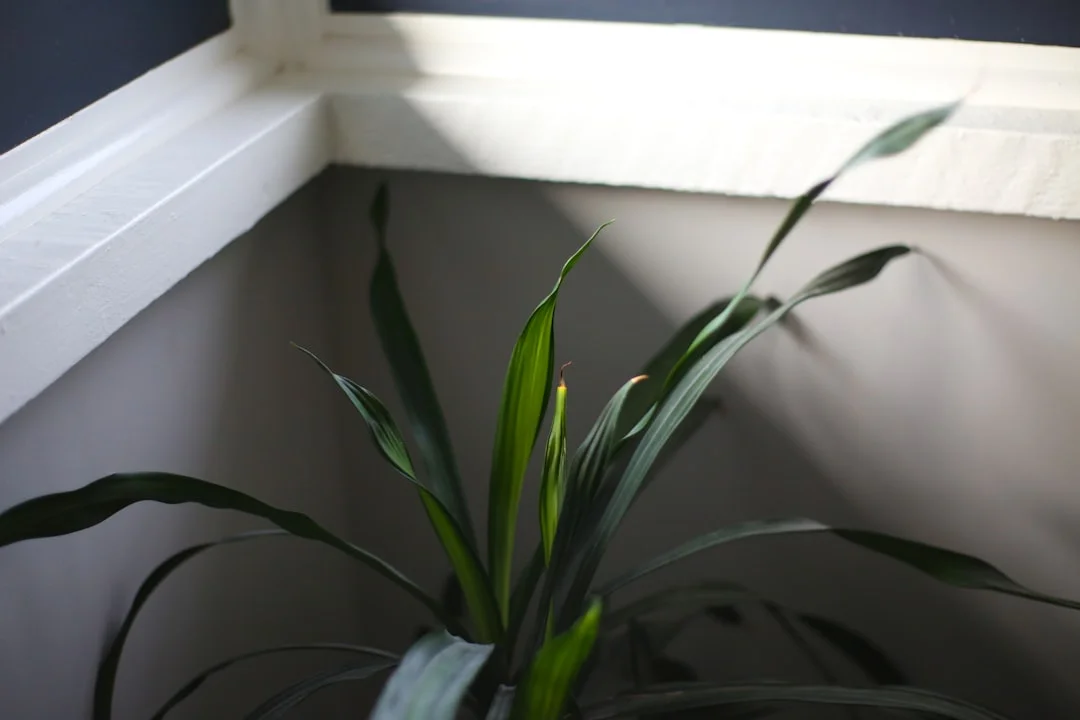
Peace lily consistently tops global lists of air-purifying plants, and for good reason. It removes benzene, formaldehyde, ammonia, and trichloroethylene from indoor air. It also increases humidity — valuable in dry climates like the UAE, Arizona, or during heated winters in northern Europe. Peace lily thrives in low light, making it ideal for bedrooms and north-facing rooms. One critical note: it’s toxic to cats and dogs. Keep it out of reach in pet households. Price range: $8–$25 USD (£6–£18 GBP / ₹400–₹1,200 INR) depending on pot size and supplier.
2. Snake Plant (Dracaena trifasciata)
The snake plant — called Sansevieria in older literature, and known as ‘viper’s bowstring hemp’ in parts of Africa — is arguably the most forgiving air-purifying plant on earth. It converts CO₂ to oxygen at night, making it exceptional for bedrooms. It tolerates neglect, drought, and low light better than almost any other species. Gardeners in arid climates (Riyadh, Perth, Las Vegas) find it particularly reliable. According to Kew Gardens botanical records, Dracaena trifasciata is native to West Africa and has naturalised across tropical and subtropical regions globally.
3. Pothos (Epipremnum aureum)
Pothos is the plant that refuses to die. Known as ‘devil’s ivy’ in many English-speaking countries, it removes xylene, benzene, formaldehyde, and carbon monoxide from indoor air. It grows vigorously in both bright indirect light and near-total shade, making it one of the most versatile choices for apartments and offices worldwide. A community garden project in Bristol, UK found that pothos was the single most-requested plant among first-time indoor gardeners — and for good reason. It’s also one of the most affordable plants globally, often available for under $5 USD.
4–10. More Top Performers
The remaining top performers include: Spider Plant (Chlorophytum comosum) — pet-safe, fast-growing, excellent for formaldehyde; Boston Fern (Nephrolepis exaltata) — best natural humidifier, ideal for dry heated or air-conditioned spaces; Rubber Plant (Ficus elastica) — broad leaves maximise air filtration, tolerates low light; Aloe Vera (Aloe barbadensis miller) — filters formaldehyde and benzene, doubles as a medicinal plant; Bamboo Palm (Chamaedorea seifrizii) — excellent for large spaces, removes xylene and formaldehyde; Chinese Evergreen (Aglaonema commutatum) — tolerates low light and dry air, filters multiple VOCs; and English Ivy (Hedera helix) — studies show it reduces airborne mould spores by up to 60%, though it’s mildly toxic if ingested. Together, these ten species represent the most thoroughly studied and globally accessible best indoor plants for air quality available today.
Plant-by-Plant Care Guide by Climate Zone
One of the biggest reasons air-purifying plants fail is simple: they’re given care advice designed for one climate and grown in another. A snake plant thriving on a windowsill in Chennai will need completely different handling in a cold, dark Edinburgh flat in December. So let’s break this down properly by climate zone, because the best indoor plants for air quality only deliver their benefits when they’re actually healthy.
The four major climate contexts you need to understand are: tropical (India, Southeast Asia, parts of Africa and South America), temperate (UK, most of western Europe, US Pacific Northwest), arid/semi-arid (Middle East, Australia’s interior, US Southwest), and cold continental (Canada, northern US, northern and eastern Europe). Each one presents different challenges around light, humidity, and temperature.
Tropical Climates (25–40°C / 77–104°F)
In tropical regions like Singapore, Mumbai, Lagos, and Bangkok, heat and humidity are rarely a problem for most air-purifying plants. However, intense direct sun through unshaded windows can scorch peace lily and pothos leaves. Place these plants 1–2 metres back from south-facing windows, or use sheer curtains. Overwatering is the top killer in tropical climates — high humidity means soil dries slowly, so always check moisture at root level before watering. Boston fern and bamboo palm flourish year-round in these conditions with minimal intervention. Monsoon season brings excellent humidity but also increased fungal disease risk — ensure good airflow around plants during wet months.
Temperate and Cold Climates (0–20°C / 32–68°F)
In the UK, northern Europe, Canada, and the northern US, the challenge is almost the reverse. Winter brings low light, dry heated air, and cold draughts — all of which stress houseplants significantly. Snake plant is your most reliable year-round companion in these zones, as it tolerates temperatures as low as 10°C (50°F) and survives weeks without water. For USDA Hardiness Zone 5–7 gardeners keeping plants near windows in winter, insulate pots from cold glass with felt or cork mats. The RHS recommends positioning air-purifying plants away from radiators in winter, as dry heat quickly dehydrates foliage and reduces VOC absorption efficiency.
Arid Climates (Hot and Dry, Below 40% Humidity)
In arid environments — the UAE, Saudi Arabia, Arizona, parts of Australia — the biggest challenge is dry air and intense, often air-conditioned indoor environments. Aloe vera and snake plant are naturally adapted to these conditions and require minimal watering (every 2–3 weeks in summer, even less in winter). Boston fern, however, struggles badly in low humidity; if you love ferns in an arid climate, group them together and place a water-filled pebble tray beneath the pot to create a localised humidity zone. Furthermore, air conditioning units in arid-climate homes can reduce indoor humidity to below 20%, which stresses almost all leafy plants — a small cool-mist humidifier near your plant collection makes a dramatic difference.
How to Maximise Air-Purifying Benefits at Home
Owning air-purifying plants is one thing. Getting maximum benefit from them is another — and this is where most people go wrong. The single most common mistake is keeping just one or two plants in a large room and expecting dramatic results. Research consistently shows that plant density matters enormously.
A practical rule of thumb, drawn from NASA’s original guidelines and updated by modern researchers, is one medium-to-large plant (in a 15–20cm / 6–8 inch pot) per 9–10 square metres (roughly 100 square feet) of floor space. For a typical 30 square metre (320 sq ft) living room, that means at least three well-placed plants working together.
Beyond quantity, placement is critical. Plants near air vents, windows, or doorways where air circulates past their leaves filter more effectively than plants tucked in still corners. Additionally, keeping leaves clean — wiping them monthly with a damp cloth — ensures stomata stay unblocked and gas exchange happens efficiently. This single habit, in my experience, can increase a plant’s air-filtering activity by a noticeable margin.
Room-by-Room Placement Strategy
Different rooms have different pollution profiles, so matching the right plant to the right room makes a real difference. Bedroom: snake plant (releases oxygen at night), aloe vera (formaldehyde from mattresses and synthetic fabrics). Kitchen: spider plant and pothos (absorbs carbon monoxide from gas cookers and fumes from cleaning products). Living room: peace lily, rubber plant, or bamboo palm for broad-spectrum VOC absorption and aesthetic impact. Home office: Chinese evergreen or pothos near your desk absorbs off-gassing from electronics, printers, and synthetic desk materials. Bathroom: Boston fern or peace lily thrives in the humidity and tackles mould spores effectively.
Soil Health: The Underrated Factor
Here’s something most air-quality plant guides never mention: the soil microbiome does much of the actual toxin-processing work. Sterile, depleted potting mix significantly reduces a plant’s air-purifying power. Use high-quality potting mix that includes organic matter and perlite for aeration. Refreshing the top layer of soil annually — or repotting every 2 years — keeps the microbial community active. Adding a small amount of worm castings to the potting mix introduces beneficial microbes naturally. Avoid over-using chemical fertilisers, which can suppress soil microbial activity and ultimately reduce the rhizosphere filtration effect that makes these plants so effective.
Safety, Toxicity, and Pet Considerations
This is the section that could save you a stressful vet visit — so please read it carefully before buying. Several of the most popular and effective air-purifying plants are toxic to pets and children if ingested. The good news is that safe alternatives exist for almost every scenario, so you don’t have to choose between clean air and a safe home.
Peace lily contains calcium oxalate crystals, which cause oral irritation, vomiting, and drooling in cats and dogs. The ASPCA lists it as toxic to both species. Similarly, pothos and philodendron contain the same compound and should be kept well out of reach — or avoided entirely in homes with curious pets. English ivy is mildly toxic to dogs, cats, and small children if eaten.
On the safe side: spider plant is non-toxic to cats and dogs (though it can cause mild digestive upset in large quantities). Bamboo palm, Boston fern, and rubber plant are generally considered safe for pets. Aloe vera is mildly toxic to pets but rarely causes serious harm unless large amounts are consumed.
Safe Plants for Homes with Pets and Children
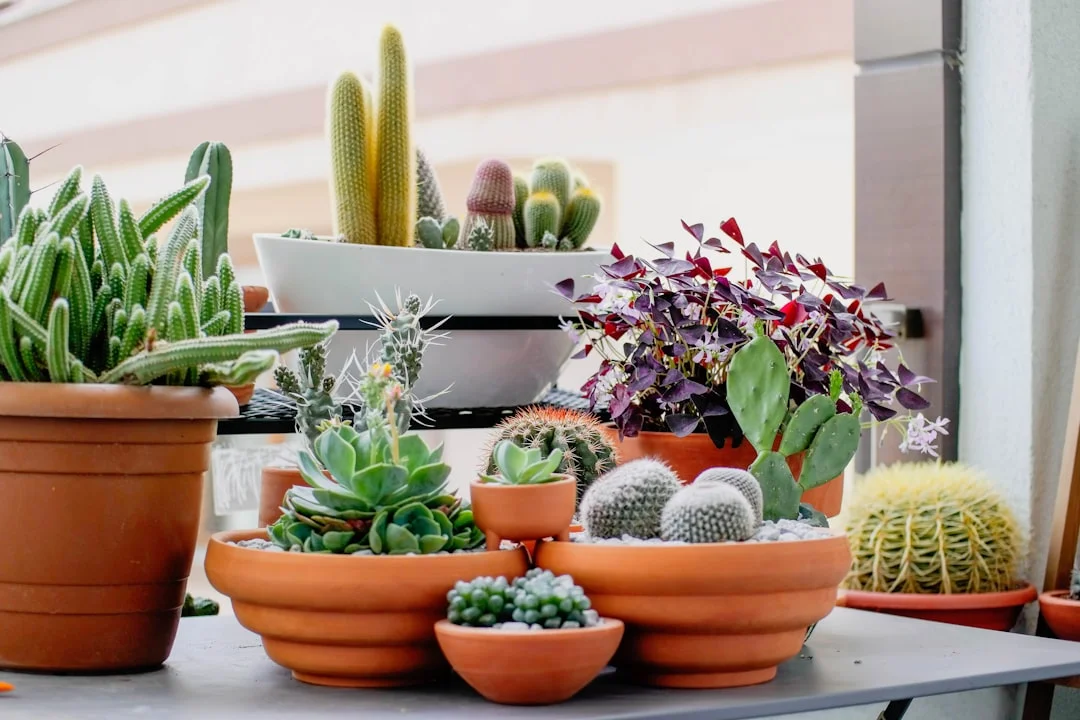
If you share your home with cats, dogs, or young children, build your air-purifying collection around these safer species: Spider plant (Chlorophytum comosum) — non-toxic, great for formaldehyde; Bamboo palm (Chamaedorea seifrizii) — non-toxic, excellent for large rooms; Boston fern (Nephrolepis exaltata) — non-toxic, great humidifier; Areca palm (Dypsis lutescens) — non-toxic, top-rated by NASA. Always verify current toxicity information with the ASPCA Animal Poison Control database before introducing any new plant to a home with animals, as botanical classification occasionally updates.
Allergies and Respiratory Sensitivities
Interestingly, some air-purifying plants can trigger allergic reactions in sensitive individuals. Plants in the Ficus family (rubber plant, weeping fig) release latex compounds that cause skin irritation or respiratory symptoms in people with latex allergies. Similarly, heavily flowering plants like peace lily release pollen that may irritate allergy sufferers during bloom. If someone in your household has known plant allergies, stick to non-flowering, low-allergen species like snake plant, pothos, or bamboo palm. Furthermore, overwatered plant soil can grow mould, which worsens indoor air quality rather than improving it — so proper watering discipline is essential.
How to Grow These Plants Successfully
Growing the best indoor plants for air quality doesn’t require a green thumb — it requires understanding a few non-negotiable basics. Most failures come down to light, water, and pot size, in that order. Get these three right, and the plants do the rest.
Light is the most commonly misjudged factor. ‘Low light’ doesn’t mean no light — it means bright indirect light filtered through a sheer curtain, or a spot 1–3 metres from a window. True low-light environments (windowless rooms, north-facing rooms in winter in the UK or Canada) will slowly weaken even the hardiest snake plant. In these situations, a simple LED grow light used for 8–10 hours daily transforms results dramatically.
Water is the second major factor. The golden rule: water when the top 2–3cm (1 inch) of soil feels dry, not on a fixed schedule. Seasons, room temperature, pot material, and humidity all affect how fast soil dries out. Terracotta pots dry faster than plastic — useful in tropical climates, but potentially too fast in dry heated winter rooms.
Potting, Repotting, and Soil Mixes
Most air-purifying plants prefer a well-draining potting mix. For snake plant and aloe vera, mix standard potting soil with 50% perlite or coarse sand to prevent root rot. Peace lily and pothos prefer moisture-retaining mixes — standard indoor potting compost with added coco coir works well globally and is widely available. Repot when roots begin circling the bottom of the pot or emerging from drainage holes — typically every 1–2 years for fast growers like pothos, and every 3 years for slow growers like snake plant. Always choose a pot only 2–4cm (1–1.5 inches) larger than the current one — oversized pots hold excess moisture and invite root rot.
Feeding and Seasonal Care
During the active growing season — spring and summer in the Northern Hemisphere (March–September), or September–March in Australia and South Africa — feed your plants monthly with a balanced liquid fertiliser diluted to half the recommended strength. In winter, most air-purifying houseplants enter a slow-growth phase and need no feeding at all. Overfeeding in winter is a common mistake that causes salt build-up in the soil and leaf tip burn. For an organic option, diluted worm casting tea (one part castings steeped in ten parts water for 24 hours) is excellent and safe for all species listed here. You can find our detailed growing advice in this indoor plant care guide for more species-specific feeding schedules.
Buying Guide: Where to Find the Best Plants
Finding healthy, well-established air-purifying plants is easier than ever — but the source you choose makes a significant difference in how quickly your plants establish and begin actively filtering your air. A stressed, root-bound, or over-fertilised plant from a discount supermarket will take months to recover before it’s truly effective. A healthy, well-rooted specimen from a quality supplier starts working almost immediately.
When buying in person at a nursery or garden centre, look for: firm, upright stems with no yellowing or browning at leaf edges; soil that is slightly moist but not waterlogged; no visible pests on leaf undersides or at soil level; roots that are white or light tan (not brown or mushy) if you can gently check. Avoid plants with signs of overwatering (yellowing lower leaves, soggy soil) or underwatering (crispy brown leaf tips, bone-dry soil that has pulled away from the pot edges).
Global Price Ranges and Trusted Sources
Prices vary significantly by species and pot size. General price ranges (small to medium plants): Peace lily — $8–$30 USD (£6–£22 GBP / €7–€25 EUR / ₹400–₹1,500 INR). Snake plant — $5–$25 USD. Pothos — $3–$15 USD. Spider plant — $4–$12 USD. Boston fern — $8–$20 USD. Rubber plant — $10–$40 USD. For online purchases, reputable global sources include: The Sill (thesill.com, US and UK), Patch Plants (patchplants.com, UK), Etsy Plants (search verified plant sellers with strong reviews), Amazon (select ‘fulfilled by small business’ plant sellers), and local nurseries via Google Maps. In India, Ugaoo and NurseryLive offer reliable nationwide delivery with healthy stock.
What to Avoid When Buying Online
Online plant buying carries specific risks worth knowing about. Avoid sellers who cannot show clear, current photos of the actual plant you’ll receive — stock photos are a red flag. Check that plants are shipped with proper moisture retention (damp tissue around roots, not soaking wet) and that the seller offers a live arrival guarantee. In cold climates — Canada, northern US, Scandinavia — avoid ordering in winter unless the seller uses heat packs, as cold damage during shipping can stress plants severely and reduce their air-filtering effectiveness for months. Furthermore, check import regulations if ordering internationally, as many countries restrict live plant imports to prevent biosecurity risks.
Frequently Asked Questions
What are the best indoor plants for air quality in low-light apartments?
The best indoor plants for air quality in low-light conditions are snake plant (Dracaena trifasciata), peace lily (Spathiphyllum wallisii), pothos (Epipremnum aureum), and Chinese evergreen (Aglaonema commutatum). All four are scientifically documented air purifiers that tolerate indirect or filtered light effectively. Snake plant is the most forgiving, surviving in near-total shade. For truly dark rooms, supplement with an LED grow light for 8–10 hours daily to keep plants healthy and air-filtering effectively. These species work well in apartments across the UK, Canada, and northern Europe where winter light is limited.
How many plants do I need to improve air quality in a room?
Research suggests approximately one medium-to-large plant per 9–10 square metres (100 square feet) of floor space as a practical starting point. For a standard living room of 25–35 square metres, that means 3–4 well-placed plants working together. Plant density, leaf health, and soil quality all influence effectiveness. A single plant in a large room will have minimal measurable impact on VOC levels. However, even small collections of 3–5 plants provide documented psychological benefits — reduced stress and improved wellbeing — alongside gradual air quality improvement, particularly in sealed winter environments.
Are indoor air-purifying plants safe for cats and dogs?
Not all of them. Peace lily, pothos, English ivy, and philodendron are toxic to cats and dogs — they contain calcium oxalate crystals that cause oral irritation, vomiting, and drooling. Pet-safe alternatives include spider plant, Boston fern, bamboo palm, and areca palm — all documented air purifiers rated non-toxic by the ASPCA. Aloe vera is mildly toxic to pets if eaten in large quantities. Always verify with the ASPCA Animal Poison Control database before introducing a new plant to a pet household. When in doubt, place toxic plants in hanging baskets or on high shelves where pets cannot reach.
Can indoor plants actually clean air, or is it just a myth?
It's not a myth — but it's more nuanced than popular claims suggest. NASA's 1989 Clean Air Study confirmed that specific plant species absorb VOCs including formaldehyde, benzene, and ammonia in controlled conditions. More recent studies from the University of Queensland show that the number of plants needed for significant air cleaning in a typical room is higher than originally thought. However, plants provide real, measurable benefits in reducing specific toxins, increasing humidity, and reducing airborne mould in poorly ventilated spaces. Combined with adequate ventilation, a well-chosen plant collection genuinely improves indoor air quality — particularly in sealed winter environments.
What is the easiest air-purifying plant for beginners?
Snake plant (Dracaena trifasciata) is universally considered the easiest air-purifying plant for beginners globally. It survives low light, irregular watering, dry air, and temperature fluctuations that would kill most other houseplants. It removes formaldehyde, nitrogen oxides, and other VOCs from indoor air, and uniquely releases oxygen at night, making it ideal for bedrooms. It requires watering only every 2–4 weeks in most climates, making it perfect for busy households, frequent travellers, and anyone new to indoor gardening. Pothos is a close second for ease of care and forgiving nature in almost any indoor environment.
Do air-purifying plants work in cold climates like Canada or Scandinavia?
Yes — and they're particularly valuable in cold climates, where windows stay sealed for months and indoor VOC levels can rise significantly. Snake plant, pothos, and peace lily all thrive indoors year-round in heated homes across Canada, the UK, and Scandinavia. The key considerations are: placing plants away from cold draughts near windows, protecting pot bases from cold floors with cork mats, and increasing ambient humidity with grouped plant clusters or pebble water trays. Avoid fertilising in winter when plants are in slow-growth mode. Under these conditions, the best indoor plants for air quality perform reliably throughout the year.
Which air-purifying plants grow well in hot, arid climates like the Middle East or Arizona?
For hot, arid climates, the top choices are snake plant, aloe vera, Chinese evergreen, and rubber plant — all naturally adapted to dry conditions. These species tolerate the low humidity created by air conditioning systems common in UAE, Saudi Arabia, Arizona, and parts of Australia. Water sparingly (every 2–3 weeks for succulents, weekly for the others) and place away from direct afternoon sun, which can scorch leaves through glass. Boston fern is beautiful but high-maintenance in arid climates — it needs grouped placement with a pebble-and-water humidity tray to survive long-term. Bamboo palm adapts surprisingly well to indoor air-conditioned environments if watered consistently.
When is the best time to buy air-purifying indoor plants?
Spring is the ideal time to buy air-purifying indoor plants in the Northern Hemisphere (March–May), as plants establish quickly during their natural growth surge. In Australia and South Africa, the equivalent is September–November. However, the best indoor plants for air quality listed here — snake plant, pothos, peace lily, spider plant — are available year-round globally and can be successfully introduced in any season. Avoid buying tender plants in mid-winter in cold climates, as transit stress combined with cold shock can damage roots. In June, as is the case now, plants in tropical and temperate regions are entering peak growth — an excellent time to buy, repot, and establish new specimens.
Final Thoughts
Clean indoor air isn’t a luxury — it’s something every home deserves. The best indoor plants for air quality give you a natural, proven, and genuinely beautiful way to reduce VOCs, increase humidity, and create a healthier living environment, wherever in the world you call home. Whether you’re starting with a single snake plant in a London flat, building a collection of ten species in a Singapore apartment, or choosing pet-safe ferns for a family home in Toronto, the principles in this guide apply equally. Start small — one or two well-chosen, healthy plants positioned strategically in your most-used rooms. Learn their rhythms, get the light and water right, and watch them thrive. As they grow, add more species to broaden the range of toxins they tackle. The plants don’t need to be perfect. They just need to be alive, healthy, and in the right spot. That’s when the magic happens — quietly, steadily, one breath at a time.

