
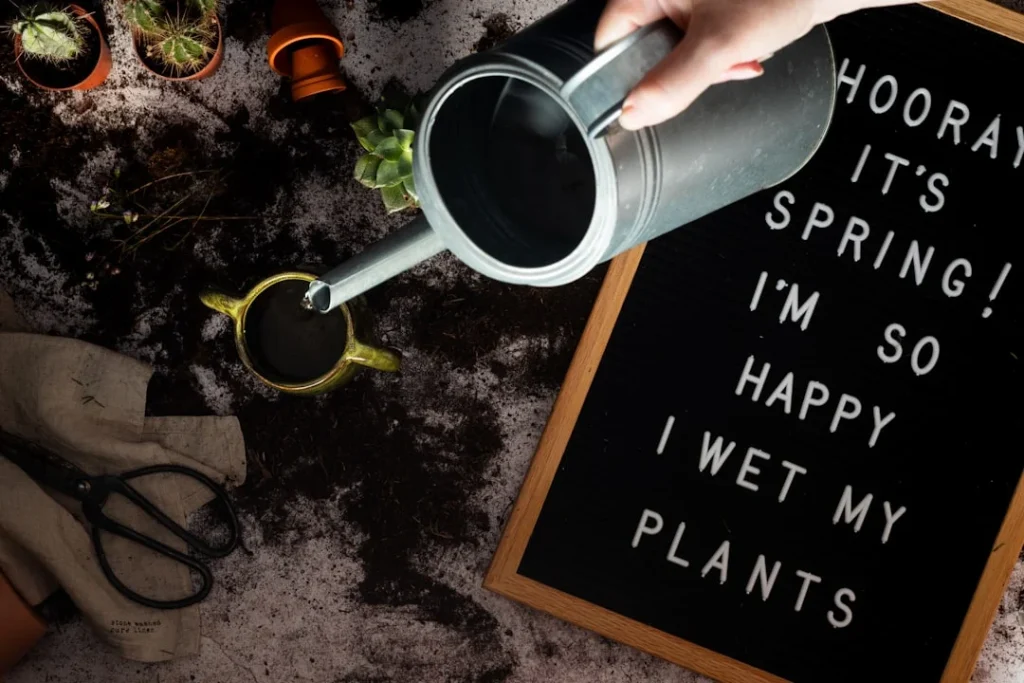
⏱ 25 min read
Table of Contents
- Why There's No Universal Watering Schedule
- The Five Factors That Control Watering Frequency
- What You Need Before You Start
- How to Water Indoor Plants: Step-by-Step
- Watering Schedules by Plant Type
- Seasonal Watering Adjustments by Climate
- Common Watering Mistakes and How to Fix Them
- Signs Your Plant Is Thirsty — Or Drowning
How often to water indoor plants is the single most-asked question I get from gardeners on every continent — and the honest answer surprises most people. It’s not once a week. It’s not every three days. The real answer is: it depends on five factors that most guides never even mention. Here’s what I mean. A gardener in Singapore and a gardener in Toronto can own the exact same pothos, in the same-sized pot, using the same soil — and one needs watering twice a week while the other needs it once every ten days. Understanding how often to water indoor plants starts with reading your plant, your environment, and your pot — not following a rigid calendar. By the end of this guide, you’ll know exactly why your previous watering attempts may have gone wrong, and you’ll have a reliable, science-backed system that works whether you’re in Mumbai, Manchester, Melbourne, or Miami. For more tips, check out our detailed article on Maintenance Indoor Plants for Busy Urban.
Quick Highlights
- Discover the five key factors that determine how often to water indoor plants in any climate
- Learn the finger-test and weight-test methods used by professional horticulturists worldwide
- Understand seasonal watering adjustments for tropical, temperate, arid, and cold climates
- Avoid the #1 killer of houseplants — overwatering — with a simple drainage checklist
- Get a ready-to-use watering frequency chart for 12 of the world's most popular houseplants
- Master soil moisture reading so you never guess again
Plant Characteristics at a Glance
| Common Name | Indoor Plants (houseplants, potted plants) |
| Scientific Name | Multiple species (Epipremnum, Spathiphyllum, Sansevieria, Monstera, Ficus, and many more) |
| Family | Varies by species — Araceae, Asparagaceae, Moraceae, Cactaceae, and others |
| Origin | Worldwide — tropical rainforests, deserts, Mediterranean regions, temperate woodlands |
| Habitat | Naturally adapted to forest floors, rocky outcrops, humid jungles, and arid plateaus depending on species |
| Plant Type | Includes evergreen perennials, succulents, cacti, epiphytes, ferns, and woody shrubs |
| Indoor Plant | Yes — all species covered are suitable for indoor cultivation |
| Outdoor Plant | Many can be moved outdoors in summer in temperate climates; some are frost-tender |
| Leaves | Varies: thin and papery (ferns, peace lily), thick and waxy (rubber plant, ZZ plant), or needle-like (cacti) |
| Flowers | Some produce flowers indoors (peace lily, orchid, African violet); many primarily grown for foliage |
| Flowering Season | Varies by species; many bloom spring to summer with correct light and watering |
| Fruit | Rarely produced indoors; some species such as citrus or monstera can fruit under optimal conditions |
| Seeds | Propagation more commonly via cuttings, division, or offsets for indoor species |
| Roots | Fibrous root systems for most; rhizomatous (ZZ plant), tuberous (some ferns), or aerial (monstera, orchids) |
| Height | 5 cm to 3+ m (2 inches to 10+ feet) depending on species and pot size |
| Growth Rate | Slow to fast — pothos and tradescantia are fast; ZZ plants and cacti are very slow |
| Light Requirements | Low to bright indirect light for most; direct sun for cacti and succulents; shade for ferns and peace lily |
| Soil Requirements | Well-draining indoor potting mix; succulents need sandy/gritty mix; ferns prefer moisture-retentive mix with perlite |
| Water Requirements | Low (cacti, succulents) to moderate-high (ferns, peace lily); always based on finger/weight test, not fixed schedule |
| Temperature Requirements | Most houseplants prefer 16–27°C (60–80°F); avoid below 10°C (50°F) for tropical species; no frost tolerance for most |
| Humidity Requirements | 40–60% RH for most tropical houseplants; cacti and succulents tolerate 20–30% RH |
| Propagation | Stem cuttings (pothos, philodendron), division (peace lily, ferns), offsets (aloe, spider plant), leaf cuttings (succulents) |
| Uses | Air purification, interior decoration, stress reduction, Ayurvedic and traditional medicinal use, edible herbs |
| Medicinal Properties | Some species used in Ayurveda (aloe vera — Kumari), TCM (snake plant — hu wei lan), and Western herbalism |
| Toxicity | Several common houseplants are toxic to pets and children — including pothos, peace lily, and dieffenbachia. Always check ASPCA toxicity list before placing plants in homes with pets or young children. |
| Cultural Significance | Deeply significant across cultures: tulsi (sacred in Hindu tradition), bamboo (prosperity in Chinese culture), peace lily (sympathy in Western tradition) |
| Common Pests | Fungus gnats (overwatering indicator), spider mites (low humidity), mealybugs, scale insects, thrips |
| Common Diseases | Root rot (Pythium, Phytophthora — caused by overwatering), powdery mildew, leaf spot, botrytis blight |
| Special Care Tips | Always use room-temperature water; avoid cold tap water for tropical species; flush soil every 2–3 months to remove salt buildup from fertilisers |
| Cultural Practices | Moon-phase watering is practiced in biodynamic horticulture; in Vastu Shastra, specific plants are placed in directional zones for energy balance |
| Vastu Direction | East or north for most indoor plants; avoid placing plants in the south-west corner; money plant (pothos) in south-east for prosperity |
How often to water indoor plants Names in Different Languages
| English | Indoor Plants / Houseplants |
| Mandarin Chinese | 室内植物 (Shìnèi zhíwù) |
| Spanish | Plantas de interior |
| Hindi | घर के पौधे (Ghar ke paudhe) |
| Gujarati | ઘરના છોડ (Gharanā chhoḍ) |
| Arabic | نباتات داخلية (Nabātāt dākhiliyya) |
| Bengali | ঘরের গাছ (Gharer gach) |
| Portuguese | Plantas de interior |
| Russian | Комнатные растения (Komnatnyye rasteniya) |
| Japanese | 室内植物 (Shitsunai shokubutsu) |
| Punjabi | ਘਰ ਦੇ ਪੌਦੇ (Ghar de paudhe) |
| German | Zimmerpflanzen |
| Javanese | Tanaman njero omah |
| Korean | 실내 식물 (Silnae sikmul) |
| French | Plantes d'intérieur |
| Telugu | ఇంటి మొక్కలు (Inti mokkalu) |
| Marathi | घरातील झाडे (Gharātīl jhāḍe) |
| Tamil | வீட்டு செடிகள் (Vīṭṭu ceṭikaḷ) |
| Urdu | گھر کے پودے (Ghar ke paudey) |
| Turkish | İç mekan bitkileri |
| Vietnamese | Cây trong nhà |
Why There's No Universal Watering Schedule
Here’s the thing that most gardening articles get wrong: they hand you a schedule — ‘water every seven days’ — as if all plants, pots, soils, and homes are the same. They’re not. Not even close.
In my experience, the biggest killer of houseplants isn’t neglect. It’s well-intentioned, calendar-driven overwatering. A 2021 survey by the Royal Horticultural Society (RHS) found that overwatering accounts for more houseplant deaths than any other single cause — including pests, disease, and light deprivation combined.
So why do so many guides still publish fixed schedules? Because they’re easy to write and easy to follow. But ‘easy’ and ‘effective’ are not the same thing.
The good news is that once you understand the five core factors controlling soil moisture, you’ll be able to judge how often to water indoor plants for any species, in any home, anywhere in the world. That system is what this guide teaches. For more tips, check out our detailed article on Trailing Indoor Plants for Shelves.
What Happens When You Overwater
Overwatering doesn’t drown a plant the way you might imagine. Instead, it suffocates the roots. Roots need oxygen in the soil pore spaces — waterlogged soil pushes that oxygen out. Within days, beneficial soil microbes die, root tissue begins to rot, and pathogenic fungi like Pythium and Phytophthora move in. The leaves may still look green for a week or two, which is why so many gardeners keep watering a plant that’s already dying. By the time yellowing or wilting appears, root damage is often severe. This is also why the phrase ‘how often to water indoor plants’ matters so much — frequency, not volume, is usually the problem. For more tips, check out our detailed article on Lithops Care Indoors.
What Happens When You Underwater
Underwatering is more forgiving — but only up to a point. Most houseplants evolved with dry spells in their native habitats and have built-in drought responses: closing stomata, shedding lower leaves, or going semi-dormant. However, repeated severe underwatering stresses the plant, reduces its immunity to pests, and can permanently damage fine root tips. The good news is that most underwatered plants recover within 24 to 48 hours of a deep, thorough watering — something overwatered plants almost never do. Many gardeners who grow this plant also love to read about signs of root rot in houseplants.
The Five Factors That Control Watering Frequency
Understanding how often to water indoor plants becomes straightforward once you know which variables actually matter. There are five, and they interact with each other — which is why a simple schedule can never work universally. For more tips, check out our detailed article on Hens and Chicks Succulent Care Indoors.
These factors apply equally whether you’re growing plants in a flat in London, a villa in Dubai, an apartment in New York, or a terrace garden in Chennai. Let’s go through each one clearly.
1. Plant Species and Its Native Habitat
A succulent from the Sonoran Desert and a peace lily from the Colombian rainforest have completely different water expectations. Desert plants store water in their tissues and actively resent frequent watering. Tropical plants like monstera and pothos prefer consistently moist (not wet) soil. According to Kew Gardens botanical records, matching a plant’s watering rhythm to its native rainfall pattern is the single most reliable indicator of correct frequency. As a rule of thumb: plants with thick, waxy, or fleshy leaves need less frequent watering; plants with thin, papery leaves need more.
2. Pot Size, Material, and Drainage
Pot choice dramatically changes how quickly soil dries out. Terracotta pots are porous — they wick moisture from the soil, so plants in terracotta may need watering 30–50% more often than the same plant in a glazed ceramic or plastic pot. Larger pots hold more soil volume and stay moist longer. Small pots dry out fast, especially in warm rooms. Crucially, any pot without drainage holes creates a waterlogged zone at the bottom — a ‘perched water table’ — that roots cannot escape. Always use pots with drainage holes.
3. Soil Composition and Drainage Rate
Standard garden soil is usually too dense for indoor use — it compacts, drains poorly, and stays wet for far too long. Well-draining indoor potting mix — ideally amended with perlite (volcanic glass granules that improve airflow) or coarse sand — dries out at a healthy pace. According to the USDA plant science guidelines, an ideal indoor potting mix should drain freely within 30–60 seconds of watering and reach near-dry conditions within five to seven days in average indoor conditions.
4. Light, Temperature, and Airflow
Plants in bright, sunny spots transpire faster — they breathe more water through their leaves — so they need watering more often. A plant in a shaded corner uses far less water. Similarly, warm rooms (above 24°C / 75°F) and dry, air-conditioned environments accelerate moisture loss from both plant and soil. In contrast, cool rooms (below 18°C / 64°F) slow evaporation considerably. Good airflow also increases the rate at which surface soil dries, which is your best visual cue.
5. Season and Growth Stage
Most indoor plants follow the outdoor seasons even when kept inside — they grow actively in spring and summer, and slow down in autumn and winter. During active growth, they consume more water and nutrients. In dormancy, their water needs can drop by 50% or more. Many gardeners — especially those new to houseplants — make the mistake of maintaining a summer watering schedule through winter, which is a primary cause of root rot in cool-climate households. June, for readers in the Northern Hemisphere, marks peak growing season: most tropical houseplants will need their most frequent watering of the year right now.
What You Need Before You Start
Before you can answer ‘how often to water indoor plants,’ gather a few simple tools. None of them are expensive — in fact, most cost under $5 USD (around ₹400, £4, or AUD 8).
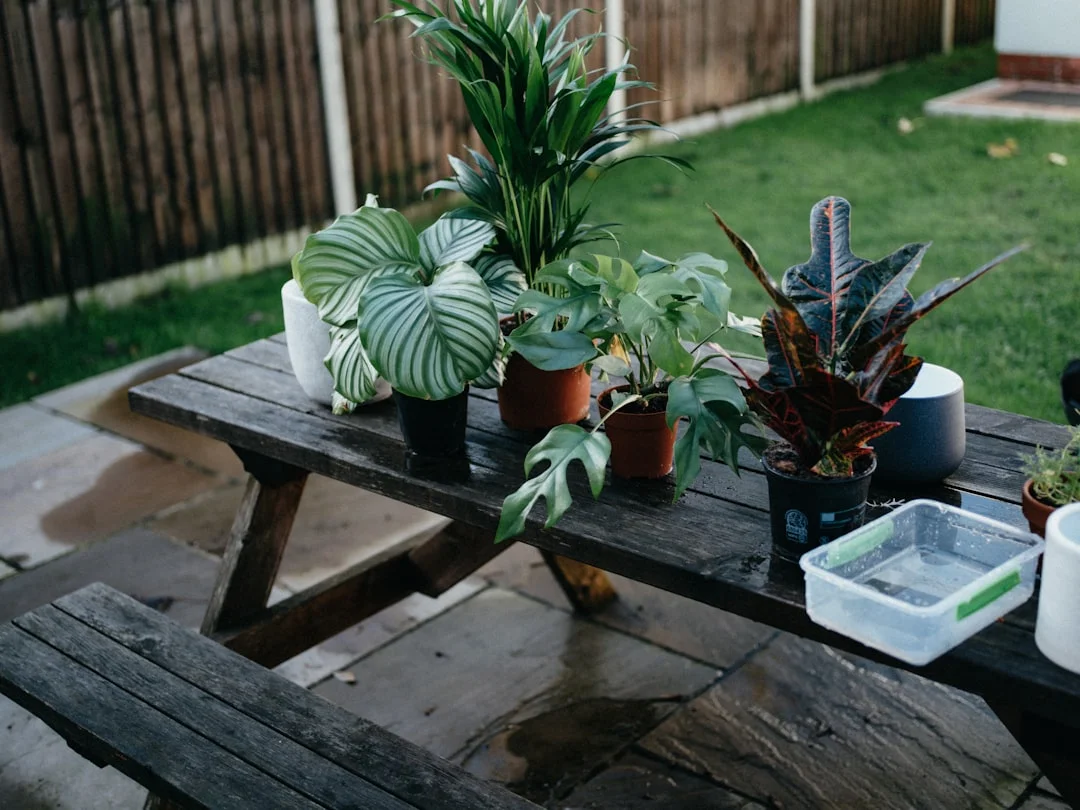
Essential Tools and Supplies
You’ll need: a watering can with a long, narrow spout (for precise, gentle watering at soil level); a moisture meter (optional but very helpful — available online for $8–$15 USD); a clean saucer or tray to catch drainage; well-draining indoor potting mix; perlite to improve drainage if your current mix feels dense; and a clean finger. Yes — your finger is your most reliable moisture-testing tool, and no gadget fully replaces it. You’ll also want good-quality pots with drainage holes and, ideally, a room thermometer-hygrometer to monitor temperature and humidity.
How to Water Indoor Plants: Step-by-Step
This process works for the vast majority of common houseplants — from ferns and philodendrons to snake plants and rubber trees. Follow these steps every single time you water, and you'll develop an intuitive sense of your plants' needs within just a few weeks.
- The Finger-Test and Weight-Test Methods
The finger test: push your index finger 2–3 cm (about an inch) into the soil. If it feels damp, wait. If it feels dry at that depth, it's time to water. For drought-tolerant plants like succulents and cacti, wait until the soil is dry to 5–7 cm (2–3 inches) depth before watering. The weight test: lift the pot immediately after watering so you know what 'fully watered and heavy' feels like. Lift it again two days later. When it feels noticeably lighter, moisture has dropped to a safe watering point. Many experienced gardeners find the weight test faster and more intuitive than the finger test.
- Bottom Watering vs. Top Watering
Top watering — pouring water onto the soil surface — is the most common method and works well for most plants. Water slowly and evenly across the entire soil surface until water drains freely from the bottom holes. Empty the saucer after 30 minutes. Bottom watering — setting the pot in a shallow tray of water and letting the soil wick moisture upward — is excellent for African violets, which dislike wet leaves, and for any plant that tends toward top-soil compaction. Let the pot sit in water for 20–30 minutes, then remove and allow to drain fully.
Watering Schedules by Plant Type
While a fixed calendar doesn’t work, a rough frequency range by plant category is genuinely useful as a starting point. Think of these ranges as guidelines, not rules — always defer to the finger test over the calendar. Understanding how often to water indoor plants by category will save you a lot of guesswork, especially when you’re new to a particular species.
Many gardeners find it helpful to keep a simple watering journal for the first three months with a new plant — noting the date, soil feel, and how the plant responded. You’ll quickly spot its personal rhythm.
Houseplant Watering Frequency Reference Table
Here’s a practical reference chart for 12 of the world’s most popular indoor plants:
• Pothos (Epipremnum aureum): every 7–10 days in summer, every 14 days in winter • Peace lily (Spathiphyllum): every 5–7 days; prefers consistently moist soil • Snake plant (Sansevieria trifasciata): every 14–21 days in summer, every 30 days in winter • Spider plant (Chlorophytum comosum): every 7–10 days in summer, every 14–21 days in winter • Monstera deliciosa: every 7–10 days; let top 5 cm dry between waterings • Fiddle-leaf fig (Ficus lyrata): every 7–10 days; very sensitive to overwatering • Aloe vera: every 14–21 days in summer, once a month in winter • ZZ plant (Zamioculcas zamiifolia): every 14–21 days; extremely drought-tolerant • Orchid (Phalaenopsis): every 7 days; water bark medium, not soil • Boston fern (Nephrolepis exaltata): every 3–5 days; keep consistently moist • Rubber plant (Ficus elastica): every 7–10 days in summer, every 14–21 days in winter • Cactus (various species): every 14–21 days in summer, once a month in winter
Remember — these are Northern Hemisphere summer figures. Reverse ‘summer’ and ‘winter’ if you’re in Australia, New Zealand, South Africa, or South America.
Seasonal Watering Adjustments by Climate
One of the most overlooked aspects of how often to water indoor plants is how dramatically the answer changes by season and climate zone. A plant in Singapore — where there’s no real winter — needs a different approach than the same species sitting on a windowsill in Edinburgh in January.
For readers in tropical climates (India, Southeast Asia, Central America, sub-Saharan Africa), temperature stays relatively stable year-round, but humidity swings significantly between wet and dry seasons. During dry season, indoor air can become surprisingly desiccated, so water needs may increase even without a temperature drop.
Temperate Climates (UK, US Pacific Northwest, Northern Europe)
In temperate zones, the difference between summer and winter watering is stark. During summer (June–August in the Northern Hemisphere), long days and warm rooms mean most plants need watering every 5–10 days. However, by December and January, the same plants may only need watering every 14–21 days. Central heating is a double-edged sword: it warms rooms (good for growth) but dramatically lowers humidity (bad for moisture balance). The RHS recommends grouping plants together in winter to create a shared humidity microclimate — a simple and highly effective strategy.
Arid and Mediterranean Climates (Middle East, California, Southern Australia, Southern Spain)
In hot, dry environments, indoor air conditioning creates a desert-like atmosphere inside the home. Evaporation from soil surfaces is rapid, and plants may need watering more frequently — sometimes every 3–5 days for moisture-loving species. Simultaneously, outdoor-grown succulents and cacti from these regions can go weeks without water. The key distinction is always humidity: use a hygrometer (a device that measures relative humidity) to monitor your indoor air. If humidity drops below 40%, consider a small humidifier near your tropical plants and adjust your watering schedule accordingly.
Continental Climates (US Midwest, Canada, Russia, Central Asia)
Continental climates feature wide temperature swings — hot summers and cold winters. Indoor plants here experience the greatest seasonal variation in watering needs. In summer, water frequently and watch for heat stress near south-facing windows. In winter, reduce watering dramatically as growth slows and heating systems dry the air. Many gardeners in Toronto, Chicago, or Moscow are shocked to discover that their plants need only one-third the winter water they needed in July. This is normal, expected, and healthy for the plant.
Common Watering Mistakes and How to Fix Them
Even experienced gardeners make watering errors. In fact, most of the plant emergencies I hear about are caused by one of six predictable mistakes. The encouraging part: every single one is fixable once you know what you’re looking at.
Understanding how often to water indoor plants correctly means recognising these patterns before they cause serious damage.
Watering on a Fixed Calendar
The ‘water every Sunday’ habit is the most common mistake in houseplant care. It ignores the fact that soil drying rate changes every week depending on temperature, light, and humidity. Instead, use the finger test or weight test every time, and let the plant — not the calendar — tell you when it’s thirsty. Some weeks your plants will need water every five days; other weeks, every twelve. That variability is completely normal.
Using Pots Without Drainage
Decorative pots without holes are everywhere — and they’re quietly killing houseplants worldwide. Water accumulates in the bottom, roots rot, and the soil becomes anaerobic (oxygen-free). If you love a decorative cachepot, simply use it as a sleeve: keep your plant in a plain nursery pot with holes, and set that pot inside the decorative outer pot. Remove it to water, let it drain, then return it.
Shallow, Surface-Level Watering
Drizzling a small amount of water onto the surface trains roots to grow upward toward the moisture — exactly the opposite of what you want. Deep roots anchor the plant and access a larger volume of soil. Always water thoroughly until water flows freely from the drainage holes. This ensures the entire root zone is moistened equally, encouraging deep, healthy root development.
Signs Your Plant Is Thirsty — Or Drowning
Plants communicate constantly. Once you learn their language, you’ll know how often to water indoor plants for each specific specimen in your home — without any tools at all. Here are the key signals to watch for, along with what each one actually means.
For our full deep-dive into keeping houseplants healthy year-round, visit our indoor plant care guide — it covers everything from light and soil to pest management and seasonal care.
Signs of Underwatering
Look for: dry, crispy leaf edges (especially on lower leaves); drooping or wilting that doesn’t recover overnight; soil pulling away from the pot edges (a classic sign of very dry soil); leaves curling inward to reduce water loss; and a pot that feels unusually light. Most underwatered plants recover quickly with a thorough, deep watering. For very dry soil that has become hydrophobic (repelling water), place the pot in a basin of lukewarm water for 20–30 minutes to allow the soil to slowly rehydrate from below.
Signs of Overwatering
Overwatering signs include: yellowing lower leaves (the most common early sign); mushy or dark stem bases; a sour or musty smell from the soil; fungus gnats hovering around the soil (they breed in consistently wet organic matter); brown leaf tips combined with yellowing; and a pot that still feels heavy five to seven days after watering. If you suspect root rot, unpot the plant, trim any black or mushy roots with clean scissors, dust with powdered cinnamon (a natural antifungal), and repot in fresh, dry mix. Many plants recover completely from moderate root rot if caught early.
Frequently Asked Questions
How often to water indoor plants in winter?
In winter, most indoor plants need watering 50–70% less frequently than in summer. Growth slows, evaporation drops, and root activity decreases. For most tropical houseplants — pothos, monstera, rubber plants — watering once every 14–21 days is sufficient in cooler months. Always use the finger test: water only when the top 2–3 cm of soil is dry. Overwatering in winter is the most common cause of root rot in temperate climates such as the UK, Canada, and northern US states.
How do I know when my indoor plant needs water?
The most reliable method is the finger test: push your index finger 2–3 cm (about one inch) into the soil. If it feels damp, wait. If dry, water thoroughly. You can also lift the pot — a light pot means dry soil; a heavy pot means moisture is still present. Visual cues include slightly drooping leaves, dry soil pulling away from the pot edges, and curling foliage. These signals are more reliable than any fixed watering schedule.
Can I water all my indoor plants on the same schedule?
No — and this is exactly where most people go wrong when figuring out how often to water indoor plants. A snake plant and a Boston fern sitting side by side need completely different watering frequencies. Snake plants may need water every 14–21 days; ferns may need water every 3–5 days. Group plants by their water needs rather than by location, and test each pot individually. A moisture meter can help if you have many plants with different requirements.
Is tap water safe for indoor plants?
In most cities worldwide, tap water is safe for indoor plants. However, very chlorinated water (common in some US and UK municipal supplies) can cause brown leaf tips in sensitive plants like spider plants and peace lilies. A simple fix: fill a jug with tap water and leave it overnight — chlorine dissipates naturally. In areas with very hard water (high calcium/magnesium), occasional flushing with filtered or collected rainwater helps prevent mineral salt buildup in the soil.
How often should I water indoor plants in a hot, dry climate like the Middle East or Australia?
In hot, arid climates — Dubai, Riyadh, Phoenix, or inland Australia — indoor air conditioning can lower humidity to 20–30%, accelerating soil moisture loss significantly. In these environments, moisture-loving plants like ferns and peace lilies may need watering every 3–5 days, even in winter. Meanwhile, succulents and cacti still prefer dry conditions and should be watered no more than every 14–21 days. Always use the finger test regardless of climate, since indoor air conditioning varies widely.
Are any common indoor plants toxic to pets or children?
Yes — several popular houseplants are toxic if ingested. Pothos (Epipremnum aureum) and peace lily (Spathiphyllum) are mildly toxic to cats and dogs. Dieffenbachia and philodendron can cause mouth irritation and swelling. Aloe vera gel is safe for humans topically but toxic to dogs and cats internally. Always check the ASPCA Animal Poison Control database or consult your vet before introducing new plants to a home with pets or young children. The [RHS](https://www.rhs.org.uk/) also maintains a list of plants toxic to humans.
Should I mist my indoor plants instead of watering them?
Misting is not a substitute for watering — it only wets the leaf surface and does nothing for the root zone. However, misting can be genuinely useful for tropical plants in dry, air-conditioned environments to temporarily raise humidity around the foliage. For plants like ferns, orchids, and calatheas, misting 2–3 times a week in addition to regular soil watering supports healthy leaf development. Avoid misting plants with velvety leaves (African violets) or plants prone to fungal disease, as wet foliage encourages mould growth.
How often to water indoor plants that are newly repotted?
After repotting, water the plant thoroughly once — enough to moisten the entire new root zone — and then wait. Newly repotted plants are under mild stress and have temporarily reduced water uptake capacity while roots establish in fresh soil. Overwatering at this stage is a common mistake. Wait until the finger test shows the top 3 cm are dry before watering again, which may be 7–14 days depending on the species, pot size, and your climate. Keep newly repotted plants in bright, indirect light to support recovery.
Final Thoughts
Figuring out how often to water indoor plants doesn’t have to be a guessing game. Once you understand the five core factors — plant species, pot type, soil composition, light and temperature, and seasonal growth stage — you’ll stop relying on arbitrary schedules and start reading your plants directly. The finger test and the weight test are your two most powerful tools, and they cost nothing. Whether you’re caring for a pothos in a London flat, a fiddle-leaf fig in a Sydney apartment, or an aloe vera on a windowsill in Chicago, the same principles apply. Start observing your plants rather than following a calendar, adjust your frequency with the seasons, and always ensure your pots have drainage. In my experience, gardeners who develop this observational habit rarely lose another plant to overwatering or underwatering again. Your plants are telling you what they need — you just have to learn to listen.

