
⏱ 20 min read
Table of Contents
- Overview: Why Capsicum Is a Winter Favourite
- Best Capsicum Varieties for Pot Growing
- Price Range: What to Expect in 2026
- Where to Buy Capsicum Plants Online and Offline
- What to Look For Before Buying
- Step-by-Step: Settling Your New Capsicum Into a Pot
- Care After Buying: First 30 Days
- Growing Across Climates: Tropical to Temperate
- Common Problems and Quick Fixes
- Frequently Asked Questions
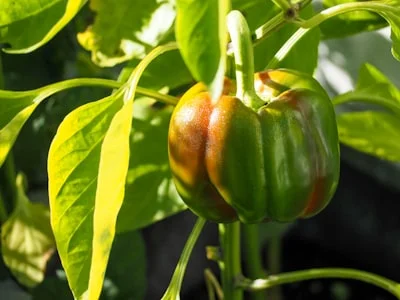
Looking to start a capsicum grow pot India journey this winter? You’re in the right spot. Capsicum (Capsicum annuum grossum), known as शिमला मिर्च in Hindi and bell pepper across the world, is one of the easiest fruiting vegetables to grow at home. Winter (October–February) is the perfect season for a capsicum grow pot India setup because cool nights and mild days push the plant to flower and fruit beautifully. In this buying guide, you’ll learn which varieties thrive best, where to buy healthy seedlings online, what prices to expect, and how to spot a quality plant. Whether you garden on a Mumbai balcony, a London windowsill, or a Sydney patio, the tips here work across climates. I’ve been growing capsicum for over a decade, so I’ll share practical hacks too. Let’s dig in. If you enjoy growing this plant, you might also find our guide on Chilli Grow Pot at Home very useful.
Quick Highlights
- Discover the top 6 capsicum varieties perfect for pot growing in winter
- Compare prices across Ugaoo, NurseryLive, and Amazon Plants (₹50–₹450 range)
- Learn how to spot healthy seedlings before buying online or at a nursery
- Master container care from soil mix to pest control across climates
- Get answers to global gardener questions on indoor, cold, and tropical growing
- Follow a step-by-step transplant guide to settle your new plant in fast
Plant Characteristics at a Glance
| Common Name | Capsicum, Bell Pepper, Sweet Pepper, Shimla Mirch |
| Scientific Name | Capsicum annuum var. grossum |
| Family | Solanaceae (Nightshade family) |
| Origin | Central and South America (Mexico, Bolivia) |
| Habitat | Warm temperate to subtropical regions, well-drained soils |
| Plant Type | Herbaceous annual (perennial in tropical zones) |
| Indoor Plant | Yes, with grow lights or bright south-facing window |
| Outdoor Plant | Yes, ideal for balconies, patios, and kitchen gardens |
| Leaves | Oval, smooth, deep green, 5–12 cm long |
| Flowers | Small, white, star-shaped, self-pollinating |
| Flowering Season | 30–45 days after transplant; winter in India |
| Fruit | Hollow, blocky berry; green, red, yellow, orange, or purple |
| Seeds | Flat, cream-coloured, 50–100 per fruit |
| Roots | Fibrous, shallow taproot system 20–30 cm deep |
| Height | 45–90 cm (1.5–3 ft) depending on variety |
| Growth Rate | Moderate; 70–90 days from transplant to harvest |
| Light Requirements | 6–8 hours direct sunlight daily |
| Soil Requirements | Well-drained loamy soil, pH 6.0–6.8, rich in organic matter |
| Water Requirements | Moderate; keep evenly moist, avoid waterlogging |
| Temperature Requirements | 18–28°C (64–82°F) ideal; below 10°C (50°F) stunts growth |
| Humidity Requirements | 50–70% relative humidity |
| Propagation | Seeds (most common); cuttings possible but rare |
| Uses | Culinary (salads, curries, stir-fries), salsa, stuffed peppers |
| Medicinal Properties | Rich in vitamin C, antioxidants; supports immunity and eye health |
| Toxicity | Safe for humans; leaves/stems mildly toxic to cats and dogs |
| Cultural Significance | Central to Mexican, Indian, Mediterranean, and Hungarian cuisines |
| Common Pests | Aphids, whiteflies, spider mites, thrips, fruit borers |
| Common Diseases | Powdery mildew, bacterial leaf spot, blossom-end rot, mosaic virus |
| Special Care Tips | Stake plants once they reach 30 cm; pinch first flower for stronger growth |
| Cultural Practices | Crop rotation, mulching, regular pruning of side shoots |
| Vastu Direction | East or north-east balcony for best energy and sunlight |
Capsicum grow pot Names in Different Languages
| English | Capsicum / Bell Pepper / Sweet Pepper |
| Mandarin Chinese | 甜椒 (Tián jiāo) |
| Spanish | Pimiento / Pimentón |
| Hindi | शिमला मिर्च (Shimla Mirch) |
| Gujarati | ઢોલર મરચું (Dholar Marchu) |
| Arabic | فلفل حلو (Filfil Hulw) |
| Bengali | ক্যাপসিকাম / সিমলা মরিচ (Capsicum / Simla Morich) |
| Portuguese | Pimentão |
| Russian | Болгарский перец (Bolgarsky perets) |
| Japanese | ピーマン (Pīman) / パプリカ (Papurika) |
| Punjabi | ਸ਼ਿਮਲਾ ਮਿਰਚ (Shimla Mirch) |
| German | Paprika |
| Javanese | Paprika / Cabai paprika |
| Korean | 파프리카 (Papeurika) / 피망 (Pimang) |
| French | Poivron |
| Telugu | క్యాప్సికం / సిమ్లా మిర్చి (Capsicum / Simla Mirchi) |
| Marathi | ढोबळी मिरची (Dhobli Mirchi) |
| Tamil | குடை மிளகாய் (Kudai Milagai) |
| Urdu | شملہ مرچ (Shimla Mirch) |
| Turkish | Dolmalık biber |
| Vietnamese | Ớt chuông |
Overview: Why Capsicum Is a Winter Favourite
Capsicum annuum grossum is a warm-season crop that, oddly enough, performs best during the cool Indian winter. Why? Because daytime temperatures of 20–28°C (68–82°F) and nights above 15°C (59°F) trigger heavy flowering. Push it into a hot summer and the flowers simply drop. That’s why a capsicum grow pot India plan launched between October and December gives you fruit by January through March. If you enjoy growing this plant, you might also find our guide on growing tomatoes in pots very useful.
The plant comes from Central and South America. Spanish traders carried it to Asia in the 16th century, and India quickly adopted it. Today, you’ll find capsicum in stir-fries from Bangkok, salads in Madrid, and curries in Hyderabad. According to Kew Gardens, the Capsicum genus contains over 30 species, but C. annuum grossum is the sweet, blocky bell pepper most home gardeners want.
In my experience, new gardeners love capsicum because it rewards small effort with colourful fruit. Red, yellow, green, even purple — the colour palette alone makes it worth the pot space.
Quick Snapshot of Growing Needs
Here’s the short version. Capsicum needs 6–8 hours of direct sun, well-draining loamy soil with a pH of 6.0–6.8, and steady moisture without waterlogging. A 12-inch (30 cm) pot suits one plant. Feed every two weeks once flowers appear. Importantly, the plant hates frost — anything below 10°C (50°F) stunts growth fast. So if you’re in a cooler region like the UK or Canada, bring pots indoors when nights cool. The RHS suggests starting seeds under glass in early spring for temperate gardens. That said, if you live in tropical or subtropical India, winter outdoors is ideal.
Best Capsicum Varieties for Pot Growing
Not every capsicum suits a container. Some grow tall and floppy. Others stay compact and produce heavily in small spaces. For a successful capsicum grow pot India project, pick varieties bred for containers or hybrids with strong disease resistance. Below are six top picks tested by home gardeners and nursery experts.
Furthermore, mixing colours adds visual punch and nutritional variety. Red bells carry more vitamin C than oranges, while yellows hit a sweeter note. So plant two or three different types if space allows.
California Wonder (Green to Red)
The classic. California Wonder is an open-pollinated variety with thick walls and blocky fruit. It matures in 70–80 days from transplant. Plants stay around 60–75 cm tall, making them perfect for a 12-inch pot. Fruit starts green and ripens red if left on the plant. Many gardeners find this variety the most forgiving for beginners.
Indra F1 and Bombby F1 Hybrids
These Indian-bred hybrids handle heat and humidity better than older types. Indra produces deep green fruit that turns red, while Bombby gives a yellow bell. Both yield 8–12 fruits per plant in pots. They cost a bit more but resist common viruses like the Tomato Mosaic Virus. For a serious capsicum grow pot India harvest, hybrids pay off.
Mini Bell and Patio Choice
If you’re tight on space — say, a small balcony in Singapore or a kitchen windowsill in Toronto — go for dwarf varieties. Mini Bell tops out at 45 cm and produces tiny snack-sized peppers. Patio Choice F1 stays equally compact. Both fruit heavily in 8–10 inch pots.
Price Range: What to Expect in 2026
Prices have stayed fairly stable since 2024, with mild rises in premium hybrids. Here’s a clear breakdown of what you’ll pay for a capsicum grow pot India setup in mid-2026. Costs vary by city, but the ranges below cover most of urban India.
For international readers: ₹100 is roughly $1.20 USD, £0.95 GBP, or AUD $1.80. So even a premium plant rarely crosses $5 USD equivalent.
Seed Packets vs Seedlings vs Grown Plants
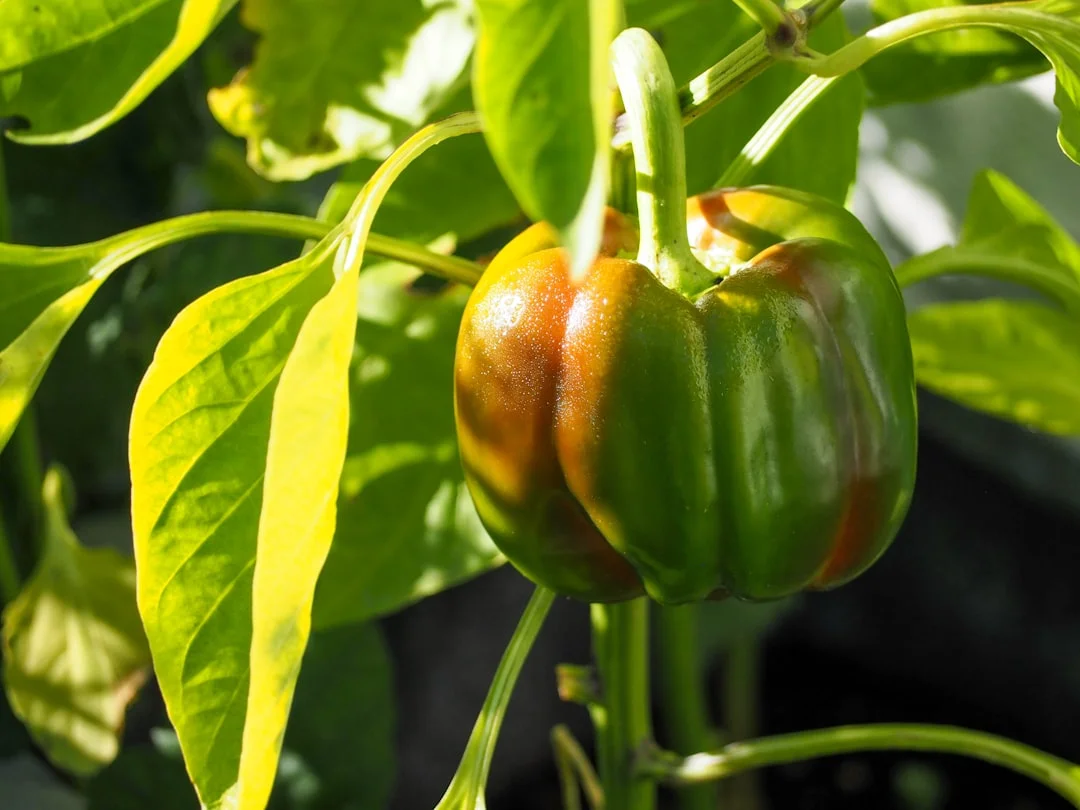
Seeds are cheapest at ₹40–₹120 ($0.50–$1.45) per packet of 20–50 seeds. Seedlings (3–4 weeks old) cost ₹50–₹150 each. Ready-to-fruit grown plants in a 6-inch pot run ₹200–₹450 ($2.40–$5.40). Premium grafted plants from boutique nurseries can hit ₹600. In my experience, seedlings give the best value — you save money and skip the fiddly germination stage.
Hidden Costs: Pots, Soil, and Fertiliser
Don’t forget the supporting cast. A good 12-inch ceramic or plastic pot costs ₹150–₹500. Quality potting mix runs ₹200–₹400 for 5 kg. Add ₹150 for organic compost and ₹100 for neem cake. Total starter budget for one plant: roughly ₹700–₹1,500 ($8–$18). Globally, expect similar pricing in USD or GBP from chains like Home Depot or B&Q.
Where to Buy Capsicum Plants Online and Offline
India’s online plant scene has exploded since 2020. You now have several trusted sellers shipping nationwide. However, quality varies, so stick with reputable names. Below are the top three for any capsicum grow pot India order, plus offline options.
Meanwhile, if you prefer touching the plant before buying, local nurseries still beat online for freshness. Visit them in the morning when stock looks freshest.
Top Online Nurseries
Ugaoo (ugaoo.com) sells healthy seedlings and seeds with reliable packaging — capsicum seeds at ₹49, seedlings around ₹199. NurseryLive (nurserylive.com) offers a wider variety pack including coloured bells; seedlings ₹149–₹299. Amazon Plants section lists multiple sellers; check reviews carefully because quality swings. For premium hybrids, try Mahyco or Namdhari seed packets sold via these platforms.
Offline: Local Nurseries and Mandis
Most Indian cities have plant mandis — Galiff Street in Kolkata, Lalbagh in Bangalore, Ghazipur in Delhi. Prices here drop 30–40% below online rates. Government-run KVK (Krishi Vigyan Kendra) centres also sell certified seedlings at subsidised rates. The IARI extension wing publishes lists of approved varieties for your region.
International Buying Tips
For US readers, try Burpee or Bonnie Plants. UK gardeners can shop at Thompson & Morgan or Sutton Seeds. Australian buyers turn to Diggers Club or Bunnings. Always check that imported seeds meet your country’s phytosanitary rules to avoid customs trouble.
What to Look For Before Buying
A healthy capsicum seedling sets the tone for the whole season. Buy a weak one and you’ll fight problems for months. Buy a strong one and the plant almost grows itself. Here’s what to inspect.
First, check the leaves. They should be deep green, firm, and free of yellow spots or curl. Curled leaves often mean aphid damage or virus. Next, look at the stem. A sturdy, slightly thick stem signals good root growth below. Thin, leggy stems mean the seedling sat in low light too long.
The 5-Point Health Check
1) Leaf colour: rich green, no yellowing. 2) Stem: thick, upright, no dark spots. 3) Roots: peek at the drainage hole — white roots are good, brown or mushy roots are bad. 4) Pests: flip leaves to check for tiny white flies, aphids, or webbing. 5) Soil: should feel moist but not waterlogged. Skip any plant that fails two or more of these checks, even if it’s discounted.
Red Flags to Avoid
Watch out for flowers or fruit on a seedling — that’s a sign of stress, not strength. Also avoid plants with crusty white patches on soil (salt buildup from over-fertilising). Furthermore, dodge any nursery that won’t let you inspect the plant before purchase. For online orders, demand a 48-hour replacement guarantee. Ugaoo and NurseryLive both offer this.
Step-by-Step: Settling Your New Capsicum Into a Pot
Once your plant arrives, don’t rush the transplant. A wrong move now can set the plant back by two weeks. Follow these steps in order for the best results.
Tools and Materials You'll Need
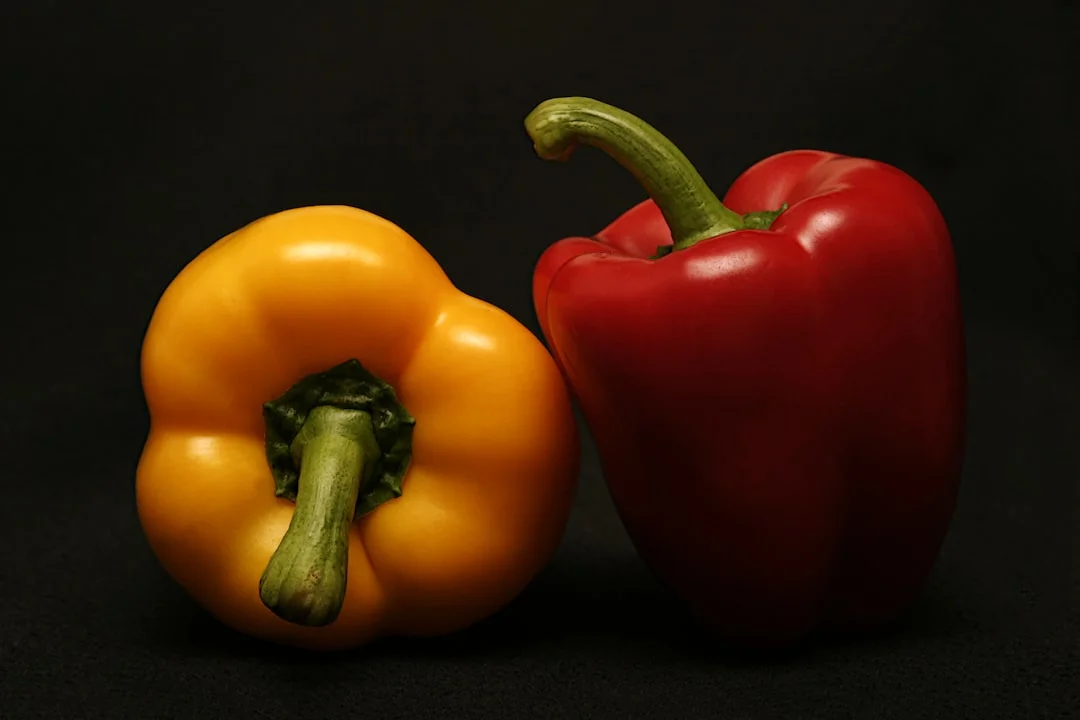
Grab a 12-inch pot with drainage holes, a quality potting mix (40% garden soil, 30% compost, 20% cocopeat, 10% sand), a small trowel, a watering can, and a stake or small bamboo stick for support. Optional but useful: neem cake powder, mycorrhizae powder, and a pair of gardening gloves. Total prep time is about 20 minutes.
Care After Buying: First 30 Days
The first month decides whether your plant thrives or struggles. Stress during transplant slows growth, so treat the seedling gently. Place the pot in dappled light for 3–4 days before moving it to full sun. This avoids leaf scorch.
Water every 2–3 days in winter, checking the top inch of soil first. Stick your finger in — if it feels dry, water deeply until liquid runs from the drainage hole. Over-watering kills more capsicum plants than any pest. In fact, root rot from soggy soil is the number one beginner mistake.
Feeding Schedule
Wait 10 days after transplant before any feeding. Then start with a weak dose of liquid seaweed or compost tea every 14 days. Once flowers form (around week 4), switch to a high-potassium fertiliser like NPK 5-10-10 or a banana peel tea. Calcium matters too — a teaspoon of crushed eggshell mixed into the topsoil prevents blossom-end rot. Avoid high-nitrogen feeds; they grow leaves at the cost of fruit.
Light, Temperature, and Humidity
Aim for 6 hours of direct sun minimum. South-facing balconies work best in India. For temperate gardens, supplement with grow lights from November through February. Keep temperatures between 18–28°C (64–82°F). Humidity around 50–70% suits the plant; mist lightly if your indoor air runs dry from heaters.
Growing Across Climates: Tropical to Temperate
Capsicum grows almost anywhere with the right adjustments. Here’s how to adapt your capsicum grow pot India approach (or anywhere else) to local weather.
In tropical India (Mumbai, Chennai, Bangalore), winter is the prime growing window. October sowing gives January fruit. Move pots to morning sun only during peak summer to dodge scorch. Meanwhile, in temperate zones like the UK and US Pacific Northwest, start seeds indoors in February under grow lights and shift pots outside after the last frost.
Arid and Mediterranean Regions
In Dubai, Riyadh, or southern Spain, plant in autumn (October–November) and shade pots from midday sun. Use mulch heavily to lock in moisture. Drip irrigation works wonders here. Add 20% extra cocopeat to your potting mix for better water retention.
Cold and Continental Climates
Canadian winters or Midwest US cold? Grow capsicum entirely indoors near a south window with supplemental LED grow lights running 12 hours daily. Keep room temperatures above 18°C (64°F). According to USDA growing guides, capsicum is hardy only in zones 9–11 outdoors, so northern gardeners must treat it as an indoor or summer annual.
Common Problems and Quick Fixes
Even with perfect care, issues pop up. Don’t panic — most are easy to fix if caught early. Below are the top three problems and their solutions.
Aphids attack tender new leaves. Spray with neem oil (5 ml per litre of water) every 5 days until clear. Blossom drop happens when temperatures swing wildly or pollination fails; gently shake the plant midday to spread pollen. Yellow leaves usually mean over-watering or nitrogen deficiency — check soil moisture first, then feed if needed.
Pest and Disease Quick Table
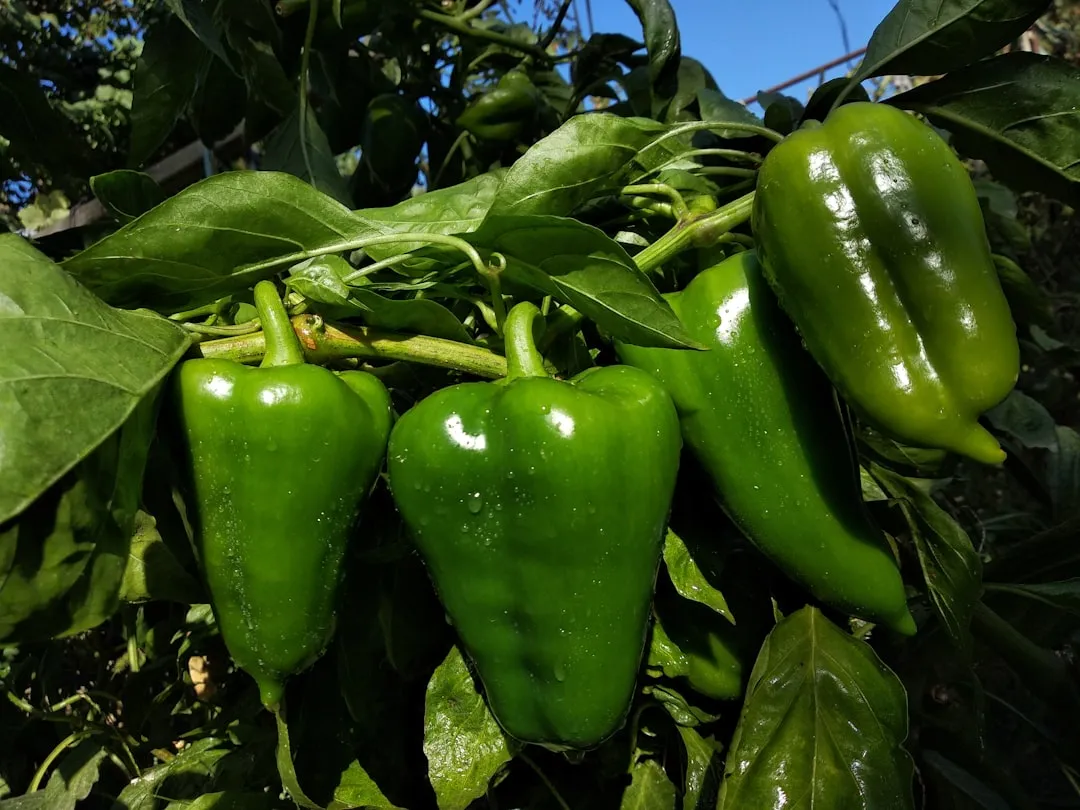
Whitefly: yellow sticky traps + neem spray. Spider mite: increase humidity and wipe leaves with soapy water. Fungal leaf spot: remove affected leaves, improve airflow, spray with a 1:10 baking soda solution. Powdery mildew: same treatment plus reduced overhead watering. Catch issues within 48 hours and most won’t spread.
Frequently Asked Questions
Below are the questions I hear most often from readers across India, the UK, the US, and Australia. If you have more, drop them in the comments.
Frequently Asked Questions
Can I grow capsicum indoors in a cold climate?
Yes, absolutely. In cold regions like Canada, the UK, or the northern US, grow capsicum indoors near a bright south-facing window. Add a full-spectrum LED grow light running 12 hours daily during winter. Keep room temperatures above 18°C (64°F). Use a 12-inch pot with well-draining soil. Hand-pollinate flowers by gently shaking the plant or using a soft brush, since indoor air lacks wind and bees. With these steps, even snowed-in gardeners can harvest fresh peppers all year.
Is capsicum safe for pets like cats and dogs?
The ripe fruit is non-toxic to dogs and cats in small amounts, but the leaves, stems, and unripe green parts contain solanine, a mild toxin from the nightshade family. According to the ASPCA, pets that chew leaves may suffer drooling, vomiting, or stomach upset. Keep pots out of reach of curious pets, especially kittens and puppies. If your pet eats a large amount of foliage, contact your vet. Stick to small bites of ripe red or yellow flesh as an occasional treat.
How long does a capsicum grow pot setup take to fruit?
A typical capsicum grow pot India project takes 70–90 days from transplanting a seedling to the first harvest. If you start from seed, add another 30–40 days for germination and seedling growth. Hybrids like Indra F1 fruit slightly faster than open-pollinated types like California Wonder. Winter sowing in October usually delivers ripe peppers by mid-January. Patience pays off — let fruit ripen on the plant for the sweetest flavour and the highest vitamin C content.
What's the best pot size for a capsicum grow pot project?
For a capsicum grow pot India setup, use a pot at least 12 inches (30 cm) wide and deep. This gives roots enough space to support fruit production. Smaller pots stunt the plant and reduce yield. Dwarf varieties like Mini Bell work in 8-inch pots. Always check for drainage holes — soggy roots kill capsicum fast. Plastic, ceramic, or fabric grow bags all work. Fabric pots offer the best airflow and root health, especially in humid Indian climates.
Why are my capsicum flowers dropping without forming fruit?
Flower drop is the most common capsicum complaint. It happens when night temperatures fall below 15°C (59°F) or rise above 30°C (86°F). Poor pollination, drought stress, or nutrient imbalance also trigger it. Fix it by keeping the plant in stable temperatures, watering consistently, and feeding with a high-potassium fertiliser when buds form. Tap or shake the plant gently around noon to spread pollen. Within two to three weeks, healthy fruit set should resume on new flowers.
How much sunlight does capsicum need in tropical climates?
In tropical climates like India, Thailand, or coastal Brazil, capsicum needs 6 hours of direct sun during winter when the sun is mild. However, in summer, give morning sun only and shield from harsh afternoon rays above 35°C (95°F). Use shade cloth (30–50%) during peak heat. East-facing balconies work brilliantly. Too little light gives leggy plants with few fruit, while too much heat causes flower drop. Balance is key for steady production through the cool growing season.
Are organic or hybrid capsicum seeds better for beginners?
Hybrid seeds (F1) are better for first-time growers. They resist common diseases like mosaic virus and produce heavier yields. Open-pollinated organic seeds, like California Wonder, taste great but need more careful pest management. Hybrids cost slightly more — about ₹120 versus ₹50 per packet — but the higher success rate is worth it. Once you've grown one or two successful crops, try saving seeds from organic varieties for the next round. Both types work well in a balcony or terrace garden.
Does capsicum have any traditional medicinal uses?
Yes. Capsicum is valued in several traditions. Ayurveda uses sweet capsicum to support digestion and circulation, though hot chillies are more common in classical texts. Traditional Chinese Medicine views it as warming and pungent, aiding digestion. Western herbalism praises bell peppers as a top vitamin C source, supporting immunity and skin health. The [NIH](https://www.nih.gov/) notes one medium red bell pepper provides over 150% of daily vitamin C needs. As always, eat as food, not medicine, and check with a doctor if you're on blood thinners.
Final Thoughts
Starting a capsicum grow pot India project this winter is one of the most rewarding gardening moves you can make. With prices between ₹50 and ₹450 for a seedling, easy access through Ugaoo, NurseryLive, and local mandis, and a forgiving growing season from October to February, success is well within reach. Pick a healthy seedling, plant it in a 12-inch pot with rich, well-draining soil, and give it 6 hours of sun. Feed, water, and watch for pests — that’s really all it takes. Whether you’re gardening in Delhi, Dubai, London, or Los Angeles, the same core principles apply. So go ahead, order your first plant this week, and you’ll be picking glossy, homegrown bell peppers within three months. Happy growing — and don’t forget to share photos of your first harvest with the leafycare.com community.

