
⏱ 18 min read
Table of Contents
- Overview: Why Compost at Home?
- What You Need to Start Composting
- Step-by-Step Guide to Home Composting
- Choosing the Right Bin and Location
- Balancing Greens and Browns
- Moisture, Air, and Temperature Control
- Common Composting Mistakes
- Troubleshooting Smelly or Slow Compost
- Harvesting and Using Finished Compost
- Composting Across Different Climates
Starting home composting kitchen waste India is one of the simplest ways to cut household garbage by nearly half. Whether you live in a Mumbai apartment, a London terrace, or a Sydney bungalow, you can turn vegetable peels, tea leaves, and fruit scraps into rich, dark compost right at home. The good news? You don’t need a backyard or fancy gear. A small bin, a sunny corner, and a bit of patience will do. In my experience, most beginners see usable compost within 6 to 8 weeks. This guide walks you through home composting kitchen waste India step-by-step, with tips for tropical, temperate, and arid climates. We’ll cover what to add, what to avoid, how to fix smelly bins, and how to harvest finished compost. By June 2026, you’ll be feeding your plants the best food they’ve ever had — and saving money too. If you enjoy growing this plant, you might also find our guide on How to Propagate Plants Cuttings India very useful.
Quick Highlights
- Reduce household waste by up to 50% within weeks
- Save money on store-bought fertilisers and soil conditioners
- Works in apartments, balconies, gardens, and rooftops
- Suitable for tropical, temperate, and arid climates
- Produces nutrient-rich compost in just 6-8 weeks
- Helps cut methane emissions from landfills
Plant Characteristics at a Glance
| Common Name | Home Composting / Kitchen Waste Composting |
| Scientific Name | N/A (biological process involving Bacillus, Actinomycetes, fungi) |
| Family | N/A (organic recycling practice) |
| Origin | Ancient practice; documented in Roman, Chinese, and Indian agriculture for 2000+ years |
| Habitat | Kitchens, balconies, gardens, rooftops, terraces worldwide |
| Plant Type | N/A — soil amendment process |
| Indoor Plant | Yes — Bokashi bins, worm farms, terracotta composters work indoors |
| Outdoor Plant | Yes — tumblers, open piles, three-bin systems work outdoors |
| Leaves | Dry leaves used as 'browns' for carbon |
| Flowers | N/A |
| Flowering Season | N/A |
| Fruit | Fruit peels used as 'greens' for nitrogen |
| Seeds | Avoid composting weed seeds unless pile reaches 55°C+ |
| Roots | Compost feeds plant roots with slow-release nutrients |
| Height | Bin sizes vary: 10L (indoor) to 200L (garden) |
| Growth Rate | Compost matures in 6-12 weeks (hot) or 4-6 months (cold) |
| Light Requirements | Partial shade; avoid direct hot sun |
| Soil Requirements | N/A — produces soil amendment |
| Water Requirements | Moisture like a wrung-out sponge (50-60% moisture content) |
| Temperature Requirements | Active range 25-65°C (77-150°F); optimal hot compost 55-65°C (130-150°F) |
| Humidity Requirements | Moderate; cover in heavy rain or dry winds |
| Propagation | Start new piles by adding finished compost as inoculant |
| Uses | Soil amendment, mulch, fertiliser, potting mix component, compost tea |
| Medicinal Properties | N/A directly; supports growth of medicinal herbs like tulsi, ashwagandha |
| Toxicity | Generally safe; avoid inhaling dust (use mask if sensitive); keep raw pile away from pets |
| Cultural Significance | Central to Ayurvedic agriculture, biodynamic farming, permaculture, and Japanese Bokashi tradition |
| Common Pests | Fruit flies, rodents, ants, cockroaches (if poorly managed) |
| Common Diseases | Anaerobic rot, mould overgrowth (manage with airflow) |
| Special Care Tips | Turn weekly, balance greens and browns 1:2, keep covered in monsoon, water in dry summer |
| Cultural Practices | Layering, turning, curing, sifting, hot vs cold composting methods |
| Vastu Direction | Southwest or south corner of garden; avoid northeast (water/sacred zone) |
Home composting kitchen waste Names in Different Languages
| English | Home Composting / Kitchen Waste Composting |
| Mandarin Chinese | 家庭堆肥 (Jiātíng Duīféi) |
| Spanish | Compostaje Casero |
| Hindi | घर पर कम्पोस्ट (Ghar Par Compost) |
| Gujarati | ઘરે કમ્પોસ્ટ (Ghare Compost) |
| Arabic | تسميد منزلي (Tasmīd Manzilī) |
| Bengali | বাড়িতে কম্পোস্ট (Baṛite Compost) |
| Portuguese | Compostagem Caseira |
| Russian | Домашнее компостирование (Domashneye Kompostirovaniye) |
| Japanese | 家庭堆肥 / コンポスト (Katei Taihi / Konposuto) |
| Punjabi | ਘਰੇਲੂ ਖਾਦ (Gharelu Khaad) |
| German | Hauskompostierung |
| Javanese | Kompos Omah |
| Korean | 가정 퇴비 (Gajeong Toebi) |
| French | Compostage Domestique |
| Telugu | ఇంటి కంపోస్ట్ (Inti Compost) |
| Marathi | घरगुती कंपोस्ट (Gharguti Compost) |
| Tamil | வீட்டு உரம் (Veettu Uram) |
| Urdu | گھریلو کھاد (Gharelu Khaad) |
| Turkish | Ev Kompostu |
| Vietnamese | Ủ Phân Tại Nhà |
Overview: Why Compost at Home?
Composting is nature’s recycling system. It turns kitchen scraps and garden trimmings into a dark, crumbly soil amendment full of nutrients. Home composting kitchen waste India is gaining huge popularity, especially in cities like Bengaluru, Pune, and Delhi where municipal waste systems are stretched thin. However, this isn’t just an Indian concern. Cities from New York to Singapore are pushing residents to compost at home. Here’s the thing: nearly 40% of household waste worldwide is organic. When this waste rots in landfills without oxygen, it releases methane — a gas 25 times more harmful than carbon dioxide. According to the US Environmental Protection Agency, composting at home can significantly cut these emissions. Furthermore, finished compost improves soil structure, holds moisture, and feeds plants slowly over months. It’s a win for your garden, your wallet, and the planet.
Benefits Beyond the Bin
Compost does more than feed plants. It boosts soil microbes, balances pH, and helps roots grow deeper. Gardeners in arid regions like Rajasthan or Arizona find that compost holds water far better than plain soil. Meanwhile, in tropical zones like Kerala or Bali, it helps prevent nutrient leaching during heavy rains. You’ll also notice fewer pests and stronger plants. In fact, many growers report 30% better yields after just one season of using homemade compost. If you enjoy growing this plant, you might also find our guide on Homemade Fertilizer Plants India very useful.
What You Need to Start Composting
You don’t need much to begin. A bin, some kitchen scraps, dry leaves or shredded paper, and a small spot indoors or outdoors. That’s really it. For home composting kitchen waste India, terracotta composters have become a top choice because they breathe well and suit hot climates. However, plastic bins, wooden crates, or even old buckets work just as well. The key is airflow and drainage. If you’re in a flat or condo, a 20-litre bin under the sink does the trick. Got a garden? A 200-litre tumbler or open pile in a shady corner is better. Globally available options include the Bokashi bin (popular in Japan and Europe), worm farms (common in Australia and the US), and traditional pit composting (used across rural India and Africa). If you enjoy growing this plant, you might also find our guide on Best Soil Mix Indoor Plants India very useful.
Essential Tools and Materials
Grab a compost bin (any size from 10 to 200 litres), a small kitchen caddy with a lid, a garden fork or stick for turning, and a moisture meter if you want to get fancy. Add a bag of cocopeat or dry leaves to use as ‘browns’. You’ll also want a pair of gloves. Optional but helpful: compost activator (jaggery water works great), red wiggler worms for vermicomposting, or EM (effective microorganism) solution for Bokashi-style systems. For more tips, check out our detailed article on When to Repot Plants India.
What You Can and Cannot Add
Yes to: fruit and vegetable peels, coffee grounds, tea bags (remove staples), eggshells, dry leaves, shredded cardboard, sawdust, and grass clippings. No to: meat, fish, dairy, oily food, glossy paper, diseased plants, pet waste, and citrus peels in large amounts. Citrus is fine in small quantities but too much makes the pile acidic. Cooked food attracts rats and flies, so skip it unless you’re using a sealed Bokashi bin. For more tips, check out our detailed article on How Often to Water Indoor Plants.
Step-by-Step Guide to Home Composting
Ready to start? Home composting kitchen waste India follows the same basic rules whether you’re in Chennai or Chicago. The trick is layering greens (wet, nitrogen-rich scraps) with browns (dry, carbon-rich material) in roughly a 1:2 or 1:3 ratio. Too much green and your pile will stink. Too much brown and nothing will break down. Once you get the balance right, microbes do the heavy lifting. Most piles heat up within a week and finish in 6 to 12 weeks. Cold climates take longer; tropical ones speed things up. Many gardeners find that turning the pile every 5-7 days cuts the time in half.

Choosing the Right Bin and Location
Bin choice depends on your space, climate, and how much waste you produce. Apartment dwellers do well with sealed Bokashi buckets or small terracotta sets. Houses with balconies suit tumbler composters. Garden owners can use open piles, three-bin systems, or large drums. Place your bin in a shady spot if you live in a hot region. The Royal Horticultural Society suggests partial shade for UK gardeners too, since direct sun dries out the pile. In cold zones like Canada or northern Europe, an insulated bin or one against a south-facing wall holds heat better.
Indoor vs Outdoor Setups
Indoor composting works best with Bokashi bins or small worm farms because they don’t smell when managed right. Outdoor setups are more flexible and can handle larger volumes. If you’re tight on space, stackable terracotta units (like the Daily Dump from Bengaluru) fit neatly in a kitchen corner. For homes with gardens, a simple wooden three-bin system lets you have one pile cooking, one curing, and one in use.
Balancing Greens and Browns
This is where most people go wrong. Greens give nitrogen — think vegetable peels, coffee grounds, fresh grass. Browns give carbon — think dry leaves, cardboard, sawdust. Aim for 2 to 3 parts brown to 1 part green by volume. If your pile smells like ammonia, add more browns. If it’s dry and not breaking down, add more greens and water. For home composting kitchen waste India, dry coconut husks, shredded newspaper, and sugarcane bagasse make excellent browns that are easy to find locally.
Quick Reference: Greens and Browns
Greens (high nitrogen): fruit scraps, vegetable peels, coffee grounds, tea leaves, fresh grass clippings, plant trimmings. Browns (high carbon): dry leaves, straw, hay, sawdust, cardboard, newspaper, dry pine needles, coir, jute fibre. A handy trick: if it’s wet and colourful, it’s likely green. If it’s dry and brown, it’s a brown. Keep a stash of browns nearby so you can add some every time you toss in kitchen waste.
Moisture, Air, and Temperature Control
Compost is alive. Billions of microbes, fungi, and tiny critters break down your waste. They need three things: food (your scraps), air (oxygen), and water (moisture). The pile should feel like a wrung-out sponge — damp but not soggy. Too dry and decomposition stalls; too wet and it goes anaerobic, meaning it stinks. Turn the pile once a week with a garden fork to keep oxygen flowing. A healthy hot compost pile reaches 55-65°C (130-150°F) in the middle. That heat kills weed seeds and pathogens. Cold composting also works — it just takes 6 months instead of 6 weeks.

Common Composting Mistakes
Many beginners give up too soon. They open the bin after a week, see no compost, and assume it failed. Composting takes time. Other common errors include adding too much wet waste at once, forgetting to turn the pile, or tossing in meat scraps that draw rats. In my experience, the biggest mistake is ignoring the carbon-to-nitrogen ratio. Without enough browns, the pile turns into a slimy, smelly mess. Another issue: placing the bin in direct hot sun in tropical climates, which dries everything out and kills the microbes.
How to Fix Common Problems
Smelly pile? Add browns and turn it. Dry pile? Sprinkle water and add greens. Flies or fruit flies? Bury fresh waste under a layer of browns or soil. Pile not heating up? It’s too small, too dry, or too low on nitrogen — add greens and bulk it up. Pests like rats? Make sure your bin is sealed and never add meat or dairy.
Troubleshooting Smelly or Slow Compost
A working compost pile smells earthy, like a forest floor. If yours smells like rotten eggs or ammonia, something’s off. Usually, it’s too wet or too packed. Loosen it up with a fork and add dry browns. If decomposition is slow, check the size — piles under 1 cubic foot rarely heat up. For home composting kitchen waste India in monsoon season, cover the bin with a lid or tarp to keep heavy rain out. In dry summers, sprinkle water weekly to keep moisture steady.
Harvesting and Using Finished Compost
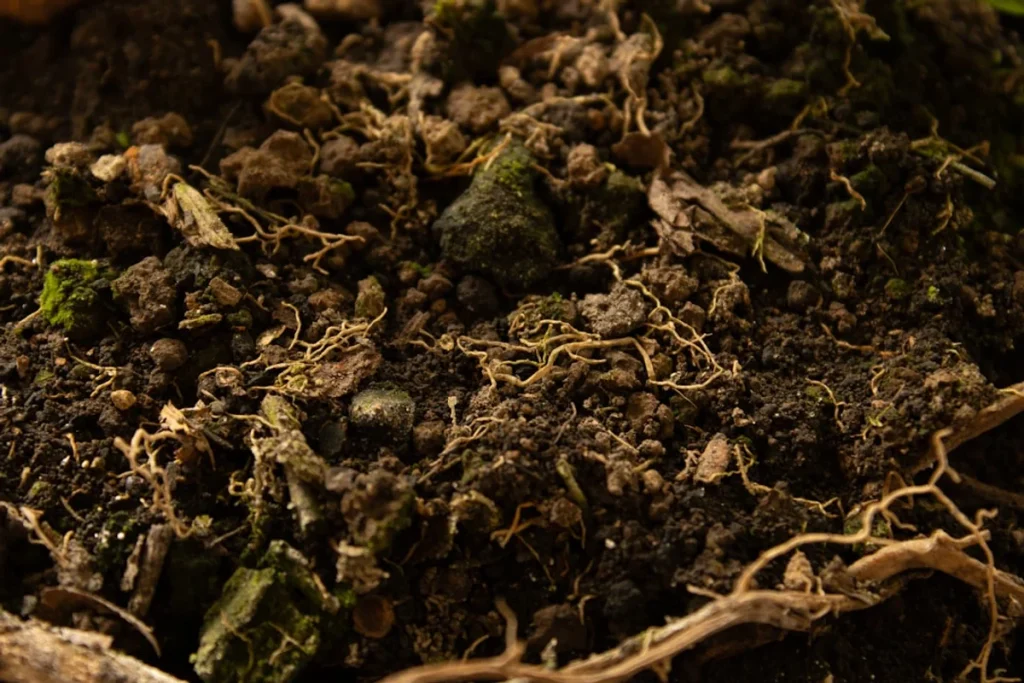
Finished compost is dark brown, crumbly, and smells like rich soil. You shouldn’t be able to spot original scraps. Most piles are ready in 6 to 12 weeks if turned regularly. To harvest, stop adding new material and let the pile cure for 2-4 weeks. Then sift it through a 1cm mesh screen. Use the fine compost in pots, garden beds, or as a top dressing. Coarse leftovers go back into the next batch. According to the Indian Council of Agricultural Research, home compost can replace 50-70% of chemical fertilisers in kitchen gardens.

How to Use Your Compost
Mix 25-30% compost with potting soil for container plants. For garden beds, spread a 2-3 cm layer on top and gently fork it in. You can also brew compost tea — soak a cup of compost in 4 litres of water for 24-48 hours, then use it as a liquid feed. Apply compost every 6-8 weeks during the growing season for best results.
Composting Across Different Climates
Climate shapes how you compost. In tropical India, Indonesia, or coastal Brazil, decomposition is fast — sometimes too fast — and piles can dry out or get too wet during monsoons. Keep the bin shaded and covered. In temperate zones like the UK, US Midwest, or southern Canada, piles slow down in winter but pick up in spring. Insulated bins help. Meanwhile, in arid regions like Dubai, Arizona, or Rajasthan, the challenge is keeping moisture in — add water weekly and use a closed bin. Mediterranean climates (California, southern Italy, Cape Town) are the easiest, with mild temperatures year-round.
Frequently Asked Questions
Can I do home composting kitchen waste in a small apartment?
Absolutely. Apartment composting is one of the most popular forms of home composting kitchen waste India. Use a 20-litre terracotta composter, Bokashi bin, or small worm farm. These fit under sinks or on balconies and don't smell when managed right. Add scraps daily, cover with a layer of cocopeat or dry leaves, and stir weekly. You'll have usable compost in 8-10 weeks without any odour or pests.
Is composting safe for pets and children?
Yes, with basic precautions. Keep the bin sealed and out of reach. Avoid adding meat, dairy, or pet waste, which can carry harmful bacteria. Dogs sometimes try to dig in piles, so a lidded bin is best. Children can safely help add scraps and turn the pile, but they should wash hands afterwards. The finished compost is non-toxic and safe to handle, though gloves are a good idea for sensitive skin.
How long does it take to make compost at home?
Hot composting takes 6-8 weeks if you turn the pile weekly and balance greens with browns. Cold composting, where you simply add scraps without turning, takes 4-6 months. In tropical climates like India, Southeast Asia, or northern Australia, decomposition happens faster due to heat. Cold-climate gardeners in Canada or northern Europe may see slower results in winter but quicker progress in summer.
Why does my compost smell bad?
A smelly compost pile usually means too much moisture, too many greens, or not enough air. Bad smells like ammonia or rotten eggs are signs of anaerobic conditions. Fix it by adding dry browns (leaves, cardboard, sawdust) and turning the pile to add oxygen. If it smells like vinegar, it's too acidic — add a handful of wood ash or crushed eggshells. A healthy pile smells earthy, like a forest floor.
Can I compost citrus peels and onions?
Yes, but in small amounts. Citrus peels and onions are acidic and slow to break down, which can throw off your pile's balance. Limit them to about 10% of total kitchen waste. Chop them small to speed up decomposition. If you're using a worm bin, go even lighter — worms dislike strong acids. For home composting kitchen waste India, mixing citrus with plenty of browns keeps things balanced.
Do I need worms for home composting?
No, worms aren't required. Standard composting works fine without them, relying on bacteria, fungi, and microbes to break down waste. However, adding red wiggler worms (Eisenia fetida) speeds things up and produces nutrient-rich vermicompost. Worms work best in temperatures between 15-25°C (60-77°F), so they may not survive hot Indian summers or freezing Canadian winters without insulation.
How do I compost during the monsoon season?
Keep your bin covered with a tarp or tight lid. Excess rain makes the pile soggy and anaerobic, leading to smells and slow decomposition. Add extra browns like dry leaves, cardboard, or coir to soak up moisture. Place the bin under a roof overhang or in a sheltered corner. Check moisture weekly — the pile should feel damp, not dripping.
Can compost replace chemical fertilisers completely?
For most home gardens, yes. Studies from [ICAR](https://www.icar.org.in/) suggest home compost can replace 50-70% of chemical fertiliser needs, and in some cases 100%. Compost provides nitrogen, phosphorus, potassium, plus dozens of micronutrients chemical fertilisers lack. It also improves soil structure and microbial life. For heavy-feeding crops like tomatoes or roses, supplement with compost tea or organic liquid feeds during peak growth.
Final Thoughts
Starting home composting kitchen waste India is one of the easiest, most rewarding things you can do for your garden and the planet. Whether you live in a tropical city, a temperate suburb, or an arid town, the basics stay the same: balance greens and browns, keep moisture steady, and turn the pile weekly. In just 6-8 weeks, you’ll have rich, dark compost ready to feed your plants. Furthermore, you’ll cut your household waste by nearly half and reduce your carbon footprint at the same time. Don’t worry if your first batch isn’t perfect — composting is forgiving, and every mistake teaches you something new. Grab a bin this week, save your veggie peels, and watch nature do its magic. Your tomatoes, tulsi, and roses will thank you. Happy composting!

