
⏱ 19 min read
Table of Contents
- Overview: Why Golden Pothos is a Global Favourite
- Best Golden Pothos Varieties to Buy in 2026
- Golden Pothos Price Range Across the World
- Where to Buy Golden Pothos: Trusted Nurseries
- What to Look For When Buying Golden Pothos
- Golden Pothos Care After Buying: First 30 Days
- Long-Term Golden Pothos Care Across Climates
- Common Problems and Quick Fixes
- Safety, Toxicity, and Pet Concerns
Looking for the perfect low-maintenance houseplant? Golden pothos care is surprisingly simple, which is why Epipremnum aureum has become the world’s most popular trailing plant. Whether you’re a beginner in Mumbai, a busy professional in London, or a plant parent in Sydney, this hardy vine adapts beautifully to almost any home. In my experience, golden pothos care rewards even forgetful gardeners with lush, cascading foliage. Here’s the thing — buying the right plant matters as much as caring for it. A weak or pest-ridden cutting can frustrate you for months. That’s why this guide covers everything from picking healthy plants at the nursery to pricing across global markets. We’ll also explore the best varieties, trusted online sellers, and what to do once your पोथोस arrives home. Let’s dig in. For more tips, check out our detailed article on Rubber Plant Care India.
Quick Highlights
- Discover the best golden pothos varieties for indoor and outdoor growing
- Compare price ranges across India, US, UK, and Australia in 2026
- Learn what to check before buying — leaves, roots, and pest signs
- Master watering, light, and fertiliser needs for any climate
- Avoid common buying mistakes that lead to plant decline
- Find trusted online nurseries and local sourcing options worldwide
Plant Characteristics at a Glance
| Common Name | Golden Pothos, Devil's Ivy, Money Plant |
| Scientific Name | Epipremnum aureum |
| Family | Araceae |
| Origin | Solomon Islands, French Polynesia |
| Habitat | Tropical rainforests, climbing on trees |
| Plant Type | Evergreen perennial vine |
| Indoor Plant | Yes — excellent low-light tolerance |
| Outdoor Plant | Yes, in USDA zones 10–12 / RHS H1B |
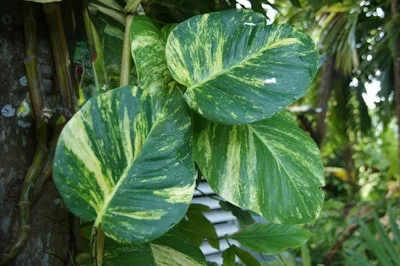
| Leaves | Heart-shaped, glossy, green with yellow variegation |
| Flowers | Rare indoors; spathe-and-spadix when mature |
| Flowering Season | Almost never blooms indoors |
| Fruit | Not produced in cultivation |
| Seeds | Rarely produced; propagation via cuttings |
| Roots | Aerial and underground; fibrous |
| Height | 6–10 ft indoors; up to 40 ft outdoors |
| Growth Rate | Fast — 12–18 inches per growing season |
| Light Requirements | Bright indirect; tolerates low light |
| Soil Requirements | Well-draining aroid mix; pH 6.1–6.8 |
| Water Requirements | Water when top 2–3 cm soil is dry |
| Temperature Requirements | 18–30°C (65–86°F); avoid below 10°C (50°F) |
| Humidity Requirements | 40–60% ideal; tolerates 30% |
| Propagation | Stem cuttings in water or soil |
| Uses | Ornamental, air purifier, hanging baskets |
| Medicinal Properties | None recognised; ornamental only |
| Toxicity | Toxic to cats, dogs, and humans if ingested |
| Cultural Significance | Symbol of prosperity in feng shui and Vastu |
| Common Pests | Spider mites, mealybugs, scale, thrips |
| Common Diseases | Root rot, leaf spot, bacterial wilt |
| Special Care Tips | Wipe leaves monthly; rotate for even growth |
| Cultural Practices | Prune to encourage bushiness; train on moss poles |
| Vastu Direction | Southeast for prosperity; avoid northeast |
Golden pothos care Names in Different Languages
| English | Golden Pothos / Devil's Ivy |
| Mandarin Chinese | 黄金葛 (Huángjīn gé) |
| Spanish | Potos / Poto dorado |
| Hindi | पोथोस / मनी प्लांट |
| Gujarati | મની પ્લાન્ટ |
| Arabic | بوتس ذهبي |
| Bengali | মানি প্ল্যান্ট |
| Portuguese | Jiboia |
| Russian | Эпипремнум золотистый |
| Japanese | ポトス (Potosu) |
| Punjabi | ਮਨੀ ਪਲਾਂਟ |
| German | Goldene Efeutute |
| Javanese | Sirih Gading |
| Korean | 스킨답서스 (Seukindapseoseu) |
| French | Pothos doré / Lierre du diable |
| Telugu | మనీ ప్లాంట్ |
| Marathi | मनी प्लांट |
| Tamil | மணி பிளான்ட் |
| Urdu | منی پلانٹ |
| Turkish | Salon sarmaşığı |
| Vietnamese | Cây Trầu bà vàng |
Overview: Why Golden Pothos is a Global Favourite
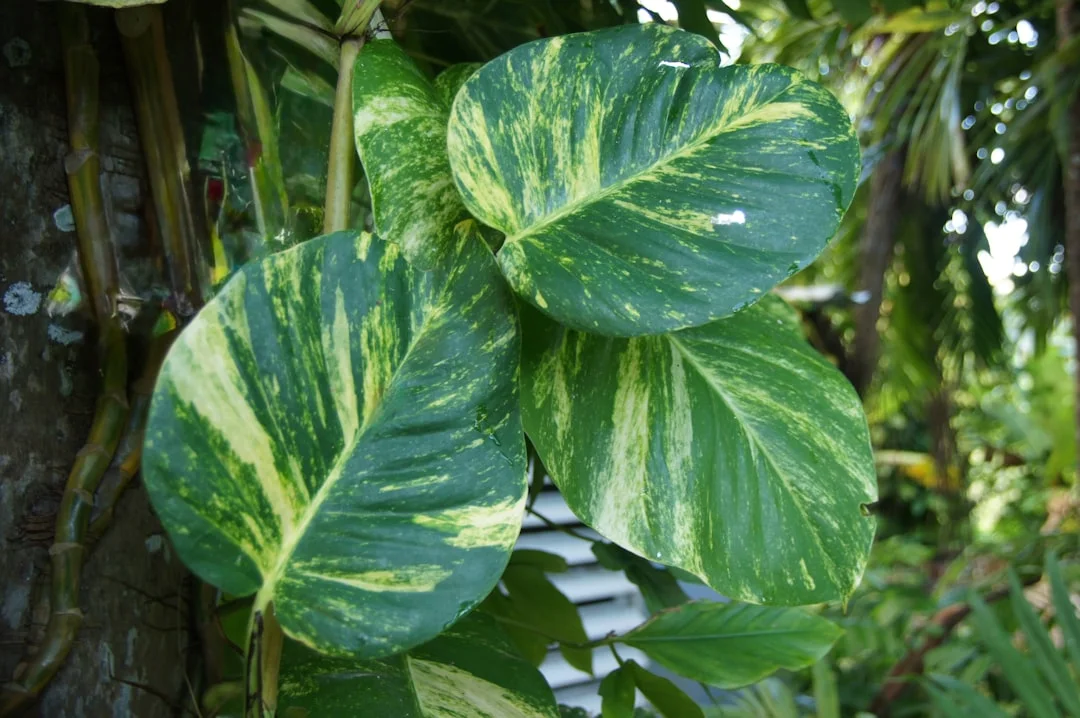
Golden pothos (Epipremnum aureum) has earned its reputation as the easiest houseplant on the planet. Native to the Solomon Islands, this tropical vine now thrives in homes from Toronto to Singapore. According to Kew Gardens, the species belongs to the Araceae family and naturally climbs trees in its wild habitat. However, indoors it happily trails from shelves and hanging baskets. Here’s why so many people love it. First, it tolerates low light. Next, it forgives missed waterings. Finally, it cleans indoor air — a NASA Clean Air Study found pothos helps remove common pollutants like formaldehyde and benzene. Whether you’re growing in a tropical Indian balcony or a cool British flat, golden pothos care stays simple. The plant produces heart-shaped leaves splashed with golden-yellow variegation. Mature vines can stretch 6–10 feet indoors, though wild specimens reach 40 feet or more.
A Quick Look at Its Origins
Although called “golden pothos,” this plant isn’t actually a pothos in the strict botanical sense. Taxonomists reclassified it under the genus Epipremnum decades ago. In its native Solomon Islands, vines climb rainforest trees and develop massive, fenestrated leaves. That said, most indoor plants stay juvenile and keep their small, heart-shaped form. Gardeners in tropical regions like Kerala, Florida, and Queensland often grow pothos outdoors year-round. Meanwhile, those in cooler zones (USDA 10 and below, RHS H1B) keep it strictly indoors. Importantly, it’s considered invasive in parts of Florida, Sri Lanka, and Australia, so always grow it in containers if you live in a warm climate. For more tips, check out our detailed article on Aloe Vera Plant Benefits.
Best Golden Pothos Varieties to Buy in 2026
Not all pothos plants look the same. While the classic golden pothos remains the most common, the market in 2026 offers exciting cultivars. Each has its own pattern, growth speed, and price tag. Choosing the right one depends on your light conditions, budget, and aesthetic preference. Many gardeners find that mixing two or three varieties in one room creates stunning visual layers. Below is a quick comparison of the most popular types you’ll find at nurseries worldwide. If you enjoy growing this plant, you might also find our guide on Peace Lily Plant Care very useful.
Popular Varieties Compared
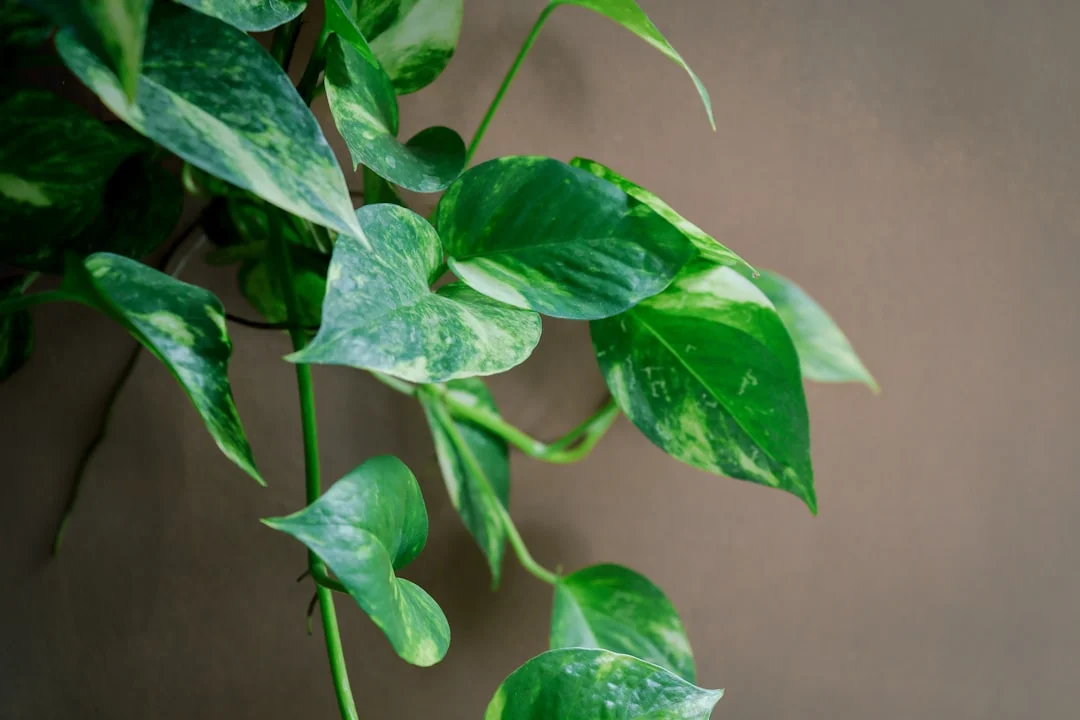
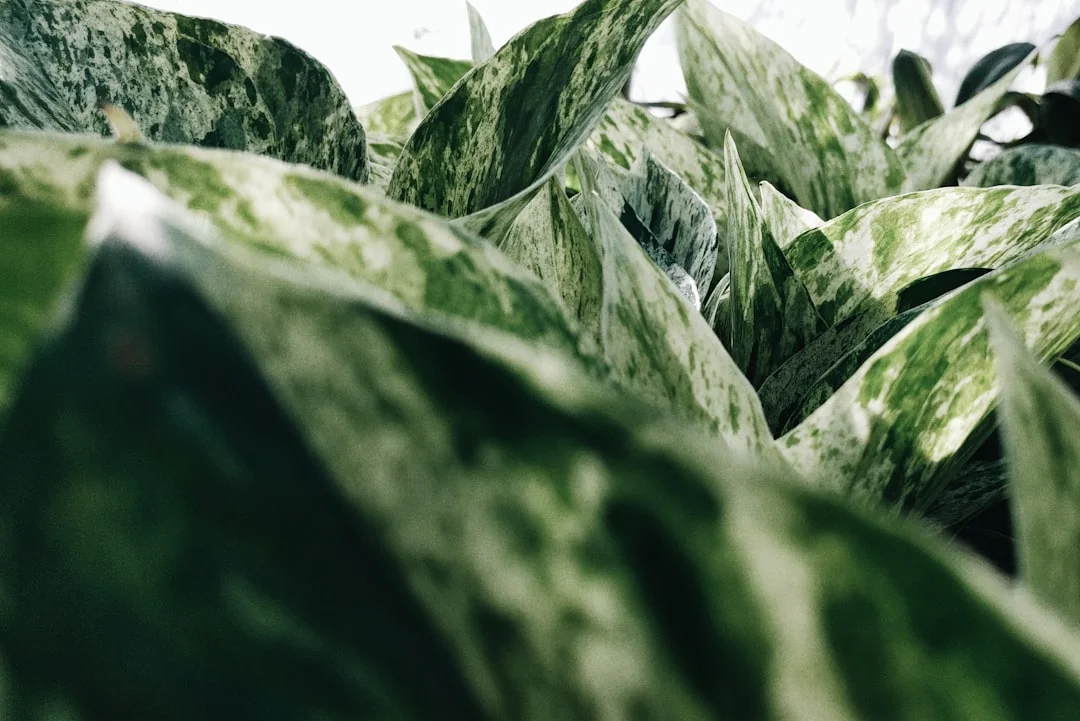
The classic Golden Pothos features bright green leaves splashed with yellow. Marble Queen shows creamy white variegation and grows slower. Neon Pothos glows chartreuse and brightens dark corners. Manjula Pothos, a patented variety, has wavy leaves with white, green, and silver patches. Pearls and Jade is compact, perfect for small spaces. Finally, the rare N’Joy Pothos shows crisp white-and-green patterns. For beginners, I recommend starting with the classic Golden or Marble Queen — they’re cheaper, hardier, and forgive mistakes. If you enjoy growing this plant, you might also find our guide on Snake Plant Benefits very useful.
Which Variety Suits Your Home?
If your home gets bright, indirect light, variegated types like Marble Queen and N’Joy will keep their patterns. However, in lower light, stick with the classic Golden or Neon — they tolerate dim conditions better. Gardeners in hot climates like India and the Middle East should pick varieties with thicker leaves, since these handle dry air more gracefully. Meanwhile, those in humid tropical zones (Singapore, coastal Brazil) can grow any variety successfully. A quick tip here — always check the label for the exact cultivar name, as nurseries sometimes mislabel similar-looking plants. For more tips, check out our detailed article on feng shui plants for prosperity.
Golden Pothos Price Range Across the World
Pricing varies wildly depending on variety, plant size, and your location. In 2026, the houseplant market remains strong globally, though prices have stabilised after the 2021–2023 boom. A small 4-inch potted golden pothos costs roughly $8–$15 (₹400–₹700, £7–£12, AU$15–$22). Larger hanging baskets with established vines run $25–$50. Rare cultivars like Manjula or Harlequin can cost $80–$200 for a small plant. Here’s the thing — don’t always chase the cheapest option. A healthy, well-rooted plant from a reputable seller saves you money in the long run.
Price Comparison Table
In India, Ugaoo and NurseryLive sell standard golden pothos for ₹299–₹599. Marble Queen runs ₹399–₹799. Manjula and N’Joy fetch ₹899–₹2,499. In the US, Etsy sellers and The Sill price classic pothos at $12–$30. UK buyers on Patch Plants pay £10–£25. Australian nurseries like Bunsters or The Jungle Collective charge AU$18–$45. For rare cultivars, expect to pay 3–5 times more. Importantly, shipping costs can double your bill, especially for international orders, so buy local whenever possible.
Where to Buy Golden Pothos: Trusted Nurseries
Buying from a reputable seller is half the battle won. A healthy start makes golden pothos care so much easier later. Online options have exploded since 2020, but quality varies enormously. Some sellers ship bare-root cuttings, others send fully potted plants. Always check reviews, return policies, and packaging guarantees before ordering. Local nurseries remain the gold standard because you can inspect the plant in person.
Recommended Online Nurseries
In India, Ugaoo.com offers excellent packaging and healthy plants with a 7-day replacement guarantee. NurseryLive.com has a wider variety but mixed reviews on plant condition. Amazon India’s Plant Store works well for budget buyers, though check seller ratings carefully. Internationally, The Sill (US), Bloomscape (US), Patch Plants (UK), and The Jungle Collective (Australia) are highly rated. Etsy can be a treasure trove for rare cultivars, but stick to sellers with 500+ reviews. For wholesale or bulk buying, local plant fairs and farmer’s markets often beat online prices.
Buying Locally vs Online
Local nurseries let you inspect plants firsthand — a huge advantage. You can spot pests, check root health, and ask questions. However, online stores often carry rarer varieties. Furthermore, they deliver to your door, which helps if you’re in a remote area. My advice? Buy common varieties locally and rare ones online. This balances cost, quality, and convenience. Also, ask your local botanical garden — many host plant swaps where you can get free cuttings from fellow enthusiasts.
What to Look For When Buying Golden Pothos
Choosing a healthy plant is the foundation of successful golden pothos care. Many gardeners make the mistake of grabbing the first pretty plant they see. Don’t do that. Spend 5 minutes inspecting before you buy — it’ll save you weeks of trouble. Look at the leaves, stems, roots, and soil. Each tells a story about the plant’s health.
Quick Inspection Checklist
First, examine the leaves. They should be firm, glossy, and free of brown spots, yellow patches, or sticky residue. Next, check the stems — they must feel firm, not mushy. After that, gently lift the pot. If you see white roots peeking from the drainage holes, that’s good. However, dark, mushy, or smelly roots signal rot. Then look under the leaves for tiny webs, white cottony spots, or small bugs — signs of spider mites, mealybugs, or scale. Finally, the soil should be moist but not waterlogged. Avoid plants in soggy or bone-dry soil.
Red Flags to Avoid
Skip plants with leggy, sparse growth — this means poor light history. Also avoid pots with crusty white salt buildup on the soil surface, which suggests over-fertilising. Yellowing lower leaves can be normal, but if more than 20% of the foliage looks pale, walk away. Faded or reverting variegation in cultivars like Marble Queen is another red flag. In my experience, the best plants come from sellers who keep them in bright, humid conditions with regular care.
Golden Pothos Care After Buying: First 30 Days
Bringing a new plant home is exciting, but the first month is critical. Plants experience shock from transport, new light, and unfamiliar humidity. Proper golden pothos care during this period sets the tone for years of healthy growth. Don’t repot immediately — that’s the most common mistake. Give your plant 2–3 weeks to adjust first. The RHS recommends easing tropical plants into new environments gradually.
Week-by-Week Adjustment Plan
Week 1: Place your pothos in bright, indirect light away from drafts. Water only when the top inch of soil feels dry. Don’t fertilise. Week 2: Watch for new leaf growth or signs of stress. Mist occasionally if your home is dry (below 40% humidity). Week 3: If the plant looks settled, give a diluted dose of balanced liquid fertiliser (half strength). Week 4: Now you can repot if needed. Choose a pot just 1–2 inches larger than the current one, with drainage holes. Use a chunky aroid mix — coco coir, perlite, and orchid bark in equal parts works great.
Long-Term Golden Pothos Care Across Climates
Once your plant has settled, ongoing golden pothos care is refreshingly simple. However, your routine should adapt to your local climate. A pothos in Dubai needs different attention than one in Vancouver. Here’s how to fine-tune your care across major climate zones.
Watering, Light, and Humidity
Water when the top 2–3 cm of soil feels dry. In tropical climates (India, Southeast Asia, northern Australia), this might mean watering every 5–7 days. In temperate zones (UK, US Pacific Northwest, Canada), every 10–14 days is plenty. Light-wise, bright indirect light is ideal. Direct sun scorches leaves; deep shade fades variegation. Humidity above 50% keeps leaves glossy, though pothos tolerates 30–40% just fine. Gardeners in arid regions like the Middle East or Arizona should group plants together or use a pebble tray to boost humidity.
Feeding and Pruning
Feed monthly during the growing season (spring–summer in temperate zones, year-round in tropics) with a balanced 10-10-10 liquid fertiliser diluted to half strength. Skip feeding in winter when growth slows. Prune leggy vines every few months to encourage bushiness — cut just above a node, and you can propagate the cutting in water within 2–3 weeks. Furthermore, wipe leaves with a damp cloth monthly to remove dust and let them photosynthesise efficiently.
Common Problems and Quick Fixes
Even with great golden pothos care, problems pop up occasionally. The good news is that most issues are easy to fix once you know what to look for. Yellow leaves usually mean overwatering or poor drainage. Brown crispy tips point to low humidity or fluoride in tap water. Faded variegation signals insufficient light. Drooping leaves often indicate underwatering — though strangely, overwatering causes similar wilting.
Pests and Diseases
Spider mites love dry indoor air, especially in winter. Look for fine webs under leaves. Mealybugs appear as white cottony clumps in leaf joints. Both can be wiped off with diluted neem oil (1 tsp neem + 1 litre water + few drops dish soap). Root rot is the biggest killer of pothos — caused by overwatering and poor drainage. If you spot mushy roots, trim them off, dust with cinnamon (a natural fungicide), and repot in fresh, dry mix.
Safety, Toxicity, and Pet Concerns
Here’s something every buyer should know — golden pothos is toxic to pets and humans if ingested. The leaves contain insoluble calcium oxalate crystals, which cause oral irritation, drooling, vomiting, and difficulty swallowing. The ASPCA lists pothos as toxic to both cats and dogs. Children may experience burning sensations if they chew the leaves. That said, simply touching the plant is harmless for most people. Wash your hands after pruning, since the sap can irritate sensitive skin.
Safe Placement Tips
If you have curious pets or toddlers, hang your pothos high or place it on a tall shelf out of reach. Bathrooms with good light work beautifully — pets rarely enter, and the humidity helps the plant thrive. Although pothos has no recognised medicinal use in Ayurveda or TCM (unlike tulsi or ginseng), it’s prized purely as an air-purifying ornamental. Never use pothos in teas, tinctures, or topical remedies, regardless of internet claims.
Frequently Asked Questions
Can I grow golden pothos indoors in a cold climate?
Yes, absolutely. Golden pothos thrives indoors in cold climates like the UK, Canada, and northern Europe as long as you keep room temperatures above 15°C (59°F). Place it near a bright window but away from cold drafts and radiators. Reduce watering in winter since the plant grows slowly. Humidity drops indoors during heating season, so misting or a pebble tray helps. With proper golden pothos care, your plant will stay lush even through long, dark winters.
Is golden pothos safe for pets and children?
No, golden pothos is toxic to cats, dogs, and humans if ingested. The leaves contain calcium oxalate crystals that cause mouth irritation, drooling, and vomiting. The ASPCA officially lists it as toxic. If you have curious pets or small children, hang the plant high or place it on shelves out of reach. The plant is safe to touch, but always wash your hands after pruning. Bathrooms are excellent locations since pets rarely enter.
How often should I water my golden pothos?
Water your pothos when the top 2–3 cm of soil feels dry. In tropical climates, this typically means every 5–7 days. In temperate or cooler regions, every 10–14 days is enough. Always check the soil before watering — overwatering kills more pothos than underwatering. Use room-temperature water and let the pot drain completely. Yellow leaves usually signal too much water. Good golden pothos care means watering based on the plant's needs, not a fixed schedule.
Why is my golden pothos losing its variegation?
Loss of yellow or white variegation usually means your plant isn't getting enough light. Variegated cells produce less chlorophyll, so they need brighter conditions to maintain their pattern. Move your plant closer to a bright window (but not direct sun). New leaves should show better variegation within a few weeks. Prune all-green leaves to encourage variegated growth. In dark rooms, switch to non-variegated varieties like classic Golden or Neon Pothos instead.
How do I propagate golden pothos from cuttings?
Propagating pothos is incredibly easy. Cut a 4–6 inch stem just below a node (the small bump where leaves and roots emerge). Remove the lowest leaf and place the cutting in a glass of clean water. Change the water every 3–4 days. Roots appear within 2–3 weeks. Once roots reach 5 cm, transplant into well-draining soil. Keep the new plant in bright indirect light and water regularly for the first month. You can also root cuttings directly in moist soil.
What's the best soil mix for golden pothos?
Use a well-draining aroid mix to prevent root rot. Combine 40% coco coir or peat moss, 30% perlite, 20% orchid bark, and 10% worm castings or compost. This mix retains some moisture while allowing excess water to drain quickly. The ideal pH is 6.1–6.8 (slightly acidic). Avoid heavy garden soil — it compacts and suffocates roots. If you can't make your own mix, store-bought aroid or houseplant soil with extra perlite works fine.
Can golden pothos grow in just water permanently?
Yes, pothos can live in water indefinitely, though growth slows over time. Use a clean glass container with filtered or rainwater (tap water works if left out overnight to release chlorine). Change the water every 1–2 weeks to prevent algae and bacteria buildup. Add a few drops of liquid hydroponic fertiliser monthly. The plant won't grow as large as in soil, but it makes a beautiful, low-maintenance display. Many gardeners find water-grown pothos perfect for kitchens and bathrooms.
How much does a golden pothos cost in 2026?
Prices in 2026 vary by variety and size. A small 4-inch classic golden pothos costs $8–$15 (₹400–₹700, £7–£12, AU$15–$22). Larger hanging baskets run $25–$50. Rare cultivars like Manjula, N'Joy, or Harlequin range from $80–$200. In India, Ugaoo and NurseryLive offer standard pothos for ₹299–₹599. Always compare prices across local nurseries and online stores. Remember, healthy plants from reputable sellers are worth paying slightly more for.
Final Thoughts
Golden pothos care really is as easy as gardeners claim — once you start with a healthy plant and understand its basic needs. Whether you’re decorating a Mumbai apartment, a London flat, or a Sydney sunroom, this versatile vine adapts beautifully to almost any space. Remember to inspect plants carefully before buying, choose varieties that match your light conditions, and stick to trusted sellers like Ugaoo, NurseryLive, The Sill, or Patch Plants. The first 30 days matter most — go slow with watering, fertilising, and repotting. With the right setup, your pothos will reward you with years of lush, trailing greenery. Don’t forget to propagate cuttings and share with friends — it’s one of the easiest plants to multiply. Start your golden pothos care journey today, and you’ll discover why this humble vine has captured hearts across six continents. Happy planting!

