
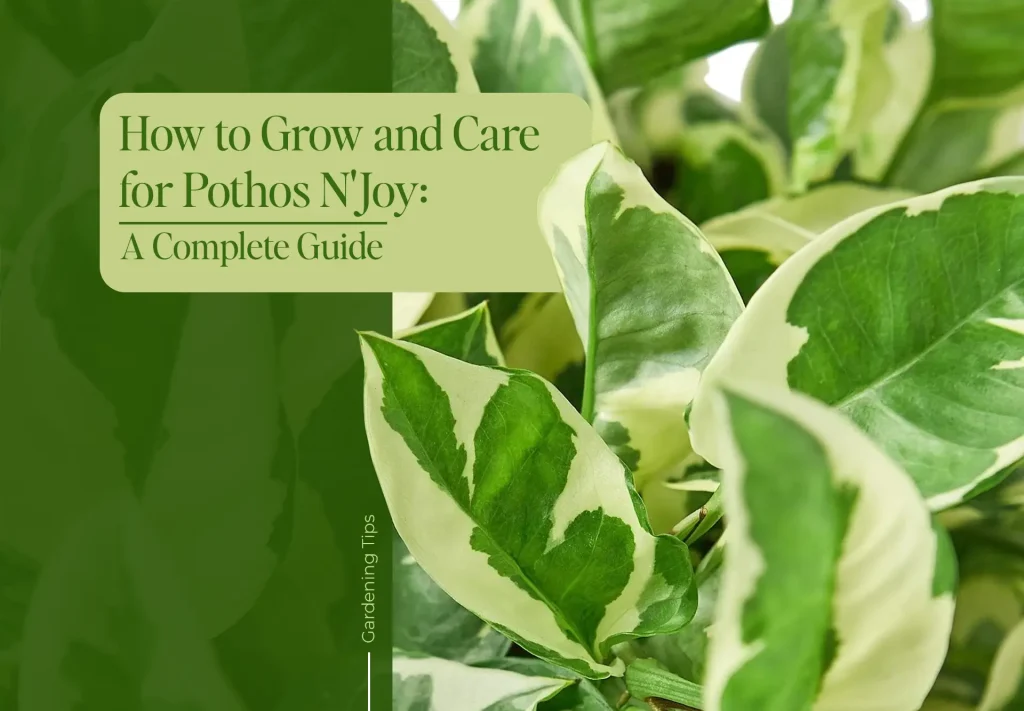
Pothos N’Joy (Epipremnum aureum ‘N’Joy’) is a popular houseplant known for its striking green and white variegated leaves. It’s a low-maintenance plant that can thrive in various indoor environments, making it perfect for both beginners and experienced gardeners. In this comprehensive guide, you’ll learn how to grow N’Joy Pothos faster, propagate it successfully, and address common issues like yellowing leaves and slow growth.

Table of contents
- Introduction
- Light Requirements for N’Joy Pothos
- Watering Needs for N’Joy Pothos
- Humidity and Temperature for N’Joy Pothos
- Best Soil for N’ Joy Pothos
- Fertilizing N’ Joy Pothos
- Pruning and Maintenance
- How to Propagate N’Joy Pothos
- Common Problems and Solutions
- Enhancing Growth and Health
- Conclusion
- Frequently Asked Questions (FAQ)
- Suggested Links
Introduction
Pothos N’Joy is not only beautiful but also one of the easiest houseplants to care for. Its variegated leaves can brighten any room, and its low maintenance requirements make it a favorite among plant enthusiasts. Whether you’re looking to grow your N’Joy Pothos faster or simply want to keep it healthy and vibrant, this guide covers everything you need to know.
Light Requirements for N’Joy Pothos
N’Joy Pothos thrives in bright, indirect light. While it can tolerate low light, its variegation will be more pronounced with adequate light. Avoid direct sunlight, as it can scorch the leaves and cause them to turn yellow.
Watering Needs for N’Joy Pothos
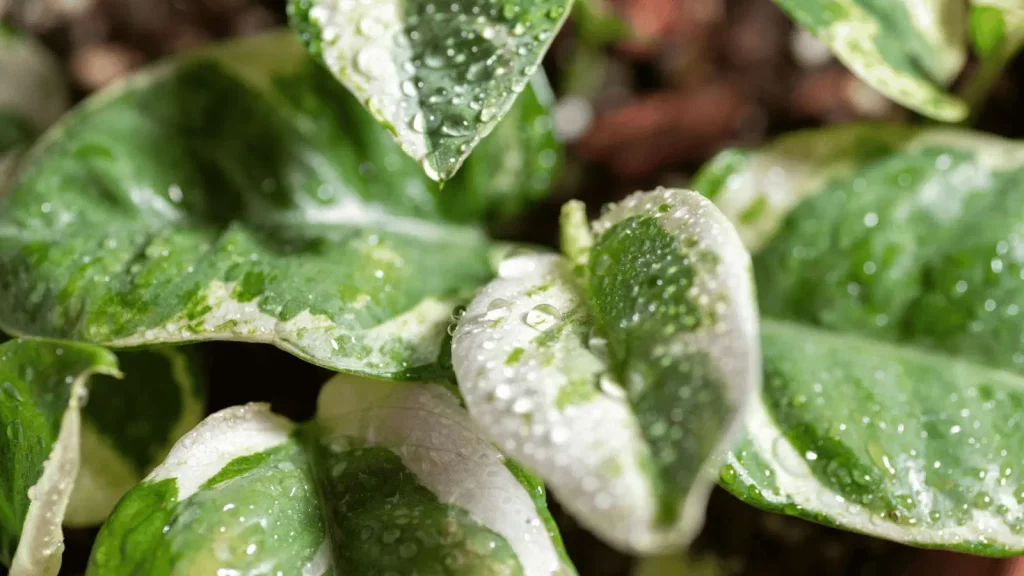
Water your N’Joy Pothos when the top 1-2 inch of soil feels dry. Overwatering can lead to root rot, so ensure your pot has proper drainage. When watering, let the water drain out completely and discard any excess water in the saucer to prevent the roots from sitting in water.
Humidity and Temperature for N’Joy Pothos
Pothos N Joy prefers a humid environment but can adapt to average indoor humidity levels. To increase humidity, mist the leaves regularly or use a humidifier. The ideal temperature range for this plant is 65-85°F (18-29°C). It can tolerate temperatures as low as 50°F (10°C) but should be protected from cold drafts and extreme temperature fluctuations.
Best Soil for N’ Joy Pothos
Use well-draining soil rich in organic matter for your N’ Joy Pothos. A mix of peat moss, perlite, and vermiculite is ideal. This type of soil will ensure proper drainage and provide the necessary nutrients for healthy growth.
Fertilizing N’ Joy Pothos
During the growing season (spring and summer), feed your N’ Joy Pothos every two weeks with a balanced, water-soluble fertilizer diluted to half strength. This will promote faster growth and vibrant foliage.
Pruning and Maintenance
Regular pruning helps keep your N’Joy Pothos bushy and prevents it from becoming leggy. Use clean, sharp scissors to trim back any overgrown stems. Pruning also encourages new growth and maintains the plant’s shape.
How to Propagate N’Joy Pothos

Propagating N’Joy Pothos is easy and can be done through stem cuttings. Follow these steps for successful propagation:
- How to Select a Healthy Stem
Choose a stem with at least 4-6 inches in length and a few leaves.
- How to Cut Below a Node
Make a clean cut just below a node (the point where leaves emerge).
- Place in Water
Place the cutting in a glass of water, ensuring the node is submerged.
- Wait for Roots to Develop
Keep the cutting in a bright, indirect light location and change the water every few days.
- Plant in Soil
Once roots are about 1-2 inches long, plant the cutting in well-draining soil.
Common Problems and Solutions
Why Is My N’Joy Pothos Not Growing?
- Light: Ensure your plant is getting enough light. Move it to a brighter spot if needed.
- Water: Check your watering habits. Overwatering or underwatering can affect growth.
- Fertilizer: Feed your plant during the growing season to encourage growth.
N’Joy Pothos Leaves Turning Yellow
- Overwatering: Check the soil moisture and reduce watering if the soil is too wet.
- Underwatering: Ensure the plant gets enough water, especially during dry periods.
- Pests: Inspect for pests like spider mites and treat with insecticidal soap if necessary.
Enhancing Growth and Health
- Support: Provide a moss pole or trellis for your N’ Joy Pothos to climb. This mimics its natural growth habit and can enhance its appearance.
- Cleaning: Wipe the leaves with a damp cloth to remove dust and keep them shiny.
- Rotation: Rotate the plant every few weeks to ensure even growth and prevent it from leaning towards the light source.
Where to Buy N’Joy Pothos
If you’re looking to add a N’Joy Pothos to your collection, you can purchase this beautiful plant from various online stores and local nurseries. Check out this link to buy N’Joy Pothos and have it delivered to your home.
Conclusion
Pothos N’ Joy is a beautiful and low-maintenance houseplant that can bring a touch of nature into your home. By providing the right light, water, humidity, temperature, soil, and occasional fertilizing, you can ensure your N’Joy Pothos remains healthy and vibrant. Regular pruning and pest control will keep it looking its best, and propagation is a simple way to expand your plant collection. Enjoy the lush greenery of Pothos N’Joy in your living space, and relish the ease of caring for this resilient and attractive plant.
Frequently Asked Questions (FAQ)
Water it when the top inch of the soil is dry.
Yes, it can survive in low light but prefers bright, indirect light for optimal growth.
Well-draining soil made from peat moss, perlite, and vermiculite is ideal.
Mist the leaves regularly or use a humidifier to increase humidity levels.
Take stem cuttings and place them in water until roots develop, then plant them in soil.

