

Aparajita (Clitoria ternatea), also known as Butterfly Pea Plant, is a beautiful and hardy flowering plant known for its striking blue or white flowers. Proper care and protection from pests are essential to keep these plants healthy and blooming. This guide will provide you with detailed steps on how to protect Aparajita plants, increase their flowering, understand their flowering season, and take overall care of these plants.
Table of contents
- Introduction
- Protecting Aparajita Plant from Pests (कैसे बचाएं अपराजिता पौधे को कीड़ों से)
- Increasing Flowering in Aparajita (अपराजिता में अधिक फूल लाने के उपाय)
- Aparajita Plant Flowering Season (अपराजिता के फूलों का मौसम)
- How to Take Care of Aparajita Plant (अपराजिता की देखभाल कैसे करें)
- Additional Tips for Aparajita Plant Care
- Conclusion
- FAQs
Introduction
Aparajita, also known as Shankhpushpi, Gokarna, or Asian Pigeonwings, is a popular ornamental plant in gardens due to its vibrant flowers. This plant not only enhances the beauty of your garden but also has various medicinal properties.
However, like any other plant, Aparajita needs proper care to thrive and bloom profusely. In this guide, we will cover essential tips and tricks to protect your Aparajita plant, ensure maximum flowering, and provide general care.
Protecting Aparajita Plant from Pests (कैसे बचाएं अपराजिता पौधे को कीड़ों से)
Identify Common Pests
Aparajita plants can be affected by several pests, including:
Whiteflies
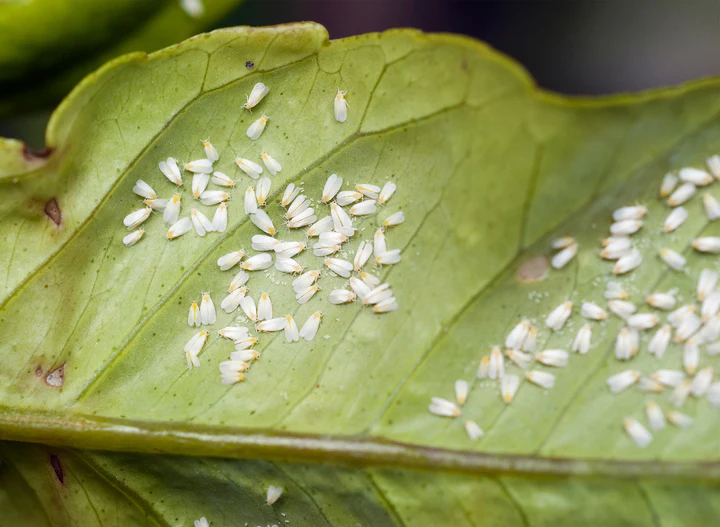
Whiteflies are small, white, winged insects that feed on the sap of plants. They are usually found on the underside of leaves.
They suck the plant’s sap, weakening it and causing yellowing and wilting of leaves. Whiteflies also excrete a sticky substance called honeydew, which can lead to the growth of sooty mold.
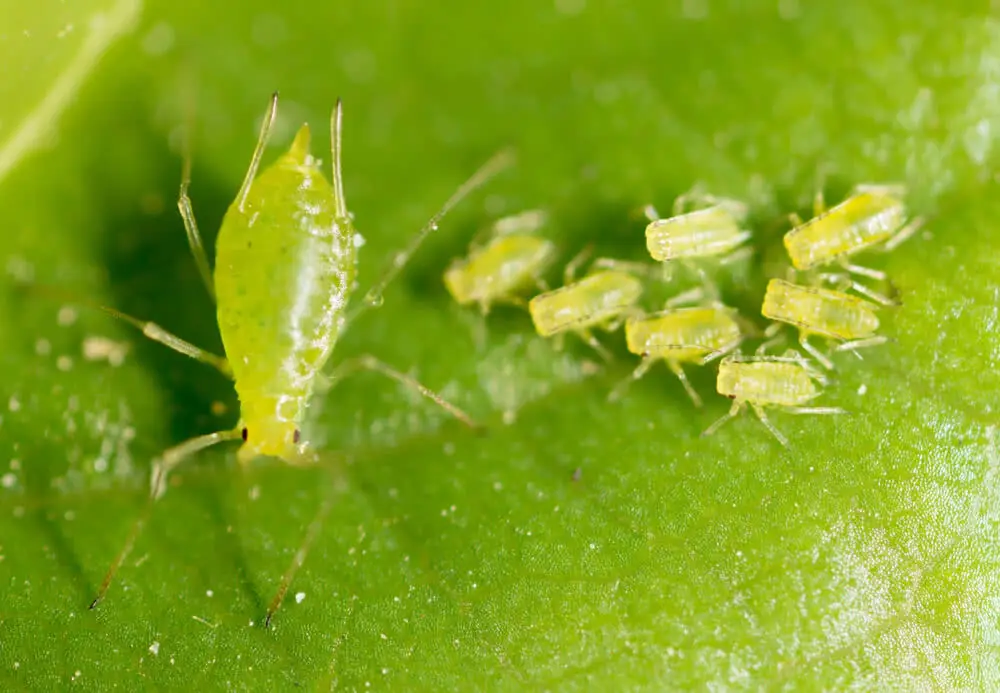
Aphids
Aphids are tiny, soft-bodied insects that come in various colors, including green, black, and brown. They cluster on new growth, stems, and the underside of leaves.
Aphids feed on plant sap, causing distorted growth, yellowing, and curling of leaves. They also produce honeydew, which can attract ants and cause sooty mold.
Spider Mites
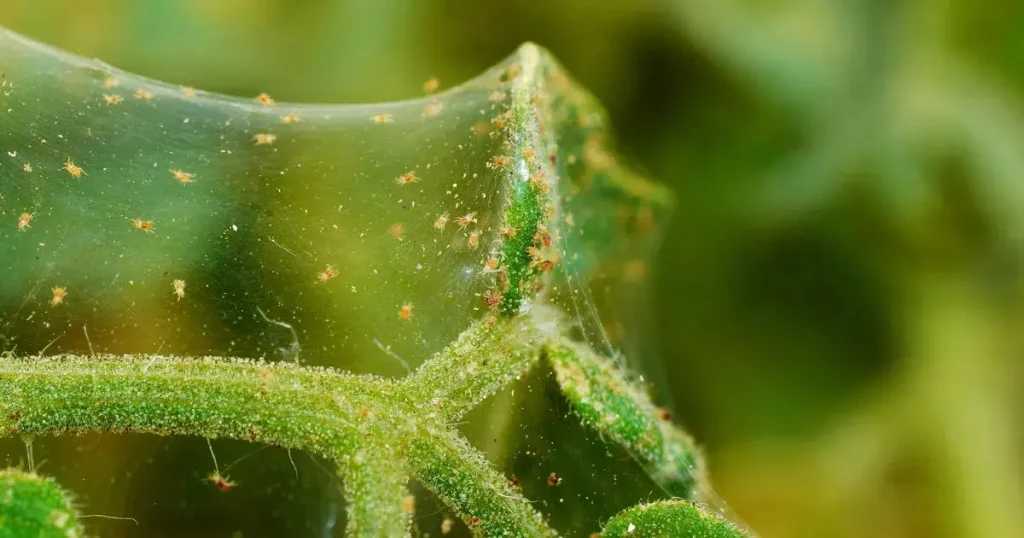
Spider mites are tiny, spider-like pests that are often red or yellow. They thrive in hot, dry conditions and can be found on the underside of leaves.
Spider mites feed on plant cells, causing tiny yellow or white speckles on leaves. Severe infestations can lead to leaf bronzing, webbing, and premature leaf drop.
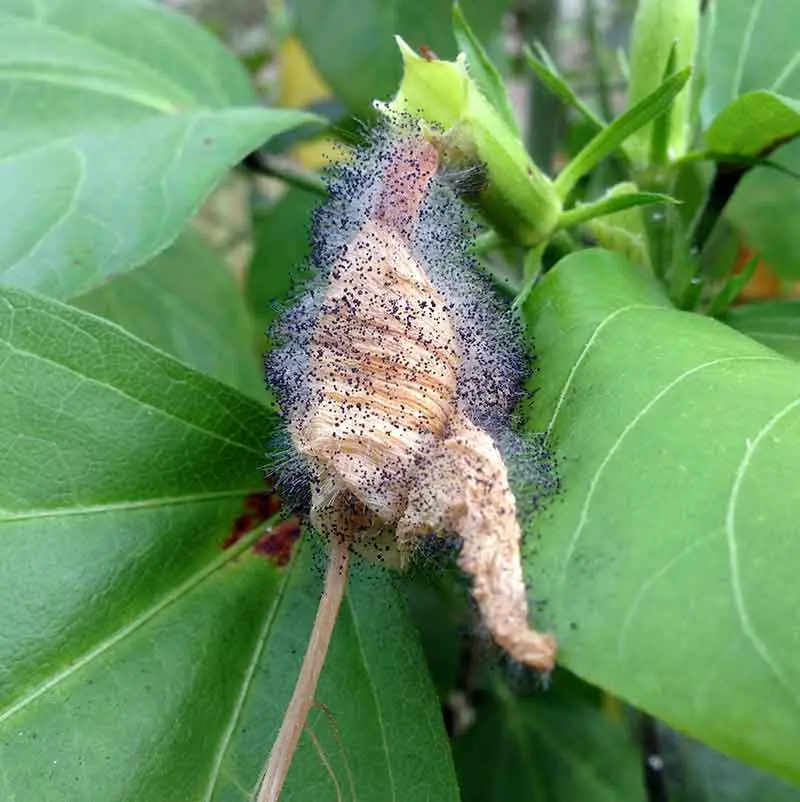
Fungal Infections
Fungal infections in plants are caused by various fungal pathogens. Common signs include powdery mildew, leaf spots, and root rot.
Fungal infections can cause leaf discoloration, spots, wilting, and in severe cases, plant death. Overwatering and poor air circulation often contribute to fungal growth.
How to Protect Aparajita Plant: Step-by-Step Guide
Protecting your Aparajita plant from pests is essential for maintaining its health and ensuring it blooms profusely. Follow these detailed steps to safeguard your plant:
- Neem Oil Spray: Neem oil is a natural insecticide that effectively repels pests. Here’s how to prepare and use it.
Prepare a neem oil spray by mixing 1 teaspoon of neem oil with 1 liter of water. Add a few drops of dish soap to help the mixture stick to the leaves. Spray this solution on the Aparajita plant once a week to repel pests.
- Neem Water Solution: Another effective method to protect your plant from pests and fungi is using neem water.
Boil neem leaves in water, let it cool, and strain the solution. Spray this neem water on the plant to protect it from pests and fungi.
- Manual Removal: Regular inspection and manual removal of pests can significantly protect your plant.
Inspect your plants regularly. Remove any visible pests by hand and dispose of them away from the garden.
- Maintain Proper Hygiene: Keeping the area around your Aparajita plant clean is crucial for preventing pest infestations.
Keep the area around the plant clean and free of debris. Remove any dead leaves or flowers promptly to prevent fungal growth.
- Use Natural Predators: Introducing natural predators can help control pest populations effectively.
Introduce beneficial insects like ladybugs and lacewings that prey on harmful pests.
Using Organic Pesticides
- Garlic Spray:
- Crush a few garlic cloves and soak them in water overnight.
- Strain and spray the solution on the Aparajita plant.
- Chili Pepper Spray:
- Blend 2-3 chili peppers with water.
- Strain and spray this mixture to deter pests.
Increasing Flowering in Aparajita (अपराजिता में अधिक फूल लाने के उपाय)

Tips to Enhance Flowering
- Proper Watering:
- Keep the soil consistently moist but avoid waterlogging.
- Water the plant early in the morning or late in the evening.
- Adequate Sunlight:
- Ensure the plant receives at least 6 hours of direct sunlight daily.
- Too much shade can reduce flowering.
- Pruning:
- Regularly prune the plant to remove dead or diseased branches.
- Trim the lower hanging branches to encourage more blooms.
- Fertilization:
- Use a balanced, multi-mineral fertilizer every 4-6 weeks.
- Avoid high nitrogen fertilizers as they promote leaf growth over flowers.
- Remove Seed Pods:
- Cut off any seed pods that form to direct the plant’s energy towards blooming.
- Soil Health:
- Ensure the soil is well-draining and rich in organic matter.
- Add compost or well-rotted manure to improve soil fertility.
Aparajita Plant Flowering Season (अपराजिता के फूलों का मौसम)
Understanding the Flowering Season
- Peak Flowering Time:
- Aparajita typically flowers from late spring to early autumn.
- In tropical regions, it can bloom year-round.
- Climate Impact:
- In temperate climates, the plant may die back in winter but regrow in spring.
- In frost-free areas, it can remain evergreen and continuously bloom.
Enhancing Blooming During Flowering Season
- Temperature and Humidity:
- Maintain warm temperatures and moderate humidity.
- Protect the plant from extreme heat or cold.
- Consistent Care:
- Follow a regular watering and fertilizing schedule.
- Ensure the plant is not stressed by sudden changes in environment.
- Deadheading:
- Regularly remove spent flowers to encourage new blooms.
- This practice also prevents the plant from diverting energy to seed production.
How to Take Care of Aparajita Plant (अपराजिता की देखभाल कैसे करें)
General Care Tips
- Soil Requirements:
- Use well-draining soil with a neutral to slightly acidic pH.
- Sandy loam or loamy soil is ideal.
- Watering Schedule:
- Water deeply but infrequently to encourage deep root growth.
- Avoid watering the foliage to prevent fungal diseases.
- Sunlight Needs:
- Place the plant in a location with full sun to partial shade.
- Ensure adequate light for optimal growth and flowering.
- Fertilization:
- Feed the plant with a balanced fertilizer every month during the growing season.
- Use organic fertilizers like compost or fish emulsion for better results.
- Pruning and Training:
- Prune regularly to maintain shape and encourage branching.
- Train the plant to climb on trellises or supports for better air circulation.
- Pest and Disease Management:
- Regularly inspect the plant for signs of pests or diseases.
- Use organic pest control methods to keep the plant healthy.
Advanced Care Techniques
- Mulching:
- Apply a layer of mulch around the base of the plant to retain moisture and suppress weeds.
- Use organic mulch like straw, leaves, or wood chips.
- Supporting Vines:
- Use garden stakes or trellises to support the climbing habit of the plant.
- Gently tie the vines to the support structures with soft ties.
- Winter Care:
- In colder climates, protect the plant from frost by covering it with a cloth or moving it indoors.
- Reduce watering during the dormant period to prevent root rot.
Quick Aparajita Plant Purchase Link
To make it even easier, you can use the following direct link to buy Aparajita plants on Amazon India:
Additional Tips for Aparajita Plant Care

- Companion Planting: Plant Aparajita with other beneficial plants like marigolds and basil to deter pests.
- Regular Monitoring: Keep a close watch on the plant’s health and address any issues promptly.
- Proper Spacing: Ensure adequate space between plants for good air circulation.
Conclusion
Caring for Aparajita plants requires a combination of proper watering, adequate sunlight, regular pruning, and natural pest control methods. By following these steps, you can protect your Aparajita plant from pests, encourage abundant flowering, and maintain overall plant health.
Remember to use organic methods whenever possible to promote a healthy and sustainable garden environment.
FAQs
Water deeply once or twice a week, depending on the weather and soil conditions.
Yes, but it prefers full sunlight for optimal flowering.
Use a balanced, multi-mineral fertilizer or organic options like compost.
Use neem oil spray or introduce beneficial insects like ladybugs.
Prune during the early growing season and as needed to maintain shape and promote blooming.
By implementing these care tips and protection methods, your Aparajita plants will flourish, providing beautiful blooms and enhancing your garden’s beauty.

