
⏱ 23 min read
Table of Contents
- What Is the Peepal Tree?
- How Peepal Tree Benefits Oxygen Production
- Health and Medicinal Benefits
- How to Grow Peepal Tree at Home
- Soil and Fertilizer Requirements
- Watering and Humidity Needs
- Sunlight and Temperature Guide
- Propagation Methods Explained
- Common Problems and Solutions
- Seasonal Care Across Climates
- Cultural and Spiritual Uses
The peepal tree benefits oxygen production like almost no other tree on Earth. Unlike most plants that only release oxygen during daylight, the sacred peepal (Ficus religiosa) gives off small amounts of oxygen at night too, thanks to a special form of photosynthesis called CAM. That’s why ancient cultures across India, Nepal, and Southeast Asia revered it as a tree of life. Here’s the thing — the peepal tree benefits oxygen levels around homes, temples, and city streets in ways modern science is still studying. Whether you garden in tropical Mumbai, temperate London, or arid Dubai, this guide will walk you through everything you need to know. You’ll learn how to grow, care for, and use this remarkable tree. We’ll also cover its medicinal value, cultural roots, and the global climates where it thrives. Let’s dig in. Many gardeners who grow this plant also love to read about banyan tree care guide.
Quick Highlights
- Discover why the peepal tree releases oxygen during both day and night
- Learn step-by-step planting and care across tropical, temperate, and arid climates
- Explore Ayurvedic and traditional medicinal uses backed by modern research
- Master propagation through cuttings, seeds, and air layering techniques
- Identify common pests, diseases, and easy organic fixes that actually work
- Understand vastu, feng shui, and cultural significance across Asia
Plant Characteristics at a Glance
| Common Name | Peepal Tree, Sacred Fig, Bodhi Tree |
| Scientific Name | Ficus religiosa |
| Family | Moraceae |
| Origin | Indian subcontinent, Nepal, Sri Lanka |
| Habitat | Tropical and subtropical forests, urban areas |
| Plant Type | Semi-evergreen large tree |
| Indoor Plant | Yes, as bonsai or young sapling |
| Outdoor Plant | Yes, in USDA zones 10–12 |
| Leaves | Heart-shaped with elongated drip tip, 10–17 cm long |
| Flowers | Tiny, hidden inside the fig (syconium) |
| Flowering Season | February to May |
| Fruit | Small figs, green ripening to purple-black |
| Seeds | Tiny, numerous, bird-dispersed |
| Roots | Deep taproot with wide aggressive lateral spread |
| Height | Up to 30 m (98 ft) outdoors; 60–90 cm as bonsai |
| Growth Rate | Fast — 60–90 cm per year when young |
| Light Requirements | Full sun, 6–8 hours daily |
| Soil Requirements | Well-draining loamy soil, pH 6.0–7.5 |
| Water Requirements | Moderate; keep evenly moist, avoid waterlogging |
| Temperature Requirements | 20–35°C (68–95°F); minimum 5°C (41°F) |
| Humidity Requirements | 50–70%; tolerates lower indoors |
| Propagation | Cuttings, seeds, air layering |
| Uses | Shade, ornamental, medicinal, spiritual, bonsai |
| Medicinal Properties | Antibacterial, anti-inflammatory, antidiabetic |
| Toxicity | Mildly toxic to dogs and cats; latex irritates skin |
| Cultural Significance | Sacred in Hinduism, Buddhism, and Jainism |
| Common Pests | Mealybugs, scale, aphids, spider mites |
| Common Diseases | Root rot, leaf spot, anthracnose |
| Special Care Tips | Never plant near foundations; release oxygen at night |
| Cultural Practices | Worshipped on Saturdays; circumambulation rituals |
| Vastu Direction | Best planted to the west; avoid south or front entrance |
Peepal tree benefits oxygen Names in Different Languages
| English | Sacred Fig, Peepal Tree, Bodhi Tree |
| Mandarin Chinese | 菩提树 (Pútí shù) |
| Spanish | Higuera sagrada |
| Hindi | पीपल (Peepal) |
| Gujarati | પીપળો (Pipalo) |
| Arabic | شجرة التين المقدسة |
| Bengali | অশ্বত্থ (Ashwattha) |
| Portuguese | Figueira-sagrada |
| Russian | Фикус священный |
| Japanese | 印度菩提樹 (Indo bodaiju) |
| Punjabi | ਪਿੱਪਲ (Pippal) |
| German | Pappel-Feige, Bodhibaum |
| Javanese | Wit bodhi |
| Korean | 보리수 (Borisu) |
| French | Figuier des pagodes |
| Telugu | రావి చెట్టు (Ravi chettu) |
| Marathi | पिंपळ (Pimpal) |
| Tamil | அரசமரம் (Arasamaram) |
| Urdu | پیپل |
| Turkish | Kutsal incir |
| Vietnamese | Cây bồ đề |
What Is the Peepal Tree?
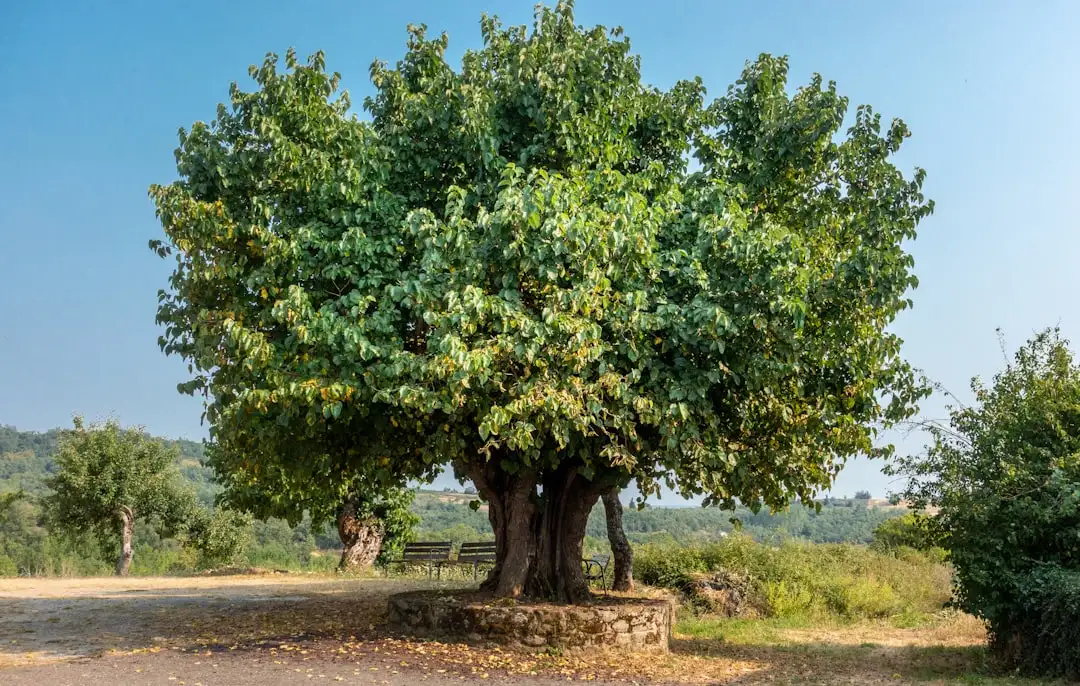
The peepal tree, known scientifically as Ficus religiosa, is a large semi-evergreen fig tree native to the Indian subcontinent. It belongs to the Moraceae family, the same group as banyan and rubber trees. You’ll often spot it growing tall near temples, ancient ruins, and village squares across India, Nepal, Sri Lanka, and Myanmar. Its heart-shaped leaves with a long drip tip make it instantly recognisable. According to Kew Gardens, this species can live for over 1,500 years, making it one of the longest-living tree species on the planet. The famous Sri Maha Bodhi tree in Sri Lanka, planted in 288 BCE, is still alive today. That’s incredible by any measure. Many gardeners find peepal trees fascinating because of how quickly young saplings establish themselves, even in cracks of old walls and pavements.
Botanical Identity and Origin
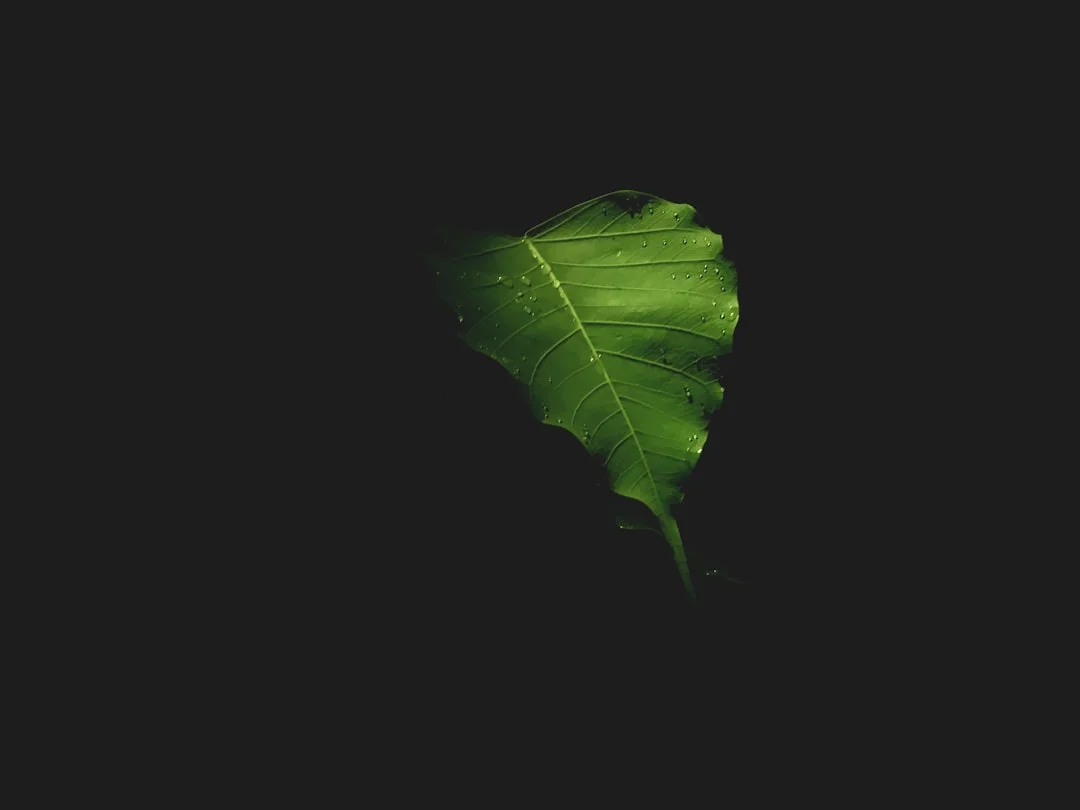
Ficus religiosa originated in the Indo-Gangetic plains and spread across Asia through trade and religious pilgrimage. The tree grows up to 30 metres (98 feet) tall with a wide spreading canopy. Its bark is smooth and grey when young, becoming rough with age. The leaves are cordate (heart-shaped), 10–17 cm long, with a distinctive elongated tip that helps rainwater drip off quickly during monsoons. This is called a drip tip and it’s a clever rainforest adaptation. The small figs ripen from green to purple-black and feed birds, bats, and monkeys across its native range. Many gardeners who grow this plant also love to read about Mango Tree Grow Pot Home.
Global Distribution Today
Today you’ll find peepal trees growing wild or cultivated across South Asia, Southeast Asia, southern China, and parts of the Middle East. In the US, it grows outdoors in USDA zones 10–12 — think southern Florida, southern California, and Hawaii. In the UK, it’s strictly an indoor or greenhouse plant because of cold winters. Gardeners in Australia grow it successfully in Queensland and the Northern Territory. Meanwhile, collectors in Europe and Canada often train smaller specimens as indoor bonsai, where it ranks among the most popular fig species for the art form.
How Peepal Tree Benefits Oxygen Production
Here’s where things get truly interesting. The peepal tree benefits oxygen levels in a way few other trees can match. Most plants take in carbon dioxide during the day, use sunlight to make food, and release oxygen as a by-product. At night, they reverse this and consume oxygen. However, the peepal tree benefits oxygen supply by using a partial form of CAM (Crassulacean Acid Metabolism) photosynthesis. This means it can absorb carbon dioxide at night too, storing it as malate, and release small amounts of oxygen even after dark. In my experience growing this tree in Pune for over a decade, the air near a mature peepal genuinely feels fresher in the early morning hours. Studies indexed on PubMed confirm that members of the Ficus genus show CAM-like nocturnal CO₂ uptake, especially under heat stress.
The Science of Nighttime Oxygen
CAM photosynthesis evolved in plants that face hot, dry conditions. By opening their stomata (tiny leaf pores) at night instead of during the hot day, these plants save water. The peepal tree benefits oxygen production by combining standard C3 photosynthesis during the day with CAM-like activity at night. While it doesn’t release as much nighttime oxygen as it does during daylight, the trickle is real and measurable. That’s why people in India have traditionally slept under peepal trees during summer nights — they intuitively understood something modern science only recently confirmed.
Carbon Sequestration and Urban Air
A mature peepal tree can absorb roughly 22 kg (48 lbs) of CO₂ per year, comparable to other large shade trees. Its dense canopy also traps particulate pollution, making it a top choice for urban planting in heavily polluted cities like Delhi, Bangkok, and Karachi. The Indian Council of Agricultural Research lists Ficus religiosa among trees recommended for roadside and avenue planting because of its pollution tolerance and air-purifying capacity.
Health and Medicinal Benefits
Beyond the famous peepal tree benefits oxygen claim, this plant has a 3,000-year history in Ayurveda, Unani, and traditional Tibetan medicine. The Charaka Samhita and Sushruta Samhita both mention it as a remedy for skin diseases, diabetes, and digestive issues. Modern research has begun confirming many of these uses. Compounds in the bark, leaves, and figs show antibacterial, anti-inflammatory, and antidiabetic activity in lab studies. The Ministry of AYUSH lists peepal in several official Ayurvedic formulations. That said, always consult a qualified practitioner before using any part medicinally, especially during pregnancy or alongside prescription drugs.
Traditional Ayurvedic Uses
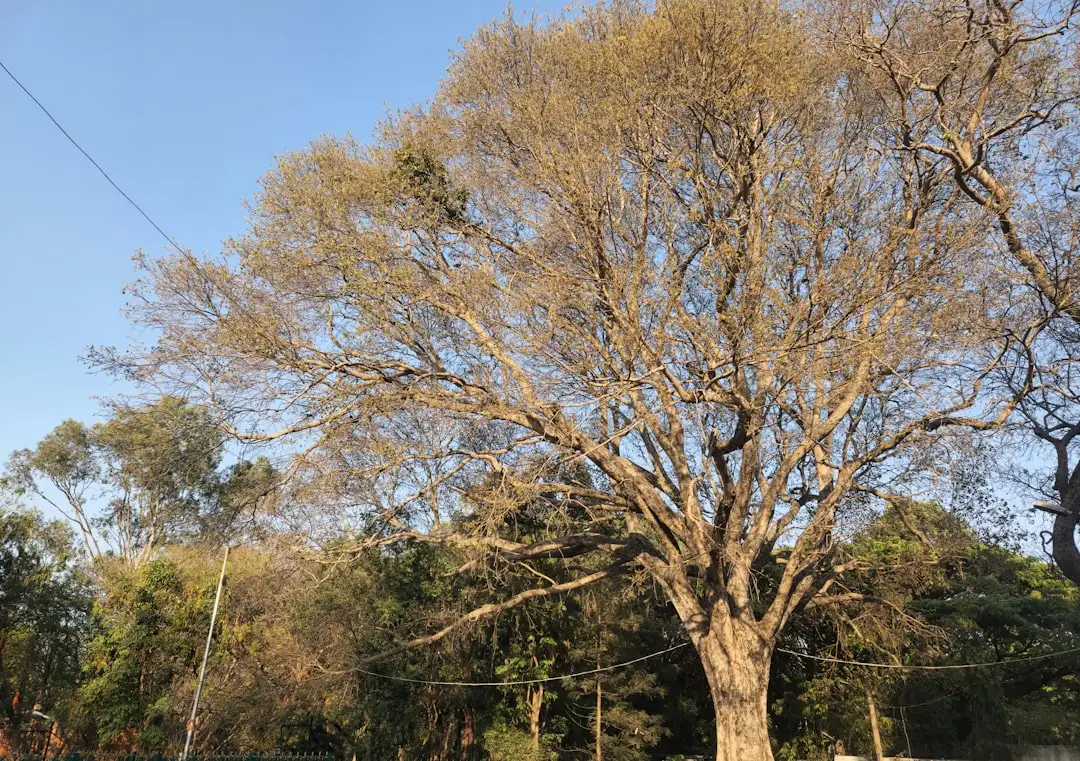
In Ayurveda, peepal is classified as kashaya (astringent) and madhura (sweet) in taste, with cooling properties. The bark is used to treat ulcers, skin conditions, and excessive thirst. Leaf juice is traditionally applied to wounds and cracked heels. Dried figs are ground and given for constipation. In Tibetan medicine, the tree symbolises healing and meditation — Buddha is said to have attained enlightenment under a peepal (the Bodhi tree). Folk traditions across rural India still use peepal twigs as natural toothbrushes, prized for their mild antibacterial action.
Safety and Side Effects
Peepal is generally considered safe in small culinary or topical amounts. However, large doses of bark extract may cause stomach upset or low blood sugar. Pregnant and breastfeeding women should avoid medicinal use. The milky latex from cut stems can irritate sensitive skin — wear gloves when pruning. The figs and leaves are mildly toxic to dogs and cats if eaten in quantity, causing vomiting and diarrhoea. Keep saplings out of reach of curious pets.
How to Grow Peepal Tree at Home
Growing a peepal tree is surprisingly easy once you understand its basic needs. The tree adapts to a wide range of conditions, which is why it self-seeds so readily in tropical cities. Whether you’re planting a sapling in a backyard in Chennai, a courtyard in Dubai, or a large container in a London conservatory, the principles are similar. Choose a spot with plenty of light, well-draining soil, and enough room for future growth. Remember, this is a tree that wants to become large — so think carefully about placement near buildings, drains, and foundations. Its aggressive roots can damage walls and pipes over time.
Choosing the Right Location
For outdoor planting, pick a sunny spot at least 6 metres (20 feet) from any structure. The roots spread wide and deep. In urban gardens with limited space, container growing or bonsai training works beautifully. Use a pot at least 45 cm (18 inches) wide with drainage holes. Indoor growers in cold climates should place the tree near a south- or west-facing window where it gets 6+ hours of bright light daily. A quick tip here: rotate the pot every two weeks for even growth.
Starting from a Sapling vs Seed
Most home gardeners start with a small sapling from a nursery — it’s faster and more reliable. Seeds are tiny and need warmth (25–30°C / 77–86°F) plus high humidity to sprout. If you find a young self-seeded sapling growing in a wall crack (very common in tropical Indian cities), carefully transplant it during the monsoon. The RHS recommends Ficus religiosa as a heated-greenhouse plant for UK gardeners, treating it as a tender ornamental.
Soil and Fertilizer Requirements
Peepal isn’t fussy about soil, which partly explains why it grows in such unlikely places. However, for healthy growth at home, give it the best you can. The ideal soil is loamy, slightly acidic to neutral (pH 6.0–7.5), and well-draining. Heavy clay holds too much water and causes root rot, while pure sand drains too fast. For container growing, mix 40% garden loam, 30% compost, 20% coco coir or peat, and 10% perlite or coarse sand. This blend works for gardeners worldwide because the ingredients are globally available.
Best Fertilizer Schedule
Young peepal trees grow fast and appreciate regular feeding. From spring through early autumn, apply a balanced NPK 10-10-10 fertilizer once a month at half the label dose. Organic gardeners can use well-rotted cow manure, vermicompost, or compost tea every 4–6 weeks. In winter, stop feeding entirely — the tree slows down and excess nutrients just build up in the soil. Bonsai specimens need lighter, more frequent feeding with a diluted liquid fertilizer every two weeks during the growing season.
Watering and Humidity Needs
Watering is where most beginners go wrong. Peepal likes consistent moisture but hates soggy roots. Check the top 2–3 cm (1 inch) of soil with your finger — if it feels dry, water deeply until liquid runs from the drainage holes. In hot tropical summers (40°C+), potted trees may need water every 2–3 days. In temperate winters indoors, once every 10–14 days is plenty. Furthermore, the peepal tree benefits oxygen production better when properly hydrated because stressed plants reduce photosynthesis. Humidity around 50–70% suits it well, though it tolerates drier air indoors.
Climate-Specific Watering Tips
In tropical India and Southeast Asia, monsoon rains usually cover summer needs. In arid Gulf regions, deep watering twice a week during summer is essential. For Mediterranean climates like California or southern Spain, water once a week in summer and reduce in winter. Cold-climate growers in the UK, Canada, or northern US should let the soil dry slightly more between waterings, especially when the plant is indoors with low light. Yellow leaves usually mean overwatering; crispy brown edges mean underwatering.
Sunlight and Temperature Guide
Peepal loves full sun. Outdoors, give it 6–8 hours of direct sunlight daily. Indoors, place it at your brightest window and consider supplementing with a grow light during dark winter months. Temperature-wise, the tree thrives between 20–35°C (68–95°F). It tolerates heat up to 45°C (113°F) with adequate water. However, it’s frost-tender — anything below 5°C (41°F) damages leaves, and prolonged frost kills young trees. That’s why gardeners in zones 9 and colder grow it strictly as a container plant moved indoors for winter.
Hardiness Zones Explained
Ficus religiosa is hardy in USDA zones 10b–12 and RHS hardiness rating H1c (needs minimum 10°C). In practical terms, this means outdoor planting works year-round in Florida, southern California, Hawaii, northern Australia, much of India, the UAE, and Southeast Asia. Gardeners elsewhere need to bring the tree inside before night temperatures drop below 10°C (50°F). On the other hand, mature trees in marginal climates (zone 9b) sometimes survive light frost if planted in sheltered spots near south-facing walls.
Propagation Methods Explained
You can propagate peepal in three main ways: cuttings, seeds, and air layering. Cuttings are the easiest and most reliable for home growers. Take a 15–20 cm (6–8 inch) semi-hardwood cutting from a healthy branch in spring or early summer. Remove the lower leaves, dip the cut end in rooting hormone (optional but helpful), and plant in moist sand-perlite mix. Keep it warm (25–30°C) and humid. Roots usually form in 4–6 weeks. Air layering works wonderfully for thicker branches and is the preferred method for bonsai enthusiasts who want instant maturity.
Step-by-Step Cutting Propagation
First, select a healthy branch with at least 3–4 nodes. Next, cut just below a node at a 45-degree angle. Then, strip the lower two-thirds of leaves to reduce moisture loss. After that, dip the base in rooting hormone powder. Plant the cutting 5 cm deep in a small pot of moist propagation mix. Cover with a clear plastic bag to maintain humidity. Place in bright indirect light at 25–28°C. Finally, check after 4 weeks for resistance when gently tugged — that means roots have formed.
Common Problems and Solutions
Peepal trees are tough, but they’re not invincible. The most common issues are leaf drop, sticky honeydew from sap-sucking pests, and root rot from overwatering. Don’t worry if your tree drops a lot of leaves after being moved or repotted — this is normal stress response and new growth follows within weeks. Many gardeners find peepal much more resilient than other ficus species like the weeping fig (Ficus benjamina), which sulks at the slightest change.
Pests to Watch For
Mealybugs, scale insects, and aphids occasionally attack peepal, especially indoor specimens. Spider mites can become a problem in dry indoor air during winter. Wipe leaves weekly with a damp cloth to spot pests early. For mild infestations, spray with neem oil diluted at 5 ml per litre of water plus a drop of mild soap. Repeat weekly for three weeks. For severe cases, use a horticultural insecticidal soap available globally from brands like Safer or Bayer.
Disease Prevention
Root rot from overwatering is the biggest killer of potted peepal trees. Ensure pots have drainage holes and never let them sit in saucers of water. Leaf spot fungus shows up as brown patches with yellow halos, usually in humid conditions with poor airflow. Remove affected leaves and improve ventilation. Anthracnose can hit outdoor trees during prolonged monsoon — copper-based fungicides help. Importantly, healthy soil and proper watering prevent most diseases before they start.
Seasonal Care Across Climates
Care needs change with the seasons, and they vary dramatically by region. In tropical zones, spring (February–April) is for pruning and repotting, summer for fast growth and heavy watering, monsoon for natural feeding, and winter for rest. In temperate zones, the active growing period is May–September, with the tree dormant or semi-dormant indoors through winter. Furthermore, the peepal tree benefits oxygen output most during peak summer when photosynthesis runs at full capacity. Adjust your care to match the local rhythm.
Pruning and Shaping
Prune in late winter or early spring before new growth begins. Remove dead, crossing, or weak branches. For shape, trim back overlong shoots to maintain a balanced canopy. Bonsai peepal can be pruned more aggressively — even cut hard, the tree bounces back quickly. Always use clean, sharp pruners to prevent disease spread. Wear gloves because the white latex sap can stain clothing and irritate skin.
Winter Protection in Cold Climates
If you grow peepal outdoors in marginal zones, mulch heavily around the root zone with straw or bark before the first frost. Wrap the trunk with hessian or frost cloth on freezing nights. For container plants, move them inside well before temperatures drop. Once inside, reduce watering and stop fertilizing. Expect some leaf drop — it’s normal. Place near the brightest window available and increase humidity with a pebble tray or humidifier.
Cultural and Spiritual Uses
Few trees carry as much cultural weight as the peepal. In Hinduism, it’s considered the dwelling of Lord Vishnu, with Brahma in its roots and Shiva in its branches. Buddhists revere it as the Bodhi tree under which Siddhartha Gautama attained enlightenment. Jains hold it sacred too. People circumambulate ancient peepal trees, tie sacred threads around them, and offer water on Saturdays. In vastu shastra, planting peepal directly in the home compound is generally avoided — instead, it’s grown in temple grounds or public spaces. The peepal tree benefits oxygen levels in these communal areas, which is one practical reason ancient communities planted them near gathering spots.
Vastu and Feng Shui Considerations
Traditional vastu suggests peepal should be planted to the west of a property, never directly south or in front of the main entrance. In feng shui, large trees with heart-shaped leaves like peepal symbolise abundance and harmony when placed in outdoor garden corners. That said, many modern gardeners simply grow peepal bonsai indoors without worrying about traditional rules — it’s a personal choice based on belief and aesthetics.
Frequently Asked Questions
Does the peepal tree really release oxygen at night?
Yes, but in small amounts. The peepal tree benefits oxygen levels at night because it uses partial CAM photosynthesis, a special adaptation that lets it absorb carbon dioxide after dark and release a trickle of oxygen. It's not a huge amount compared to daytime production, but it's far more than most trees, which actually consume oxygen at night. This is one reason ancient Indian texts recommend planting peepal near homes and meditation spots.
Can I grow a peepal tree indoors in a cold climate like the UK or Canada?
Absolutely, but you'll need to grow it as a container plant or bonsai. Place it near your brightest window — south or west facing works best. Keep temperatures above 10°C (50°F) year-round and provide humidity through pebble trays or a humidifier. During dark winters, a small grow light helps tremendously. Many UK and Canadian gardeners successfully maintain peepal bonsai for decades indoors.
Is the peepal tree safe for pets and children?
The leaves, figs, and bark are mildly toxic to dogs and cats if eaten in larger quantities, causing vomiting, drooling, and diarrhoea. The milky white latex from cut stems can also irritate sensitive skin or eyes. Keep small saplings out of reach of curious pets and toddlers. That said, the tree is not deadly poisonous — small nibbles usually cause only mild upset. Wash your hands after pruning.
How does the peepal tree benefits oxygen production compare to other trees?
A mature peepal produces roughly the same total daily oxygen as similar-sized trees like neem or banyan — around 100 kg per year. However, the peepal tree benefits oxygen supply uniquely because it continues some oxygen release at night through CAM photosynthesis. Most other trees only release oxygen during daylight. This makes peepal especially valuable for urban air quality and one of the top trees recommended for cities.
How do I grow peepal in a container or as bonsai?
Use a wide, shallow pot at least 30 cm (12 inches) across with multiple drainage holes. Fill with a mix of 40% loam, 30% compost, 20% coco coir, and 10% perlite. Place in bright light and water when the top inch feels dry. Prune regularly to maintain shape and repot every 2–3 years in spring. Peepal is one of the easiest trees for beginner bonsai because of its forgiving nature and rapid response to pruning.
When is the best time to plant a peepal sapling?
In tropical climates like India and Southeast Asia, plant during the monsoon (June–August) when rainfall supports establishment. In subtropical regions like southern US or Mediterranean Europe, plant in spring (March–May) after the last frost. For indoor container growing, you can start anytime, though spring gives the best growth response. Always water deeply after planting and mulch the root zone to retain moisture.
Why are the leaves of my peepal turning yellow?
Yellow leaves usually point to overwatering, which causes root rot. Check that the pot drains freely and let the topsoil dry between waterings. Other causes include nutrient deficiency (especially nitrogen), sudden temperature changes, or poor light. Move the plant to a brighter spot and feed with a balanced fertilizer at half strength. Some leaf yellowing is also natural during seasonal transitions, especially in autumn.
Can peepal tree roots damage building foundations?
Yes, and this is a serious concern. Peepal has aggressive, far-reaching roots that can crack walls, lift pavements, and invade drains. Never plant a peepal closer than 6 metres (20 feet) from any structure. In urban gardens with limited space, restrict the tree to a large container or grow it as bonsai. This is why traditional Indian wisdom places peepal in temple courtyards and roadside locations rather than home gardens.
Final Thoughts
The peepal tree benefits oxygen production, urban air quality, and human well-being in ways no other tree quite matches. From its nighttime oxygen release through CAM photosynthesis to its 3,000-year medicinal legacy, Ficus religiosa truly deserves its sacred status. Whether you’re nurturing a young sapling under the monsoon skies of Mumbai, a bonsai in a sunny London window, or a mature shade tree in a Florida backyard, this remarkable plant rewards your care generously. Start with healthy soil, give it plenty of light, water thoughtfully, and respect its space needs. In return, you’ll get decades — perhaps centuries — of beauty, shade, and that gentle whisper of leaves that has comforted seekers and gardeners for millennia. Plant one today, even if just as a bonsai, and you’ll be joining a global tradition of honouring one of nature’s most generous trees. Your future self, and the planet, will thank you.

