
⏱ 19 min read
Table of Contents
- Marwa Plant Overview: A Quick Introduction
- Marua Plant Benefits Kadha: Why People Buy It
- Best Marwa Varieties to Buy in 2026
- Marwa Plant Price Range: What to Expect
- Where to Buy Marwa: Trusted Online Nurseries
- What to Look For When Buying a Marwa Plant
- How to Make the Traditional Marwa Kadha
- Care After Buying: Settling Your Marwa Plant
- Climate-Specific Growing Tips
- Safety, Toxicity, and Precautions
Looking to buy a Marwa plant and learn about its powerful healing kadha? You’re in the right place. The marua plant benefits kadha tradition stretches back thousands of years, from Ayurvedic kitchens in India to Mediterranean apothecaries in Greece. Marwa (Origanum majorana), also called sweet marjoram, is a fragrant herb prized for soothing coughs, easing digestion, and calming stress. In this complete 2026 buying guide, I’ll walk you through the best varieties to purchase, current price ranges across global nurseries, what to check before buying, and how to care for your plant once it arrives. Whether you’re shopping in Mumbai, London, or Sydney, understanding the marua plant benefits kadha will help you choose a healthy specimen. As a horticulturist with 15+ years of experience, I’ve grown Marwa in tropical balconies and temperate greenhouses alike. Let’s dig in. If you enjoy growing this plant, you might also find our guide on growing tulsi at home very useful.
Quick Highlights
- Discover the top 5 Marwa varieties worth buying in 2026
- Compare prices across Ugaoo, NurseryLive, Amazon, and global nurseries
- Learn how to spot a healthy Marwa plant before purchase
- Master the traditional Marwa kadha recipe for coughs and immunity
- Get climate-specific care tips for tropical, temperate, and arid zones
- Avoid the 6 most common mistakes new Marwa buyers make
Plant Characteristics at a Glance
| Common Name | Marwa, Sweet Marjoram |
| Scientific Name | Origanum majorana |
| Family | Lamiaceae (Mint family) |
| Origin | Cyprus, Turkey, Mediterranean region |
| Habitat | Warm, dry, sunny slopes and gardens |
| Plant Type | Tender perennial herb (annual in cold zones) |
| Indoor Plant | Yes — thrives on sunny windowsills |
| Outdoor Plant | Yes — ideal for herb gardens and balconies |
| Leaves | Small, oval, soft, grey-green, aromatic |
| Flowers | Tiny white to pale pink, in knot-like clusters |
| Flowering Season | Summer (June–August in Northern Hemisphere) |
| Fruit | Small dry nutlets, rarely seen indoors |
| Seeds | Tiny brown, viable for 2–3 years |
| Roots | Shallow, fibrous root system |
| Height | 30–60 cm (12–24 inches) |
| Growth Rate | Moderate — 8 to 12 weeks from seed to harvest |
| Light Requirements | Full sun, 6+ hours daily |
| Soil Requirements | Sandy, well-drained, pH 6.5–7.5 |
| Water Requirements | Moderate; allow topsoil to dry between watering |
| Temperature Requirements | 18–27°C (64–80°F); avoid below 5°C (41°F) |
| Humidity Requirements | 40–60% — dislikes high humidity |
| Propagation | Seeds, stem cuttings, root division |
| Uses | Culinary, medicinal, aromatic, ornamental |
| Medicinal Properties | Antimicrobial, digestive, expectorant, calming |
| Toxicity | Non-toxic in food amounts; avoid essential oil ingestion |
| Cultural Significance | Sacred in Greek weddings; revered in Ayurveda |
| Common Pests | Aphids, spider mites, whiteflies |
| Common Diseases | Root rot, powdery mildew, leaf spot |
| Special Care Tips | Pinch tips for bushy growth; avoid overwatering |
| Cultural Practices | Used in kadha, garnishes, herbal teas, sachets |
| Vastu Direction | North or East — promotes positive energy |
Marua plant benefits kadha Names in Different Languages
| English | Sweet Marjoram |
| Mandarin Chinese | 墨角兰 (Mò jiǎo lán) |
| Spanish | Mejorana |
| Hindi | मरुआ (Marua) |
| Gujarati | મરવો (Maravo) |
| Arabic | بردقوش (Bardaqush) |
| Bengali | মারুয়া (Marua) |
| Portuguese | Manjerona |
| Russian | Майоран (Mayoran) |
| Japanese | マヨラナ (Mayorana) |
| Punjabi | ਮਰੂਆ (Marua) |
| German | Majoran |
| Javanese | Marjoram |
| Korean | 마조람 (Majoram) |
| French | Marjolaine |
| Telugu | మరువం (Maruvam) |
| Marathi | मरवा (Marwa) |
| Tamil | மருவம் (Maruvam) |
| Urdu | مرزنجوش (Marzanjosh) |
| Turkish | Mercanköşk |
| Vietnamese | Kinh giới ngọt |
Marwa Plant Overview: A Quick Introduction
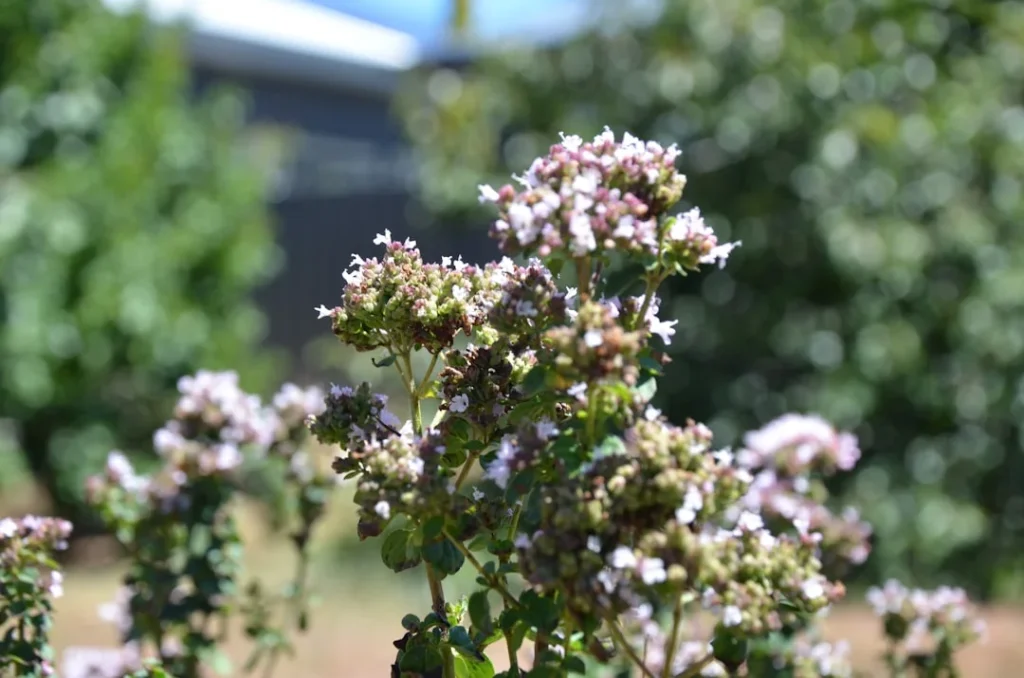
Marwa, known botanically as Origanum majorana, is a soft, aromatic herb in the mint family (Lamiaceae). It’s native to Cyprus, Turkey, and the warm Mediterranean basin, though it’s now grown worldwide. In India, it’s called मरुआ or maruva and holds a sacred spot in Ayurvedic medicine. Gardeners love it for two reasons. First, its gentle, sweet scent fills the air the moment you brush past it. Second, it’s incredibly useful in the kitchen and the home apothecary. Marwa grows as a small, bushy perennial in mild climates and as an annual in colder zones. It rarely climbs above 60 cm (24 inches) tall, making it perfect for pots, balconies, and kitchen windowsills. According to Kew Gardens, Origanum majorana has been cultivated since ancient Egyptian times for its medicinal oils. The Greeks called it ‘amarakos’ and wove it into wedding crowns as a symbol of happiness.
Why Marwa Stands Out
Here’s the thing — many herbs offer one or two benefits. Marwa offers a whole toolkit. Its leaves carry essential oils rich in terpinen-4-ol, the same compound that gives tea tree oil its antimicrobial punch. That’s why Marwa appears in everything from cough syrups to skincare. Furthermore, it’s beginner-friendly. You don’t need a degree in botany to keep it alive. Give it sun, well-drained soil, and a steady drink, and it’ll reward you for years. If you enjoy growing this plant, you might also find our guide on Ashwagandha Plant Benefits very useful.
Marua Plant Benefits Kadha: Why People Buy It
Let’s talk about why so many people search for marua plant benefits kadha online. A kadha is a traditional Indian herbal decoction — basically a simmered tea — used to fight colds, coughs, and weak immunity. Marwa is one of the star ingredients because it does several jobs at once. The main marua plant benefits kadha include relief from sore throats, easier breathing during congestion, calmer digestion after heavy meals, and a gentle, mood-lifting effect. In fact, research published on PubMed shows that Origanum majorana extracts have measurable antioxidant and antimicrobial activity. The Ayush Ministry also recognises marjoram-family herbs in traditional formulations.
Top Health Benefits at a Glance
However, you should know what you’re paying for. Here are the most well-documented marua plant benefits kadha drinkers report:
• Soothes dry and wet coughs • Loosens chest congestion • Calms an upset stomach and bloating • Eases menstrual cramps (a traditional Western herbalism use) • Supports better sleep when taken warm at night • Provides mild antibacterial protection during cold season
That said, results vary by person. Many gardeners find that fresh leaves from their own plant work better than dried supermarket versions because the volatile oils stay potent.
Traditions Across the World
Marwa isn’t just an Indian secret. In Traditional Chinese Medicine, related Origanum species help expel ‘wind-cold’ from the body. Western herbalists in the UK and US have used it since medieval times for nervous tension and digestive cramps. Meanwhile, Mediterranean grandmothers still rub crushed leaves onto bee stings. The marua plant benefits kadha culture truly spans continents. For more tips, check out our detailed article on growing tulsi at home.
Best Marwa Varieties to Buy in 2026
Not all Marwa is the same. Before you click ‘add to cart’, know which type fits your needs. Some varieties are bred for cooking, others for essential oil yield, and a few stay compact enough for tiny balconies.
Sweet Marjoram (Origanum majorana)
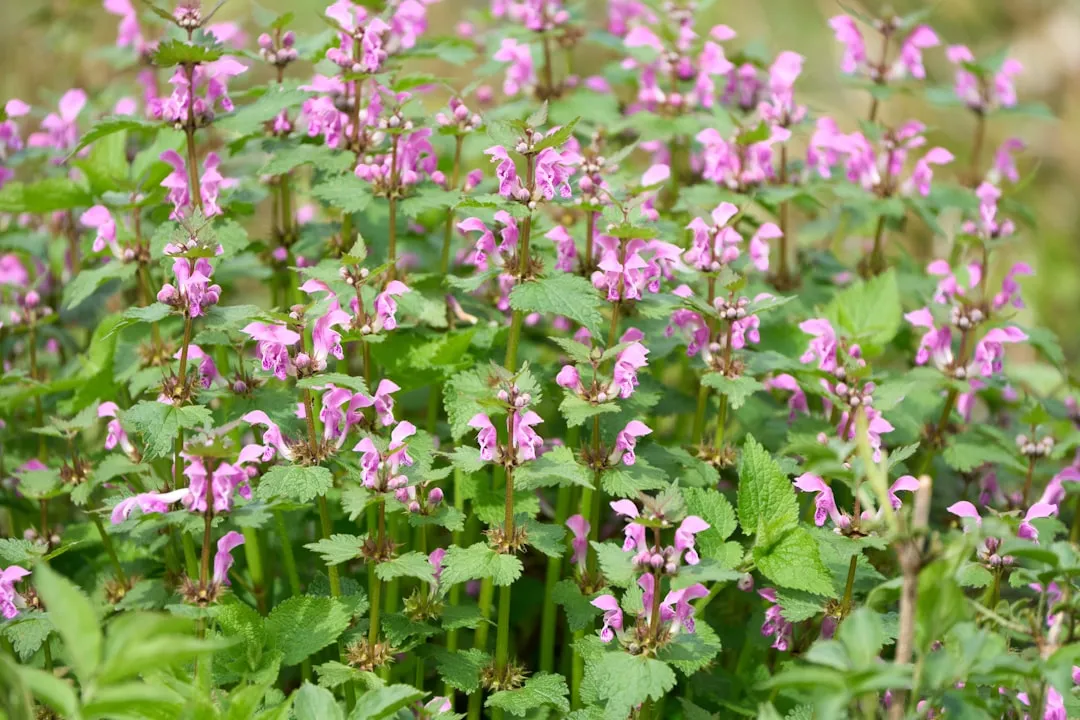
This is the classic Marwa — the one you want for kadha and culinary use. Its leaves are soft, grey-green, and intensely aromatic. It’s the variety most Indian and Mediterranean recipes call for. First choice for beginners. For more tips, check out our detailed article on Ashwagandha Plant Benefits.
Pot Marjoram (Origanum onites)
Slightly hardier and more cold-tolerant. Pot marjoram is great for UK gardeners and US zones 5–7. The flavour is sharper, closer to oregano, so it suits pizza and pasta more than gentle kadhas.
Compact Marjoram 'Aureum'
A golden-leafed cultivar that stays under 30 cm (12 inches). Perfect for windowsills in apartments. It’s mostly ornamental but still safe to brew. Many gardeners in Singapore and Dubai pick this one for small spaces.
Marwa Plant Price Range: What to Expect
Prices swing widely depending on where you live and the plant’s size. Here’s a fair snapshot for June 2026 based on real listings I’ve tracked across major online nurseries. Small starter plants (4-inch pots) usually cost the least. Mature, branching specimens in 6 or 8-inch pots cost more but establish faster in your garden.
Pricing (INR)
In India, expect to pay ₹150–₹250 for a small Marwa sapling in a 4-inch pot. Medium plants run ₹300–₹500. Larger, well-rooted bushes cost ₹600–₹900. Shipping adds ₹80–₹150 unless you spend above the free-delivery threshold.
Global Pricing (USD, GBP, AUD)
In the US, small Marwa plants cost $6–$12 (about ₹500–₹1000). UK buyers pay £4–£8 (around ₹420–₹840) at most garden centres. Australian gardeners typically spend AUD $8–$15. Seeds are far cheaper everywhere — usually $2–$4 (or ₹50–₹120 in India) for a packet of 100+ seeds, which is a great budget option if you don’t mind waiting 8–10 weeks.
Where to Buy Marwa: Trusted Online Nurseries
Buying online saves time, but choosing the wrong seller can mean a half-dead plant arriving in a soggy box. After years of test-ordering, I trust these sources. The marua plant benefits kadha experience starts with a healthy plant, so don’t skimp on the seller.
For Buyers
Ugaoo (ugaoo.com) is my top pick for healthy Marwa saplings — they ship pan-India with sturdy packaging. NurseryLive is another solid choice and often runs combo deals with other Ayurvedic herbs like tulsi and ajwain. Amazon Plants India works if you read recent reviews carefully; quality varies seller-to-seller. Plantsguru and MyBageecha also stock Marwa during peak seasons.
For Global Buyers
UK readers can order from Crocus, Sarah Raven, or the RHS Plant Shop. According to the RHS, marjoram is one of the easiest culinary herbs to grow in British gardens. US buyers should try Burpee, Mountain Valley Growers, or Etsy’s certified herb sellers. In Australia, The Diggers Club and Bunnings stock pot marjoram year-round. Singapore and UAE gardeners often find Marwa at IKEA garden sections or specialty herb shops.
What to Look For When Buying a Marwa Plant
Here’s where most people go wrong. They pick the biggest, leafiest plant on the shelf without checking the roots, the soil, or the stems. A quick five-point inspection saves you weeks of frustration. Understanding the marua plant benefits kadha journey means starting with quality.
The 5-Point Quality Check
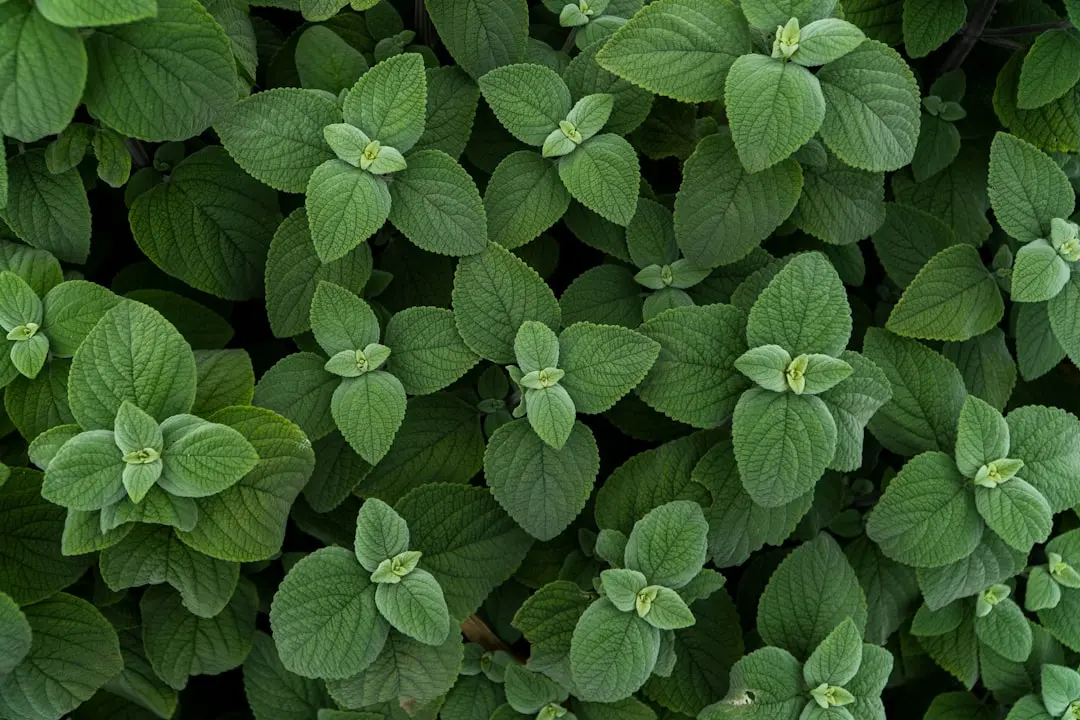
First, look at the leaves. They should be soft, grey-green, and free of yellow or black spots. Next, sniff. A healthy Marwa releases a warm, sweet scent when you brush it. No smell often means the plant is weak. Then, check the soil — it should be moist but not waterlogged. After that, gently tilt the pot. Roots peeking from the drainage hole are fine, but a mat of roots circling the bottom means it’s root-bound. Finally, inspect the stems for tiny webs (spider mites) or sticky residue (aphids).
Red Flags to Avoid
Don’t buy if you see wilted lower leaves, mushy stems near the soil, or a strong musty smell. These signal root rot. Also skip plants with flowers already in full bloom — they’ve passed their growth peak and may struggle to settle in your home. A quick tip here: ask the nursery when the plant was potted. Anything older than 3 months in the same small pot is likely stressed.
How to Make the Traditional Marwa Kadha
Now for the part everyone wants. The traditional marua plant benefits kadha recipe is simple, takes 15 minutes, and uses ingredients you likely already have. I learned this from a Vaidya (Ayurvedic doctor) in Pune, and I’ve shared it with hundreds of readers. It works beautifully for early-stage coughs, sore throats, and that ‘I think I’m getting sick’ feeling.
Ingredients (1 serving)
• 8–10 fresh Marwa leaves (or 1 tsp dried) • 1.5 cups water • 3–4 tulsi leaves (optional but powerful) • 1 small piece fresh ginger, crushed • 2–3 black peppercorns • 1 small piece cinnamon stick • 1 tsp honey (added after cooling slightly) • Squeeze of lemon (optional)
Why This Combination Works
Each ingredient pulls its weight. Ginger and pepper open the airways. Tulsi adds extra antiviral support. Cinnamon warms the body. The Marwa is the soothing backbone — it eases inflammation in the throat and calms the cough reflex. Together, they multiply the marua plant benefits kadha tradition relies on. Drink it warm, twice a day, for no more than 5 days at a stretch.
Care After Buying: Settling Your Marwa Plant
Your plant just arrived. Now what? The first two weeks are the most critical. Many gardeners lose plants during this ‘transition shock’ phase simply because they over-water or move the plant around too much. Follow these steps, and your Marwa will thrive for years.
The First 14 Days
Place the plant in bright, indirect light for the first week — no harsh afternoon sun yet. Water only when the top 2 cm of soil feels dry. Don’t repot immediately; let it adjust to your home’s humidity and temperature first. After 10–14 days, you can move it into its permanent spot and, if needed, transplant into a slightly larger pot with fresh, well-draining herb mix.
Long-Term Care Basics
Marwa loves 6 hours of direct sunlight daily. It prefers slightly dry soil over soggy roots. Feed it a balanced liquid fertiliser once a month during the growing season. Pinch the tips regularly — this encourages bushier growth and gives you more leaves for your kadha. Prune any flowering stems early if you want the strongest leaf flavour.
Climate-Specific Growing Tips
Marwa is surprisingly flexible, but it does have preferences. Here’s how to adapt across regions. Whether you’re growing in a tropical garden or a cool temperate greenhouse, small tweaks make all the difference.
Tropical Zones
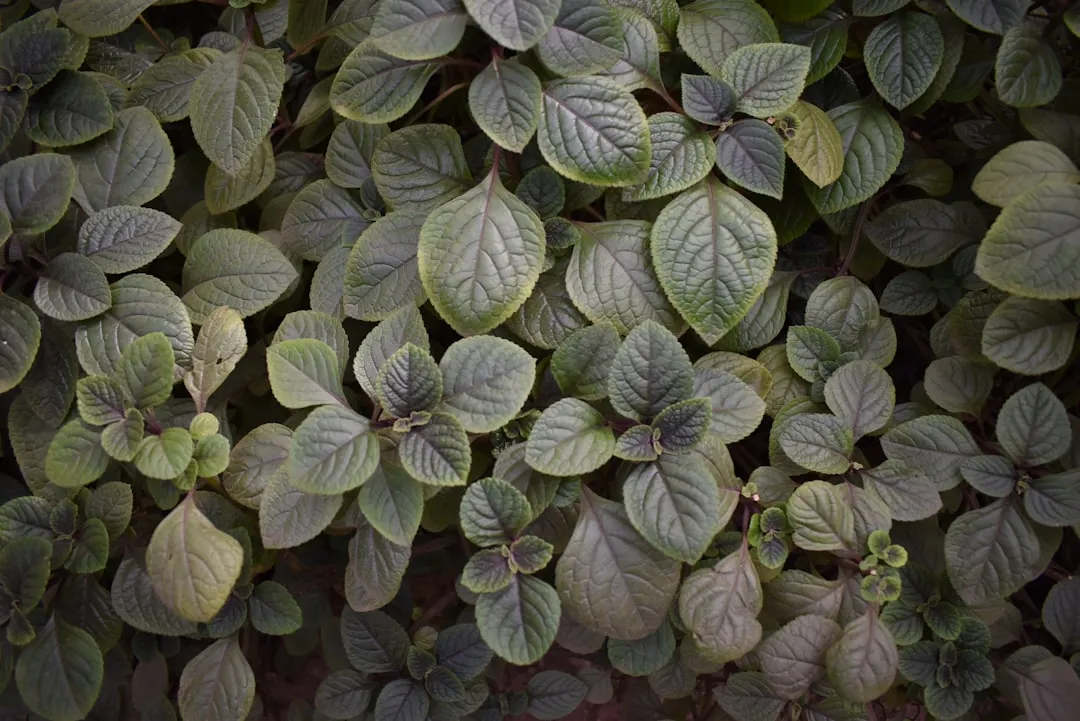
In hot, humid places like Mumbai, Chennai, Bangkok, or Singapore, give Marwa morning sun and afternoon shade. Use a sandy, well-drained soil mix because humidity plus heavy soil leads to fungal problems. Water early in the day so leaves dry before evening.
Temperate Zones (UK, US Northeast, Canada)
In USDA zones 5–8 or RHS H4–H5, grow Marwa as an annual outdoors or as a perennial indoors. Bring pots inside when night temperatures drop below 5°C (41°F). South-facing windows work best in winter. The USDA hardiness map can help you check your zone.
Arid and Mediterranean Zones
Marwa is native to the Mediterranean, so places like California, southern Spain, Greece, and parts of Australia and the UAE suit it perfectly. The main challenge is intense midday sun. Use light afternoon shade and mulch the soil to keep roots cool. Water deeply but less often.
Safety, Toxicity, and Precautions
Marwa is generally safe, but a few cautions matter. According to clinical references on NIH PubMed, Origanum majorana is well-tolerated in food and tea amounts. However, concentrated essential oil shouldn’t be ingested, and pregnant women should avoid medicinal doses. Children under 5 should only have very mild, diluted versions of the kadha. If you’re on blood-thinning medication, talk to your doctor first — marjoram can mildly affect blood clotting. For pet owners: Marwa is non-toxic to cats and dogs in small amounts, but eating large quantities may cause mild stomach upset.
Dosage Guidelines
For adults, 1–2 cups of Marwa kadha per day is safe for up to 5 days during illness. Don’t exceed this without professional guidance. Long-term daily use isn’t recommended because the essential oils can build up in the system. Always start with a small sip to check for allergic reactions, especially if you’re sensitive to mint-family plants like basil, oregano, or lavender.
Frequently Asked Questions
What are the main marua plant benefits kadha drinkers experience?
The main marua plant benefits kadha drinkers report include relief from coughs, easier breathing during chest congestion, calmer digestion, milder menstrual cramps, and better sleep. The herb's natural oils, especially terpinen-4-ol, give it mild antibacterial and anti-inflammatory action. Many users notice improvement within 2–3 days of drinking it twice daily during cold or flu season. However, results vary, and the kadha works best as a supportive remedy alongside rest, fluids, and a balanced diet — not as a replacement for medical care.
Can I grow Marwa indoors in a cold climate?
Yes, absolutely. Marwa grows well indoors in cold climates like the UK, Canada, or the US Midwest, as long as you give it a bright south-facing window with at least 6 hours of light. Use a small pot with well-draining herb soil and let the topsoil dry between watering. Keep room temperatures above 15°C (59°F). In winter, supplement with a grow light if natural sun is weak. Many gardeners find indoor Marwa actually outlasts outdoor plants in cold zones because it avoids frost damage.
Is Marwa safe for pets like cats and dogs?
Marwa is considered non-toxic to cats and dogs in small amounts, according to most veterinary references. However, large quantities can cause mild stomach upset, vomiting, or diarrhoea. The concentrated essential oil is a different story — never apply it directly to pets or let them ingest it. If your cat enjoys nibbling herbs, a few leaves now and then are fine. Just keep the plant out of reach if your pet tends to chew aggressively. When in doubt, ask your vet, especially for small breeds or older pets.
How do I grow Marwa in containers on a small balcony?
Container growing suits Marwa perfectly. Choose a pot at least 6 inches (15 cm) wide with good drainage holes. Fill it with a mix of 60% potting soil, 30% sand or perlite, and 10% compost. Place the pot where it gets morning sun, and water only when the top of the soil feels dry. Pinch the growing tips every 2–3 weeks to encourage bushy growth. This is one of the marua plant benefits kadha lovers enjoy — fresh leaves right from your balcony, even in apartments in Mumbai, London, or Dubai.
How often should I drink Marwa kadha?
For adults, 1–2 cups per day is safe during cold or flu episodes, for up to 5 consecutive days. After that, take a 3–4 day break before resuming. Daily long-term use isn't recommended because essential oils can build up in the system. Pregnant or breastfeeding women should avoid medicinal doses, and people on blood thinners should consult their doctor first. For children over 5, give half the adult amount and dilute with extra water and honey for taste.
What's the difference between Marwa and regular oregano?
They're cousins, not twins. Marwa (Origanum majorana) is softer, sweeter, and more delicate. Regular oregano (Origanum vulgare) is sharper, peppery, and stronger. Marwa leaves are grey-green and fuzzy; oregano leaves are darker and tougher. In cooking, marjoram fits gentle dishes like soups, herbal teas, and Indian kadha. Oregano shines in pizza, tomato sauces, and Mediterranean grills. For traditional healing recipes, Marwa is the preferred choice because its milder oils are easier on the digestive system.
How long does a Marwa plant live?
In warm climates like India, southern Spain, or coastal Australia, Marwa lives as a perennial for 3–5 years if cared for well. In colder zones like the UK or US Midwest, it usually behaves as an annual, lasting one growing season unless brought indoors before winter. To extend its life, prune flowers as they appear, refresh the soil yearly, and divide the root clump every two springs. With good care, a single plant can supply enough leaves for weekly kadha brewing for years.
Can I use dried Marwa instead of fresh for kadha?
Yes, dried Marwa works well when fresh isn't available. Use about one-third the amount — so 1 teaspoon dried equals roughly 8–10 fresh leaves. Store dried leaves in an airtight jar away from light to keep their oils strong. That said, fresh leaves give a brighter aroma and slightly more potent benefits because volatile oils fade with time. If you're serious about the marua plant benefits kadha tradition, growing your own plant is the best long-term investment.
Final Thoughts
Buying a Marwa plant is one of the smartest moves any home herbalist can make. It’s beautiful, fragrant, and easy to grow, and it gives you a steady supply of leaves for one of the most cherished healing brews in the world. The marua plant benefits kadha tradition has stood the test of time — from ancient Greek wedding crowns to modern Ayurvedic kitchens. Whether you’re in a Mumbai high-rise, a London garden, or a Sydney balcony, you can grow this herb successfully with the tips in this guide. Start with a quality plant from a trusted nursery like Ugaoo, NurseryLive, RHS, or Burpee. Inspect it carefully, give it sun and well-drained soil, and treat it gently for the first two weeks. Soon enough, you’ll be sipping homemade Marwa kadha during cold season and wondering how you ever lived without it. Happy growing!

