
⏱ 20 min read
Table of Contents
- Water Lily Overview: Why Grow One in a Pot
- Best Water Lily Varieties for Pots
- Price Range: What You'll Actually Pay
- Where to Buy Water Lilies in India and Abroad
- What to Look for When Buying
- How to Set Up Your Water Lily Pot Step by Step
- Care After Buying: Keeping Blooms Coming
- Climate Guide: Tropical, Temperate, Mediterranean, Arid
- Safety and Toxicity Notes
- Common Problems and Quick Fixes
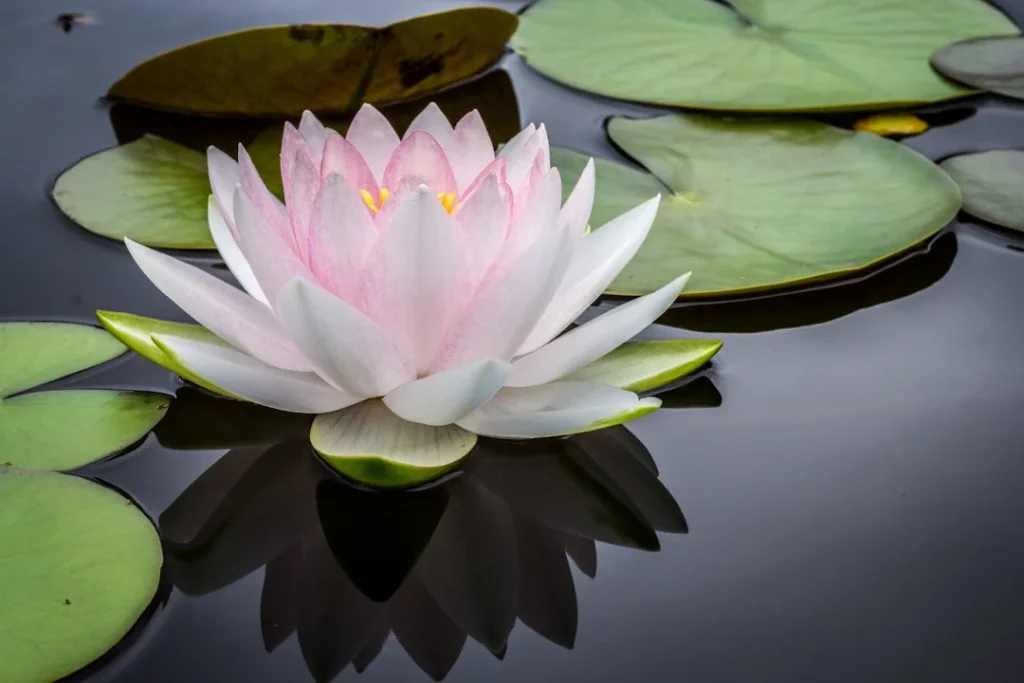
Picture this: a single, sapphire-blue bloom opening at dawn on the surface of a clay pot on your balcony. No pond. No garden. Just a container, water, and the right plant. That’s the magic of the water lily grow pot India gardeners are now obsessed with. The good news? You don’t need a big space or fancy equipment. The water lily (Nymphaea nouchali), known in India as नीलकमल, thrives in pots when given heat, sun, and still water — which makes summer the perfect time to start. In this buying guide, I’ll walk you through the best varieties, real price ranges in INR, trusted nurseries, and exactly what to check before you pay. Whether you’re in tropical Mumbai, temperate London, or arid Dubai, the water lily grow pot India method works beautifully. By the end, you’ll know precisely why your earlier attempts may have failed — and how to get those dreamy blooms this season. If you enjoy growing this plant, you might also find our guide on Hibiscus Plant Care India very useful.
Quick Highlights
- Discover the best water lily varieties for container growing in any climate
- Compare real INR price ranges from Ugaoo, NurseryLive, and Amazon
- Learn exactly what to check before buying a healthy tuber or plant
- Master pot setup, soil, and water depth for guaranteed blooms
- Understand summer's role in triggering fast flowering
- Get safety facts on toxicity for pets, kids, and pond fish
Plant Characteristics at a Glance
| Common Name | Water Lily (Blue Water Lily, Star Lotus) |
| Scientific Name | Nymphaea nouchali |
| Family | Nymphaeaceae |
| Origin | South and Southeast Asia, including India and Sri Lanka |
| Habitat | Ponds, lakes, slow rivers, and still freshwater bodies |
| Plant Type | Aquatic perennial herb |
| Indoor Plant | Possible in bright sunrooms or near sunny windows |
| Outdoor Plant | Yes — ideal for pots, ponds, and water gardens |
| Leaves | Round, floating pads with a notched edge, green above |
| Flowers | Star-shaped, violet-blue to white, opening by day |
| Flowering Season | Summer to early autumn (peak in warm months) |
| Fruit | Spongy berry-like capsule that ripens underwater |
| Seeds | Small, numerous, develop inside the submerged fruit |
| Roots | Tuberous rhizome anchored in bottom soil |
| Height | Floats at water surface; spread 30–90 cm depending on type |
| Growth Rate | Fast in warm, sunny conditions |
| Light Requirements | Full sun, at least 6 hours daily |
| Soil Requirements | Heavy loam or aquatic plant soil, low in nutrients |
| Water Requirements | Still freshwater, 15–45 cm deep above the crown |
| Temperature Requirements | 21–32°C (70–90°F) for tropical types; hardy types tolerate colder |
| Humidity Requirements | Not relevant — grown in water |
| Propagation | Tuber division, rhizome cuttings, or seeds |
| Uses | Ornamental ponds, container water gardens, cultural rituals |
| Medicinal Properties | Used in Ayurveda for cooling and calming preparations |
| Toxicity | Mildly toxic if eaten in quantity; keep pets and toddlers away |
| Cultural Significance | Sacred in Hindu and Buddhist traditions; national flower of Sri Lanka and Bangladesh |
| Common Pests | Aphids, water lily beetle, leaf-cutting insects |
| Common Diseases | Crown rot, leaf spot, fungal infections |
| Special Care Tips | Use a dark pot to warm water; feed monthly with aquatic tablets |
| Cultural Practices | Remove spent blooms; divide tubers every 2–3 years |
| Vastu Direction | North or northeast for water features, said to attract calm energy |
Water lily grow pot Names in Different Languages
| English | Blue Water Lily / Star Lotus |
| Mandarin Chinese | 睡莲 (Shuìlián) |
| Spanish | Nenúfar azul |
| Hindi | नीलकमल (Neelkamal) |
| Gujarati | પોયણું (Poyanu) |
| Arabic | زنبق الماء (Zanbaq al-maa) |
| Bengali | শাপলা (Shapla) |
| Portuguese | Nenúfar |
| Russian | Кувшинка (Kuvshinka) |
| Japanese | スイレン (Suiren) |
| Punjabi | ਕੰਵਲ (Kanwal) |
| German | Seerose |
| Javanese | Tunjung |
| Korean | 수련 (Suryeon) |
| French | Nénuphar bleu |
| Telugu | కలువ (Kaluva) |
| Marathi | कमळ (Kamal) |
| Tamil | நீலாம்பல் (Neelambal) |
| Urdu | نیلوفر (Nilofar) |
| Turkish | Nilüfer |
| Vietnamese | Hoa súng |
Water Lily Overview: Why Grow One in a Pot
Here’s the thing most people don’t realise: water lilies don’t need a pond at all. A simple pot holds enough water for a dwarf variety to bloom for months. That’s why the water lily grow pot India trend has exploded on balconies and terraces from Chennai to Chandigarh.
The water lily (Nymphaea nouchali) is an aquatic perennial. Its roots sit in soil at the bottom, while leaves and flowers float on the surface. In fact, it’s the national flower of Bangladesh and Sri Lanka, and it carries deep meaning in Hindu and Buddhist traditions.
Why choose a pot over a pond? Because pots give you control. You manage the water, the sun, and the feeding far more easily. According to Kew Gardens, Nymphaea species span tropical and temperate zones worldwide — so wherever you live, there’s a type for you.
But picking the right variety is where most gardeners go wrong. Let’s fix that next.
What Makes Nymphaea nouchali Special
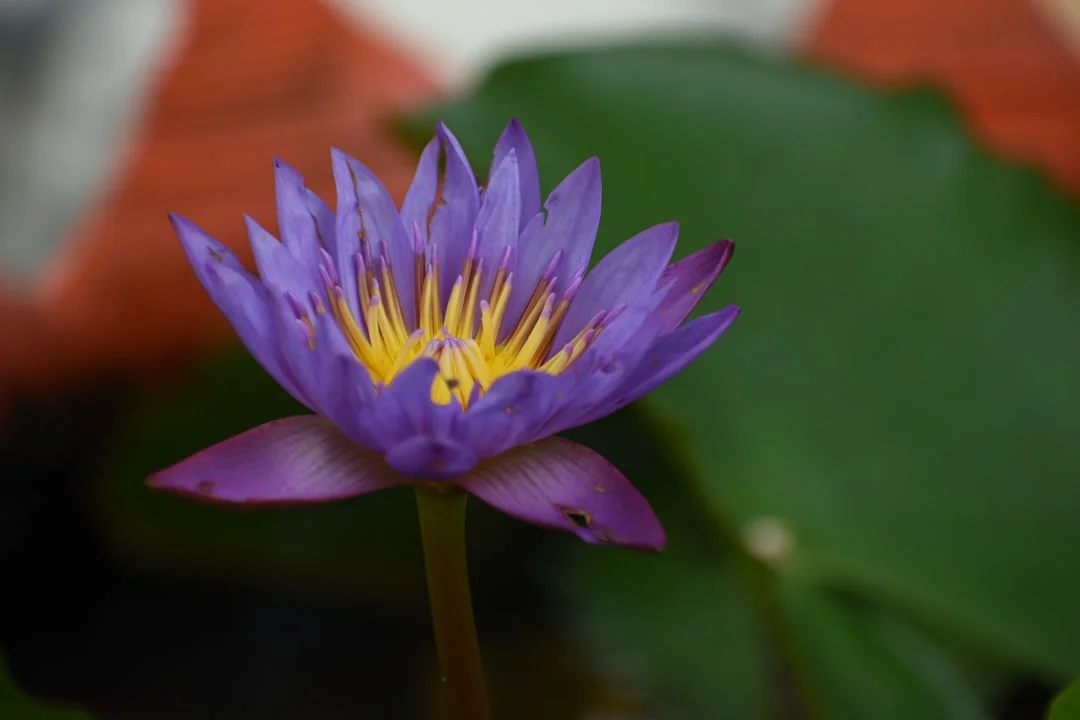
This is the classic Indian blue water lily. Its star-shaped petals open in soft violet-blue, and the bloom rises just above the water on a slender stalk. Unlike some giant pond lilies, it stays compact — perfect for containers. In my experience, it’s also one of the most forgiving species for beginners, as long as it gets full sun and warm water.
Best Water Lily Varieties for Pots
Not every water lily fits a pot. Some spread two metres wide and would smother a small container fast. So when planning your water lily grow pot India project, choose dwarf or pygmy types. These stay small, bloom often, and don’t need deep water.
Below are the top picks for container growing across different climates. Hardy types survive cold winters, while tropical types love heat but die back when temperatures drop.
Top Dwarf and Pygmy Varieties
First, Nymphaea ‘Pygmaea Helvola’ — a tiny yellow hardy lily perfect for small pots, and a favourite of the RHS for patio ponds. Next, Nymphaea nouchali, the native Indian blue, ideal for warm Indian summers. Then there’s Nymphaea ‘Colorado’, a salmon-pink tropical type. For cold climates, ‘Aurora’ shifts colour from yellow to red and tolerates UK and US winters. Finally, the red pygmy ‘Pygmaea Rubra’ suits tiny bowls. All these work well for the water lily grow pot India method because they stay compact and bloom freely.
Hardy vs Tropical: Which Should You Buy?
Hardy lilies survive freezing winters and suit USDA zones 3–11 or RHS H4–H7 ratings. They bloom by day and close at dusk. Tropical lilies, on the other hand, need warmth above 21°C (70°F) but reward you with bigger, more fragrant blooms — and some even flower at night. For most Indian gardeners, tropical types are the natural choice. For readers in colder Canada or northern Europe, hardy varieties make more sense.
Price Range: What You'll Actually Pay
Let’s talk money. The cost of a water lily depends on type, size, and whether you buy a tuber or a growing plant. For the water lily grow pot India route, you’ll find options at every budget.
In India, a bare tuber starts around ₹150–₹300 (roughly $2–$4). A potted, blooming plant costs more — usually ₹400–₹1,200 ($5–$15). Rare or imported tropical hybrids can reach ₹2,000+ ($24+).
Meanwhile, in the US, expect $15–$40 per plant. UK gardeners pay £8–£25, and in Australia prices sit around AUD 20–50. Importantly, prices climb in spring and summer when demand peaks.
A quick tip here: buy in early summer. That’s when nurseries stock fresh, healthy plants and your lily has the whole warm season to establish.
Price Comparison Table
Here’s a rough guide. A bare tuber in India: ₹150–₹300. A potted dwarf lily: ₹400–₹800. A blooming tropical lily: ₹800–₹1,500. An imported hybrid: ₹2,000–₹3,500. Seeds, although cheaper at ₹50–₹150 per packet, take longer and are less reliable. Because tubers and potted plants bloom faster, most beginners prefer them over seeds for the water lily grow pot India setup.
Where to Buy Water Lilies and Abroad
Now for the practical bit. Where do you actually find a healthy plant? Several trusted nurseries ship across India and beyond.
For Indian buyers, Ugaoo stocks aquatic plants and pots together, which is handy. NurseryLive offers a wide variety with home delivery. Amazon India lists multiple sellers, although quality varies — so read reviews carefully.
Furthermore, local aquatic plant nurseries and pond specialists often sell healthier, locally adapted plants. In fact, buying local means your lily is already used to your region’s climate.
For international readers: in the US, try Aquascapes or local garden centres. In the UK, the RHS lists approved aquatic suppliers. Wherever you shop, the water lily grow pot India principles for choosing a healthy plant stay the same.
Online vs Local Nursery: Pros and Cons
Online stores offer convenience and variety. However, shipping can stress aquatic plants, and leaves sometimes arrive yellow or torn. Local nurseries let you inspect the plant first and ask questions. On the other hand, they may stock fewer varieties. My advice? Buy tubers online for rare types, but get your first beginner plant locally so you can see exactly what you’re paying for.
What to Look for When Buying
This is where most people go wrong. They grab the prettiest plant and ignore the warning signs. A healthy water lily is the foundation of the whole water lily grow pot India project — so check carefully.
First, look at the tuber. It should feel firm, not mushy or soft. A spongy tuber means rot. Next, check the leaves. Bright green, unblemished pads are good. Yellow or holey leaves suggest stress or pests.
Then, look for a growing point — a small shoot or crown. That’s where new growth comes from. Finally, sniff it. A foul smell means decay. Avoid it.
Ask the seller whether it’s hardy or tropical, and confirm the mature size. A giant variety in a tiny pot spells trouble.
Red Flags That Signal a Poor Plant
Watch out for these. Black or slimy roots mean rot has set in. Brown spots on leaves can point to fungal disease. No visible growing point means the tuber may be dead. Also, beware of bargain plants sold out of season — they’re often clearance stock that won’t recover. Although a low price tempts you, a healthy plant saves heartbreak later.
How to Set Up Your Water Lily Pot Step by Step
Setting up is easier than you’d think. You don’t need pumps or filters for a small lily. Just follow these steps and your water lily grow pot India setup will be ready in under an hour.
The key is heavy, low-nutrient soil at the bottom and still water on top. Garden loam works well. Avoid light potting mix, because it floats and clouds the water.
Pot Size and Water Depth
Choose a wide pot at least 30 cm (12 inches) across with no drainage holes — you want it to hold water. For dwarf varieties, water depth of 15–30 cm (6–12 inches) above the crown is ideal. Bigger types need deeper water. A dark-coloured pot warms the water faster, which lilies love in spring and early summer.
Care After Buying: Keeping Blooms Coming
You’ve bought your plant. Now what? Care after buying decides whether you get one sad leaf or months of blooms. The water lily grow pot India approach rewards a little attention.
First, place the pot in full sun. Lilies need at least 6 hours of direct light daily. Less sun means fewer flowers. Next, feed monthly during the growing season with aquatic plant tablets pushed into the soil — never loose fertiliser, because it pollutes the water.
Meanwhile, remove yellow leaves and spent blooms regularly. This keeps the water clean and pushes the plant to flower more. In hot weather, top up evaporated water with rainwater or dechlorinated tap water.
Feeding and Fertilising
Water lilies are hungry plants. During summer, feed every 3–4 weeks with slow-release aquatic fertiliser tablets. Push two tablets into the soil near the roots. Stop feeding in autumn as growth slows. Over-feeding causes algae blooms, so stick to the recommended dose. A 2021 RHS trial noted that regular but moderate feeding produced the most consistent flowering in container lilies.
Winter Care by Climate
In warm India, tropical lilies keep going most of the year. In cold regions, though, you must protect them. Hardy types can stay outside if the water doesn’t freeze solid — move the pot below the ice line. Tropical lilies need to come indoors before frost. Store the tuber in damp sand at around 10°C (50°F) until spring. Once warmth returns, replant and watch it wake up.
Climate Guide: Tropical, Temperate, Mediterranean, Arid
Water lilies grow worldwide, but each climate needs a slightly different touch. Here’s how to adapt the water lily grow pot India method wherever you live.
In tropical zones like India, Southeast Asia, and northern Australia, heat is your friend. Tropical varieties bloom almost year-round here. Just guard against water overheating in peak summer by adding shade cloth during midday.
In temperate regions like the UK, Canada, and the US Pacific Northwest, hardy types win. They survive cold but need a long, sunny summer to flower well.
Mediterranean and Arid Regions
In Mediterranean climates like California, Spain, or southern Italy, both hardy and tropical lilies thrive thanks to long sunny seasons. Watch water levels, since summer evaporation is fast. In arid places like Dubai, Rajasthan, or Arizona, water lilies surprisingly do well in pots — but you’ll top up water often and may need afternoon shade to stop the water cooking. According to USDA zone data, tropical lilies suit zones 9–11, while hardy types stretch down to zone 3.
Safety and Toxicity Notes
Before you bring one home, here’s an important safety point. Water lilies are generally low-risk, but a few cautions apply.
The plant is mildly toxic if eaten in large amounts. Pets like cats and dogs may get an upset stomach if they chew the leaves, so keep curious animals away from the pot. For households with small children, the bigger risk is the water itself — never leave an open water container unsupervised near toddlers.
That said, Nymphaea nouchali has a long medicinal history. In Ayurveda, the flower (नीलकमल) is used in cooling preparations and is mentioned in classical texts for soothing the body. Traditional healers in South Asia have used it for centuries. However, never self-medicate — always consult a qualified practitioner first.
Traditional and Medicinal Uses
Across cultures, the water lily holds value. In Ayurveda, the blue lily is linked to calming and cooling properties. In ancient Egypt, the blue lotus (a close relative) appeared in art and rituals. While some studies, indexed on PubMed, explore the plant’s compounds, evidence in humans remains limited. So enjoy it mainly as an ornamental beauty, and treat medicinal claims with healthy caution.
Common Problems and Quick Fixes
Even easy plants hit snags. The good news is that most water lily problems are simple to fix once you spot them.
Yellow leaves usually mean too little light or too little food. Move the pot to a sunnier spot and feed it. No flowers? Often it’s not enough sun — lilies need six hours minimum. Green, cloudy water signals algae, which loves sun and nutrients. Adding a few floating plants or a small snail helps balance it.
Meanwhile, aphids sometimes gather on leaves. Just spray them off with water or wipe them away. Avoid chemical sprays, because they harm the water and any fish you keep.
Troubleshooting Checklist
Run through this when something looks off. First, check sunlight — is it getting six full hours? Next, check feeding — has it had a fertiliser tablet recently? Then, check water depth — too deep drowns dwarf types, too shallow overheats them. After that, inspect for pests under the leaves. Finally, confirm the water isn’t freezing in winter or boiling in summer. Most issues trace back to one of these five.
Frequently Asked Questions
How do I grow a water lily in a container or pot?
It's simpler than it looks. First, fill a wide, hole-free pot with heavy garden loam at the bottom. Plant the tuber so the growing point sits just above the soil. Then top with gravel to stop the soil clouding the water. Next, place the pot outdoors in full sun and fill it with water 15–30 cm above the crown. Feed monthly with aquatic fertiliser tablets. The water lily grow pot India method works in any sunny spot — even a small balcony or terrace.
Can I grow a water lily indoors in a cold climate?
Yes, but it's tricky. Water lilies need at least 6 hours of strong sun daily, which most indoor spots can't provide. If you live somewhere cold like Canada or northern Europe, place the pot in your sunniest window or use a bright grow light. Hardy varieties cope better than tropical ones. In winter, keep tropical tubers indoors in damp sand at around 10°C (50°F). The water lily grow pot India approach also suits cold-climate gardeners who move pots indoors during frost.
Is the water lily safe for pets and children?
Mostly, yes — but with care. The plant is only mildly toxic, so a curious cat or dog chewing a leaf might just get a mild tummy upset. The bigger danger is the open water itself. Never leave an unsupervised container of water near toddlers, as even shallow water poses a drowning risk. Keep the pot raised or fenced if you have small kids or pets. When in doubt, place it where animals and children can't easily reach it.
What is the best season to buy and plant a water lily?
Summer is ideal. Warm water and long sunny days trigger fast growth and flowering. In India, late spring to early summer (April–June) is perfect. In the Northern Hemisphere, plant from late spring to mid-summer. In Australia, plant in their warm months (October–February). Buying early in the season gives your lily the whole warm period to establish. This is exactly why the water lily grow pot India trend peaks in summer months.
Why isn't my water lily flowering?
The most common cause is too little sunlight. Lilies need a minimum of 6 hours of direct sun to bloom. Second, lack of feeding — water lilies are hungry and need monthly aquatic fertiliser tablets in summer. Third, the pot may be too small or overcrowded, so divide the tuber. Fourth, cold water slows everything down. Check these four things, fix the most likely cause, and you'll usually see buds within a few weeks.
How much does a water lily cost ?
Prices vary by type and size. A bare tuber starts around ₹150–₹300 ($2–$4). A potted dwarf plant runs ₹400–₹800, while a blooming tropical lily costs ₹800–₹1,500. Rare imported hybrids can hit ₹2,000 or more. Trusted sellers include Ugaoo, NurseryLive, and Amazon India. Buy in early summer for the freshest stock and best value.
Do water lilies need a pump or filter in a pot?
No, not for a small container lily. Still water actually suits them best. Pumps and filters create movement that water lilies dislike. To keep the water clear without equipment, add a few floating plants, a small water snail, or change part of the water occasionally. Just keep it in full sun and remove dead leaves to prevent algae buildup.
Final Thoughts
Growing a water lily in a pot is one of the most rewarding things you can do with a sunny corner. You don’t need a pond, a pump, or a big garden — just the right plant, heavy soil, still water, and plenty of sun. As we’ve seen, the water lily grow pot India method works across climates, from tropical Mumbai to temperate London to arid Dubai. Start by choosing a compact dwarf or pygmy variety. Buy from a trusted nursery like Ugaoo or NurseryLive, and always check that the tuber is firm and the leaves are healthy. Then set it up in early summer so it has the warm season to flower. Feed monthly, remove spent leaves, and protect it from frost in cold regions. Do that, and you’ll enjoy those dreamy blue blooms opening at dawn. So this summer, grab a pot, pick your lily, and bring a little water-garden magic home. Your balcony will never look the same.

