
⏱ 36 min read
Table of Contents
- What Is Seed Germination? (And Why Most People Get It Wrong)
- Why Faster Germination Matters More Than You Think
- Seed Germination Tips Faster India Gardeners Actually Use: Step by Step
- Best Soil and Seed-Starting Mix for Fast Sprouting
- Watering Seeds the Right Way
- Light, Warmth, and Temperature: The Hidden Engines
- Common Germination Problems and Fixes
- Propagation Methods Beyond Seeds
- Seasonal Germination Care Across Climates
- Uses and Benefits of Home-Grown Seedlings
Here’s something most beginners never realise: a seed isn’t dead — it’s just sleeping, waiting for the exact right signal to wake up. Give it the wrong signal, and it stays asleep forever. That’s the heart of every guide on seed germination tips faster India gardeners search for each season. The good news? Sprouting seeds quickly isn’t luck — it’s science you can control. In this complete guide, I’ll share the seed germination tips faster India home growers actually use to wake seeds in days, not weeks. We’ll cover soil prep, watering rhythm, warmth, and the one mistake that quietly kills most seeds before they ever sprout. Whether you garden on a Mumbai balcony, a London windowsill, or a backyard in Sydney, these methods work across climates. By the end, you’ll know exactly why your last batch failed — and how to never repeat it. There’s even one trick farmers used 2,000 years ago that still beats most modern products. Let’s wake those sleeping seeds. For more tips, check out our detailed article on Giloy Plant Benefits Immunity.
Quick Highlights
- Discover why warm soil temperature — not air temperature — is the single most powerful lever for faster seed germination
- Learn the pre-soaking method used for millennia that dramatically cuts germination time for tough-coated seeds
- Understand exactly how moist your seed mix should be and why 'wet' and 'damp' are not the same thing
- Identify the three most common germination failures and apply simple, proven fixes for each
- Follow a climate-smart approach that works whether you're in tropical India, temperate UK, or arid Australia
- Use the paper towel germination test to check seed viability before you plant a single seed in soil
Plant Characteristics at a Glance
| Common Name | Seed Starting / Seed Germination |
| Scientific Name | Process varies by species; germination refers to Phase I of plant development |
| Family | Applicable across all plant families |
| Origin | Universal — applies to all seed-bearing plants globally |
| Habitat | Indoor seed trays, outdoor beds, greenhouses, polytunnels — all climate zones |
| Plant Type | Annual, biennial, and perennial species all grown from seed |
| Indoor Plant | Yes — indoor seed starting is effective and recommended in all climates |
| Outdoor Plant | Yes — direct sowing outdoors is suitable for root crops and warm-climate annuals |
| Leaves | Cotyledons (seed leaves) emerge first; true leaves follow within 7–14 days |
| Flowers | Varies by species; typically 6–16 weeks after germination |
| Flowering Season | Depends on species and climate zone; generally spring–summer in most regions |
| Fruit | Varies; fruiting crops typically ready 60–120 days from germination |
| Seeds | Store in cool, dry, dark conditions; most remain viable 1–5 years depending on species |
| Roots | Radicle (first root) emerges first; should reach 0.5–1 cm before transplanting in paper towel method |
| Height | Seedling height at transplant: typically 5–10 cm (2–4 inches) for most vegetables |
| Growth Rate | Fast-germinating seeds (radish, cress): 2–4 days. Medium (tomato, basil): 5–10 days. Slow (pepper, parsley): 14–21 days |
| Light Requirements | Most seeds: neutral. Light-requiring: surface sow without cover. Light-inhibited: cover with thin layer of vermiculite |
| Soil Requirements | Light, sterile, well-draining seed-starting mix; pH 6.0–6.8; avoid heavy garden soil |
| Water Requirements | Consistently moist — like a wrung-out sponge. Bottom watering preferred. Never waterlogged or bone dry |
| Temperature Requirements | Most seeds: 18°C–24°C (65°F–75°F) soil temperature. Peppers/tomatoes prefer 24°C–29°C (75°F–85°F) |
| Humidity Requirements | 60–80% relative humidity ideal for germination; reduce immediately after sprouting to prevent damping-off |
| Propagation | Seeds (primary), plus cuttings, division, and layering as complementary methods |
| Uses | Food production, medicinal herb growing, ornamental gardening, ecological restoration |
| Medicinal Properties | Varies by species; many common seed-grown herbs (tulsi, methi, coriander) have documented Ayurvedic and clinical applications |
| Toxicity | Varies by species; always verify before consuming any unfamiliar sprouted seedling |
| Cultural Significance | Seed saving and germination rituals documented in Rigveda, Charaka Samhita; celebrated in agricultural festivals worldwide including Ugadi, Pongal, and Baisakhi |
| Common Pests | Fungus gnats, sciarid flies, aphids on seedlings; use sticky yellow traps and neem-based soil drenches |
| Common Diseases | Damping-off (Pythium, Fusarium), grey mould (Botrytis); prevented by good airflow, sterile mix, and bottom watering |
| Special Care Tips | Test seed viability before sowing; pre-soak hard seeds; use bottom heat in cool climates; never fertilise before first true leaf |
| Cultural Practices | Traditional pre-soaking in India, scarification in traditional European horticulture, cold stratification in North American and Japanese tradition |
| Vastu Direction | North or east-facing balconies and windowsills recommended for seed trays in Vastu Shastra — maximum morning light with protection from harsh afternoon sun |
Seed germination tips faster Names in Different Languages
| English | Seed Germination |
| Mandarin Chinese | 种子发芽 (Zhǒngzi fāyá) |
| Spanish | Germinación de semillas |
| Hindi | बीज अंकुरण (Beej Ankuran) |
| Gujarati | બીજ અંકુરણ (Beej Ankuran) |
| Arabic | إنبات البذور (Inbāt al-budhūr) |
| Bengali | বীজ অঙ্কুরোদগম (Beej Ankurodgam) |
| Portuguese | Germinação de sementes |
| Russian | Прорастание семян (Prorastaniye semyan) |
| Japanese | 種の発芽 (Tane no hatsuga) |
| Punjabi | ਬੀਜ ਉਗਾਉਣਾ (Beej Ugauna) |
| German | Keimung von Samen |
| Javanese | Wiji thukul (Perkecambahan biji) |
| Korean | 씨앗 발아 (Ssiat bara) |
| French | Germination des graines |
| Telugu | విత్తన మొలకెత్తడం (Vittana Molakettadam) |
| Marathi | बीज अंकुरण (Beej Ankuran) |
| Tamil | விதை முளைப்பு (Vidhai Mulaippu) |
| Urdu | بیج اگنا (Beej Ugna) |
| Turkish | Tohum çimlenmesi |
| Vietnamese | Nảy mầm hạt giống |
What Is Seed Germination? (And Why Most People Get It Wrong)
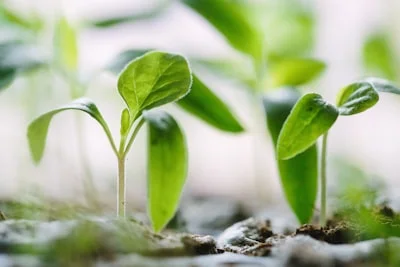
Seed germination is the moment a sleeping seed wakes up and starts to grow. In plain terms, it’s when a tiny root pushes through the seed coat — called the radicle — followed by the first shoot reaching toward light. The Hindi term बीज अंकुरण (beej ankuran) describes this beautifully: the word ankuran literally means ‘sprouting forth.’ If you enjoy growing this plant, you might also find our guide on Marua Plant Benefits Kadha very useful.
Here’s what surprises most beginners: a seed is not simply a tiny plant waiting to unfold. It’s a compressed biological system with its own food supply, a protective coat, and a dormancy mechanism designed to prevent sprouting at the wrong time. That dormancy is a survival feature — not a flaw. Your job as a gardener is to send the right combination of signals: moisture, warmth, oxygen, and sometimes light, depending on the species. For more tips, check out our detailed article on Tulsi Plant Benefits.
The science is cleaner than most people expect. When water penetrates the seed coat, it triggers enzymes that break down stored starch into usable sugars. The embryo uses that energy to push out its first root. From that moment, the clock is ticking — the seedling needs light within days or it exhausts its reserves and dies. Many gardeners who grow this plant also love to read about Ashwagandha Plant Benefits.
Understanding this cycle is the foundation of every practical seed germination tip in this guide. Once you see a seed as a biological timer rather than a passive object, the rest of the advice clicks into place. For more tips, check out our detailed article on Tulsi Plant Benefits.
The Four Triggers Every Seed Needs
Every seed — regardless of species or climate — needs four things to germinate: water, correct temperature, oxygen, and (for some species) light. Miss any one of them and the seed simply won’t sprout, no matter how long you wait. Water softens the seed coat and activates enzymes. Temperature determines how fast those enzymes work. Oxygen powers the embryo’s cellular respiration. And for light-sensitive seeds like lettuce and petunias, even brief exposure to the right wavelength acts as a green light to proceed. The seed germination tips faster India growers rely on are really just clever ways to deliver all four triggers simultaneously and consistently.
Seed Dormancy: Nature's Built-In Pause Button
Some seeds won’t sprout no matter what you do — because they’re dormant by design. Hard seed coats (physical dormancy) block water entry until scarification — nicking or sanding the coat — breaks the seal. Chemical dormancy, common in many fruit seeds, requires a cold stratification period that mimics winter before the seed accepts it’s safe to grow. In India, seeds like drumstick (moringa) have a tough coat that responds beautifully to a 24-hour soak in warm water. In temperate climates, apple and cherry seeds need 8–12 weeks in cold, moist sand before they’ll germinate. Knowing your seed’s dormancy type saves weeks of waiting and frustration.
Why Faster Germination Matters More Than You Think
Faster germination isn’t just about impatience. It’s about survival. The longer a seed sits in soil, the longer pests, fungi, and rot have to attack it. A seed that sprouts in three days faces dramatically less risk than one that takes three weeks. This is especially true in humid tropical climates — Mumbai, Chennai, Singapore, Dhaka — where fungal pressure in warm, moist soil is relentless.
There’s also a competitive biology at play. Weeds germinate fast. If your vegetables or flowers are slow to sprout, weeds establish first, steal nutrients, and shade out your seedlings before they’ve had a chance. Speed is an edge.
For commercial growers and serious home gardeners alike, germination speed directly affects yield timing. An extra week of seedling growth before transplant can mean harvesting tomatoes two weeks earlier — a meaningful difference if you’re working around monsoon windows in India or frost dates in Canada.
A 2020 study published in the journal Scientia Horticulturae found that seed priming techniques — pre-treating seeds before sowing — reduced mean germination time by 30–45% across multiple vegetable species compared to untreated controls. That’s not a marginal improvement; it’s almost halving your wait time with a simple preparation step.
The seed germination tips faster India gardeners use most aren’t expensive. They’re mostly about timing and technique. And timing, as the next section shows, starts well before you put a seed in soil.
The Hidden Cost of Slow Germination
When a seed takes too long to sprout, it isn’t just sitting safely underground. It’s consuming its stored energy reserves while pathogens gather. Damping-off fungi — particularly Pythium and Fusarium species — are present in virtually all unsterilised garden soil. They attack seedlings at the soil line, causing that heartbreaking ‘fallen soldier’ collapse. The faster a seedling emerges and hardens its stem, the better its resistance to these fungi. Speed isn’t just convenience — it’s a biological defence strategy. This is one reason experienced gardeners across India, Australia, and the UK all use bottom heat and fresh sterile mix for their earliest sowings.
Seed Germination Tips Faster Gardeners Actually Use: Step by Step
Now for the part you came for. These are the seed germination tips faster India home growers actually use to wake seeds quickly — and they work just as well in a Toronto basement or a Melbourne courtyard. None of this needs fancy gear. Most steps use things already in your kitchen or easily sourced from any garden centre globally.
The sequence matters. Don’t skip ahead to ‘the fun part’ of sowing without the prep steps — that’s exactly where most beginners lose their seeds.
Start with a seed viability test. Before you plant anything, check that your seeds are alive. Place 10 seeds on a damp paper towel, fold it over, seal it in a zip-lock bag, and leave it somewhere warm — on top of a refrigerator works perfectly. Check after 5–7 days. If 7 or more sprout, your germination rate is acceptable. If fewer than 5 sprout, buy fresh stock. This single step saves more gardens than any other tip I give.
Next, identify whether your seeds need pre-treatment. Hard-coated seeds — morning glory, sweet peas, beans, moringa — benefit enormously from a 12–24 hour soak in room-temperature water before planting. Tiny fine seeds like basil, petunia, and lettuce need no soaking at all. Treat them differently and you’ll see the difference within a week.
The Paper Towel Method: Fastest Route to Sprouting
The paper towel method is one of the most reliable seed germination tips faster India gardeners use for both testing and actual sprouting. Moisten a paper towel until damp but not dripping. Lay seeds across one half, fold the other half over, and place inside a clear plastic bag in a warm spot — 22°C to 27°C (72°F to 80°F) is ideal. Most vegetable seeds show a root tip within 3–5 days. Once the radicle reaches 0.5–1 cm, transplant carefully into soil. Handle only by the seed body — never pinch the delicate root. This method is particularly useful in India’s pre-monsoon period when soil temperatures outdoors may be too unpredictable.
Pre-Soaking and Scarification for Tough Seeds
Hard seed coats evolved to protect seeds through droughts, animal digestion, and years of waiting in the wild. In your garden, that same coat becomes an obstacle. Soaking in warm water (not hot — around 40°C / 104°F) for 12–24 hours softens the coat and dramatically cuts germination time. For extremely hard seeds like lotus, morning glory, or sweet peas, gentle scarification — rubbing lightly with fine sandpaper or nicking the coat with a nail file — allows water entry before the soak. Documented in traditional farming texts across India and Southeast Asia, this practice remains one of the most cost-effective seed germination tips faster India growers use today.
Using a Seed Tray vs Direct Sowing
Seed trays give you control that direct sowing doesn’t. You control the mix, the moisture, and the temperature. Direct sowing works beautifully for root vegetables — carrots, radish, beetroot — that resent transplanting. But for most flowers, herbs, and fruiting vegetables, a dedicated seed tray filled with a light sterile mix outperforms garden soil every time. In India’s intense summer heat, seed trays can be moved into shade during the hottest hours, then back into morning sun — a flexibility you simply don’t have with seeds already in the ground. If you’re in the UK or Canada, trays under grow lights indoors give you a full 6–8 week head start before outdoor planting season.
Best Soil and Seed-Starting Mix for Fast Sprouting
Soil makes or breaks germination — and here’s the surprise: ordinary garden soil is one of the worst things you can use for starting seeds. It compacts hard when wet, holds too much water, and carries fungal spores responsible for damping-off. Even beautiful, rich garden loam is too dense for a delicate emerging radicle to push through.
A proper seed-starting mix is light, free-draining, and sterile. The classic commercial blend combines equal parts fine coco coir, perlite, and vermiculite. This combination holds just enough moisture without waterlogging, allows excellent air circulation around the root zone, and provides gentle physical resistance that strengthens emerging roots.
In India, coco coir is inexpensive and widely available — India produces roughly 80% of the world’s commercial coir, so you’re rarely more than a few kilometres from a supplier. In the UK, peat-free mixes (now preferred following RHS guidelines on sustainability) use composted wood fibre as the base. In Australia, fine composted pine bark is commonly used.
A quick tip here: never use fresh compost or garden soil in seed trays, no matter how rich it looks. The microbial and fungal activity that makes compost great for established plants is exactly what kills vulnerable seedlings. Always use a bagged, sterilised seed-starting mix or prepare your own blend using heat-sterilised ingredients.
DIY Seed Mix Recipe (Works Globally)
Mix 2 parts fine coco coir + 1 part perlite + 1 part vermiculite. This blend works whether you’re in Chennai, Chicago, or Cape Town. It drains fast enough to prevent waterlogging, retains enough moisture for consistent seed contact, and is light enough for the thinnest radicle to penetrate. For seeds that need slightly more nutrition after sprouting — tomatoes, peppers, cucumbers — add 10% well-aged, sifted compost to the mix only once the seedlings show their first true leaves. Before that point, seeds carry their own nutrition and need no amendments at all. Adding fertiliser too early burns tender emerging roots.
pH and Fertility: What Seeds Actually Need
Seeds don’t need fertile soil to germinate — they carry their own food supply in the cotyledons (seed leaves). What they do need is the right pH for water and nutrient uptake once that food runs out. Most vegetable and flower seeds germinate best in a pH range of 6.0–6.8. Below 5.5, manganese toxicity can inhibit root growth. Above 7.2, iron and zinc become unavailable. A simple pH test kit — available for under $5 / ₹400 at any garden centre — takes the guesswork out of this. If your tap water is alkaline (common in many Indian and Middle Eastern cities), water seeds with filtered or rainwater when possible.
Watering Seeds the Right Way
The internet tells you to keep seeds ‘moist.’ That one vague word kills more seeds than any pest or disease. Moist means damp like a wrung-out sponge — never soggy, never bone dry. Too much water cuts off oxygen to the developing embryo, and without oxygen, germination stops entirely. Too little water and the enzymatic process that kick-starts growth simply doesn’t begin.
Have you ever noticed that seeds planted in a pot that stays wet for days at a time tend to rot before they sprout? That’s oxygen starvation at work. The roots of a newly germinating seed need air in the soil spaces just as much as they need moisture in those spaces.
The safest watering method for seed trays is bottom watering. Set the tray inside a shallow dish of water and allow the mix to draw moisture upward by capillary action. Remove the tray once the surface looks evenly damp — usually 20–30 minutes. This avoids disturbing seeds with surface water pressure and prevents the surface drying-out that top watering causes between sessions.
If you top water, use a fine mist sprayer — never a watering can with a direct flow. In India’s hot climate, surface evaporation is rapid; a clear plastic cover or cling film over the tray dramatically reduces how often you need to water and maintains even humidity around the seeds.
Using a Humidity Dome or Plastic Cover
A humidity dome — essentially a clear plastic lid over your seed tray — is one of the most underrated seed germination tips faster India gardeners in dryer regions swear by. It traps moisture and creates a mini greenhouse effect, raising the temperature inside by 2–4°C (4–7°F) and keeping humidity above 70%. This is particularly valuable during India’s dry winter months (November–February) and in temperate climates where indoor heating dries the air significantly. Once the first shoots appear, remove the dome immediately — high humidity around seedlings after sprouting encourages the very fungal damping-off you were trying to avoid.
Water Quality and Seed Germination
Water quality matters more than most gardeners realise. Heavily chlorinated tap water — common in urban India, the UK, and the US — can slow germination by disrupting beneficial microbial activity and, in high concentrations, directly damaging delicate root tips. The simple fix: leave tap water in an open container for 24 hours before use. Chlorine is volatile and dissipates naturally. Rainwater collected cleanly is ideal. In cities where water is fluoridated or hard (high mineral content), a brief filtered-water trial often reveals visibly faster sprouting compared to untreated tap water. It’s a small change with a sometimes dramatic result.
Light, Warmth, and Temperature: The Hidden Engines
Warmth is the hidden engine of germination — and most gardeners focus on the wrong temperature. Air temperature matters far less than soil temperature. The sweet spot for the majority of vegetable and flower seeds is 18°C to 24°C (65°F to 75°F) at the soil surface. Tomatoes, peppers, and aubergine prefer the warmer end: 24°C to 29°C (75°F to 85°F). Spinach, peas, and many herbs germinate reliably at the cooler end: 10°C to 18°C (50°F to 65°F).
In India, the challenge isn’t usually too cold — it’s too hot. Soil in direct summer sun in Delhi or Bangalore can exceed 38°C (100°F), which actually inhibits germination in most species. Shade cloth during peak afternoon heat and morning watering to cool the surface makes a meaningful difference.
In temperate climates — the UK, Canada, northern US — the challenge is the opposite. A heat mat set to 22°C (72°F) under seed trays is one of the best investments a gardener can make. The RHS recommends soil heat mats for all indoor seed starting between October and April in UK conditions.
Light is a separate conversation. Most seeds don’t need light to germinate — they need it the moment they sprout. The second a seedling emerges, it needs bright light: 14–16 hours per day under grow lights, or a south-facing windowsill in the Northern Hemisphere. Insufficient light produces leggy, weak seedlings that never fully recover.
Bottom Heat: The Fastest Germination Hack
Bottom heat — warming the soil from below rather than above — accelerates germination more reliably than almost any other technique. In practice, this means placing seed trays on a heat mat, on top of a refrigerator, or above a warm appliance. In traditional Indian kitchen gardens, clay seed pots were placed near the chulha (wood stove) during cool winter mornings to take advantage of residual warmth. Modern heat mats maintain a consistent temperature and cost around $20–$30 USD (₹1,600–₹2,500) — a once-only purchase that typically pays for itself in the first sowing season. University of California Davis trials showed that consistent bottom heat at 25°C (77°F) reduced average pepper germination time from 14 days to just 6.
Does Light Help or Hurt Germination?
It depends entirely on the species. Light-requiring seeds — lettuce, petunias, snapdragons, and tobacco — need light on the soil surface to trigger germination. Sow them on top of the mix without covering. Light-inhibited seeds — onions, pansies, and calendula — actually germinate faster in darkness; cover them with a thin layer of vermiculite. Most seeds (tomatoes, beans, peppers, most herbs) are neutral — light neither helps nor hurts germination, but they need it urgently once they emerge. Always check your seed packet. The notation ‘do not cover’ or ‘surface sow’ is not laziness from the seed company — it’s a critical biological instruction.
Common Germination Problems and Fixes
Even careful gardeners hit snags. The good news is that almost every germination problem has a clear cause and a specific, practical fix. Knowing what to look for is most of the battle.
Damping-off is the most heartbreaking problem. Healthy sprouts suddenly fall over at the soil line, as if snipped by invisible scissors. This is caused by Pythium and Fusarium fungi thriving in wet, poorly ventilated conditions. The fix: always use sterile mix, water from below rather than above, ensure airflow around seedlings, and avoid covering trays with solid plastic for more than a few days after germination. A light dusting of cinnamon powder — a natural antifungal — on the soil surface after sprouting is a traditional remedy used across India and Southeast Asia, and has been shown in small studies to have measurable antifungal activity (Source: Journal of Agricultural Food Chemistry, 2007).
Seeds that sprout then stop growing — producing two tiny leaves but nothing else — are usually suffering from light deprivation. Those first two leaves (cotyledons) are fuelled by the seed’s internal reserves. The third leaf, the first ‘true’ leaf, requires photosynthesis. Without adequate light, the seedling simply stalls.
Seeds that never germinate at all despite good conditions are often old stock with depleted viability, planted too deep, or suffering from soil that’s either too cold or waterlogged. The paper towel viability test from the earlier section catches most of these issues before they waste a season.
Why Seeds Rot Instead of Sprout
Rotting seeds are almost always the result of excess moisture combined with fungal presence. In warm, humid climates like coastal India, Malaysia, and Singapore, the window between ‘adequately moist’ and ‘dangerously wet’ is very narrow. If your seeds repeatedly rot, switch immediately to bottom watering, add 20% more perlite to your mix for improved drainage, and ensure your seed tray has drainage holes. Never reuse potting mix from a previous season without sterilising it first — heating damp mix in a microwave for 90 seconds or in an oven at 82°C (180°F) for 30 minutes kills most pathogens. It’s one of the simplest seed germination tips faster India gardeners in humid climates use to protect their seedlings.
Uneven Germination in the Same Tray
If some cells in your tray sprout quickly and others stay dormant, temperature inconsistency is the most likely cause. The edges of a seed tray are cooler than the centre, particularly on a heat mat or near a heater vent. Rotating the tray 180° every two days ensures all cells receive even warmth. Uneven watering is the second cause — some cells may dry out faster if the mix wasn’t uniformly moistened before sowing. Pre-moisten your seed mix thoroughly before filling trays: squeeze a handful and it should hold its shape briefly, then crumble. If water drips, it’s too wet. If it falls apart immediately, it’s too dry.
Propagation Methods Beyond Seeds
Seeds aren’t the only way to grow plants — and sometimes they’re not the fastest. Many experienced gardeners combine methods to fill their spaces more efficiently. Knowing your options helps you choose the right strategy for each plant.
Cuttings are the fastest route for woody herbs like rosemary, mint, basil, and holy basil (tulsi). A 10–12 cm cutting placed in water or moist coco coir will typically root in 10–14 days — often faster than seeds of the same plant would even germinate. Cuttings also produce genetically identical plants, which matters when you want to preserve the properties of a particularly vigorous or flavourful individual plant.
Division is the method of choice for clumping perennials — lemongrass, aloe vera, ornamental grasses. Simply separate an established clump and replant sections. Near-instant establishment, no waiting.
Layering — bending a stem to the soil and pinning it until roots form — works beautifully for strawberries, jasmine, and many ornamental ground covers. Traditional home gardeners across Kerala, Tamil Nadu, and Sri Lanka have used layering (locally called ‘dabba layering’ or air layering for woody plants) for generations to propagate prized plants without removing them from the mother plant.
Understanding these alternatives makes you a more flexible, resourceful grower — and fills gaps in your garden far faster than waiting for seeds alone.
When to Choose Cuttings Over Seeds
Choose cuttings when: you want an exact genetic copy of a parent plant, the species is slow or unreliable from seed, or you need plants faster than the seed-to-transplant timeline allows. Choose seeds when: genetic diversity is desired (for disease resistance in a large planting), you’re growing rare varieties unavailable as plants, or cost matters (seeds are far cheaper per plant than cuttings or nursery stock). For most home herb gardens — basil, mint, coriander, tulsi, lemongrass — a combination strategy works best: start slow-growing species from seed early, then propagate successful individuals via cuttings to fill remaining space quickly.
Seasonal Germination Care Across Climates
Germination never truly stops — you just adjust your method to the season and your climate. Indoors, you can sprout seeds year-round. Outdoors, timing depends on where you are in the world.
In tropical India — including most of Maharashtra, Karnataka, Tamil Nadu, Kerala, and Bengal — the two ideal sowing windows are post-monsoon (September–November) and pre-summer (February–March). The monsoon months bring too much waterlogging risk for most seed trays outdoors, while peak summer (April–June) brings soil temperatures too high for reliable germination of most vegetables.
In temperate climates — the UK, northern US, Canada — the main outdoor sowing season runs from after the last frost date (typically April–May in most zones) through late summer for autumn crops. USDA Hardiness Zone 6 gardeners (much of the US Midwest) have a final frost around mid-April; Zone 9 gardeners in California can sow outdoors as early as February.
In the Southern Hemisphere — Australia, South Africa, New Zealand — seasons are reversed. Spring sowing runs September–November. Winter crops are sown in Autumn (March–May). Melbourne gardeners in USDA equivalent Zone 9 enjoy two growing seasons annually with careful timing.
In arid climates — the UAE, parts of Rajasthan, inland Australia — the viable growing window may be just 3–4 months (October to February). Making the most of that window with fast-germinating, heat-tolerant varieties is essential. These are the conditions where every seed germination tip for faster results in India and similar climates pays off most dramatically.
Monsoon Germination: Challenges and Advantages
India’s monsoon season presents a fascinating paradox: the very moisture that makes germination seem easy is also what makes it most dangerous. Soil fungi explode in warm, perpetually wet conditions. Yet certain seeds — including many traditional kharif crops like bottle gourd, ridge gourd, and bitter melon — evolved specifically to germinate in monsoon conditions and do so with extraordinary vigour. The key is drainage. Raised beds or mounds 15–20 cm above surrounding soil level, with plenty of coarse sand or coir mixed in, allow rain to drain away while keeping seeds consistently moist without waterlogging. Indian farmers in the Deccan plateau have used this raised-mound sowing technique for centuries — it remains one of the most effective seed germination tips for faster results in India’s most challenging season.
Winter Germination: Indoor Strategies for Cold Climates
For gardeners in the UK, Canada, or northern US, winter germination is entirely indoor work — and all the better for it. Controlled indoor environments eliminate weather risk and allow you to start seeds 8–10 weeks before outdoor planting dates, giving your plants a massive head start. Set up grow lights 5–8 cm (2–3 inches) above seedlings, maintaining 14–16 hours of light per day. Use a heat mat for warmth. Water from below. The RHS recommends starting tomatoes, peppers, and aubergines indoors by late February in the UK (RHS Grow Your Own guidance, 2023). By the time last frost passes in May, you’ll have stocky, established seedlings ready for immediate outdoor planting.
Uses and Benefits of Home-Grown Seedlings
Why bother starting from seed at all when nurseries sell ready-grown plants? Because the rewards stretch far beyond convenience — and the variety available from seed packets dwarfs anything a local nursery can stock.
Growing from seed gives you access to heirloom and heritage varieties that simply don’t exist as nursery transplants. Want a deep purple tomato from Oaxaca, a rare basil variety from Thailand, or a spinach cultivar bred for India’s heat? Seeds are the only way in. Kew Gardens’ Millennium Seed Bank currently holds over 2.4 billion seeds from 40,000+ plant species — a reminder of just how vast the botanical world is beyond what fills a nursery shelf.
From an Ayurvedic perspective, starting medicinal herbs from seed allows you to grow exactly the variety used in classical texts. Chapter 1 of the Charaka Samhita emphasises the importance of using plants grown in their appropriate habitat and season — a principle that home seed growing honours directly. Commercially grown herbs are often of uncertain provenance and may be different cultivars than those referenced in classical medicine.
Financially, seed starting makes compelling sense. A packet of 50 tomato seeds costs around $3–$4 USD (₹250–₹330). The same number of nursery transplants would cost $50–$100 USD. The knowledge and practice of reliable seed germination tips, whether for faster results in India or anywhere else globally, is genuinely one of the highest-return skills in all of gardening.
Medicinal and Culinary Herbs from Seed
Herbs are among the most rewarding plants to grow from seed — and among the fastest. Coriander (Coriandrum sativum), methi (Trigonella foenum-graecum), and holy basil (Ocimum tenuiflorum) all germinate in 5–10 days under good conditions. These are staples of Ayurvedic medicine, documented extensively in both the Charaka Samhita and the Ashtanga Hridayam, and they grow happily in containers across every climate zone — from Indian apartment balconies to UK kitchen windowsills. Starting them from seed ensures freshness, variety selection, and the certainty that no synthetic pesticides were used during the critical early growth phase — something you simply cannot verify with nursery-bought plants.
Environmental and Economic Benefits of Seed Starting
Home seed starting reduces reliance on commercially produced seedlings, which are often transported long distances, grown in peat-based mixes with high environmental costs, and treated with chemical inputs to standardise their appearance. Growing from seed at home — with peat-free mixes, rainwater collection, and compost from kitchen waste — creates a genuinely low-impact growing system. According to the RHS’s 2022 sustainability report, home seed starting using peat-free mixes reduces horticultural peat consumption by an estimated 1.4 kg per gardener per year. Multiply that across the millions of home gardeners in India, the UK, and the US, and the cumulative impact is substantial.
Frequently Asked Questions
What are the best seed germination tips for faster results ?
The most effective seed germination tips for faster results in India include: pre-soaking hard seeds for 12–24 hours in warm water, using a light sterile mix of coco coir and perlite, maintaining soil temperature between 22°C–27°C (72°F–80°F), watering from below to prevent damping-off, and using a humidity dome during germination. The paper towel method is ideal for testing viability before sowing. In India's humid climate, sterile mix and bottom watering are especially critical to prevent fungal rot.
How long does seed germination take?
Germination time varies significantly by species. Fast germinators include radish (2–4 days), cress (2–3 days), and beans (4–7 days). Medium speed: tomatoes, basil, and cucumbers (5–10 days). Slow germinators include peppers (14–21 days), parsley (14–28 days), and some perennial herbs. Temperature is the biggest variable — seeds at 25°C (77°F) often germinate twice as fast as identical seeds at 15°C (59°F). Using bottom heat and pre-soaking can cut these timelines by 30–50% in most cases.
Why are my seeds not germinating despite watering regularly?
The most common reasons seeds fail to germinate despite regular watering are: soil that is too wet (cutting off oxygen to the embryo), soil temperature that is too low, seeds planted too deeply, old seeds with reduced viability, or hard-coated seeds that needed pre-soaking before planting. Check soil temperature first — this is the most overlooked factor. Use the paper towel test to verify seed viability. If seeds consistently rot without sprouting, reduce watering frequency and add more perlite to your mix for improved aeration.
What is the best soil mix for seed germination?
The best seed-starting mix combines 2 parts fine coco coir, 1 part perlite, and 1 part vermiculite. This blend drains quickly to prevent waterlogging while retaining just enough moisture for consistent seed contact. Regular garden soil is not suitable — it compacts, holds excess water, and carries fungal pathogens. Always use a sterilised mix. In India, coco coir is widely available and affordable. In the UK and Australia, peat-free commercial seed-starting mixes that meet RHS guidelines work equally well as a ready-made alternative.
Do seeds need light to germinate?
Most seeds do not need light to germinate — but some specifically require it, and others are inhibited by it. Light-requiring seeds (lettuce, petunia, snapdragon) should be surface-sown without any cover. Light-inhibited seeds (onion, pansy, calendula) germinate better in darkness under a thin vermiculite layer. The majority of common vegetable seeds (tomatoes, peppers, beans, cucumbers) are light-neutral during germination but need bright light — 14–16 hours daily — the moment they sprout. Always check your seed packet for sowing depth instructions.
How do I prevent damping-off in seedlings?
Damping-off is caused by Pythium and Fusarium fungi thriving in wet, poorly ventilated conditions. Prevent it by: always using sterile seed-starting mix (never reuse old potting soil without sterilising), watering from below rather than above, ensuring airflow around seedlings by removing humidity domes immediately after sprouting, avoiding overcrowding in seed trays, and lightly dusting the soil surface with cinnamon powder — a natural antifungal. In India's humid climate, this is especially important during and after the monsoon season when fungal pressure is highest.
What is the paper towel germination test and how does it work?
The paper towel germination test checks seed viability before you commit to sowing. Place 10 seeds on a damp paper towel, fold it over, seal inside a zip-lock bag, and keep in a warm spot at 22°C–25°C (72°F–77°F). Check after 5–7 days. If 7 or more seeds sprout, germination rate is good. If fewer than 5 sprout, buy fresh stock — poor viability seeds waste time, soil, and space. This test also pre-sprouts seeds for careful transplanting, making it one of the most practical seed germination tips for faster results in India and globally.
Can I germinate seeds year-round ?
Yes, with the right setup you can germinate seeds year-round in India. Indoors, controlled temperature and grow lights eliminate seasonal limits. The best outdoor sowing windows are post-monsoon (September–November) and pre-summer (February–March). Avoid direct outdoor sowing during peak monsoon (June–August) due to waterlogging risk, and during peak summer (April–June) when soil temperatures exceed 38°C (100°F) and inhibit most vegetable seeds. Using shade cloth, raised beds for drainage, and humidity domes extends your viable growing window significantly across all Indian climate zones.
Final Thoughts
Here’s the truth that ties all of this together: a seed doesn’t fail because it’s weak. It fails because it didn’t receive the right signal at the right time. Once you control water, warmth, soil, and light, sprouting becomes almost foolproof. The seed germination tips faster India gardeners rely on — and that work equally well in London, Sydney, and Toronto — aren’t secrets. They’re small, stackable habits. Pre-soak the tough seeds. Use a light, sterile mix. Keep soil warm and evenly moist. Give sprouts bright light the moment they appear. Remember that ancient trick I promised in the introduction? Pre-soaking seeds — practised for thousands of years across India, the Middle East, and traditional European horticulture — still outperforms most modern germination products. So start small this week. Try the paper towel test on whatever seeds you have in the house. Watch a sleeping seed wake in your hands. There’s no greater reward in gardening. Now grab a packet, get sowing, and let those tiny embryos surprise you.
