
⏱ 20 min read
Table of Contents
- Why Monsoon Matters for a Rain Tree Shade Garden
- Getting to Know the Rain Tree
- Preparing Your Garden Before the Rains
- Watering Changes During Monsoon
- Fertilizing for Fast Monsoon Growth
- Pest Alert: What to Watch For
- Helping Your Tree Recover After Heavy Rain
- Growing Rain Tree in Different Climates
- Step-by-Step: Planting a Rain Tree in Monsoon
- Safety, Toxicity, and Traditional Uses
Here’s something most people don’t know: the Rain Tree (Samanea saman) folds its leaves shut every evening and just before rain falls. That’s how it earned its name. If you’re planning a rain tree shade garden, the monsoon season is your single biggest opportunity — and most gardeners completely waste it. The warm, wet months are when this giant pushes its fastest growth, drinks deep, and sets the stage for the next dry year. In this guide, I’ll show you exactly how to manage a rain tree shade garden through the rains, from soil prep to pest watch. Whether you garden in tropical Mumbai, Mediterranean California, or humid Singapore, you’ll find practical steps that work. A rain tree shade garden gives cooling canopy, wildlife habitat, and a striking centrepiece. By the end, you’ll understand why your past attempts may have stalled — and what to do differently this monsoon. Let’s start with why timing matters so much. If you enjoy growing this plant, you might also find our guide on nitrogen-fixing plants for soil health very useful.
Quick Highlights
- Discover why monsoon is the best season to establish a rain tree shade garden
- Master watering changes that prevent root rot during heavy rains
- Learn the exact fertiliser timing that doubles monsoon growth
- Spot three pest threats before they damage your young tree
- Follow a step-by-step planting process for any climate zone
- Protect children and pets with key toxicity safety notes
Plant Characteristics at a Glance
| Common Name | Rain Tree |
| Scientific Name | Samanea saman (syn. Albizia saman) |
| Family | Fabaceae (legume family) |
| Origin | Tropical Central and South America |
| Habitat | Lowland tropical regions, savannas, open parks |
| Plant Type | Large deciduous shade tree |
| Indoor Plant | No (only as young potted plant under glass) |
| Outdoor Plant | Yes, in frost-free zones |
| Leaves | Bipinnate, fold shut at dusk and before rain |
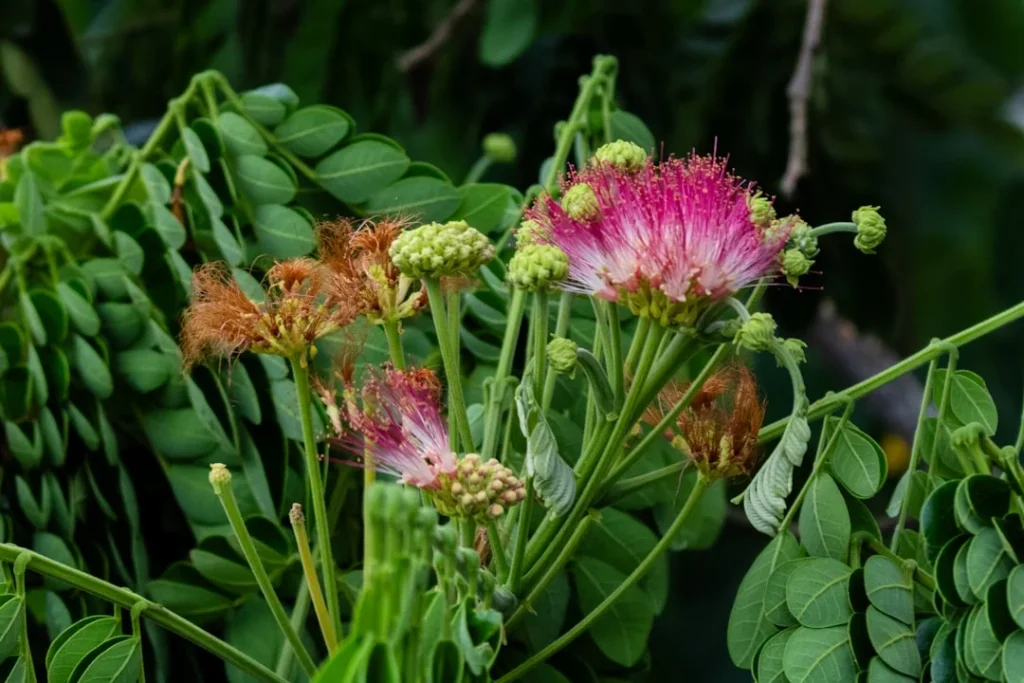
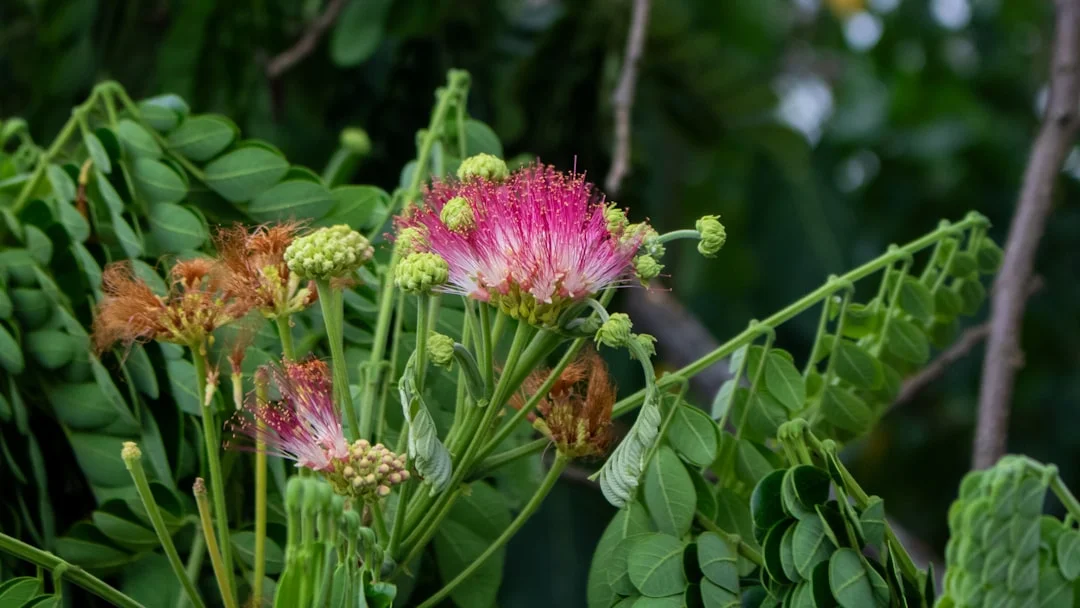
| Flowers | Pink powder-puff clusters |
| Flowering Season | Warm/dry season into early monsoon |
| Fruit | Long dark sweet-pulped pods |
| Seeds | Hard, brown, several per pod |
| Roots | Wide, shallow, fast-spreading, nitrogen-fixing |
| Height | 15–25 m tall, crown up to 30 m wide |
| Growth Rate | Fast, especially in monsoon |
| Light Requirements | Full sun |
| Soil Requirements | Well-drained loam; tolerates many soils |
| Water Requirements | Moderate; deep watering in dry spells |
| Temperature Requirements | 20–35°C (68–95°F); no frost tolerance |
| Humidity Requirements | Moderate to high humidity preferred |
| Propagation | Seeds (soaked), occasionally cuttings |
| Uses | Shade, timber, fodder, ornamental, soil enrichment |
| Medicinal Properties | Traditional antibacterial use (unproven, study-stage) |
| Toxicity | Low; pods mildly upsetting in large amounts |
| Cultural Significance | Iconic park and avenue tree across the tropics |
| Common Pests | Psyllids, scale insects, caterpillars |
| Common Diseases | Sooty mould, collar rot in waterlogged soil |
| Special Care Tips | Plant far from buildings; ensure good drainage |
| Cultural Practices | Monsoon planting, mulching, light feeding |
| Vastu Direction | Best planted in south or west, away from home |
Rain tree shade garden Names in Different Languages
| English | Rain Tree / Monkey Pod |
| Mandarin Chinese | 雨树 (Yǔshù) |
| Spanish | Árbol de lluvia / Samán |
| Hindi | रेन ट्री / विलायती सिरस |
| Gujarati | રેન ટ્રી |
| Arabic | شجرة المطر (Shajarat al-matar) |
| Bengali | রেইন ট্রি / শিরীষ |
| Portuguese | Árvore da chuva / Bordão-de-velho |
| Russian | Дождевое дерево (Dozhdevoye derevo) |
| Japanese | アメリカネムノキ (Amerika nemunoki) |
| Punjabi | ਰੇਨ ਟ੍ਰੀ |
| German | Regenbaum |
| Javanese | Trembesi |
| Korean | 레인트리 (Rein-teuri) |
| French | Arbre à pluie / Saman |
| Telugu | నిద్ర గన్నేరు / రెయిన్ ట్రీ |
| Marathi | रेन ट्री / शिरीष |
| Tamil | தூங்கு மூஞ்சி மரம் |
| Urdu | رین ٹری |
| Turkish | Yağmur ağacı |
| Vietnamese | Cây me tây |
Why Monsoon Matters for a Rain Tree Shade Garden
Have you ever noticed how some trees seem to explode with growth right after the first heavy rains? The Rain Tree is the master of this. Native to tropical Central and South America, Samanea saman evolved with seasonal rains, so it times its biggest growth spurt to the wet months. For a rain tree shade garden, the monsoon isn’t just convenient — it’s the natural starting gun. Many gardeners who grow this plant also love to read about nitrogen-fixing plants for soil health.
During the rains, soil stays moist and warm. Roots spread fast. New shoots stretch out. In fact, a young Rain Tree can add a metre of growth in a single wet season under good conditions. That’s why nurseries across India, Southeast Asia, and tropical Australia plant out in June and July. For more tips, check out our detailed article on nitrogen-fixing plants for soil health.
However, the same rains that fuel growth can also drown roots and invite disease. So timing your care correctly makes the difference between a tree that races ahead and one that rots. Many gardeners find that getting the monsoon window right saves them years. But knowing why monsoon matters is just the start — first, let’s meet the tree properly. Many gardeners who grow this plant also love to read about nitrogen-fixing plants for soil health.
The Tree That Predicts Rain
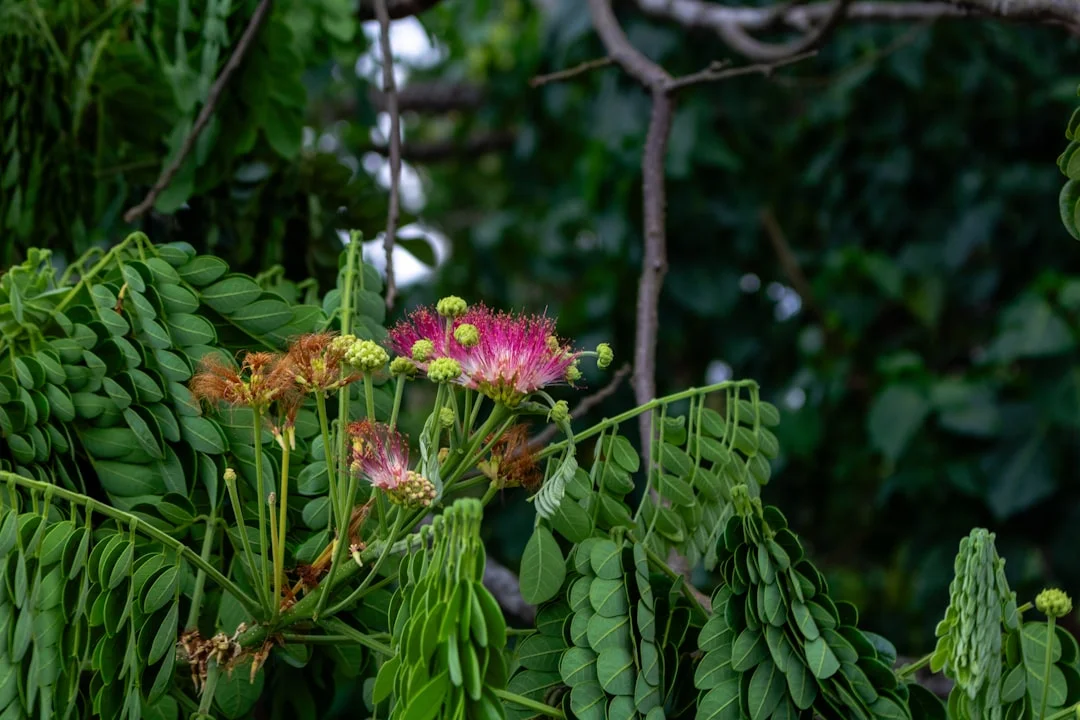
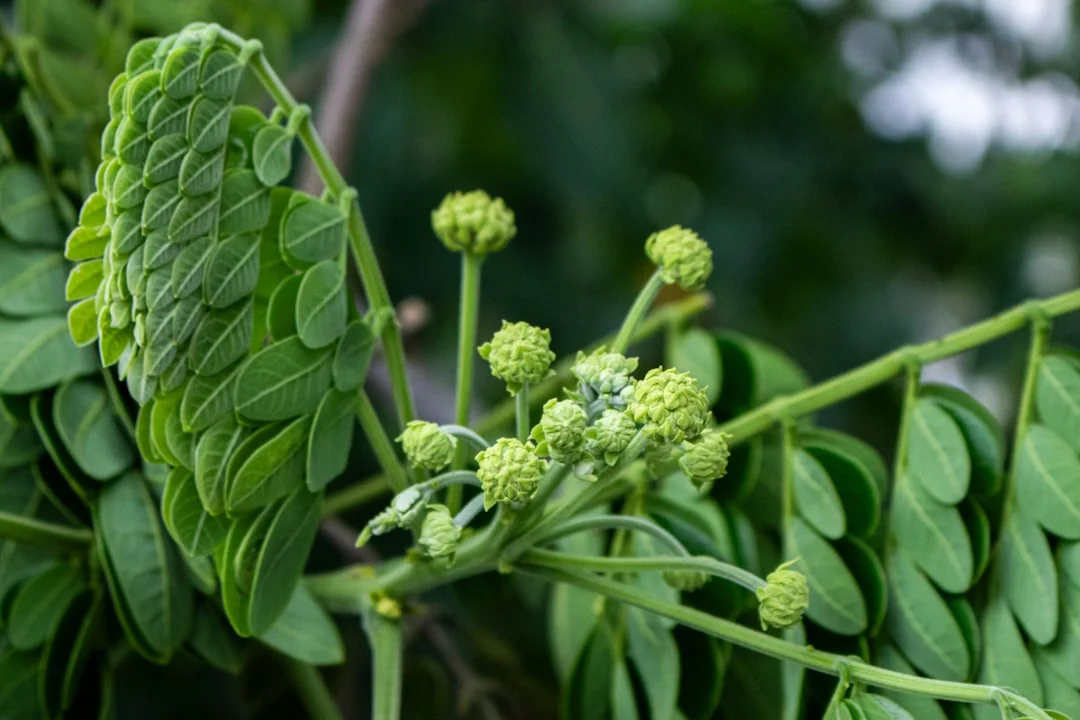
The Rain Tree got its common name from a charming habit. Its tiny leaflets close up at dusk and before storms, letting rain pass straight through the canopy to the ground below. Folk wisdom across the Philippines and Caribbean held that the tree ‘wept’ rain at night. The truth is partly that, and partly sap-sucking insects dripping honeydew. Either way, this folding trick helps grass grow lush right under the canopy — a rare gift in a shade tree.
Getting to Know the Rain Tree
Before you plant, it helps to know what you’re dealing with. The Rain Tree is huge. A mature specimen spreads a wide, umbrella-shaped crown that can stretch 30 metres across — wider than it is tall. That’s exactly why it makes such a famous shade tree in parks from Bangkok to Honolulu.
The tree belongs to the legume family (Fabaceae), the same family as peas and beans. Because of this, it fixes nitrogen in the soil through its roots, which means it actually improves the ground around it over time. According to Kew Gardens, Samanea saman is now grown across the tropics worldwide for shade and timber.
Its pink, powder-puff flowers appear in clusters during the warm months. The seed pods are dark, sweet, and loved by cattle. That said, this is a big-commitment tree. It’s not a balcony plant. You’ll want real ground space. Furthermore, its fast roots can lift paving, so plant it well away from buildings. Now that you know the basics, let’s get your soil ready before the first rains hit.
Preparing Your Garden Before the Rains
Preparation is where most people go wrong. They dig a hole, drop the sapling in, and hope. With a rain tree shade garden, the prep work you do before June pays off for decades. Here’s the thing: the monsoon arrives fast, and once soil turns to mud, digging becomes a mess.
First, pick your spot carefully. The Rain Tree needs full sun and at least 8 to 10 metres of clear space in every direction. Avoid spots near drains, foundations, or underground pipes. Next, test your drainage. Dig a hole, fill it with water, and watch. If it doesn’t drain within a few hours, you’ll need to raise the planting mound.
Then, prepare the soil. Mix your native soil with compost and a little coarse sand or perlite for drainage. The RHS recommends improving heavy clay before planting any large tree, and that holds true here. A well-prepped rain tree shade garden gives roots room to race ahead the moment rain falls. But once your tree is in the ground, watering during the rains gets surprisingly tricky — let me explain.
Spacing and Site Selection
I can’t stress spacing enough. In my experience, the single most common regret with a rain tree shade garden is planting too close to a home or wall. The crown spreads wider than most gardeners expect, and the surface roots travel far. For a backyard tree, allow at least 8 metres of clearance from any structure. In a park or open field, give it 12 to 15 metres. Plant on a slight mound in wet regions so water drains away from the trunk base during heavy monsoon downpours.
Watering Changes During Monsoon
Most people water their trees the same way all year. That’s a mistake during monsoon. When the rains come, your watering job changes completely — from giving water to managing it.
For a freshly planted Rain Tree, the goal is moist but never soggy soil. During light monsoon weeks, the rain does the work for you. So check before you water. Push a finger into the soil. If the top 5 centimetres feel wet, skip watering entirely. Overwatering on top of rain is the fastest way to rot young roots.
However, monsoons can be patchy. Some weeks pour, others go dry. During dry spells between rains, water deeply twice a week so the roots chase moisture downward. Importantly, deep watering builds drought resistance for the dry season ahead.
Meanwhile, watch the trunk base. If water pools there after rain, dig a small channel to drain it. Standing water invites fungal collar rot. A healthy rain tree shade garden depends on this balance. Get watering right, and your tree feeds itself — which brings us neatly to feeding.
Fertilizing for Fast Monsoon Growth
Here’s a surprise: because the Rain Tree fixes its own nitrogen, it needs less feeding than you’d think. Still, young trees in their first two years benefit from a gentle boost during the growing rains.
Feed at the start of the monsoon, not before. The warm, wet soil helps roots absorb nutrients fast. Use a balanced organic fertiliser — compost, well-rotted manure, or a slow-release granular feed works well across all regions. Spread it in a ring around the drip line, never against the trunk.
For the best rain tree shade garden results, focus on phosphorus and potassium rather than heavy nitrogen. Since the tree makes its own nitrogen, too much store-bought nitrogen pushes weak, leggy growth. A quick tip here: a single handful of bone meal at planting helps roots establish.
Furthermore, avoid feeding during a heavy downpour. The rain simply washes nutrients away before roots can use them. Wait for a gap, then feed. Many gardeners find one or two light feeds across the whole monsoon is plenty. Feeding done right grows a strong tree — but a strong tree still attracts pests, so let’s stay alert.
Organic vs Chemical Options
You don’t need fancy products. In tropical India, gardeners use vermicompost and cow manure. In the UK and US, a balanced 10-10-10 slow-release feed or homemade compost does the job. The principle is the same everywhere: feed lightly, feed organically where you can, and let the legume roots handle the nitrogen. A rain tree shade garden built on compost tends to resist disease better than one pushed hard with chemical feeds. Healthy soil life means healthy roots.
Pest Alert: What to Watch For
Warm, humid monsoon air is paradise for pests. Your young Rain Tree is most vulnerable now, so a weekly five-minute check pays off. Three threats top the list.
First, watch for psyllids and scale insects. These tiny sap-suckers cluster on new shoots and leave sticky honeydew behind. In fact, that dripping honeydew is part of why the tree seems to ‘rain.’ A strong jet of water or a neem oil spray usually clears them.
Next, look out for caterpillars chewing fresh leaves. Hand-picking works on small trees. For bigger infestations, a neem-based spray is safe and effective worldwide.
Then there’s sooty mould — a black coating that grows on honeydew. It’s ugly but harmless. Treat the insects causing it, and the mould fades.
Importantly, avoid harsh chemical sprays during flowering, since the Rain Tree feeds bees and butterflies. A balanced rain tree shade garden actually invites helpful predators like ladybirds that eat pests for you. Catch problems early and damage stays minor. But what if heavy rain has already battered your tree? That’s exactly what we’ll fix next.
Helping Your Tree Recover After Heavy Rain
Monsoons can be violent. After a big storm, your Rain Tree may look beaten down — and that’s normal. The good news is this tree is tough and bounces back fast when you help it right.
First, check for leaning or root lift. Young trees can tilt in soggy soil. If yours leans, gently straighten it and stake it loosely for a few weeks. Don’t tie it tight — roots need to flex to grow strong.
Next, clear standing water from the base. Waterlogged roots can’t breathe, and within days they start to rot. Dig small drainage channels if needed.
Then, prune any broken or torn branches with a clean cut. Torn bark invites fungus, so tidy cuts heal faster. After that, hold off on feeding for a week, letting the tree settle first.
Finally, watch the leaves. Yellowing after a flood usually means stressed roots, not disease. As drainage improves, fresh green growth returns. A resilient rain tree shade garden recovers within a few weeks. Now, let’s see how all this changes depending on where you live.
Growing Rain Tree in Different Climates
Not everyone gardens in the tropics, and the Rain Tree’s needs shift with climate. Let’s break it down by region, because what works in Chennai won’t work in Chicago.
In tropical zones — India, Southeast Asia, tropical Australia, and the Caribbean — the Rain Tree thrives outdoors year-round. These are USDA zones 10 to 12. Monsoon planting is ideal here, and the tree reaches full giant size.
In Mediterranean climates like coastal California or southern Spain, the tree grows well but slower, since there’s no true monsoon. Water deeply through the dry summer instead. It handles brief cool dips but not frost.
In arid regions like Dubai or parts of Arizona, it survives with regular deep irrigation, though growth stays modest. Mulch heavily to hold moisture.
What about cold temperate zones — the UK, Canada, the US Midwest? Here’s the honest truth: the Rain Tree can’t survive frost. It’s too tender for outdoor planting in these areas. According to USDA hardiness data, it needs zone 10 or warmer. Cold-climate gardeners can only grow it as a large potted plant under glass. So a true outdoor rain tree shade garden really belongs in frost-free regions.
Step-by-Step: Planting a Rain Tree in Monsoon
Ready to plant? Follow these steps and you’ll give your tree the best possible start. Timing matters: plant in the early monsoon, after the first soaking rains but before the heaviest downpours. This gives roots time to grip the soil. Below is the full sequence I use and recommend for any rain tree shade garden in a warm climate.
Safety, Toxicity, and Traditional Uses
Before you plant, let’s cover safety — because no garden guide is complete without it. The good news is the Rain Tree is largely safe. Its sweet pods are even fed to cattle across Latin America and Asia, and people sometimes eat the pulp.
That said, don’t let pets or children eat large amounts of seeds or pods. Like many legumes, they can cause stomach upset in quantity. The WHO and most veterinary sources list no severe toxicity, but moderation is wise. Always supervise young children near any new plant.
Traditionally, this tree has real uses. In folk medicine across Central America and the Philippines, bark and leaf decoctions were used for colds and skin issues. In parts of India, the bark has been used in traditional remedies, and modern studies in journals indexed on PubMed have explored its antibacterial compounds. However, these are not proven home treatments, so don’t self-medicate. Results vary, and you should always consult a professional. With safety covered, you’re fully ready to start your own rain tree shade garden this monsoon.
Is It Safe for Pets and Children?
For most homes, the Rain Tree poses low risk. The pods are mildly sweet and not seriously toxic, but large amounts may upset a dog’s or cat’s stomach. Children should be taught not to chew the seeds. If a pet eats a big pile of pods and shows vomiting or distress, call your vet. In general, this is a far safer choice than many ornamental trees. Still, keep an eye on curious toddlers and pets during the first fruiting season until everyone learns to leave the pods alone.
Frequently Asked Questions
Can I grow a Rain Tree indoors in a cold climate?
Not really, and here's why. The Rain Tree is a huge tropical tree that needs full sun and frost-free warmth. In cold climates like the UK, Canada, or the northern US, it can't survive winters outdoors. You can keep a young plant in a large pot in a heated conservatory or greenhouse, but it won't reach full size. A true outdoor rain tree shade garden only works in USDA zones 10 to 12. If you live somewhere cold, treat it as a temporary potted curiosity, not a permanent shade tree.
Is the Rain Tree safe for pets and children?
Yes, mostly. The Rain Tree has low toxicity, and its sweet pods are even fed to cattle in many countries. However, don't let dogs, cats, or children eat large amounts of the seeds or pods, since they can cause mild stomach upset. There's no record of severe poisoning, but moderation is wise. Supervise toddlers and curious pets during the first fruiting season. Overall, it's a safer choice than many ornamental garden trees, but common sense still applies.
How do I grow a Rain Tree in a container?
You can grow a young Rain Tree in a large pot, but only as a short-term plant. Use a deep container with drainage holes, a free-draining mix of soil, compost, and perlite, and place it in full sun. Water when the top of the soil dries, and feed lightly in the warm months. Be aware the tree quickly outgrows any pot because its roots spread fast. Most container growers eventually plant it out or keep pruning it small. It will never reach its full majestic size in a pot.
When is the best time to plant a Rain Tree?
The early monsoon is ideal. Plant after the first soaking rains, when soil is warm and moist but before the heaviest downpours arrive. This window gives roots time to grip the soil and race ahead. In tropical India and Southeast Asia, that means June or July. In Mediterranean or arid zones with no monsoon, plant in the warm growing season and water deeply. A monsoon-timed rain tree shade garden establishes far faster than one planted in dry heat.
Why does the Rain Tree's leaves fold up?
It's one of nature's neatest tricks. The tiny leaflets fold shut at dusk and just before rain, which is how the tree earned its name. This folding lets rainwater fall straight through the canopy to the grass below, so a rain tree shade garden often has lush green ground beneath it. The folding is driven by special cells at each leaf base that change water pressure. It also helps the tree save water and energy at night.
How far should I plant a Rain Tree from my house?
Give it plenty of room. The Rain Tree grows a crown up to 30 metres wide with fast, shallow roots that can lift paving and disturb foundations. Plant it at least 8 to 10 metres from any building, wall, or underground pipe. In open parks, allow even more space. This is the single most common mistake gardeners make. Plan your rain tree shade garden with the mature size in mind, not the small sapling you start with.
Does the Rain Tree have any medicinal uses?
Traditionally, yes, though scientific proof is limited. Folk healers in Central America, the Philippines, and parts of India used bark and leaf decoctions for colds, skin problems, and minor infections. Modern lab studies indexed on PubMed have explored antibacterial compounds in the bark. However, none of this is proven home medicine. Don't use the tree to self-treat any condition. Always consult a qualified healthcare professional. Enjoy the Rain Tree mainly for its shade and beauty, not as a remedy.
Final Thoughts
There you have it — everything you need to grow a thriving rain tree shade garden this monsoon. The wet season is your golden window, when warm, moist soil pushes this tropical giant into its fastest growth. Remember the key lessons: prep your soil and spacing before the rains, water by checking the soil rather than the calendar, feed lightly because the tree fixes its own nitrogen, and stay alert for psyllids and caterpillars. After heavy storms, clear standing water and straighten any lean. Most importantly, give the tree the room it deserves — its crown and roots spread far. Whether you garden in tropical Asia, Mediterranean coasts, or arid regions with deep irrigation, a well-planned rain tree shade garden rewards you with decades of cooling canopy and wildlife. Cold-climate gardeners, sadly, can only enjoy it under glass. Start this monsoon, follow these steps, and your Rain Tree will be the proud centrepiece of your garden for generations to come.

