
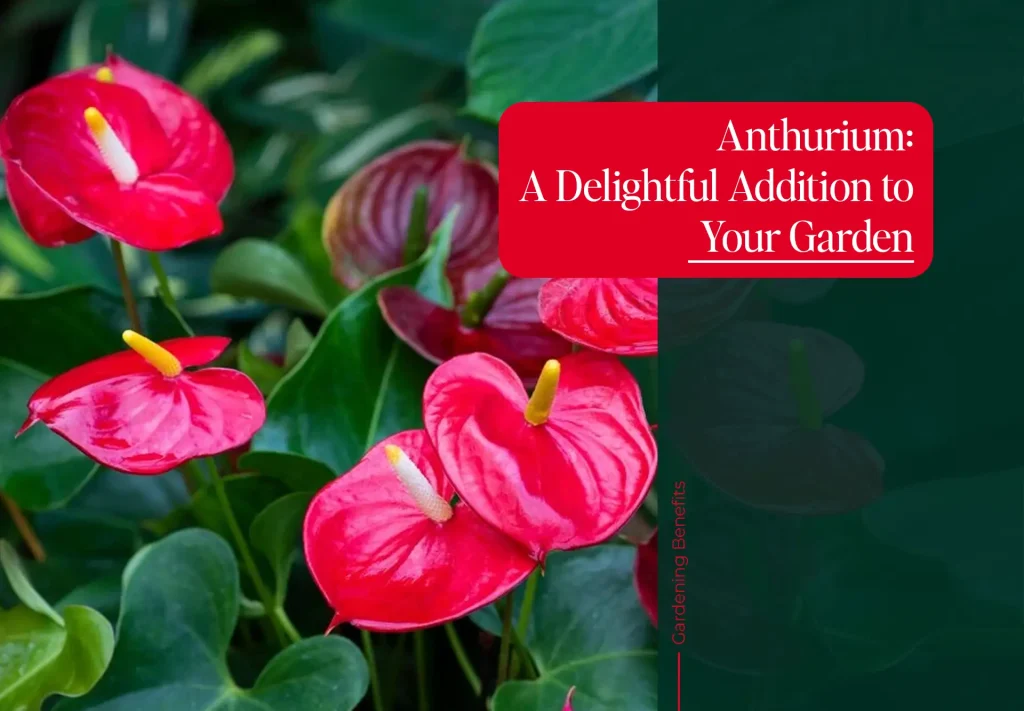
The Anthurium plant, with its striking flowers and glossy foliage, is a remarkable addition to any garden or indoor space. Known for its beauty and versatility, Anthurium is often referred to as the “Flamingo Flower” or “Laceleaf”, owing to its vibrant, waxy flowers. Let’s explore the unique features, care, and benefits of this extraordinary plant.
Table of contents
Introduction to Anthurium Plant
Anthurium, botanically known as Anthurium andraeanum, is native to the tropical rainforests of South and Central America. This plant is widely admired for its glossy, heart-shaped leaves and colorful spathes that bloom throughout the year. Whether grown indoors or outdoors in a tropical climate, Anthurium brings a splash of color and a tropical vibe to any environment. With proper care, this plant can thrive and bloom year after year.

Features of Anthurium Plant
| Characteristics | Details |
|---|---|
| Common Name | Anthurium, Flamingo Flower, Laceleaf |
| Scientific Name | Anthurium andraeanum |
| Family | Araceae |
| Origin | South and Central America |
| Plant Type | Perennial |
| Indoor Plant | Yes |
| Outdoor Plant | Yes (in tropical and subtropical climates) |
| Leaves | Heart-shaped, glossy, dark green |
| Flowers | Red, pink, white, or purple spathes with a yellow spadix |
| Flowering Season | Year-round with proper care |
| Light Requirements | Bright, indirect light |
| Water Requirements | Moderate, allow soil to dry slightly between waterings |
| Soil Requirements | Well-draining, rich in organic matter |
| Temperature Requirements | 18-28°C (65-85°F) |
| Humidity Requirements | High, thrives in humid environments |
| Propagation | By division, stem cuttings, or seeds |
| Vastu Direction | East or North, promotes positive energy |
| Uses | Ornamental, indoor decoration, air-purification |
| Medicinal Properties | Limited; used in traditional medicine for various purposes |
| Toxicity | Toxic to pets and humans if ingested |
| Common Pests | Aphids, mealybugs, spider mites |
| Common Diseases | Root rot, leaf blight, fungal infections |
| Special Care Tips | Avoid direct sunlight, maintain humidity, regular fertilization |
| Cultural Practices | Associated with love, abundance, and positivity |
| Height | 12 to 24 inches (30 to 60 cm) |
| Growth Rate | Moderate |
What Makes Anthurium Plant Special?

1. Vibrant Flowers of Anthurium Plant
Anthurium’s most recognizable feature is its brightly colored spathes, which come in shades of red, pink, white, and purple. The central spadix, often yellow or cream, stands tall from the center, adding to the plant’s elegance. These flowers can last for several weeks, making the Anthurium a long-lasting decorative option for homes and offices.
2. Distinctive Leaves of Anthurium Plant
The large, heart-shaped, glossy leaves of Anthurium are another striking feature. They add a lush, tropical appeal to indoor spaces and complement the vibrant flowers. The leaves are not only visually pleasing but also act as air purifiers by filtering toxins from the air.
3. Compact and Versatile Anthurium Plant
Anthurium plants typically grow to a manageable size, reaching about 12 to 24 inches in height. This makes them ideal for both small indoor spaces and large garden landscapes, depending on the climate.
Anthurium Plant Care Guide
Caring for Anthurium plants is relatively simple as long as their basic requirements are met. Here’s how you can keep your Anthurium healthy:
1. Light
Anthuriums prefer bright, indirect sunlight. Placing them near a window with filtered light is ideal. Avoid exposing the plant to direct sunlight, which can burn its leaves.
2. Watering
Water your Anthurium when the top inch of soil feels dry. Overwatering can lead to root rot, so it’s important to let the soil dry out slightly between waterings. Ensure that the pot has drainage holes to prevent water from pooling at the bottom.
3. Humidity
Anthuriums thrive in humid environments, as they originate from tropical rainforests. To increase humidity, you can mist the leaves, use a humidity tray, or place the plant near a humidifier. This will also prevent the leaves from turning brown at the edges.
4. Soil
The ideal soil for Anthurium plants should be well-draining and rich in organic matter. A mixture of potting soil, peat moss, and perlite is an excellent option to maintain good aeration and moisture balance.
5. Fertilization
Fertilize your Anthurium every 6-8 weeks with a balanced, water-soluble fertilizer during the growing season. This promotes healthy foliage and flower development.
6. Propagation
Anthurium can be propagated through division, stem cuttings, or seeds. The easiest method is by division, which involves separating new shoots from the parent plant and planting them in fresh soil.

Benefits of Anthurium Plant
1. Air-Purifying Qualities
Anthurium plants are known for their ability to purify the air by removing harmful toxins such as formaldehyde, ammonia, and xylene. This makes them an excellent choice for improving indoor air quality.
2. Aesthetic Appeal
The vibrant flowers and lush green leaves make Anthurium a perfect choice for home and office decor. Whether placed in a corner or as a centerpiece, it adds an elegant touch to any space.
3. Positive Energy (Vastu Benefits)
According to Vastu Shastra, placing an Anthurium in the east or north direction of your home can attract positive energy, love, and abundance. The plant is also believed to harmonize relationships and create a peaceful atmosphere.
4. Easy to Care
Anthuriums are relatively easy to care for, making them ideal for both beginner and experienced gardeners. With the right conditions, they will continue to produce flowers throughout the year.
Anthurium in Different Languages
| Language | Name |
|---|---|
| English | Anthurium |
| Mandarin | 红掌 (Hóng zhǎng) |
| Spanish | Anturio |
| Hindi | एंथुरियम |
| Gujarati | એન્થુરિયમ |
| Arabic | أنثوريوم |
| Bengali | অ্যান্থুরিয়াম |
| Portuguese | Antúrio |
| Russian | Антуриум |
| Japanese | アンスリウム (Ansuryumu) |
| Punjabi | ਐਂਥੂਰਿਯਮ |
| German | Anthurie |
| Korean | 안스리움 (Anseurium) |
| French | Anthurium |
| Telugu | ఆంథూరియం |
| Marathi | अन्थुरियम |
| Tamil | அந்துரியம் |
| Urdu | اینتھوریم |
| Turkish | Antoryum |
| Vietnamese | Hoa hồng môn |
Conclusion
Anthurium is a magnificent plant that combines beauty, functionality, and low maintenance, making it a must-have for both indoor and outdoor spaces. With its ability to purify the air, bloom throughout the year, and attract positive energy, Anthurium is a valuable addition to any plant collection. Whether you’re a seasoned gardener or just starting, the Anthurium plant is sure to add a touch of tropical charm and elegance to your home.
FAQs About Anthurium Plant
Water your Anthurium when the top inch of soil is dry. Avoid overwatering to prevent root rot.
Yes, Anthurium thrives indoors when provided with bright, indirect light and high humidity.
You can propagate Anthurium through division, stem cuttings, or seeds.
Yes, with the right care, Anthurium can bloom throughout the year.
Yes, Anthurium is toxic to both pets and humans if ingested. Keep it out of reach of children and pets.

