

Introduction to Monstera Deliciosa Plant
Monstera Deliciosa, also known as the Swiss Cheese Plant or Split-Leaf Philodendron, is an attractive and popular indoor plant. Originating from the tropical forests of southern Mexico and Panama, this plant is cherished for its large, dark green leaves and unique perforated patterns, making it a favorite for home décor. With its low maintenance needs and air-purifying qualities, Monstera Deliciosa stands out as one of the most attractive indoor plants. This article will provide detailed information on Monstera Deliciosa care, including tips for watering, repotting, and propagation.
Table of contents
- Introduction to Monstera Deliciosa Plant
- Spread in Tropical Regions
- Monstera Deliciosa Care
- Plant Characteristics of Monstera Deliciosa
- Decorative Plant: Why Monstera Deliciosa is an Attractive Indoor Plant
- Variegated Monstera Deliciosa Variegata and Albo Variegata
- Monstera Repotting and Propagation
- Common Problems and Solutions for Monstera Deliciosa Plant Care
- Benefits of Monstera Deliciosa Plant
- Cultural
- Names of Monstera Deliciosa in Different Languages
- Conclusion on Monstera Deliciosa Plant
- FAQs about Monstera Deliciosa Plant
- Suggested Links
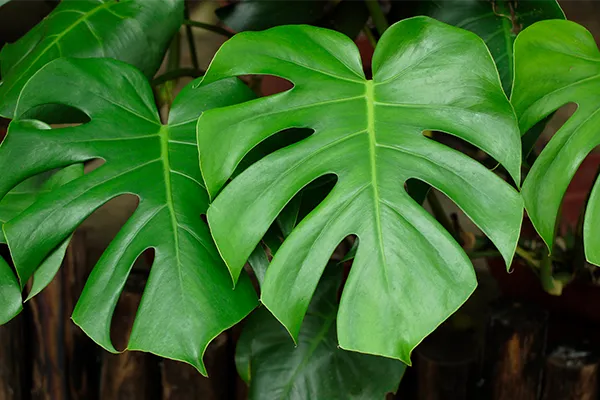
Spread in Tropical Regions
This plant has been introduced to various tropical regions, where it has become mildly invasive in areas such as Hawaii, Seychelles, Ascension Island, and the Society Islands.
Monstera Deliciosa Care
Light Requirements of Monstera Deliciosa Plant
Monstera Deliciosa is highly popular not only for its beauty but also because of its ease of care. It thrives well in low to medium indirect light, making it an ideal choice for urban homes and apartments. While it can tolerate low light, bright, indirect sunlight promotes the best growth and the healthiest leaves.
Water and Humidity Requirements for Monstera Deliciosa Plant Care
To keep Monstera Deliciosa lush and healthy, it requires proper humidity and regular watering. The soil should always be kept slightly moist but ensure it does not become waterlogged. Overwatering can lead to root rot, so water only when the top inch of the soil starts to dry out. This plant also enjoys high humidity, so consider misting the leaves or using a humidifier, especially in dry environments.
Soil Requirements for Monstera Deliciosa
Monstera Deliciosa prefers well-draining soil. A good potting mix for this plant includes a combination of peat moss, pine bark, and perlite or pumice. This mix retains moisture while providing good drainage, preventing the roots from sitting in water.
Temperature Preferences for Monstera Deliciosa Plant
This plant thrives in temperatures between 65-85°F (18-29°C). It is sensitive to cold and should be kept away from drafts, air conditioning vents, and heaters to avoid sudden temperature changes that can stress the plant.
Plant Characteristics of Monstera Deliciosa
| Details | Information |
|---|---|
| Common Name | Swiss Cheese Plant, Split-Leaf Philodendron |
| Scientific Name | Monstera Deliciosa |
| Family | Araceae |
| Origin | Southern Mexico and Panama |
| Habitat | Tropical forests |
| Plant Type | Perennial, Evergreen |
| Leaves | Large, dark green, perforated |
| Flowers | White spadix |
| Flowering Season | Rarely flowers indoors |
| Fruit | Edible, resembles a green ear of corn |
| Seeds | Small, enclosed in fruit |
| Roots | Aerial roots for support |
| Height | Can grow up to 10-15 feet indoors |
| Light Requirements | Low to medium indirect light |
| Soil Requirements | Well-draining potting mix |
| Water Requirements | Moderate, water when top inch of soil is dry |
| Propagation | Stem cuttings |
| Uses | Ornamental, air purifying |
| Medicinal Properties | None |
| Cultural Significance | Symbol of abundance in some cultures |
| Common Pests | Spider mites, mealybugs |
| Common Diseases | Root rot, leaf spot |
Decorative Plant: Why Monstera Deliciosa is an Attractive Indoor Plant
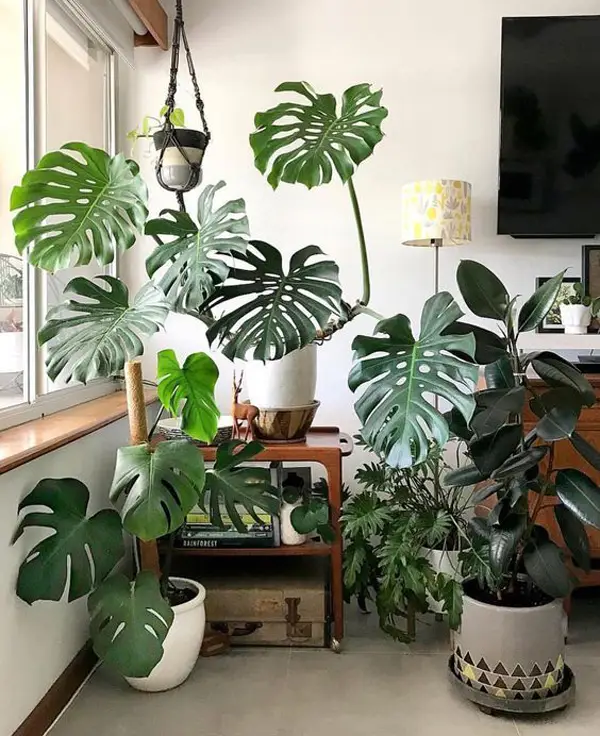

With its unique appearance and easy maintenance, Monstera Deliciosa is the perfect decorative plant for any home. Its large, perforated leaves bring a sense of freshness and beauty to any room. Additionally, Monstera Deliciosa can be used to purify indoor air, providing a healthy and beautiful environment.
Leaf Characteristics
Monstera leaves are one of its most striking features. The large, heart-shaped leaves can grow up to 3 feet long and 2 feet wide. They are dark green and develop unique perforations or holes as they mature, giving them the distinctive “Swiss cheese” appearance.
Monstera Yellow Leaves
Monstera Deliciosa can sometimes develop yellow leaves, which is often a sign of overwatering. Ensuring proper watering routines and well-draining soil can prevent this issue. Occasionally, yellow leaves can indicate a need for more light or a nutrient deficiency.
Monstera Leaves Curling
Monstera leaves curling can be a sign of various issues. Underwatering, low humidity, or root damage can cause the leaves to curl. If you notice the leaves curling after repotting, it may be due to transplant shock. Ensuring consistent care and minimizing stress can help the plant recover.
How to Make Monstera Deliciosa Bushy
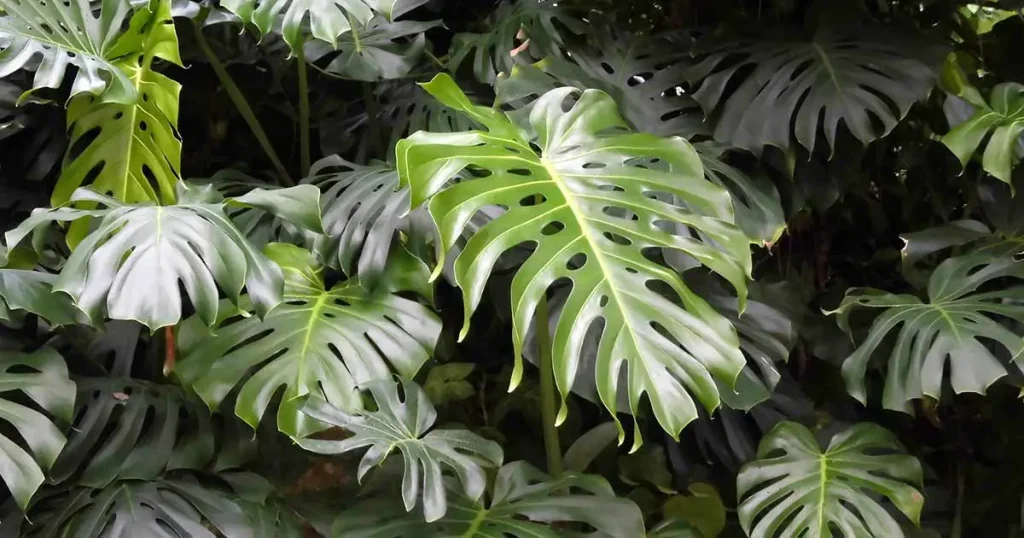
To make your Monstera Deliciosa bushy, follow these tips:
- Pruning
Regularly prune your Monstera to encourage new growth and maintain a compact shape. Cut back leggy stems and trim any damaged or yellowing leaves.
- Pinching
Pinch off new growth tips to promote branching. This will encourage the plant to grow more side shoots, making it fuller and bushier.
- Proper Light
Ensure the plant gets bright, indirect light. Insufficient light can cause the plant to become leggy as it stretches toward the light source.
- Rotating the Plant
Rotate your Monstera regularly to ensure even growth on all sides, preventing it from leaning toward the light.
- Support
Use a moss pole or trellis to support the plant. This can help manage its growth direction and encourage a more compact form.
Variegated Monstera Deliciosa Variegata and Albo Variegata

Monstera Deliciosa Albo Variegata
Monstera Deliciosa Albo Variegata is one of the most popular Monstera plants. This variety features stunning white variegation on its leaves, which can range from small patches to almost entirely white leaves. The variegation is due to a lack of chlorophyll in some parts of the leaf, making it more delicate and requiring careful light management to avoid sunburn.
Monstera Deliciosa Thai Constellation
Another sought-after variety is the Monstera Deliciosa Thai Constellation. It has cream-colored speckles and splotches on its leaves, resembling a starry night. This variety is more stable in its variegation compared to the Albo Variegata and tends to be less prone to reversion to green leaves.
Monstera Adansonii
Often confused with Monstera Deliciosa, Monstera Adansonii is a different species known as the Swiss Cheese Vine. Its leaves are smaller and more elongated with more pronounced holes. This plant is also a popular indoor choice due to its manageable size and unique appearance.
Monstera Repotting and Propagation
Monstera Repotting
Monstera Deliciosa benefits from being repotted every 1-2 years to refresh the soil and provide more space for growth. The best time to repot is in the spring or early summer when the plant is actively growing. Choose a pot that is 1-2 inches larger in diameter than the current one and ensure it has drainage holes.
Monstera Propagation
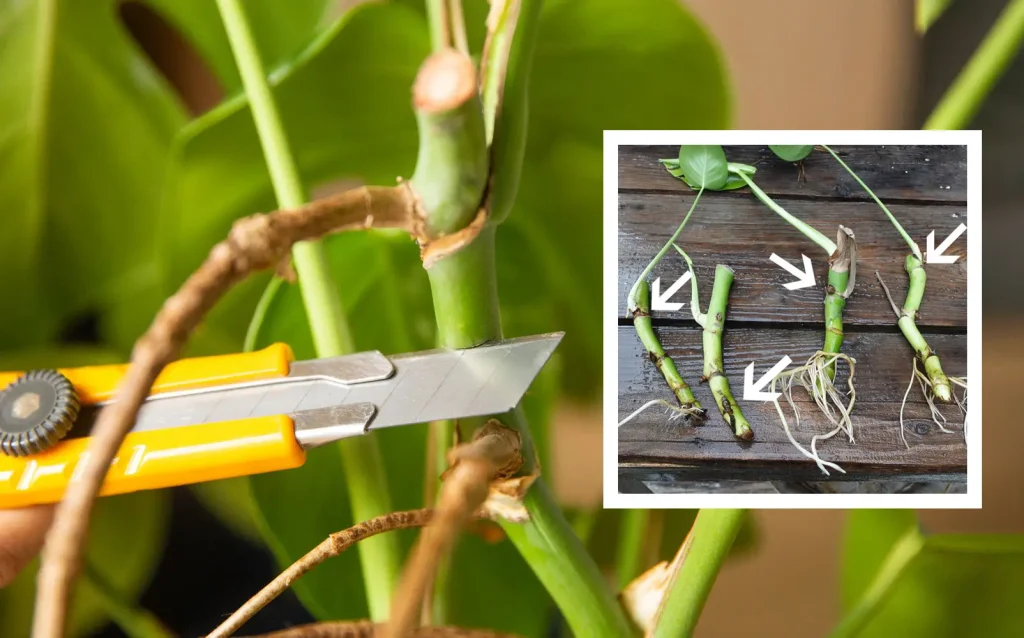
Monstera Deliciosa can be easily propagated through stem cuttings. Here’s a step-by-step guide:
- Select a Healthy Stem: Choose a stem with at least one node and one or two leaves.
- Cut Below the Node: Using a clean, sharp knife or scissors, cut the stem below a node.
- Place in Water or Soil: You can place the cutting in water until roots develop, or plant it directly in soil.
- Provide Proper Care: Ensure the cutting gets bright, indirect light and maintain consistent moisture.
Monstera Propagation Tips
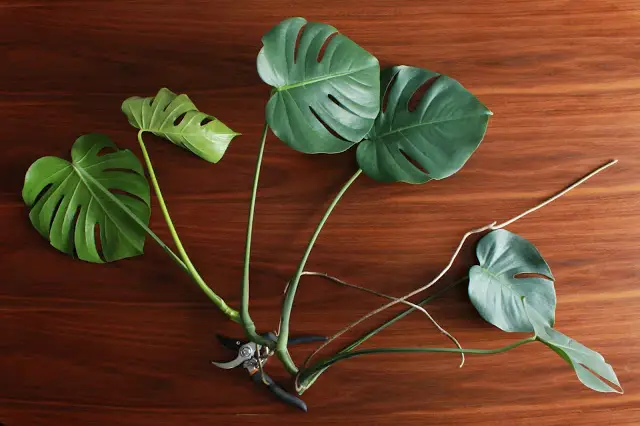
For successful propagation, ensure the cutting has a node, as roots will develop from this point. If propagating in water, change the water regularly to prevent stagnation and encourage healthy root growth. Once roots are a few inches long, the cutting can be transferred to soil.
Common Problems and Solutions for Monstera Deliciosa Plant Care
Monstera Yellow Leaves
Yellow leaves on Monstera Deliciosa are often a sign of overwatering. To address this, reduce the frequency of watering and ensure the soil has proper drainage. Yellow leaves can also indicate a need for more light or nutrients, so adjusting the plant’s environment and feeding schedule may help.
Why Are My Monstera Leaves Curling?
Monstera leaves curling can result from various factors such as underwatering, low humidity, or root damage. If the leaves curl after repotting, it may be due to transplant shock. To remedy this, ensure consistent watering, increase humidity, and minimize stress by providing stable conditions.
Monstera Leaves Curling After Repotting
Curling leaves after repotting are common due to the stress of transplanting. Ensure that the new pot has proper drainage and that the plant is not overwatered. Keeping the plant in a stable environment with consistent care will help it adjust and recover.
Benefits of Monstera Deliciosa Plant
Air Purifying Qualities
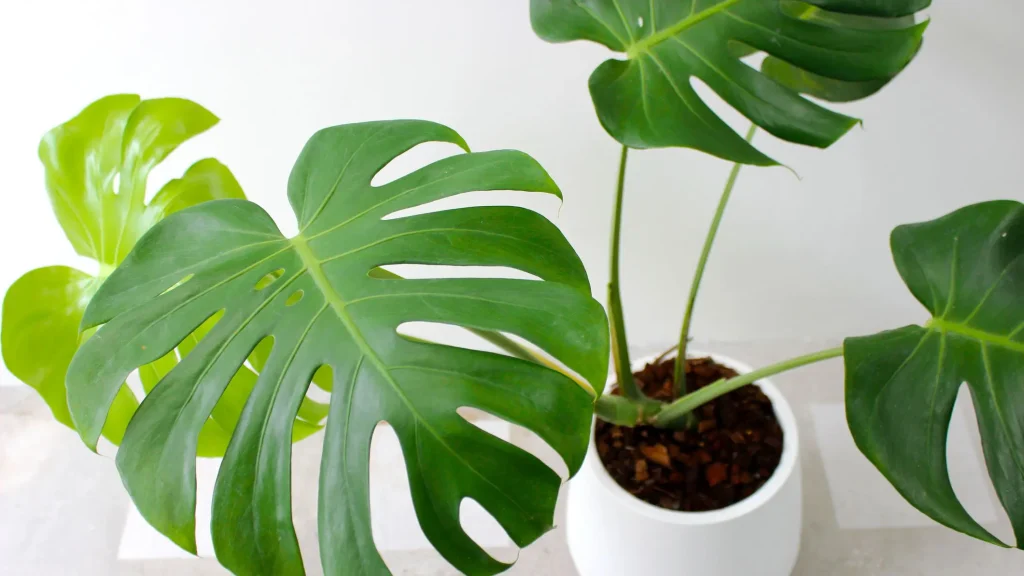
Monstera Deliciosa is known for its air-purifying qualities. It can remove toxins such as formaldehyde and benzene from the air, contributing to a healthier indoor environment. This makes it an excellent choice for homes and offices.
Aesthetic Appeal
The large, perforated leaves of Monstera Deliciosa add a dramatic and exotic touch to any space. Its lush, green foliage creates a tropical ambiance, enhancing the aesthetic appeal of any room. Whether placed in a living room, bedroom, or office, this plant is sure to make a statement.
Easy Maintenance
Monstera Deliciosa’s ease of care makes it a favorite among plant enthusiasts. It can tolerate a range of light conditions and requires minimal maintenance, making it suitable for both beginners and experienced gardeners. Its ability to thrive in various environments contributes to its popularity as an indoor plant.
Cultural
Significance of Monstera Deliciosa
In some cultures, Monstera Deliciosa symbolizes abundance and prosperity. Its lush growth and large leaves are seen as signs of good fortune and positive energy. This cultural significance adds another layer of appeal to this beautiful plant.
Names of Monstera Deliciosa in Different Languages
| Language | Name |
|---|---|
| English | Swiss Cheese Plant |
| Mandarin Chinese | 穿孔叶藤 (Chuān kǒng yè téng) |
| Spanish | Planta del Queso Suizo |
| Hindi | स्विस चीज़ प्लांट |
| Gujarati | સ્વિસ ચીઝ પ્લાન્ટ |
| Arabic | نبات الجبن السويسري |
| Bengali | সুইস চিজ উদ্ভিদ |
| Portuguese | Planta de Queijo Suíço |
| Russian | Швейцарский сырное растение |
| Japanese | スイスチーズプラント |
| Punjabi | ਸਵਿਸ ਚੀਜ਼ ਪੌਦਾ |
| German | Schweizer Käsepflanze |
| Javanese | Tanduran Keju Swiss |
| Korean | 스위스 치즈 식물 |
| French | Plante de Fromage Suisse |
| Telugu | స్విస్ చీజ్ మొక్క |
| Marathi | स्विस चीज प्लांट |
| Tamil | சுவிஸ் சீஸ் ஆலை |
| Urdu | سوئس پنیر پلانٹ |
| Turkish | İsviçre Peyniri Bitkisi |
| Vietnamese | Cây phô mai Thụy Sĩ |
Where to Buy Monstera Deliciosa
You can purchase the best Monstera Deliciosa plants online from this link. This ensures you get a healthy and well-cared-for plant delivered right to your doorstep.
Conclusion on Monstera Deliciosa Plant
Monstera Deliciosa is a beautiful and easy-to-care-for indoor plant that can enhance the décor of any home or apartment. Its large and attractive leaves, along with its low maintenance requirements, make it an ideal plant for everyone. By incorporating Monstera Deliciosa into your home, you can not only enhance your décor but also create a lush and refreshing environment. Its ability to purify air, ease of propagation, and variety of stunning forms such as Monstera Deliciosa Albo Variegata, make it a versatile and valuable addition to any indoor garden.
FAQs about Monstera Deliciosa Plant
Monstera Deliciosa thrives in low to medium indirect light.
Water the plant when the top inch of soil is dry, ensuring the soil is kept slightly moist but not waterlogged.
Yes, Monstera Deliciosa can help purify indoor air, contributing to a healthier living environment.
Absolutely, its low maintenance needs make it perfect for beginners.
Yellow leaves can indicate overwatering. Check the soil moisture and adjust your watering routine accordingly.

