
Introduction
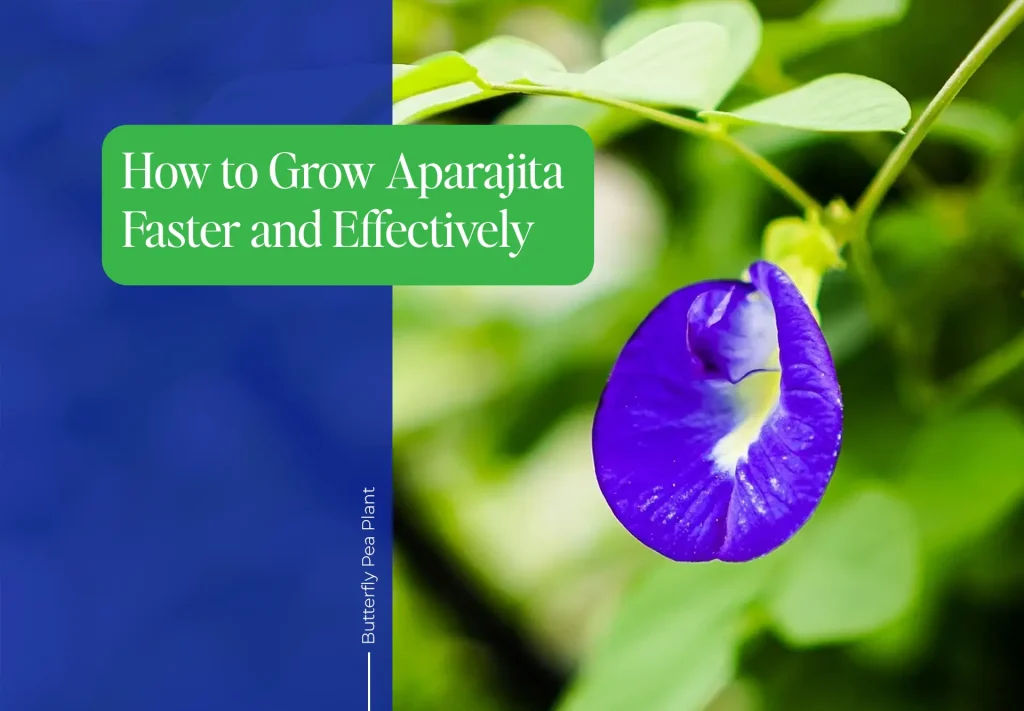
Aparajita (Clitoria ternatea), also known as the Butterfly Pea Plant, is a beautiful and versatile flowering plant cherished for its stunning blue flowers and medicinal properties. In Hindi, it is called Shankhpushpi. The scientific name for Aparajita is Clitoria ternatea. This plant holds significant importance in Ayurveda and is admired for its rapid growth and minimal maintenance requirements. In this comprehensive guide, we will delve into every detail about how to grow Aparajita faster and effectively, whether at home, from seeds, or cuttings.
Table of contents
Characteristics of Aparajita Plant
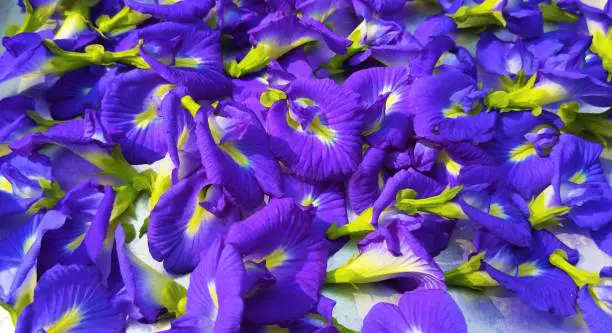
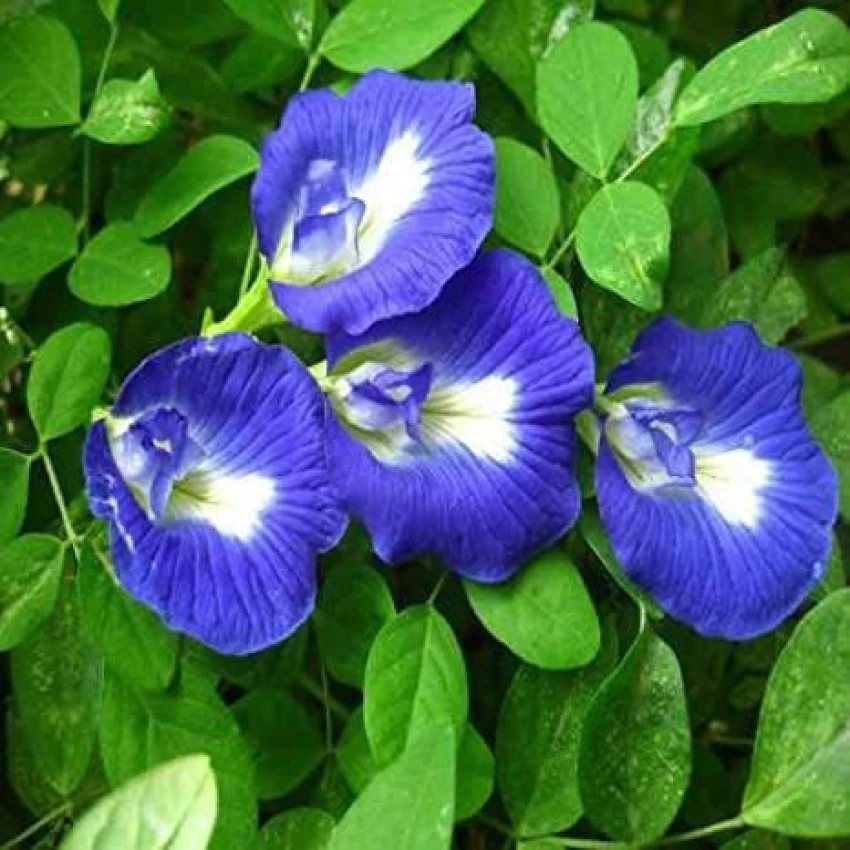
Aparajita, or Butterfly Pea Plant, is a perennial vine known for its striking blue, white, or purple flowers resembling a butterfly. The dark green leaves add to its charm. This plant is fast-growing and requires minimal upkeep, making it ideal for both novice and experienced gardeners.
Plant Characteristics Table
| Details | Description |
|---|---|
| Common Name | Aparajita, Shankhpushpi, Butterfly Pea Plant |
| Scientific Name | Clitoria ternatea |
| Family | Fabaceae |
| Origin | Tropical Asia |
| Habitat | Tropical and subtropical regions |
| Plant Type | Perennial vine |
| Leaves | Dark green |
| Flowers | Blue, white, or purple, butterfly-shaped |
| Flowering Season | Throughout the year in suitable conditions |
| Fruit | Flat pods |
| Seeds | Small, brown |
| Roots | Taproot |
| Height | Up to 3 meters |
| Light Requirements | Full sun to partial shade |
| Soil Requirements | Well-drained, fertile soil |
| Water Requirements | Regular watering, avoid overwatering |
| Propagation | By seeds, cuttings |
| Uses | Tea, decoration, medicinal purposes, natural dye |
| Medicinal Properties | Used in Ayurveda for various treatments |
| Cultural Significance | Sacred plant in some cultures |
| Common Pests | Aphids, mites |
| Common Diseases | Root rot, leaf spot |
Suitable Climate and Soil for Grow Aparajita
Climate
Aparajita thrives in warm and humid climates, making it well-suited for tropical and subtropical regions. The plant prefers temperatures ranging from 20°C to 30°C. It can tolerate occasional dips in temperature but thrives best in consistently warm conditions.
Soil
For optimal growth, Aparajita requires well-drained, fertile soil. The ideal pH range for the soil is between 6.0 and 7.5. Incorporating organic matter such as compost or well-rotted manure into the soil can significantly improve its fertility and structure, aiding in faster growth.
Sowing Time and Method
Sowing Time
The best time to sow Aparajita seeds is during the spring season when the temperature is moderate, ensuring ideal conditions for germination and growth.
Seed Preparation
To enhance germination, soak the seeds in water for 24 hours before sowing. This process helps soften the seed coat, allowing the seed to absorb water more effectively.
Sowing Method
- Prepare the Soil: Loosen the soil to a fine tilth and ensure it is free of weeds and debris.
- Sow the Seeds: Plant the seeds at a depth of 1-2 cm. Space the seeds about 30 cm apart to allow room for growth.
- Cover and Water: Lightly cover the seeds with soil and water gently. Maintain consistent moisture but avoid waterlogging.
Aparajita Plant Care
Watering
Regular watering is crucial for the growth of Aparajita, especially during the hot summer months. Ensure the soil is consistently moist but not waterlogged. Overwatering can lead to root rot, so proper drainage is essential.
Fertilizing
Feed the plant with organic manure or compost every 6-8 weeks. This will provide the necessary nutrients for robust growth and prolific flowering. Liquid seaweed extract can also be used as a foliar spray to boost growth.
Pruning
Pruning helps maintain the shape of the plant and encourages bushy growth. Regularly trim dead or yellowing leaves and spent flowers. This not only keeps the plant tidy but also redirects energy towards new growth and flowering.
Supporting the Vines
Aparajita is a climbing vine and benefits from support. Use bamboo stakes, trellises, or garden netting to provide support for the vines to climb. This helps prevent the plant from sprawling on the ground and promotes better air circulation.
Butterfly Pea Propagation Methods
Growing from Seeds
- Soak the Seeds: As mentioned earlier, soak the seeds in water for 24 hours.
- Planting: Follow the sowing method detailed above.
- Care: Ensure regular watering and proper sunlight.
Growing from Cuttings
Propagation through cuttings is an effective way to grow Aparajita, especially if you want to replicate the characteristics of a parent plant.
- Select Healthy Stems: Choose a healthy stem with at least 3-4 nodes.
- Cut and Prepare: Cut the stem below a node and remove the lower leaves.
- Planting: Dip the cut end in rooting hormone and plant it in a pot filled with a well-draining potting mix.
- Care: Keep the soil moist and place the pot in a warm, shaded area until roots develop.
Common Problems and Solutions
Pests and Diseases
Aphids and Mites: These pests can occasionally attack Aparajita. Use organic insecticides or neem oil spray to control infestations.
Root Rot: Caused by overwatering or poor drainage. Ensure the soil is well-draining and avoid overwatering.
Leaf Spot: Fungal diseases can cause leaf spots. Remove affected leaves and apply a fungicide if necessary.
Yellowing of Leaves
Yellowing leaves can indicate overwatering, nutrient deficiency, or poor soil drainage. Adjust watering practices and ensure the plant receives adequate nutrients through regular fertilization.
Harvesting and Uses
Harvesting
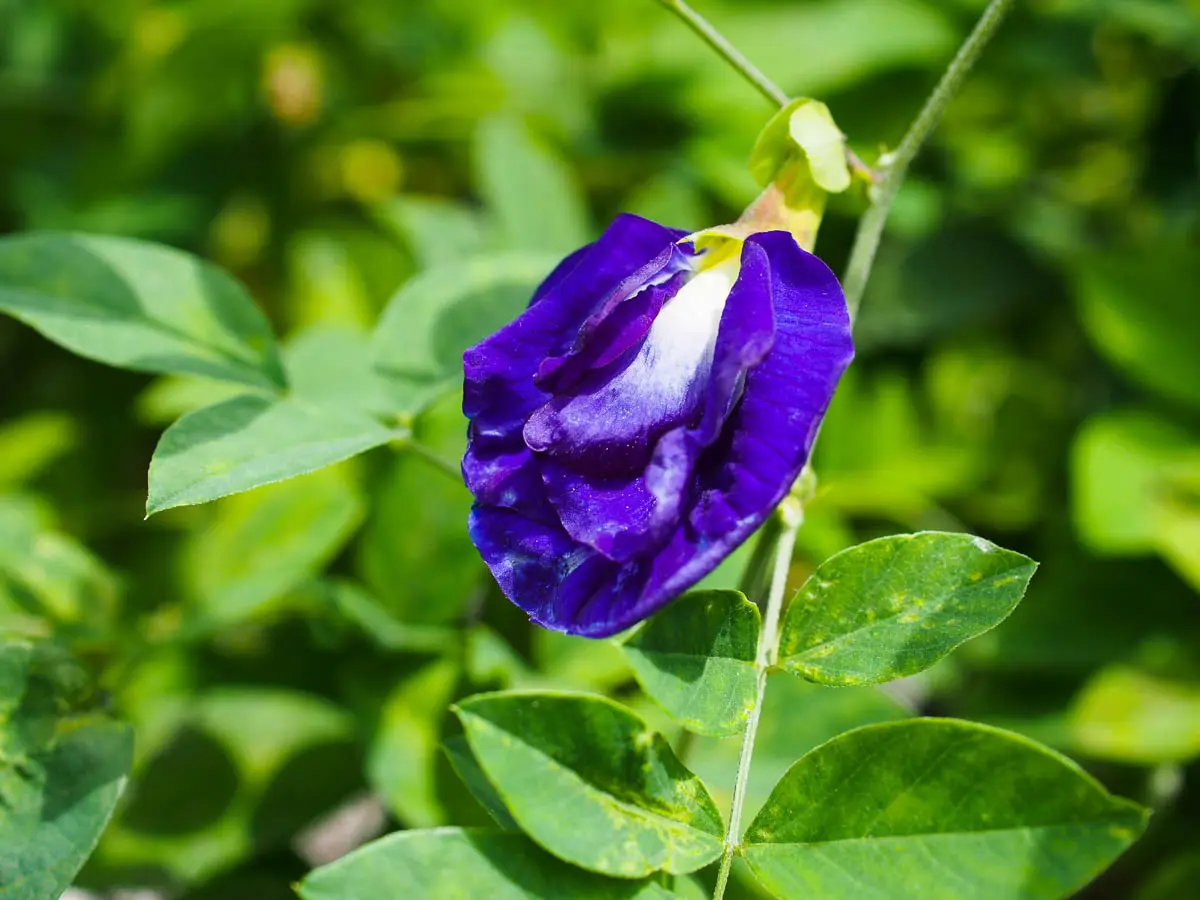
The best time to harvest Aparajita flowers is in the morning when they are fully open. Use sharp scissors or pruning shears to cut the flowers, avoiding damage to the plant.
Uses
Tea: The flowers can be used to make a refreshing herbal tea known for its antioxidant properties.
Decoration: Aparajita flowers are used for decorative purposes due to their vibrant color and unique shape.
Medicinal Purposes: In Ayurveda, Aparajita is used to treat various ailments, including anxiety, stress, and memory enhancement.
Natural Dye: The vibrant blue pigment from the flowers is used as a natural dye for food and fabrics.
Plant Name in Different Languages
| Language | Name |
|---|---|
| English | Butterfly Pea |
| Mandarin Chinese | 蓝蝴蝶花 (Lán húdié huā) |
| Spanish | Guisante de mariposa |
| Hindi | अपराजिता (Aparajita) |
| Gujarati | અપરાજિતા (Aparajita) |
| Arabic | فراشة البازلاء (Farashat al-bazela) |
| Bengali | অপরাজিতা (Aparajita) |
| Portuguese | Ervilha-borboleta |
| Russian | Клитория (Klitoria) |
| Japanese | バタフライピー (Batafurai pī) |
| Punjabi | ਅਪਰਾਜਿਤਾ (Aparajita) |
| German | Schmetterlingserbse |
| Javanese | Bunga telang |
| Korean | 나비콩 (Nabikong) |
| French | Pois papillon |
| Telugu | అంజన (Anjana) |
| Marathi | अपराजिता (Aparajita) |
| Tamil | சங்குபுஷ்பம் (Sangupushpam) |
| Urdu | اپراجیتا (Aparajita) |
| Turkish | Kelebek bezelyesi |
| Vietnamese | Hoa đậu biếc |
Conclusion
Aparajita, or the Butterfly Pea Plant, is an exquisite and beneficial plant that can enhance any garden with its vibrant flowers and rapid growth. By following the detailed steps outlined in this guide, you can successfully grow Aparajita at home, whether from seeds or cuttings. Proper care, including regular watering, fertilization, and pruning, will ensure that your Aparajita plant thrives and blooms beautifully.
Adopting organic farming methods for growing Aparajita is beneficial for the environment. Consider local conditions and weather while growing this plant, making necessary adjustments. Include Aparajita in your gardening practices and enjoy the myriad benefits it offers.
FAQs of Aparajita
Ensure the plant receives full sun, regular watering, and proper fertilization to promote faster growth.
Aparajita can be grown in pots or directly in the ground. Provide support for the vines and ensure proper sunlight and watering.
Take a healthy stem cutting with at least 3-4 nodes, dip it in rooting hormone, and plant it in a well-draining potting mix. Keep the soil moist until roots develop.
Butterfly pea plant, or Aparajita, can be grown from seeds or cuttings. Provide full sun, well-draining soil, regular watering, and support for the vines.
Butterfly pea flowers can start blooming within 8-10 weeks from sowing under optimal conditions.

