

Introduction to Jasmine Plants
Jasmine plants, known for their intoxicating fragrance and delicate blooms, have been cherished in gardens and homes for centuries. Whether you are looking to grow a jasmine plant indoors or create a beautiful outdoor display with a climbing jasmine plant, this guide will cover everything you need to know. Moreover, jasmine flowers not only enhance the aesthetic appeal of your space but also offer several health benefits. Therefore, this comprehensive guide will delve into the types of jasmine plants, their care requirements, benefits, and the significance of jasmine plants in Vastu Shastra.
Table of contents
- Introduction to Jasmine Plants
- Types of Jasmine Plants
- Jasmine Plant Characteristics Table
- Growing Jasmine Plant Indoor
- Jasmine Plant Care
- Benefits of Jasmine Plants
- Jasmine Plant in Vastu Shastra
- Propagation of Jasmine Plants
- Common Pests and Diseases
- Uses of Jasmine Plants
- Jasmine Plant in Different Languages
- Jasmine Plant Care Tips
- Conclusion
- FAQs About Jasmine Plants
- Suggested Links
Types of Jasmine Plants

Common Jasmine (Jasminum officinale):
Description: This is one of the most widely known and cultivated jasmine plants. It features delicate white flowers that emit a sweet fragrance, making it a popular choice for gardens and homes.
Care: Common jasmine prefers full sun to partial shade and well-draining soil. Regular watering and occasional pruning are essential for healthy growth.
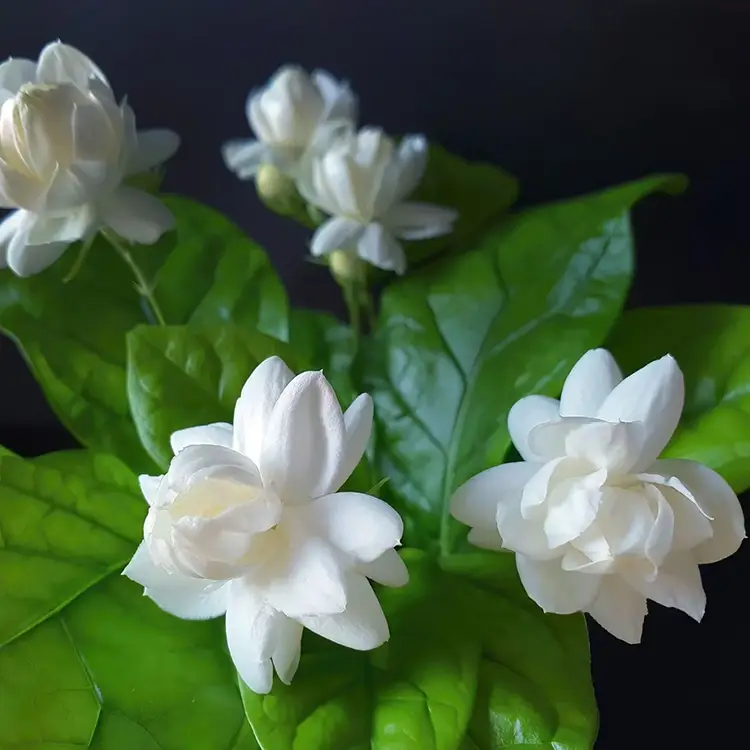
Arabian Jasmine (Jasminum sambac):
Description: Also known as Mogra, this jasmine variety is revered for its intense fragrance and is often used in making garlands and perfumes. The flowers are small, white, and highly fragrant.
Care: It thrives in warm climates and needs plenty of sunlight. Regular watering and feeding with a balanced fertilizer promote lush blooms.
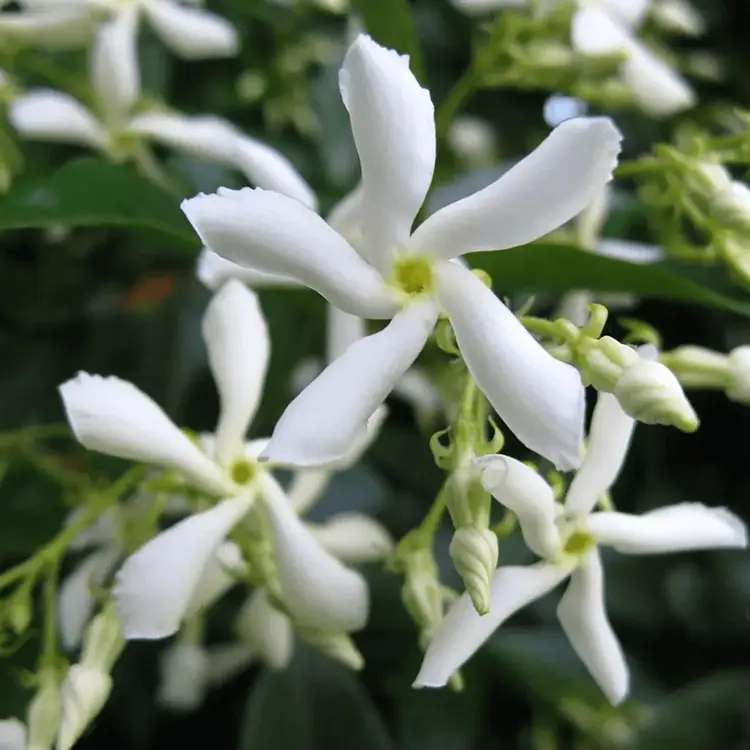
Star Jasmine (Trachelospermum jasminoides):
Description: Known for its star-shaped white flowers, this variety is often used as a climbing jasmine plant. It can cover trellises, walls, and fences, creating a beautiful and fragrant backdrop.
Care: Star jasmine prefers full sun to partial shade and well-draining soil. It requires regular watering and occasional pruning to maintain its shape and encourage flowering.
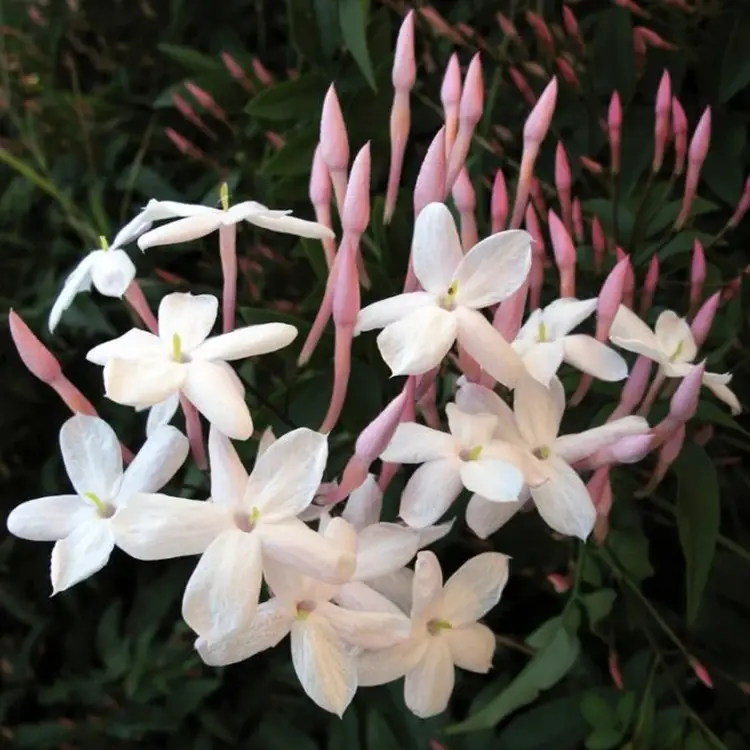
Pink Jasmine (Jasminum polyanthum):
Description: This variety is famous for its pink buds that open to reveal white flowers. It is a vigorous climber and can quickly cover a large area.
Care: Pink jasmine requires full sun and well-draining soil. Regular watering and feeding with a balanced fertilizer help in producing abundant blooms.
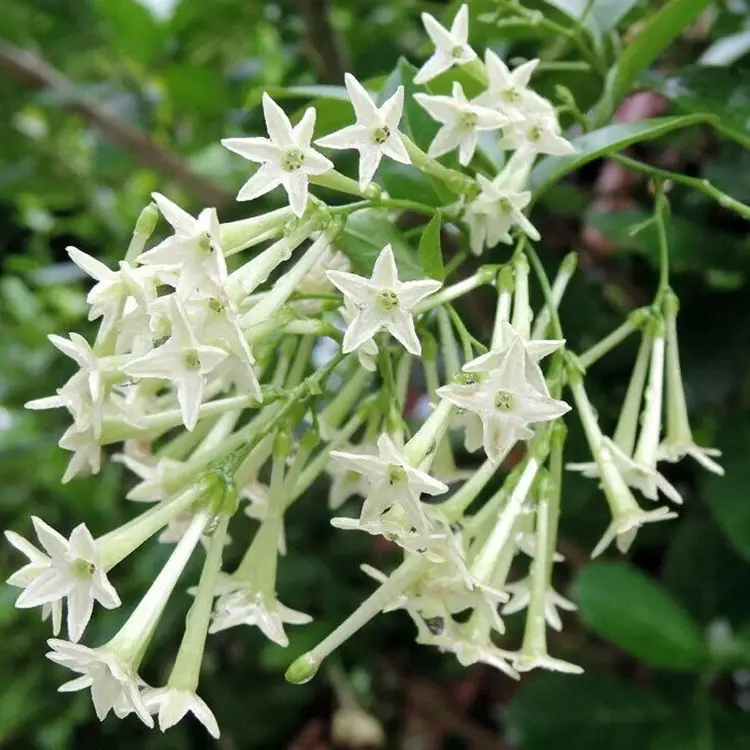
Night Jasmine (Cestrum nocturnum):
Description: Also known as “Raat ki Rani,” this variety blooms at night and emits a powerful fragrance. The flowers are small and white, and the plant can grow as a shrub or vine.
Care: Night jasmine prefers warm temperatures and plenty of sunlight. It needs regular watering, especially during the flowering season.
Jasmine Plant Characteristics Table
| Detail | Information |
|---|---|
| Common Name | Mogra, Jasmine |
| Scientific Name | Jasminum sambac |
| Family | Oleaceae |
| Origin | South and Southeast Asia |
| Habitat | Tropical and subtropical regions |
| Plant Type | Flowering plant |
| Indoor Plant | Yes |
| Outdoor Plant | Yes |
| Leaves | Deep green, smooth, shiny |
| Flowers | Small, white, highly fragrant |
| Flowering Season | Summer to early fall |
| Fruit | Small berries |
| Seeds | Small, round seeds |
| Roots | Fibrous root system |
| Height | 0.5 to 3 meters |
| Growth Rate | Moderate to fast |
| Light Requirements | Direct sunlight |
| Soil Requirements | Well-draining soil with organic matter |
| Water Requirements | Regular, avoiding waterlogging |
| Temperature Requirements | Warm temperatures, 20-30°C |
| Humidity Requirements | High humidity |
| Propagation | Stem cuttings, layering |
| Uses | Decoration, perfumery, religious rituals |
| Medicinal Properties | Anti-stress, anti-inflammatory |
| Toxicity | Generally non-toxic |
| Cultural Significance | Widely used in religious and cultural ceremonies |
| Common Pests | Aphids, whiteflies |
| Common Diseases | Root rot, powdery mildew |
| Special Care Tips | Prune regularly, provide adequate sunlight and water |
Growing Jasmine Plant Indoor

Growing a jasmine plant indoor can add a touch of elegance and a burst of fragrance to your home. Here are some tips for successful indoor cultivation:
- Light Requirements: Jasmine plants need plenty of light to thrive. Place them near a south-facing window where they can receive at least 4-6 hours of direct sunlight daily.
- Temperature and Humidity: Jasmine plants prefer temperatures between 60-75°F (15-24°C) and high humidity. Use a humidifier or place a tray of water near the plant to maintain humidity levels.
- Watering: Keep the soil consistently moist but not waterlogged. Water the plant when the top inch of soil feels dry to the touch.
- Soil: Use well-draining potting soil with a mix of sand, peat, and compost. Ensure the pot has drainage holes to prevent waterlogging.
- Fertilizing: Feed the plant with a balanced liquid fertilizer every 2-4 weeks during the growing season (spring and summer).
- Pruning: Regular pruning helps maintain the shape of the plant and encourages new growth. Prune after the flowering season to remove dead or overgrown branches.
Jasmine Plant Care
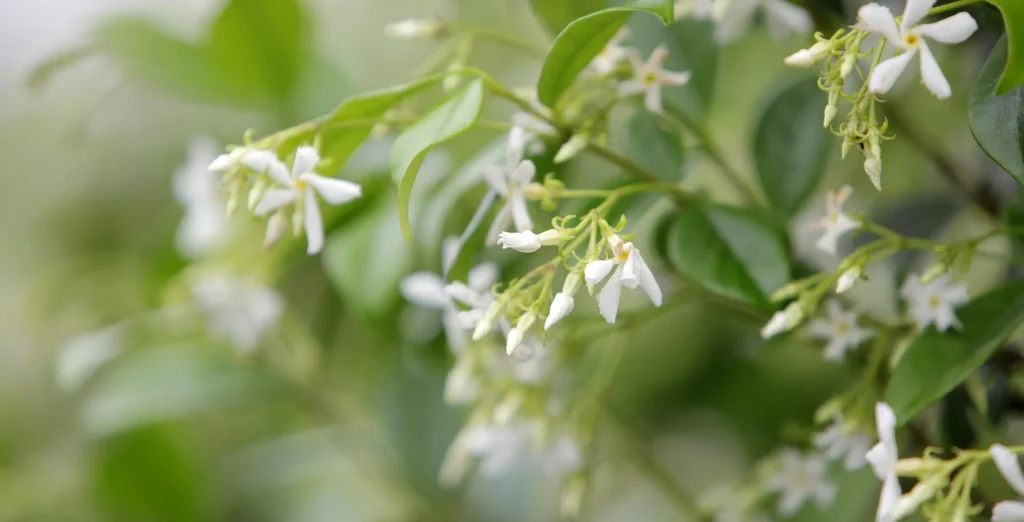
Proper care is essential for maintaining the health and beauty of your jasmine plant. Here are some general care tips:
- Light: Jasmine plants require full sun to partial shade. Outdoor plants should be placed in a location that receives at least 4-6 hours of direct sunlight daily.
- Water: Jasmine plants need regular watering, especially during dry periods. However, avoid overwatering as it can lead to root rot. Water the plant when the top inch of soil feels dry.
- Soil: Well-draining soil is crucial for jasmine plants. A mix of garden soil, sand, and organic compost works well.
- Fertilizer: Feed the plant with a balanced fertilizer every 2-4 weeks during the growing season. A high-phosphorus fertilizer can promote flowering.
- Pruning: Regular pruning helps maintain the shape of the plant and encourages new growth. Prune after the flowering season to remove dead or overgrown branches.
- Pest and Disease Control: Jasmine plants can be susceptible to pests like aphids, whiteflies, and spider mites. Use insecticidal soap or neem oil to treat infestations. Ensure proper air circulation and avoid waterlogging to prevent fungal diseases.
Benefits of Jasmine Plants
Jasmine plants offer numerous benefits beyond their aesthetic appeal. Some of the key benefits include:
- Fragrance: The sweet fragrance of jasmine flowers is known to have a calming effect. Consequently, it helps in reducing stress and promoting relaxation.
- Medicinal Properties: Additionally, jasmine flowers and leaves are used in various traditional medicines. They are believed to have anti-inflammatory, antiseptic, and sedative properties.
- Decoration: Furthermore, jasmine plants are widely used for decorative purposes in gardens, homes, and religious ceremonies. The fragrant flowers are often used in garlands, wreaths, and floral arrangements.
- Cultural Significance: Moreover, jasmine flowers hold significant cultural and religious importance in many Asian countries. They are used in religious rituals, weddings, and festivals.
- Air Purification: Finally, jasmine plants can help purify the air by removing pollutants and improving indoor air quality.
Jasmine Plant in Vastu Shastra
In Vastu Shastra, the ancient Indian science of architecture and design, plants play a crucial role in creating a harmonious living environment. Jasmine plants are considered auspicious and are believed to bring positive energy and good luck. Here are some Vastu tips for placing jasmine plants:
- Direction: According to Vastu, the best direction to place a jasmine plant is in the north, east, or northeast part of your home or garden. This placement is believed to attract positive energy and enhance prosperity.
- Entrance: Placing jasmine plants near the entrance of your home is considered beneficial as it welcomes guests with a pleasant fragrance and positive vibes.
- Bedroom: Keeping a jasmine plant in the bedroom can promote relaxation and improve sleep quality due to its calming fragrance.
- Living Room: Jasmine plants can be placed in the living room to create a refreshing and inviting atmosphere.
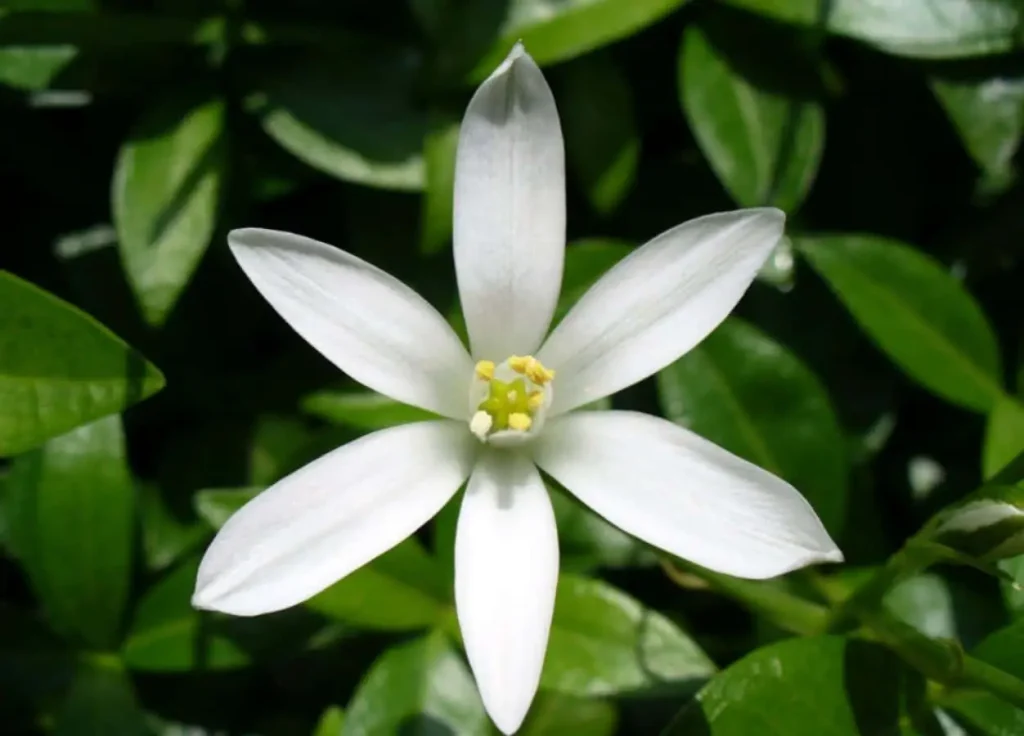
Propagation of Jasmine Plants
Jasmine plants can be propagated through various methods, including stem cuttings, layering, and seeds. Here are the steps for each method:
Stem Cuttings:
- Select a Healthy Plant
Choose a healthy parent plant and cut a 6-8 inch long stem just below a node.
- Remove Lower Leaves
Remove the lower leaves from the cutting, leaving a few leaves at the top.
- Dip in Rooting Hormone
Dip the cut end of the stem in rooting hormone to encourage root growth.
- Plant in Soil
Plant the cutting in a pot filled with well-draining soil. Water the soil lightly and cover the pot with a plastic bag to maintain humidity.
- Place in Indirect Light
Place the pot in a location with indirect light and keep the soil moist. Roots should develop in 4-6 weeks.
Layering:
- Select a Healthy Stem: Choose a healthy, low-growing stem from the parent plant.
- Make a Small Cut: Make a small cut on the stem where it touches the ground.
- Bury the Cut Section: Bury the cut section of the stem in the soil, leaving the tip exposed.
- Water Regularly: Water the soil regularly to keep it moist. Roots should develop in a few weeks.
- Cut and Transplant: Once roots have developed, cut the new plant from the parent plant and transplant it to a new location.
Seeds:
- Collect Seeds: Collect seeds from mature jasmine fruits.
- Sow in Soil: Sow the seeds in a pot filled with well-draining soil. Cover the seeds lightly with soil.
- Water Lightly: Water the soil lightly and keep it moist.
- Place in Indirect Light: Place the pot in a location with indirect light. Germination should occur in 2-4 weeks.
Common Pests and Diseases
Jasmine plants are generally hardy, but they can be susceptible to certain pests and diseases. Here are some common issues and their remedies:

- Aphids:
- Symptoms: Aphids are small, soft-bodied insects that suck the sap from the plant, causing yellowing and curling of leaves.
- Remedy: Use insecticidal soap or neem oil to treat aphid infestations. You can also spray the plant with a strong jet of water to dislodge the aphids.
- Whiteflies:
- Symptoms: Whiteflies are tiny, white insects that feed on the underside of leaves, causing yellowing and wilting.
- Remedy: Use yellow sticky traps to catch whiteflies. Insecticidal soap or neem oil can also be effective.
- Spider Mites:
- Symptoms: Spider mites are tiny, red or brown insects that create fine webs on the plant and cause stippling or yellowing of leaves.
- Remedy: Increase humidity around the plant and spray with insecticidal soap or neem oil. Regularly misting the plant can help prevent spider mites.
- Root Rot:
- Symptoms: Root rot is caused by overwatering and poor drainage. Symptoms include yellowing leaves, wilting, and a foul smell from the soil.
- Remedy: Ensure the soil is well-draining and avoid overwatering. Remove affected parts of the plant and repot in fresh, well-draining soil.
- Powdery Mildew:
- Symptoms: Powdery mildew appears as white, powdery spots on leaves and stems.
- Remedy: Improve air circulation around the plant and avoid overhead watering. Fungicidal sprays can help control powdery mildew.
Uses of Jasmine Plants
Jasmine plants have a wide range of uses, from ornamental purposes to medicinal and culinary applications. Here are some common uses:
- Ornamental: Jasmine plants are widely used in gardens, homes, and landscapes for their beautiful and fragrant flowers. They can be grown as shrubs, climbers, or ground covers.
- Medicinal: Jasmine flowers and leaves are used in traditional medicine for their anti-inflammatory, antiseptic, and sedative properties. They are believed to help with conditions such as headaches, insomnia, and anxiety.
- Culinary: Jasmine flowers are used to flavor teas, desserts, and syrups. Jasmine tea is popular for its soothing and aromatic qualities.
- Perfumery: Jasmine oil is, therefore, a key ingredient in many perfumes and aromatherapy products due to its sweet and alluring fragrance.
- Religious and Cultural: Jasmine flowers are used in religious rituals, ceremonies, and festivals in many cultures. They are often used to make garlands, offerings, and decorations.
Jasmine Plant in Different Languages
Here is a table showing the name of the jasmine plant in different languages:
| Language | Name |
|---|---|
| English | Jasmine |
| Mandarin Chinese | 茉莉花 (Mòlìhuā) |
| Spanish | Jazmín |
| Hindi | मोगरा (Mogra) |
| Gujarati | મોગરો (Mogaro) |
| Arabic | الياسمين (Al-Yasmin) |
| Bengali | মধুমালতি (Madhumaloti) |
| Portuguese | Jasmim |
| Russian | Жасмин (Zhasmin) |
| Japanese | ジャスミン (Jasumin) |
| Punjabi | ਮੋਗਰਾ (Mogra) |
| German | Jasmin |
| Javanese | Melati |
| Korean | 자스민 (Jaseumin) |
| French | Jasmin |
| Telugu | మల్లె (Malle) |
| Marathi | मोगरा (Mogra) |
| Tamil | மல்லிகை (Malligai) |
| Urdu | چنبیلی (Chameli) |
| Turkish | Yasemin |
| Vietnamese | Hoa nhài |
Jasmine Plant Care Tips
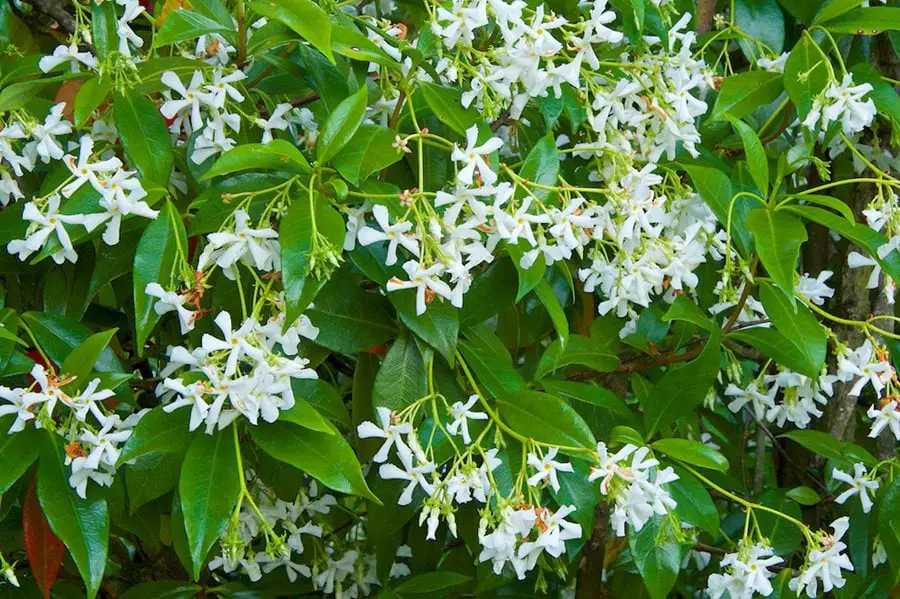
Here are some additional care tips to help your jasmine plant thrive:
- Mulching: To retain moisture and suppress weeds, apply a layer of mulch around the base of the plant.
- Support: Additionally, provide support for climbing jasmine plants by using trellises, fences, or stakes.
- Winter Care: In colder climates, you should protect the plant from frost by covering it with a frost cloth or bringing it indoors.
- Pest Prevention: Moreover, regularly inspect the plant for signs of pests and diseases. Promptly treat any issues to prevent them from spreading.
- Flowering Season: During the flowering season, deadhead spent flowers to encourage continuous blooming.
Conclusion
Jasmine plants make a wonderful addition to any garden or home, offering beauty, fragrance, and numerous benefits. Whether you grow a jasmine plant indoors or nurture a climbing jasmine plant in your garden, proper care and attention will ensure healthy growth and abundant blooms. Furthermore, jasmine plants hold auspicious value in Vastu Shastra, bringing positive energy and good luck to your living space. By following the tips and guidelines provided in this guide, you will, therefore, enjoy the enchanting beauty and fragrance of jasmine plants for years to come.
FAQs About Jasmine Plants
Jasmine plants need at least 4-6 hours of direct sunlight daily. Therefore, place them near a south-facing window for best results.
Water the plant when the top inch of soil feels dry. Avoid overwatering to prevent root rot.
Yes, jasmine plants can be grown indoors if they receive adequate sunlight and proper care.
Well-draining soil with a mix of garden soil, sand, and organic compost is ideal for jasmine plants.
Jasmine flowers and leaves are used in traditional medicine for their anti-inflammatory, antiseptic, and sedative properties.

