
⏱ 20 min read
Table of Contents
- What Is Ashwagandha? A Quick Overview
- Key Ashwagandha Plant Benefits You Should Know
- Best Ashwagandha Varieties to Buy in 2026
- Ashwagandha Plant Price Range Worldwide
- Where to Buy Healthy Ashwagandha Plants
- What to Look For When Buying Ashwagandha
- How to Care for Your New Ashwagandha Plant
- Growing Ashwagandha in Different Climates
- Safety, Toxicity, and Precautions
Looking to explore ashwagandha plant benefits before adding this remarkable herb to your garden? You’re in the right place. Ashwagandha (Withania somnifera), also called Indian ginseng or winter cherry, is one of the most respected medicinal plants in Ayurveda. It’s prized for reducing stress, boosting energy, and supporting overall wellness. The good news? You can grow it almost anywhere with the right setup. If you enjoy growing this plant, you might also find our guide on tulsi plant care guide very useful.
In this complete buying guide, I’ll walk you through everything I’ve learned over 15 years of growing and prescribing this herb. We’ll cover the best varieties, current price ranges across India, the US, UK, and Australia, where to buy healthy plants online, and how to care for them after purchase. The Ashwagandha Plant Benefits go far beyond medicine — it’s also an attractive, low-maintenance shrub that thrives in summer heat. Whether you’re a beginner or a seasoned gardener, this guide gives you the confidence to choose well.
Quick Highlights
- Discover proven ashwagandha plant benefits backed by Ayurveda and modern research
- Compare top varieties including Jawahar Asgand-20, Nagori, and Poshita
- Find current price ranges in INR, USD, GBP, and AUD
- Learn which online nurseries deliver healthy, verified plants
- Master post-purchase care for tropical, temperate, and arid climates
- Avoid common buying mistakes that waste money and time
Plant Characteristics at a Glance
| Common Name | Ashwagandha, Indian Ginseng, Winter Cherry |
| Scientific Name | Withania somnifera |
| Family | Solanaceae (Nightshade family) |
| Origin | India, Middle East, North Africa |
| Habitat | Dry, rocky soils in subtropical regions |
| Plant Type | Perennial evergreen shrub |
| Indoor Plant | Yes, with adequate sunlight (6+ hours) |
| Outdoor Plant | Yes, thrives in full sun |
| Leaves | Grey-green, oval, 4-10 cm long, slightly hairy |
| Flowers | Small, greenish-yellow, bell-shaped |
| Flowering Season | Summer to early autumn |
| Fruit | Orange-red berry in papery husk |
| Seeds | Small, yellow, kidney-shaped, viable for 2 years |
| Roots | Long, thick, fleshy taproot (main medicinal part) |
| Height | 0.5 to 1.5 metres (1.5 to 5 feet) |
| Growth Rate | Moderate, matures in 150-200 days |
| Light Requirements | Full sun, 6-8 hours daily |
| Soil Requirements | Sandy loam, well-drained, pH 7.5-8.0 |
| Water Requirements | Low to moderate; drought-tolerant once established |
| Temperature Requirements | 20-38°C (68-100°F); intolerant of frost |
| Humidity Requirements | Low to moderate (30-60%) |
| Propagation | Seeds (primary), occasionally stem cuttings |
| Uses | Medicinal, ornamental, traditional remedies |
| Medicinal Properties | Adaptogen, anti-inflammatory, anxiolytic, immunomodulator |
| Toxicity | Mildly toxic to pets; berries unsafe raw |
| Cultural Significance | Sacred in Ayurveda; mentioned in Charaka Samhita |
| Common Pests | Aphids, spider mites, whiteflies |
| Common Diseases | Root rot, leaf spot, powdery mildew |
| Special Care Tips | Avoid overwatering; harvest roots after 150-180 days |
| Cultural Practices | Used in spiritual rituals; offered in some Hindu ceremonies |
| Vastu Direction | Northeast or east for positive energy |
Ashwagandha plant benefits Names in Different Languages
| English | Ashwagandha, Indian Ginseng, Winter Cherry |
| Mandarin Chinese | 南非醉茄 (Nán fēi zuì qié) |
| Spanish | Bufera, Ginseng Indio |
| Hindi | अश्वगंधा (Ashwagandha) |
| Gujarati | આસગંધ (Aasgandh) |
| Arabic | عشبة العشاق (Ushbat al-ushaq) |
| Bengali | অশ্বগন্ধা (Ashwagandha) |
| Portuguese | Ginseng Indiano |
| Russian | Витания снотворная (Vitaniya snotvornaya) |
| Japanese | アシュワガンダ (Ashuwaganda) |
| Punjabi | ਅਸ਼ਵਗੰਧਾ (Ashwagandha) |
| German | Schlafbeere, Winterkirsche |
| Javanese | Ashwagandha |
| Korean | 아쉬와간다 (Ashwiganda) |
| French | Ashwagandha, Ginseng Indien |
| Telugu | పెన్నేరు గడ్డ (Penneru gadda) |
| Marathi | अश्वगंधा (Ashwagandha) |
| Tamil | அமுக்கரா (Amukkara) |
| Urdu | اسگندھ (Asgandh) |
| Turkish | Hint Ginsengi |
| Vietnamese | Sâm Ấn Độ |
What Is Ashwagandha? A Quick Overview
Ashwagandha is a small evergreen shrub native to India, the Middle East, and parts of Africa. The name comes from Sanskrit — ‘ashwa’ meaning horse and ‘gandha’ meaning smell — because its roots have a distinct horse-like aroma. In fact, traditional texts say it gives you the strength of a stallion. According to Kew Gardens, Withania somnifera belongs to the Solanaceae family, which also includes tomatoes and potatoes.
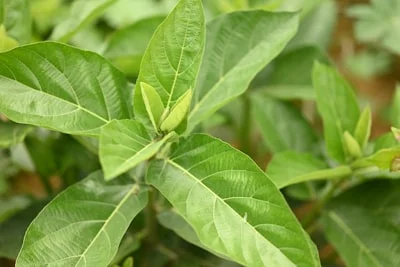
The plant grows up to 1.5 metres tall with grey-green oval leaves and small greenish-yellow flowers. The orange-red berries look like tiny tomatoes wrapped in papery husks. However, the real treasure lies underground — the thick, fleshy roots used for centuries in Ayurvedic medicine.
Today, ashwagandha is grown commercially in India, Nepal, Yemen, China, and increasingly in the US and Europe. It’s classified as an adaptogen, which simply means it helps your body handle stress better.
A Brief History Across Cultures
Ashwagandha has been used for over 3,000 years. The Charaka Samhita, one of Ayurveda’s oldest texts, calls it a ‘Rasayana’ or rejuvenator. Meanwhile, traditional African healers used the leaves for fevers and inflammation. In the West, herbalists discovered it in the 20th century and now widely recommend it. The Ayush Ministry of India lists it among the top medicinal plants for export and research.
Key Ashwagandha Plant Benefits You Should Know
Before you buy, it helps to understand exactly what this herb offers. The ashwagandha plant benefits span both wellness and the garden. From a health perspective, this herb is most famous for lowering cortisol — the stress hormone. Several studies on PubMed show that daily root extract can reduce stress markers by up to 30%.
But that’s just the start. Many gardeners find ashwagandha equally useful as a low-maintenance ornamental. It tolerates poor soil, drought, and intense heat. That’s rare in a medicinal plant.
Here’s a quick look at what makes it special: improved sleep quality, better focus, balanced blood sugar, stronger immunity, and reduced inflammation. For gardeners specifically, it attracts pollinators, repels some pests, and produces edible berries (when properly prepared).
Medicinal Ashwagandha Plant Benefits
The roots contain withanolides — natural compounds that act as adaptogens. Research from the NIH suggests they may support thyroid function, male fertility, and muscle recovery. Ayurvedic practitioners often recommend 300–600 mg of root extract daily. However, always consult a qualified herbalist or doctor before starting. The ashwagandha plant benefits work best when taken consistently for 8–12 weeks, not as a one-off remedy.
Garden and Environmental Benefits
Beyond medicine, this plant earns its place in any garden. It fixes nitrogen lightly into the soil, attracts bees, and acts as a companion plant for tomatoes and chillies. In my experience, ashwagandha thrives where most herbs struggle — rocky soil, full sun, and minimal water. That makes it ideal for water-wise gardens in California, Australia, or the Middle East.
Best Ashwagandha Varieties to Buy in 2026
Not all ashwagandha plants are equal. The variety you choose affects root yield, withanolide content, and how well it suits your climate. Over the years, I’ve grown several cultivars and tested them in different conditions. Here’s what works.
The most popular commercial variety is Jawahar Asgand-20 (JA-20), developed by the Jawaharlal Nehru Krishi Vishwa Vidyalaya in India. It produces thick, straight roots and matures in about 180 days. Then there’s Nagori, the gold standard for medicinal use, prized for its high withanolide content. Poshita is another excellent pick — faster growing and more disease-resistant.
For home gardeners outside India, look for ‘WS-20’ or simply ‘Indian Ginseng’ seedlings from reputable nurseries. These are usually JA-20 or Nagori under a different name.

Variety Comparison Table
Here’s a quick comparison to help you decide:
| Variety | Best For | Maturity | Root Quality | Climate Suitability | |———|———-|———-|————–|———————| | Jawahar Asgand-20 | Commercial growers | 180 days | Excellent, thick | Tropical, subtropical | | Nagori | Medicinal use | 200 days | Highest withanolides | Hot, dry climates | | Poshita | Beginners | 160 days | Good, disease-resistant | All climates | | Rakshita | High yield | 180 days | Very good | Semi-arid | | Local/Wild | Ornamental | 220 days | Variable | Native zones |
Ashwagandha Plant Price Range Worldwide
Prices vary widely depending on plant size, variety, and where you live. Let me break it down by region so you know what’s fair.
In India, a young ashwagandha seedling typically costs ₹50–₹150 (about $0.60–$1.80). A mature 1-year-old plant in a 6-inch pot runs ₹200–₹500. Seeds are cheapest at ₹30–₹80 per packet of 50–100 seeds. In the US, expect to pay $8–$15 for a seedling and $20–$35 for a larger potted plant. UK prices sit around £6–£12 for seedlings via specialist herb nurseries. Australian gardeners typically pay AUD $10–$18 for young plants.
That said, prices spike during summer planting season (May–July in the Northern Hemisphere). If you’re patient, buy in late winter or order seeds for the best value.
Seeds vs Seedlings vs Mature Plants
Seeds give you the most plants for your money but take 6–8 months to mature. Seedlings cost more but skip the tricky germination stage. Mature plants offer instant impact but rarely transplant well due to their long taproot. For most buyers, I recommend healthy 3-4 month old seedlings in biodegradable pots — they offer the best balance of price, success rate, and growth speed.
Where to Buy Healthy Ashwagandha Plants
Finding a reputable seller matters more than finding the cheapest one. A weak or diseased plant wastes both money and months of waiting. Here are the most trusted sources I’ve used and recommended.
For Indian buyers, Ugaoo consistently delivers healthy, well-packed plants. They sell certified Jawahar Asgand-20 seedlings starting around ₹199. NurseryLive is another excellent option with good customer service and replacement guarantees. Amazon India also stocks ashwagandha plants from verified sellers — just check seller ratings carefully.
In the US, Strictly Medicinal Seeds and Mountain Rose Herbs sell both seeds and live plants. UK gardeners can try Jekka’s Herb Farm or Poyntzfield Herb Nursery, both endorsed by the RHS. Australian buyers should check Green Harvest or The Seed Collection.
Local Nurseries vs Online Retailers
Local nurseries let you inspect the plant before buying. That’s a huge advantage. However, ashwagandha isn’t widely stocked outside India, so online ordering is often your only option. When buying online, choose sellers offering live-arrival guarantees and ship plants within 48 hours. Avoid international shipping for live plants — customs delays usually kill them.
Red Flags to Avoid
Watch out for sellers using generic stock photos, no scientific name on the listing, or vague descriptions. Many unverified ashwagandha plant benefits claims come from low-quality sources. If a seller can’t tell you the variety or origin, walk away. Genuine nurseries always specify cultivar, age, and growing conditions.
What to Look For When Buying Ashwagandha
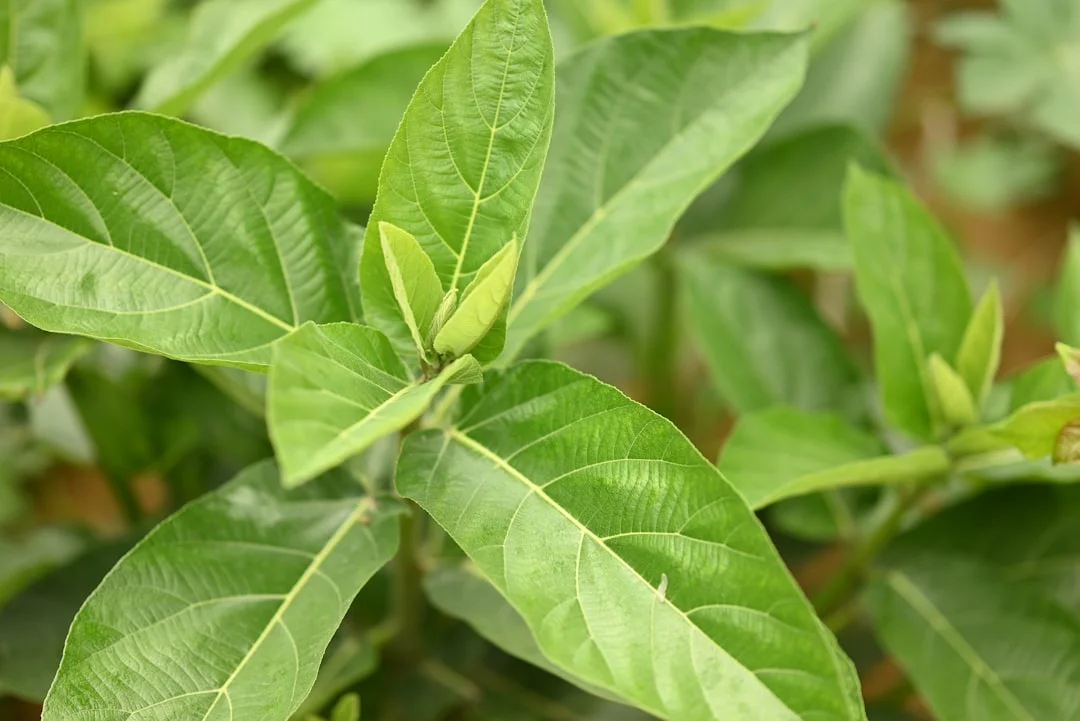
When your plant arrives — or when you’re inspecting one at the nursery — here’s what to check. First, look at the leaves. Healthy ashwagandha has firm, grey-green oval leaves without yellow spots, holes, or curling. Wilting can be normal after shipping, but the plant should perk up within 24 hours of watering.
Next, check the stem. It should be sturdy, slightly woody at the base, and free of black or soft spots. The plant should be at least 4–6 inches tall with multiple branches. A spindly, single-stem seedling won’t produce good roots later.
Finally, inspect the soil and pot. The soil should be slightly moist, not soggy. Check the drainage holes for roots — a few peeking through is fine, but a tangled root ball means the plant has been pot-bound too long.
Signs of a Quality Plant
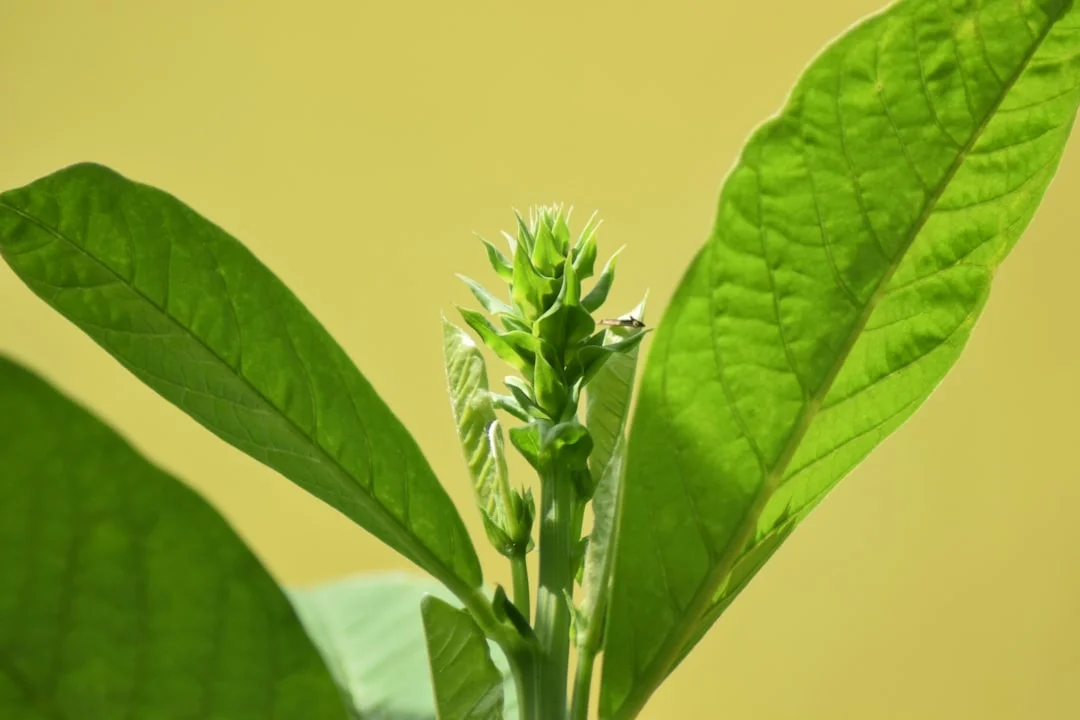
A quality ashwagandha plant has 3–5 healthy branches, vibrant leaves, and an earthy (slightly horse-like) smell when you gently rub a leaf. The growing tip should be active and green, not brown. If buying in summer, look for plants already producing small flower buds — that’s a sign of maturity and vigour.
Questions to Ask the Seller
Don’t hesitate to ask: What variety is this? How old is the plant? What soil mix was used? Has it been treated with any pesticides? When was it last fertilised? Reputable sellers welcome these questions. Their answers help you understand exactly what care your new plant needs — and what ashwagandha plant benefits to expect.
How to Care for Your New Ashwagandha Plant
Once your plant arrives, the first 2 weeks are critical. Here’s a simple step-by-step approach that works in most climates.
First, don’t repot immediately. Let the plant settle for 5–7 days in its original pot. Place it in bright, indirect light and water lightly. After a week, gently transplant into a larger container or your garden bed. Use a well-draining mix of garden soil, sand, and compost in equal parts.
Water deeply but infrequently — about once a week in summer, less in cooler months. Ashwagandha hates wet feet. In fact, overwatering is the number one reason new plants die. Fertilise lightly every 6 weeks with a balanced organic feed. Avoid high-nitrogen fertilisers; they boost leaves but reduce root quality.
Light, Soil, and Water Needs
Ashwagandha loves full sun — at least 6 hours daily. It prefers sandy, loamy soil with a pH of 7.5–8.0 (slightly alkaline). For containers, choose pots at least 12 inches deep to accommodate the long taproot. Water when the top 2 inches of soil feel dry. The ashwagandha plant benefits develop best when the plant experiences mild stress — so don’t pamper it too much.
Growing Ashwagandha in Different Climates
One of the biggest ashwagandha plant benefits is its adaptability. However, each climate needs slight tweaks. Here’s how to grow it successfully whether you’re in Mumbai, Manchester, Melbourne, or Miami.
In tropical climates (India, Southeast Asia, parts of Africa), ashwagandha grows almost effortlessly. Plant after the last heavy rains in summer. Provide light afternoon shade if temperatures exceed 40°C (104°F). In temperate climates (UK, US Pacific Northwest, Canada), grow it as an annual or in a greenhouse. Start seeds indoors 8 weeks before the last frost and transplant when soil warms to 20°C (68°F).
Mediterranean climates (California, southern Europe, parts of Australia) are nearly ideal. Plant in spring after frost and let summer heat work its magic. Arid regions (Middle East, Arizona, central Australia) suit ashwagandha well — just provide deep, infrequent watering.
USDA Zones and RHS Hardiness
Ashwagandha grows as a perennial in USDA zones 9-11 and as an annual in cooler zones. The USDA hardiness map can help US gardeners find their zone. RHS rates it H1c (heated greenhouse – tropical) for UK conditions, meaning it needs winter protection above 10°C (50°F). Container growing makes it easy to bring indoors during cold months.
Summer Planting Tips for May 2026
Since you’re reading this in summer 2026, now is the perfect time to plant in the Northern Hemisphere. The warm soil speeds germination and establishes strong roots before autumn. Southern Hemisphere readers should wait until October-November. Whichever hemisphere you’re in, aim for soil temperatures of at least 20°C (68°F) for best results.
Safety, Toxicity, and Precautions
Before enjoying the ashwagandha plant benefits, it’s important to know the safety side. While ashwagandha is generally safe, it’s not for everyone. Pregnant and breastfeeding women should avoid it. People with autoimmune conditions like lupus, rheumatoid arthritis, or multiple sclerosis should consult a doctor first. Those on thyroid medication, sedatives, or immunosuppressants need professional guidance.
For pets, ashwagandha is considered mildly toxic. The berries especially can cause vomiting and diarrhoea in dogs and cats. Keep plants out of reach of curious pets and children.
The leaves contain low levels of withaferin A, which can irritate skin in sensitive people. Wear gloves when pruning or harvesting roots. Never consume the berries raw — they need traditional preparation to be safe.
Recommended Dosages
According to NIH-reviewed studies, adults can safely take 300–600 mg of standardised root extract daily for up to 3 months. Higher doses or longer use should happen only under professional supervision. Results may vary based on age, health, and consistency. Always start with the lowest dose to test tolerance.
Frequently Asked Questions
Can I grow ashwagandha indoors in a cold climate?
Yes, you can grow ashwagandha indoors in cold climates like the UK, Canada, or northern US. Place the pot near a south-facing window or use a grow light providing 6-8 hours of bright light daily. Keep room temperature above 18°C (65°F) and use a well-draining sandy soil mix. Container size matters — choose at least a 12-inch deep pot for proper root development. The ashwagandha plant benefits remain the same whether grown indoors or outdoors, though roots may be slightly smaller indoors.
Is ashwagandha safe for pets?
Ashwagandha is considered mildly toxic to cats and dogs. The berries pose the highest risk and can cause vomiting, diarrhoea, and lethargy if eaten. Leaves and roots are less harmful but still best kept out of reach. If you have curious pets, grow ashwagandha in hanging planters or fenced garden areas. Contact your vet immediately if your pet ingests any part of the plant. The good news? Most pets dislike the bitter taste and avoid it naturally.
How long does it take for ashwagandha to mature?
Ashwagandha typically matures in 150-200 days from seed, depending on variety and climate. Jawahar Asgand-20 takes about 180 days, while Poshita matures faster at 160 days. You'll see flowering around day 100, with berries forming shortly after. Roots are ready to harvest when leaves begin to yellow and berries turn orange-red. In tropical climates, growth is faster than in temperate zones. For container-grown plants, expect slightly longer maturation times — usually 200-220 days.
What are the main ashwagandha plant benefits for health?
The main ashwagandha plant benefits include stress reduction, improved sleep, enhanced energy, better focus, and immune support. Research shows it can lower cortisol levels by 20-30% when taken consistently. It also supports thyroid function, muscle recovery, and balanced blood sugar. Traditionally used in Ayurveda for over 3,000 years, it's now backed by modern studies on PubMed. However, individual results vary. Always consult a healthcare provider before using medicinally, especially if pregnant, breastfeeding, or on medications.
How do I grow ashwagandha in containers?
Growing ashwagandha in containers is straightforward. Choose a deep pot (at least 12-15 inches) with drainage holes. Fill with a mix of 50% garden soil, 30% sand, and 20% compost. Sow seeds 0.5 cm deep or transplant seedlings. Place the container in full sun and water sparingly — only when the top 2 inches feel dry. Fertilise lightly every 6 weeks. Container plants offer flexibility to move indoors during winter, making them ideal for cooler climates.
Can I harvest ashwagandha roots myself?
Yes, harvesting your own ashwagandha roots is very rewarding. Wait 150-180 days after planting, when leaves begin yellowing and berries turn orange. Water the soil deeply the day before to soften it. Use a garden fork to loosen soil around the plant, then gently pull the entire root system. Wash thoroughly, slice into thin pieces, and sun-dry for 7-10 days until brittle. Store in airtight jars. Home-harvested roots offer the freshest ashwagandha plant benefits with no commercial additives.
Where is the best place to buy ashwagandha plants online?
For Indian buyers, Ugaoo and NurseryLive are the most reliable, with verified varieties starting at ₹199. US gardeners should try Strictly Medicinal Seeds or Mountain Rose Herbs. In the UK, Jekka's Herb Farm and Poyntzfield Herb Nursery are RHS-recommended. Australian buyers can use Green Harvest or The Seed Collection. Always check seller reviews, return policies, and live-arrival guarantees before ordering. Avoid international shipping for live plants, as customs delays often cause damage.
Does ashwagandha need a lot of water?
No, ashwagandha is drought-tolerant and prefers minimal watering. Overwatering is actually the most common cause of plant death. In summer, water deeply once a week; in cooler months, every 10-14 days is enough. Let the top 2 inches of soil dry between waterings. The plant naturally evolved in arid regions of India and the Middle East, so it thrives on neglect. Container plants need slightly more frequent watering than ground-grown ones, but never let them sit in soggy soil.
Final Thoughts
Choosing the right ashwagandha plant is easier when you know what to look for. From understanding the various ashwagandha plant benefits to picking the best variety for your climate, this guide gives you the tools to make a confident purchase. Remember, Jawahar Asgand-20 and Nagori remain top choices for medicinal value, while Poshita suits beginners best. Whether you’re shopping from Ugaoo in India, Strictly Medicinal in the US, or Jekka’s in the UK, prioritise plant quality over price.
In my experience, the most successful ashwagandha growers are the ones who give the plant what it loves — full sun, sandy soil, and minimal fussing. Start small with one or two plants, observe how they grow in your specific climate, and expand from there. Summer 2026 is the perfect time to start in the Northern Hemisphere. Happy planting, and may your garden flourish with this ancient, powerful herb!

