
⏱ 24 min read
Table of Contents
- What is the Hibiscus Plant?
- Key Benefits of Growing Hibiscus
- How to Grow Hibiscus Successfully
- Soil and Fertilizer Requirements
- Watering Your Hibiscus the Right Way
- Sunlight and Temperature Needs
- Common Problems and How to Fix Them
- Propagation: Growing New Plants for Free
- Seasonal Care Across the Year
- Traditional and Modern Uses of Hibiscus
If you’ve ever admired those bold, trumpet-shaped flowers nodding in a warm breeze, you already know why hibiscus plant care India searches spike every spring. The hibiscus (Hibiscus rosa-sinensis), known as गुड़हल in Hindi, is one of the most rewarding flowering shrubs you can grow. Furthermore, it blooms almost year-round in warm climates and adapts beautifully to containers in cooler ones. Whether you’re gardening in Mumbai’s monsoon humidity, London’s mild summers, Sydney’s coastal breezes, or Florida’s subtropical heat, this plant has a place in your garden. In this guide, I’ll walk you through everything I’ve learned over 15 years of growing hibiscus — from soil mixes and watering rhythms to fixing yellow leaves and boosting blooms. Importantly, mastering hibiscus plant care India principles works globally because the species itself originated in tropical Asia. So let’s dig in and help your hibiscus thrive. Many gardeners who grow this plant also love to read about Marigold Grow Pot India.
Quick Highlights
- Discover the exact soil mix and pH range that produces the biggest, brightest hibiscus blooms
- Learn watering schedules tailored to tropical, temperate, and arid climates worldwide
- Master pruning techniques that double your flower count within one growing season
- Identify and treat common pests like aphids, mealybugs, and spider mites naturally
- Propagate new hibiscus plants for free using simple stem-cutting methods
- Understand traditional Ayurvedic and global medicinal uses backed by modern research
Plant Characteristics at a Glance
| Common Name | Hibiscus, China Rose, Shoe Flower |
| Scientific Name | Hibiscus rosa-sinensis |
| Family | Malvaceae |
| Origin | Tropical Asia (likely East Asia and India) |
| Habitat | Tropical and subtropical regions worldwide |
| Plant Type | Evergreen flowering shrub |
| Indoor Plant | Yes, with bright light |
| Outdoor Plant | Yes, ideal in USDA zones 9–12 |
| Leaves | Glossy, ovate, serrated edges, 7–12 cm long |
| Flowers | Large trumpet-shaped, 10–20 cm wide, various colours |
| Flowering Season | Year-round in tropics; spring to autumn in temperate zones |
| Fruit | Small five-lobed capsule (rare in cultivated varieties) |
| Seeds | Small, brown, kidney-shaped |
| Roots | Fibrous, moderately deep |
| Height | 1.5–3 metres (5–10 feet); up to 4.5 m in ideal conditions |
| Growth Rate | Fast — 30–60 cm per year |
| Light Requirements | 6+ hours direct sunlight daily |
| Soil Requirements | Well-draining, slightly acidic (pH 6.0–6.8), rich in organic matter |
| Water Requirements | Moderate; keep evenly moist, never waterlogged |
| Temperature Requirements | 18–32°C (65–90°F); below 10°C (50°F) causes damage |
| Humidity Requirements | 50–70% relative humidity preferred |
| Propagation | Stem cuttings, air layering, seeds |
| Uses | Ornamental, medicinal, culinary (tea), religious offerings, hair care |
| Medicinal Properties | Antioxidant, mild antihypertensive, supports hair health |
| Toxicity | Non-toxic to humans; mildly toxic to dogs and cats |
| Cultural Significance | National flower of Malaysia; sacred to Goddess Kali in Hinduism |
| Common Pests | Aphids, mealybugs, whiteflies, spider mites, thrips |
| Common Diseases | Leaf spot, powdery mildew, root rot, bud drop |
| Special Care Tips | Annual pruning, consistent watering, high-potassium feed for blooms |
| Cultural Practices | Used in hair oils, temple offerings, tea, and natural dyes |
| Vastu Direction | East or North-East for prosperity and positive energy |
Hibiscus plant care Names in Different Languages
| English | Hibiscus / China Rose |
| Mandarin Chinese | 扶桑 (Fú sāng) |
| Spanish | Cayena / Hibisco |
| Hindi | गुड़हल (Gudhal) / जपा (Japa) |
| Gujarati | જાસૂદ (Jasud) |
| Arabic | الكركديه (Al-karkadeh) |
| Bengali | জবা ফুল (Joba phool) |
| Portuguese | Hibisco / Mimo-de-Vénus |
| Russian | Гибискус (Gibiskus) |
| Japanese | ハイビスカス (Haibisukasu) / 仏桑花 |
| Punjabi | ਗੁੜਹਲ (Gudhal) |
| German | Hibiskus / Chinesischer Roseneibisch |
| Javanese | Kembang Wora-Wari |
| Korean | 히비스커스 (Hibiseukeoseu) |
| French | Hibiscus / Rose de Chine |
| Telugu | మందార (Mandara) |
| Marathi | जास्वंद (Jaswand) |
| Tamil | செம்பருத்தி (Semparuthi) |
| Urdu | گُڑہل (Gudhal) |
| Turkish | Japon Gülü / Hibiskus |
| Vietnamese | Hoa Dâm Bụt |
What is the Hibiscus Plant?
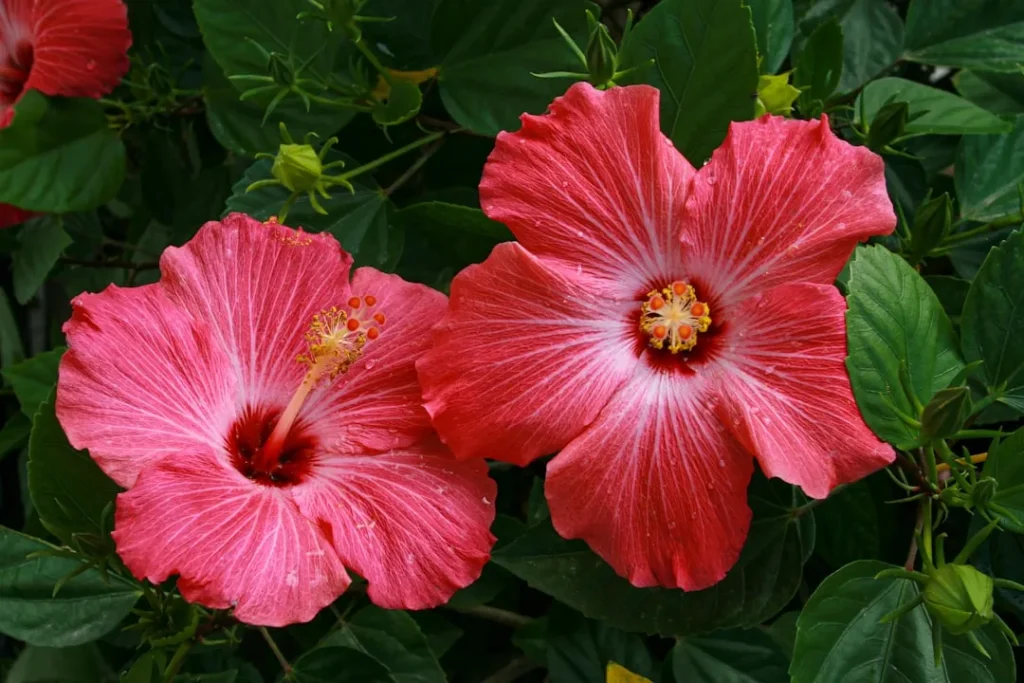
Hibiscus rosa-sinensis is a tropical evergreen shrub in the mallow family (Malvaceae). It produces large, showy flowers in shades of red, pink, yellow, orange, white, and even bi-colour blends. Furthermore, the plant grows naturally as a shrub but can be trained as a small tree or kept compact in containers. According to Kew Gardens, the genus Hibiscus contains over 200 species spread across tropical and subtropical regions worldwide. The most popular ornamental species, rosa-sinensis, is believed to have originated in East Asia. Today, it’s the national flower of Malaysia and the state flower of Hawaii. In India, it holds deep spiritual significance and is offered to Goddess Kali. Most gardeners pick hibiscus because it blooms heavily and grows fast. In fact, a healthy plant can push out fresh flowers daily during peak season. That’s a big reason hibiscus plant care India guides remain so popular among new and seasoned gardeners alike.
Botanical Classification and Origin
Hibiscus belongs to the Malvaceae family, which also includes cotton, okra, and cacao. The scientific name Hibiscus rosa-sinensis literally means “rose of China,” though botanists now believe its true origin lies somewhere across tropical Asia, including India, southern China, and the Pacific Islands. In fact, the plant has been cultivated for so long that its wild ancestor is hard to trace. You can read more on its classification via Wikipedia's hibiscus entry. As a result, hibiscus spread quickly across the tropics and now grows wild in parts of Africa, the Caribbean, and Polynesia.
Why Hibiscus is Loved Worldwide as a Key Hibiscus Plant Care Choice
Here’s the thing — few flowering shrubs offer this much drama with so little fuss. The blooms can stretch 10–20 cm (4–8 inches) across, and the plant tolerates pruning, container life, and even mild neglect. In tropical regions, it blooms nearly year-round. Meanwhile, in temperate zones, it flowers heavily from late spring through autumn. Gardeners also love its symbolism: love and beauty in Western culture, devotion in Hindu tradition, and hospitality across Polynesia. That mix of beauty, hardiness, and meaning makes it a true global favourite. If you enjoy growing this plant, you might also find our guide on Tulip Plant Care & Growing Guide very useful.
Key Benefits of Growing Hibiscus
Beyond looking gorgeous, hibiscus brings real value to your garden and home. The plant attracts pollinators like bees, butterflies, and hummingbirds — vital for any garden ecosystem. Furthermore, its dried flowers make a tangy, ruby-red tea rich in antioxidants. Several studies on PubMed have linked hibiscus tea to modest reductions in blood pressure and cholesterol. In Ayurveda, hibiscus is celebrated for promoting hair growth and cooling the body.
Many gardeners find that one well-grown shrub becomes the centrepiece of their garden. Hibiscus also serves as a natural privacy screen when planted in a row. Furthermore, it tolerates urban pollution better than many ornamentals, making it perfect for balcony gardens in busy cities. Whether you grow it for beauty, tea, hair oil, or pollinator support, you’ll get strong returns on your effort. If you enjoy growing this plant, you might also find our guide on Butterfly Pea Flower को हिंदी में very useful.
Medicinal and Wellness Benefits
Ayurvedic texts like the Charaka Samhita reference hibiscus (Japa) for cooling pitta dosha and supporting hair health. The flowers and leaves are blended into oils to reduce hair fall and dandruff. Similarly, traditional Chinese medicine uses related Hibiscus species to treat skin inflammation. Western herbalism uses Hibiscus sabdariffa (a close cousin) for heart health support. The Ministry of Ayush recognises hibiscus in several classical preparations. That said, always check with a qualified practitioner before using any herbal remedy, especially during pregnancy or with blood pressure medication.
How to Grow Hibiscus Successfully
Growing hibiscus isn’t complicated, but it does reward attention to a few basics. The plant needs warmth, light, well-drained soil, and consistent moisture. Get those right, and it’ll bloom generously. In tropical zones (USDA 10–12, RHS H1c–H2), you can plant hibiscus directly in the ground year-round. However, in temperate climates (USDA 7–9, RHS H3–H4), grow it in containers you can move indoors before frost. In cold regions (USDA 4–6), treat it as a seasonal patio plant or houseplant. Many gardeners who grow this plant also love to read about Parijat Flower.
Successful hibiscus plant care India practices translate beautifully across borders because the plant’s core needs stay the same. Choose a healthy nursery plant with glossy green leaves and at least one bud or open flower. Avoid plants with yellowing leaves, sticky residue, or visible pests. Then, transplant into a slightly larger pot or prepared garden bed within a week of purchase. Many gardeners who grow this plant also love to read about Monsoon Indoor Plants.
Choosing the Right Variety
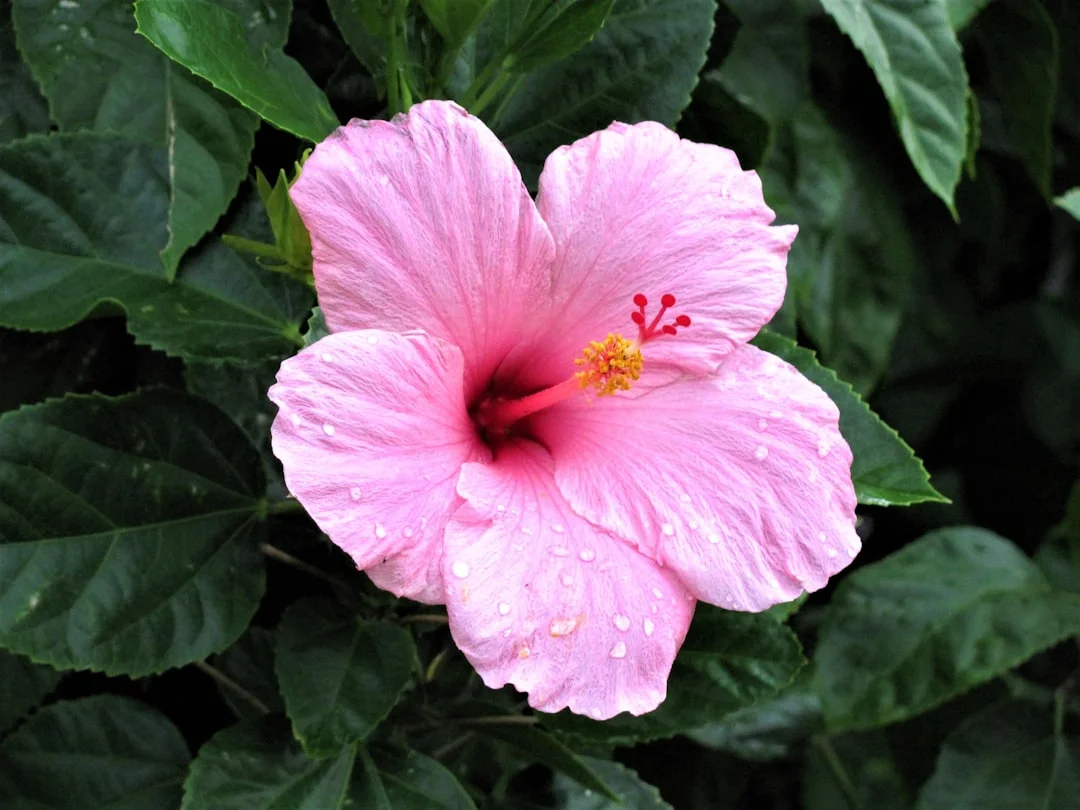
There are hundreds of named cultivars. For beginners, single-flowered red or pink varieties are the toughest choice — they’re reliable and forgiving. Doubled or fancy cultivars look stunning but need more pampering. Tropical hibiscus (H. rosa-sinensis) suits warm climates and containers. On the other hand, hardy hibiscus (H. moscheutos) survives winters down to -20°C (-4°F) and dies back to roots each year. Pick based on your climate, not just looks.
Container vs Ground Planting
Containers offer flexibility — you can chase the sun, escape frost, and control soil quality. Use a pot at least 30–40 cm (12–16 inches) wide with drainage holes. Ground planting suits gardeners in USDA zones 9–12 or anywhere frost-free. Space plants 1–2 metres (3–6 feet) apart for good airflow. Whatever you choose, never let the roots sit in waterlogged soil.
Soil and Fertilizer Requirements
Hibiscus loves rich, slightly acidic, well-draining soil. Aim for a pH between 6.0 and 6.8. In my experience, the single biggest mistake new growers make is using heavy clay soil or garden soil straight from the ground — that suffocates roots. Instead, mix two parts good-quality potting soil with one part compost and one part coarse sand or perlite. Add a handful of cocopeat for moisture retention. This blend works for gardeners from Bengaluru to Birmingham.
For in-ground planting, improve native soil with plenty of organic matter — aged cow manure, leaf mould, or compost. The RHS recommends feeding tropical hibiscus every two weeks during active growth. Use a balanced liquid fertiliser like NPK 10-10-10 or a bloom-boosting 7-14-19 formula. Organic gardeners can rotate between banana peel water, diluted seaweed extract, and vermicompost tea.
Best Fertilizer Schedule for Maximum Blooms
Here’s a schedule I’ve used with great results. First, in spring (March–May), feed every 14 days with balanced NPK. Next, in summer (June–August), switch to a high-potassium formula to boost flowering. Then, in autumn (September–October), reduce to once a month. Finally, in winter (November–February), stop feeding entirely in cool climates and reduce to monthly in warm regions. Always water before fertilising to protect roots from burn. Avoid high-phosphorus fertilisers — hibiscus is sensitive to phosphorus build-up.
Organic Alternatives That Work
Many gardeners prefer organic feeding. For example, banana peels soaked in water for 48 hours deliver potassium for blooms. Diluted cow dung slurry (1:10 with water) adds nitrogen. Bone meal mixed into the topsoil twice a year supports root health. Mustard oil cake, popular in Indian gardens, releases nutrients slowly. Similarly, coffee grounds and eggshells work just as well in Western kitchens — these options are affordable and globally available.
Watering Your Hibiscus the Right Way
Watering is where most people go wrong. Hibiscus likes moisture but hates soggy roots. The trick is consistent watering, not constant watering. Stick your finger 2–3 cm into the soil — if it feels dry, water deeply until it drains from the bottom. In hot tropical summers, this might mean daily watering. However, in cool, cloudy weather, once or twice a week is plenty.
Containers dry faster than ground plantings, so check daily in summer. Morning watering is best — it gives leaves time to dry and reduces fungal risk. Avoid wetting the flowers themselves, as they spot easily. Effective hibiscus plant care India routines always factor in monsoon timing. During heavy rains, move potted plants under shelter or check that drainage holes are clear. In fact, standing water for even 24 hours can trigger root rot.
Adjusting for Climate Zones
In arid climates like Dubai, Phoenix, or parts of Australia, water more often and mist leaves in extreme heat. Meanwhile, in humid tropics like Kerala, Singapore, or Florida, reduce frequency but ensure airflow to prevent fungal issues. In temperate zones like the UK or US Pacific Northwest, watering once or twice weekly usually suffices. Indoor hibiscus needs less water than outdoor plants because evaporation is slower.
Sunlight and Temperature Needs
Hibiscus is a sun-lover, plain and simple. It needs 6 hours of direct sunlight daily to bloom well. Less light means fewer flowers and leggy growth. However, in extreme heat above 38°C (100°F), some afternoon shade prevents leaf scorch. The ideal temperature range sits between 18°C and 32°C (65°F–90°F). The plant suffers below 10°C (50°F) and may drop leaves.
Frost will kill tropical hibiscus outright. If you’re growing indoors during a cold winter, place the pot near a south-facing window or supplement with a full-spectrum grow light for 8–10 hours daily. Quality hibiscus plant care India techniques emphasise matching light exposure to local sun intensity. For example, in northern India’s harsh May sun, dappled afternoon shade helps. In England’s gentle summers, a sun-trap south wall is perfect.
Indoor Growing Tips for Cold Climates
Gardeners in Toronto, Manchester, or Stockholm can absolutely grow hibiscus year-round indoors. Place the plant within 30 cm of a bright window. Rotate the pot weekly so all sides get even light. Importantly, maintain indoor temperatures above 15°C (60°F). Group with other plants or use a pebble tray to boost humidity to 50–60%. Don’t worry if your plant drops a few leaves after moving indoors — it’s simply adjusting to the new environment.
Common Problems and How to Fix Them
Even healthy hibiscus runs into trouble sometimes. Yellow leaves are the most common complaint. They usually point to overwatering, underwatering, nutrient deficiency, or sudden temperature change. Check soil moisture first, then feeding history. Bud drop happens when plants face stress — moving them, irregular watering, or pest attacks.
Aphids, mealybugs, whiteflies, and spider mites are the usual pests. Spray with neem oil solution (5 ml neem oil + 2 ml mild liquid soap + 1 litre water) every 7–10 days until clear. For fungal issues like leaf spot or powdery mildew, improve airflow and apply a copper-based fungicide. Many gardeners find that thorough hibiscus plant care India practices prevent 80% of these problems before they start. Prevention beats cure every time. Keep tools clean, remove fallen leaves, and inspect plants weekly.
Yellow Leaves: A Diagnostic Guide
Yellow lower leaves with green veins often mean iron deficiency — add chelated iron. On the other hand, yellow leaves dropping suddenly suggest cold shock or root rot. Pale yellow new growth points to nitrogen deficiency — feed with balanced fertiliser. Yellow leaves with brown crispy edges mean underwatering or low humidity. Finally, yellow patches with tiny webs confirm spider mites. Once you identify the cause, recovery usually takes 2–4 weeks of consistent care.
Pest Control Without Harsh Chemicals
Always start with the gentlest option. A strong jet of water dislodges aphids and mites effectively. Insecticidal soap handles soft-bodied pests safely. Furthermore, neem oil works as a broad-spectrum repellent and is approved for organic gardening worldwide. Introduce beneficial insects like ladybugs in garden settings. For mealybugs, dab visible clusters with a cotton swab dipped in rubbing alcohol. Always treat in the cool of the evening to avoid leaf burn.
Propagation: Growing New Plants for Free
Hibiscus propagates easily from stem cuttings, making it a great plant to share. The best time is late spring to early summer when growth is active. You can also try air layering for tougher varieties. Seeds work but produce variable results — cuttings are the reliable route. Whether you garden in Pune or Portland, the technique is identical.
Many gardeners pick up cuttings from neighbours or friends, dip them in rooting hormone, and have new plants within 6–8 weeks. That’s a free, sustainable way to multiply your collection. Proven hibiscus plant care India methods include propagation timing — late February through May works best in the subcontinent. In the Southern Hemisphere, mirror this to September through December.
Step-by-Step Stem Cutting Method
First, select a healthy semi-hardwood stem 15–20 cm long with 4–6 leaves. Next, cut just below a leaf node at a 45-degree angle using sterile scissors. Then, remove the bottom two-thirds of leaves, keeping only the top pair. After that, dip the cut end in rooting hormone powder. Insert into a moist mix of cocopeat and perlite (50:50). Cover with a clear plastic bag to maintain humidity. Place in bright, indirect light at 22–28°C (72–82°F). Finally, check for roots after 4–6 weeks by gently tugging. Once rooted, transplant to a small pot and gradually move it into direct sun.
Seasonal Care Across the Year
Hibiscus care shifts with the seasons. Spring is the time for repotting, pruning, and feeding heavily. Summer demands frequent watering and pest watch. Autumn is for reducing feeding and preparing for cooler weather. Meanwhile, winter means protection from cold and minimal watering. In tropical climates with no real winter, the cycle compresses — but the plant still benefits from a light rest period during the coolest months.
Importantly, prune your hibiscus once a year to encourage bushy growth and more blooms. Cut back about one-third of the plant’s height in early spring. Always cut just above a node, angled away from it. This single practice often doubles flower production within a season.
Monsoon and Rainy Season Tips
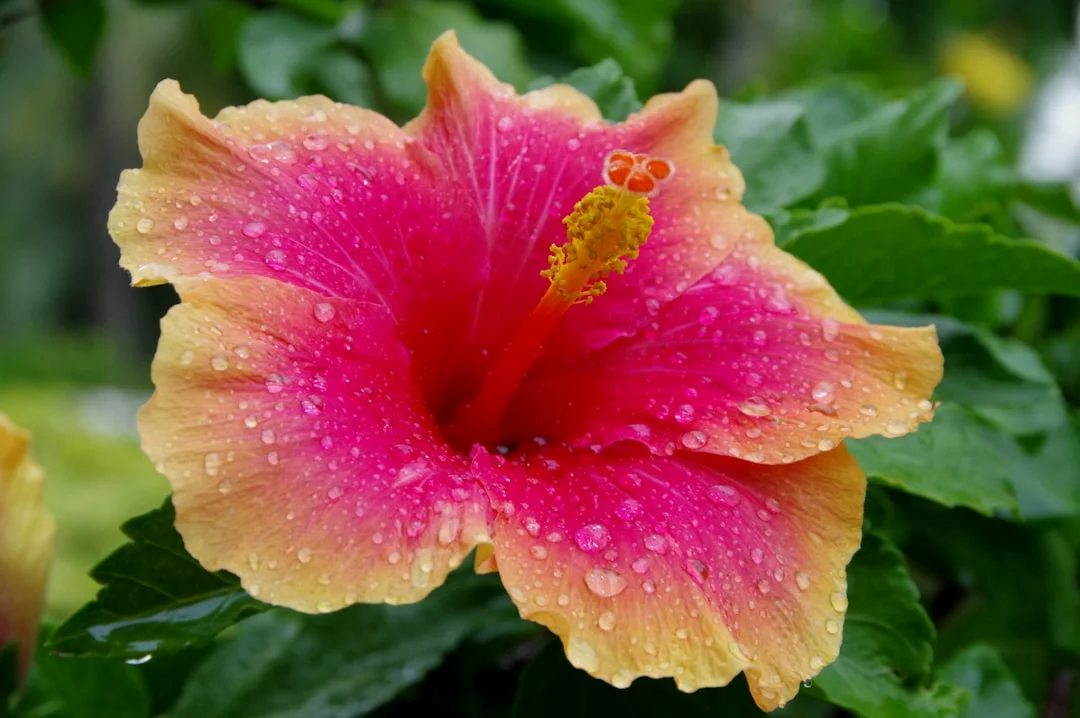
Monsoon brings high humidity and heavy rains — perfect conditions for fungal disease. Move potted plants under cover during prolonged downpours. Ensure drainage holes stay clear. Furthermore, spray with a mild fungicide preventively every 15 days during peak monsoon. Reduce or skip fertiliser during heavy rain weeks since nutrients wash out quickly. Mulch around in-ground plants to prevent soil splash, which spreads disease. Gardeners in monsoon-prone regions of South Asia, Southeast Asia, and tropical Africa face similar challenges — these practices apply universally.
Winter Protection in Cool Climates
If you live where temperatures drop below 10°C (50°F), bring tropical hibiscus indoors before the first cold snap. Trim back by one-third, inspect for pests, and place in the brightest spot you have. Water sparingly — once every 10–14 days is often enough. Expect some leaf drop; it’s completely normal. Don’t fertilise until spring growth resumes. By April or May, you can gradually move the plant back outdoors over a week to avoid sun shock.
Traditional and Modern Uses of Hibiscus
Hibiscus has served humanity for centuries. In India, the flowers are offered in temples and used in hair oils that promote thick, dark hair. Ayurvedic preparations like Bhringaraj oil often include hibiscus. In Egypt, dried hibiscus calyces brew karkadeh, a refreshing tart tea served hot or cold. Meanwhile, Mexicans enjoy agua de jamaica, a similar ruby-red drink. West African cuisine uses hibiscus in stews and beverages called bissap or zobo.
Modern research, including studies indexed by NIH, supports several traditional uses — particularly mild blood pressure reduction and antioxidant activity. The petals are edible and safe in moderation. However, pregnant women and people on blood pressure medication should consult a doctor before consuming hibiscus tea regularly. The plant itself is generally non-toxic, but it’s mildly toxic to dogs and cats if consumed in large amounts — watch for vomiting or loose stools.
Hibiscus for Hair: Does It Really Work?
Yes, with reasonable expectations. Hibiscus leaves and flowers contain amino acids and antioxidants that nourish the scalp. To make a simple hair mask, blend 5 fresh hibiscus flowers and 10 leaves with a little water into a paste. Apply to scalp and hair for 30 minutes, then rinse. Use weekly for 8–12 weeks to see results. It won’t regrow lost hair from genetic baldness, but it can thicken existing strands, reduce dandruff, and add shine.
Frequently Asked Questions
Can I grow hibiscus indoors in a cold climate like the UK or Canada?
Yes, absolutely. Tropical hibiscus thrives indoors when given enough light. Place it within 30 cm of a south-facing window or use a full-spectrum grow light for 8–10 hours daily. Furthermore, keep room temperature above 15°C (60°F) and humidity around 50–60%. Water only when the top 2 cm of soil feels dry. Many gardeners in London, Toronto, and Stockholm successfully grow hibiscus year-round indoors. Move it outdoors gradually in late spring once nights stay above 10°C (50°F). With patience, you'll get blooms even in cool climates — and that's the beauty of mastering hibiscus plant care India techniques that travel well globally.
Is hibiscus safe for pets like cats and dogs?
Hibiscus rosa-sinensis is generally considered low-toxicity but can cause mild stomach upset in dogs and cats if they eat large amounts. Symptoms include vomiting, loose stools, and loss of appetite. The ASPCA lists some hibiscus species as toxic to pets. To be safe, place plants out of reach of curious pets and discourage chewing. If your pet shows symptoms after eating hibiscus, contact your vet promptly. Solid hibiscus plant care India practices include placing plants in protected spots — this protects both the plant and your furry friends.
How often should I water my hibiscus in summer?
It depends on your climate and pot size. In hot tropical summers (Mumbai, Florida, Dubai), water potted hibiscus once daily, sometimes twice. However, in milder summers (UK, Pacific Northwest), 2–3 times per week is usually enough. Always check soil moisture first — stick your finger 2–3 cm in. If it's dry, water deeply until liquid drains out the bottom. Never let the pot sit in standing water. Ground-planted hibiscus needs less frequent but deeper watering. Mulching helps retain moisture and reduces watering frequency significantly.
Why is my hibiscus not blooming?
Several reasons could be at play. Insufficient sunlight is the most common cause — hibiscus needs 6+ hours of direct light daily. Too much nitrogen also pushes leafy growth at the expense of flowers. As a result, switch to a high-potassium, low-nitrogen fertiliser like 7-14-19. Other culprits include irregular watering, root-bound containers, recent transplant shock, or pest attacks. Pruning in late winter encourages new flowering wood. Patience helps too — newly bought plants sometimes pause blooming for 4–6 weeks as they adjust to your environment. Once settled, healthy hibiscus blooms reliably.
How do I grow hibiscus in containers successfully?
Choose a pot at least 30–40 cm (12–16 inches) wide with drainage holes. Fill with a mix of potting soil, compost, and perlite (2:1:1). Place in a spot getting 6+ hours of sun. Water when the top 2 cm of soil feels dry. Feed every 14 days during growing season with a balanced or bloom-boosting fertiliser. Repot every 2 years into a slightly larger container. Prune annually to maintain shape. Container hibiscus performs beautifully on balconies, patios, and rooftops worldwide — it's one of the key hibiscus plant care India strategies that works anywhere.
When is the best time to prune hibiscus?
Late winter to early spring is ideal — typically February to March in India, March to April in the Northern Hemisphere temperate zones, and August to September in the Southern Hemisphere. Prune just before active growth resumes. Cut back about one-third of the plant's height using sharp, clean shears. Always cut just above a leaf node, angled away. Remove dead, weak, or crossing branches. Annual pruning encourages bushy growth and more flowers. Avoid heavy pruning during peak bloom or just before winter in cool climates.
Can I drink tea made from my garden hibiscus?
The flowers of Hibiscus rosa-sinensis are edible and have been used in traditional medicine for centuries. However, the more common tea hibiscus is Hibiscus sabdariffa (roselle), which has tarter, more flavourful calyces. You can make tea from rosa-sinensis petals, but expect a milder flavour. Dry the petals fully and steep 1 teaspoon in hot water for 5 minutes. Avoid consumption during pregnancy or if you're on blood pressure medication. Always use flowers grown without pesticides. In fact, mastering hibiscus plant care India principles means knowing your variety before harvesting.
What are the signs of root rot in hibiscus?
Root rot shows up as yellowing leaves that don't recover after watering, wilting despite moist soil, blackened mushy roots, and a foul smell from the pot. It's caused by overwatering, poor drainage, or compacted soil. To save the plant, remove it from the pot, trim away black roots with sterile scissors, dust cuts with cinnamon or fungicide, and repot in fresh, well-draining soil. Water sparingly until recovery. Prevention is always easier — ensure drainage holes work and never let pots sit in water for over 30 minutes. That's a major hibiscus plant care India lesson that saves many plants each season.
Final Thoughts
Growing hibiscus is genuinely one of the most rewarding gardening journeys you can take. With its bold blooms, easy propagation, and cultural depth, this plant earns its place in gardens worldwide. The fundamentals of good hibiscus plant care India come down to four things: enough sun, well-drained soil, consistent watering, and seasonal feeding. Get these right, and your plant will reward you with months of vibrant flowers. Whether you’re tending a single pot on a London balcony or a hedge of hibiscus in a Chennai garden, the principles stay the same. Furthermore, don’t be afraid to experiment, prune boldly, and learn from each season. Your hibiscus is more resilient than you think. Start with one healthy plant, apply what you’ve learned here, and watch your confidence grow alongside those magnificent blooms. Happy gardening — and may your garden be filled with colour all year long.

