
⏱ 21 min read
Table of Contents
- Why Aloe Vera Matters in Every Season
- Plant Characteristics at a Glance
- Aloe Vera Names Around the World
- Preparing Your Aloe Vera for Year-Round Success
- Watering Changes Through the Seasons
- Fertilising Your Aloe Vera the Right Way
- Pest Alert: Common Threats and Solutions
- Recovery and Repotting Tips
- Top Aloe Vera Plant Benefits for Health and Home
- How to Harvest and Use Aloe Vera Gel
- Safety, Toxicity, and Precautions
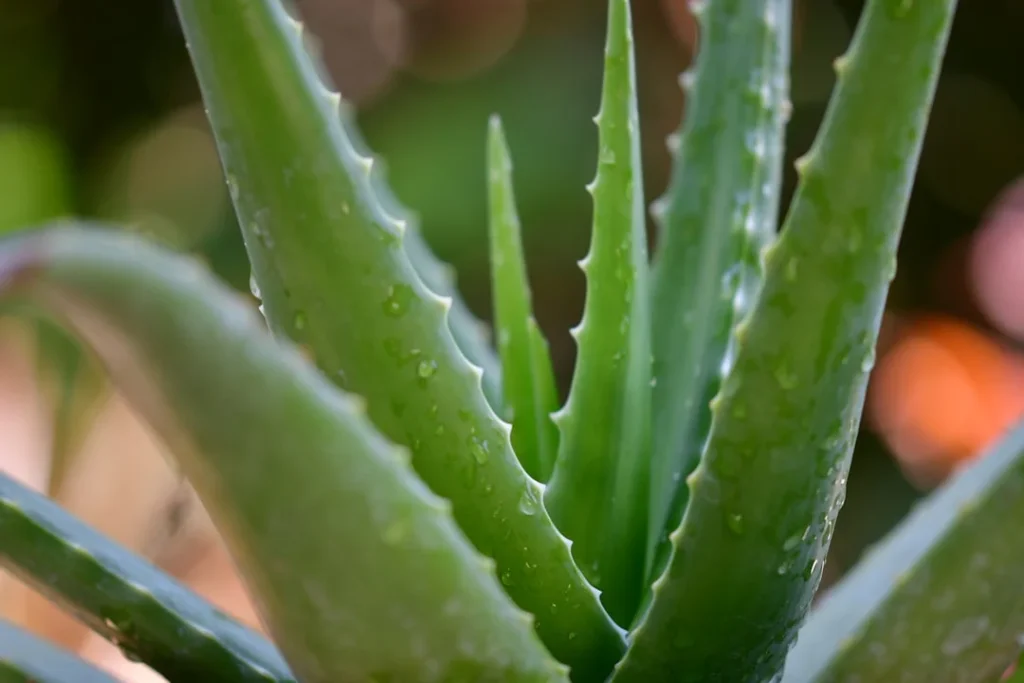
If you’ve ever wondered why this spiky succulent shows up in skincare aisles from Mumbai to Manhattan, the answer lies in the remarkable aloe vera plant benefits that span health, beauty, and easy home gardening. Aloe barbadensis miller, known as घृतकुमारी in India and sábila in Spanish-speaking countries, has been treasured for over 4,000 years. From ancient Egyptian tombs to modern wellness clinics, this hardy succulent earns its nickname “plant of immortality.” The aloe vera plant benefits aren’t just folklore either. Modern science backs many of its uses, from soothing burns to supporting digestion. Here’s the good news: you don’t need a green thumb to grow it. Whether you garden on a London windowsill, an Arizona patio, or a Bengaluru balcony, aloe vera adapts beautifully. In this guide, you’ll learn how to grow, care for, and use this versatile plant across all four seasons in 2026. If you enjoy growing this plant, you might also find our guide on Peace Lily Plant Care very useful.
Quick Highlights
- Discover 10+ proven aloe vera plant benefits backed by science and tradition
- Learn season-by-season care for tropical, temperate, and arid climates
- Master watering, fertilising, and pest control with simple steps
- Explore safe medicinal uses from Ayurveda, TCM, and Western herbalism
- Find clear safety guidance for pets, children, and pregnancy
- Get troubleshooting tips for common problems gardeners face worldwide
Plant Characteristics at a Glance
| Common Name | Aloe Vera |
| Scientific Name | Aloe barbadensis miller |
| Family | Asphodelaceae |
| Origin | Arabian Peninsula, North Africa |
| Habitat | Arid and semi-arid regions, rocky slopes |
| Plant Type | Evergreen succulent perennial |
| Indoor Plant | Yes, excellent houseplant |
| Outdoor Plant | Yes, in USDA zones 9-11 |
| Leaves | Thick, fleshy, lance-shaped, green to grey-green with serrated edges |
| Flowers | Tubular yellow or orange, on tall spikes |
| Flowering Season | Late winter to early spring (mature plants only) |
| Fruit | Small dry capsules (rare in cultivation) |
| Seeds | Small, brown to black, rarely produced indoors |
| Roots | Shallow, fibrous root system |
| Height | 60-90 cm (24-36 inches) at maturity |
| Growth Rate | Slow to moderate |
| Light Requirements | Bright, indirect light; 6-8 hours daily |
| Soil Requirements | Well-draining, sandy or cactus mix; pH 6.0-7.5 |
| Water Requirements | Low; every 2-3 weeks in summer, monthly in winter |
| Temperature Requirements | 13-35°C (55-95°F); avoid frost |
| Humidity Requirements | Low to moderate (30-50%) |
| Propagation | Offshoots (pups), leaf cuttings, seeds |
| Uses | Medicinal, cosmetic, ornamental, air purification |
| Medicinal Properties | Anti-inflammatory, antimicrobial, wound healing, digestive aid |
| Toxicity | Toxic to cats, dogs, horses; latex toxic in large doses |
| Cultural Significance | Revered in Ayurveda, ancient Egyptian medicine, TCM |
| Common Pests | Mealybugs, scale, aphids, spider mites |
| Common Diseases | Root rot, leaf spot, fungal infections |
| Special Care Tips | Avoid overwatering; use terracotta pots for better drainage |
| Cultural Practices | Rotate weekly for even growth; remove pups annually |
| Vastu Direction | East or North for positive energy |
Aloe vera plant benefits Names in Different Languages
| English | Aloe Vera |
| Mandarin Chinese | 芦荟 (Lú huì) |
| Spanish | Sábila / Aloe Vera |
| Hindi | घृतकुमारी (Ghritkumari) |
| Gujarati | કુંવારપાઠું (Kunvarpathu) |
| Arabic | صبار (Sabbar) |
| Bengali | ঘৃতকুমারী (Ghritokumari) |
| Portuguese | Babosa |
| Russian | Алоэ вера (Aloe vera) |
| Japanese | アロエベラ (Aroe bera) |
| Punjabi | ਕੁਆਰ ਗੰਦਲ (Kuar Gandal) |
| German | Echte Aloe |
| Javanese | Lidah Buaya |
| Korean | 알로에 베라 (Alloe bera) |
| French | Aloès |
| Telugu | కలబంద (Kalabanda) |
| Marathi | कोरफड (Korphad) |
| Tamil | கற்றாழை (Kattralai) |
| Urdu | ایلو ویرا (Aloe Vera) |
| Turkish | Sarısabır |
| Vietnamese | Nha đam / Lô hội |
Why Aloe Vera Matters in Every Season
Aloe vera is one of those rare plants that earns its keep all year round. Unlike seasonal herbs that fade with the first frost, this succulent stays useful in January and July alike. In tropical regions like India, Southeast Asia, and northern Australia, it thrives outdoors year-round. Meanwhile, gardeners in the UK, Canada, and the US Midwest grow it happily indoors near a sunny window. Here’s the thing: aloe vera stores water in its thick leaves, which means it forgives forgetful waterers. That makes it perfect for busy households. According to Kew Gardens, Aloe barbadensis miller belongs to the Asphodelaceae family and originates from the Arabian Peninsula. However, it now grows on every continent except Antarctica. The aloe vera plant benefits extend beyond decoration too. A single mature plant gives you fresh gel for burns, dry skin, and even smoothies. That’s value most houseplants can’t match.
Climate Adaptability Across Continents
Aloe vera handles a wide temperature range, roughly 13°C to 35°C (55°F to 95°F). In USDA zones 9-11 and RHS hardiness rating H2-H3, it grows outdoors year-round. However, in colder zones like the UK, northern Europe, or Canada, you’ll need to bring it indoors before the first frost. Mediterranean gardeners in Spain, Greece, and California enjoy the easiest conditions. Meanwhile, arid-zone growers in Dubai or Arizona find aloe thrives in their dry heat. Tropical gardeners just need to watch for monsoon overwatering, which is the most common mistake I see in India and Southeast Asia. Many gardeners who grow this plant also love to read about Snake Plant Benefits.
Plant Characteristics at a Glance
Before you plant, it helps to know what you’re working with. Aloe vera is a stemless or short-stemmed succulent that grows in rosette form. Its thick, fleshy leaves can reach 60-90 cm (24-36 inches) in mature plants. The leaves contain two key parts: the clear inner gel and the yellow latex just under the skin. Both have uses, but the gel is what most people harvest. Mature plants produce tall flower spikes with tubular yellow or orange blooms, usually in late winter or early spring. The table below covers everything you need to know in one quick view. Many gardeners find this snapshot handy when deciding where to place their plant. Importantly, aloe vera is technically a perennial in warm climates and an indoor houseplant elsewhere. Many gardeners who grow this plant also love to read about Jade Plant Benefits.
Aloe Vera Names Around the World
Few plants carry as many names as aloe vera. From Sanskrit texts to Spanish kitchens, every culture has its own word for this healing succulent. The Hindi name घृतकुमारी translates roughly to “young girl with butter,” hinting at its skin-softening qualities. In Arabic, it’s called “sabbar,” linked to patience and endurance. The table below shows what to call aloe vera in 21 languages, helping you connect with this plant’s truly global story. For more tips, check out our detailed article on Aloe Vera Care Guide.
Preparing Your Aloe Vera for Year-Round Success
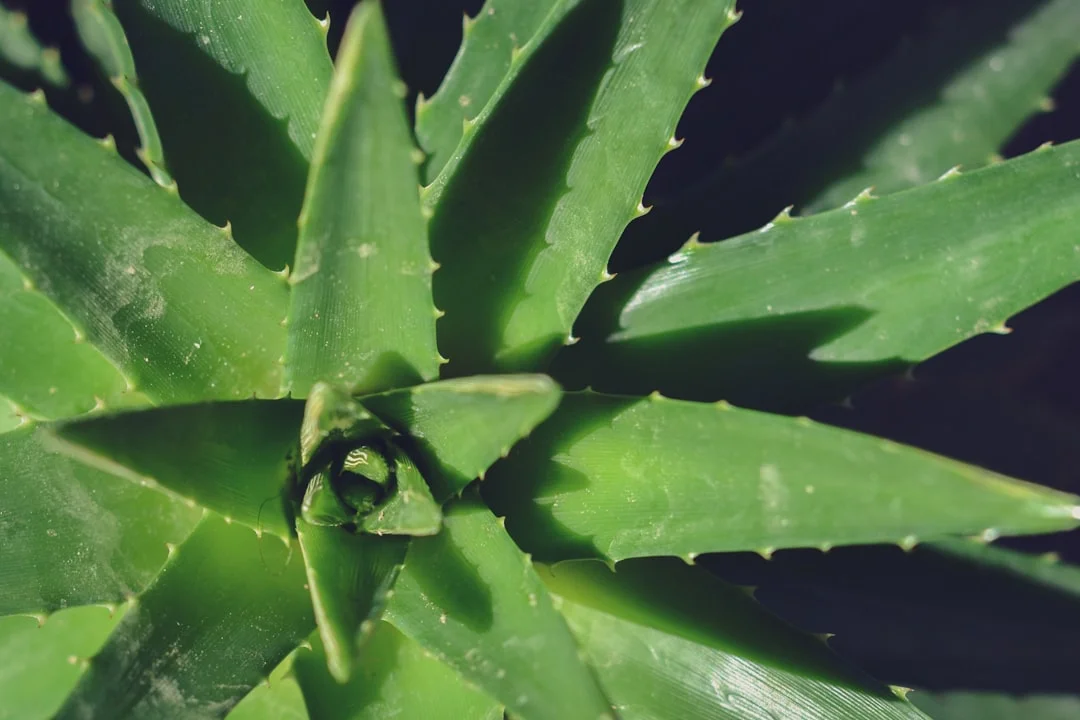
Good preparation makes all the difference. First, choose the right pot. Terracotta works best because it breathes and prevents root rot, which is aloe’s number one killer. Pick a pot with drainage holes, roughly 2-3 cm wider than the root ball. Next, get the soil right. Aloe vera needs gritty, fast-draining soil. A simple mix is 50% potting soil, 30% coarse sand or perlite, and 20% coco coir or compost. You can also buy ready-made cactus and succulent mix from any garden centre, whether you’re in Sydney or São Paulo. Then, place the pot where it gets 6-8 hours of bright, indirect light. A south-facing window works well in the Northern Hemisphere, while north-facing suits Southern Hemisphere gardeners. The RHS recommends rotating the pot weekly so growth stays even.
Indoor vs Outdoor Placement
Indoor growers should aim for a bright spot near a window but away from cold draughts. Outdoor growers in warm climates can plant aloe directly in well-drained garden beds or raised planters. However, avoid full afternoon sun in extreme heat, as leaves can scorch and turn reddish-brown. That said, some red tinge is normal and shows the plant is getting enough light. Many gardeners who grow this plant also love to read about Money Plant Care in Water.
Choosing a Healthy Starter Plant
When buying, look for firm, plump leaves with a healthy green colour. Avoid plants with mushy bases, yellow tips, or visible pests. A small healthy plant costs around $5-15 USD (₹150-500 INR, £4-12 GBP, AUD $8-20) at most nurseries. Pups, or baby offshoots, from a friend’s plant are even better because they’re free and locally adapted.
Watering Changes Through the Seasons
Watering is where most people go wrong with aloe vera. The golden rule: when in doubt, don’t water. Aloe stores water in its leaves, so it handles drought far better than overwatering. In spring and summer, water deeply once every 2-3 weeks, letting the top 5 cm (2 inches) of soil dry completely between waterings. In autumn and winter, cut back to once every 4-6 weeks. Tropical gardeners in India and Southeast Asia should reduce watering further during monsoon season because humidity does most of the work. Meanwhile, gardeners in dry climates like Arizona or central Australia may need slightly more frequent watering. Here’s a quick tip: stick your finger 5 cm into the soil. If it feels dry, water. If it feels even slightly damp, wait. This simple test works in any climate.
Signs of Overwatering vs Underwatering
Overwatered aloe shows mushy, yellowing leaves and a soft base. Underwatered aloe has thin, curled, or wrinkled leaves. The good news is that underwatering is easily fixed with a deep soak. Overwatering, however, often leads to root rot, which can kill the plant. If you spot rot, remove the plant, trim damaged roots, let it dry for 2-3 days, and repot in fresh dry soil.
Fertilising Your Aloe Vera the Right Way
Aloe vera isn’t a heavy feeder, which is great news for lazy gardeners. In fact, too much fertiliser causes more problems than too little. Feed your plant once a month during the active growing season (spring and summer) with a diluted, balanced succulent fertiliser at half strength. Skip feeding entirely in autumn and winter when growth slows. Organic options work brilliantly too. Diluted seaweed extract, compost tea, or worm castings give gentle nutrition without burning roots. In my experience, aloe grown with organic feeds produces thicker, more gel-rich leaves than those given synthetic fertilisers. This matters if you’re growing aloe for its medicinal benefits. The aloe vera plant benefits become even greater when the plant has the right nutrients to produce its active compounds, including aloin and acemannan, which give the gel its healing properties.
Pest Alert: Common Threats and Solutions
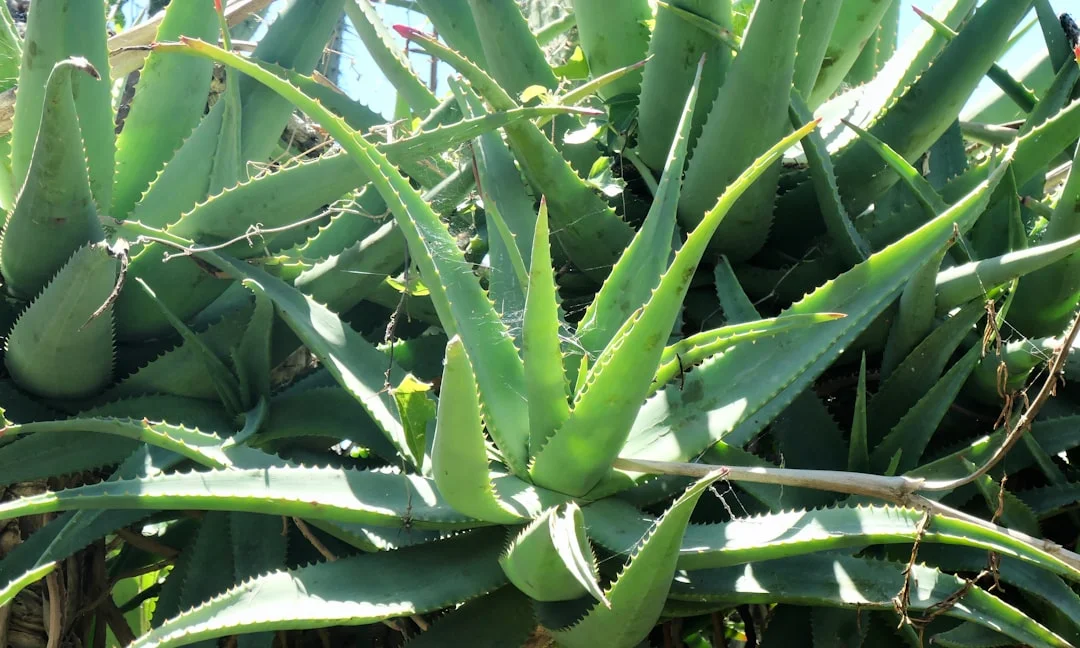
Although aloe vera is tough, a few pests can still cause trouble. The most common culprits are mealybugs, scale insects, and aphids. These sap-sucking pests weaken plants and leave sticky residue on leaves. Spider mites can also appear in dry indoor air, particularly during winter heating season in temperate homes. Fungal issues like root rot and leaf spot usually stem from overwatering or poor air circulation. The good news: most pest problems are easy to fix without harsh chemicals. Wipe leaves with a cotton swab dipped in 70% isopropyl alcohol to kill mealybugs and scale on contact. For aphids, a simple spray of water mixed with a drop of dish soap works wonders. Neem oil, a traditional Indian remedy now used worldwide, treats most pests safely. Apply it weekly until pests clear.
Prevention Beats Cure
Good prevention starts with healthy growing conditions. Don’t crowd plants, ensure good airflow, and avoid getting water on the leaves. Inspect new plants before bringing them home, as pests often hitchhike from nurseries. Quarantine new arrivals for 2 weeks before placing them near other houseplants. Importantly, keep an eye on the undersides of leaves, where pests love to hide.
Recovery and Repotting Tips
Even well-cared-for aloe vera plants sometimes struggle. The good news is they recover quickly with the right help. If your plant looks unhappy, first check the basics: light, water, and soil drainage. Most issues trace back to one of these three. Repot your aloe every 2-3 years or when you spot roots circling the pot or pushing out drainage holes. Spring is the best time to repot in temperate zones, while tropical gardeners can repot almost any time except peak monsoon. Remove the plant gently, shake off old soil, trim any dead roots, and replant in fresh succulent mix. Don’t water for 5-7 days after repotting, as this lets any damaged roots heal and prevents rot. Many gardeners find their aloe doubles in size within a year of proper repotting.
Top Aloe Vera Plant Benefits for Health and Home
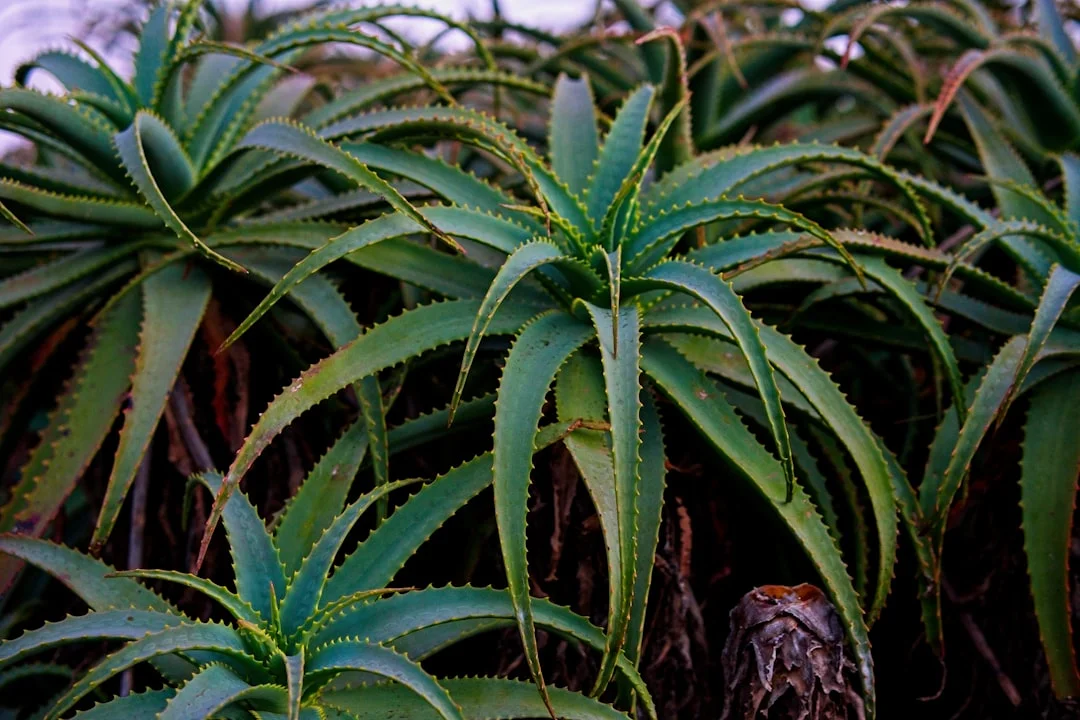
Now for the part everyone loves. The aloe vera plant benefits go far beyond pretty greenery. According to research published on PubMed, aloe vera gel contains over 75 active compounds, including vitamins A, C, E, B12, enzymes, amino acids, and polysaccharides. These compounds give aloe its impressive healing reputation across traditions. In Ayurveda, घृतकुमारी is called a “rasayana” or rejuvenator, used for digestion and skin health for over 3,000 years. Traditional Chinese Medicine uses it to clear heat and support the liver. Western herbalism prizes it for burns, wounds, and constipation relief. The aloe vera plant benefits also extend to your home environment. NASA’s Clean Air Study found aloe vera helps filter formaldehyde and benzene from indoor air. That’s a bonus for anyone living in city apartments anywhere from Delhi to Dubai to Detroit.
Skin and Beauty Benefits
Aloe gel soothes sunburn, moisturises dry skin, reduces acne, and may help fade scars. Apply fresh gel directly to clean skin for 15-20 minutes, then rinse. Many people swear by mixing aloe gel with rose water or honey for a quick face mask. The cooling effect is especially welcome in hot tropical or arid summers.
Digestive and Internal Benefits
When taken internally in small, food-grade amounts, aloe vera juice may support digestion and ease occasional constipation. However, consult a healthcare provider first, especially if pregnant, breastfeeding, or on medication. The WHO notes that aloe latex (the yellow part) should not be consumed in large doses due to laxative effects.
Air Purification and Vastu Benefits
Aloe vera releases oxygen at night, making it one of the few plants ideal for bedrooms. In Vastu Shastra, placing aloe vera in the east or north direction is said to bring positive energy and good health. Feng shui practitioners also consider it a protective plant that wards off negative chi.
How to Harvest and Use Aloe Vera Gel
Harvesting your own aloe gel is simple and satisfying. Wait until your plant has plenty of thick, mature outer leaves, usually after 1-2 years of growth. Choose the largest, oldest leaves from the bottom first, as these contain the most gel. Use a clean, sharp knife and cut close to the base. The plant continues growing new leaves from the centre, so don’t worry about harming it. Fresh gel keeps in the fridge for about a week, or you can freeze it in ice cube trays for up to six months. A quick tip: always let the cut leaf drain the yellow latex (aloin) for 10-15 minutes before extracting gel. This latex can irritate skin and cause digestive upset if consumed.
Safety, Toxicity, and Precautions
While aloe vera is widely safe, a few cautions matter. The clear inner gel is generally safe for topical use on most people. However, do a small patch test first if you have sensitive skin. Internal use needs more care. Pregnant and breastfeeding women should avoid ingesting aloe vera. People with kidney issues, diabetes, or those taking heart medications should also consult a doctor first. Importantly, aloe vera is toxic to cats, dogs, and horses if eaten, according to the ASPCA. The saponins and anthraquinones can cause vomiting, diarrhoea, and lethargy in pets. Keep plants out of reach of curious paws and small children. If your pet nibbles a leaf, contact your vet promptly. That said, with sensible handling, aloe vera remains one of the safest medicinal plants you can grow at home.
Frequently Asked Questions
Can I grow aloe vera indoors in a cold climate like the UK or Canada?
Yes, absolutely. Aloe vera grows beautifully indoors in cold climates as long as you place it near a sunny window with 6-8 hours of bright light. Keep it away from cold draughts and don't let temperatures drop below 10°C (50°F). Water sparingly, especially in winter when growth slows. Many UK and Canadian gardeners move plants outdoors in summer and back inside before the first frost. A south-facing windowsill works best in the Northern Hemisphere. The aloe vera plant benefits remain just as strong whether grown indoors or out.
Is aloe vera safe for pets like cats and dogs?
Unfortunately, no. Aloe vera is toxic to cats, dogs, horses, and many other pets if eaten. The compounds saponin and anthraquinone can cause vomiting, diarrhoea, lethargy, and tremors. According to the ASPCA, keep aloe plants out of reach of pets and small children. If your pet nibbles a leaf, contact your vet right away. The good news is topical application of aloe gel on humans is generally safe. Just make sure curious paws can't reach the plant by placing it on a high shelf or hanging planter.
How often should I water my aloe vera plant?
Water aloe vera every 2-3 weeks in spring and summer, and once a month in autumn and winter. Always let the top 5 cm (2 inches) of soil dry completely between waterings. Tropical climates may need less frequent watering during monsoon season, while arid regions like Arizona or Dubai may need slightly more. The finger test works in any climate: stick your finger into the soil, and only water if it feels dry. Overwatering is the most common cause of aloe death, so when in doubt, wait.
What are the main aloe vera plant benefits for skin?
The aloe vera plant benefits for skin are impressive. Fresh gel soothes sunburn, moisturises dry skin, reduces acne inflammation, and may help fade scars over time. Its cooling effect feels especially good in hot climates. Aloe contains vitamins A, C, and E, plus enzymes and amino acids that support skin healing. Apply fresh gel directly to clean skin for 15-20 minutes, then rinse with cool water. Do a patch test first if you have sensitive skin. For best results, harvest gel from mature leaves and use it within a week.
How do I grow aloe vera in containers?
Container growing is the easiest way to grow aloe vera, especially in cold or wet climates. Choose a terracotta pot with drainage holes, about 2-3 cm wider than the root ball. Fill with cactus or succulent mix, or make your own with 50% potting soil, 30% sand or perlite, and 20% coco coir. Place in bright, indirect light and water sparingly. Repot every 2-3 years to refresh soil and remove pups. Container-grown aloe vera plant benefits include portability, easier pest control, and protection from sudden weather changes.
Why are my aloe vera leaves turning yellow or brown?
Yellow, mushy leaves usually mean overwatering or root rot. Cut back on water immediately and check the roots for soft, dark spots. Brown, crispy tips often signal underwatering, sunburn, or low humidity. Move the plant out of harsh afternoon sun and give it a deep soak. Reddish leaves can be normal in bright light, but they may also signal stress from cold or heat. Adjust conditions slowly to avoid shock. Healthy aloe leaves should be plump, firm, and a vibrant green colour.
Can I drink aloe vera juice every day?
Small amounts of food-grade aloe vera juice (around 30-60 ml daily) may support digestion for healthy adults. However, daily long-term use isn't recommended without medical advice. Pregnant women, breastfeeding mothers, children, and people on medications for diabetes, heart conditions, or kidney issues should avoid drinking aloe juice. Always choose juice made from the clear inner gel, not the yellow latex, which has strong laxative effects. Start with a small amount to test tolerance. The [Ayush Ministry](https://www.ayush.gov.in/) provides traditional guidance on safe Ayurvedic use of घृतकुमारी.
When is the best season to propagate aloe vera?
Spring and early summer are the best times to propagate aloe vera in temperate climates, as warm temperatures support rapid root growth. Tropical gardeners can propagate almost year-round, except during heavy monsoon rains. The easiest method is separating pups (baby offshoots) from the mother plant. Gently remove a pup with its own roots, let it dry for 2-3 days, then plant in dry succulent mix. Don't water for a week. Within a month, you'll have a healthy new plant. This is one of the most rewarding aloe vera plant benefits for gardeners.
Final Thoughts
Growing aloe vera is one of the most rewarding choices you can make as a gardener, no matter where you live. From tropical balconies in Chennai to chilly window sills in Edinburgh, this hardy succulent adapts and gives back generously. The aloe vera plant benefits go far beyond decoration. You get a living first-aid kit, a natural beauty booster, an air purifier, and a piece of 4,000-year-old healing tradition all in one pot. Whether you’re drawn to its Ayurvedic roots, its modern skincare uses, or its sheer good looks, घृतकुमारी earns its place in any home. Start with one healthy plant, follow the simple care tips in this guide, and watch it multiply over the years. Soon, you’ll have plenty to share with friends and family. Remember to respect safety guidelines, especially around pets and internal use. Happy growing, and enjoy every bit of green goodness this remarkable plant offers!

