
⏱ 19 min read
Table of Contents
- Why All Seasons Matter for Chives
- Preparing Your Pot and Soil
- Light and Placement in the Kitchen
- Watering Changes Through the Year
- Fertilizing for Steady Growth
- Pest Alert: Common Problems and Fixes
- Harvesting and Recovery
- Medicinal and Culinary Uses Across Cultures
- Troubleshooting Yellow Leaves and Slow Growth
If you’ve ever wished for a snippet of fresh, oniony green to brush over your eggs or dal, chives are your answer. The chives grow pot India kitchen method has become a favourite for apartment gardeners from Mumbai to Manchester, because these slim green spears thrive in small spaces. Allium schoenoprasum, known in Hindi as चाइव्स, is a hardy perennial herb that fits perfectly on a sunny windowsill. Here’s the thing — chives don’t need a big garden. A 15 cm (6-inch) pot, decent light, and a steady hand with water will give you cuttings for years. In my experience, even first-time growers succeed within weeks. This complete guide walks you through how chives grow pot India kitchen setups work across climates, from humid Chennai balconies to chilly London flats and dry Dubai rooftops. You’ll learn watering rhythms, soil mixes, pest fixes, and harvest tricks that keep your plant productive all year round. If you enjoy growing this plant, you might also find our guide on Curry Leaves Grow Pot Fast very useful.
Quick Highlights
- Discover how chives grow pot India kitchen techniques suit every climate zone
- Learn the exact soil mix, pot size, and light needs for thriving chives
- Master watering changes through hot summers and cool winters
- Spot and treat common pests like aphids and thrips early
- Harvest fresh chives every 4-6 weeks for years from one plant
- Use chives safely in cooking with global culinary and medicinal tips
Plant Characteristics at a Glance
| Common Name | Chives |
| Scientific Name | Allium schoenoprasum |
| Family | Amaryllidaceae (formerly Liliaceae) |
| Origin | Europe, Asia, and North America |
| Habitat | Temperate meadows, rocky slopes, and moist grasslands |
| Plant Type | Perennial herb |
| Indoor Plant | Yes — thrives on sunny windowsills |
| Outdoor Plant | Yes — hardy in zones 3-10 |
| Leaves | Slender, hollow, tube-like, dark green, 20-30 cm long |
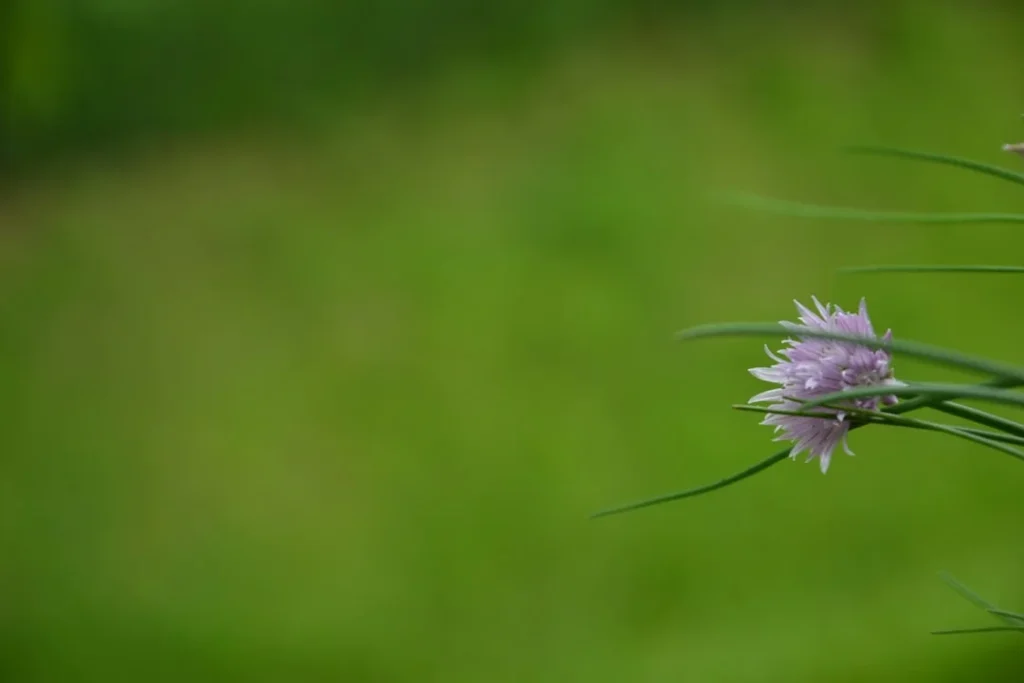
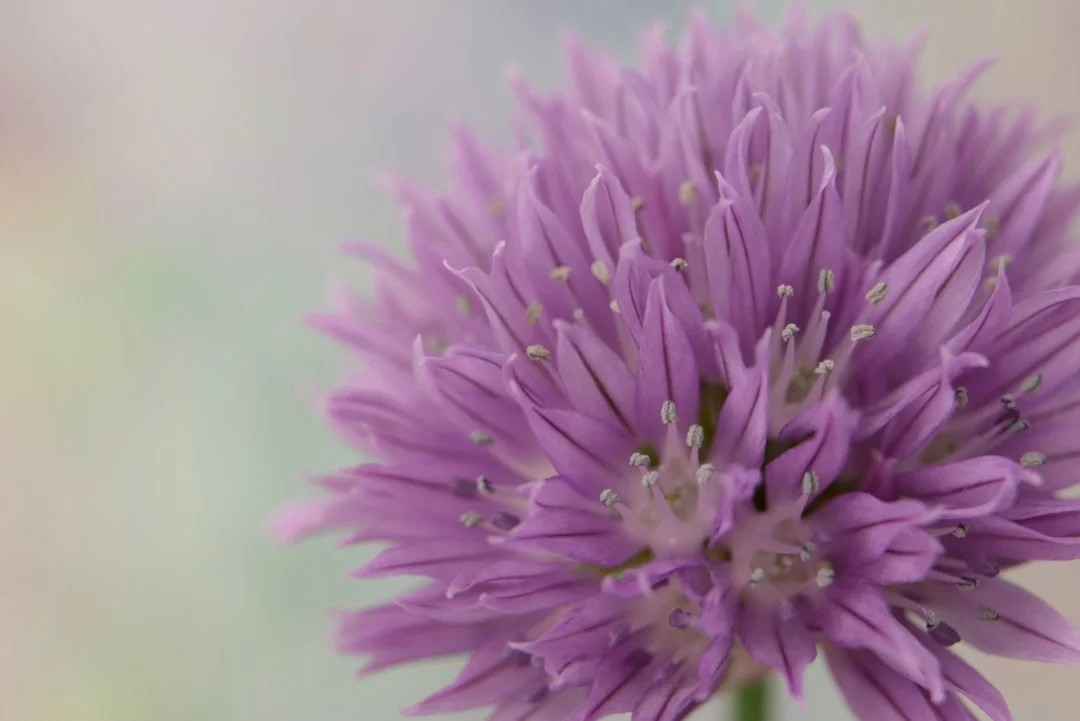
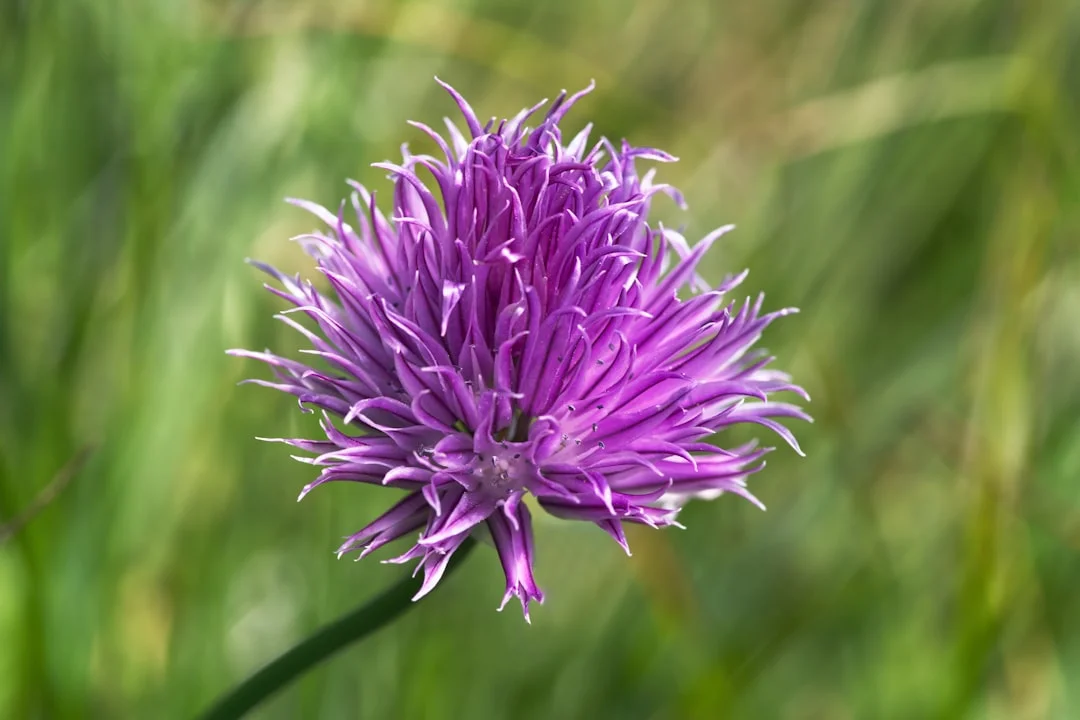
| Flowers | Pale purple to pink pom-pom clusters, edible |
| Flowering Season | Late spring to early summer (April-June) |
| Fruit | Small dry capsules containing seeds |
| Seeds | Tiny, black, viable for 2-3 years |
| Roots | Shallow, fibrous, bulb-forming |
| Height | 20-40 cm (8-16 inches) |
| Growth Rate | Moderate — first harvest in 60-90 days |
| Light Requirements | Full sun to partial shade (4-6 hours daily) |
| Soil Requirements | Well-drained loam, pH 6.0-7.0, rich in organic matter |
| Water Requirements | Moderate — keep soil moist but not wet |
| Temperature Requirements | 15-25°C (59-77°F) ideal; tolerates -20°C to 38°C (-4°F to 100°F) |
| Humidity Requirements | 40-70% — moderate humidity preferred |
| Propagation | Seeds, division of clumps, or transplanting |
| Uses | Culinary herb, ornamental, companion plant, mild medicinal |
| Medicinal Properties | Antioxidant, mild antibacterial, supports digestion and heart health |
| Toxicity | Toxic to dogs and cats; safe for humans in culinary amounts |
| Cultural Significance | Used in Chinese medicine 5,000+ years; European folk charm against evil |
| Common Pests | Aphids, thrips, onion flies |
| Common Diseases | Rust, downy mildew, root rot |
| Special Care Tips | Snip regularly to encourage thick growth; divide every 2-3 years |
| Cultural Practices | Companion planting with roses, carrots, and tomatoes |
| Vastu Direction | East or North-East for kitchen herb pots |
Chives grow pot kitchen Names in Different Languages
| English | Chives |
| Mandarin Chinese | 虾夷葱 (Xiā yí cōng) |
| Spanish | Cebollino |
| Hindi | चाइव्स (Chaives) |
| Gujarati | ચાઇવ્સ |
| Arabic | ثوم معمر (Thum mu'ammar) |
| Bengali | চাইভস |
| Portuguese | Cebolinha |
| Russian | Лук-резанец (Luk-rezanets) |
| Japanese | エゾネギ (Ezonegi) / チャイブ |
| Punjabi | ਚਾਈਵਜ਼ |
| German | Schnittlauch |
| Javanese | Bawang kucai |
| Korean | 차이브 (Chaibeu) |
| French | Ciboulette |
| Telugu | చైవ్స్ |
| Marathi | चाइव्ज |
| Tamil | சைவ்ஸ் |
| Urdu | چائیوز |
| Turkish | Frenk soğanı |
| Vietnamese | Hẹ tây |
Why All Seasons Matter for Chives
Chives are one of the few culinary herbs that genuinely produce all year round in pots. Unlike basil, which sulks in winter, or coriander, which bolts in heat, chives bounce back through almost every season. However, each season brings small shifts you should plan for. In tropical zones like India, Southeast Asia, and northern Australia, the summer monsoon raises humidity and root-rot risk. Meanwhile, gardeners in temperate climates such as the UK, Canada, and the US Midwest see chives go semi-dormant below 5°C (41°F), then burst back in spring. Mediterranean regions like California and southern Europe enjoy the longest active season. Arid spots — think Dubai or Phoenix — need shade cloth and extra mulch. The chives grow pot India kitchen approach works everywhere because pots let you move the plant. Shift it indoors during peak heat or frost, and outdoors during mild months. That mobility is the real secret behind year-round harvests. If you enjoy growing this plant, you might also find our guide on Capsicum Grow Pot India very useful.
Tropical vs Temperate Growing Patterns
In tropical India, chives grow fastest from October to March when nights cool down. Furthermore, the plant slows in May and June heat above 38°C (100°F). In contrast, gardeners in the UK or US Pacific Northwest see peak growth from April to September. The RHS lists chives as fully hardy to H7, meaning they survive down to -20°C (-4°F) when planted in ground. Pot-grown plants need a bit more protection because roots freeze faster in containers. A simple wrap of jute or bubble wrap around the pot does the trick.
Preparing Your Pot and Soil
Getting the foundation right makes everything else easier. For a successful chives grow pot India kitchen setup, start with a 15-20 cm (6-8 inch) wide pot at least 15 cm deep. Terracotta works beautifully because it breathes and prevents soggy roots. Plastic and ceramic work too, as long as they have drainage holes. Chives hate sitting in water — that’s the single biggest mistake new growers make. The soil mix should be light, fluffy, and slightly alkaline. Mix two parts garden soil or potting mix, one part compost or vermicompost, and one part coarse sand or perlite. A pinch of bone meal or crushed eggshells adds calcium. Aim for pH between 6.0 and 7.0. According to Wikipedia's entry on Allium schoenoprasum, the plant tolerates a wide soil range but rewards rich, well-drained mixes with thicker, juicier leaves.
Sowing Seeds vs Buying Plants
You’ve got two paths. Seeds are cheap — around $2 (₹150 / £1.50) for a packet of 200 — but slow. They take 14-21 days to sprout and another 8 weeks before first harvest. Nursery plants cost $4-8 (₹300-600 / £4-6) and give you instant greenery. For most beginners I recommend buying a small clump and splitting it into 2-3 pots after a month. That way you double your stock for free.
Best Containers for Kitchens
Many gardeners find that wide, shallow pots work better than tall narrow ones because chive roots spread sideways. A rectangular trough on a kitchen window ledge holds 4-5 clumps and looks gorgeous. If space is tight, even an old steel dabba with holes punched in the bottom will do. The chives grow pot India kitchen tradition often uses recycled containers — paint tins, ghee jars, or coconut shells — all of which work as long as drainage is good. Many gardeners who grow this plant also love to read about Chilli Grow Pot at Home.
Light and Placement in the Kitchen
Chives crave sunlight. Six hours of direct light is the sweet spot, though they’ll manage with four in a pinch. A south-facing windowsill in the Northern Hemisphere, or a north-facing one in Australia, gives the brightest exposure. In hot tropical climates, however, harsh afternoon sun can scorch leaves. East-facing windows offer gentle morning light, which chives love. If your kitchen is dim, don’t worry — a small LED grow light running 10-12 hours daily fills the gap. These cost about $20-30 (₹1,500-2,500) and last years. In my experience, rotating the pot a quarter turn every few days keeps growth even and stops the plant leaning toward the window. For more tips, check out our detailed article on Tomato Grow Pot India.
Indoor vs Outdoor Placement
Outdoor balconies and terraces give the best growth during mild seasons. That said, summer heatwaves in places like Delhi, Riyadh, or Athens can stress potted chives quickly. Move the pot to a shaded corner once temperatures cross 35°C (95°F). Conversely, winter readers in Toronto or Berlin should bring pots indoors when nights drop below 0°C (32°F). The flexibility of pot growing is exactly why the chives grow pot India kitchen method beats in-ground planting for most home cooks.
Watering Changes Through the Year
Watering is where most people go wrong. Chives like moist soil, never soggy. Stick your finger 2 cm into the soil — if it feels dry, water; if it’s damp, wait. In summer, that usually means watering every 1-2 days. In winter, once a week is plenty. Always water at the base, not over the leaves, because wet foliage invites fungal disease. Use room-temperature water; icy tap water shocks roots. A useful tip from traditional Indian gardening: water in the early morning so the soil dries gently through the day. This rhythm mimics monsoon mornings and suits the plant’s natural cycle.
Monsoon and Humid Climate Adjustments
During the Indian monsoon (June to September), cut watering by half. The air holds so much moisture that pots dry slowly. Move containers under a covered balcony or porch so they don’t get drenched by daily downpours. Similarly, humid coastal cities like Singapore, Miami, or Brisbane need extra ventilation. A small fan running a few hours a day prevents mildew.
Dry and Arid Climate Care
In dry zones like Rajasthan, Arizona, or central Australia, water loss speeds up. Mulch the soil surface with 1 cm of coco coir, dried grass, or fine bark to lock in moisture. You may need to water daily during peak summer. Group pots together so they create a small humid micro-climate — a trick borrowed from desert gardeners across the Middle East.
Fertilizing for Steady Growth
Chives are light feeders, but regular nutrition keeps leaves thick and dark green. Feed every 3-4 weeks during active growth with a balanced liquid fertilizer diluted to half strength. A 5-5-5 or 10-10-10 NPK works well. For organic gardeners, diluted compost tea, vermiwash, or fish emulsion are excellent. Avoid heavy nitrogen feeds because too much nitrogen makes leaves floppy and dilutes flavour. In autumn and winter, drop feeding to once every 6-8 weeks. The chives grow pot India kitchen routine often borrows from Ayurvedic gardening traditions — a handful of well-rotted cow manure mixed into the topsoil twice a year does wonders.
Homemade Organic Boosters
Banana peel water (soak peels in water for 2 days, then strain) gives potassium. Rice rinse water adds gentle nutrients and is a staple of Asian kitchen gardens from Japan to Kerala. Crushed eggshells sprinkled on top slowly release calcium. These are free, safe around food, and globally available — perfect for any kitchen herb pot.
Pest Alert: Common Problems and Fixes
Chives are naturally pest-resistant because their oniony scent puts off most insects. In fact, gardeners often plant them near roses and tomatoes as a natural repellent. However, a few troublemakers still show up. Aphids cluster on new shoots in spring. Thrips leave silver streaks on leaves. Onion flies occasionally lay eggs at the base. The good news is all of these are easy to handle without chemicals. A spray of neem oil (5 ml per litre of water with a drop of dish soap) every 7-10 days clears most pests. Importantly, do this in the evening so beneficial insects aren’t harmed.
Disease Watch: Rust and Root Rot
Orange-brown spots on leaves signal rust, a fungal disease common in humid weather. Snip off affected leaves and improve air flow. Root rot shows as yellow, mushy bases — almost always caused by overwatering. If caught early, repot in fresh dry mix and trim damaged roots. Prevention beats cure: well-draining soil and gaps between pots solve 90% of issues.
Harvesting and Recovery
Here’s the fun part. Once your plant is 15 cm tall, you can start harvesting. Use sharp scissors to snip leaves about 2-3 cm above the soil — never pull them out. Always leave at least one-third of the plant standing so it can regrow. A healthy clump gives you a fresh cut every 4-6 weeks. After harvest, water lightly and feed with diluted compost tea to help recovery. The chives grow pot India kitchen approach often involves continuous mini-harvests rather than one big cut, which keeps the plant productive year-round.
Storing Fresh Chives
Use chives fresh whenever possible — the flavour fades fast. For short-term storage, wrap stems in a damp paper towel and keep in the fridge for up to a week. For longer storage, chop and freeze in ice cube trays with a splash of olive oil. Dried chives lose most of their punch, so freezing is the better preservation method.
Dividing Mature Clumps
Every 2-3 years, the clump gets crowded and growth slows. Tip the plant out, gently pull apart into 3-4 sections, and repot each in fresh soil. Spring or early autumn is the best time. This single trick rejuvenates old plants and gives you free new pots to share with neighbours.
Medicinal and Culinary Uses Across Cultures
Chives have travelled the world’s kitchens for thousands of years. The Chinese used them medicinally over 5,000 years ago, while European herbalists in the Middle Ages hung them in doorways to ward off illness. In Ayurveda, alliums are considered warming and digestive. Modern research backed by NIH studies shows that allium plants contain organosulfur compounds linked to heart and immune health. That said, chives are usually eaten in small culinary amounts, so think of them as a gentle daily booster rather than medicine.
Global Kitchen Uses
French cooks fold chives into omelettes and fines herbes blends. Japanese cuisine uses similar alliums in miso soup. Indian kitchens sprinkle them on dal, raita, and chaat. American brunch culture loves them on baked potatoes and cream cheese bagels. The mild onion flavour suits almost any savoury dish without overpowering it.
Safety and Pet Warning
Important safety note: chives are toxic to dogs and cats, even in small amounts. Like all alliums, they can cause anaemia in pets. Keep pots out of reach of curious paws. For humans, chives are safe in normal culinary quantities, but those on blood-thinning medication should check with a doctor before eating large amounts.
Troubleshooting Yellow Leaves and Slow Growth
Yellow tips usually mean one of three things: overwatering, underfeeding, or too little light. Check soil moisture first — if it’s wet, hold off watering for a few days. If the soil’s fine, feed with diluted liquid fertilizer. Still no improvement? Move the pot closer to a brighter window. Slow growth in winter is normal and not a problem. The plant is simply resting. Resume regular care in spring and you’ll see fresh shoots pushing up within weeks. The chives grow pot India kitchen method rewards patience — even a tired-looking plant usually bounces back with a little attention.
Frequently Asked Questions
Can I grow chives indoors in a cold climate?
Absolutely. Chives are one of the easiest herbs to grow indoors during cold winters in places like Canada, the UK, or northern Europe. Place the pot on the sunniest windowsill you have — ideally south-facing — and supplement with an LED grow light if daylight is short. Keep the temperature between 15-22°C (59-72°F). Water sparingly because indoor air dries soil slowly. Many gardeners find their indoor chives stay productive all winter, giving fresh greens when outdoor herbs are frozen solid.
How do chives grow pot kitchen setups differ from outdoor growing?
The chives grow pot India kitchen approach offers more control. You manage soil quality, water, and sunlight precisely. Pots also let you move plants away from harsh summer afternoon sun or monsoon downpours. Outdoor garden chives spread more freely and grow larger clumps, but pot-grown plants are easier to harvest from your kitchen counter. For most Indian apartment dwellers, the chives grow pot India kitchen method is far more practical because it uses minimal space and produces fresh herbs within arm's reach of the stove.
Are chives safe for pets at home?
No — chives, like all alliums (onions, garlic, leeks), are toxic to dogs and cats. Even small amounts can damage red blood cells and cause anaemia. If you have pets, keep your chive pots on high shelves, hanging baskets, or in rooms pets can't access. Symptoms of poisoning include vomiting, weakness, and pale gums — see a vet immediately if you suspect ingestion. For humans, including children, chives are perfectly safe in normal cooking amounts.
How often should I harvest chives from a kitchen pot?
You can harvest chives every 4-6 weeks once the plant reaches 15 cm tall. Snip leaves with scissors about 2-3 cm above the soil, leaving at least one-third of the plant standing. Regular cutting actually encourages thicker, bushier growth. For continuous supply, harvest small amounts often rather than one big cut. In peak growing season, well-fed chives can be trimmed every 3-4 weeks. The chives grow pot India kitchen method works best with frequent light harvests.
Why are my chive leaves turning yellow?
Yellow leaves usually point to one of three causes: overwatering, nutrient deficiency, or insufficient light. First, check soil moisture — if it's wet, stop watering for a few days and improve drainage. Next, feed with a balanced liquid fertilizer at half strength. If neither helps, move the pot to a brighter spot with at least 4-6 hours of sunlight. Old leaves naturally yellow and die back too, so trim them off to keep the plant tidy. Yellowing in winter is often just dormancy and nothing to worry about.
Can I grow chives from kitchen scraps or supermarket bunches?
Unfortunately, no. Unlike spring onions, chives bought from supermarkets are usually cut without roots, so they can't regrow. However, you can grow chives easily from seeds or by buying a small nursery plant for $4-8 (₹300-600). Once established, you can divide one healthy clump into multiple pots every couple of years — that's the cheapest way to multiply your supply. The chives grow pot India kitchen approach pays for itself within months given how much store-bought herbs cost.
Do chives need to be repotted, and how often?
Yes, repot chives every 2-3 years or whenever the clump looks crowded and growth slows. Spring or early autumn is the best time. Gently remove the plant, divide the root ball into 3-4 sections, and repot each in fresh soil with added compost. This refreshes nutrients, gives roots room to breathe, and multiplies your stock at no cost. Skipping division leads to thin, weak leaves and reduced harvests over time.
Do chives flowers attract bees and are they edible?
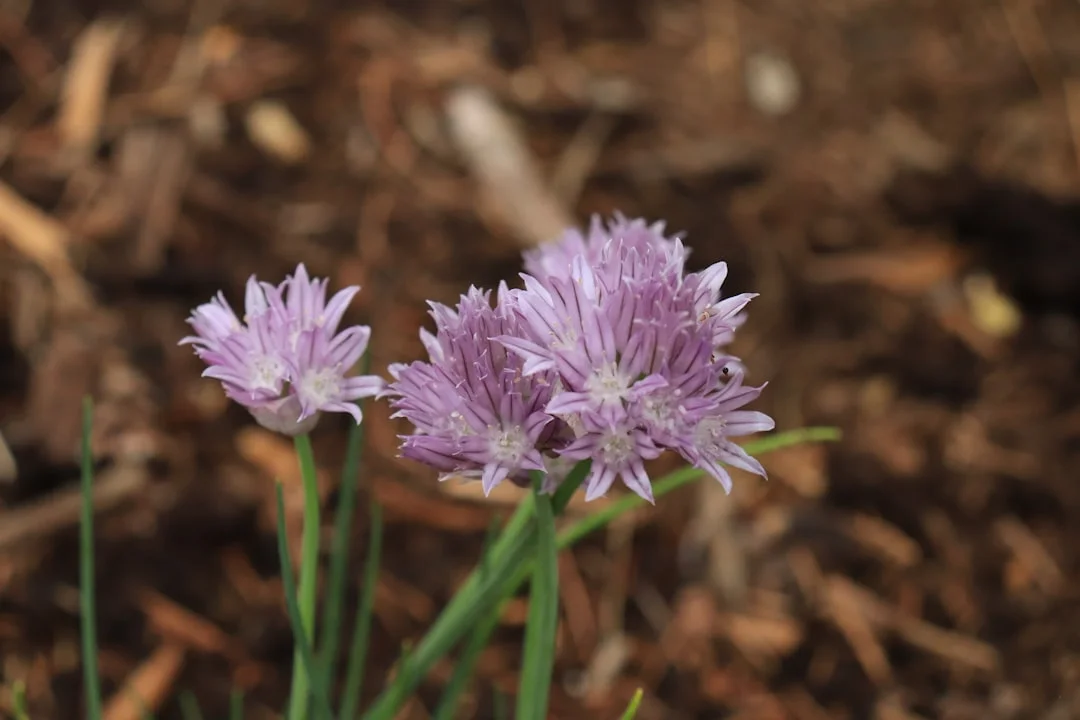
Yes to both. The pretty pink-purple pom-pom flowers bloom in late spring and attract bees, butterflies, and other pollinators — making chives a wonderful companion plant for vegetable gardens. The flowers are fully edible too, with a milder onion flavour than the leaves. Scatter them over salads, soups, or compound butter for a beautiful garnish. If you don't want the plant to put energy into flowering, snip the buds off to redirect growth into more leaves.
Final Thoughts
Growing chives at home is one of the simplest, most rewarding things any beginner gardener can do. The chives grow pot India kitchen method works because it fits any space, any climate, and any skill level. With just a small pot, some sun, and a bit of attention, you’ll have fresh, oniony greens to brighten dishes for years. Remember the basics: well-drained soil, moderate watering, regular light feeding, and frequent gentle harvests. Watch for pests, divide clumps every couple of years, and keep pots away from curious pets. Whether you’re cooking on a Mumbai balcony, a London flat, or a Sydney terrace, this hardy little herb will reward your care generously. Start with one pot this week, and by next month you’ll be snipping your own homegrown chives over breakfast. Your kitchen — and your meals — will never be the same again.
