
⏱ 19 min read
Table of Contents
- Why Every Season Matters for Coconut Palms
- Preparing the Ground: Soil, Site & Spacing
- Planting Your Coconut Palm Step-by-Step
- Watering Changes Through the Year
- Fertilizing for Strong Growth and High Yield
- Pest Alert: Threats to Watch Year-Round
- Disease Management and Prevention
- Recovery: Reviving a Struggling Coconut Palm
- Growing Coconut Palms in Cooler Climates and Containers
- Traditional Uses Across Cultures
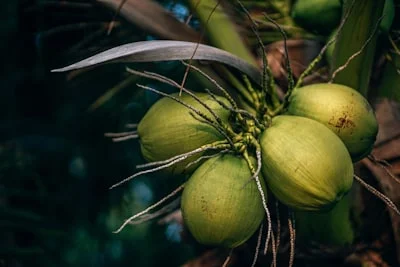
If you’ve ever dreamed of harvesting your own fresh coconuts, you’re in the right place. The coconut tree grow care India approach has fascinated gardeners worldwide for centuries, and for good reason. Known as नारियल in Hindi, Cocos nucifera is one of the most generous plants on earth — giving food, water, oil, fibre, and shelter from a single tree. Whether you’re farming in Kerala, growing a dwarf variety in Florida, or nurturing a young palm in a sunny conservatory in London, the principles of coconut tree grow care India translate beautifully across climates. In this guide, you’ll learn exactly how to plant, water, feed, and protect your coconut palm year-round. I’ll share what works in tropical heat, what to adjust in cooler zones, and the common mistakes that hold back so many growers. Let’s dig in. Many gardeners who grow this plant also love to read about Peepal Tree Benefits Oxygen.
Quick Highlights
- Learn the exact watering schedule for every season and climate zone
- Discover the right NPK ratio that doubles coconut yield
- Spot pest and disease threats before they damage your palm
- Adapt tropical growing techniques for temperate, arid, and container setups
- Understand soil prep, spacing, and light needs from day one
- Get region-specific tips for India, the US, UK, Australia, and Southeast Asia
Plant Characteristics at a Glance
| Common Name | Coconut Palm, Coconut Tree |
| Scientific Name | Cocos nucifera |
| Family | Arecaceae (Palm family) |
| Origin | Indo-Pacific region (likely Southeast Asia and Melanesia) |
| Habitat | Tropical coastal areas, sandy soils, humid lowlands |
| Plant Type | Evergreen perennial palm tree |
| Indoor Plant | Yes, as juvenile ornamental in large containers |
| Outdoor Plant | Yes, ideal in USDA zones 10b–12 |
| Leaves | Pinnate fronds, 4–6 metres long, feather-shaped |
| Flowers | Small yellow inflorescences (spadix) with male and female flowers |
| Flowering Season | Year-round in mature trees (every 30–40 days) |
| Fruit | Large fibrous drupe (the coconut), 70–120 nuts per tree yearly |
| Seeds | Single large seed inside the nut; viable for 4–6 months |
| Roots | Fibrous, shallow root system spreading 5–10 metres |
| Height | Tall varieties: 20–30 m; Dwarf: 5–10 m |
| Growth Rate | Moderate; first fruit in 5–7 years (talls), 3–4 years (dwarfs) |
| Light Requirements | Full sun, minimum 6–8 hours daily |
| Soil Requirements | Sandy loam, well-draining, pH 5.5–7.5 |
| Water Requirements | 40–60 litres weekly for mature trees; less in monsoon |
| Temperature Requirements | 20–32°C (68–90°F); damaged below 4°C (39°F) |
| Humidity Requirements | 70–90% relative humidity preferred |
| Propagation | By seed (whole mature nut); 4–6 months germination |
| Uses | Food, oil, fibre (coir), timber, thatching, beverages, cosmetics |
| Medicinal Properties | Antimicrobial, hydrating, anti-inflammatory, cardio-supportive |
| Toxicity | Non-toxic to humans; coconut allergies rare; safe for most pets |
| Cultural Significance | Sacred 'Kalpavriksha' in Hinduism; symbol of prosperity worldwide |
| Common Pests | Rhinoceros beetle, red palm weevil, eriophyid mite, scale insects |
| Common Diseases | Bud rot, stem bleeding, leaf blight, root wilt |
| Special Care Tips | Apply potassium-rich fertiliser; ensure deep drainage; mulch heavily |
| Cultural Practices | Inter-cropping with banana, pineapple; regular crown cleaning |
| Vastu Direction | West or southwest of property; symbolises wealth and abundance |
Coconut tree grow care Names in Different Languages
| English | Coconut Palm |
| Mandarin Chinese | 椰子树 (Yēzi shù) |
| Spanish | Cocotero / Palma de coco |
| Hindi | नारियल (Nariyal) |
| Gujarati | નાળિયેર (Naliyer) |
| Arabic | جوز الهند (Jouz al-Hind) |
| Bengali | নারিকেল (Narikel) |
| Portuguese | Coqueiro |
| Russian | Кокосовая пальма (Kokosovaya palma) |
| Japanese | ココヤシ (Kokoyashi) |
| Punjabi | ਨਾਰੀਅਲ (Nariyal) |
| German | Kokospalme |
| Javanese | Klapa |
| Korean | 코코야자 (Kokoyaja) |
| French | Cocotier |
| Telugu | కొబ్బరి చెట్టు (Kobbari chettu) |
| Marathi | नारळ (Naral) |
| Tamil | தென்னை மரம் (Thennai maram) |
| Urdu | ناریل (Nariyal) |
| Turkish | Hindistan cevizi ağacı |
| Vietnamese | Cây dừa |
Why Every Season Matters for Coconut Palms
Coconut palms don’t truly rest. Unlike apple trees or roses that go dormant, Cocos nucifera grows actively all year in the tropics. However, each season brings different needs. In fact, understanding seasonal rhythms is the heart of good coconut tree grow care India practice. During the hot pre-monsoon months (April–May in India, similar timing in northern Australia), young palms need extra water and shade. Then the monsoon arrives, and suddenly your job shifts to drainage and disease prevention. After that, the cool dry season is ideal for fertilising and pest control. Meanwhile, growers in Florida, southern Spain, or the UAE face their own seasonal swings — chilly winter nights, dry summer winds, or sudden temperature drops. According to Kew Gardens, coconut palms thrive in stable warmth between 20–32°C (68–90°F), so any dip below that calls for special care.
Tropical vs Temperate Seasonal Care
In tropical zones like Kerala, Sri Lanka, or the Philippines, coconut palms grow non-stop. Your work centres on water management and pest watch. Meanwhile, in temperate or Mediterranean zones like California, southern Italy, or coastal Australia, you’ll need to protect young palms from cold snaps. Frost below 4°C (39°F) damages leaves quickly. Furthermore, growers in arid climates like Dubai or Phoenix should focus on humidity and deep watering. The good news? The plant adapts well when you match its needs to your local seasons. If you enjoy growing this plant, you might also find our guide on Banyan Tree Vastu Benefits very useful.
Preparing the Ground: Soil, Site & Spacing
Here’s the thing — coconut palms are forgiving, but they hate wet feet. Choose a spot with full sun (at least 6–8 hours daily) and free-draining soil. Sandy loam is ideal, although the tree tolerates clay if drainage is improved. Aim for a pH between 5.5 and 7.5. Importantly, space mature palms 7.5–9 metres (25–30 feet) apart. This gives roots room to spread and crowns space to breathe. Dig a planting pit at least 1 metre wide and 1 metre deep (3×3 feet). Mix the topsoil with 20 kg of well-rotted compost, 1 kg of bone meal, and a handful of wood ash. For coastal growers, this prep works beautifully because coconut palms love salty air. The Indian Council of Agricultural Research recommends adding 5 kg of sand to heavy soils for better root aeration.
Choosing the Right Variety
Not all coconuts are equal. Tall varieties like West Coast Tall live 80+ years and grow 25 metres high. Dwarf varieties like Chowghat Orange Dwarf stay under 10 metres and start fruiting in 3–4 years. Hybrids like T×D (Tall × Dwarf) offer the best of both worlds — high yield and earlier fruiting. For small gardens, container growing, or cooler climates, dwarf cultivars win every time. Many gardeners who grow this plant also love to read about Mango Tree Grow Pot Home.
Drainage and Mulching
Poor drainage kills more coconut palms than any pest. Test your site by digging a 30 cm hole, filling it with water, and timing how fast it drains. If it takes over 4 hours, build a raised mound 30 cm high before planting. After planting, mulch with coconut husks, dry leaves, or wood chips to lock in moisture and feed the soil slowly.
Planting Your Coconut Palm Step-by-Step
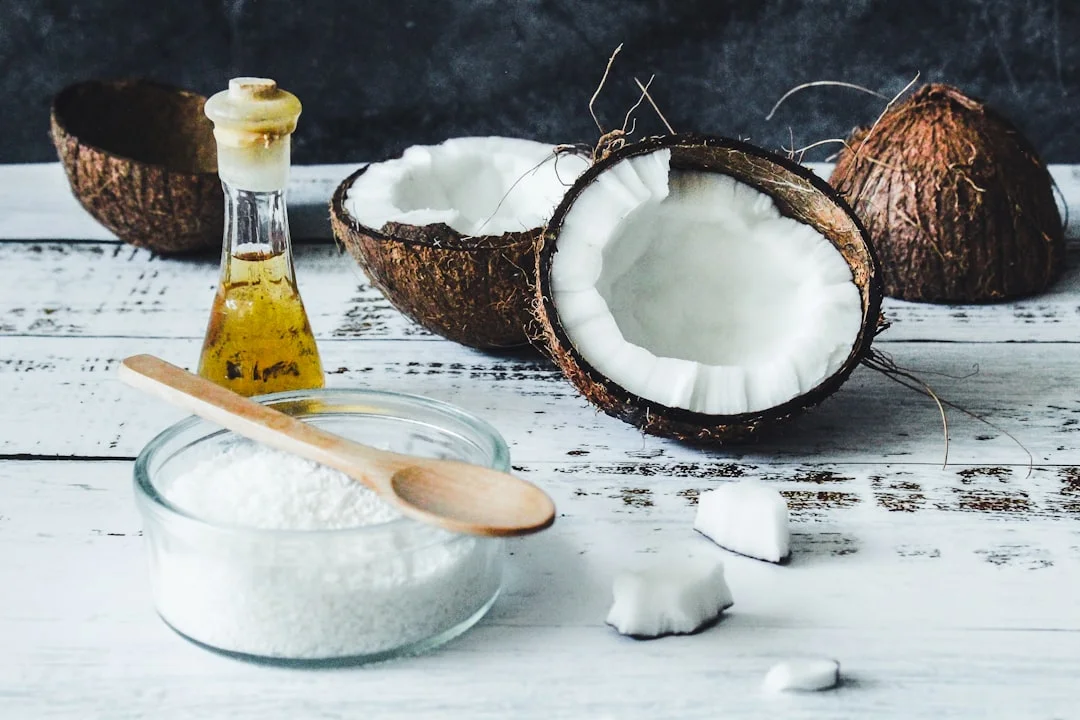
Planting day matters more than most people realise. Choose a healthy seedling 9–12 months old with at least 6 strong leaves. The nut should still be attached — this feeds the seedling for months. Plant just before the rainy season for free irrigation, or in early spring if you’re in a subtropical zone. In my experience, palms planted in May–June in India settle in fastest. That said, follow the numbered steps below for best results.
First Year Care
The first 12 months decide everything. Water deeply twice a week. Shade the seedling from harsh afternoon sun using palm fronds or shade cloth. Watch for rhinoceros beetles — they love young palms. Apply 50 grams of urea after three months, then again at six months. By month 12, your palm should have 10–12 healthy leaves and a sturdy trunk base.
Watering Changes Through the Year
Watering is where most people go wrong. Coconut palms need consistent moisture but never soggy roots. A mature tree drinks 40–60 litres (10–16 gallons) per week in dry months. However, during heavy monsoons, you may not need to water at all. The coconut tree grow care India routine adjusts watering by season. For instance, in summer (March–May), water every 3–4 days. During monsoon (June–September), only water if there’s a dry spell over 5 days. In winter (October–February), water once every 7–10 days. Drip irrigation works brilliantly because it delivers slow, deep moisture without wasting water. Furthermore, growers in arid zones like Saudi Arabia or Arizona should increase frequency but always check soil moisture 15 cm below the surface first.
Signs of Over and Under-Watering
Yellowing lower fronds with soft trunk base means too much water. Brown leaf tips and slow growth point to drought stress. The fix? Always check before you water. Stick your finger 5 cm into the soil — if it’s dry, water deeply. If it’s moist, wait a day or two.
Fertilizing for Strong Growth and High Yield
Coconut palms are heavy feeders. They especially love potassium, which builds strong nuts and disease resistance. A balanced NPK feeding programme transforms yield. For young palms (1–3 years), apply 1.3 kg urea, 2 kg superphosphate, and 3.5 kg muriate of potash per tree per year, split into two doses. For mature palms (4+ years), double these amounts. Importantly, the coconut tree grow care India fertilising calendar usually splits feeding between May–June (pre-monsoon) and September–October (post-monsoon). In addition, organic gardeners can substitute with 25 kg of farmyard manure, 5 kg of neem cake, and wood ash for potassium. The RHS recommends slow-release palm-specific fertilisers for container growers in cooler climates.
Spotting Nutrient Deficiencies
Yellow older fronds signal nitrogen shortage. Orange-yellow speckles on middle leaves mean potassium deficiency — the most common issue in coconut palms. Frizzy new growth points to boron lack. A quick fix? Apply 100 grams of borax around the trunk once a year. For magnesium deficiency (yellow band along leaf edges), sprinkle 500 grams of Epsom salt per tree.
Pest Alert: Threats to Watch Year-Round
Coconut palms face several serious pests. The rhinoceros beetle (Oryctes rhinoceros) bores into the crown, leaving V-shaped cuts in fronds. The red palm weevil (Rhynchophorus ferrugineus) is even worse — it tunnels through the trunk and can kill a mature tree silently. Then there’s the eriophyid mite, which causes scarred, deformed nuts. Effective coconut tree grow care India pest management combines biological and cultural methods. For example, place pheromone traps to catch weevils early. Furthermore, apply neem cake around the base every three months. The Ayush Ministry recognises neem-based bio-pesticides as safe for organic farms. Many gardeners find that planting flowering herbs nearby attracts beneficial wasps that hunt beetle larvae.
Integrated Pest Management Steps
First, inspect crowns monthly using binoculars. Next, remove and burn any infested fronds. Then place 2–3 pheromone traps per acre. After that, apply Metarhizium anisopliae fungal spores into manure heaps — it kills beetle grubs naturally. Finally, keep the crown clean of decaying matter, since rotting tissue attracts every major pest.
Disease Management and Prevention
Bud rot is the most feared coconut disease. Caused by Phytophthora palmivora, it strikes during humid monsoon months and can kill palms within weeks. Early signs include drooping spear leaves and a foul smell from the crown. Other common diseases include stem bleeding (dark fluid oozing from the trunk), leaf blight, and root wilt. Prevention beats cure here. Improve drainage, avoid wounding the trunk, and apply 1% Bordeaux mixture as a preventive spray before monsoon. In severe cases, remove and burn affected tissue, then drench the crown with copper oxychloride solution.
Natural Disease Control
Trichoderma viride applied to soil prevents root diseases naturally. Mix 200 grams with 5 kg of compost and apply around the root zone twice a year. Also, sprinkle wood ash around the base — it raises soil pH slightly and discourages fungal growth. These methods suit organic farms and home gardeners who avoid chemicals.
Recovery: Reviving a Struggling Coconut Palm
Don’t worry if your palm looks weak — most can bounce back. First, diagnose the issue. Is it pests, disease, drought, or nutrient lack? Yellowing all over usually means a feeding problem. Sudden wilting points to root damage or bud rot. Once diagnosed, act fast. For nutrient issues, apply a foliar spray of 2% urea plus micronutrients every 15 days for two months. For root recovery, drench with seaweed extract diluted at 5 ml per litre. Importantly, remove only dead or severely damaged fronds — green ones still feed the tree. With patience, even neglected palms recover within 12–18 months.
When to Replace a Palm
Sometimes, it’s kinder to start over. If the growing point (crown bud) is rotten, the palm cannot recover. Similarly, palms over 60 years old often produce few nuts and become risky in storms. Replace such trees during the next planting season.
Growing Coconut Palms in Cooler Climates and Containers
Living outside the tropics? You can still grow coconut palms — just expect them as ornamentals rather than fruit producers. Choose a large container (minimum 75 litres / 20 gallons) with excellent drainage. Use a mix of coco coir, sand, and compost in equal parts. Keep the palm in the brightest spot you have, ideally a south-facing window or heated conservatory in the UK and northern US. Maintain temperatures above 15°C (59°F). Mist leaves daily to mimic tropical humidity. According to USDA hardiness zone data, coconut palms thrive only in zones 10b–12 outdoors, which limits outdoor growing to Florida, Hawaii, southern Texas, and similar warm pockets globally.
Winter Protection Tips
If you’re in a borderline zone like coastal Spain or southern California, wrap young trunks with hessian or frost cloth during cold snaps. String old-style incandescent fairy lights through the crown for gentle warmth. Move container palms indoors when nights drop below 10°C (50°F).
Traditional Uses Across Cultures
The coconut palm is called the kalpavriksha — wish-fulfilling tree — in Sanskrit texts. Ayurveda uses coconut water as a cooling pitta-balancing drink and the oil for hair, skin, and massage. The Charaka Samhita describes coconut as nourishing, strength-building, and aphrodisiac. Meanwhile, traditional Pacific Islander medicine uses the roots for diarrhoea and the husk fibre for wound dressing. Filipino lambanog (coconut wine) and Sri Lankan kithul treacle showcase the tree’s culinary range. In western herbalism, MCT oil from coconut supports brain health. Research published on PubMed confirms coconut oil’s antimicrobial properties from lauric acid. Truly, no other plant feeds, heals, and shelters humanity like Cocos nucifera.
Frequently Asked Questions
Can I grow a coconut palm indoors in a cold climate?
Yes, but only as a young ornamental. Coconut palms need warmth above 15°C (59°F) and bright light. Choose a dwarf variety, plant it in a 75-litre container with sandy mix, and place it near a south-facing window. Mist daily for humidity. Don't expect coconuts indoors — fruiting needs full tropical conditions. Most indoor coconut palms last 3–5 years before outgrowing the space. In the UK, US northeast, or northern Europe, treat it as a temporary tropical statement plant rather than a long-term tree.
How long does a coconut tree take to bear fruit?
It depends on the variety. Dwarf cultivars like Chowghat Orange Dwarf start fruiting in 3–4 years. Hybrid varieties produce in 4–5 years. Traditional tall varieties take 6–8 years to flower. Once mature, a healthy coconut palm produces 70–120 nuts per year for 60–80 years. Proper coconut tree grow care India techniques — including potassium-rich feeding and good drainage — can shave a year off the wait and boost yields by 30–40%.
Is coconut palm safe for pets and children?
Coconut palms are non-toxic to dogs, cats, and humans. The flesh and water are safe and even nutritious. However, falling coconuts pose a real physical danger — never plant a fruiting palm directly over a play area, driveway, or seating zone. A mature coconut weighs 1–2 kg and can fall from 20 metres. Also, coconut allergies exist but are extremely rare. The ASPCA confirms coconut palms are pet-safe, though dogs eating large amounts of fresh coconut may experience mild stomach upset.
What's the best fertiliser schedule for coconut palms?
Mature coconut palms need 1.3 kg urea, 2 kg superphosphate, and 3.5 kg muriate of potash per year, split into two doses. Apply the first dose in May–June before monsoon and the second in September–October after rains end. Organic growers can use 25 kg farmyard manure, 5 kg neem cake, and wood ash instead. Don't forget micronutrients — apply 100 grams borax and 500 grams Epsom salt annually. Following this coconut tree grow care India fertilising plan can increase nut yield by 40% within two years.
How do I protect my coconut palm from pests naturally?
Start with prevention. Keep the crown clean of dead fronds and decaying matter. Apply neem cake (1 kg per tree) around the base every three months. Install pheromone traps for red palm weevils — two per tree works well. Sprinkle Metarhizium fungal spores into nearby manure piles to kill beetle grubs. Companion plant with marigolds, basil, and lemongrass to repel pests. Inspect crowns monthly. Catching infestations early makes natural control much more effective than chemical sprays.
Can coconut trees grow in arid or desert climates?
Yes, with careful management. Coconut palms grow successfully in Oman, UAE, southern Iran, and parts of Saudi Arabia. They need deep drip irrigation (60–80 litres per week in summer), heavy mulching, and partial shade for the first two years. The main challenge is low humidity — mist crowns weekly and plant near water features when possible. Salt-tolerant varieties like West Coast Tall handle saline groundwater well. Just remember, growth is slower and yields lower than in true tropical climates.
Why are my coconut leaves turning yellow?
Yellow leaves usually point to one of three issues. First, potassium deficiency causes orange-yellow speckles on middle and older fronds — fix with 3 kg muriate of potash yearly. Second, over-watering and poor drainage cause overall yellowing with soft trunk base — improve drainage immediately. Third, magnesium deficiency creates yellow bands along leaf edges — apply 500 grams Epsom salt per tree. Old lower fronds yellowing naturally is normal; just trim them off when they turn fully brown.
How much space does a coconut palm need?
Mature coconut palms need 7.5–9 metres (25–30 feet) of space in every direction. This allows roots to spread and crowns to develop fully. For commercial plantations, 175 trees per hectare is standard. Dwarf varieties can be planted closer at 6 metres apart. Don't plant near buildings, septic tanks, or underground pipes — the root system can spread 10 metres wide. Also, avoid planting under power lines, since mature palms reach 20–30 metres tall.
Final Thoughts
Growing a coconut palm is one of the most rewarding journeys in gardening. Whether you’re in a tropical paradise or pushing the boundaries in a cooler climate, the coconut tree grow care India principles in this guide give you a solid foundation. Remember the basics: full sun, deep drainage, generous potassium, and consistent watering. Watch for pests early, feed twice a year, and don’t crowd your trees. The first few years require patience, but the reward — fresh coconuts, sweet water, and decades of shade — is worth every minute. Start with the right variety for your space and climate. Then follow the seasonal calendar we’ve outlined. Many gardeners find their palms thrive once they stop overwatering and focus on soil health instead. Whether you’re planting one tree in your backyard or starting a small grove, you now have the knowledge to succeed. Happy growing!

