
⏱ 20 min read
Table of Contents
Winter brings a tricky balance for plant lovers. If you’re searching for reliable plant care winter India tips, you’ve come to the right spot. As temperatures drop across northern India to 5°C (41°F) and even lower in hill stations, your tropical houseplants and balcony garden need a different routine. The good news? With a few smart changes, your green friends can thrive right through to spring. In this guide, I’ll share practical plant care winter India tips that work whether you live in Delhi, Mumbai, Bengaluru, or even cooler regions like Shimla and Manali. We’ll cover watering shifts, light tweaks, soil care, and frost protection. I’ve tested these methods across 15 years of gardening, and they apply globally too — from tropical Mumbai to temperate London, where similar cool-season rules help indoor plants survive winter. For more tips, check out our detailed article on Plant Care During Monsoon India.
Quick Highlights
- Cut watering by 40–50% as soil dries slower in cool weather
- Move tropical plants away from cold windows and drafts
- Stop fertilizing most plants from December to mid-February
- Boost humidity to 50–60% using pebble trays or humidifiers
- Protect frost-sensitive plants with cloches, fleece, or indoor shelter
- Prune lightly and delay repotting until spring for best results
Plant Characteristics at a Glance
| Common Name | Winter Plant Care (General Guide) |
| Scientific Name | Applies to multiple species |
| Family | Various (tropical and temperate) |
| Origin | Practices adapted from global horticulture |
| Habitat | Indoor, balcony, terrace, and outdoor gardens |
| Plant Type | Houseplants, ornamentals, vegetables, herbs |
| Indoor Plant | Yes — many tropicals must come indoors |
| Outdoor Plant | Yes — with frost protection where needed |
| Leaves | Wipe weekly to remove dust and boost light absorption |
| Flowers | Winter bloomers include petunia, pansy, dianthus, marigold |
| Flowering Season | October to February for most cool-season annuals |
| Fruit | Strawberries, citrus, and stone fruits set fruit in winter |
| Seeds | Sow winter veggies October–November |
| Roots | Slow growth; protect from cold and waterlogging |
| Height | Varies by species; growth pauses in winter |
| Growth Rate | Slow to dormant during December–January |
| Light Requirements | Maximum available light; move closer to windows |
| Soil Requirements | Well-draining mix: 50% soil, 30% coco coir, 20% perlite |
| Water Requirements | Reduce by 40–50%; water every 7–10 days for most |
| Temperature Requirements | 10–25°C (50–77°F) ideal for tropicals |
| Humidity Requirements | 50–60%; use pebble trays or humidifiers |
| Propagation | Avoid in winter; wait until spring (Feb–March) |
| Uses | Ornamental, culinary, medicinal, air purification |
| Medicinal Properties | Tulsi, ashwagandha, giloy thrive with winter care |
| Toxicity | Some houseplants (pothos, philodendron) toxic to pets |
| Cultural Significance | Winter gardens linked to Indian festivals like Lohri, Pongal |
| Common Pests | Spider mites, mealybugs, aphids, scale insects |
| Common Diseases | Root rot, powdery mildew, leaf spot |
| Special Care Tips | Reduce watering, boost light, protect from frost |
| Cultural Practices | Mulching, fleece covers, indoor relocation |
| Vastu Direction | Place indoor plants in east or north-east for positive energy |
Plant care winter tips Names in Different Languages
| English | Winter Plant Care |
| Mandarin Chinese | 冬季植物护理 (Dōngjì zhíwù hùlǐ) |
| Spanish | Cuidado de plantas en invierno |
| Hindi | सर्दियों में पौधे देखभाल |
| Gujarati | શિયાળામાં છોડની સંભાળ |
| Arabic | العناية بالنباتات في الشتاء |
| Bengali | শীতকালে গাছের যত্ন |
| Portuguese | Cuidados com plantas no inverno |
| Russian | Уход за растениями зимой |
| Japanese | 冬の植物の手入れ (Fuyu no shokubutsu no teire) |
| Punjabi | ਸਰਦੀਆਂ ਵਿੱਚ ਪੌਦਿਆਂ ਦੀ ਦੇਖਭਾਲ |
| German | Pflanzenpflege im Winter |
| Javanese | Perawatan tanduran ing mangsa adhem |
| Korean | 겨울 식물 관리 (Gyeoul sigmul gwanli) |
| French | Soin des plantes en hiver |
| Telugu | శీతాకాలంలో మొక్కల సంరక్షణ |
| Marathi | हिवाळ्यात झाडांची काळजी |
| Tamil | குளிர்காலத்தில் தாவர பராமரிப்பு |
| Urdu | سردیوں میں پودوں کی دیکھ بھال |
| Turkish | Kış bitki bakımı |
| Vietnamese | Chăm sóc cây mùa đông |
Overview of Winter Plant Care
Winter in India isn’t one single climate. In Delhi and Punjab, nights drop to 3–8°C (37–46°F), while Mumbai stays mild at 18–22°C (64–72°F). Bengaluru sits comfortably around 15°C (59°F), and hill stations like Shimla can hit freezing. Each region needs a slightly different plant care routine. However, some rules apply everywhere. Plants slow down. Roots absorb less water. Growth pauses. This dormancy phase is natural and important — it’s how perennials gather energy for spring. The main goal of plant care winter India tips is simple: keep plants healthy, not pushing for new growth. Globally, gardeners in temperate zones (USDA Zones 6–8, RHS H4–H5) follow similar logic. According to the Royal Horticultural Society, tropical houseplants need protection once temperatures fall below 10°C (50°F). Indian winters share this threshold, especially in the north.
Why Winter Is Tough for Plants
Most popular Indian garden plants — tulsi, money plant, hibiscus, curry leaf — come from tropical or subtropical regions. They love warmth. When the mercury dips, their metabolism slows. Photosynthesis (the process plants use to make food from light) drops by up to 50%. Cold drafts from open windows make things worse. In my experience, the biggest winter losses happen not from cold itself but from overwatering plants that have stopped growing. That’s why understanding plant care winter India tips matters so much for first-time gardeners. Many gardeners who grow this plant also love to read about Home Composting Kitchen Waste India.
Regional Winter Differences
North India faces real cold, with frost in some areas. South India enjoys mild winters perfect for growing winter vegetables. Coastal cities like Mumbai and Chennai stay humid and warm. Hill regions need full frost protection. Knowing your zone helps you adjust. The USDA Hardiness Zone system, while American, gives a useful framework — Delhi roughly matches Zone 10a, Mumbai sits in Zone 11, and Shimla aligns with Zone 8b.
What You Need for Winter Plant Care
Before winter hits, gather a few simple supplies. You don’t need fancy equipment. Most items cost under $20 (₹1,500) total and last for years. Here’s my essential checklist for every Indian gardener: a moisture meter to avoid overwatering, horticultural fleece or old bedsheets for frost cover, mulch (dry leaves, coco coir, or straw) for soil insulation, a spray bottle for misting humidity-loving plants, neem oil for pest control, and a south-facing spot indoors for sun-loving tropicals. For balcony gardeners, bubble wrap around pots adds excellent insulation. Globally available products like perlite, peat moss, and coco coir work beautifully alongside local materials such as cow dung compost and gobar khaad. Furthermore, a basic thermometer helps you track overnight lows — crucial in north Indian cities where temperatures can swing 15°C in a single night. If you enjoy growing this plant, you might also find our guide on How to Propagate Plants Cuttings India very useful.
Tools Every Winter Gardener Needs
Start with sharp, clean pruning shears. Add a watering can with a long spout for precise watering. A small humidifier helps if you live in dry regions like Rajasthan or Delhi. For outdoor gardens, frost cloth (also called horticultural fleece) is widely available online and at nurseries. Indian alternatives include jute sacks and old cotton sarees draped over plants overnight. Both work surprisingly well. Many gardeners who grow this plant also love to read about Homemade Fertilizer Plants India.
Step-by-Step Winter Care Guide
Follow this step-by-step routine through the cold months. These plant care winter India tips work for both indoor and outdoor plants across most regions of India and similar climates worldwide. Each step builds on the last, so don't skip ahead. Start preparing in late October or early November, before the first cold snap. By December, your plants should be fully adjusted to winter mode. The schedule below is what I follow in my own Delhi garden, and it's been refined over many seasons of trial, error, and observation. If you enjoy growing this plant, you might also find our guide on best indoor plants for low light very useful.
- The Core Winter Routine
Check plants weekly instead of daily. Water only when the top 2 inches of soil feel dry. Wipe leaves with a damp cloth to maximize light absorption — dust blocks up to 30% of sunlight. Rotate pots every two weeks for even growth. Group plants together to create a humid microclimate. Finally, watch for early signs of stress like leaf yellowing or drooping.
Soil and Pot Selection for Winter
Soil matters more in winter than most gardeners realise. Cold, soggy soil is the number one killer of indoor plants from December to February. Heavy clay-rich potting mixes hold too much water. Switch to a well-draining blend: 50% potting soil, 30% coco coir or peat moss, and 20% perlite or coarse sand. This mix lets roots breathe even when watering slows down. For pot choice, terracotta is excellent because it wicks excess moisture away naturally. Plastic pots hold water longer, which is risky in winter. However, if you’re using plastic, just water less often. Drainage holes are non-negotiable. According to Kew Gardens, root rot from poor drainage causes more plant deaths than any single pest or disease.
Insulating Pots from Cold
Pot walls transfer cold straight to the roots. In north India, wrap terracotta pots with bubble wrap, jute, or even old newspapers. Lift pots off cold concrete floors using wooden blocks or bricks. This small change keeps root zones 3–5°C warmer overnight. It’s one of those plant care winter India tips that experienced gardeners swear by.
Winter Watering Schedule
Watering is where most winter mistakes happen. In summer, you might water daily. In winter, that same routine drowns roots. Here’s the rule I use: water roughly 40–50% less often during December and January. For most houseplants, that means once every 7–10 days instead of every 2–3 days. Check soil first by pushing your finger 2 inches deep. If it’s still moist, wait. If dry, water thoroughly until liquid runs from drainage holes. Always water in the morning so leaves dry before nightfall. Wet leaves overnight invite fungal infections like powdery mildew. Use room-temperature water, never cold tap water straight from the tank — cold water shocks tropical roots.
Watering Different Plant Types
Succulents and cacti barely need water in winter — maybe once every 3–4 weeks. Tropical plants like monstera, pothos, and philodendron want water every 10–14 days. Outdoor garden beds in north India need watering once a week if no rain falls. Herbs like mint and coriander, which actually love cool weather, need slightly more — every 4–5 days. Adjust based on humidity in your home.
Fertilizing Plants in Winter
Here’s the thing — most plants don’t want food in winter. They’re resting. Feeding a dormant plant is like force-feeding someone who’s asleep. Skip fertilizing from mid-December to mid-February for most houseplants and outdoor ornamentals. However, winter-blooming plants like petunias, pansies, dianthus, and sweet alyssum (popular in Indian winter gardens) do benefit from light feeding every 3–4 weeks. Use a diluted balanced fertilizer at half the usual strength. Organic options like vermicompost, banana peel water, or seaweed extract work brilliantly. Vegetable gardens growing winter crops — spinach, fenugreek, peas, carrots — also need regular feeding, since they’re actively producing.

Best Organic Winter Fertilizers
Vermicompost tops my list. It’s gentle, slow-release, and improves soil structure. Mix 1 tablespoon into the top inch of pot soil monthly. Mustard cake (sarson ki khali), soaked overnight in water and diluted 1:10, is a traditional Indian feed that works wonderfully on roses and hibiscus. Internationally, fish emulsion and worm castings offer similar benefits and are widely available.
Frost and Cold Protection Methods
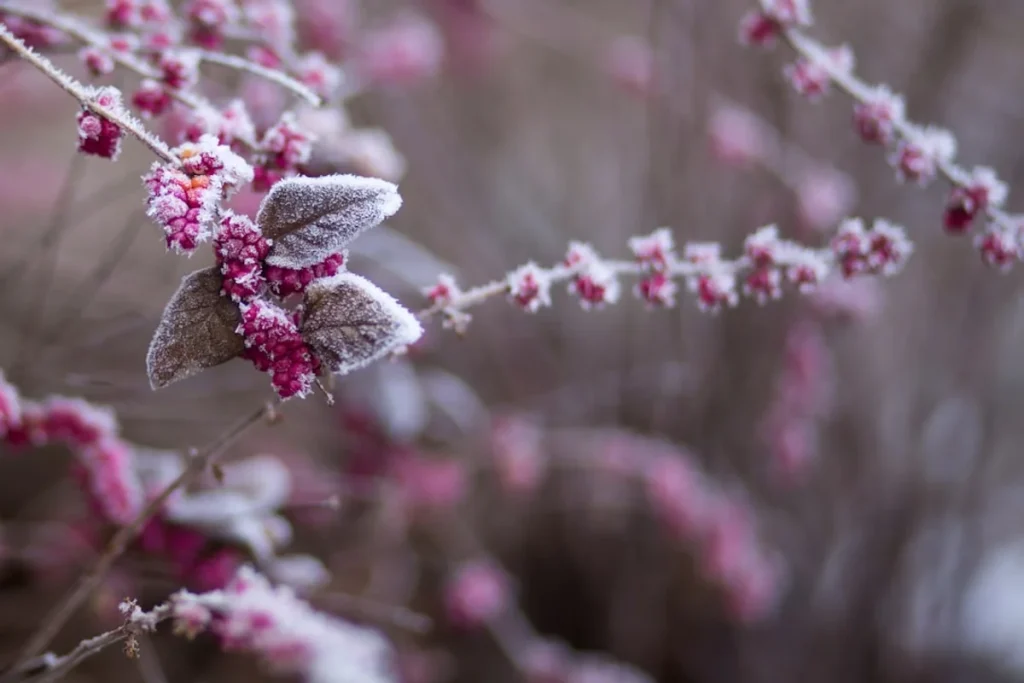
Frost protection is essential in north India, hill stations, and similar cool zones worldwide. Even one frosty night can kill tender tropicals. Watch the weather forecast from late November onwards. When overnight lows are predicted below 5°C (41°F), take action. Move potted plants indoors or onto covered verandas. For ground-planted shrubs, drape horticultural fleece, old bedsheets, or jute sacks over them in the evening. Remove covers each morning so plants get light and air. Mulch heavily around root zones with dry leaves, straw, or coco husk — a 3-inch layer keeps soil 4–6°C warmer. Many gardeners find that grouping pots together against a south-facing wall creates a warm pocket that protects even sensitive plants like adenium and bougainvillea.
Indoor Overwintering
Bring tropical plants like crotons, hibiscus, and rubber plants indoors before nights drop below 10°C (50°F). Place them near south or east-facing windows for maximum light. Keep them away from heater vents and cold drafts. Mist leaves twice a week or run a humidifier — indoor heating dries the air dramatically, often dropping humidity to 20%, which tropicals hate.
DIY Greenhouse Solutions
A simple poly tunnel made from PVC pipes and clear plastic sheeting costs under $30 (₹2,500) and protects multiple plants. Cloches — clear plastic bottles cut in half — work for individual seedlings. For balcony gardeners, a transparent shower curtain wrapped around plant racks creates an instant mini-greenhouse.
Common Winter Plant Care Mistakes
Even seasoned gardeners slip up in winter. The most common mistake? Overwatering. I’ve watched countless beautiful plants die not from cold but from waterlogged roots. The second mistake is keeping plants in dark corners. Winter sunlight is already weaker — your plants need every photon they can get. Move them closer to windows. Third, people forget that indoor heating zaps humidity. Tropical plants suffer in dry, heated rooms even more than outdoors. Fourth, many gardeners prune heavily in winter, which stresses already-dormant plants. Save major pruning for late February or early March. Finally, repotting in winter is risky — roots can’t recover well in cold soil. These plant care winter India tips, when followed together, prevent 90% of winter plant losses.
Pest Problems in Winter
Indoor plants attract spider mites, mealybugs, and scale in winter because of dry air. Inspect leaves weekly, especially undersides. Wipe pests off with cotton dipped in neem oil solution (5ml neem oil + 1 litre water + 2 drops dish soap). The Ayush Ministry recognises neem as one of India’s most effective natural pesticides, and it’s safe for kitchen herbs too.
Pruning and Harvesting in Winter
Winter is harvest season for India’s cool-weather crops. Spinach (palak), fenugreek (methi), coriander (dhania), carrots, radishes, peas, and cauliflower all reach peak quality in December and January. Harvest leafy greens in the morning when leaves are crisp and full of moisture. Cut outer leaves first, leaving the centre to keep producing. For pruning ornamentals, do only light shaping in winter. Remove dead, damaged, or diseased branches. Save heavy pruning of roses, hibiscus, and bougainvillea for mid-February when new growth begins. Cutting back hard during dormancy can trigger weak, frost-vulnerable shoots.

Winter Herbs to Grow at Home
Coriander, dill, parsley, mint, and chives thrive in Indian winters. Sow seeds directly in pots from October onwards. They prefer cool 15–22°C (59–72°F) days and dislike summer heat. A south-facing balcony works perfectly. Harvest leaves regularly — frequent cutting encourages bushier growth and prevents bolting (premature flowering).
Frequently Asked Questions
How often should I water plants in winter ?
Cut watering by 40–50% during winter. For most houseplants, water once every 7–10 days instead of every 2–3 days. Always check the top 2 inches of soil first — water only if it feels dry. Succulents need water just once every 3–4 weeks. These plant care winter India tips apply to Delhi, Bengaluru, and most Indian cities. In coastal Mumbai, you may water slightly more often because humidity is higher and pots dry faster. Always use room-temperature water in the morning.
Can I keep tropical plants outdoors during a north winter?
It depends on the plant. Hardy tropicals like curry leaf, hibiscus, and bougainvillea handle Delhi winters if protected with fleece or jute on cold nights. However, sensitive plants like crotons, anthurium, and money plants must come indoors when temperatures drop below 10°C (50°F). In hill stations like Shimla or Manali, move all tropicals indoors by late October. Mediterranean and temperate plants like roses, geraniums, and lavender thrive outdoors in Indian winters.
Should I fertilize plants in winter?
Mostly no. Plants enter dormancy in winter, so they don't use nutrients well. Stop fertilizing houseplants from mid-December to mid-February. However, winter-flowering plants like petunia, pansy, and dianthus benefit from diluted feeding every 3–4 weeks. Winter vegetables (spinach, methi, peas) also need regular feeding. Use organic options like vermicompost, mustard cake, or seaweed extract at half-strength. Overfeeding dormant plants leads to weak, leggy growth and root damage.
Are winter plants safe for pets and children?
Many popular winter houseplants are toxic to pets and children if chewed. Pothos, philodendron, dieffenbachia, and lily varieties contain calcium oxalate crystals that cause mouth irritation and vomiting. Keep these out of reach. Pet-safe winter options include spider plant, areca palm, Boston fern, and parlour palm. Outdoor winter bloomers like marigold and dianthus are generally safe. The [ASPCA toxic plant database](https://www.aspca.org/) is an excellent resource to check any plant before bringing it home.
How do I protect balcony plants from cold in Delhi?
Group pots together against a south-facing wall to create a warm pocket. Wrap pot exteriors with bubble wrap or jute. Lift pots off cold concrete using wooden blocks. Cover plants with horticultural fleece, old bedsheets, or clear plastic on nights below 5°C (41°F). Mulch soil with dry leaves or coco husk to insulate roots. A simple DIY poly tunnel using PVC pipes and plastic sheeting works wonders. These plant care winter India tips have saved my balcony garden through many Delhi cold waves.
Why are my plant leaves turning yellow in winter?
Yellow leaves in winter usually mean overwatering, not underwatering. Cold soil holds moisture longer, so roots sit in wet conditions and start to rot. Check drainage, reduce watering frequency, and let soil dry between waterings. Other causes include cold drafts from windows, sudden temperature drops, and low humidity. Move plants away from AC vents and cold glass. If only old lower leaves yellow and drop, that's normal winter shedding — nothing to worry about.
Which vegetables grow best in winters?
Indian winters are perfect for cool-season vegetables. Top picks include spinach (palak), fenugreek (methi), coriander (dhania), mustard greens (sarson), peas (matar), carrots, radishes, beetroot, cauliflower, cabbage, broccoli, and lettuce. Sow seeds from October to early December for best results. These crops prefer 10–25°C (50–77°F) and bolt quickly in heat. Grow them in pots, grow bags, or raised beds with rich compost-amended soil and 4–6 hours of direct sunlight daily.
When should I start spring preparation for my plants?
Begin spring prep in mid-to-late February in most Indian regions. This is when nights warm up and plants show new buds. Start with light pruning of roses, hibiscus, and bougainvillea. Resume fertilizing gradually at half-strength. Repot rootbound plants now since recovery is fast in warming soil. Slowly reintroduce indoor plants to outdoor light over 7–10 days to avoid sunburn. In hill stations, wait until March. South India can start as early as late January.
Final Thoughts
Winter doesn’t have to be scary for plant lovers. With the right plant care winter India tips, your garden can sail through the cold months and burst into vigorous growth come spring. Remember the core principles: water less, give more light, protect from frost, skip the fertilizer, and watch for pests. Adjust your approach based on your specific region — Delhi’s dry cold is different from Mumbai’s mild humidity or Shimla’s frost. Most importantly, observe your plants. They’ll tell you what they need through their leaves, growth pattern, and soil moisture. Many gardeners find that winter is actually the easiest season once they shift their mindset from active growing to gentle maintenance. Start applying these tips today, and by February you’ll see healthy, well-rested plants ready to explode into spring growth. Happy gardening — and stay warm out there!

