

Lotus, known as “Kamala” in Hindi, is a beautiful and sacred flower that can be grown and cared for quite easily if the right methods are followed. This comprehensive guide will provide you with all the necessary steps and tips to successfully grow and care for Lotus plant.
Table of contents
Introduction
The Lotus flower is not only admired for its beauty but also holds a significant place in various cultures and religions. It symbolizes purity, enlightenment, and rebirth in Hinduism and Buddhism. Growing Lotus in your garden or pond can add a serene and tranquil ambiance to your space. This article will guide you through the entire process of growing and caring for Lotus, from selecting the right seeds to maintaining healthy plants.

Lotus Plant Characteristics Table
| Detail | Description |
|---|---|
| Common Name | Lotus |
| Scientific Name | Nelumbo nucifera |
| Family | Nelumbonaceae |
| Origin | Asia |
| Habitat | Ponds, lakes, and slow-moving rivers |
| Plant Type | Aquatic perennial |
| Leaves | Large, round, peltate leaves |
| Flowers | Showy, fragrant, and can be pink, white, or yellow |
| Flowering Season | Summer |
| Fruit | Nut-like seedpods |
| Seeds | Round, hard seeds |
| Roots | Rhizomes |
| Height | Up to 6 feet (1.8 meters) |
| Light Requirements | Full sunlight |
| Soil Requirements | Clay or loamy soil |
| Water Requirements | Deep water, submerging the roots |
| Propagation | By seeds or rhizomes |
| Uses | Ornamental, culinary, and medicinal |
| Medicinal Properties | Used in traditional medicine for various ailments |
| Cultural Significance | Symbol of purity, beauty, and rebirth |
| Common Pests | Aphids, caterpillars, snails |
| Common Diseases | Leaf blight, root rot |
Steps to Grow Lotus Plant

1. Selecting Seeds
To grow Lotus, the first step is to select high-quality seeds. It is crucial to purchase seeds from a reputable source to ensure their viability. You can test the seeds by placing them in water. The viable seeds will sink, while the non-viable seeds will float. Discard the floating seeds and use the ones that sink for planting.
2. Preparing Seeds
To facilitate the germination process, slightly rub one end of the seed using sandpaper or a file to remove the hard outer layer. This scarification process helps water penetrate the seed coat, accelerating germination.
3. Soak Seeds in Water
Place the scarified seeds in lukewarm water, changing the water daily to prevent stagnation. Keep the container in a warm, sunny location. Within a few days, you will notice sprouts emerging from the seeds, indicating successful germination.
4. Planting Sprouted Seeds
Once the sprouts reach a length of 2-3 inches, they are ready to be planted in soil. The ideal soil for Lotus is heavy clay or loamy soil that can retain moisture. Fill a container with the soil, ensuring it is at least 6 inches deep. Gently press the sprouted seeds into the soil, covering them lightly. Submerge the container in water, ensuring the water level is about 2-4 inches above the soil surface.
5. Water Management
Lotus requires deep water to thrive. As the plant grows, gradually increase the water level to maintain adequate depth. Ensure the plant roots remain submerged in water and the leaves and flowers are exposed to sunlight. It is essential to keep the water clean and free from debris to prevent diseases and promote healthy growth.
Care for Lotus Plant
1. Sunlight
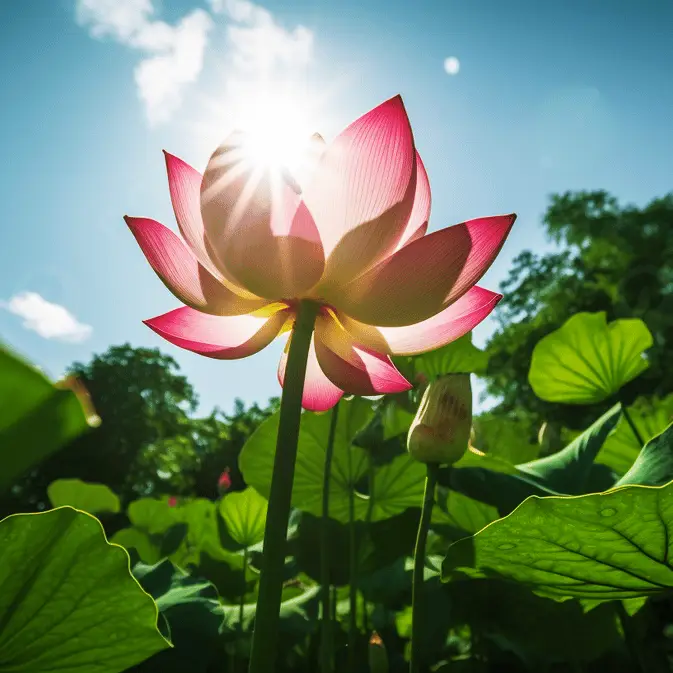
Lotus plants require full sunlight to grow and bloom successfully. Ensure the plants receive at least 6-8 hours of direct sunlight daily. Place the containers or ponds in a location that receives ample sunlight throughout the day.
2. Fertilization
To keep the Lotus plants healthy and promote vigorous growth, regularly use organic fertilizers. Fertilize the plants every 3-4 weeks during the growing season. Use a balanced fertilizer with a higher phosphorus content to encourage flowering. Mix the fertilizer in water and apply it near the base of the plant, avoiding direct contact with the leaves and flowers.
3. Pest and Disease Management
Lotus plants are generally resilient but can be susceptible to pests and diseases. Common pests include aphids, caterpillars, and snails, while common diseases include leaf blight and root rot. Use organic pesticides to control pests and regularly inspect the plants for signs of infestation. Ensure proper water management to prevent waterborne diseases.
4. Winter Care
In colder regions, Lotus plants require special care during winter. If your area experiences frost, bring the plants indoors or keep them in a greenhouse to protect them from freezing temperatures. Reduce watering and allow the plants to go dormant. In mild winter climates, you can leave the plants in the pond, but ensure the water level does not drop too low.

Additional Tips for Successful Lotus Cultivation
1. Container Size and Depth
When growing Lotus in containers, choose a container that is at least 12-18 inches in diameter and 6-12 inches deep. Larger containers provide ample space for the rhizomes to spread and support the plant’s growth. Ensure the container has no drainage holes to retain water.
2. Soil and Nutrient Requirements
Lotus plants thrive in heavy clay or loamy soil that can retain moisture. Avoid using sandy or gravelly soil as it drains quickly and does not provide sufficient nutrients. Amend the soil with organic compost or well-rotted manure to enhance fertility.
3. Water Quality
Maintain good water quality by regularly changing the water in containers or ponds. Stagnant water can lead to algae growth and disease. Use dechlorinated water or allow tap water to sit for 24 hours before using it for Lotus plants.
4. Pruning and Maintenance
Regularly remove dead or yellowing leaves and spent flowers to maintain the plant’s health and appearance. Prune the plants to control their size and shape. Remove any debris or fallen leaves from the water to prevent decay and disease.
5. Propagation
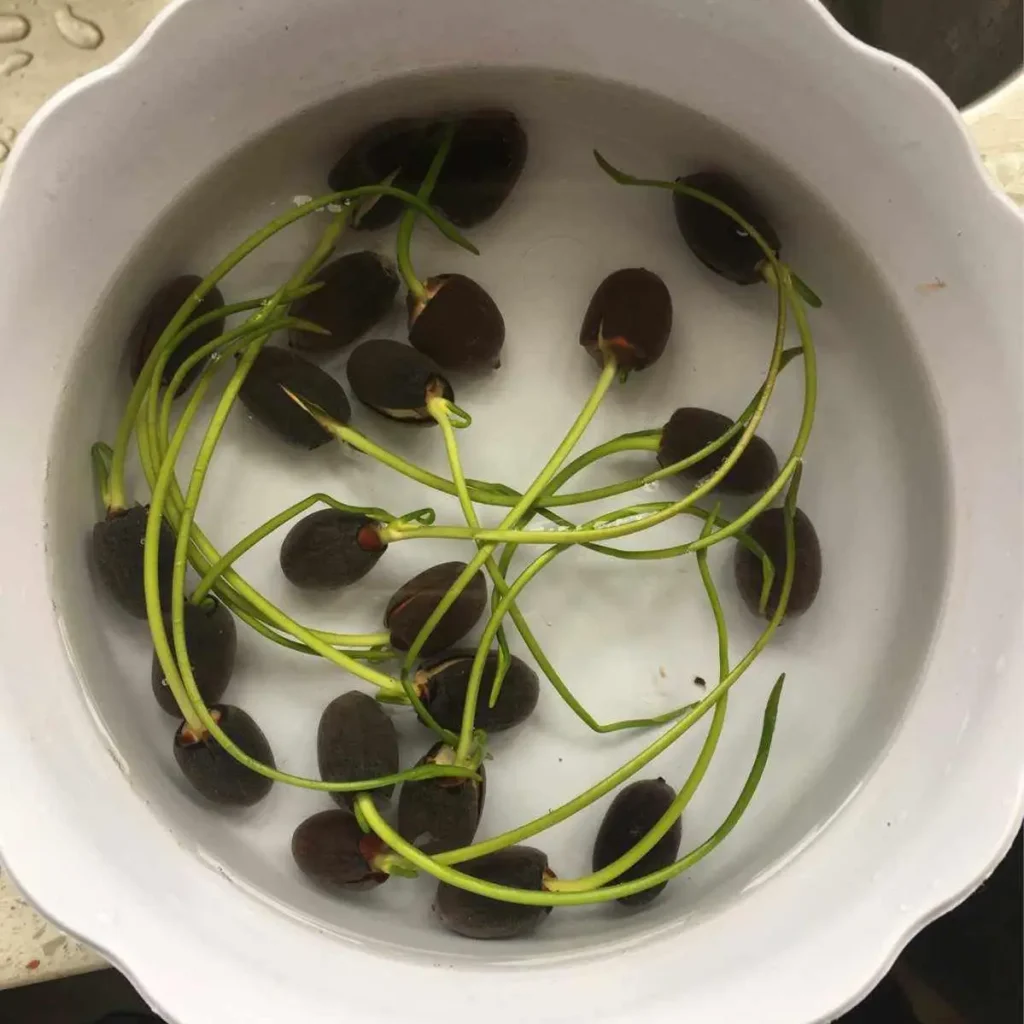
Lotus plant can be propagated through seeds or rhizome division. For rhizome division, carefully separate the rhizomes during the dormant season and plant them in separate containers. Ensure each division has at least one growing point.
Purchase High-Quality Lotus Seeds
To grow Lotus, start by purchasing high-quality seeds. You can buy Lotus seeds from this Amazon link to ensure you get the best quality for successful planting.
Lotus Name in Different Languages
| Language | Name |
|---|---|
| English | Lotus |
| Mandarin | 荷花 (Héhuā) |
| Spanish | Loto |
| Hindi | कमल (Kamala) |
| Gujarati | કમળ (Kamal) |
| Arabic | لوتس (Lūts) |
| Bengali | পদ্ম (Padma) |
| Portuguese | Lótus |
| Russian | Лотос (Lotos) |
| Japanese | 蓮 (Hasu) |
| Punjabi | ਕਮਲ (Kamal) |
| German | Lotusblume |
| Javanese | Teratai |
| Korean | 연꽃 (Yeonkkot) |
| French | Lotus |
| Telugu | కమలం (Kamalaṁ) |
| Marathi | कमळ (Kamaḷ) |
| Tamil | தாமரை (Tāmarai) |
| Urdu | کنول (Kanwal) |
| Turkish | Nilüfer |
| Vietnamese | Hoa sen |
Conclusion
Growing and caring for Lotus plants can be a fulfilling and rewarding experience. These plants not only add aesthetic value to your garden or pond but also carry cultural and medicinal significance. By following the steps and tips provided, you can successfully grow and maintain healthy Lotus plants. Their beauty and symbolic meaning can bring peace and tranquility to any space.
FAQs
Lotus plants require at least 6-8 hours of sunlight daily to thrive and bloom.
Yes, you can grow Lotus indoors, especially during winter to protect them from cold temperatures. Ensure they receive adequate sunlight or use grow lights.
Heavy clay or loamy soil that retains moisture is ideal for Lotus. Avoid sandy or gravelly soil.
Fertilize Lotus plants every 3-4 weeks during the growing season using organic fertilizers with a higher phosphorus content.
Use organic pesticides and regularly inspect your Lotus plants for signs of pests. Maintain good water quality to prevent pest infestations.

