
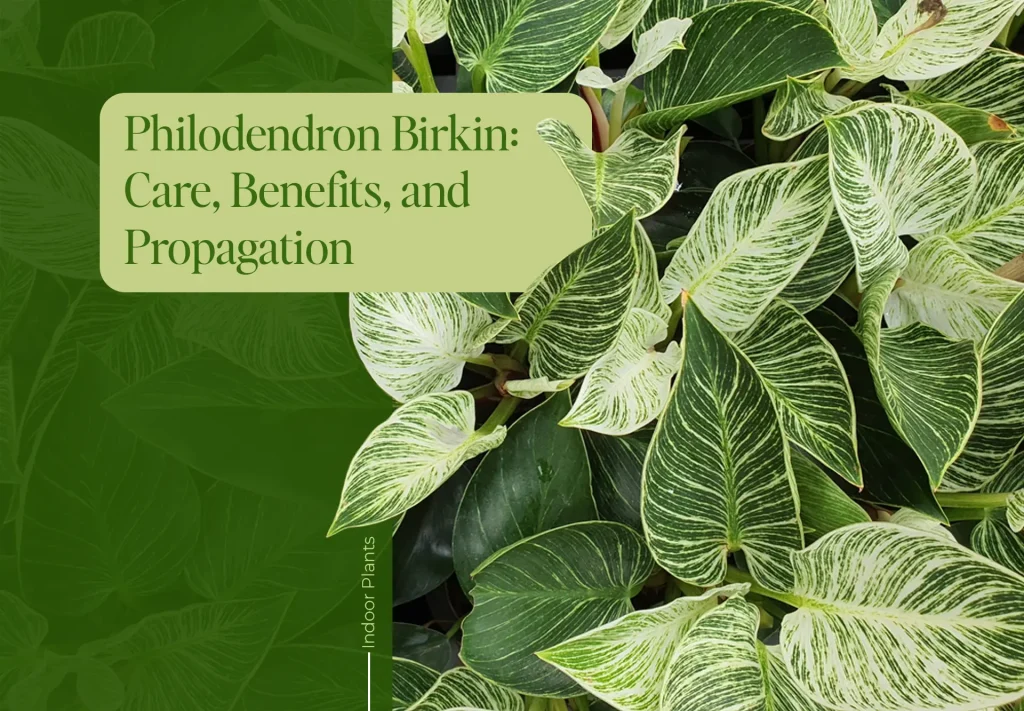
Philodendron Birkin is a highly sought-after variety of the Philodendron family. Its unique green leaves with creamy white or yellow stripes make it stand out. Philodendron Birkin care, or caring for Philodendron Birkin, involves understanding its light, soil, and water needs. The benefits of Philodendron Birkin, such as air purification and low maintenance, add to its appeal. Philodendron Birkin propagation, or propagating Philodendron Birkin, is simple and can be done through stem cuttings. Knowing the Philodendron Birkin light requirements, or the light needs for Philodendron Birkin, is essential for maintaining its vibrant foliage and overall health.
Table of contents
Philodendron Birkin Care
Light
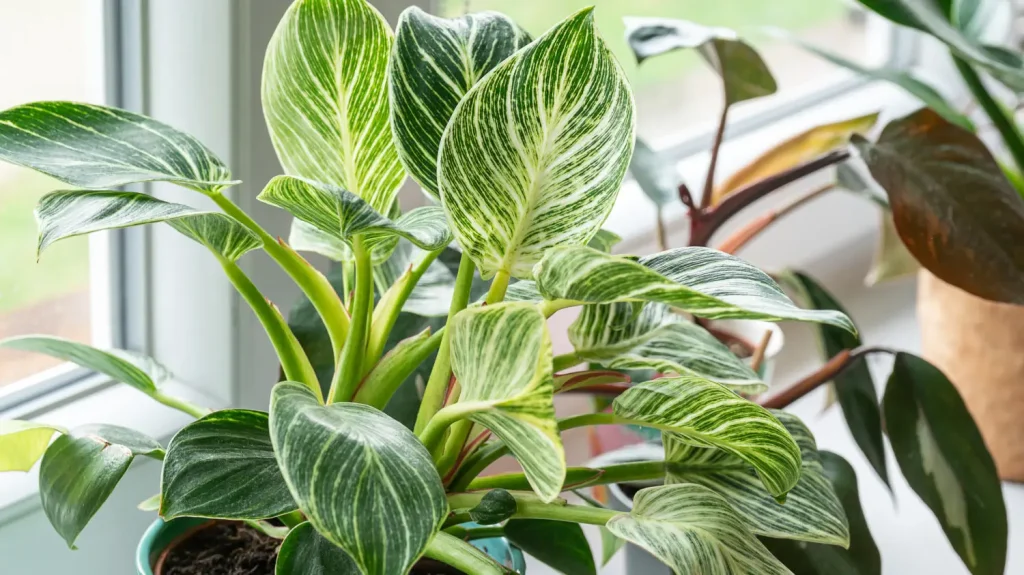
Most Philodendron species appreciate filtered light, and Birkin is no exception. A west or east-facing window with medium bright, indirect light usually works well. To maximize variegation, you don’t want a corner that is too shady, but too much direct sunlight can scorch the leaves. If placed in low light conditions, the plant may lose its vibrant leaf patterns.
Ideal Lighting Conditions
- Medium bright, indirect light.
- Avoid direct sunlight to prevent leaf burn.
- Can tolerate low light but will grow more slowly and may lose variegation.
- Rotate the plant occasionally to ensure even light exposure.
Soil
Philodendrons thrive in a potting mix designed specifically for aroid species (plants in the Araceae family). To make your own, mix one part potting soil, one part orchid bark, and one part perlite. This combination provides the right amount of acidity, moisture retention, drainage, and aeration. Adding activated charcoal can help keep the soil fresh and prevent fungal growth.
Soil Mix Recipe
- 1 part potting soil.
- 1 part orchid bark.
- 1 part perlite.
- Optional: a handful of activated charcoal for freshness.
Water
Philodendron Birkin is not resistant to overwatering. One of the biggest issues with this plant is soggy soil, which often leads to mushy stems and root rot. Allow the top layer of soil to dry out before increasing moisture levels. Water thoroughly and let the excess drain out. It’s better to underwater slightly than to overwater.
Watering Tips
- Allow the top inch of soil to dry before watering.
- Use room temperature water.
- Ensure the pot has drainage holes.
- Avoid letting the plant sit in water.
Temperature and Humidity
The ideal room temperature for this plant is between 65 and 85 degrees Fahrenheit, and the humidity should be maintained between 50 and 60%. These temperature and humidity levels are ideal for this plant and ensure its healthy growth. In drier environments, a humidifier or a pebble tray with water can help maintain the necessary humidity levels.
Optimal Conditions
- Temperature: 65-85°F (18-29°C).
- Humidity: 50-60%.
- Avoid drafts and sudden temperature changes.
- Increase humidity with a humidifier or pebble tray if necessary.
Fertilizer
Fertilize every two months during spring and summer. Use a high-quality, balanced liquid fertilizer that can supply the essential nutrients. Over-fertilizing can lead to salt build-up in the soil, so it’s important to flush the soil occasionally by running water through it to wash away excess salts.
Fertilizing Schedule
- Spring and summer: every two months.
- Use a balanced liquid fertilizer.
- Dilute fertilizer to half the recommended strength.
- Flush soil periodically to prevent salt build-up.
Philodendron Birkin Plant Characteristics Table
| Aspect | Details |
|---|---|
| Scientific Name | Philodendron Birkin |
| Common Name | Birkin Philodendron |
| Family | Araceae |
| Origin | Hybrid (possibly from Philodendron ‘Rojo Congo’ or ‘Congo’ and ‘Imperial Green’) |
| Light | Medium bright, indirect light; avoid direct sunlight |
| Soil | Potting mix with one part potting soil, one part orchid bark, and one part perlite |
| Watering | Allow top layer of soil to dry before watering; avoid overwatering |
| Temperature | 65-85°F (18-29°C) |
| Humidity | 50-60% |
| Fertilization | Every two months during spring and summer with balanced liquid fertilizer |
| Growth Rate | Slow-growing |
| Propagation | Stem cuttings |
| Repotting | When roots outgrow the drainage holes; use a pot a few inches wider |
| Common Problems | Yellowing leaves (overwatering), brown tips (low humidity), curling leaves (underwatering), dropping leaves (cold temperature) |
Philodendron Birkin Plant Propagation
Propagation and Common Issues
Propagating Philodendron Birkin through stem cuttings is a straightforward process that allows you to grow new plants from existing ones. Being aware of common issues such as yellowing leaves, brown tips, curling leaves, and dropping leaves, and knowing how to address them, will help keep your plant thriving.
Whether you are a seasoned plant enthusiast or a beginner, Philodendron Birkin is a rewarding addition to your collection. With proper care and attention, it will flourish and continue to be a beautiful centerpiece in your home.
By adhering to these guidelines and understanding the specific needs of Philodendron Birkin, you can enjoy the beauty and benefits of this unique plant for years to come.
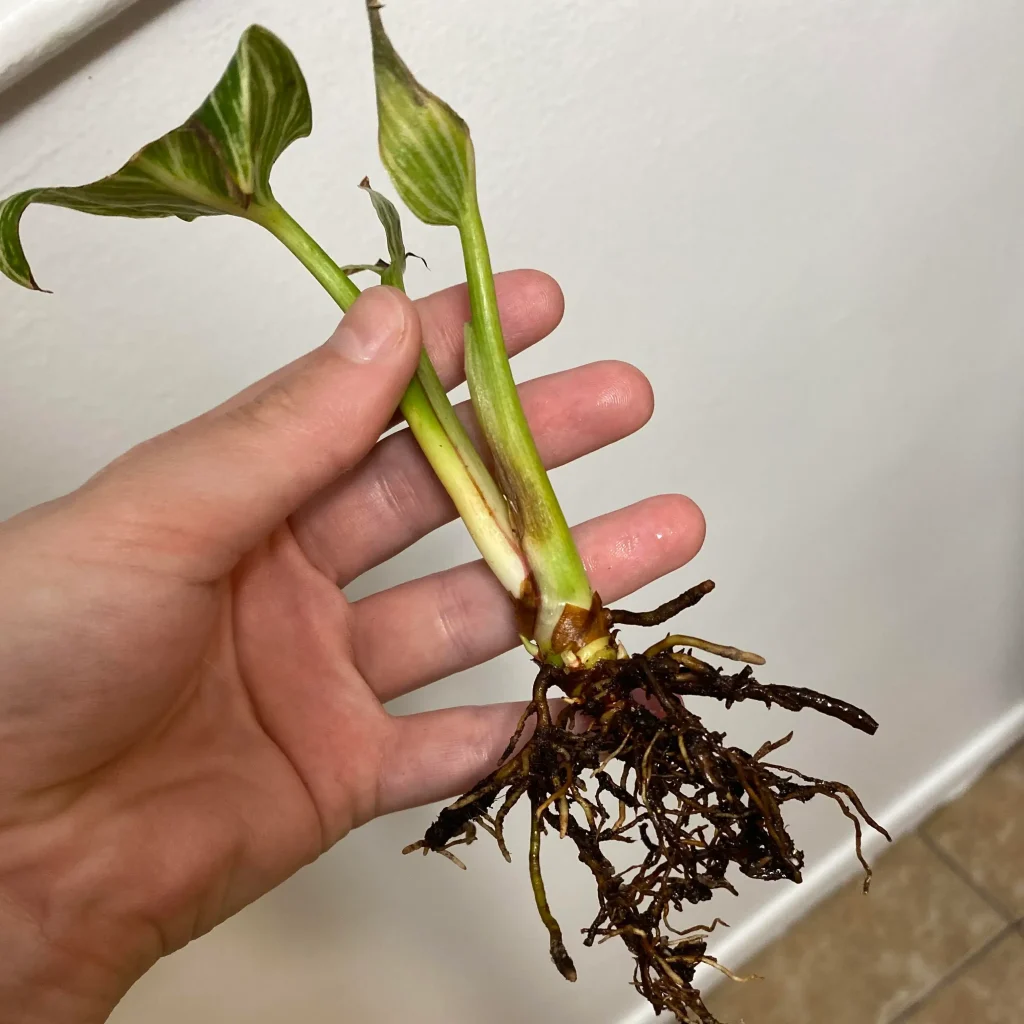
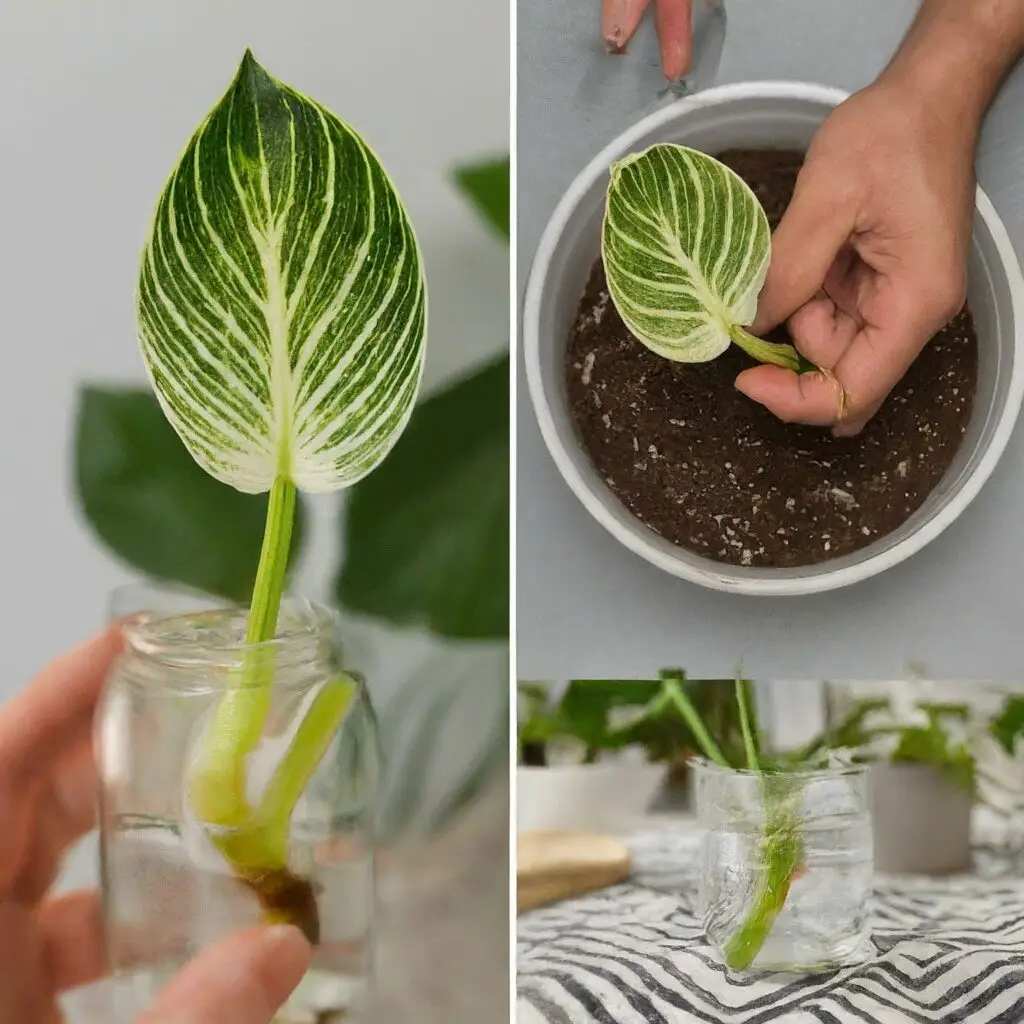
Philodendron Birkin can be easily propagated through stem cuttings. Here’s how to do it:
- Take a 4-5 inch stem cutting with four to six leaves.
- Remove the lower leaves to expose the nodes.
- Dip the nodes in water and place them in a spot with bright, indirect light.
- Change the water every few days.
- Once small white roots start growing, plant the cutting in soil.
Step-by-Step Propagation Guide
- Select a Healthy Stem: Choose a stem with at least one node and healthy leaves.
- Make the Cut: Use sterilized scissors or a knife to cut the stem below a node.
- Prepare the Cutting: Remove lower leaves and expose the nodes.
- Root in Water: Place the cutting in water, ensuring the nodes are submerged.
- Transfer to Soil: Once roots are 1-2 inches long, plant the cutting in a suitable soil mix.
Potting and Repotting
Being a slow grower, this Philodendron doesn’t need repotting until the roots start to come out of the drainage holes. This is also an opportunity to refresh the potting mix. The new pot should only be a few inches wider in diameter to prevent excess moisture buildup.
Repotting Tips
- When to Repot: Repot when roots are visible through drainage holes.
- Choose the Right Pot: Select a pot 1-2 inches larger in diameter.
- Refresh Soil Mix: Use fresh soil mix to provide nutrients and improve drainage.
- Gently Remove Plant: Carefully remove the plant from its current pot to avoid damaging roots.
- Place in New Pot: Position the plant in the center and fill around with soil.
Philodendron Birkin Names in Different Languages
| Language | Name |
|---|---|
| Hindi | फिलोडेंड्रोन बिर्किन |
| Bengali | ফিলোডেনড্রন বিৰ্কিন |
| Tamil | பிலோடென்ட்ரான் பிற்கின் |
| Telugu | ఫిలోడెండ్రాన్ బిర్కిన్ |
| Kannada | ಫಿಲೋಡೆಂಡ್ರಾನ್ ಬಿರ್ಕಿನ್ |
| Malayalam | ഫിലോഡെൻഡ്രോൺ ബിർകിൻ |
| Marathi | फिलोडेंड्रॉन बिर्किन |
| Gujarati | ફિલોડેન્ડ્રોન બિર્કિન |
| Punjabi | ਫ਼ਿਲੋਡੈਂਡਰੋਨ ਬਿਰਕਿਨ |
| Urdu | فِلَودَینڈرُون بَیرکِن |
| Spanish | Filodendro Birkin |
| French | Philodendron Birkin |
| German | Philodendron Birkin |
| Chinese | 比尔金蔓绿绒 |
| Japanese | フィロデンドロン・バーキン |
| Korean | 필로덴드론 버킨 |
| Russian | Филодендрон Биркин |
| Arabic | فيلوديندرون بيركين |
Common Problems and Solutions of Philodendron Birkin
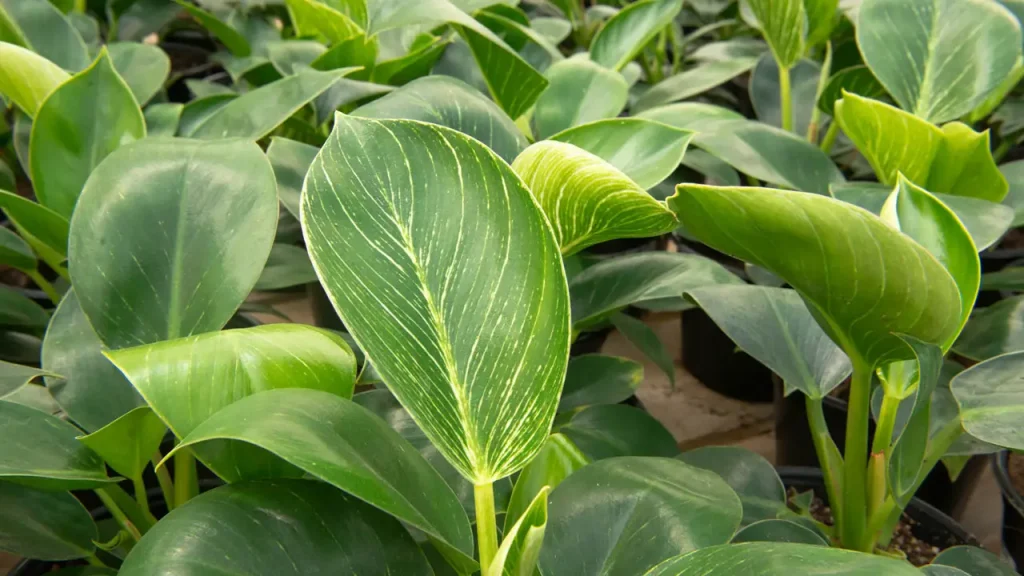
Yellowing Leaves
Yellowing of old leaves is normal, but if you see yellow leaves on new growth, it might indicate overwatering or over-fertilization. Ensure the plant is not sitting in water and check the soil moisture before watering.
Solution
- Overwatering: Allow the soil to dry out more between waterings.
- Over-fertilization: Flush the soil with water to remove excess fertilizer salts.
Brown Tips
If the edges or tips of the leaves start to turn brown, it may indicate a need to increase the watering schedule or provide higher humidity levels. Ensure the plant is not in direct sunlight, which can also cause browning.
Solution
- Low Humidity: Increase humidity using a humidifier or pebble tray.
- Inconsistent Watering: Water regularly to maintain consistent soil moisture.
Curling Leaves
Curling leaves can signal that it’s not getting enough moisture. If the top few inches of the soil are dry, it’s time to water. Check for pests like spider mites, which can also cause leaves to curl.
Solution
- Underwatering: Water the plant thoroughly and ensure even soil moisture.
- Pest Infestation: Inspect for pests and treat with insecticidal soap if necessary.
Dropping Leaves
This is a sign that your Birkin needs a warmer location. Keep it away from drafts and cold spots. Ensure the plant is not experiencing significant temperature fluctuations.
Solution
- Cold Temperatures: Move the plant to a warmer, stable environment.
- Sudden Changes: Avoid placing the plant near doors or windows where temperature changes frequently.
Philodendron Birkin Benefits
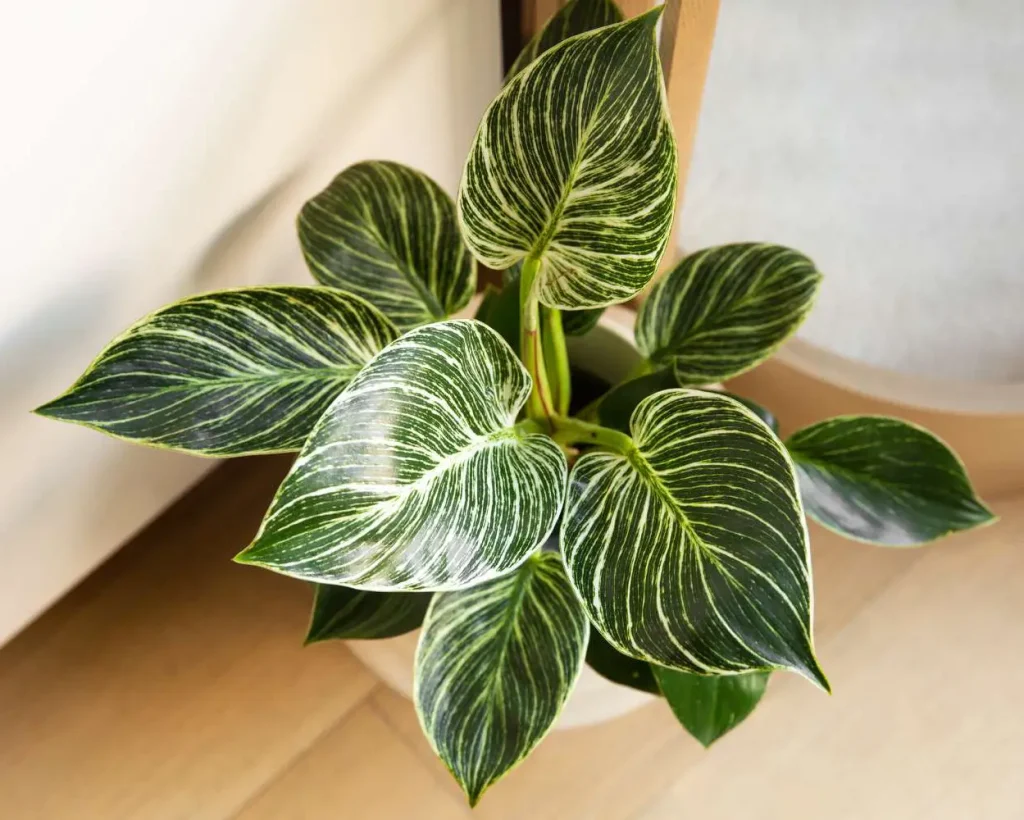
Philodendron Birkin not only enhances the aesthetic appeal of your home but also offers benefits such as air purification and low maintenance requirements. Its compact size makes it perfect for small spaces and apartments.
- Air Purification: Helps in improving indoor air quality by removing toxins.
- Low Maintenance: Requires minimal care, making it ideal for beginners.
- Aesthetic Appeal: Its striking foliage adds a touch of elegance to any room.
- Compact Size: Perfect for small spaces and apartments.
Key Takeaways for Philodendron Birkin Care
- Light: Medium bright, indirect light to maintain variegation and prevent leaf scorch.
- Soil: Well-draining potting mix, ideally a combination of potting soil, orchid bark, and perlite.
- Water: Allow the top inch of soil to dry before watering; avoid overwatering to prevent root rot.
- Temperature and Humidity: Maintain a temperature range of 65-85°F and humidity levels of 50-60%.
- Fertilizer: Apply a balanced liquid fertilizer every two months during the growing season.
Frequently Asked Questions (FAQ)
Philodendron Birkin is a unique houseplant known for its green leaves with creamy white or yellow stripes.
Philodendron Birkin thrives in medium bright, indirect light, ideally from a west or east-facing window.
Water your Philodendron Birkin when the top layer of soil dries out to prevent overwatering and root rot.
A mix of one part potting soil, one part orchid bark, and one part perlite works best for Philodendron Birkin.
Philodendron Birkin can be propagated through stem cuttings. Dip the cut nodes in water, and plant them in soil once roots appear.
Conclusion
Philodendron Birkin is a stunning and unique plant that can add a touch of elegance to any home. With its striking green leaves adorned with creamy white or yellow stripes, it stands out as a beautiful addition to any indoor garden. By following the detailed care guidelines provided, you can ensure that your Philodendron Birkin remains healthy and vibrant.

